
Nutrition comparison
Tandoori Chicken vs Chicken Tikka: Nutrition, Calories, and Health Comparison
Compare Tandoori Chicken vs Chicken Tikka to find out which is leaner, lower in calories, and better for weight loss or muscle gain. Discover the real nutritional differences.
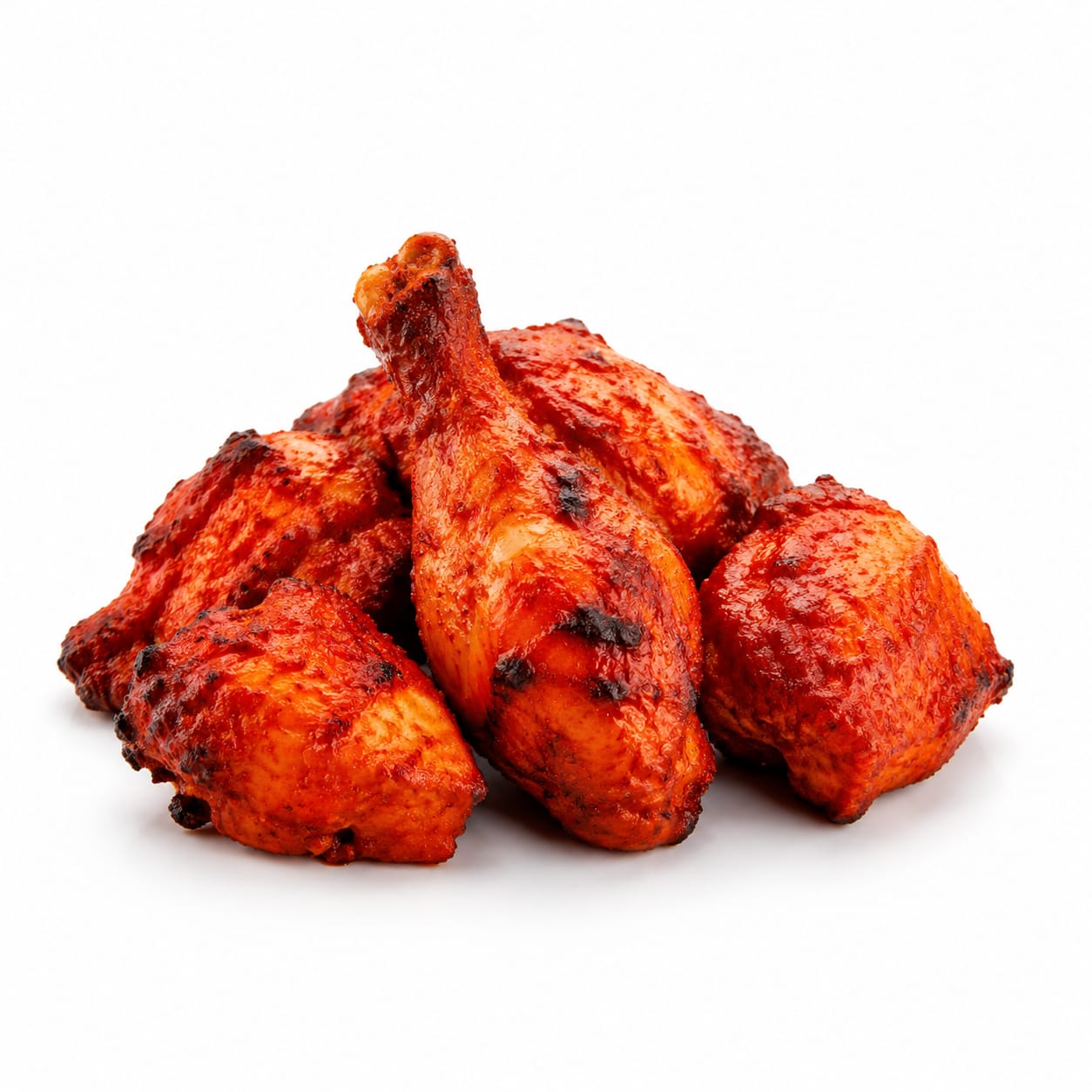
Tandoori Chicken
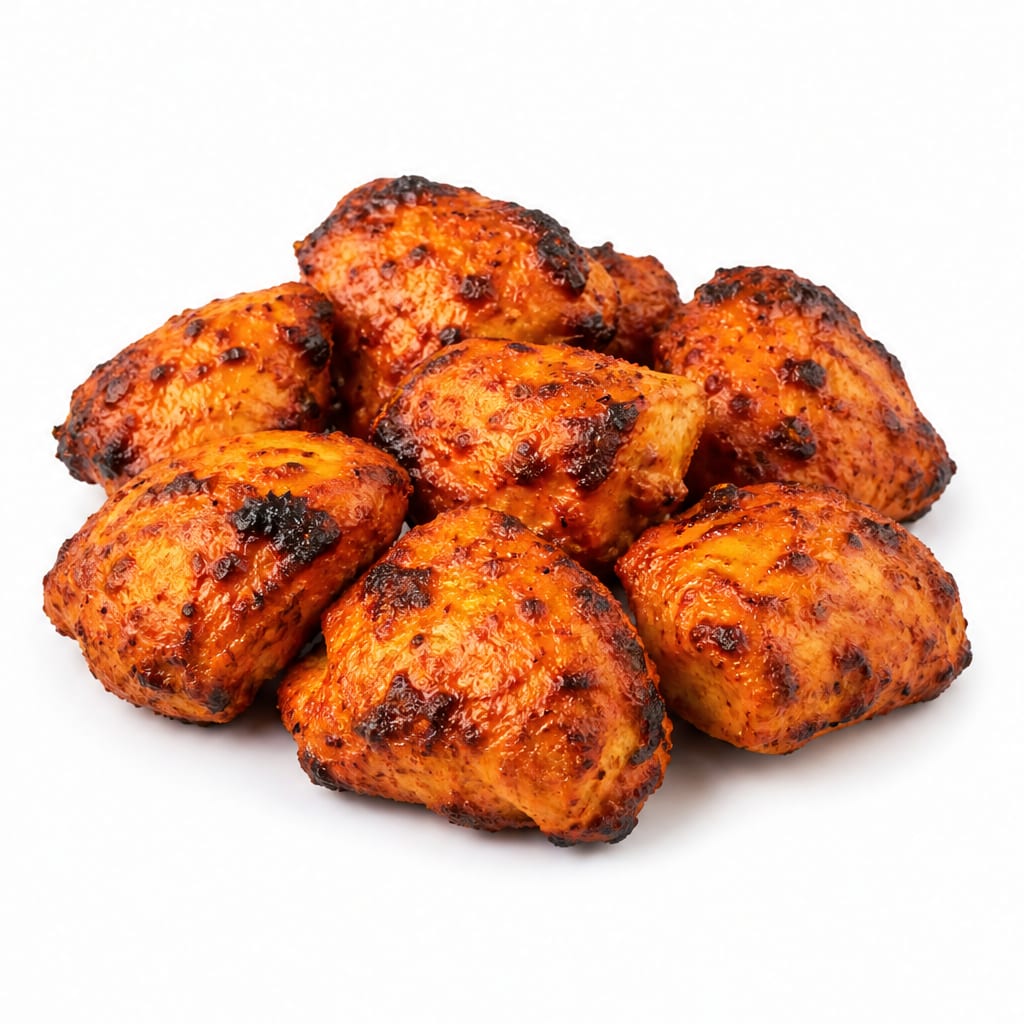
Chicken Tikka
Chicken Tikka is leaner and more convenient, while Tandoori Chicken is juicier and more satisfying.
Chicken Tikka scores higher primarily due to its leaner protein profile and everyday convenience, though Tandoori Chicken remains a solid choice when satisfaction is the priority.
You trade the leanness and ease of boneless breast for the richer flavor and fullness that comes from bone-in dark meat.
At a glance
Executive summary
Overall
It depends
Healthier
Chicken Tikka
More practical
Chicken Tikka
Daily use
Chicken Tikka
Key comparison lenses
Macronutrient profile and leanness
Tandoori Chicken is often bone-in dark meat while Chicken Tikka is typically boneless breast, creating a major fat and calorie difference
Satiety and eating experience
Bone-in meat with skin feels more satisfying but takes longer to eat compared to bite-sized boneless pieces
Additive and food coloring exposure
Restaurant versions of both often use artificial red dyes, but the visual expectation makes Tandoori Chicken a more frequent carrier of high doses
Convenience and versatility
Boneless Chicken Tikka is easier to add to salads or wraps, while Tandoori Chicken is a sit-down meal
Best choice for
Tandoori Chicken
- People prioritizing meal satisfaction and fullness
- Those who prefer dark meat flavor and juiciness
- Sit-down dinners where eating with hands or off the bone is acceptable
Chicken Tikka
- Anyone tracking calories or macros strictly
- People wanting a quick, high-protein salad or wrap topping
- Those who dislike dealing with bones
Least suitable for
Tandoori Chicken
- Strict calorie counters aiming for rapid fat loss
- People eating at their desks or on the go
- Those avoiding higher-fat dark meat cuts
Chicken Tikka
- People who find chicken breast too dry
- Those seeking a heavy, comforting meal experience
- Diners looking for traditional bone-in presentation
Deep comparison
Dimension by dimension
Each lens scores both foods and breaks down who each option suits.
- Dimension 1 · Priority 95Chicken Tikka
Protein Quality and Leanness
Tandoori Chicken · 65Chicken Tikka · 92Chicken Tikka usually uses breast meat, delivering more protein with far less fat per bite.
Tradeoff
You get a cleaner macros profile with Chicken Tikka, but the meat can be drier if overcooked.
Why it matters
Leaner protein means easier calorie control and faster muscle recovery without the added saturated fat.
Real-world impact
A Chicken Tikka meal fits effortlessly into a calorie-tracking app, while Tandoori Chicken requires guessing the fat content of the dark meat and skin.
Tandoori Chicken
- Keto or low-carb eaters who benefit from higher fat intake
Better for
- People managing heart health who limit saturated fat
Worse for
Chicken Tikka
- Bodybuilders needing lean protein
- Anyone on a calorie deficit
Better for
- Those who struggle to eat dry protein
Worse for
- Dimension 2 · Priority 85Tandoori Chicken
Satiety and Meal Satisfaction
Tandoori Chicken · 88Chicken Tikka · 70Tandoori Chicken delivers a richer, more filling experience thanks to bone-in cooking and higher fat content.
Tradeoff
You feel fuller for longer after eating Tandoori Chicken, but you consume more calories to get that feeling.
Why it matters
Meals that satisfy you deeply reduce the urge to snack later, which is crucial for long-term diet adherence.
Real-world impact
After a Tandoori Chicken leg, you are unlikely to crave dessert; after a Chicken Tikka breast, you might still feel hungry an hour later.
Tandoori Chicken
- People who need one large meal to stay full for hours
- Emotional eaters seeking comfort from food
Better for
- People who get sluggish after heavy meals
Worse for
Chicken Tikka
- Those who prefer smaller, frequent meals
Better for
- Big eaters who need volume to feel satisfied
Worse for
- Dimension 3 · Priority 70Chicken Tikka
Convenience and Versatility
Tandoori Chicken · 50Chicken Tikka · 90Boneless Chicken Tikka is ready to eat and easy to repurpose, while Tandoori Chicken requires messy hands and navigating bones.
Tradeoff
Chicken Tikka fits seamlessly into a lunch container, whereas Tandoori Chicken demands a proper sit-down setting.
Why it matters
If a healthy food is hard to eat at work or on the go, you are more likely to skip it and grab something processed.
Real-world impact
You can toss Chicken Tikka into a salad in 30 seconds at your desk; Tandoori Chicken leaves you with greasy fingers and a bone to dispose of.
Tandoori Chicken
- Weekend dinners at home
Better for
- Commuters
- People eating at their desks
Worse for
Chicken Tikka
- Meal preppers
- Office lunches
- Quick weeknight dinners
Better for
- Formal dining where finger foods feel out of place
Worse for
- Dimension 4 · Priority 75It depends
Additive and Dye Exposure
Tandoori Chicken · 60Chicken Tikka · 65Both dishes are frequently colored with artificial red dyes in restaurants, though traditional recipes use natural Kashmiri chilies.
Tradeoff
Restaurant Tandoori Chicken often gets a heavier dye treatment for dramatic presentation, while Chicken Tikka is sometimes treated more mildly.
Why it matters
Artificial food dyes can trigger sensitivities in some people and add unnecessary chemicals to an otherwise whole food.
Real-world impact
If your takeout leaves an unnaturally bright orange-red stain on your fingers, you are eating synthetic dye, not just spices.
Tandoori Chicken
- People sensitive to artificial colors, as the whole-bird presentation often encourages heavier dye use
Worse for
Chicken Tikka
Timeline
Health impact over time
Short-term
Hours to days
Tandoori Chicken
- Higher fat content slows digestion, providing steady energy for hours
- May feel heavy or sluggish if eaten in large quantities during the day
Chicken Tikka
- Lean protein digests quickly, making it a great post-workout option
- May leave you hungry sooner if not paired with fiber or healthy fats
Long-term
Months to years
Tandoori Chicken
- Regular consumption of dark meat with skin can increase saturated fat intake, impacting heart health over time
- The spice marinade offers anti-inflammatory benefits from turmeric and garlic
Chicken Tikka
- Consistent lean protein intake supports muscle maintenance and healthy aging
- Lower fat content makes it easier to sustain a calorie deficit for weight management
Risk profile
Safety & processing
Both are whole foods marinated in spices and yogurt, but restaurant versions frequently rely on artificial red food coloring to achieve the signature look, moving them away from perfectly clean eating.
Tandoori Chicken
Uneven cooking near the bone
mediumBone-in chicken can appear charred on the outside while remaining undercooked at the joint, increasing the risk of foodborne illness.
Chicken Tikka
Drying out and perceived undercooking
lowBecause it is boneless, it cooks quickly and evenly, making it much easier to verify doneness, though overcooking is more common.
Who wins for whom
Audience fit
Same foods, different winners depending on your goal.
children
Chicken TikkaBoneless pieces are safer and easier for kids to eat, though you should request no artificial dye for young ones.
daily consumption
Chicken TikkaThe leaner profile and greater convenience make Chicken Tikka a more sustainable daily staple.
diabetes
Chicken TikkaLower in fat and equally low in carbs, Chicken Tikka supports better insulin sensitivity and weight management.
elderly
Chicken TikkaEasier to chew and digest, with a safer eating experience due to the lack of bones.
muscle gain
Chicken TikkaThe lean breast meat provides a higher protein-to-calorie ratio, which is ideal for muscle repair and growth.
weight loss
Chicken TikkaChicken Tikka delivers high protein with minimal fat, making it far easier to stay within a calorie budget.
Your move
Decision guide
Choose Tandoori Chicken
- You are eating a leisurely dinner and want maximum flavor and satisfaction
- You are following a lower-carb, higher-fat way of eating
- You find chicken breast too dry and prefer juicy dark meat
Choose Chicken Tikka
- You are meal prepping for the week or need a quick work lunch
- You are tracking macros and need lean protein
- You want to add protein to a salad, wrap, or grain bowl
Either works if
- You want a flavorful, spice-rich alternative to bland grilled chicken
- You are eating at a restaurant that uses natural Kashmiri chilies instead of artificial dyes
Avoid both if
- You have a severe sensitivity to spicy food or nightshades
- You are strictly avoiding potential artificial food dyes often used in restaurant preparations
Final recommendation
For everyday health and convenience, Chicken Tikka is the better choice due to its lean protein and ease of use. Save Tandoori Chicken for when you want a richer, more indulgent meal experience.
Practical
Consumer tips
- 1
Ask your restaurant if they use artificial red dye; traditional versions get their color from Kashmiri chili powder
- 2
Pair Chicken Tikka with a side of vegetables or whole grains to make the meal more filling
- 3
If making Tandoori Chicken at home, remove the skin before marinating to drastically reduce the fat content
- 4
Squeeze fresh lemon over either dish to brighten the flavor and boost iron absorption