
Nutrition comparison
Tandoori Chicken vs Jerk Chicken: Which Spicy Chicken Is Healthier?
Compare Tandoori Chicken and Jerk Chicken on sodium, digestion, anti-inflammatory benefits, and more. Find out which spice-marinated chicken is better for your health goals.
Overall winner · Tandoori Chicken
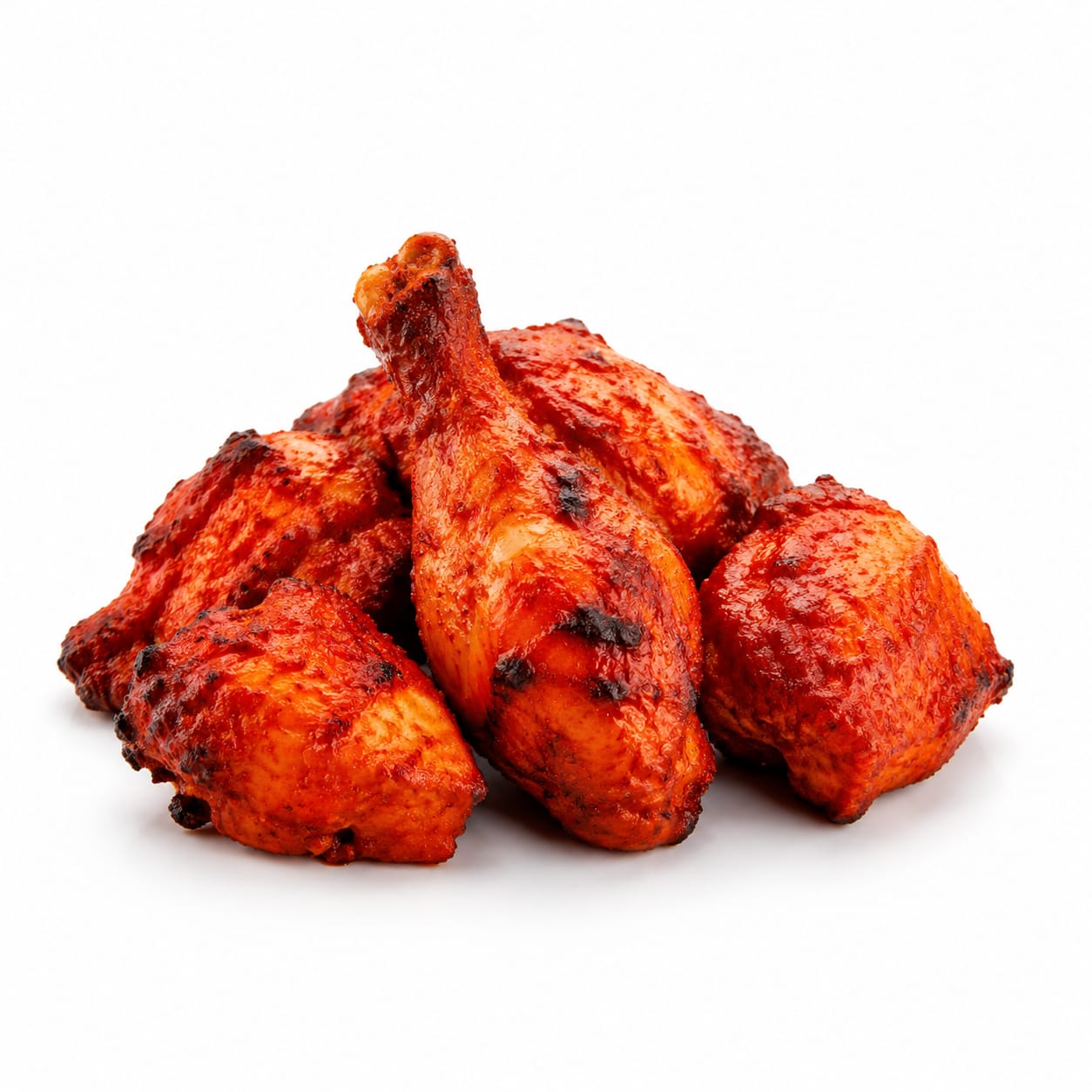
Tandoori Chicken
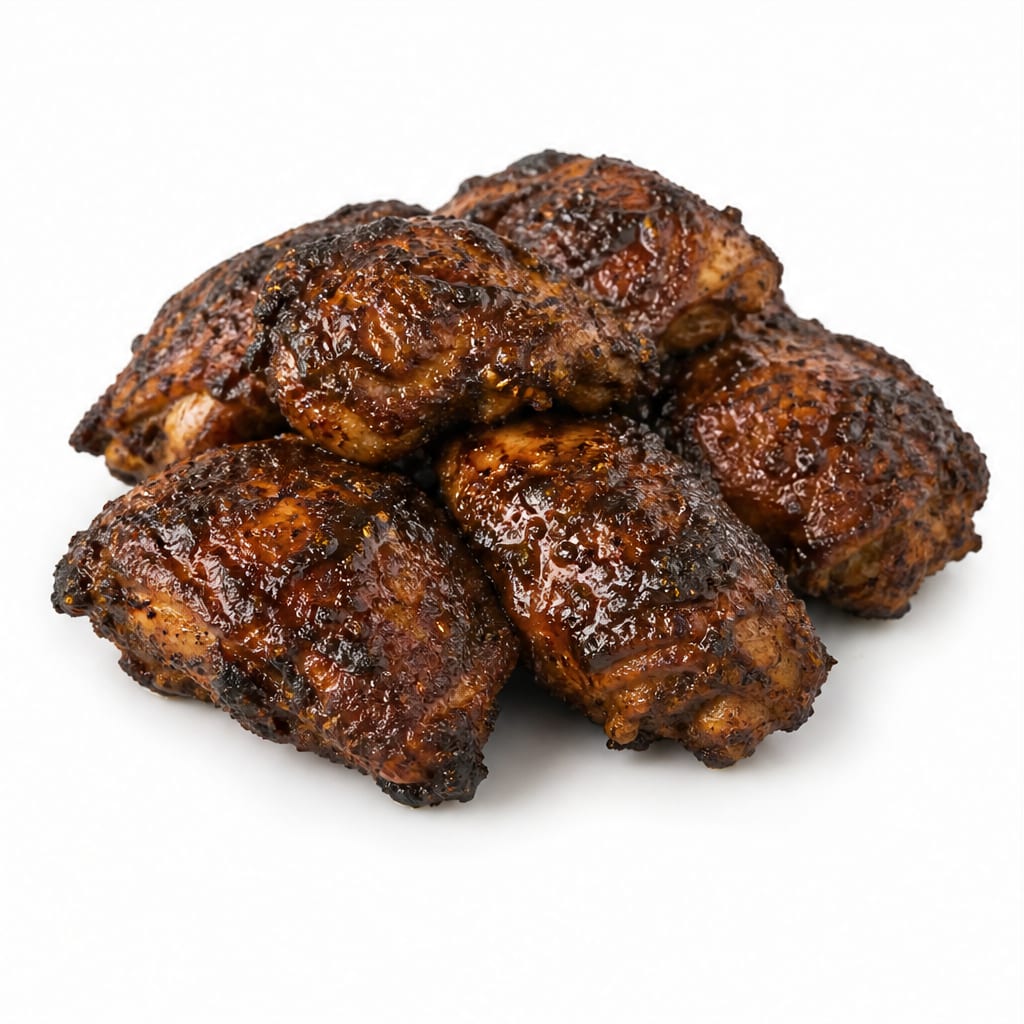
Jerk Chicken
Tandoori Chicken edges ahead thanks to its anti-inflammatory turmeric-yogurt marinade and lower sodium, though Jerk Chicken offers stronger metabolic stimulation from capsaicin.
Tandoori Chicken scores higher primarily due to lower sodium, gentler spice profile, and anti-inflammatory turmeric. Jerk Chicken remains a strong option but its higher sodium and potential digestive irritation narrow its suitability for daily use.
Gentler digestion and lower sodium with Tandoori versus bolder metabolic boost and more intense flavor with Jerk Chicken.
At a glance
Executive summary
Overall
Tandoori Chicken
Healthier
Tandoori Chicken
More practical
It depends
Daily use
Tandoori Chicken
Key comparison lenses
spice-driven health differences
Tandoori's turmeric-yogurt base vs Jerk's capsaicin-pepper base create meaningfully different anti-inflammatory and digestive effects
sodium and marinade tradeoffs
Jerk seasoning often relies on soy sauce or salt-heavy blends, while tandoori's yogurt marinade is naturally lower in sodium
digestive comfort and tolerance
Yogurt-based tandoori is gentler on the stomach, while scotch bonnet heat in jerk chicken can irritate sensitive digestive systems
cooking method carcinogen risk
Both use high-heat cooking that can produce HCAs, but charring levels differ between tandoor and grill methods
protein quality and satiety
Both are chicken-based with similar protein profiles, but marinade differences affect moisture retention and satiety
Best choice for
Tandoori Chicken
- People watching sodium intake
- Those with sensitive stomachs or acid reflux
- Anyone seeking anti-inflammatory benefits from turmeric
- People who prefer milder, more digestible spice
Jerk Chicken
- Those wanting a metabolic boost from capsaicin
- People who tolerate heat well and enjoy bold spice
- Anyone looking for appetite suppression effects
- Fans of Caribbean flavor who don't need low-sodium meals
Least suitable for
Tandoori Chicken
- People avoiding dairy or with lactose intolerance
- Those seeking very bold, fiery flavors
- Anyone sensitive to artificial food coloring sometimes used in restaurant versions
Jerk Chicken
- People on low-sodium diets
- Those with IBS, acid reflux, or spice sensitivity
- Children or anyone who cannot tolerate hot peppers
Deep comparison
Dimension by dimension
Each lens scores both foods and breaks down who each option suits.
- Dimension 1 · Priority 90Tandoori Chicken
Anti-Inflammatory Potential
Tandoori Chicken · 82Jerk Chicken · 68Tandoori's turmeric and cumin deliver consistent anti-inflammatory compounds, while Jerk's capsaicin offers acute but shorter-lived benefits.
Tradeoff
Turmeric works gently over time; capsaicin hits harder but can irritate inflamed tissues in the short term.
Why it matters
Chronic inflammation drives heart disease, joint pain, and fatigue. Consistent low-grade anti-inflammatory support matters more than occasional spikes.
Real-world impact
Eating tandoori regularly may contribute to less joint stiffness and steadier energy. Jerk chicken's capsaicin can temporarily boost metabolism but may worsen heartburn after eating.
Tandoori Chicken
- People with chronic inflammation or joint issues
- Those seeking cumulative anti-inflammatory benefits
Better for
- People wanting immediate metabolic stimulation
Worse for
Jerk Chicken
- Healthy individuals wanting a short-term metabolic spike
- Those who tolerate capsaicin well
Better for
- Anyone with active digestive inflammation
- People with heartburn or ulcers
Worse for
- Dimension 2 · Priority 88Tandoori Chicken
Sodium Load
Tandoori Chicken · 78Jerk Chicken · 52Jerk Chicken marinades frequently include soy sauce, salt, or bouillon, pushing sodium significantly higher than tandoori's yogurt-based marinade.
Tradeoff
Jerk's bold flavor comes at a sodium cost that can add up quickly, especially with store-bought marinades.
Why it matters
High sodium intake directly raises blood pressure and contributes to bloating. Most people already exceed daily limits.
Real-world impact
A single serving of jerk chicken can deliver 600-1000mg of sodium, while tandoori typically stays under 400mg. That difference matters if you eat either dish weekly.
Tandoori Chicken
- People with hypertension
- Anyone tracking sodium for kidney health
Better for
- No real downside here — tandoori's lower sodium is universally beneficial
Worse for
Jerk Chicken
- Athletes losing sodium through heavy sweating
- People who naturally eat very low-sodium diets otherwise
Better for
- Anyone with high blood pressure
- People prone to bloating or water retention
Worse for
- Dimension 3 · Priority 82Tandoori Chicken
Digestive Tolerance
Tandoori Chicken · 85Jerk Chicken · 55Tandoori's yogurt marinade coats and tenderizes the meat while providing probiotics, making it far easier on the digestive system than scotch bonnet-heavy jerk seasoning.
Tradeoff
You trade exciting heat for comfort. Jerk chicken can trigger heartburn, acid reflux, or stomach upset in sensitive people.
Why it matters
Digestive discomfort after meals affects sleep quality, mood, and whether you actually want to eat that food again.
Real-world impact
Tandoori chicken feels satisfying without the burn. Jerk chicken can leave you reaching for antacids, especially if eaten late at night.
Tandoori Chicken
- People with acid reflux or GERD
- Those with IBS or sensitive stomachs
- Anyone eating close to bedtime
Better for
- People with dairy intolerance or lactose sensitivity
Worse for
Jerk Chicken
- People with robust digestion who enjoy heat
- Those who find spicy food satisfying rather than irritating
Better for
- Anyone prone to heartburn
- People with ulcers or gastritis
Worse for
- Dimension 4 · Priority 70It depends
Protein Quality and Satiety
Tandoori Chicken · 75Jerk Chicken · 73Both deliver solid lean protein from chicken. Tandoori retains slightly more moisture from yogurt marinade, which can feel more filling per bite.
Tradeoff
The protein difference is minimal. What matters more is portion size and what you pair it with.
Why it matters
Protein quality from chicken is excellent regardless of preparation. Satiety differences come from moisture and fat content more than protein itself.
Real-world impact
Both keep you full for hours. Tandoori may feel juicier and more satisfying per bite, while jerk's heat can naturally slow your eating pace.
Tandoori Chicken
- People who prefer moist, tender chicken
- Those who eat quickly and benefit from higher moisture content
Better for
- No significant downside for protein quality
Worse for
Jerk Chicken
- People who eat too fast and benefit from spice slowing them down
Better for
- No significant downside for protein quality
Worse for
- Dimension 5 · Priority 72It depends
High-Heat Cooking Carcinogen Risk
Tandoori Chicken · 60Jerk Chicken · 58Both cooking methods involve high heat that can produce heterocyclic amines, but tandoor cooking often retains more juices while jerk grilling can produce more charring.
Tradeoff
Charred edges from jerk grilling add flavor but increase carcinogenic compounds. Tandoor's enclosed cooking produces less direct charring but still carries some risk.
Why it matters
Regular consumption of heavily charred meat increases cancer risk over time. Occasional exposure is less concerning.
Real-world impact
If you eat either dish weekly, trimming charred bits and avoiding well-done edges reduces risk meaningfully for both.
Tandoori Chicken
- People concerned about HCAs and PAHs
- Those who prefer less charred meat
Better for
- No significant additional risk compared to jerk
Worse for
Jerk Chicken
- No advantage here — both carry similar risk
Better for
- More charring potential from open-flame grilling
Worse for
- Dimension 6 · Priority 78Jerk Chicken
Flavor Satisfaction and Craving Control
Tandoori Chicken · 70Jerk Chicken · 84Jerk Chicken's intense, complex heat and allspice depth create stronger flavor satisfaction that can curb cravings more effectively than tandoori's milder profile.
Tradeoff
Bolder flavor means more satisfaction but also less versatility. Jerk chicken demands attention; tandoori plays nicely with more side dishes.
Why it matters
When food tastes genuinely exciting, you need less of it to feel satisfied. Bland meals often lead to overeating or snacking later.
Real-world impact
A smaller portion of jerk chicken can feel like a complete experience. Tandoori is more likely to leave you wanting something extra.
Tandoori Chicken
- People who prefer balanced, subtle flavors
- Those who want chicken that pairs with many sides
Better for
- People who find mild food unsatisfying
Worse for
Jerk Chicken
- People who need bold flavors to feel satisfied
- Anyone trying to eat smaller portions without feeling deprived
Better for
- Those who find intense heat overwhelming
Worse for
Timeline
Health impact over time
Short-term
Hours to days
Tandoori Chicken
- Gentle digestion with minimal heartburn risk
- Moderate satiety from moist, protein-rich meat
- Turmeric may mildly reduce post-meal inflammation
Jerk Chicken
- Capsaicin can boost metabolism temporarily by 5-8%
- Potential heartburn or stomach warmth within an hour
- Higher sodium may cause noticeable thirst or bloating
Long-term
Months to years
Tandoori Chicken
- Cumulative anti-inflammatory benefits from regular turmeric intake
- Lower sodium intake supports healthier blood pressure over time
- Yogurt marinade may contribute beneficial probiotic exposure
Jerk Chicken
- Regular capsaicin intake may support cardiovascular health
- Higher sodium consumption could contribute to hypertension if eaten frequently
- Allspice antioxidants offer some protective cellular benefits
Risk profile
Safety & processing
Both are whole chicken dishes with natural spice marinades. Tandoori loses points because restaurant and packaged versions often use artificial red food coloring, while jerk seasoning is typically all-natural but may contain added sodium preservatives in commercial blends.
Tandoori Chicken
Artificial food coloring
lowMany restaurant tandoori dishes use red dye to achieve the signature color. Homemade versions with natural coloring avoid this entirely.
Undercooking in thick pieces
mediumTandoor cooking can char the outside while leaving thicker cuts undercooked inside. Always verify internal temperature reaches 165°F.
Dairy cross-contamination
lowThe yogurt marinade poses minimal risk but may be a concern for those with severe dairy allergies if shared cooking surfaces are used.
Jerk Chicken
High sodium from commercial marinades
mediumStore-bought jerk seasoning blends often contain excessive sodium and preservatives. Making marinade from scratch gives full control.
Charring from open-flame grilling
mediumDirect flame grilling creates more charred edges, which contain carcinogenic HCAs and PAHs. Trimming blackened portions reduces exposure.
Scotch bonnet pepper handling
lowPreparing jerk marinade with scotch bonnets requires careful handling. Capsaicin burns on skin or eyes are a real kitchen hazard.
Who wins for whom
Audience fit
Same foods, different winners depending on your goal.
children
Tandoori ChickenMilder spice and yogurt-based marinade make tandoori far more kid-friendly. Jerk chicken's scotch bonnet heat is too intense for most children.
daily consumption
Tandoori ChickenLower sodium, anti-inflammatory spices, and easier digestion make tandoori more sustainable as a regular meal without accumulating health tradeoffs.
diabetes
Tandoori ChickenLower sodium and no sugar in the marinade make tandoori a safer regular choice. Some jerk marinades include brown sugar or sweet components.
elderly
Tandoori ChickenGentler digestion, lower sodium, and softer texture from yogurt tenderizing make tandoori more appropriate for aging digestive systems.
muscle gain
It dependsBoth provide excellent lean protein. Tandoori may be slightly easier to eat in larger quantities due to milder flavor and higher moisture content.
weight loss
Jerk ChickenCapsaicin temporarily boosts metabolism and the intense heat naturally slows eating pace, helping with portion control despite higher sodium.
Your move
Decision guide
Choose Tandoori Chicken
- You have high blood pressure or are watching sodium
- Spicy food triggers heartburn or digestive discomfort
- You want anti-inflammatory benefits from turmeric on a regular basis
- You're cooking for kids or people sensitive to heat
- You prefer versatile chicken that pairs with many cuisines
Choose Jerk Chicken
- You want bold, exciting flavor that satisfies with smaller portions
- You tolerate heat well and enjoy intense eating experiences
- You're looking for a metabolic boost from capsaicin
- You're cooking for people who find mild food boring
- You don't need to restrict sodium in your diet
Either works if
- You just want high-quality lean protein and both sound good
- You're eating occasionally rather than weekly
- You're pairing with plenty of vegetables and whole grains
Avoid both if
- You have severe poultry allergies
- You're on a very low-fat diet and using dark meat versions
- You're highly sensitive to charred meat compounds
Final recommendation
For regular meals, Tandoori Chicken is the smarter default — lower sodium, easier digestion, and cumulative anti-inflammatory benefits make it more sustainable. Save Jerk Chicken for when you want bold flavor and the metabolic kick of capsaicin, but be mindful of sodium if eating it frequently. Both are excellent protein sources that beat most other chicken preparations hands down.
Practical
Consumer tips
- 1
Make tandoori marinade at home with plain yogurt, lemon juice, and spice blends to avoid artificial red coloring found in many restaurants
- 2
Choose homemade jerk seasoning over store-bought blends to control sodium — use fresh scotch bonnets, allspice, thyme, and garlic instead of salt-heavy packets
- 3
Trim any charred edges from either dish to reduce carcinogenic compound exposure
- 4
If ordering tandoori at a restaurant, ask whether they use natural or artificial coloring — many will accommodate a request for no dye
- 5
Pair either dish with a large portion of vegetables to balance the meal and add fiber that helps buffer sodium absorption
- 6
For the gentlest digestion, choose breast meat tandoori — the yogurt marinade keeps it moist without needing higher-fat dark meat