
Nutrition comparison
Tandoori Chicken vs Chicken Curry: Nutrition, Calories, and Health Comparison
Compare Tandoori Chicken vs Chicken Curry. Discover which is better for weight loss, protein, and heart health, and learn the nutritional tradeoffs.
Overall winner · Tandoori Chicken
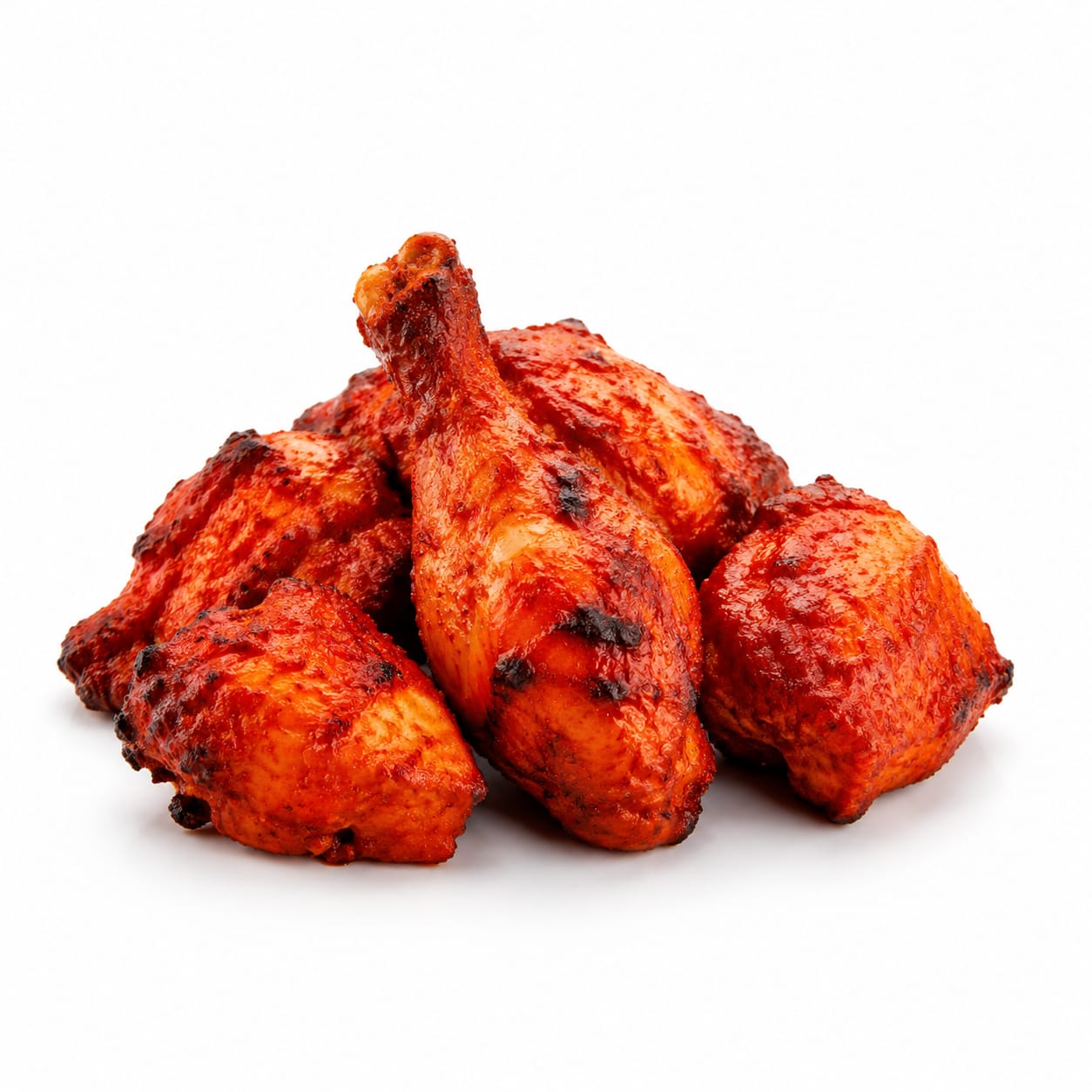
Tandoori Chicken
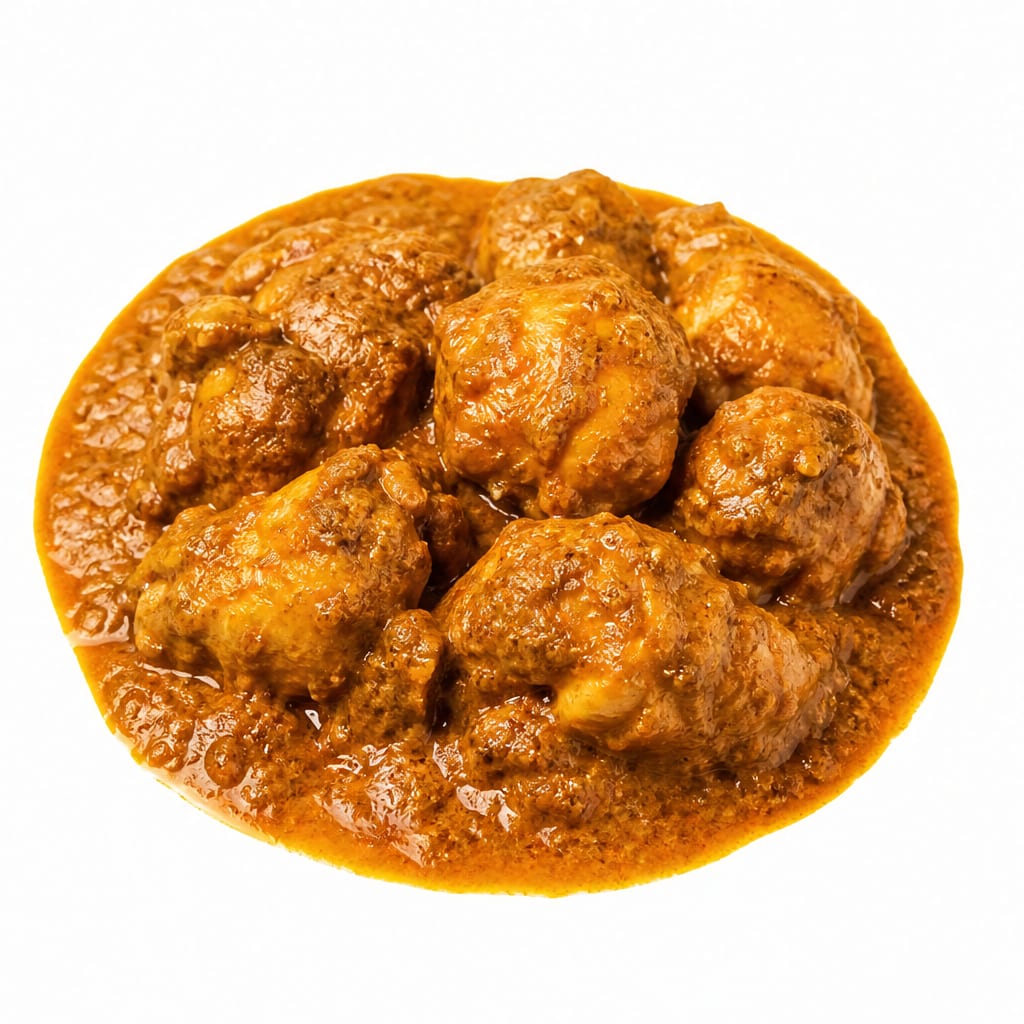
Chicken Curry
Tandoori Chicken is the leaner, lower-calorie choice, while Chicken Curry offers a richer, more comforting meal at the cost of higher fat and calories.
Tandoori Chicken scores significantly higher due to its superior macronutrient profile for everyday health, while Chicken Curry loses points for higher calorie density and saturated fat.
You trade the lean, high-protein profile of Tandoori Chicken for the indulgent, satisfying sauce of Chicken Curry.
At a glance
Executive summary
Overall
Tandoori Chicken
Healthier
Tandoori Chicken
More practical
It depends
Daily use
Tandoori Chicken
Key comparison lenses
Weight management and calorie density
Tandoori Chicken is roasted while Chicken Curry is simmered in fat-rich sauces, creating a massive calorie divergence.
Heart health and saturated fat intake
Curry bases often rely on coconut milk, cream, or ghee, which heavily impact cardiovascular markers compared to lean roasted meat.
Satiety and meal satisfaction
The rich, saucy texture of Chicken Curry provides a different fullness experience compared to the drier, leaner Tandoori Chicken.
Sodium and blood pressure impact
Both dishes can be sodium-heavy in restaurant settings, but curry sauces often hide significant salt from stock and seasonings.
Best choice for
Tandoori Chicken
- People cutting calories or tracking macros
- Those prioritizing heart health and low-fat intake
- Anyone wanting high protein without the heavy food coma
Chicken Curry
- Hard gainers needing extra calories
- Those seeking deep comfort and rich flavors
- People who find lean meats too dry to enjoy
Least suitable for
Tandoori Chicken
- Those needing easy, palatable calories
- People sensitive to dry textures or charred flavors
Chicken Curry
- Anyone on a strict low-fat or calorie-restricted diet
- People prone to acid reflux from rich, spicy foods
Deep comparison
Dimension by dimension
Each lens scores both foods and breaks down who each option suits.
- Dimension 1 · Priority 95Tandoori Chicken
Calorie Density & Weight Management
Tandoori Chicken · 90Chicken Curry · 50Tandoori Chicken is significantly lower in calories since it is roasted without heavy sauces, whereas Chicken Curry relies on calorie-dense bases.
Tradeoff
You sacrifice the rich, saucy mouthfeel of a curry for a leaner, drier protein that makes portion control effortless.
Why it matters
Eating lower calorie proteins makes it much easier to maintain or lose weight without having to meticulously track every bite.
Real-world impact
A Tandoori Chicken breast fills you up on protein without the calorie bomb of a creamy curry sauce, making it far easier to stay in a deficit.
Tandoori Chicken
- Weight loss
- Lean bulking
- Calorie tracking
Better for
- Hard gainers needing calories
Worse for
Chicken Curry
- Bulking
- High-calorie needs
Better for
- Fat loss
- Portion control
Worse for
- Dimension 2 · Priority 90Tandoori Chicken
Heart Health & Fat Profile
Tandoori Chicken · 85Chicken Curry · 45Tandoori Chicken relies on a yogurt marinade, keeping saturated fat low. Chicken Curry often uses coconut milk, cream, or ghee, spiking saturated fat.
Tradeoff
The luxurious texture of Chicken Curry comes from fats that can raise LDL cholesterol if eaten frequently, while Tandoori Chicken keeps arteries clearer.
Why it matters
High saturated fat intake is a major driver of heart disease over time, making daily curry consumption a cardiovascular risk.
Real-world impact
Choosing Tandoori Chicken a few times a week is far kinder to your lipid panel than regular creamy or ghee-heavy curries.
Tandoori Chicken
- Heart health
- Low-fat diets
- Cholesterol management
Better for
- Those needing extra dietary fat for satiety
Worse for
Chicken Curry
- Keto diets (if coconut milk based)
Better for
- Low-fat diets
- Cardiovascular risk reduction
Worse for
- Dimension 3 · Priority 85It depends
Satiety & Meal Satisfaction
Tandoori Chicken · 70Chicken Curry · 85Chicken Curry's fat content slows digestion, keeping you full longer, while Tandoori Chicken satisfies pure protein hunger but may feel less indulgent.
Tradeoff
You trade prolonged fullness and emotional comfort for a lighter, leaner meal that will not weigh you down.
Why it matters
Meals that feel like a treat are easier to stick with long-term, but heavier meals can cause afternoon sluggishness or a food coma.
Real-world impact
A Chicken Curry lunch might keep you full until dinner, but could leave you sluggish; Tandoori Chicken leaves you lighter and more energized.
Tandoori Chicken
- Light lunches
- Pre-workout meals
Better for
- Emotional eaters needing comfort
Worse for
Chicken Curry
- Long work shifts needing lasting energy
- Comfort eating
Better for
- Hot days when you want something light
Worse for
- Dimension 4 · Priority 75It depends
Sodium & Blood Pressure
Tandoori Chicken · 65Chicken Curry · 55Both can be sodium bombs, but curry sauces often hide extra salt from stock, canned tomatoes, or soy sauce additions.
Tradeoff
Restaurant versions of both are high in sodium, but Tandoori Chicken is slightly easier to season lightly at home.
Why it matters
Excess sodium drives up blood pressure and causes bloating, making homemade preparation crucial for both dishes.
Real-world impact
Either dish from a restaurant will likely make you thirsty and bloated; homemade Tandoori Chicken is easier to keep low-salt.
Tandoori Chicken
- Homemade low-sodium diets
Better for
- Restaurant takeout (still very salty)
Worse for
Chicken Curry
- None really, both are high sodium
Better for
- Hypertension management
Worse for
- Dimension 5 · Priority 70Tandoori Chicken
Digestive Tolerance
Tandoori Chicken · 80Chicken Curry · 55Tandoori Chicken's yogurt marinade can be gentle on the gut, while rich curry sauces are common triggers for acid reflux.
Tradeoff
Spices in both can be intense, but the heavy fats in Chicken Curry are much more likely to cause indigestion before bed.
Why it matters
Heavy, greasy meals late at night ruin sleep quality and cause morning sluggishness.
Real-world impact
Tandoori Chicken is a safer bet for a late dinner if you are prone to heartburn or GERD.
Tandoori Chicken
- Acid reflux sufferers
- Late-night dining
Better for
- Those sensitive to charred foods
Worse for
Chicken Curry
- Healthy guts wanting rich food
Better for
- GERD
- Gallbladder issues
- Sensitive stomachs
Worse for
Timeline
Health impact over time
Short-term
Hours to days
Tandoori Chicken
- Quick protein replenishment without sluggishness
- Lighter post-meal energy levels
- Possible thirst from salt in the marinade
Chicken Curry
- Strong satiety and delayed hunger from fats
- Possible food coma or sluggishness after eating
- Potential heartburn if the sauce is very rich
Long-term
Months to years
Tandoori Chicken
- Easier weight maintenance due to low calorie density
- Better cardiovascular markers from low saturated fat
- Consistent lean muscle support
Chicken Curry
- Risk of weight gain if eaten frequently as a staple
- Higher saturated fat potentially impacting heart health
- Possible sodium-related blood pressure elevation
Risk profile
Safety & processing
Tandoori Chicken is typically just chicken, yogurt, and spices. Chicken Curry often involves processed bases, cream, or thickeners, especially in restaurants or packaged versions.
Tandoori Chicken
Heterocyclic amines (HCAs) from charring
mediumCooking chicken at high temperatures over an open flame creates compounds linked to cancer risk. Avoid heavily blackened spots.
Undercooking
mediumThick yogurt marinades can insulate the meat, making it tricky to ensure the thickest part is fully cooked through.
Chicken Curry
Dairy or coconut milk spoilage
mediumCurry sauces left out at room temperature for too long can harbor dangerous bacteria rapidly due to the moisture and nutrient density.
Hidden allergens
lowRestaurant curries often contain hidden nuts, dairy, or gluten used as thickeners that are not immediately obvious.
Who wins for whom
Audience fit
Same foods, different winners depending on your goal.
children
Chicken CurryThe milder, saucier texture of Chicken Curry is often easier and more appealing for kids to eat than dry, spicy Tandoori Chicken.
daily consumption
Tandoori ChickenLeaner profile and lower saturated fat make it a much safer everyday staple than rich, heavy curries.
diabetes
Tandoori ChickenLower in saturated fat and less likely to include hidden sugars often found in curry bases to balance spice.
elderly
Chicken CurryThe softer texture of Chicken Curry is easier to chew and swallow for those with dental or digestive issues.
muscle gain
Tandoori ChickenHigher protein-to-calorie ratio supports lean muscle growth without adding unnecessary dietary fat.
weight loss
Tandoori ChickenLower calorie density and fat content make it much easier to stay in a deficit while hitting protein goals.
Your move
Decision guide
Choose Tandoori Chicken
- You are tracking calories or macros closely
- You want a high-protein, low-fat meal after a workout
- You are eating late and want to avoid heartburn or a food coma
Choose Chicken Curry
- You need a comforting, satisfying meal on a cold day
- You are bulking or have high calorie needs
- You find lean chicken too dry to enjoy without sauce
Either works if
- You want a flavorful chicken dish and can control portion sizes
- You are eating out and prioritizing protein over fried options
Avoid both if
- You are on a strict low-sodium diet and eating at a restaurant
- You have a severe spice intolerance or gastrointestinal flare-up
Final recommendation
Choose Tandoori Chicken for everyday lean protein and weight management. Opt for Chicken Curry when you need a comforting, satisfying meal, but watch portion sizes carefully due to the higher calorie and fat content.
Practical
Consumer tips
- 1
Ask for Chicken Curry made with tomato or yogurt bases instead of cream or coconut milk to save hundreds of calories.
- 2
Remove the skin from Tandoori Chicken to drastically reduce the fat content while keeping the flavorful meat.
- 3
Pair Tandoori Chicken with a side salad or roasted veggies to make up for the lack of sauce and improve fullness.
- 4
When making curry at home, use light coconut milk or plain Greek yogurt to get the creamy texture with far less saturated fat.