
Nutrition comparison
Tandoori Chicken vs Chicken Kebab: Which Is Healthier?
Compare Tandoori Chicken and Chicken Kebab on protein quality, processing, sodium, and convenience. Find out which grilled chicken dish is better for your health goals.
Overall winner · Tandoori Chicken
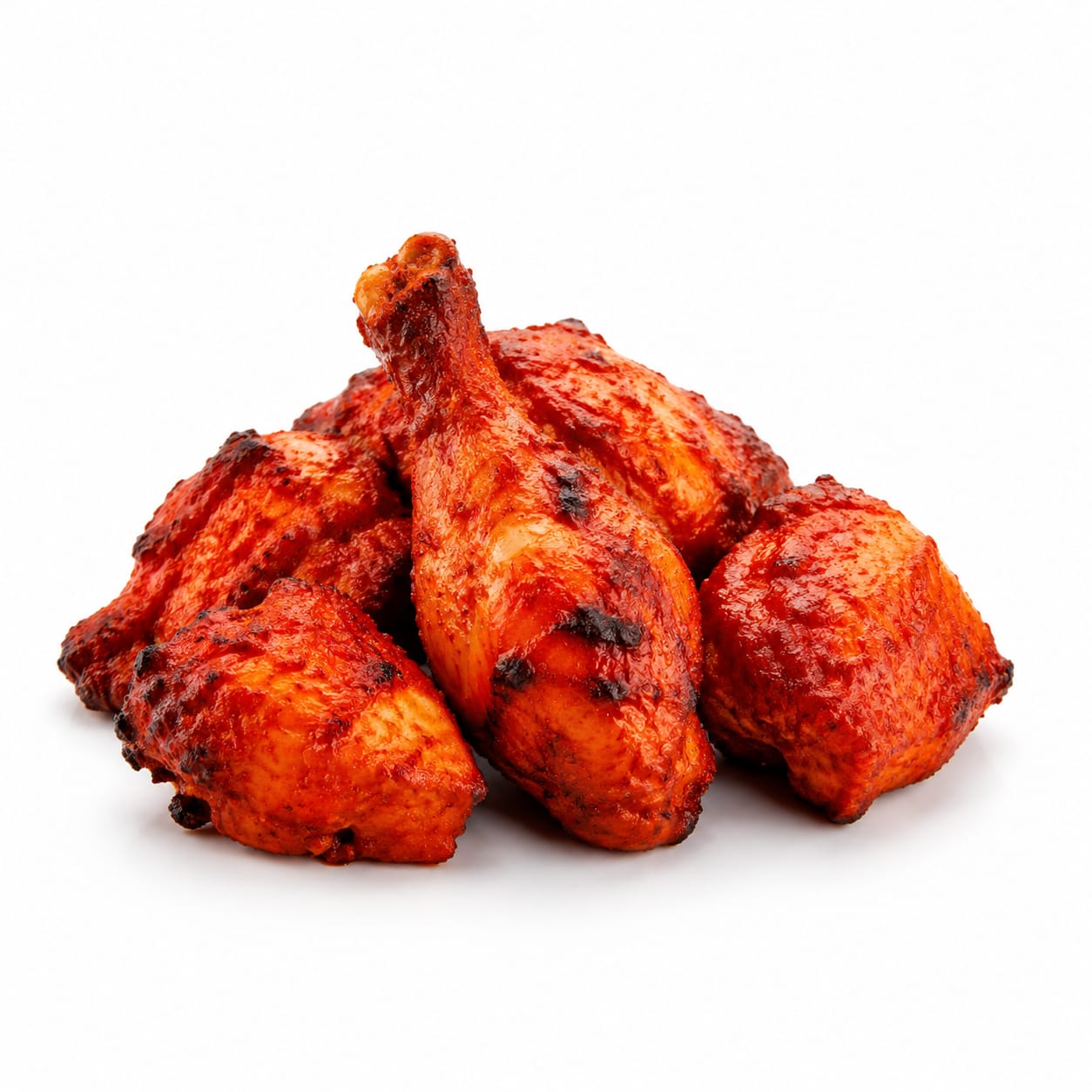
Tandoori Chicken
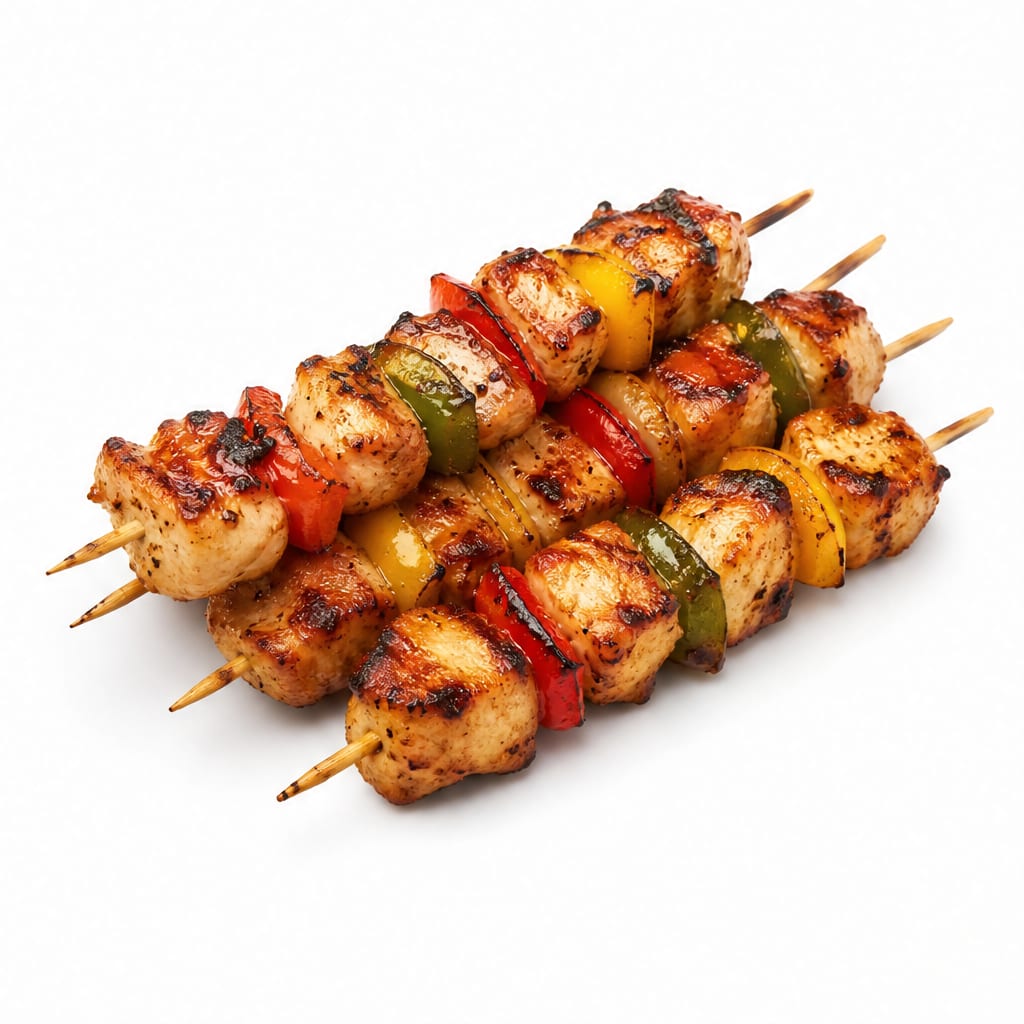
Chicken Kebab
Tandoori Chicken wins for cleaner ingredients and anti-inflammatory spice benefits, but Chicken Kebab offers more portable, portion-controlled convenience.
Tandoori Chicken scores higher due to whole-meat integrity, cleaner ingredient lists, and therapeutic spice content. Chicken Kebab loses ground on processing concerns and ingredient opacity, especially from commercial sources.
Whole-meat simplicity and healing spices versus grab-and-go practicality with potential hidden fillers.
At a glance
Executive summary
Overall
Tandoori Chicken
Healthier
Tandoori Chicken
More practical
Chicken Kebab
Daily use
Tandoori Chicken
Key comparison lenses
protein quality and leanness
Both are chicken-based dishes, so protein content and fat differences become the key differentiator
processing and additive exposure
Chicken Kebab often uses ground meat with binders and fillers, while Tandoori Chicken is typically whole muscle meat with spice marinade
sodium and marinade impact
Both rely heavily on marinades, but the sodium and ingredient profiles differ significantly
cooking method safety
High-heat tandoor cooking versus grilling creates different carcinogen risks worth comparing
anti-inflammatory spice benefits
Tandoori marinade features turmeric and other spices with documented anti-inflammatory properties
Best choice for
Tandoori Chicken
- People prioritizing clean, whole-food protein sources
- Anyone seeking anti-inflammatory spice benefits
- Those watching for hidden fillers and binders
- Meal preppers who eat at home regularly
Chicken Kebab
- Busy professionals needing portable high-protein meals
- Anyone tracking precise portion sizes easily
- Post-workout eaters wanting quick protein on the go
- People who prefer finger food or street-food style eating
Least suitable for
Tandoori Chicken
- People who need grab-and-go convenience
- Anyone sensitive to spicy or strongly flavored food
- Diners at restaurants with poor tandoor hygiene standards
Chicken Kebab
- People avoiding processed meat or fillers
- Anyone sensitive to sodium or preservatives
- Those concerned about ingredient transparency in ground meat
Deep comparison
Dimension by dimension
Each lens scores both foods and breaks down who each option suits.
- Dimension 1 · Priority 93Tandoori Chicken
Protein Quality and Integrity
Tandoori Chicken · 88Chicken Kebab · 72Tandoori Chicken uses whole muscle pieces, preserving complete protein structure. Chicken Kebab often uses ground meat mixed with binders, diluting protein density per bite.
Tradeoff
You get purer protein from Tandoori Chicken but less portion predictability compared to uniform kebab skewers.
Why it matters
Whole muscle protein absorbs more efficiently and contains a more complete amino acid profile than ground meat mixed with fillers.
Real-world impact
After eating Tandoori Chicken, you feel fuller longer with cleaner energy. A Chicken Kebab might leave you hungry again sooner if fillers replaced some meat content.
Tandoori Chicken
- Athletes needing high-quality complete protein
- Anyone counting macros precisely from whole sources
Better for
- Anyone who finds bone-in chicken impractical for their setting
Worse for
Chicken Kebab
- People who prioritize portion consistency over protein purity
Better for
- Those seeking maximum protein per calorie without filler dilution
Worse for
- Dimension 2 · Priority 89Tandoori Chicken
Processing and Additive Exposure
Tandoori Chicken · 85Chicken Kebab · 58Tandoori Chicken is typically whole chicken marinated in yogurt and spices. Chicken Kebab frequently contains ground meat with breadcrumbs, starches, and preservatives to hold shape.
Tradeoff
Tandoori Chicken gives you ingredient confidence. Chicken Kebab trades transparency for convenience and uniform texture.
Why it matters
Hidden fillers add empty carbs and unknown additives. This matters enormously for anyone with food sensitivities or clean-eating goals.
Real-world impact
When you order Tandoori Chicken, you can see what you are eating. With Chicken Kebab, you trust the kitchen on what went into that ground mixture.
Tandoori Chicken
- Clean-eating advocates
- People with gluten or filler sensitivities
- Anyone avoiding ultra-processed food
Better for
- Those who find spice marinades irritating to their stomach
Worse for
Chicken Kebab
- People who value texture consistency over ingredient purity
Better for
- Anyone with unknown food allergies to binders or fillers
Worse for
- Dimension 3 · Priority 80Tandoori Chicken
Anti-Inflammatory and Spice Benefits
Tandoori Chicken · 90Chicken Kebab · 65Tandoori marinade features turmeric, ginger, garlic, and cumin, all with documented anti-inflammatory properties. Chicken Kebab seasoning varies widely and often uses simpler spice blends.
Tradeoff
Tandoori Chicken doubles as functional food. Chicken Kebab may taste great but offers fewer therapeutic spice benefits.
Why it matters
Chronic inflammation drives most lifestyle diseases. Regular intake of turmeric and ginger can meaningfully reduce inflammatory markers over time.
Real-world impact
Eating Tandoori Chicken regularly is like getting a mild anti-inflammatory supplement with your meal. Chicken Kebab is more neutral in this regard.
Tandoori Chicken
- People managing inflammatory conditions
- Anyone interested in food-as-medicine approaches
Better for
- People with GERD or acid reflux triggered by spices
Worse for
Chicken Kebab
- Those who prefer milder seasoning profiles
Better for
- Anyone specifically seeking therapeutic spice intake from meals
Worse for
- Dimension 4 · Priority 76It depends
Sodium Load
Tandoori Chicken · 62Chicken Kebab · 58Both dishes are sodium-heavy from marinades, but Chicken Kebab often gets extra salt from binders and commercial seasoning mixes.
Tradeoff
Neither is a low-sodium hero. Restaurant versions of both easily exceed 800mg sodium per serving.
Why it matters
High sodium intake directly raises blood pressure and causes bloating. This matters daily, not just for hypertensive individuals.
Real-world impact
After either dish, you might feel thirsty and slightly puffy the next morning. Homemade versions of both cut sodium roughly in half.
Tandoori Chicken
- Home cooks who can control marinade salt
Better for
- Restaurant diners facing oversized salty portions
Worse for
Chicken Kebab
- Situations where you eat smaller portions anyway
Better for
- Anyone already near their daily sodium limit
Worse for
- Dimension 5 · Priority 74Chicken Kebab
Convenience and Portability
Tandoori Chicken · 45Chicken Kebab · 88Chicken Kebab is the ultimate portable protein. Skewers are easy to eat on the go. Tandoori Chicken is messy, often bone-in, and requires a plate.
Tradeoff
You sacrifice some ingredient quality for grab-and-go ease with Chicken Kebab.
Why it matters
The best healthy food is the one you actually eat consistently. Convenience often determines adherence more than nutrition quality.
Real-world impact
Tossing a Chicken Kebab in a container for lunch takes seconds. Tandoori Chicken demands utensils, napkins, and probably a sink nearby.
Tandoori Chicken
- Sit-down dinners where presentation matters
Better for
- Anyone eating at their desk or in their car
Worse for
Chicken Kebab
- Commuters eating between meetings
- Post-gym protein on the drive home
- Picnic and outdoor eating scenarios
Better for
- Formal dining situations where finger food feels inappropriate
Worse for
- Dimension 6 · Priority 72It depends
Cooking Method Safety
Tandoori Chicken · 60Chicken Kebab · 65Tandoor cooking at extreme heat can create heterocyclic amines on charred spots. Grilling kebabs at moderate heat produces fewer char-related compounds but still carries some risk.
Tradeoff
Both high-heat methods create some carcinogenic compounds. Trimming charred portions from either dish significantly reduces exposure.
Why it matters
Regular intake of charred meat compounds is linked to increased cancer risk over decades of eating.
Real-world impact
Avoid the blackened bits on either dish. That simple habit removes most of the risk regardless of which option you choose.
Tandoori Chicken
- Home tandoor cooking where you control charring
Better for
- Restaurants that over-char for smoky flavor
Worse for
Chicken Kebab
- Lower-temperature grilling that minimizes char
Better for
- Street vendors with inconsistent cooking temperatures
Worse for
Timeline
Health impact over time
Short-term
Hours to days
Tandoori Chicken
- Satiety from high-quality protein keeps hunger away for hours
- Spices may cause mild heartburn in sensitive individuals
- Yogurt marinade can aid digestion for lactose-tolerant people
Chicken Kebab
- Quick protein satisfaction in a convenient format
- Higher sodium may cause noticeable thirst and bloating
- Ground meat digests slightly faster, potentially leaving you hungry sooner
Long-term
Months to years
Tandoori Chicken
- Regular turmeric and ginger intake supports reduced inflammation
- Cleaner protein source supports muscle maintenance with aging
- Consistent whole-meat consumption avoids filler-related metabolic burden
Chicken Kebab
- Frequent consumption of commercially made kebabs may increase preservative exposure
- Higher cumulative sodium intake if eaten regularly
- Variable meat quality could contribute to inconsistent nutrient intake
Risk profile
Safety & processing
Tandoori Chicken is whole meat with a natural yogurt-spice marinade. Chicken Kebab typically involves grinding and reforming meat with binders, placing it a tier higher in processing.
Tandoori Chicken
Heterocyclic amines from charring
mediumTandoor temperatures exceed 400°C. Charred spots contain HCAs linked to cancer risk. Trimming char reduces this significantly.
Foodborne illness from undercooking
lowWhole chicken pieces are easy to verify for doneness. Pink meat near bone is the main concern.
Chicken Kebab
Contamination in ground meat
mediumGround chicken has more surface area exposed to bacteria. Inconsistent cooking inside dense kebabs can leave cold spots.
Hidden allergens in binders
mediumCommercial kebabs may contain gluten, dairy, or soy fillers not listed on menus. Cross-contamination risk is elevated.
Preservative exposure
lowSome commercial kebab mixes include sodium phosphates or nitrates for color and moisture retention.
Who wins for whom
Audience fit
Same foods, different winners depending on your goal.
children
Chicken KebabChicken Kebab is easier for small hands to hold, has milder seasoning, and offers consistent bite-sized portions without bones.
daily consumption
Tandoori ChickenCleaner ingredients and therapeutic spice benefits make Tandoori Chicken more sustainable as a daily staple without cumulative additive concerns.
diabetes
Tandoori ChickenFewer hidden carbohydrates from binders means more predictable blood sugar response. The spice blend may also improve insulin sensitivity.
elderly
Tandoori ChickenHigher quality protein helps prevent sarcopenia. Anti-inflammatory spices support joint health. Avoid bone-in versions if chewing is difficult.
muscle gain
Tandoori ChickenWhole muscle protein with complete amino acid profile supports muscle protein synthesis more effectively than ground meat with fillers.
weight loss
Tandoori ChickenTandoori Chicken delivers more protein per calorie with fewer hidden carbs from fillers, supporting better satiety on a deficit.
Your move
Decision guide
Choose Tandoori Chicken
- You want the cleanest protein source with no hidden ingredients
- Anti-inflammatory eating is a priority for you
- You are meal prepping at home where convenience is less critical
- You have concerns about what goes into ground meat mixtures
Choose Chicken Kebab
- You need portable protein for busy schedules
- You are eating on the go and want something mess-free
- You prefer milder flavors over intense spice blends
- You want precise portion control without weighing food
Either works if
- You are simply looking for a high-protein chicken dish
- You are eating at a trusted restaurant with transparent sourcing
- You plan to balance the meal with vegetables and whole grains
Avoid both if
- You are on a strict low-sodium diet and cannot control marinade salt
- You have severe poultry allergies
- You are avoiding all high-heat cooked meats due to HCA concerns
Final recommendation
For health-conscious eaters who can sit down for a meal, Tandoori Chicken is the stronger choice. For busy days when convenience determines whether you eat protein at all, Chicken Kebab is a reasonable compromise. When possible, make either at home to control sodium and ingredient quality.
Practical
Consumer tips
- 1
Ask restaurants what goes into their kebab mixture. Transparent kitchens will tell you; vague answers are a red flag.
- 2
Trim any charred portions from Tandoori Chicken before eating to remove most carcinogenic compounds.
- 3
Make Tandoori Chicken at home with low-sodium yogurt marinade to get all the spice benefits with half the salt.
- 4
Choose chicken breast kebabs over thigh-based ones for leaner protein, or ask about the cut used.
- 5
Pair either dish with a large portion of vegetables to balance the meal and reduce overall calorie density.
- 6
If buying frozen kebabs, check the ingredient list for fillers like starch, breadcrumbs, or soy protein isolate.