
Nutrition comparison
Tandoori Chicken vs Fried Chicken: Which Is Healthier?
Tandoori Chicken has half the calories, far less inflammatory fat, and more protein per bite than Fried Chicken. See the full nutritional comparison and find out when each makes sense.
Overall winner · Tandoori Chicken
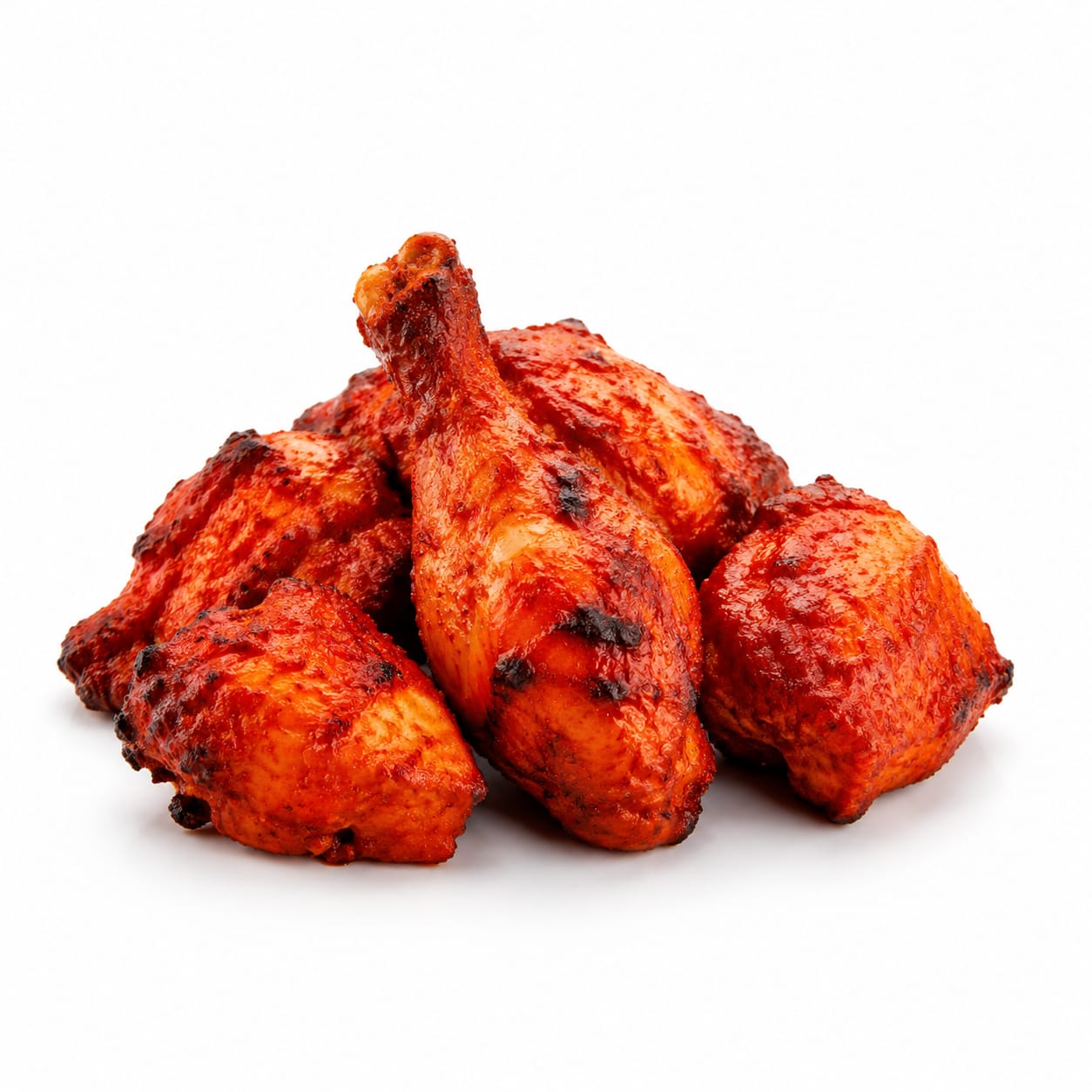
Tandoori Chicken
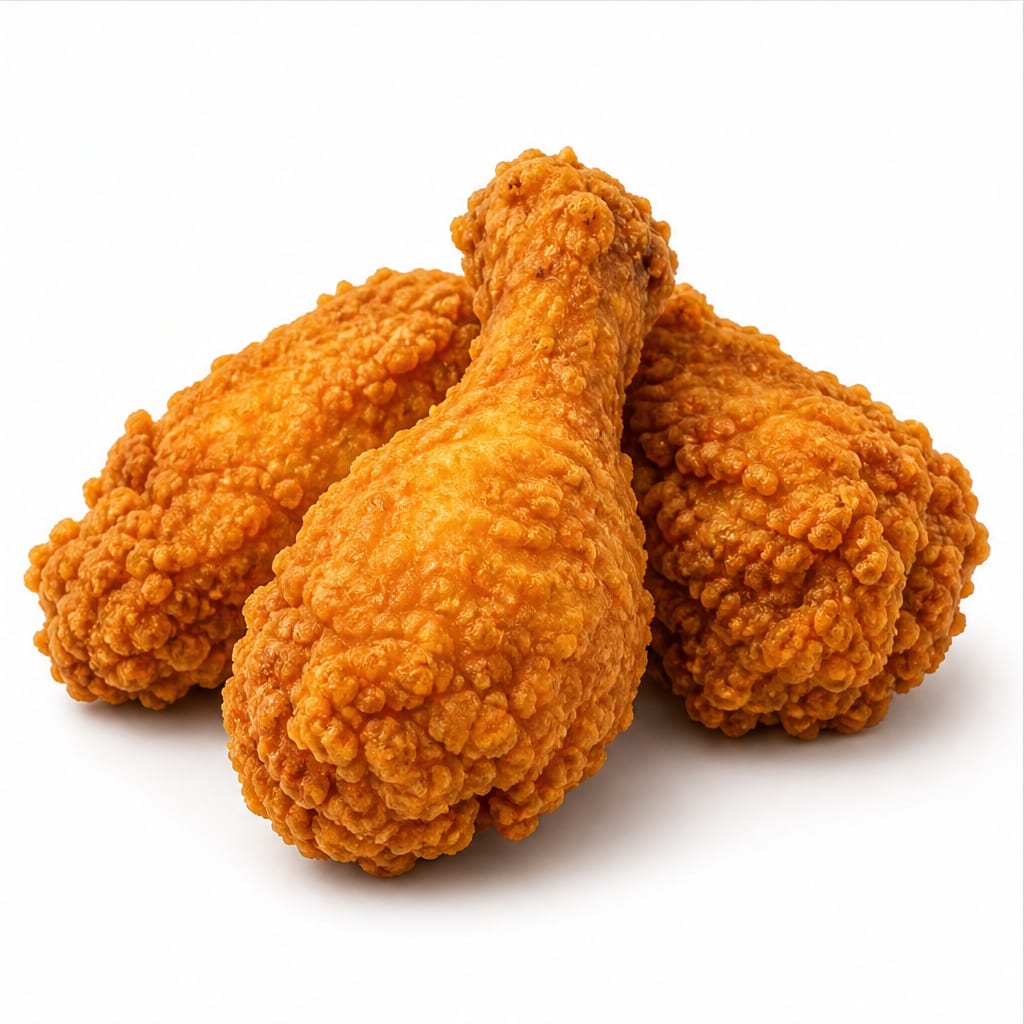
Fried Chicken
Tandoori Chicken delivers the same satisfying protein with far fewer calories, less inflammatory fat, and no breading — making it the clearly healthier choice for regular eating.
Tandoori Chicken scores significantly higher due to lower calorie density, minimal inflammatory fat, and cleaner ingredient profile. Fried Chicken loses ground on heart health, overeating risk, and long-term sustainability. The gap is large but Fried Chicken still delivers solid protein and genuine enjoyment value.
You sacrifice the crunchy, indulgent mouthfeel of fried breading but gain a lighter, spicier flavor profile and significantly better long-term health outcomes.
At a glance
Executive summary
Overall
Tandoori Chicken
Healthier
Tandoori Chicken
More practical
It depends
Daily use
Tandoori Chicken
Key comparison lenses
Cooking method health impact
The core difference is tandoor roasting vs deep frying, which dramatically changes fat, calories, and inflammatory compounds
Weight management suitability
Users comparing these two are often deciding between flavor and waistline impact
Heart health and inflammation
Fried chicken introduces oxidized fats and advanced glycation end products that tandoori avoids
Cravings and overeating risk
Fried chicken's hyper-palatable nature makes portion control much harder
Protein quality retention
Both deliver solid protein but high-heat frying degrades more amino acids than roasting
Best choice for
Tandoori Chicken
- Weight loss and calorie control
- Heart-conscious eaters
- Anti-inflammatory diets
- High-protein low-fat meal plans
- People who want flavorful chicken without the grease
Fried Chicken
- Occasional comfort food cravings
- Social gatherings and celebrations
- People needing extra calories
- Those who prioritize crunch and texture above all
Least suitable for
Tandoori Chicken
- People who find dry chicken unappealing and won't eat enough protein as a result
- Those seeking high-calorie meals for weight gain
Fried Chicken
- Anyone managing heart disease or high cholesterol
- People with GERD or acid reflux triggered by fried foods
- Consistent daily meal planning
Deep comparison
Dimension by dimension
Each lens scores both foods and breaks down who each option suits.
- Dimension 1 · Priority 95Tandoori Chicken
Calorie Density and Fat Load
Tandoori Chicken · 88Fried Chicken · 32Tandoori Chicken has roughly half the calories per serving because it skips the breading and deep oil bath.
Tradeoff
Fried Chicken's crunch comes from carb-heavy breading absorbing large amounts of oil, doubling or tripling the calorie count.
Why it matters
A single fried chicken breast can hit 400+ calories versus ~220 for tandoori. That difference compounds fast over weekly meals.
Real-world impact
Choosing Tandoori Chicken over Fried Chicken for dinner twice a week could save you roughly 1,800 calories monthly — nearly half a pound of body fat without changing anything else.
Tandoori Chicken
- Calorie-conscious eaters
- People tracking macros
- Anyone trying to lose weight without giving up meat
Better for
- Those who find low-calorie meals unsatisfying and end up snacking later
Worse for
Fried Chicken
- Underweight individuals needing calorie density
- Athletes in heavy bulking phases who struggle to eat enough
Better for
- Anyone prone to overeating calorie-dense foods
- People with slow metabolisms who gain weight easily
Worse for
- Dimension 2 · Priority 88Tandoori Chicken
Inflammatory Potential
Tandoori Chicken · 80Fried Chicken · 28Deep frying generates oxidized fats and advanced glycation end products that promote systemic inflammation. Tandoori roasting avoids most of these compounds.
Tradeoff
The high-heat tandoor does create some char, which has minor carcinogenic potential, but far less than the inflammatory oil load in fried chicken.
Why it matters
Chronic low-grade inflammation drives heart disease, joint pain, and faster aging. Fried foods are among the top dietary contributors.
Real-world impact
Regular fried chicken consumption is linked to higher inflammatory markers. Switching to tandoori can meaningfully reduce that burden within weeks.
Tandoori Chicken
- People with arthritis or joint issues
- Those managing autoimmune conditions
- Anyone following an anti-inflammatory diet
Better for
- People who char the chicken excessively may still get some harmful compounds
Worse for
Fried Chicken
- No population benefits from increased inflammation
Better for
- Heart disease patients
- People with chronic pain conditions
- Those at risk for metabolic syndrome
Worse for
- Dimension 3 · Priority 82Tandoori Chicken
Satiety and Overeating Risk
Tandoori Chicken · 78Fried Chicken · 42Tandoori Chicken fills you up with protein without the hyper-palatable combo of fat, salt, and crunch that drives overeating in fried chicken.
Tradeoff
Fried Chicken tastes irresistible precisely because it hits every reward center — fat, salt, carbs, crunch — which makes stopping at one piece very difficult.
Why it matters
Satiety isn't just about fullness. It's about whether you naturally stop eating or keep going because the food is engineered to override your signals.
Real-world impact
Most people naturally eat 1-2 pieces of tandoori chicken and feel done. Fried chicken easily leads to 3-4 pieces plus sides before the brain registers fullness.
Tandoori Chicken
- Emotional eaters who struggle with portion control
- People who want to feel full without overconsuming calories
Better for
- People who find lean meat boring and compensate with sugary sides
Worse for
Fried Chicken
- Those with poor appetite who need hyper-palatable food to eat enough
Better for
- Anyone who has difficulty stopping at one serving
- Late-night snackers prone to binges
Worse for
- Dimension 4 · Priority 75Tandoori Chicken
Sodium and Blood Pressure Impact
Tandoori Chicken · 65Fried Chicken · 38Both are seasoned with salt, but Fried Chicken gets a double sodium hit from seasoned breading plus the meat marinade.
Tradeoff
Tandoori marinades use salt too, especially in restaurant preparations, but the absence of breading means less sodium overall.
Why it matters
A single Fried Chicken piece can contain 800-1200mg of sodium. Two pieces puts you near the daily limit. Tandoori is typically 400-700mg per serving.
Real-world impact
If you have blood pressure concerns, Fried Chicken is one of the worst chicken preparations you could choose. Tandoori is not perfect but significantly better.
Tandoori Chicken
- People with hypertension
- Those watching sodium for kidney health
Better for
- Restaurant tandoori can still be quite salty — always a concern when eating out
Worse for
Fried Chicken
- No one benefits from excess sodium
Better for
- Salt-sensitive individuals
- People already consuming processed foods high in sodium throughout the day
Worse for
- Dimension 5 · Priority 70Tandoori Chicken
Protein Quality and Retention
Tandoori Chicken · 82Fried Chicken · 68Both deliver excellent complete protein, but high-heat deep frying degrades more amino acids and denatures protein more than tandoor roasting.
Tradeoff
The protein difference is moderate — not a dealbreaker — but combined with the fat and calorie penalty, Fried Chicken gives you less protein per calorie consumed.
Why it matters
If you're eating chicken primarily for protein, you want the most protein per bite and per calorie. Tandoori delivers a cleaner protein-to-calorie ratio.
Real-world impact
Per 300 calories, Tandoori Chicken gives you roughly 35g of protein. Fried Chicken gives you about 18-20g. That's nearly double the protein efficiency.
Tandoori Chicken
- Athletes and gym-goers optimizing protein intake
- Anyone on a high-protein cutting phase
Better for
- Overcooked tandoori can become dry, making it harder to eat a full protein portion
Worse for
Fried Chicken
- People who care more about taste than macro efficiency
Better for
- Anyone counting protein per calorie
- People who find the breading fills them up before they finish the meat
Worse for
- Dimension 6 · Priority 68Tandoori Chicken
Digestive Comfort
Tandoori Chicken · 76Fried Chicken · 40Greasy fried food sits heavy, triggers reflux, and digests slowly. Tandoori Chicken is lighter and easier on the stomach.
Tradeoff
The spices in tandoori marinade can irritate sensitive stomachs, but the lack of heavy oil makes it gentler overall.
Why it matters
If you've ever felt bloated and sluggish after fried chicken, that's your digestive system working overtime to process the fat load.
Real-world impact
Tandoori Chicken after a workout digests within 1-2 hours. Fried Chicken can sit in your stomach for 3-4 hours, leaving you heavy and lethargic.
Tandoori Chicken
- People with GERD or acid reflux
- Those who hate feeling sluggish after meals
- Post-workout eaters needing faster digestion
Better for
- People with spice sensitivity or IBS triggered by chili-based marinades
Worse for
Fried Chicken
- No one benefits from slower, heavier digestion
Better for
- Anyone prone to heartburn
- People with gallbladder issues who struggle with high-fat meals
Worse for
- Dimension 7 · Priority 60Fried Chicken
Convenience and Accessibility
Tandoori Chicken · 45Fried Chicken · 78Fried Chicken is everywhere — fast food, gas stations, grocery delis. Tandoori Chicken requires an Indian restaurant or home cooking with a tandoor oven.
Tradeoff
You can approximate tandoori in an oven or air fryer, but the authentic flavor and texture are harder to replicate at home than simply frying chicken.
Why it matters
The healthiest food only works if you actually eat it. If tandoori is hard to find, you might default to fried chicken out of convenience.
Real-world impact
On a road trip or late night, Fried Chicken is available in minutes. Tandoori Chicken usually requires planning, a good restaurant, or 30+ minutes of home cooking.
Tandoori Chicken
- Home cooks who enjoy meal prep
- People who live near good Indian restaurants
Better for
- Anyone without access to Indian restaurants or tandoor ovens
- People who need grab-and-go meals
Worse for
Fried Chicken
- Busy people needing quick protein on the go
- Travelers with limited food options
- Those without cooking facilities
Better for
- Those trying to avoid fast food environments entirely
Worse for
Timeline
Health impact over time
Short-term
Hours to days
Tandoori Chicken
- Satisfying protein hit without the grease hangover
- Spices may mildly boost metabolism and digestion
- Lighter post-meal energy — no food coma
Fried Chicken
- Quick satisfaction from fat-salt-carb reward combo
- Likely sluggishness and bloating within 30-60 minutes
- Blood sugar spike from breading followed by a crash
Long-term
Months to years
Tandoori Chicken
- Lower cumulative inflammation and heart disease risk
- Easier weight maintenance without calorie restriction
- Better blood lipid profile over time
Fried Chicken
- Increased risk of cardiovascular disease with regular consumption
- Higher likelihood of weight gain and metabolic syndrome
- Potential contribution to insulin resistance from repeated fried food exposure
Risk profile
Safety & processing
Tandoori Chicken is essentially chicken, yogurt, and spices — a clean, whole-food preparation. Fried Chicken adds refined flour breading, industrial frying oils, and often preservatives or flavor enhancers in commercial versions. The ingredient gap is significant.
Tandoori Chicken
Heterocyclic amines from charring
lowHigh-heat tandoor cooking can produce minor carcinogenic compounds on charred edges. Trimming blackened portions reduces this risk substantially.
Restaurant sodium levels
mediumRestaurant tandoori chicken is often heavily salted. Home preparation gives you full control over sodium content.
Fried Chicken
Oxidized cooking oils
highRepeatedly heated frying oils generate toxic compounds including aldehydes and trans fats. Commercial fryers are especially concerning.
Acrylamide in breading
mediumHigh-heat frying of starchy breading produces acrylamide, a probable carcinogen. The browner and crispier the coating, the more acrylamide.
Cross-contamination in commercial fryers
mediumShared fryers may cook chicken alongside other allergens like fish or wheat, posing risks for allergic individuals.
Who wins for whom
Audience fit
Same foods, different winners depending on your goal.
children
It dependsKids gravitate toward Fried Chicken's crunch and mild flavor, but Tandoori Chicken is far better for their long-term health. Moderation is key — occasional fried, mostly tandoori.
daily consumption
Tandoori ChickenTandoori Chicken can realistically be eaten multiple times per week without health concerns. Fried Chicken should be limited to once per week at most.
diabetes
Tandoori ChickenNo breading means no blood sugar spike. Fried Chicken's carb coating causes glycemic fluctuations that complicate diabetes management.
elderly
Tandoori ChickenEasier digestion, lower sodium if home-prepared, and less cardiovascular strain. Fried Chicken's fat load is harder on aging digestive and circulatory systems.
muscle gain
Tandoori ChickenMore protein per calorie means better muscle-building fuel without the fat baggage. Fried Chicken's extra calories come from low-quality fat, not muscle-building nutrients.
weight loss
Tandoori ChickenHalf the calories, double the protein efficiency, and no carb-heavy breading. Tandoori Chicken is one of the best weight-loss-friendly proteins available.
Your move
Decision guide
Choose Tandoori Chicken
- You want flavorful chicken without the calorie and fat penalty
- Heart health, inflammation, or weight management is a priority
- You're meal prepping for the week and need clean protein
- You have GERD, acid reflux, or digestive sensitivity to greasy food
- You want to eat chicken regularly without long-term health tradeoffs
Choose Fried Chicken
- It's a rare treat or special occasion and you want maximum comfort food satisfaction
- You're struggling to eat enough calories and need energy-dense food
- You're at a social event where Fried Chicken is the main option and you don't want to be difficult
- You genuinely dislike spiced chicken and would eat something worse instead
Either works if
- You only eat chicken occasionally and the overall impact is minimal either way
- You're cooking at home and can make a lighter oven-fried version that bridges both worlds
Avoid both if
- You have a chicken allergy or poultry intolerance
- You're following a plant-based or vegetarian diet
- You have severe sodium restrictions that even tandoori would exceed
Final recommendation
Make Tandoori Chicken your default chicken preparation. It delivers bold flavor, high protein, and clean nutrition without the inflammatory and caloric costs of frying. Save Fried Chicken for occasional enjoyment — maybe once or twice a month — and savor it fully when you do. The best diet isn't the one that bans fried food forever; it's the one where tandoori is the habit and fried is the exception.
Practical
Consumer tips
- 1
Air-fry marinated chicken to get 80% of the tandoori experience at home without a tandoor oven
- 2
If ordering Fried Chicken, remove the skin and breading to cut calories and fat by roughly 40%
- 3
Ask restaurants to go easy on salt for tandoori — most will accommodate
- 4
Pair Tandoori Chicken with a side of vegetables instead of naan to keep the meal low-glycemic
- 5
If you crave crunch, try oven-roasting tandoori chicken at high heat on a wire rack — the skin crisps up nicely
- 6
Avoid Fried Chicken from places that reuse oil extensively — the darker the oil, the more toxic compounds