
Nutrition comparison
Tandoori Chicken vs Chicken Shawarma: Nutrition, Health & Taste Comparison
Tandoori Chicken is leaner and lower in sodium, while Chicken Shawarma offers more flavor and convenience. Compare calories, health impacts, and which to choose for your goals.
Overall winner · Tandoori Chicken
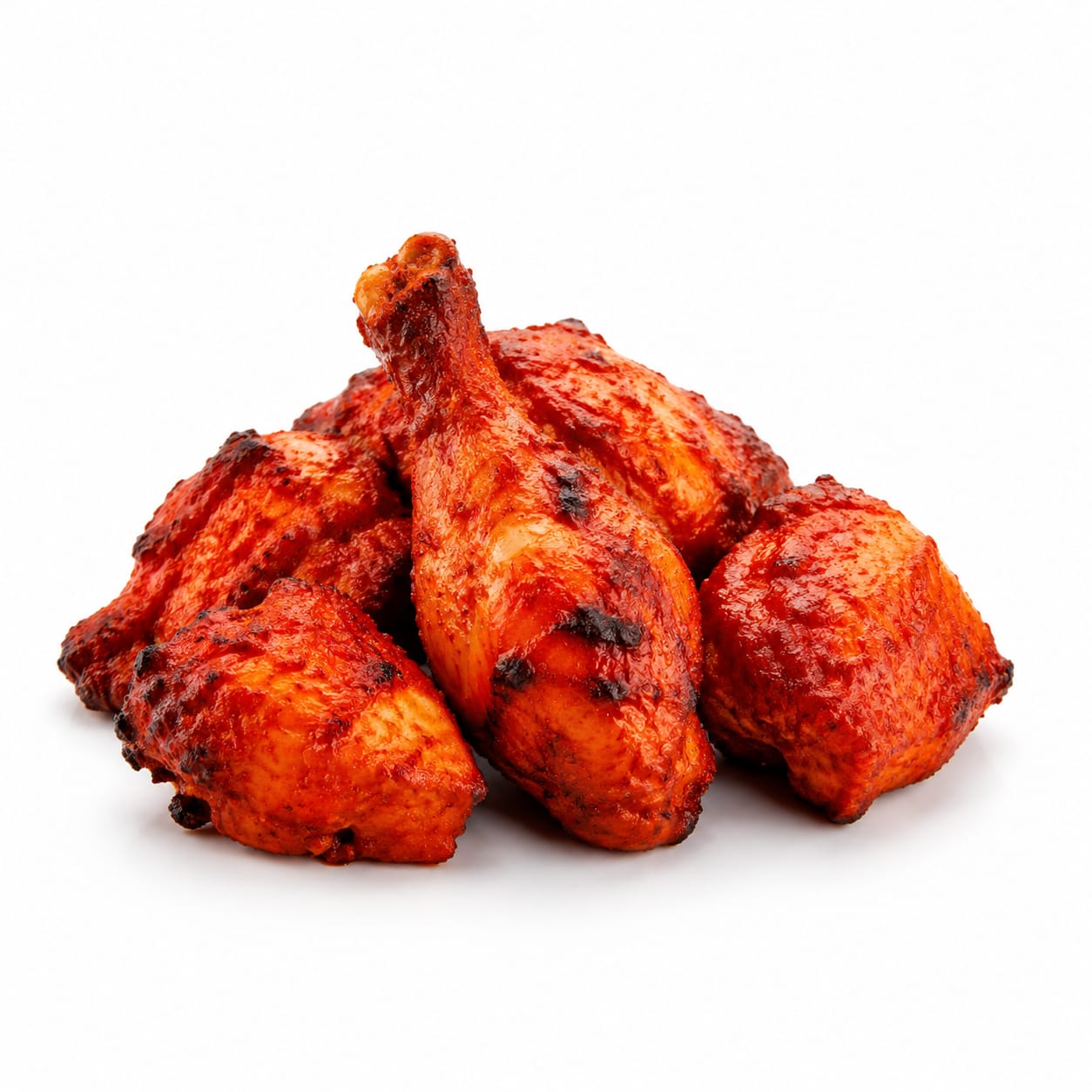
Tandoori Chicken
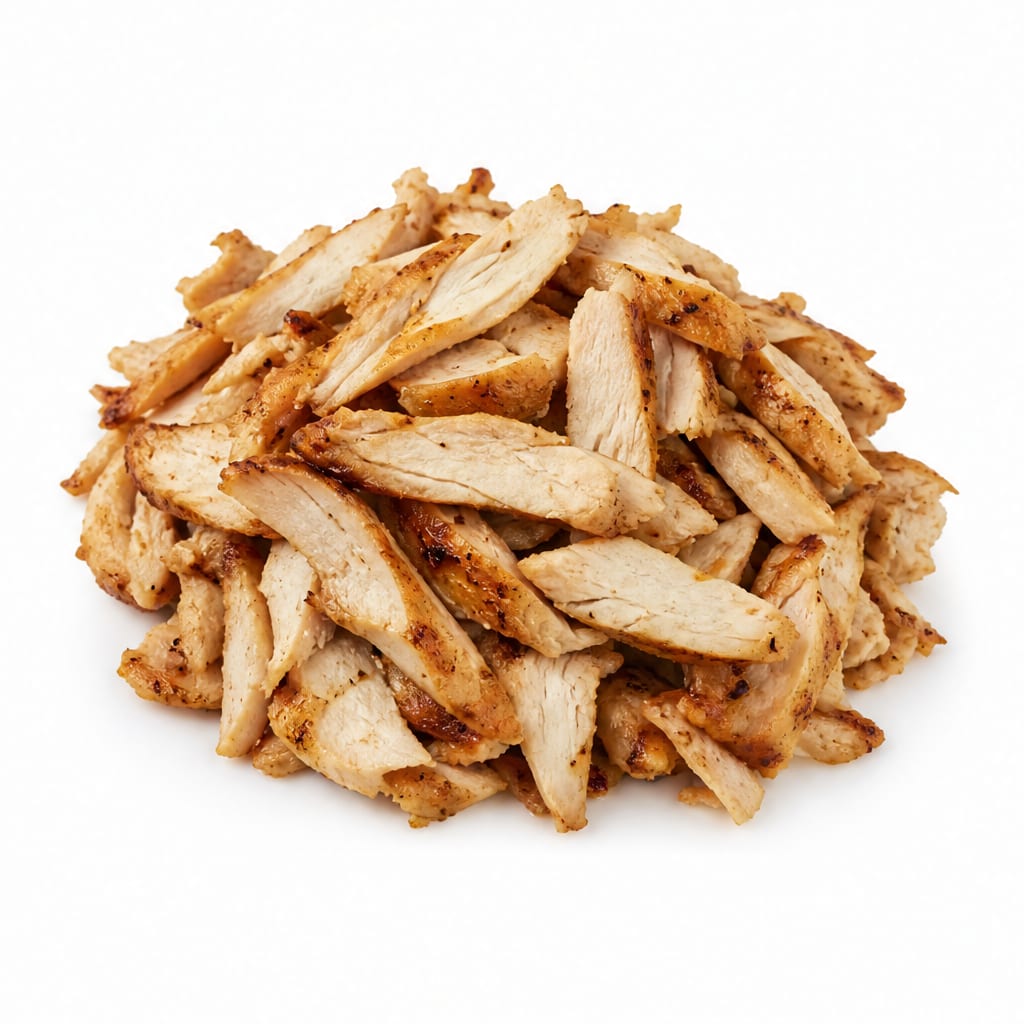
Chicken Shawarma
Tandoori Chicken wins for cleaner eating with fewer calories and less fat, while Chicken Shawarma offers richer flavor at the cost of higher sodium and calorie density.
Tandoori Chicken scores notably higher due to its leaner profile, cleaner ingredient list, and lower calorie density. Chicken Shawarma remains enjoyable but carries more sodium, fat, and additive uncertainty from commercial preparations.
You trade lean simplicity for bolder, more indulgent flavor — Tandoori Chicken keeps it light, Chicken Shawarma brings the comfort but weighs heavier.
At a glance
Executive summary
Overall
Tandoori Chicken
Healthier
Tandoori Chicken
More practical
Chicken Shawarma
Daily use
Tandoori Chicken
Key comparison lenses
Lean protein comparison for weight management
Both are spiced chicken dishes but differ significantly in fat content and calorie density, making this the primary decision driver
Sodium and marinade additive awareness
Shawarma marinades and commercial spice blends often pack much more sodium than tandoori preparations
Cooking method health impact
Tandoor clay oven cooking vs vertical rotisserie creates different charring and fat retention profiles
Anti-inflammatory spice benefits
Both feature turmeric and warming spices, but tandoori's yogurt marinade adds probiotic potential
Everyday meal sustainability
Users want to know which fits better into a weekly rotation without health compromises
Best choice for
Tandoori Chicken
- Lean protein goals and calorie counting
- Anti-inflammatory eating patterns
- Heart-health conscious diners
- Post-workout meals needing clean protein
Chicken Shawarma
- Satisfying comfort food cravings
- Quick grab-and-go street food meals
- Flavor-first eating without strict calorie limits
- Social dining and shared plates
Least suitable for
Tandoori Chicken
- Very low-sodium diets if restaurant-prepared
- People who find dry chicken unappealing
Chicken Shawarma
- Strict calorie-controlled diets
- Hypertension management requiring low sodium
- Those avoiding processed marinade ingredients
Deep comparison
Dimension by dimension
Each lens scores both foods and breaks down who each option suits.
- Dimension 1 · Priority 95Tandoori Chicken
Calorie Density and Leanness
Tandoori Chicken · 88Chicken Shawarma · 58Tandoori Chicken delivers more protein per calorie since the yogurt marinade adds minimal fat while keeping meat moist.
Tradeoff
Chicken Shawarma's oil-rich marinade and fat retention from the spit create a juicier bite but significantly more calories per serving.
Why it matters
If you eat chicken dishes several times a week, the calorie difference compounds fast — easily 200+ calories per serving.
Real-world impact
A Tandoori Chicken thigh runs roughly 250-300 calories versus 400-500 for an equivalent Chicken Shawarma portion. That gap matters over a month of meals.
Tandoori Chicken
- Weight loss phases
- Lean bulk muscle building
- Calorie tracking consistency
Better for
- People who struggle with dry chicken textures
Worse for
Chicken Shawarma
- Days when satisfaction matters more than macros
- Bulking phases needing extra calories
Better for
- Anyone cutting calories
- Frequent eaters watching waistlines
Worse for
- Dimension 2 · Priority 88Tandoori Chicken
Sodium Load
Tandoori Chicken · 72Chicken Shawarma · 45Tandoori Chicken typically uses less salt and fewer sodium-heavy condiments compared to Chicken Shawarma's spice blends and garlic sauces.
Tradeoff
Shawarma's signature flavor comes partly from salt-laden marinades and accompanying tahini or garlic sauce that push sodium well above ideal levels.
Why it matters
A single Chicken Shawarma serving can deliver 800-1200mg sodium — half your daily ideal limit in one meal.
Real-world impact
After a Shawarma meal you might feel bloated and thirsty. Tandoori Chicken leaves you feeling lighter and less puffy the next morning.
Tandoori Chicken
- Blood pressure management
- Reducing water retention
- Cleaner post-meal feeling
Better for
- Restaurant versions can still be surprisingly salty
Worse for
Chicken Shawarma
- Post-heavy-sweat activities needing electrolyte replenishment
Better for
- Hypertension risk
- Daily consumption habits
- Kidney strain with frequent intake
Worse for
- Dimension 3 · Priority 75Tandoori Chicken
Spice and Anti-Inflammatory Benefits
Tandoori Chicken · 82Chicken Shawarma · 70Both dishes feature turmeric, cumin, and warming spices, but Tandoori's yogurt base amplifies curcumin absorption and adds gut-friendly probiotics.
Tradeoff
Shawarma's cardamom and cinnamon bring unique antioxidants, but the lack of a probiotic carrier reduces the overall anti-inflammatory edge.
Why it matters
Turmeric's benefits are significantly enhanced when paired with fats and fermented dairy — exactly what tandoori marinade provides.
Real-world impact
Regular Tandoori Chicken consumption may contribute to less joint stiffness and better digestion compared to Shawarma, all else being equal.
Tandoori Chicken
- Joint health and inflammation reduction
- Gut microbiome support from yogurt marinade
- Maximizing turmeric absorption
Better for
- Dairy-sensitive individuals miss the probiotic advantage
Worse for
Chicken Shawarma
- Warming spice variety with cardamom benefits
- Blood sugar friendly cinnamon content
Better for
- Missing the probiotic synergy
- Higher fat may counter some anti-inflammatory gains
Worse for
- Dimension 4 · Priority 70Tandoori Chicken
Cooking Method Safety
Tandoori Chicken · 74Chicken Shawarma · 62Tandoor cooking chars the exterior quickly at high heat but the short exposure limits harmful compound formation. Shawarma's slow rotating spit creates more surface charring over time.
Tradeoff
Both methods produce some heterocyclic amines from charring, but Shawarma's prolonged rotation builds up more char on the outer meat layers.
Why it matters
Frequent consumption of heavily charred meats is linked to increased cancer risk over decades of eating.
Real-world impact
Trimming the darkest charred bits from either dish is a smart habit. With Shawarma, there's simply more charred surface to worry about.
Tandoori Chicken
- Lower accumulated char exposure
- Faster cooking means fewer harmful compounds
Better for
- Direct contact with extremely hot clay walls
Worse for
Chicken Shawarma
- Fat dripping away from the meat on vertical spit
Better for
- Hours of slow rotation building char
- Outer layers most commonly served are most charred
Worse for
- Dimension 5 · Priority 65Chicken Shawarma
Convenience and Accessibility
Tandoori Chicken · 50Chicken Shawarma · 85Chicken Shawarma is widely available as street food and quick takeout globally, while Tandoori Chicken requires either a specialist restaurant or home tandoor setup.
Tradeoff
Shawarma's grab-and-go nature makes it the practical winner, but that convenience often means less control over ingredients and quality.
Why it matters
The healthiest meal is one you can consistently access and prepare — Shawarma wins on availability alone.
Real-world impact
You can find decent Chicken Shawarma in most cities within minutes. Good Tandoori Chicken takes more effort to source or cook at home.
Tandoori Chicken
- Home cooks wanting a weekend project
- Those near quality Indian restaurants
Better for
- Hard to replicate without tandoor oven
- Less common in casual takeout spots
Worse for
Chicken Shawarma
- Busy professionals needing fast protein
- Travel and street food scenarios
- Quick lunch breaks
Better for
- Ingredient transparency is low at many spots
- Quality varies wildly between vendors
Worse for
- Dimension 6 · Priority 72Chicken Shawarma
Satiety and Meal Satisfaction
Tandoori Chicken · 68Chicken Shawarma · 80Chicken Shawarma's higher fat content and rich accompaniments create a more filling, satisfying meal experience that staves off hunger longer.
Tradeoff
That satisfaction comes from calorie density — you feel fuller because you consumed more energy, not because of superior satiety signals.
Why it matters
If a meal leaves you hunting for snacks two hours later, the calorie savings become meaningless.
Real-world impact
A Shawarma wrap with garlic sauce keeps you full for 4-5 hours. Tandoori Chicken with plain sides might have you reaching for something else within 3 hours.
Tandoori Chicken
- Lighter meals that won't slow you down
- Pre-workout eating where heavy feelings hurt performance
Better for
- May need larger portions or side dishes to feel satisfied
Worse for
Chicken Shawarma
- Long gaps between meals
- Physically demanding days needing sustained energy
- One-meal scenarios where satisfaction matters
Better for
- Post-meal food coma potential
- Overeating risk from high palatability
Worse for
Timeline
Health impact over time
Short-term
Hours to days
Tandoori Chicken
- Light, energized feeling after eating with minimal bloating
- Steady energy without sugar or sodium crashes
- Possible thirst if restaurant preparation is salt-heavy
Chicken Shawarma
- Strong satiety and fullness shortly after eating
- Possible sodium-related thirst and water retention
- Risk of sluggish feeling from high fat and calorie load
Long-term
Months to years
Tandoori Chicken
- Better weight management with consistent consumption
- Anti-inflammatory benefits from regular turmeric and spice intake
- Lower cardiovascular risk from reduced sodium and fat intake
Chicken Shawarma
- Higher sodium intake may contribute to blood pressure concerns over time
- Calorie density can quietly drive weight gain if eaten frequently
- Spice antioxidants still provide some protective benefit despite higher fat
Risk profile
Safety & processing
Traditional Tandoori Chicken uses whole spices, fresh yogurt, and lemon — a clean marinade with recognizable ingredients. Chicken Shawarma often incorporates commercial spice mixes, preservatives for longer spit rotation, and stabilizers in accompanying sauces that raise the processing level.
Tandoori Chicken
Charring compounds
mediumHigh-heat tandoor cooking creates some heterocyclic amines on charred surfaces. Trimming blackened bits reduces exposure significantly.
Restaurant hygiene variability
lowAs with any poultry, undercooking is a risk. Reputable restaurants with high turnover minimize this concern.
Chicken Shawarma
Extended time on rotisserie
mediumMeat sitting on a vertical spit for hours at warm temperatures creates a window for bacterial growth if temperature control is poor.
Accumulated char on outer layers
mediumThe slow-rotating, continuously charred outer layer contains more harmful compounds than quickly cooked meats.
Sauce contamination
lowTahini and garlic sauces sitting at room temperature at street vendors can harbor bacteria if not handled properly.
Who wins for whom
Audience fit
Same foods, different winners depending on your goal.
children
It dependsKids often prefer the milder, juicier Shawarma, but Tandoori Chicken's cleaner ingredient list is nutritionally superior. Moderation with either is fine.
daily consumption
Tandoori ChickenThe leaner profile and cleaner ingredient list hold up better as a frequent meal without accumulating sodium or fat concerns.
diabetes
Tandoori ChickenLower calorie density and minimal added sugars in the marinade keep blood sugar more stable.
elderly
Tandoori ChickenLower sodium and easier digestion make Tandoori Chicken safer for aging cardiovascular systems and sensitive stomachs.
muscle gain
Tandoori ChickenHigher protein-to-calorie ratio supports lean muscle growth without excess calorie baggage.
weight loss
Tandoori ChickenFewer calories per serving and lower fat content make Tandoori Chicken the clear choice for sustainable weight loss.
Your move
Decision guide
Choose Tandoori Chicken
- You are tracking calories or macros closely
- Blood pressure or sodium intake is a health priority
- You want anti-inflammatory benefits from turmeric and yogurt
- You prefer feeling light and energized after meals
- You cook at home and want a clean marinade recipe
Choose Chicken Shawarma
- Flavor and satisfaction are your top priorities today
- You need a filling meal that carries you for hours
- Convenience and availability matter more than perfect nutrition
- You are in a bulking phase and welcome extra calories
- It is an occasional treat, not a daily habit
Either works if
- You are eating out and both options are available fresh
- You rotate proteins regularly and neither will dominate your diet
- You pair either with large vegetable portions to balance the meal
Avoid both if
- You have severe poultry allergies
- You are on a strict very-low-sodium medical protocol
- You are avoiding all charred meats due to specific health conditions
Final recommendation
Make Tandoori Chicken your default chicken dish for its lean, clean profile and anti-inflammatory edge. Save Chicken Shawarma for when you genuinely want the richer experience — it is a satisfying treat, not a daily driver. If Shawarma is your only convenient option, skip the heavy sauces and ask for extra veggies to bring it closer to balanced.
Practical
Consumer tips
- 1
Ask for Tandoori Chicken breast instead of thigh to cut even more calories and fat
- 2
When ordering Chicken Shawarma, request light garlic sauce or sauce on the side to control the calorie bomb
- 3
Trim any heavily charred pieces from either dish to reduce harmful compound intake
- 4
Pair Tandoori Chicken with a side salad instead of naan to keep the meal lean
- 5
At Shawarma spots, load up on pickled turnips and veggies instead of extra meat
- 6
Make Tandoori Chicken at home with Greek yogurt marinade for maximum probiotic benefit
- 7
If buying Shawarma, choose high-turnover restaurants where meat spends less time on the spit