
Nutrition comparison
Tandoori Chicken vs BBQ Chicken: Which Is Healthier?
Compare Tandoori Chicken vs BBQ Chicken on sugar, inflammation, carcinogens, and nutrition. Find out which grilled chicken is better for weight loss, diabetes, and daily eating.
Overall winner · Tandoori Chicken
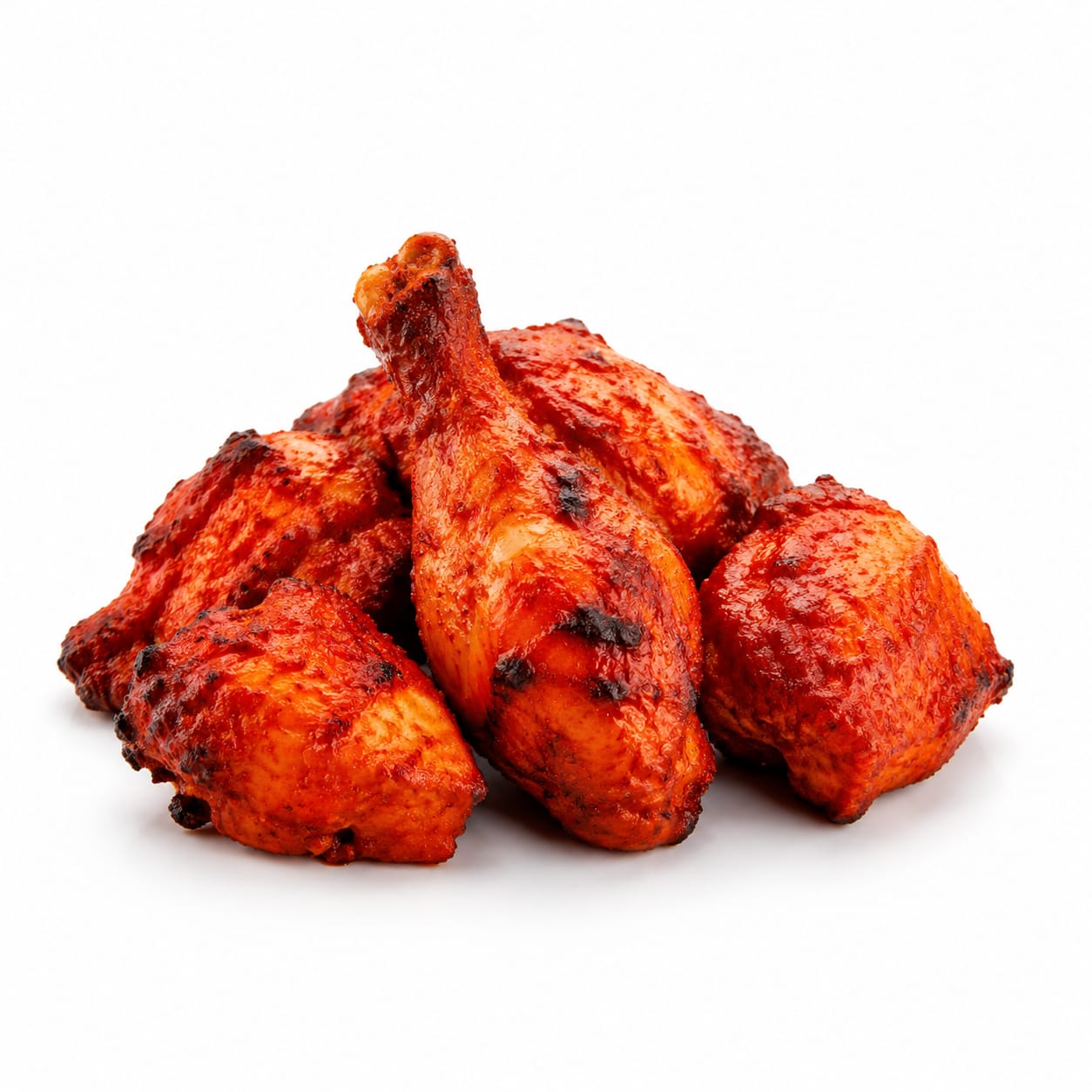
Tandoori Chicken
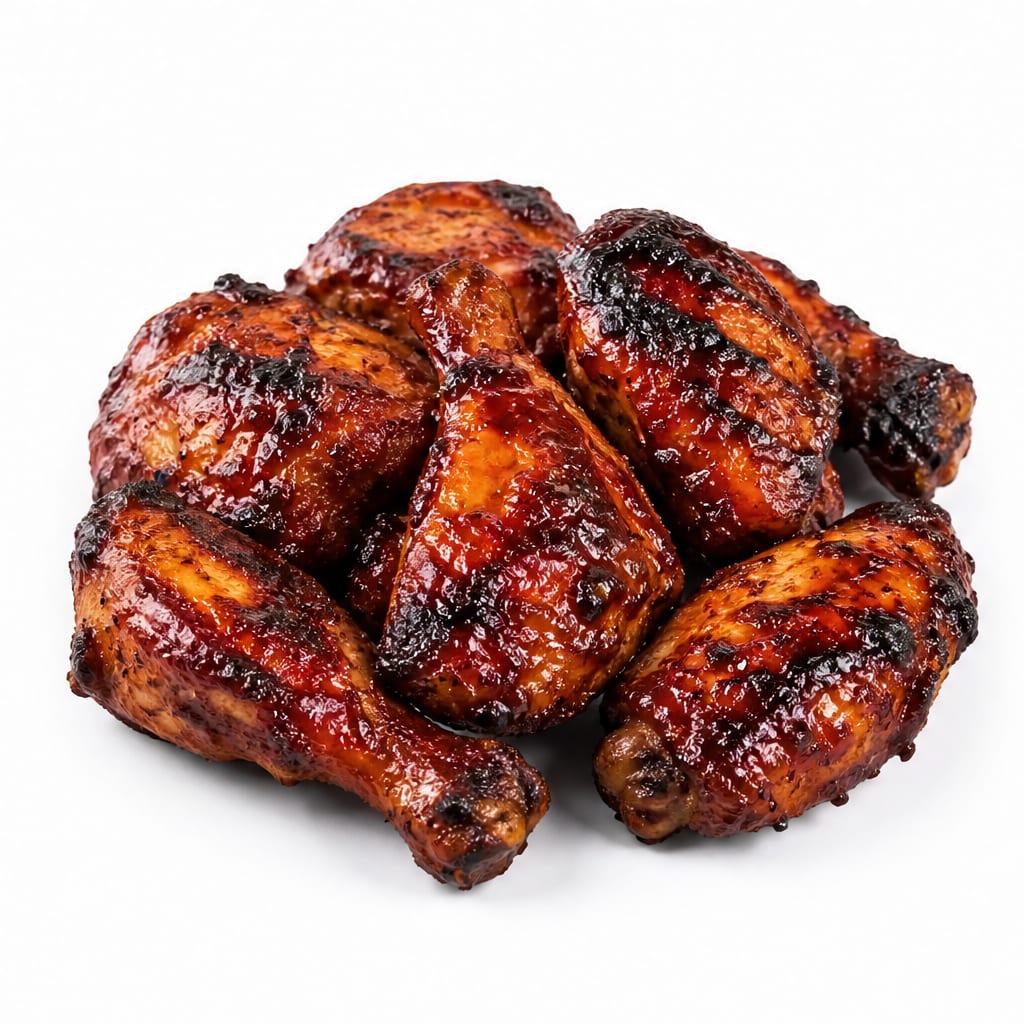
BBQ Chicken
Tandoori Chicken wins on nutritional quality thanks to anti-inflammatory spices and near-zero sugar, while BBQ Chicken delivers bolder sweet-smoky flavor at the cost of added sugar and more processing.
Tandoori Chicken scores notably higher due to its spice-driven anti-inflammatory benefits, minimal sugar, and cleaner ingredient profile. BBQ Chicken loses ground primarily from added sugar in sauce and higher processing concerns, though it remains a solid protein source.
You trade the satisfying sweet-smoky taste of BBQ sauce for a cleaner, spice-forward profile with better blood sugar control and fewer additives.
At a glance
Executive summary
Overall
Tandoori Chicken
Healthier
Tandoori Chicken
More practical
BBQ Chicken
Daily use
Tandoori Chicken
Key comparison lenses
sugar and sauce comparison
BBQ sauce adds significant sugar while tandoori relies on spice-based marinade with minimal sugar
anti inflammatory vs inflammatory potential
Tandoori spices like turmeric and cumin are anti-inflammatory; BBQ sauce sugar and char can promote inflammation
cooking method carcinogen risk
Both use high-heat cooking but BBQ grilling and smoking carry additional PAH exposure
weight management suitability
Tandoori is typically lower calorie and lower sugar, making it more weight-loss friendly
additive and processing concerns
Commercial BBQ sauce often contains preservatives, caramel color, and emulsifiers while tandoori marinade is more whole-food based
Best choice for
Tandoori Chicken
- People managing blood sugar or diabetes
- Anti-inflammatory diet followers
- Weight loss seekers avoiding hidden sugar
- Whole-food and clean-eating advocates
- Those sensitive to artificial additives
BBQ Chicken
- Backyard cookouts and social gatherings
- Comfort food cravings
- Those wanting higher calorie intake for bulking
- People who find plain chicken hard to enjoy
Least suitable for
Tandoori Chicken
- People who dislike or are sensitive to bold spices
- Those seeking high-calorie comfort meals
- Diners unfamiliar with Indian cuisine
BBQ Chicken
- People with diabetes or insulin resistance
- Those avoiding added sugars
- Anyone on a clean-eating or anti-inflammatory protocol
- Children who need lower sodium options
Deep comparison
Dimension by dimension
Each lens scores both foods and breaks down who each option suits.
- Dimension 1 · Priority 95Tandoori Chicken
sugar_and_glycemic_impact
Tandoori Chicken · 92BBQ Chicken · 45Tandoori Chicken has almost no sugar in its marinade, while BBQ Chicken can pack 10-20g of added sugar per serving from sauce alone.
Tradeoff
BBQ sauce makes chicken more palatable for picky eaters but spikes blood sugar and adds empty calories.
Why it matters
Consistent sugar spikes from BBQ sauce can increase cravings, fat storage, and long-term metabolic risk.
Real-world impact
A Tandoori Chicken dinner keeps energy steady; BBQ Chicken may leave you hungry again within an hour from the sugar crash.
Tandoori Chicken
- Stable blood sugar after meals
- Fewer afternoon energy crashes
- Easier portion control without sugar-driven overeating
Better for
- Less immediately rewarding for sugar-craving palates
Worse for
BBQ Chicken
- More rewarding taste for sweet-tooth eaters
- Easier to get kids to eat protein
Better for
- Hidden sugar that sabotages low-carb or keto diets
- Post-meal energy dips
Worse for
- Dimension 2 · Priority 90Tandoori Chicken
anti_inflammatory_potential
Tandoori Chicken · 88BBQ Chicken · 40Tandoori spices like turmeric, cumin, and coriander actively fight inflammation, while BBQ sauce sugar and char compounds promote it.
Tradeoff
You get functional medicine benefits from tandoori spices versus comfort-driven satisfaction from BBQ flavor.
Why it matters
Chronic inflammation drives joint pain, fatigue, and disease risk. Daily food choices compound this effect over years.
Real-world impact
Regularly choosing Tandoori Chicken may reduce stiffness and bloating; heavy BBQ consumption can worsen both over time.
Tandoori Chicken
- Turmeric provides curcumin, a potent anti-inflammatory compound
- Cumin aids digestion and reduces bloating
- Overall lower inflammatory load per meal
Better for
- Chili-heavy versions may irritate sensitive stomachs
Worse for
BBQ Chicken
- None from an inflammation standpoint
Better for
- Sugar and advanced glycation end-products from charring increase inflammation
- Caramel color in some sauces may have inflammatory byproducts
Worse for
- Dimension 3 · Priority 80It depends
protein_quality_and_satiety
Tandoori Chicken · 78BBQ Chicken · 75Both deliver solid lean protein, but Tandoori Chicken's yogurt marinade may slightly improve protein digestibility.
Tradeoff
Protein quality is nearly identical; the real difference is what comes alongside the protein.
Why it matters
Protein is the main reason most people choose chicken; both options deliver well here.
Real-world impact
Either option works well post-workout. Tandoori digests a bit more comfortably due to yogurt enzymes.
Tandoori Chicken
- Yogurt marinade pre-tenderizes protein for easier digestion
- Slightly more filling without the sugar crash
Better for
- Can dry out if overcooked without sauce protection
Worse for
BBQ Chicken
- Sauce adds moisture that makes lean chicken easier to chew and swallow
- Higher calorie version helps those needing to eat more
Better for
- Sugar adds calories without adding satiety
Worse for
- Dimension 4 · Priority 75It depends
sodium_load
Tandoori Chicken · 55BBQ Chicken · 50Both can be sodium-heavy depending on preparation, but commercial BBQ sauce often packs more sodium per serving than tandoori spice blends.
Tradeoff
Restaurant versions of either dish can easily exceed 1000mg sodium; homemade versions of both are more controllable.
Why it matters
High sodium intake raises blood pressure and causes water retention, especially impactful for salt-sensitive individuals.
Real-world impact
Either option can leave you bloated the next morning if heavily seasoned or sauced at restaurants.
Tandoori Chicken
- Homemade tandoori marinade gives more sodium control
- Spice flavor reduces need for salt
Better for
- Pre-made tandoori paste can be very high in sodium
Worse for
BBQ Chicken
- Dry-rub BBQ versions can be lower in sodium than sauced ones
Better for
- BBQ sauce typically adds 300-500mg sodium per two tablespoons
- Multiple sauce applications compound sodium intake
Worse for
- Dimension 5 · Priority 75Tandoori Chicken
additives_and_processing
Tandoori Chicken · 82BBQ Chicken · 48Tandoori marinade uses whole spices and yogurt, while BBQ sauce often contains preservatives, emulsifiers, and caramel color.
Tradeoff
Tandoori keeps you closer to whole-food eating; BBQ sauce convenience comes with a processing cost.
Why it matters
Ultra-processed additives may disrupt gut health and increase cravings over time, even in small amounts.
Real-world impact
Reading the ingredient label on BBQ sauce reveals a long list; tandoori paste can be just five real ingredients.
Tandoori Chicken
- Yogurt and spice marinade is minimally processed
- No artificial colors or preservatives needed
- Easier to make from scratch with pantry spices
Better for
- Some commercial tandoori pastes add artificial colors for that signature red hue
Worse for
BBQ Chicken
- Widely available as ready-to-use sauce for convenience
Better for
- Caramel color (4-MEI) is a potential carcinogen in some BBQ sauces
- Preservatives like sodium benzoate may form benzene with vitamin C
- Emulsifiers like xanthan gum may irritate sensitive guts
Worse for
- Dimension 6 · Priority 85Tandoori Chicken
cooking_carcinogen_risk
Tandoori Chicken · 60BBQ Chicken · 42Both high-heat methods produce HCAs, but BBQ grilling adds PAHs from smoke and dripping fat, increasing carcinogen exposure.
Tradeoff
Tandoori's enclosed clay oven reduces direct flame contact and smoke exposure compared to open-flame BBQ grilling.
Why it matters
Regular consumption of charred, smoked meats is linked to higher cancer risk over decades of eating.
Real-world impact
Occasional BBQ is fine; weekly open-flame grilling on well-done chicken compounds risk meaningfully over years.
Tandoori Chicken
- Tandoor cooking shields meat from direct flame
- Yogurt marinade reduces HCA formation during cooking
- Less charring means fewer carcinogenic compounds
Better for
- High oven temperatures still produce some HCAs
Worse for
BBQ Chicken
- Indoor oven-baked BBQ chicken avoids most PAH concerns
Better for
- Open-flame grilling creates both HCAs and PAHs
- Smoke from dripping fat coats meat with carcinogens
- Well-done char increases risk substantially
Worse for
Timeline
Health impact over time
Short-term
Hours to days
Tandoori Chicken
- Steady energy without sugar spikes
- Possible mild stomach warmth from spices
- Good post-workout protein delivery
- Yogurt marinade may ease digestion
BBQ Chicken
- Quick satisfaction from sweet-smoky flavor
- Possible energy dip 1-2 hours after eating from sugar crash
- Thirst from higher sodium in sauce
- More likely to overeat due to sugar-driven appetite stimulation
Long-term
Months to years
Tandoori Chicken
- Lower cumulative inflammation from spice antioxidants
- Better blood sugar regulation with regular consumption
- Reduced carcinogen exposure compared to open-flame grilling
- Potential digestive benefits from cumin and coriander
BBQ Chicken
- Higher added sugar intake contributes to metabolic risk over time
- Regular charred meat consumption increases cancer risk
- More processed additive exposure from commercial sauces
- Sodium load may contribute to blood pressure issues
Risk profile
Safety & processing
Tandoori Chicken relies on whole spices and yogurt, keeping it close to a whole-food preparation. BBQ Chicken depends on sauce that typically contains refined sugar, preservatives, and industrial additives, pushing it into more processed territory.
Tandoori Chicken
Artificial food coloring in commercial tandoori paste
mediumSome pre-made tandoori marinades use synthetic red dyes to achieve the signature color. Choose brands with natural coloring or make your own.
HCA formation from high-heat cooking
lowTandoor cooking reaches high temperatures but the enclosed oven and yogurt marinade reduce HCA formation compared to direct flame grilling.
Raw chicken handling
mediumStandard poultry safety applies: ensure internal temperature reaches 165°F to eliminate salmonella risk.
BBQ Chicken
PAH exposure from open-flame grilling and smoking
highFat dripping onto flames creates polycyclic aromatic hydrocarbons that coat the meat. These are classified as probable human carcinogens.
Caramel color (4-MEI) in BBQ sauce
mediumSome commercial BBQ sauces contain caramel color with 4-methylimidazole, a compound classified as a possible carcinogen. Look for sauces without it.
High sodium from sauce
mediumBBQ sauce can contribute 300-500mg sodium per serving, and most people use more than the labeled serving size.
Added sugar overconsumption
mediumSugar in BBQ sauce is easily overlooked since it is savory food. Two tablespoons can contain 12-16g sugar, similar to a small candy bar.
Who wins for whom
Audience fit
Same foods, different winners depending on your goal.
children
BBQ ChickenKids generally prefer the sweet-smoky taste of BBQ Chicken over the intense spice of tandoori, though sodium should still be moderated.
daily consumption
Tandoori ChickenTandoori Chicken's clean ingredient profile and anti-inflammatory benefits make it more sustainable as a regular meal without accumulating health costs.
diabetes
Tandoori ChickenNear-zero sugar in tandoori marinade avoids blood glucose spikes, while BBQ sauce sugar creates unpredictable glycemic responses.
elderly
Tandoori ChickenAnti-inflammatory spices support joint health and digestion in older adults, while lower sodium and sugar reduce cardiovascular strain.
muscle gain
It dependsBoth provide excellent lean protein. BBQ Chicken's extra calories from sauce can help hard gainers, while Tandoori Chicken suits leaner bulking approaches.
weight loss
Tandoori ChickenTandoori Chicken delivers bold flavor without sugar-driven calories, making it easier to stay in a deficit while enjoying food.
Your move
Decision guide
Choose Tandoori Chicken
- You want to avoid hidden sugar in savory meals
- Anti-inflammatory eating is a priority for you
- You are managing diabetes, insulin resistance, or metabolic syndrome
- You prefer whole-food ingredients over processed sauces
- You eat chicken multiple times per week and want the cleaner daily option
Choose BBQ Chicken
- You are at a cookout and want to enjoy the social experience
- You need higher calorie intake for muscle building
- You find plain or spice-heavy chicken unappealing and need flavor to stick with protein
- You are having it occasionally as a treat, not a staple
Either works if
- You are eating chicken once a week and overall diet quality is strong
- You make either dish from scratch with clean ingredients
- Protein intake is your only concern and both fit your macros
Avoid both if
- You have severe poultry allergies
- You are on a very low sodium diet and cannot control preparation
- You are vegetarian or vegan
Final recommendation
For regular meals, Tandoori Chicken is the clear winner: anti-inflammatory spices, minimal sugar, and a cleaner ingredient profile make it the smarter daily choice. Save BBQ Chicken for occasional enjoyment, and when you do, opt for homemade sauce with less sugar and bake rather than grill over open flame to reduce carcinogen exposure.
Practical
Consumer tips
- 1
Make tandoori marinade at home with yogurt, turmeric, cumin, coriander, paprika, and ginger to avoid artificial colors in commercial pastes
- 2
If choosing BBQ Chicken, look for sauces with under 6g sugar per serving and no caramel color
- 3
Bake BBQ Chicken in the oven instead of grilling over open flame to dramatically reduce PAH exposure
- 4
Use a meat thermometer for both: 165°F internal temperature ensures safety without overcooking
- 5
Pair either option with roasted vegetables or a large salad to balance the meal and add fiber
- 6
If ordering at a restaurant, ask for BBQ sauce on the side to control sugar and sodium portions
- 7
For tandoori, choose pieces with the bone in for better moisture retention and slightly richer mineral content