
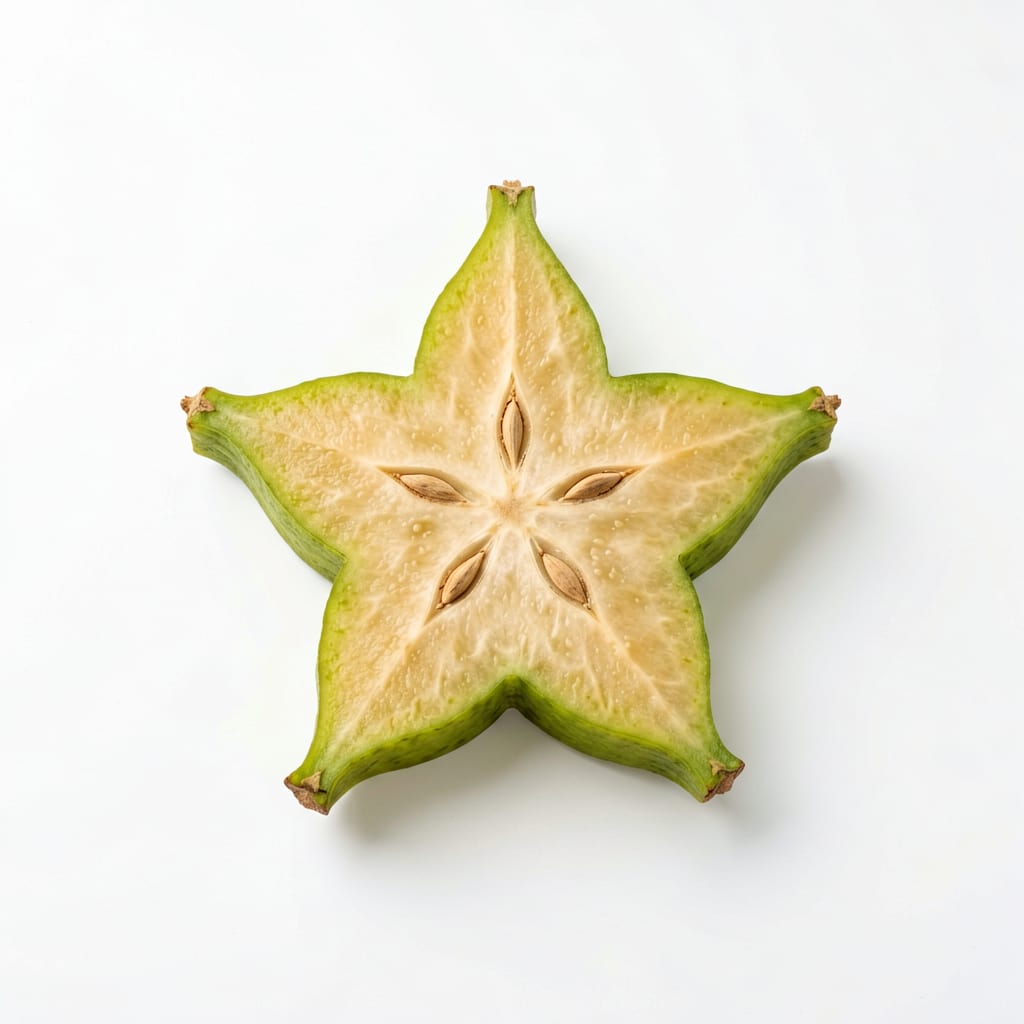
Fruit
Star Fruit
A low-calorie, crisp tropical fruit shaped like a star when sliced, known for its sweet-tart flavor and hydrating properties.
A distinctive tropical fruit with a star-shaped cross-section, crisp texture, and sweet-tart flavor, commonly eaten fresh or used as a garnish.
high-volume low-calorie fruit
Typical serving · 100g
Common varieties · Arkin, Fwang Tung, Golden Star, Kari, Sri Kembangan
Overall context score across nutrition, safety, and diet fit
At a glance
Quick facts
Simple indicators based on nutrition, processing, and diet fit.
The story
What makes it unique
Star fruit has high water content and low energy density, leading to rapid gastric emptying. It provides moderate fiber which slightly slows sugar absorption, resulting in a low glycemic response. Its macronutrient profile is carbohydrate-dominant with minimal fat or protein.
Varieties: Arkin · Fwang Tung · Golden Star · Kari · Sri Kembangan
Per 100g
Nutrition breakdown
Macro balance and key metrics at a glance.
Energy
Density 0.31 kcal/g
Protein
Carbs
Fat
Fiber
Sugar
4 g
Sodium
2 mg
Potassium
133 mg
Glycemic index
25
Glycemic load
2
Water content
91%
Standout compounds
Nutrient highlights
Vitamin C
highSupports immune function and collagen synthesis
Fiber
moderatePromotes digestive regularity and slows sugar absorption
Potassium
moderateHelps regulate blood pressure and fluid balance
Oxalates
highNatural plant compound that can bind calcium
Wellness map
Health scores & processing
NOVA processing scale
Unprocessed · Whole food
Fresh star fruit is a whole, raw agricultural product with no added ingredients or industrial processing.
Diet compatibility
- Weight loss
- Muscle gain
- Diabetes
- Gut health
- Low carb
- High protein
- Heart health
Relative standing
Food rankings
Qualitative ranks compared to similar whole foods.
- Satietymoderate
- Blood sugarexcellent
- Nutrient densitymoderate
- Fitness fuelpoor
- Processing qualityexcellent
Eat with confidence
Food safety profile
Safe for the general population, but poses a severe and potentially fatal risk to individuals with chronic kidney disease or renal failure due to the neurotoxin caramboxin, which healthy kidneys can filter out. Also contains oxalates which may contribute to kidney stones in susceptible individuals.
Evidence confidence 95%
- Pesticidesmoderate
- Antibioticslow
- Heavy metalslow
- Contaminationlow
Watch for
- caramboxin
- oxalates
- pesticide residues
Safer choices
For those with kidney issues, apples or grapes provide similar low-calorie hydration without the neurotoxin risk.
Prep tips
Wash thoroughly under running water to remove surface pesticide residues. Slice off the outer ribs and remove seeds if desired, though both are edible.
Contains caramboxin and high oxalates, which are neurotoxins to individuals with impaired kidney function. Regulated in some regions regarding patient dietary warnings in healthcare settings.
Deep dive
Health analysis
How this food may fit different goals and preparation choices.
Weight loss
Extremely low energy density and high water content allow for large portion sizes with minimal calories, promoting fullness.
Blood sugar
Low glycemic index and load mean it causes a slow, minimal rise in blood sugar, making it safe for diabetic diets.
Fitness & energy
Provides quick hydration and simple sugars, but lacks the substantial carbohydrates or protein needed for intense or enduring physical fuel.
Gut health
Contains soluble fiber and water to support healthy digestion and regular bowel movements, though oxalates may irritate sensitive guts.
Processing quality
A whole, unprocessed food with maximum nutrient retention and no added sugars or artificial ingredients.
Food safety
Poses a unique and severe risk to anyone with kidney disease due to natural neurotoxins; completely safe for those with normal renal function.
Common mistakes
Consuming star fruit without verifying kidney health status, or juicing large amounts which concentrates oxalates and sugars while removing fiber.
Best preparation
Sliced fresh as a standalone snack, added to salads for crunch, or used as an edible garnish for visual appeal and mild sweetness.
Practical guide
Best use cases
When and how this food fits real eating patterns.
Low-calorie volume eating
Provides high visual volume and crunch for very few calories, ideal for satisfying the urge to snack without derailing a diet.
Diabetic-friendly sweet treat
Offers a sweet, refreshing flavor with minimal impact on blood glucose levels.
Edible garnish
The natural star shape makes it an attractive, zero-waste garnish for cocktails, salads, and desserts.
Balance sheet
Pros & cons
Upsides
- Very low in calories and energy density
- Low glycemic index and load
- Good source of vitamin C and antioxidants
- High water content promotes hydration
- Edible skin reduces waste and adds fiber
Trade-offs
- Highly toxic to individuals with kidney disease
- Contains oxalates which may trigger kidney stones
- Not a significant source of protein or healthy fats
- Short shelf life once ripe
- Can be expensive or hard to find in some regions
Fit check
Who is it for?
Great match
- weight loss
- blood sugar control
- low-calorie snacking
- hydration
Consider alternatives
- chronic kidney disease
- oxalate-sensitive kidney stone formers
- high-protein diets
- intense endurance fueling
Side by side
How it compares
Open the full head-to-head analysis for nutrition, safety, and practical tradeoffs.
This food
Star Fruit
VS85% alike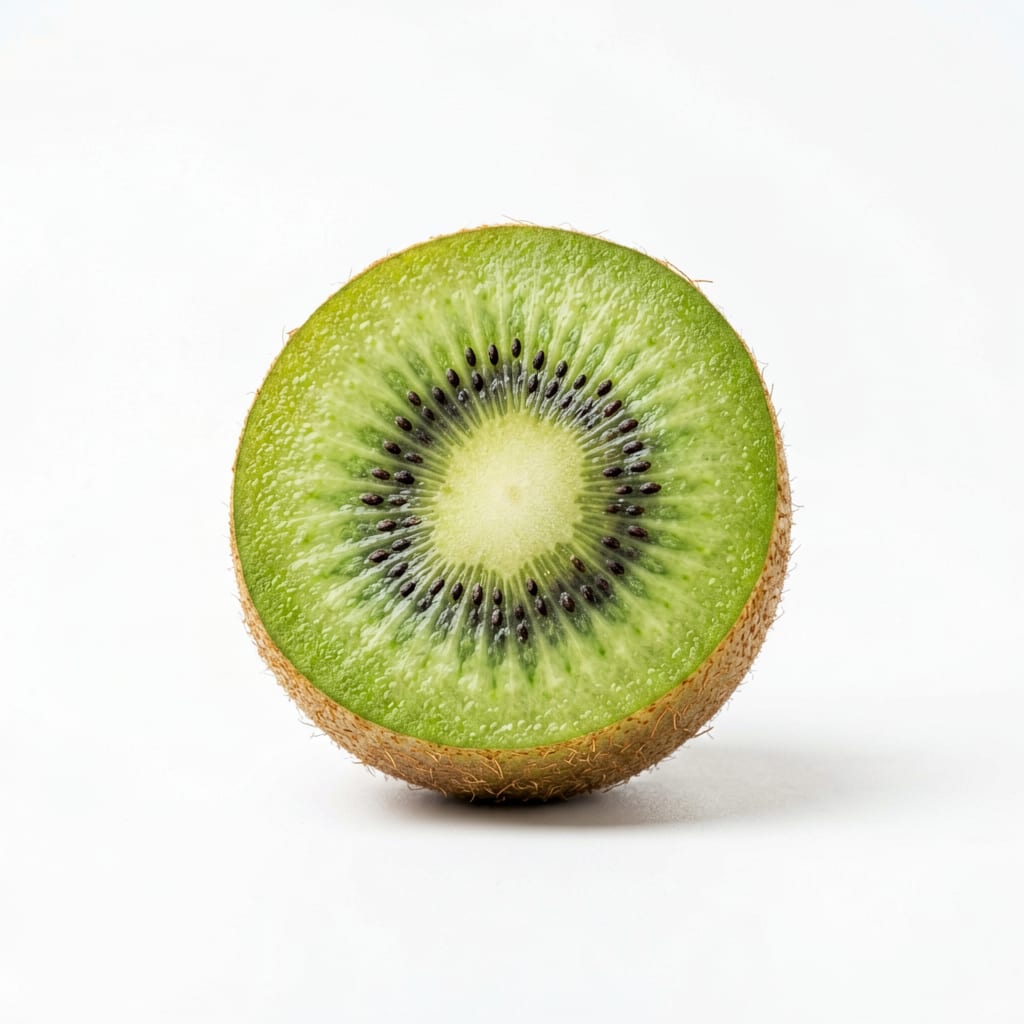
Compare with
Kiwi
Kiwi is significantly higher in vitamin C and fiber, while star fruit is lower in sugar and provides a unique visual appeal.
Star fruit is lower in sugar and calories than kiwi, but kiwi provides more fiber and vitamin C for better satiety and recovery.
This food
Star Fruit
VS80% alike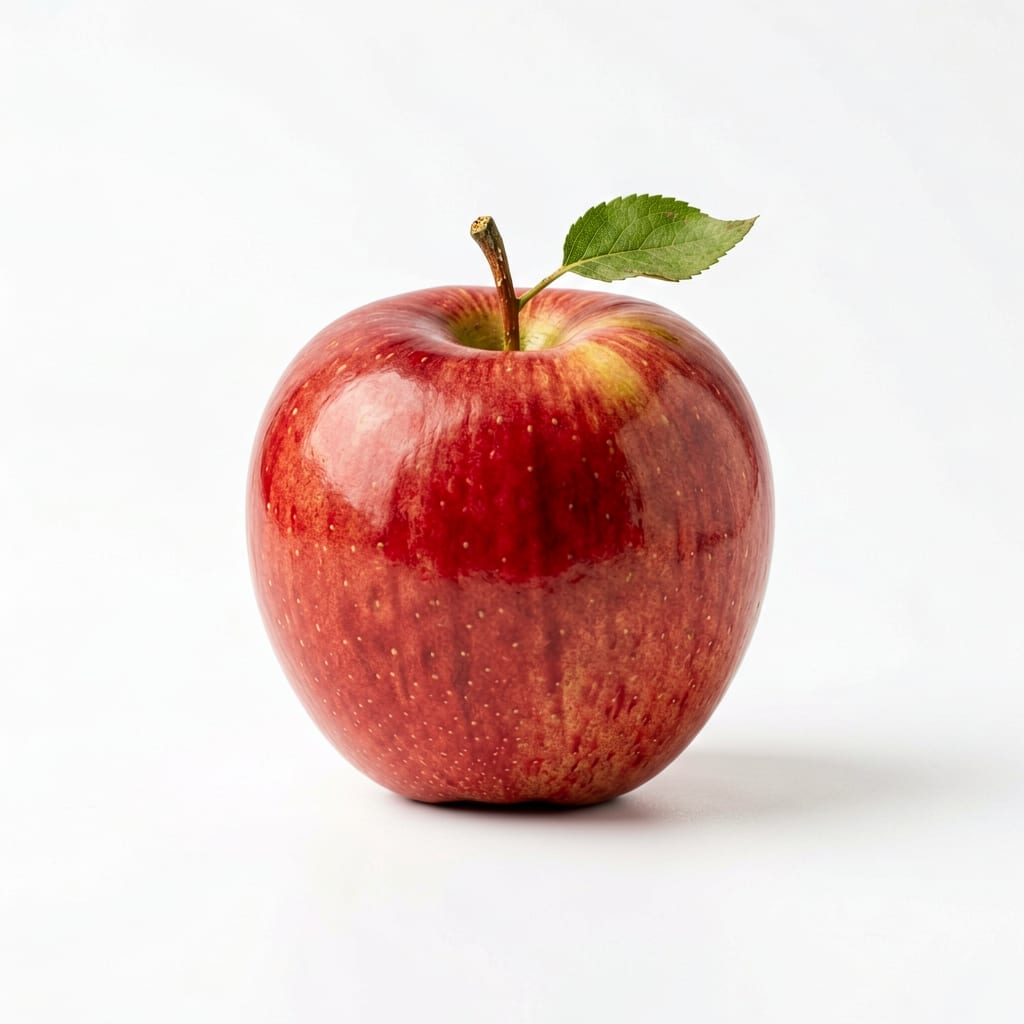
Compare with
Apple
Apples are higher in fiber and calories, while star fruit is much lower in sugar and provides fewer calories per gram.
Star fruit has fewer calories and less sugar than an apple, but apples offer more fiber to keep you full longer.
This food
Star Fruit
VS75% alike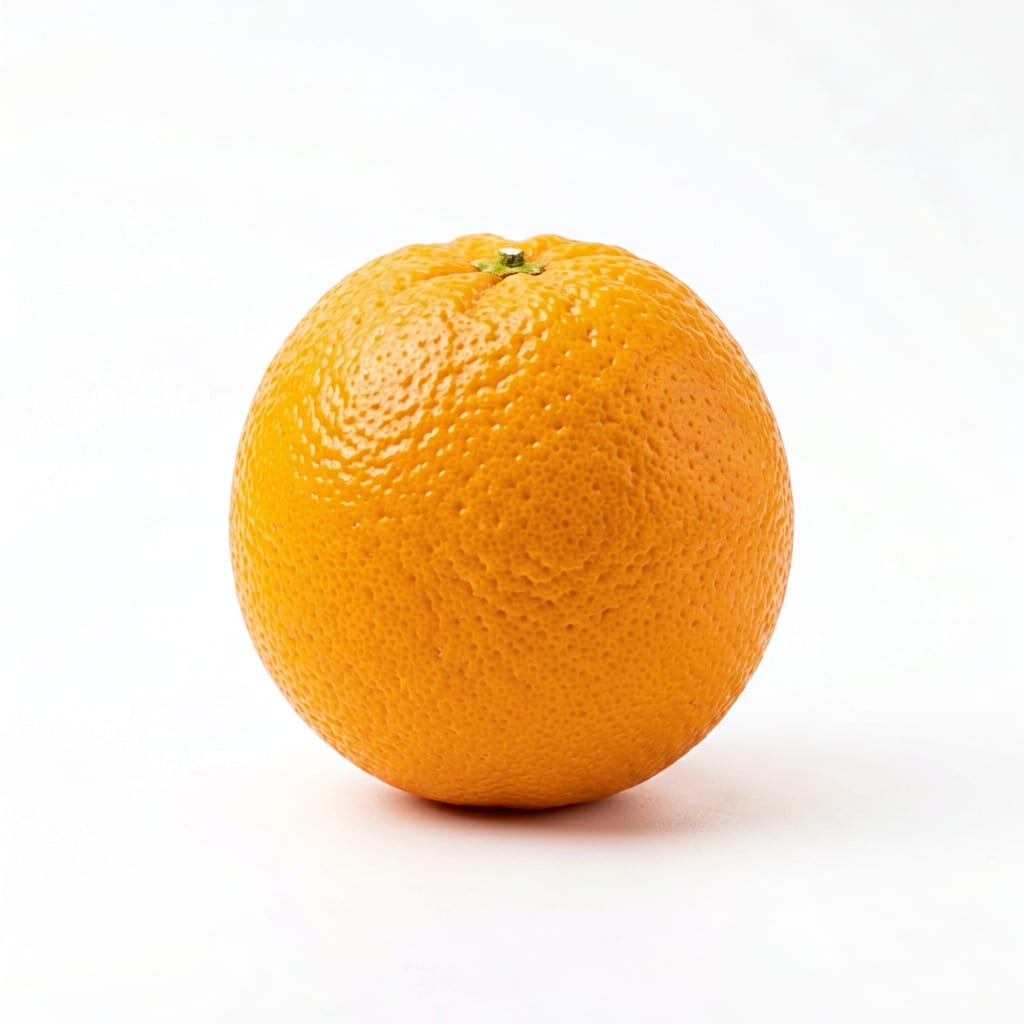
Compare with
Orange
Oranges are much richer in vitamin C and potassium, but star fruit contains roughly half the sugar and calories.
Oranges provide more vitamin C and potassium, while star fruit is the better choice for cutting calories and sugar.
This food
Star Fruit
VS75% alike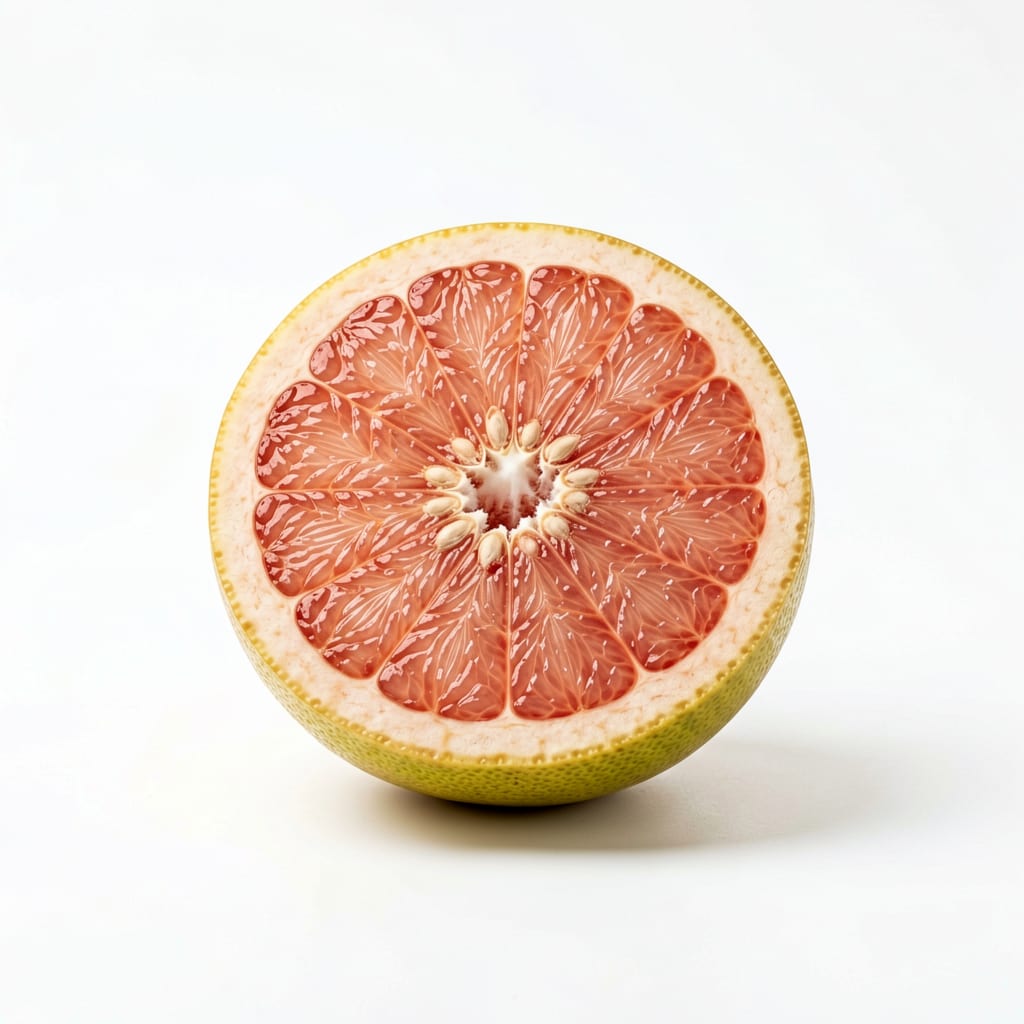
Compare with
Grapefruit
Grapefruit is more filling and has a stronger metabolic research backing, while star fruit is slightly lower in calories.
Both are excellent low-calorie fruits, but grapefruit offers more volume and fiber for satiety compared to the lighter star fruit.
This food
Star Fruit
VS70% alike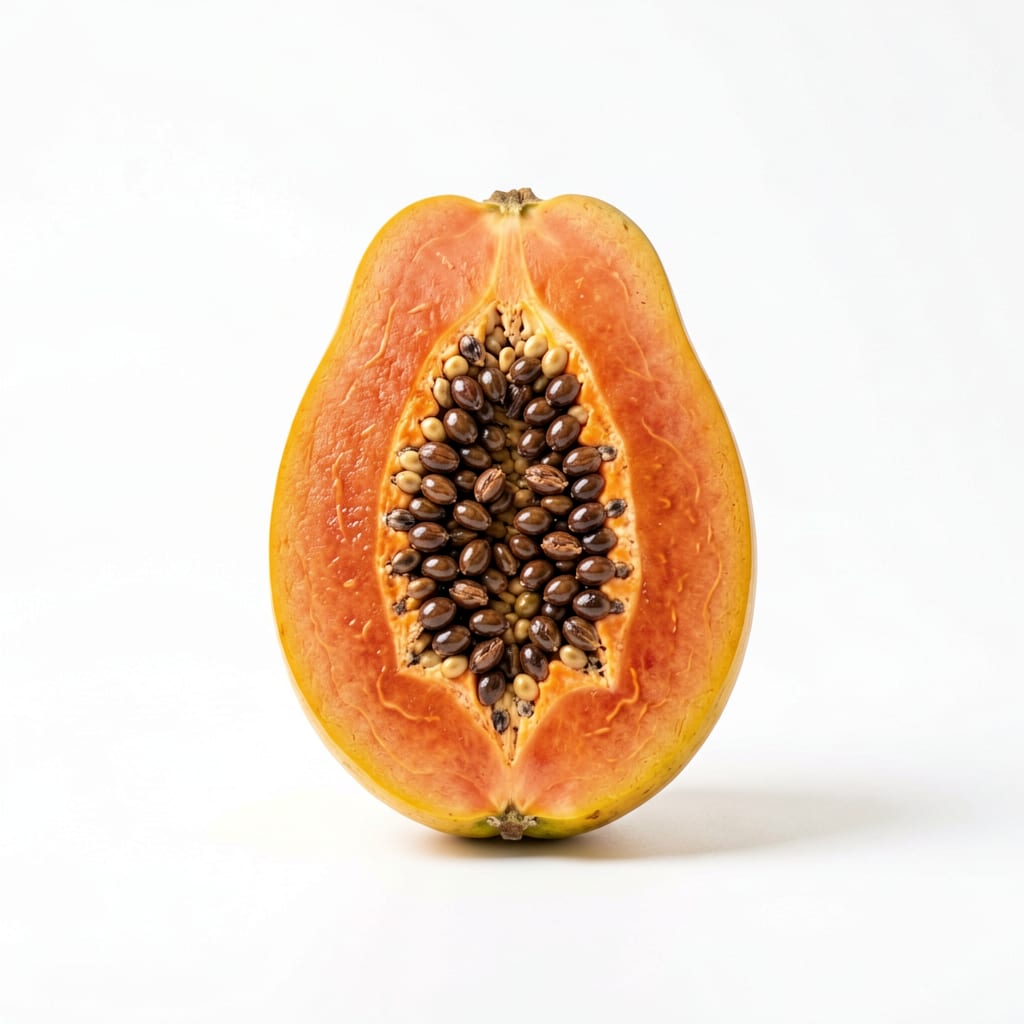
Compare with
Papaya
Papaya is higher in sugar and calories but offers digestive enzymes like papain, whereas star fruit is crisper and lower in carbs.
Star fruit is the lower-carb, lower-calorie option, while papaya provides more substantial energy and unique digestive enzymes.
This food
Star Fruit
VS65% alike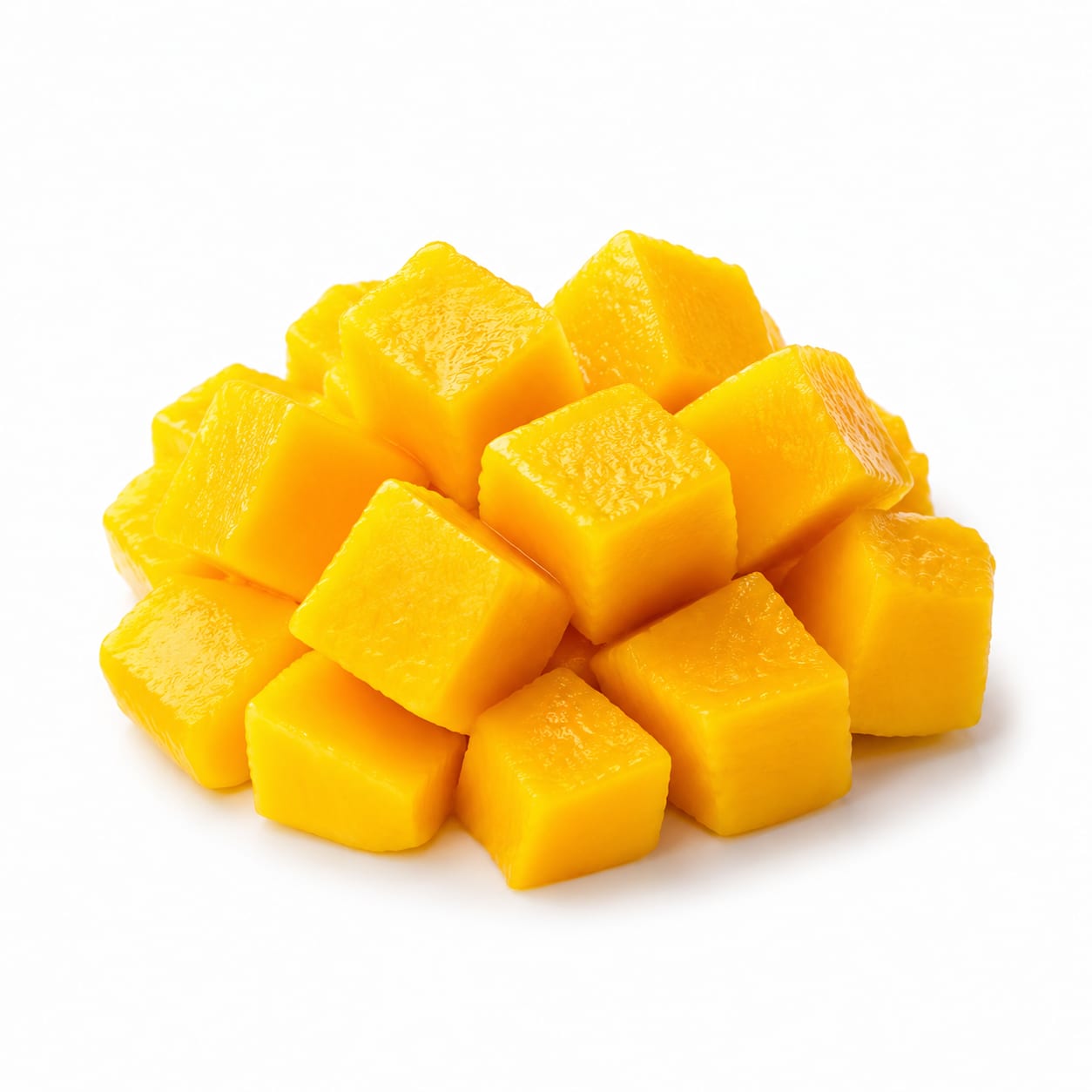
Compare with
Mango
Mango is much sweeter and higher in calories and sugar, while star fruit is a crisp, low-sugar alternative.
If you want a tropical flavor without the sugar spike, choose star fruit over mango, which has three times the calories and carbs.
This food
Star Fruit
VS65% alike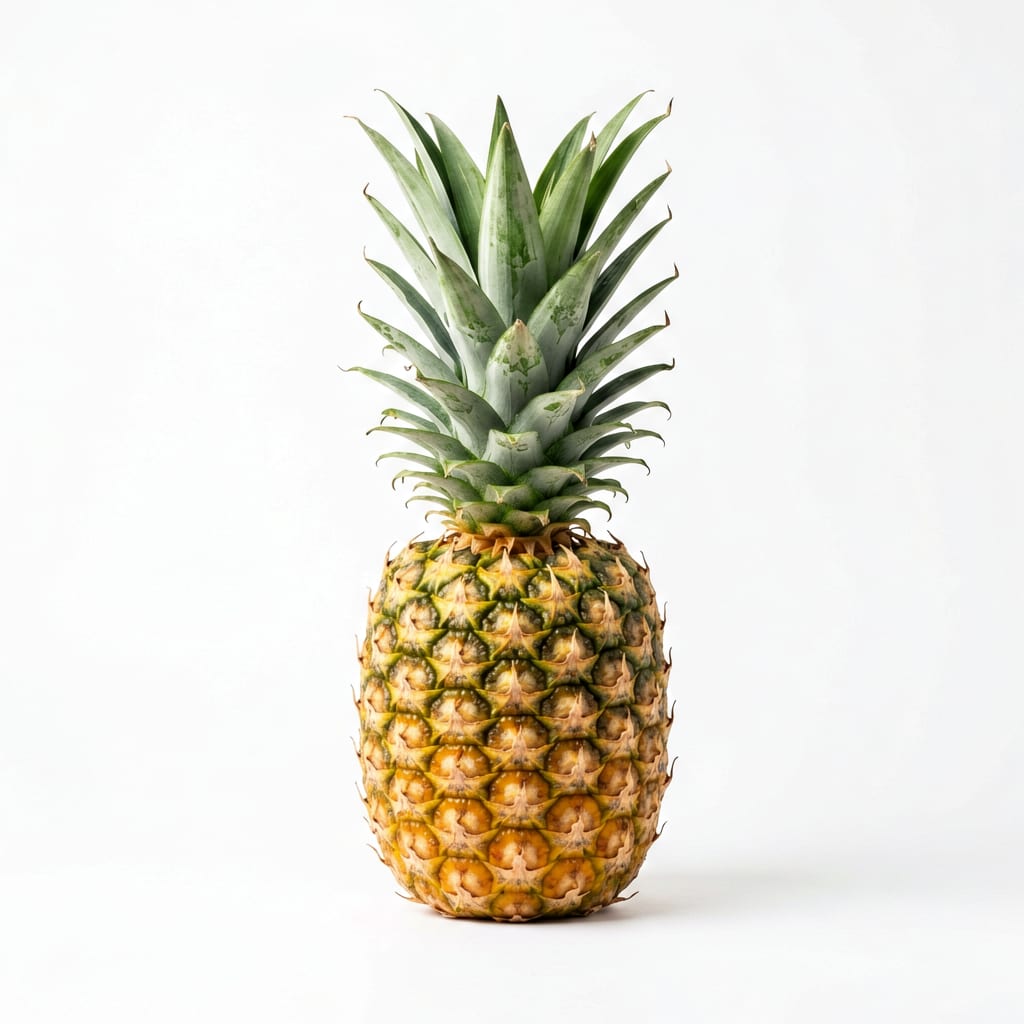
Compare with
Pineapple
Pineapple is richer in manganese and vitamin C but contains significantly more sugar, whereas star fruit is milder and lower carb.
Pineapple offers more vitamins and post-workout carbs, but star fruit is far better for strict low-sugar and low-calorie diets.
This food
Star Fruit
VS60% alike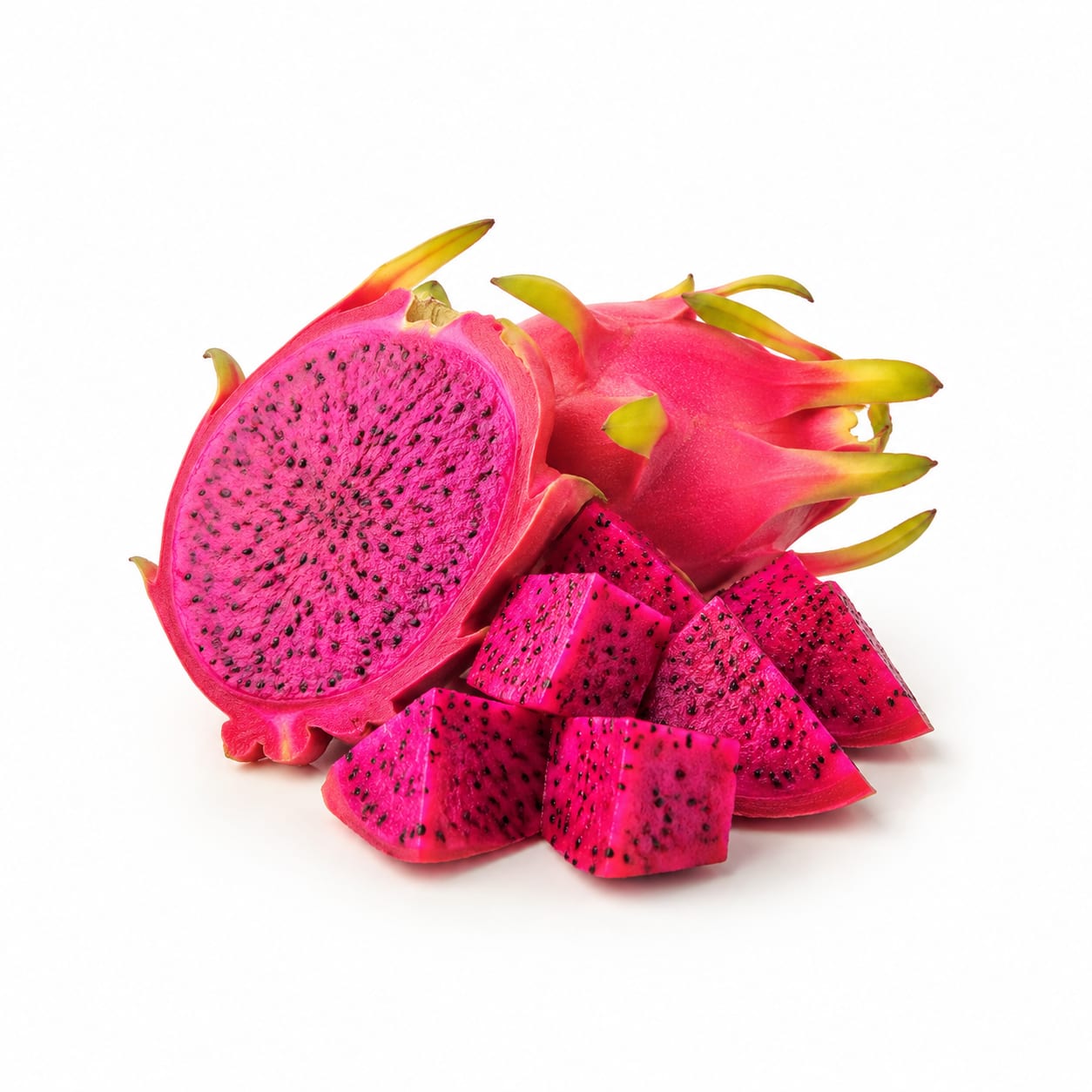
Compare with
Dragon Fruit
Dragon fruit has slightly more fiber and magnesium, but both are low-calorie, low-sugar options with high water content.
Dragon fruit and star fruit are both low-calorie tropical choices, though star fruit has a slight edge for blood sugar control due to lower sugar.
This food
Star Fruit
VS55% alike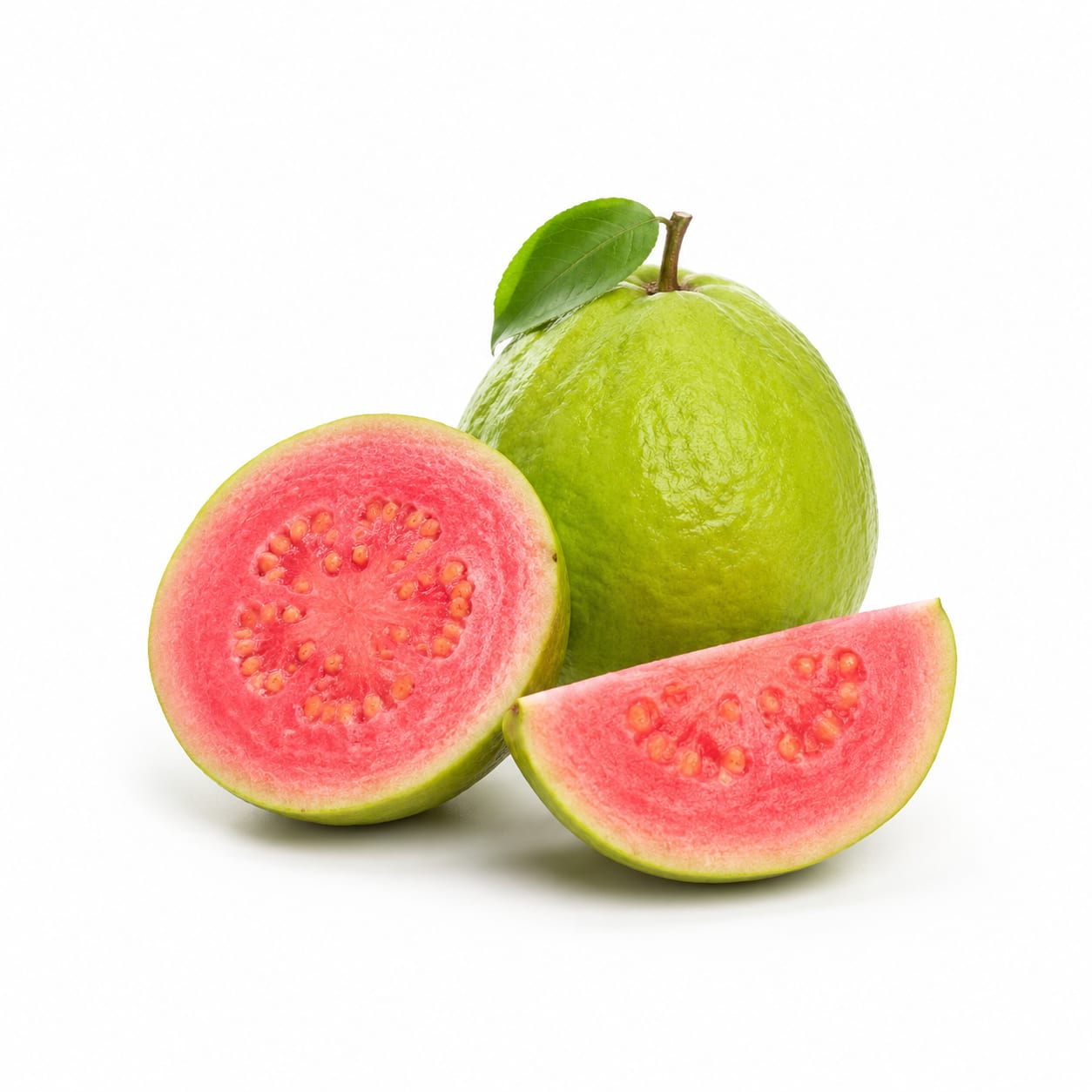
Compare with
Guava
Guava is a fiber and vitamin C powerhouse with far more protein than average fruits, while star fruit is primarily water and low calories.
Guava beats star fruit in fiber, protein, and vitamin C, making it better for satiety, though star fruit is lower in calories.
This food
Star Fruit
VS50% alike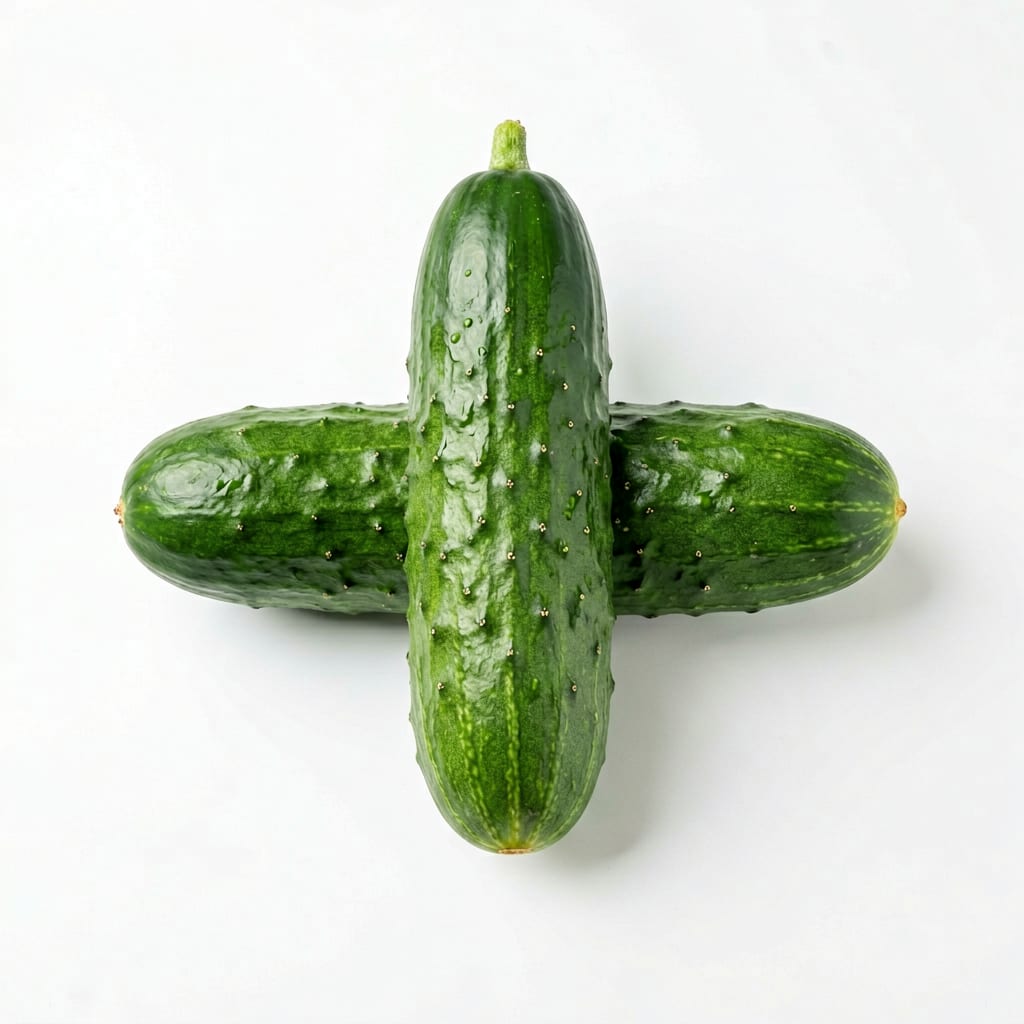
Compare with
Cucumber
Cucumber is a vegetable with virtually zero sugar, while star fruit offers a sweet taste but still remains very low in calories.
Cucumber is lower in calories and sugar, but star fruit provides a sweet, fruity flavor for a similar low-calorie crunch.
Common questions
FAQ
Answers aligned with how people search for this food.
Is star fruit good for weight loss?
Yes, star fruit is excellent for weight loss. It is very low in calories and high in water, allowing you to eat a satisfying portion without overconsuming calories.
Can diabetics eat star fruit?
Yes, star fruit has a low glycemic index and low glycemic load, meaning it will not cause sharp spikes in blood sugar levels when eaten in typical portions.
Why is star fruit dangerous for kidneys?
Star fruit contains caramboxin, a natural neurotoxin. Healthy kidneys filter it out, but damaged kidneys cannot, leading to dangerous toxin buildup that can cause seizures or fatal outcomes in people with kidney disease.
How many calories are in a whole star fruit?
A medium-sized whole star fruit contains approximately 28 to 31 calories, making it one of the lowest-calorie fruits available.
Is star fruit high in sugar?
No, star fruit is relatively low in sugar. A 100-gram serving contains only about 4 grams of natural sugar, which is significantly less than apples or bananas.
Can you eat the skin of a star fruit?
Yes, the skin is entirely edible and contains a good portion of the fruit's fiber. Just wash it thoroughly to remove any pesticide residue before eating.
Does star fruit cause kidney stones?
Star fruit contains oxalates, which can contribute to calcium oxalate kidney stones in people who are prone to them. If you have a history of kidney stones, consume it in moderation.
What is the best way to cut a star fruit?
Wash the fruit, slice off the dark edges of the ribs if desired for aesthetics, and cut it crosswise into slices to reveal the natural star shape. The seeds can be removed or eaten.
Transparency
Data confidence
Estimated confidence for nutrition data, interpretation, safety notes, and comparisons.
Nutrition data
Health analysis
Food safety
Comparisons