
Nutrition comparison
Star Fruit vs Papaya: Nutrition, Safety, and Which Tropical Fruit to Choose
Compare star fruit and papaya on nutrition, safety, and health benefits. Learn why papaya is the safer daily choice and the serious kidney risk star fruit carries.
Overall winner · Papaya
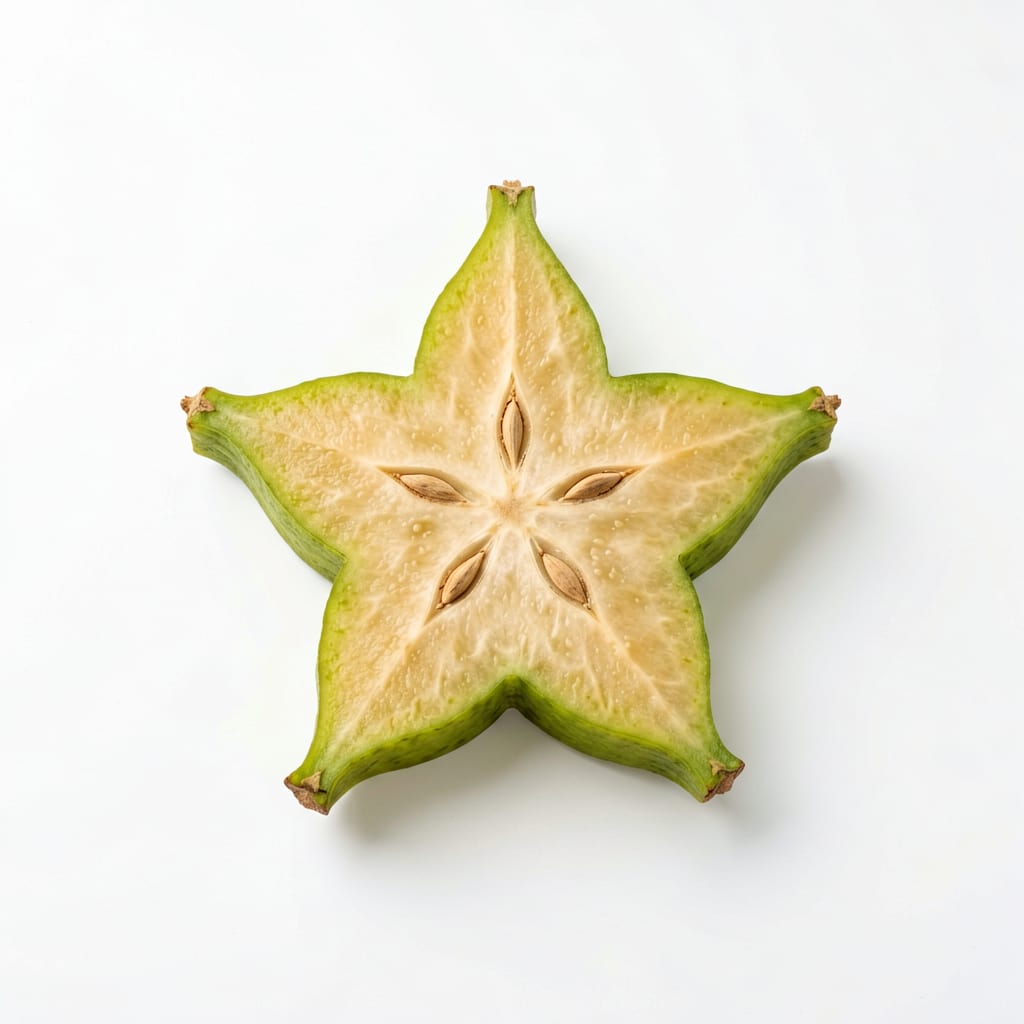
Star Fruit
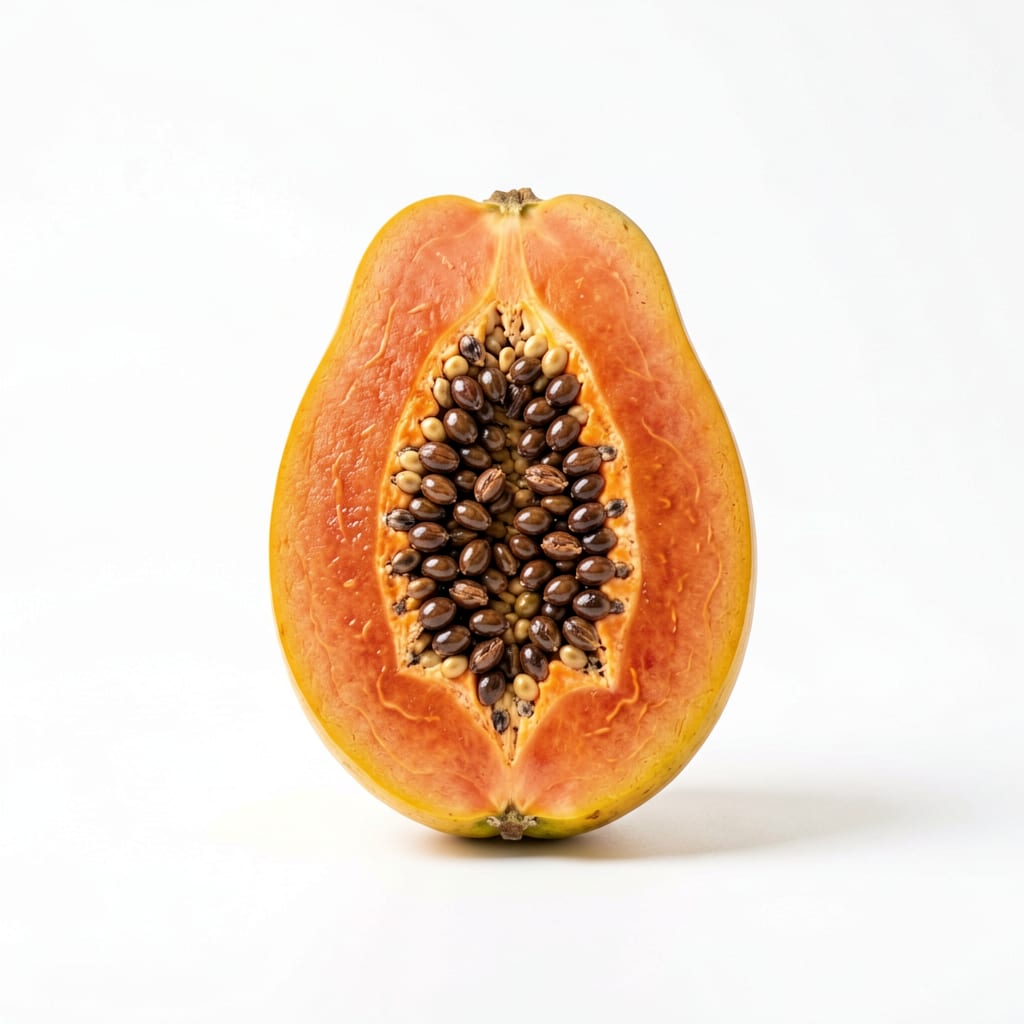
Papaya
Papaya is the safer, more nutritious everyday choice, while star fruit offers a low-calorie novelty with a serious kidney safety caveat.
Papaya scores significantly higher due to its superior nutrient density, digestive benefits, and broader safety profile. Star fruit's serious kidney toxicity risk pulls its score down substantially despite its low-calorie appeal.
Star fruit wins on low sugar and calories but carries a dangerous toxicity risk for kidney patients; papaya delivers far more vitamins, digestive enzymes, and broader safety.
At a glance
Executive summary
Overall
Papaya
Healthier
Papaya
More practical
Papaya
Daily use
Papaya
Key comparison lenses
kidney safety and toxicity risk
Star fruit contains neurotoxins that can be fatal for people with kidney disease — this is the single most important factor in this comparison
digestive comfort and enzyme benefits
Papaya contains papain, a powerful digestive enzyme, making it a go-to for gut health and soothing digestion
vitamin A and antioxidant intake
Papaya is dramatically richer in beta-carotene and vitamin A, which matters for skin, eyes, and immunity
low-sugar and low-calorie snacking
Star fruit is significantly lower in sugar and calories, appealing to those watching intake
tropical fruit variety and culinary use
Both are exotic tropical fruits but serve very different culinary roles — garnish vs. meal complement
Best choice for
Star Fruit
- People watching sugar intake closely
- Low-calorie snack seekers
- Those wanting a visually striking garnish
- Anyone with fully healthy kidneys wanting tart, refreshing fruit
Papaya
- People seeking digestive support
- Anyone needing more vitamin A and beta-carotene
- Those wanting a filling, satisfying tropical fruit
- Households with mixed health needs including older adults
Least suitable for
Star Fruit
- Anyone with kidney disease or reduced kidney function
- People on dialysis
- Elderly adults with undiagnosed kidney issues
- Households where kidney health status is unknown
Papaya
- People with latex allergies (cross-reactivity risk)
- Those strictly limiting carbohydrate or sugar intake
- Anyone on blood-thinning medications (high vitamin K interaction potential)
Deep comparison
Dimension by dimension
Each lens scores both foods and breaks down who each option suits.
- Dimension 1 · Priority 95Papaya
safety and toxicity risk
Star Fruit · 30Papaya · 85Star fruit contains caramboxin and high oxalate levels that can cause neurotoxicity in people with impaired kidney function — symptoms range from hiccups to seizures and death.
Tradeoff
Star fruit is perfectly safe for people with healthy kidneys, but the consequences of accidental consumption by someone with undiagnosed kidney disease are severe and potentially fatal.
Why it matters
Unlike typical food sensitivities, star fruit toxicity is not dose-dependent in kidney patients — even small amounts can trigger neurological emergencies.
Real-world impact
If you have older family members or guests with unknown kidney status, serving star fruit carries a real risk that papaya simply does not.
Star Fruit
- Healthy individuals with confirmed normal kidney function
Better for
- Kidney disease patients
- People on dialysis
- Anyone taking nephrotoxic medications
Worse for
Papaya
- Anyone with kidney concerns
- Households with elderly members
- Catering or shared fruit platters where health status is unknown
Better for
- People with latex-fruit syndrome
Worse for
- Dimension 2 · Priority 80Papaya
vitamin A and beta-carotene
Star Fruit · 20Papaya · 92Papaya is one of the richest fruit sources of beta-carotene, providing over 30% of daily vitamin A needs per serving. Star fruit provides negligible vitamin A.
Tradeoff
If eye health, skin quality, or immune support are priorities, papaya delivers dramatically more value in this area.
Why it matters
Vitamin A deficiency affects skin, vision, and immune resilience — papaya is an easy, delicious way to cover this base.
Real-world impact
A single cup of papaya covers roughly a third of your daily vitamin A. You would need to eat unrealistic amounts of star fruit to get the same benefit.
Star Fruit
- Anyone relying on fruit for vitamin A intake
Worse for
Papaya
- Supporting eye health
- Boosting skin radiance
- Strengthening immune defenses during cold season
Better for
- Dimension 3 · Priority 78Papaya
digestive health and enzyme content
Star Fruit · 35Papaya · 90Papaya contains papain, a proteolytic enzyme that breaks down protein and soothes digestion. Star fruit offers mild fiber but no notable enzymatic support.
Tradeoff
Papaya actively helps you digest meals, especially heavy protein ones. Star fruit is gentle but does not provide digestive assistance.
Why it matters
After a heavy meal, papaya feels comforting and functional. Star fruit feels like light refreshment without the digestive payoff.
Real-world impact
People with bloating or slow digestion often notice real relief after eating papaya. Star fruit would not provide the same benefit.
Star Fruit
- Those seeking functional digestive support from fruit
Worse for
Papaya
- Post-meal digestive comfort
- Bloating reduction
- Soothing an upset stomach
- Older adults with declining digestive enzyme production
Better for
- Dimension 4 · Priority 65Star Fruit
sugar and calorie density
Star Fruit · 88Papaya · 55Star fruit has roughly half the calories and sugar of papaya per serving, making it the lighter option for sugar-conscious snacking.
Tradeoff
Star fruit lets you snack with minimal caloric impact, but you also get far fewer nutrients per calorie compared to papaya.
Why it matters
For strict low-sugar diets, star fruit offers a tart, refreshing option that will not spike blood sugar significantly.
Real-world impact
A whole star fruit costs you about 28 calories and 4g of sugar. A cup of papaya runs about 55 calories and 8g of sugar — still moderate, but noticeably more.
Star Fruit
- Low-carb snackers
- Calorie counters
- People managing blood sugar spikes
Better for
Papaya
- Active individuals needing energy
- Those wanting more satiety from fruit
Better for
- Strict low-sugar diets
Worse for
- Dimension 5 · Priority 60Papaya
vitamin C and antioxidant profile
Star Fruit · 65Papaya · 82Both fruits provide solid vitamin C, but papaya delivers more per serving along with additional antioxidants like lycopene that star fruit lacks.
Tradeoff
Star fruit holds its own on vitamin C but misses the deeper antioxidant spectrum that makes papaya a stronger immune ally.
Why it matters
Vitamin C is important, but the combination of vitamin C with lycopene and beta-carotene in papaya creates stronger overall antioxidant protection.
Real-world impact
Both support immunity, but papaya gives you a broader shield — especially against oxidative stress from sun exposure and pollution.
Star Fruit
- Basic vitamin C needs
Better for
- Those wanting broad-spectrum antioxidant support
Worse for
Papaya
- Comprehensive antioxidant coverage
- Sun-damaged skin recovery
- Urban dwellers exposed to pollution
Better for
- Dimension 6 · Priority 50Papaya
culinary versatility and accessibility
Star Fruit · 45Papaya · 75Papaya works in smoothies, salads, desserts, and savory dishes. Star fruit is primarily a garnish or snack due to its tart, astringent flavor.
Tradeoff
Star fruit looks stunning on a plate but has limited culinary range. Papaya is less visually dramatic but far more adaptable.
Why it matters
If you buy fruit to use across multiple meals, papaya gives you more options and less waste.
Real-world impact
A papaya can become breakfast, a smoothie, a salsa, or a dessert. Star fruit mostly gets sliced into stars and placed on top of things.
Star Fruit
- Decorative plating and garnishing
- Adding tart contrast to fruit salads
Better for
- Cooking applications
- Meal integration beyond snacking
Worse for
Papaya
- Smoothies
- Salsas and savory pairings
- Breakfast bowls
- Dessert bases
Better for
Timeline
Health impact over time
Short-term
Hours to days
Star Fruit
- Refreshing, hydrating bite with tart flavor
- Very low blood sugar impact
- Potential stomach upset if consumed on an empty stomach due to oxalic acid
- No digestive enzyme support
Papaya
- Comforting, sweet tropical flavor that satisfies cravings
- Noticeable digestive easing after protein-heavy meals
- Mild blood sugar rise from natural sugars
- Hydrating and soothing on the stomach
Long-term
Months to years
Star Fruit
- Consistent low-calorie snacking support
- Risk of oxalate kidney stone formation with heavy consumption
- Potential fatal neurotoxicity if kidney disease develops or goes undiagnosed
- Modest vitamin C contribution to immune health
Papaya
- Sustained vitamin A intake supporting vision and skin over decades
- Ongoing digestive support from papain enzyme intake
- Lycopene contributing to cardiovascular and prostate health
- Natural anti-inflammatory benefits from regular consumption
Risk profile
Safety & processing
Both star fruit and papaya are whole, unprocessed tropical fruits typically eaten fresh. Neither carries processing concerns when purchased whole.
Star Fruit
Neurotoxin exposure in kidney patients
highCaramboxin in star fruit is a neurotoxin that healthy kidneys filter out, but impaired kidneys cannot. Even 100ml of star fruit juice can cause serious symptoms in kidney patients, including seizures and death.
Oxalate kidney stone promotion
mediumStar fruit is high in oxalic acid, which can contribute to calcium oxalate kidney stone formation in susceptible individuals even with normal kidney function.
Papaya
Latex-fruit syndrome cross-reactivity
mediumPeople with latex allergies may experience allergic reactions to papaya due to cross-reactive proteins. Symptoms range from oral itching to anaphylaxis in severe cases.
Unripe papaya latex risk during pregnancy
mediumUnripe papaya contains high concentrations of latex that may stimulate uterine contractions. Ripe papaya is generally considered safe, but caution is advised during pregnancy.
Who wins for whom
Audience fit
Same foods, different winners depending on your goal.
children
PapayaPapaya is sweeter, easier to chew, richer in vitamin A for development, and carries no kidney toxicity risk. Star fruit's safety concerns make it less suitable for children.
daily consumption
PapayaPapaya's broader nutrient profile, digestive benefits, and safety across all kidney function levels make it a reliable daily fruit. Star fruit's safety caveat limits its daily suitability.
diabetes
Star FruitStar fruit has roughly half the sugar of papaya and a lower glycemic impact, making it easier on blood sugar — but only for diabetes patients with healthy kidneys.
elderly
PapayaKidney function declines with age, often undiagnosed. Star fruit's neurotoxin risk makes it genuinely dangerous for older adults, while papaya supports digestion that commonly slows with age.
muscle gain
PapayaPapaya's papain enzyme helps digest protein meals more efficiently, and its higher carbohydrate content supports energy for training.
weight loss
Star FruitStar fruit's lower calorie and sugar content makes it a lighter snacking option for calorie-controlled diets, provided kidney function is normal.
Your move
Decision guide
Choose Star Fruit
- You have confirmed healthy kidney function and want a low-calorie, low-sugar tropical snack
- You are looking for a visually striking garnish for entertaining
- You prefer tart, astringent flavors over sweet ones
- You want minimal blood sugar impact from fruit
Choose Papaya
- You want maximum nutritional value per calorie
- You experience bloating or slow digestion after meals
- You are seeking more vitamin A, beta-carotene, and lycopene
- You have any kidney concerns or unknown kidney status
- You are feeding older adults or children
- You want a versatile fruit for smoothies, salsas, and breakfast bowls
Either works if
- You simply want a hydrating tropical fruit snack
- You are looking for vitamin C variety beyond citrus
- You enjoy rotating different fruits for gut microbiome diversity
Avoid both if
- You have a latex allergy (papaya cross-reactivity risk)
- You have kidney disease (star fruit toxicity risk)
- You are on a very strict low-potassium diet for renal management
Final recommendation
Papaya is the stronger everyday choice for most people — it is safer, more nutritious, and functionally supports digestion. Star fruit is a fun, low-calorie treat for those with confirmed healthy kidneys, but its serious toxicity risk for kidney patients means it should never be treated as casually as other fruits. If you are unsure about your kidney function, choose papaya.
Practical
Consumer tips
- 1
If you eat star fruit, confirm your kidney function is normal with a recent blood test — especially if you are over 50
- 2
Choose papaya that gives slightly to pressure and has orange-red skin for peak ripeness and sweetness
- 3
Star fruit should be firm and yellow with slight green edges — avoid shriveled or entirely green fruit
- 4
Freeze cubed papaya for smoothies — it adds creamy texture without needing ice
- 5
If you have latex allergy, test papaya cautiously with a small amount and monitor for oral itching or swelling
- 6
Pair papaya with protein-rich meals to maximize the digestive benefit of papain
- 7
Star fruit pairs well with sweeter fruits to balance its tartness in salads