
Nutrition comparison
Star Fruit vs Guava: Nutrition, Safety, and Which is Healthier
Compare star fruit and guava. Discover why guava's nutrition and star fruit's kidney risks make this a critical comparison for your health.
Overall winner · Guava
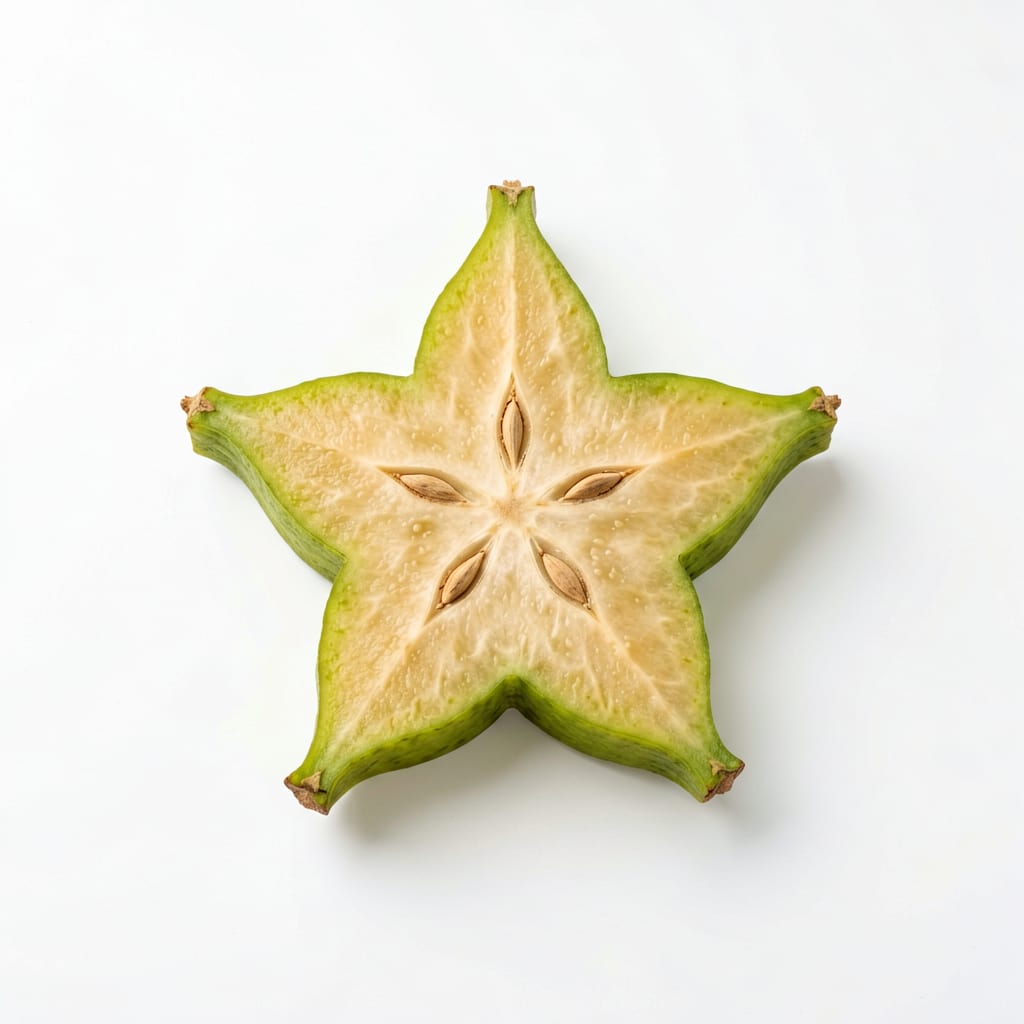
Star Fruit
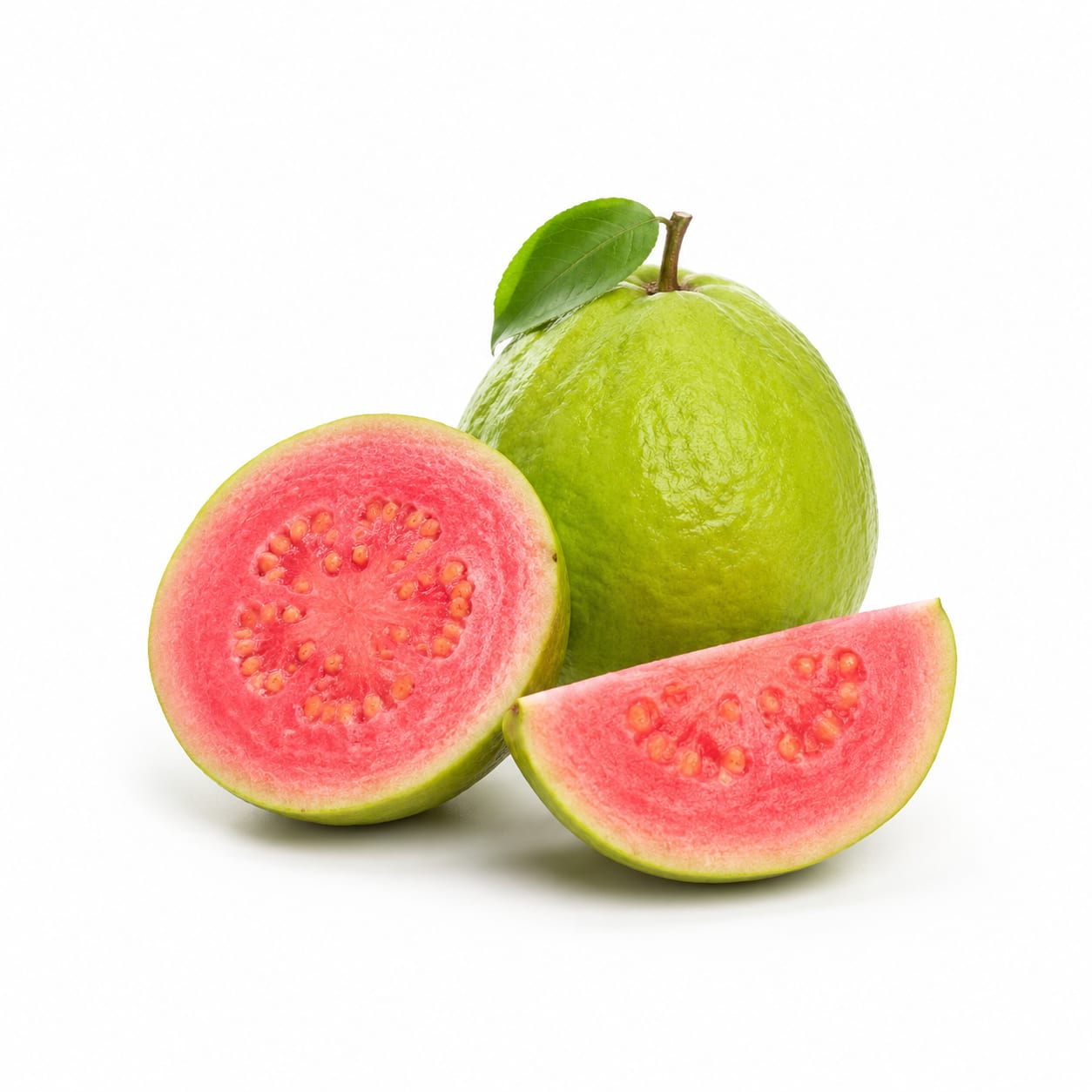
Guava
Guava dominates on nutrition and safety, while star fruit carries a hidden danger for kidney health.
Guava scores significantly higher due to its exceptional nutrient density and universal safety, whereas star fruit's severe toxicity for kidney patients heavily penalizes its overall score.
Star fruit offers a crisp, low-calorie novelty but sacrifices the massive fiber and vitamin C boost guava provides, plus carries serious kidney risks.
At a glance
Executive summary
Overall
Guava
Healthier
Guava
More practical
Guava
Daily use
Guava
Key comparison lenses
Kidney safety and toxicity risks
Star fruit contains dangerous neurotoxins for anyone with impaired kidney function, making safety the most critical factor in this comparison.
Nutritional density and immune support
Guava is a world-class source of vitamin C and fiber, while star fruit is primarily water, creating a massive gap in nourishment.
Blood sugar management
Guava's exceptional fiber content makes it a standout for glucose control, whereas star fruit lacks the fiber needed for lasting stability.
Digestive health and satiety
The contrast in fiber content directly impacts how filling these fruits are and how they affect digestion.
Best choice for
Star Fruit
- Low-calorie snacking
- Garnishing and culinary presentation
- Those wanting a mild, refreshing flavor
Guava
- Boosting immunity
- Improving digestion
- Managing blood sugar
- Safe daily fruit intake
Least suitable for
Star Fruit
- Anyone with kidney disease or impaired renal function
- Those prone to kidney stones
- People with undiagnosed kidney issues
Guava
- People who dislike seeds or firm textures
- Those strictly limiting fiber intake due to IBD flare-ups
Deep comparison
Dimension by dimension
Each lens scores both foods and breaks down who each option suits.
- Dimension 1 · Priority 95Guava
Nutritional Density
Star Fruit · 40Guava · 95Guava is a nutritional powerhouse, while star fruit is mostly water with some vitamin C.
Tradeoff
You trade the low-calorie crunch of star fruit for the dense vitamins, fiber, and minerals of guava.
Why it matters
Higher nutrient density means you get more health benefits per bite, supporting energy and immunity.
Real-world impact
Eating guava leaves you more satisfied and nourished; star fruit is more of a light, refreshing palate cleanser.
Star Fruit
- Very low-calorie diets
- Light hydrating snacks
Better for
- Meeting daily fiber needs
- Getting enough vitamins
Worse for
Guava
- Filling daily fruit servings
- Maximizing vitamin intake
Better for
- Strict calorie restriction
Worse for
- Dimension 2 · Priority 100Guava
Safety and Toxicity
Star Fruit · 20Guava · 95Star fruit contains neurotoxins that can be lethal to people with kidney issues, whereas guava is safe for nearly everyone.
Tradeoff
Star fruit's exotic appeal comes with a severe hidden risk for a significant portion of the population.
Why it matters
Unknowingly consuming star fruit with bad kidneys can cause irreversible harm or death.
Real-world impact
You can share guava with anyone; star fruit requires checking if guests have kidney problems first.
Star Fruit
- Kidney disease patients
- Unsuspecting diners at restaurants
Worse for
Guava
- Universal safety
- Peace of mind when sharing food
Better for
- Dimension 3 · Priority 85Guava
Blood Sugar Stability
Star Fruit · 65Guava · 90Guava's high fiber content slows sugar absorption, making it excellent for blood sugar control.
Tradeoff
Star fruit is low in sugar but lacks the fiber needed to stabilize blood sugar long-term.
Why it matters
Fiber prevents the rapid spikes and crashes that lead to afternoon energy dips.
Real-world impact
A guava snack keeps you steady for hours; star fruit digests too quickly to offer lasting stability.
Star Fruit
- Very low-carb diets
Better for
- Feeling full between meals
Worse for
Guava
- Diabetics
- Preventing energy crashes
- Sustained satiety
Better for
- Strict keto diets
Worse for
- Dimension 4 · Priority 80Guava
Immune Support
Star Fruit · 50Guava · 98Guava packs over 200% of your daily vitamin C in one fruit, far outpacing star fruit.
Tradeoff
Choosing star fruit means missing out on a massive immune-boosting dose of vitamin C.
Why it matters
High vitamin C intake shortens colds and fights daily oxidative stress.
Real-world impact
Eating a guava a day is like taking a natural immune supplement; star fruit offers only mild support.
Star Fruit
- Fighting off illness
Worse for
Guava
- Cold and flu season
- Stress recovery
- Skin health
Better for
Timeline
Health impact over time
Short-term
Hours to days
Star Fruit
- Light hydration
- Mild diuretic effect
- Risk of hiccups or nausea if kidneys are impaired
Guava
- Quick energy lift
- Improved digestion and regularity
- High satiety from seeds and fiber
Long-term
Months to years
Star Fruit
- Potential kidney damage if consumed regularly with undiagnosed renal issues
- Mild antioxidant benefits
Guava
- Stronger immune resilience
- Better gut health from prebiotic fiber
- Stable blood sugar management
Risk profile
Safety & processing
Both are whole, raw fruits with no artificial additives when eaten fresh.
Star Fruit
Neurotoxin and oxalate toxicity
highContains caramboxin and high oxalates. Lethal to those with chronic kidney disease, causing seizures and death. Can cause kidney stones in susceptible individuals.
Guava
Choking hazard from seeds
lowThe small hard seeds can be a choking risk for very young children if not chewed properly.
Pesticide residue
lowConventional guava may carry pesticide residue on the skin, so washing thoroughly is advised.
Who wins for whom
Audience fit
Same foods, different winners depending on your goal.
children
GuavaGuava is safe and nutritious, while star fruit poses an unacceptable risk if a child has undiagnosed kidney issues, plus guava seeds need monitoring.
daily consumption
GuavaGuava is a safe, nutrient-dense daily staple; star fruit is best as an occasional treat due to toxicity concerns.
diabetes
GuavaGuava's dense fiber slows glucose absorption, providing much steadier blood sugar control than star fruit.
elderly
GuavaKidney function declines with age, making star fruit risky. Guava supports digestion and immunity safely.
muscle gain
It dependsNeither is a significant protein source, though both offer post-workout vitamin replenishment.
weight loss
GuavaGuava's high fiber creates lasting fullness, preventing overeating, while star fruit's lack of fiber leaves you hungry sooner.
Your move
Decision guide
Choose Star Fruit
- You want a very low-calorie, hydrating fruit
- You have perfectly healthy kidneys and want a unique garnish
- You prefer a mild, less sweet flavor profile
Choose Guava
- You want maximum nutrition in every bite
- You need more fiber to stay regular and full
- You want a massive boost to your immune system
- You have any level of kidney sensitivity
Either works if
- You just want a refreshing tropical snack on a hot day
Avoid both if
- You are on a strict low-potassium renal diet (though guava is safer, portion control is still needed)
Final recommendation
Make guava your everyday tropical fruit. Reserve star fruit only for occasional culinary use, and never serve it without confirming your guests have healthy kidneys.
Practical
Consumer tips
- 1
Always ask guests about kidney health before serving star fruit, as it can be dangerously toxic to them.
- 2
Eat guava with the skin on for maximum fiber and vitamin C.
- 3
If you find guava too seedy, strain the pulp into a smoothie to keep the nutrients without the texture.
- 4
Choose ripe guava that yields slightly to pressure for the sweetest flavor and softest seeds.