
Nutrition comparison
Star Fruit vs Grapefruit: Safety, Nutrition, and Which to Choose
Compare star fruit and grapefruit on vitamin C, weight loss, safety risks, and daily practicality. Learn which tropical fruit is better for your health goals and what warnings matter most.
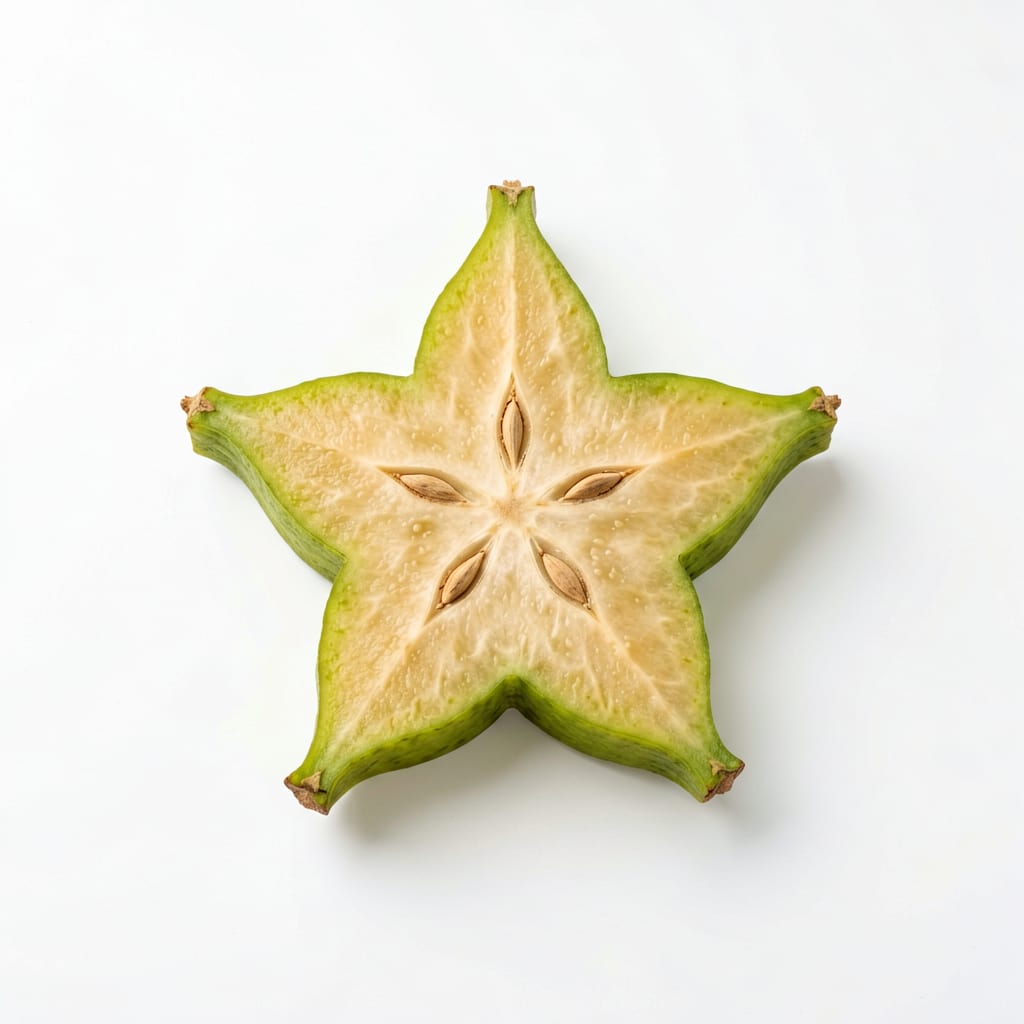
Star Fruit
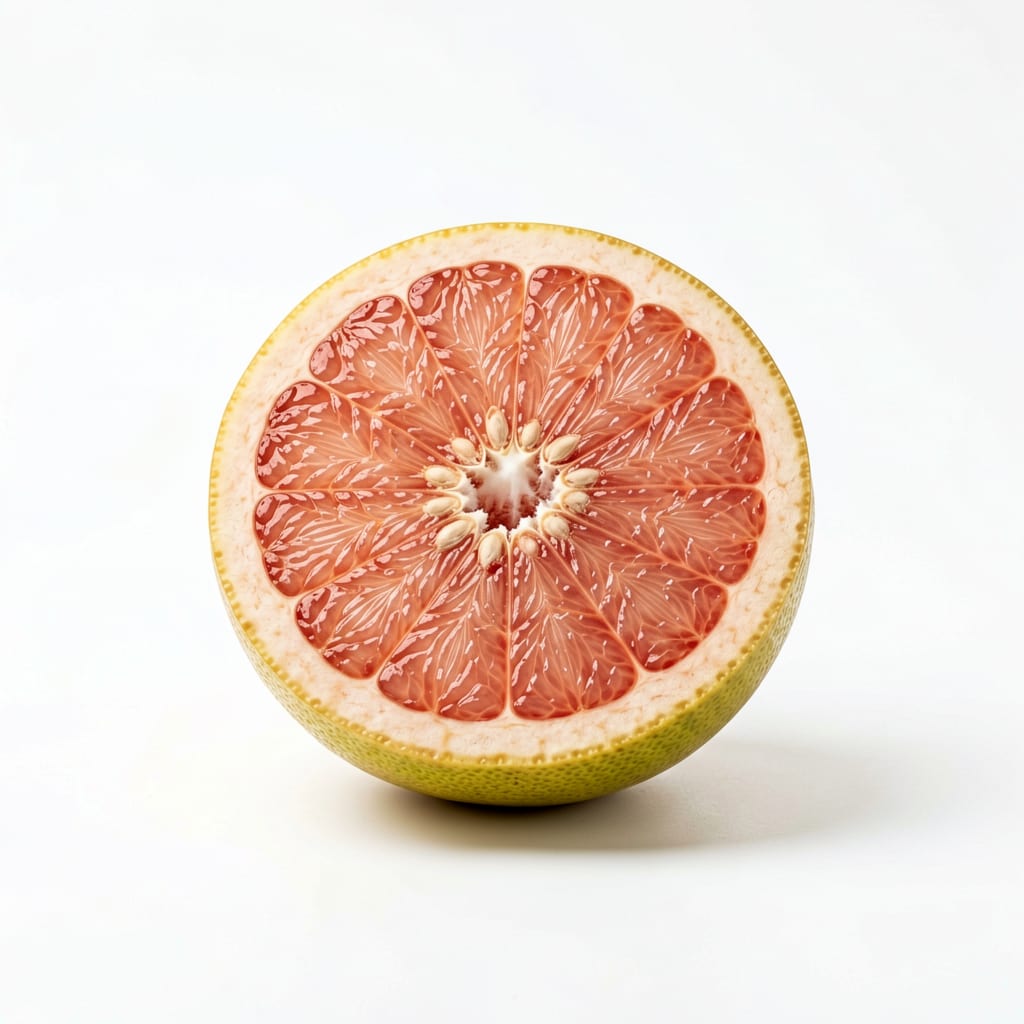
Grapefruit
Grapefruit is the safer, more practical daily choice for most people, but star fruit wins on novelty and lower calorie density — if your kidneys are healthy and you avoid medication conflicts.
Grapefruit scores higher due to better nutrient density, wider availability, and fewer life-threatening risks for the general population. Star fruit loses significant ground on safety and accessibility, though it remains a fine occasional choice for healthy individuals.
Star fruit offers a lighter, more exotic experience but carries a hidden kidney toxicity risk; grapefruit is more filling and nutrient-dense but blocks enzymes that process many common drugs.
At a glance
Executive summary
Overall
It depends
Healthier
Grapefruit
More practical
Grapefruit
Daily use
Grapefruit
Key comparison lenses
safety and toxicity risks
Both fruits carry serious but different safety concerns — star fruit is neurotoxic for kidney patients, grapefruit interacts with many common medications
vitamin c and immune support
Both are popular vitamin C sources, and users often choose between them for immune boosting
weight management and satiety
Both are low-calorie fruits commonly used in weight loss diets
everyday accessibility and convenience
Star fruit is exotic and seasonal while grapefruit is a supermarket staple
hydration and refreshment
Both are water-rich fruits often chosen for light, refreshing snacking
Best choice for
Star Fruit
- People with healthy kidneys seeking a low-calorie tropical treat
- Anyone wanting a visually stunning fruit for entertaining
- Those not on any medications who want a hydrating, light snack
Grapefruit
- People prioritizing vitamin C intake and immune support
- Anyone not on interacting medications who wants a filling breakfast fruit
- Those seeking a widely available, affordable daily fruit habit
Least suitable for
Star Fruit
- Anyone with kidney disease or reduced kidney function
- People prone to kidney stones due to high oxalate content
- Those on medications without verifying safety first
Grapefruit
- Anyone taking statins, blood pressure meds, or anxiety medications
- People who find bitter flavors intolerable
- Those on multiple prescriptions without pharmacist clearance
Deep comparison
Dimension by dimension
Each lens scores both foods and breaks down who each option suits.
- Dimension 1 · Priority 95Grapefruit
safety_and_toxicity
Star Fruit · 35Grapefruit · 60Both have serious safety concerns, but star fruit's neurotoxin risk for kidney patients is more immediately dangerous than grapefruit's drug interactions.
Tradeoff
Star fruit can cause life-threatening neurotoxicity in anyone with impaired kidneys, even in small amounts. Grapefruit's risks are more predictable and manageable once you know your medications.
Why it matters
A single star fruit can send a kidney patient to the emergency room. Grapefruit interactions are serious but develop gradually and are easier to plan around.
Real-world impact
If you have undiagnosed kidney issues, eating star fruit could cause seizures or worse. Grapefruit interactions mainly affect drug effectiveness over days or weeks.
Star Fruit
- People with fully confirmed healthy kidney function
- Those not taking any prescription medications
Better for
- Kidney disease patients — even mild cases
- People prone to oxalate kidney stones
Worse for
Grapefruit
- Anyone with any kidney concerns
- People willing to check one drug interaction list rather than worry about hidden organ damage
Better for
- Anyone on statins, some blood pressure drugs, or certain anti-anxiety medications
Worse for
- Dimension 2 · Priority 75Grapefruit
vitamin_c_and_nutrient_density
Star Fruit · 65Grapefruit · 82Grapefruit delivers roughly 50% more vitamin C per serving along with more fiber and potassium, making it the stronger nutritional package.
Tradeoff
Star fruit provides decent vitamin C but in a smaller, less filling package. You would need to eat more star fruit to match grapefruit's nutrient output.
Why it matters
For immune support and daily nutrition, grapefruit gives you more per bite and keeps you fuller longer.
Real-world impact
Half a grapefruit at breakfast covers most of your vitamin C needs and keeps you satisfied until lunch. Star fruit is lighter — great for a quick bite, less useful as a meal component.
Star Fruit
- Those wanting a light vitamin C top-up without feeling full
Better for
- Those relying on one fruit serving for substantial daily nutrition
Worse for
Grapefruit
- Anyone using fruit as a meaningful part of a meal
- People prioritizing fiber intake alongside vitamin C
Better for
- People who find grapefruit too filling before other meals
Worse for
- Dimension 3 · Priority 70Grapefruit
weight_management_and_satiety
Star Fruit · 68Grapefruit · 75Star fruit is slightly lower in calories per serving, but grapefruit's fiber and bulk make it more satisfying, reducing the urge to snack again soon.
Tradeoff
Star fruit lets you eat more volume for fewer calories, but grapefruit keeps hunger away longer due to its fiber content and larger serving size.
Why it matters
Feeling full matters more for weight loss than raw calorie counts. A food that prevents the next snack wins over one that is simply lower in calories.
Real-world impact
A grapefruit half at breakfast can hold you for hours. Star fruit is more like a refreshing palate cleanser — you may be hungry again within an hour.
Star Fruit
- Grazers who prefer small, frequent light snacks
- Those counting strict calories who want maximum volume
Better for
- Emotional eaters who need lasting fullness to avoid cravings
Worse for
Grapefruit
- People who do better with fewer, more satisfying eating moments
- Breakfast eaters wanting one fruit to carry them to lunch
Better for
- Those who find heavy breakfast fruit uncomfortable
Worse for
- Dimension 4 · Priority 65Grapefruit
accessibility_and_everyday_practicality
Star Fruit · 40Grapefruit · 88Grapefruit is available year-round in virtually every grocery store. Star fruit is seasonal, often expensive, and harder to find fresh.
Tradeoff
Choosing star fruit means planning around availability and paying more. Grapefruit is always there when you need it.
Why it matters
A healthy food you can actually buy consistently beats an exotic one you can only find occasionally.
Real-world impact
You can grab grapefruit any day of the year. Star fruit might require a specialty store or waiting for the right season, making it harder to build a consistent habit.
Star Fruit
- Home cooks looking for special occasion garnishes
- People with access to Asian or tropical markets
Better for
- Rural shoppers with limited produce selection
- People who want consistency in their diet
Worse for
Grapefruit
- Anyone building a reliable weekly grocery routine
- Budget-conscious shoppers
Better for
- Those bored with common fruits seeking variety
Worse for
- Dimension 5 · Priority 55Star Fruit
hydration_and_refreshment
Star Fruit · 80Grapefruit · 72Star fruit has a lighter, crisper, more thirst-quenching quality. Grapefruit is juicy but heavier and more bitter.
Tradeoff
Star fruit feels like drinking water with a tropical twist. Grapefruit is more like a substantial juice experience with a bitter edge.
Why it matters
On a hot day or after exercise, star fruit's crisp hydration hits differently than grapefruit's dense juiciness.
Real-world impact
After a workout or on a summer afternoon, star fruit feels more refreshing and less heavy. Grapefruit is better suited to a sit-down breakfast moment.
Star Fruit
- Hot weather snacking
- Post-exercise light refreshment
Better for
- Situations where you want something that feels like a real food, not just a thirst quencher
Worse for
Grapefruit
- Morning routines where a substantial feel is comforting
- Pairing with tea or coffee at breakfast
Better for
- Moments when heavy juiciness feels like too much
Worse for
Timeline
Health impact over time
Short-term
Hours to days
Star Fruit
- Quick hydration and light energy from natural sugars
- Mild digestive stimulation from fruit acids
- Possible mouth tingling if kidneys are compromised — seek medical attention immediately if this occurs
Grapefruit
- Sustained energy with steadier blood sugar thanks to fiber
- Temporary bitterness that can stimulate digestion
- Possible stomach upset if taken with interacting medications
Long-term
Months to years
Star Fruit
- Regular consumption in healthy individuals provides steady vitamin C and antioxidants
- Oxalate accumulation could contribute to kidney stone formation in susceptible people
- Neurotoxin risk remains zero for healthy kidneys but is absolute for impaired function
Grapefruit
- Consistent vitamin C intake supports immune function and skin health over time
- Fiber contributes to better cholesterol profiles and gut health
- Ongoing medication interactions could alter drug effectiveness if not monitored
Risk profile
Safety & processing
Both fruits are eaten whole and raw in their natural state. Neither typically involves additives, preservatives, or processing when purchased fresh. This is a tie — both are as natural as produce gets.
Star Fruit
Neurotoxin exposure (caramboxin)
highStar fruit contains caramboxin, a neurotoxin that healthy kidneys filter out easily. In anyone with reduced kidney function, it can accumulate and cause seizures, confusion, and even death. This is not a rare sensitivity — it is a direct toxicity.
Oxalate kidney stone promotion
mediumStar fruit is high in oxalates, which can contribute to calcium oxalate kidney stones in prone individuals, even with normal kidney function.
Grapefruit
Cytochrome P450 drug interactions
highGrapefruit inhibits CYP3A4 enzymes in the gut, dramatically increasing blood levels of many common drugs including statins, some blood pressure medications, and certain anti-anxiety drugs. This can lead to accidental overdose effects.
Pesticide residue on conventional peels
lowLike most citrus, conventional grapefruit may carry pesticide residue on the rind. This is only a concern if you zest the peel or eat it. Washing and peeling eliminates most risk.
Who wins for whom
Audience fit
Same foods, different winners depending on your goal.
children
GrapefruitGrapefruit is safer for children, who may have undiagnosed kidney issues. Star fruit's toxicity risk is too severe for a population that cannot reliably self-report symptoms.
daily consumption
GrapefruitGrapefruit's consistent availability, better satiety, and more manageable safety profile make it a more sustainable daily habit for most people.
diabetes
GrapefruitGrapefruit's higher fiber slows sugar absorption more effectively. However, many diabetics are on medications that grapefruit interacts with, so individual verification is essential.
elderly
GrapefruitOlder adults are more likely to have reduced kidney function and take multiple medications. Grapefruit's risks are more manageable with pharmacist guidance, while star fruit's neurotoxin risk escalates with age-related kidney decline.
muscle gain
It dependsNeither fruit is relevant for muscle gain — both are low-protein, low-calorie foods. Choose based on personal preference and medication safety.
weight loss
GrapefruitGrapefruit's fiber and bulk create longer-lasting fullness, which matters more for weight loss than star fruit's slightly lower calorie count per piece.
Your move
Decision guide
Choose Star Fruit
- You have confirmed healthy kidney function and want a low-calorie tropical treat
- You are not on any medications and want an exotic, visually striking fruit for entertaining
- You live in a region where star fruit is affordable and fresh
- You prefer light, crisp refreshment over dense, filling fruit
Choose Grapefruit
- You want a reliable daily fruit with strong vitamin C and fiber content
- You are not on interacting medications or have cleared grapefruit with your pharmacist
- You value availability and affordability in your regular grocery routine
- You need a breakfast fruit that keeps you full for hours
Either works if
- You have healthy kidneys, take no medications, and just want a hydrating vitamin C source
- You enjoy rotating fruits for variety and can safely consume both
Avoid both if
- You have kidney disease — star fruit is dangerous, and grapefruit may interact with kidney medications
- You are on multiple prescriptions without pharmacist clearance for either fruit
- You have a citrus allergy or severe acid sensitivity
Final recommendation
For most people, grapefruit is the smarter default. It delivers more nutrition per serving, keeps you fuller, and is always available. Star fruit is a delightful occasional choice if your kidneys are healthy and you are medication-free — but its safety profile demands more caution. When in doubt, choose grapefruit and check your medication list.
Practical
Consumer tips
- 1
If you try star fruit, start with a small amount to confirm you feel normal afterward, especially if you have never eaten it before
- 2
Ask your pharmacist about grapefruit interactions — it takes only one conversation to know if it is safe with your prescriptions
- 3
Choose firm, evenly colored star fruit with no brown edges for the best flavor and lowest spoilage risk
- 4
Grapefruit with a slight blush of red tends to be sweeter and higher in lycopene than all-yellow varieties
- 5
If you have any kidney concerns — even mild — avoid star fruit entirely. There is no safe minimum amount for compromised kidneys
- 6
Freeze grapefruit segments for a refreshing summer snack that takes longer to eat and feels more satisfying