
Nutrition comparison
Star Fruit vs Orange: Nutrition, Safety, and Which is Healthier
Compare star fruit vs orange to see which is healthier. Learn about the hidden kidney risks of star fruit and why oranges are a safer daily vitamin C source.
Overall winner · Orange

Star Fruit
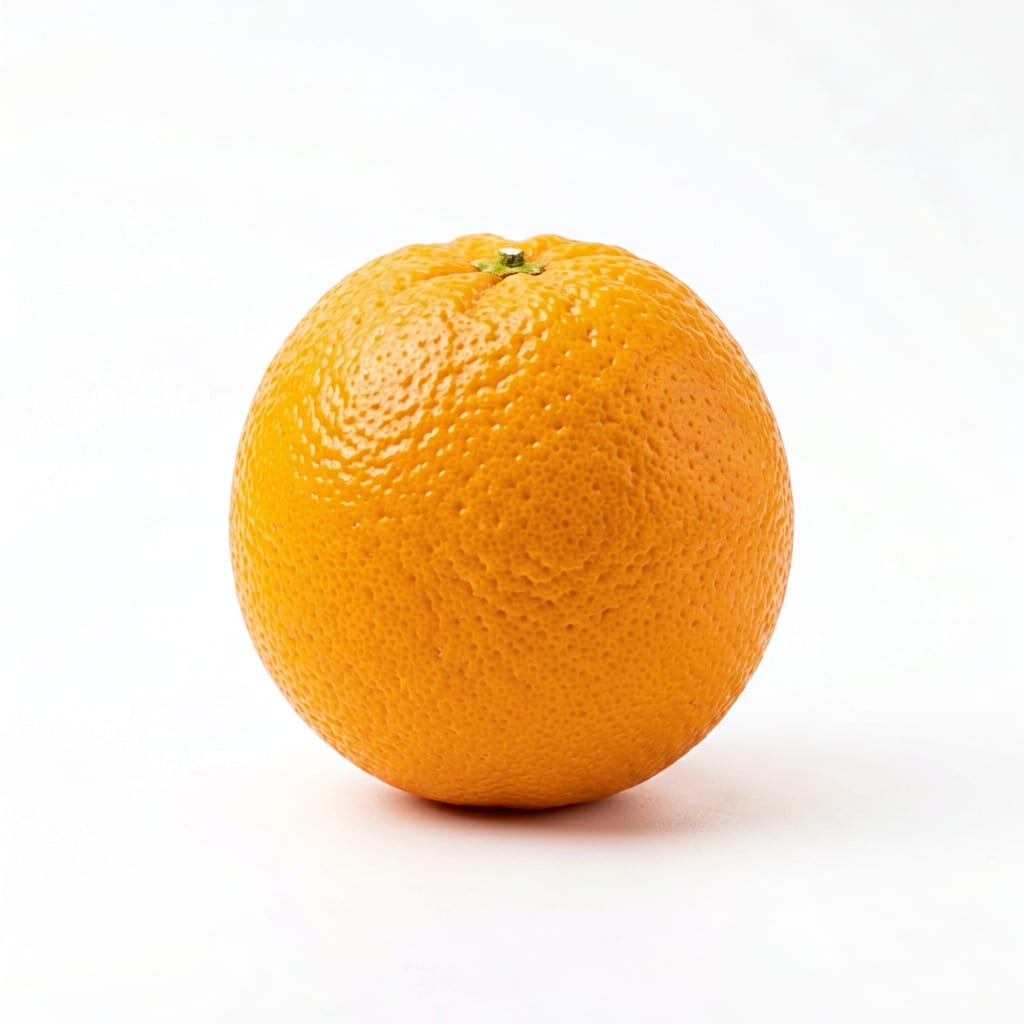
Orange
Oranges are the safer, more nutritious daily staple, while star fruit is a low-calorie exotic treat with serious hidden risks for kidney patients.
Oranges score significantly higher due to vastly better nutritional density and zero toxicity risks. Star fruit loses major points for safety concerns that disqualify it for a large portion of the population.
You trade the lower calorie count and novelty of star fruit for the superior vitamin C, fiber, and guaranteed safety of an orange.
At a glance
Executive summary
Overall
Orange
Healthier
Orange
More practical
Orange
Daily use
Orange
Key comparison lenses
Kidney safety and toxicity risks
Star fruit contains neurotoxins that can be fatal for people with kidney disease, making this the most critical differentiator.
Vitamin C and immune support
Oranges are a staple source of Vitamin C, while star fruit provides much less, impacting daily immune system support.
Low-calorie snacking and weight management
Star fruit is significantly lower in calories and sugar, appealing to those managing weight or blood sugar.
Everyday convenience and availability
Oranges are universally available and easy to peel, whereas star fruit is seasonal and requires more prep for presentation.
Best choice for
Star Fruit
- People with perfectly healthy kidneys wanting a low-calorie snack
- Those looking for an exotic, visually appealing garnish
- Anyone strictly limiting sugar intake
Orange
- Anyone seeking a reliable daily vitamin C boost
- Households with children or elderly members
- People wanting a filling, fiber-rich afternoon snack
Least suitable for
Star Fruit
- Anyone with kidney disease or reduced kidney function
- People prone to kidney stones
- Those unfamiliar with its specific health risks
Orange
- People with severe acid reflux or citrus allergies
- Those strictly limiting carbohydrate intake
Deep comparison
Dimension by dimension
Each lens scores both foods and breaks down who each option suits.
- Dimension 1 · Priority 98Orange
Safety and Toxicity
Star Fruit · 30Orange · 98Star fruit contains caramboxin and high oxalates, which are neurotoxins for anyone with compromised kidney function. Oranges are universally safe.
Tradeoff
Choosing star fruit for its light, crisp texture introduces a severe health risk for vulnerable individuals that oranges completely avoid.
Why it matters
Kidney disease often goes undiagnosed; eating star fruit without knowing your kidney status is a gamble that can cause serious neurological issues or worse.
Real-world impact
An orange is a safe snack for anyone at a potluck. Star fruit could send a susceptible guest to the emergency room.
Star Fruit
- No specific safety advantage over oranges
Better for
- Contains neurotoxins dangerous to kidney patients
- High oxalates can contribute to kidney stones
Worse for
Orange
- Safe for all kidney function levels
- No dangerous neurotoxins
Better for
- Can trigger heartburn in sensitive individuals
Worse for
- Dimension 2 · Priority 85Orange
Vitamin C and Immunity
Star Fruit · 45Orange · 95Oranges deliver over 100% of your daily vitamin C in one fruit. Star fruit provides less than half of that.
Tradeoff
You sacrifice a massive immune-boosting dose of vitamin C if you choose star fruit over an orange.
Why it matters
Consistent, adequate vitamin C intake is crucial for immune resilience and skin health, and oranges make hitting that target effortless.
Real-world impact
Eating an orange during cold season feels like a proactive shield. Star fruit feels more like a light, watery refreshment.
Star Fruit
- Provides a modest amount of vitamin C
Better for
- Not a reliable primary source of vitamin C
Worse for
Orange
- Exceptional vitamin C content
- Supports iron absorption when eaten with meals
Better for
- None significant for this dimension
Worse for
- Dimension 3 · Priority 75Star Fruit
Calorie and Sugar Density
Star Fruit · 90Orange · 65Star fruit is extremely low in calories and sugar compared to the denser, sweeter orange.
Tradeoff
You get a lighter, lower-sugar snack with star fruit, but you miss out on the sustained energy and fullness an orange provides.
Why it matters
For those carefully tracking calories or managing blood sugar spikes, star fruit offers a guilt-free crunch without the sugar load.
Real-world impact
Star fruit is a better late-night munchie if you just want crunch without calories. An orange is better when you actually need energy.
Star Fruit
- Very low calorie count
- Lower sugar content per serving
Better for
- Too light to satisfy real hunger
Worse for
Orange
- Natural sugars provide quick, usable energy
Better for
- Higher sugar may not suit strict low-carb diets
Worse for
- Dimension 4 · Priority 70Orange
Fiber and Satiety
Star Fruit · 50Orange · 85Oranges contain significantly more fiber, making them far more filling and better for digestion.
Tradeoff
Star fruit is less filling, meaning you might feel hungry sooner compared to the lasting satisfaction of an orange.
Why it matters
Fiber slows sugar absorption and keeps you full. An orange can bridge the gap between meals; star fruit cannot.
Real-world impact
An orange can tide you over until dinner. Star fruit will likely leave you reaching for another snack in 20 minutes.
Star Fruit
- Provides some hydration and light fiber
Better for
- Low fiber means less satiety
- Less effective at stabilizing blood sugar
Worse for
Orange
- Noticeably more filling
- Better for regulating digestion
Better for
- None significant for this dimension
Worse for
Timeline
Health impact over time
Short-term
Hours to days
Star Fruit
- Provides a light, hydrating crunch
- Can cause hiccups, nausea, or vomiting in susceptible individuals shortly after consumption
Orange
- Delivers quick, natural energy
- Offers immediate hydration and a satisfying, filling sensation
Long-term
Months to years
Star Fruit
- Potential for severe neurological damage if consumed by someone with undiagnosed chronic kidney disease
- Increased risk of kidney stones due to high oxalate content
Orange
- Supports cardiovascular health through potassium and fiber
- Consistent vitamin C intake promotes healthy skin and immune function
Risk profile
Safety & processing
Both are whole, raw fruits with no artificial additives, making them equally natural choices.
Star Fruit
Neurotoxicity for kidney patients
highCaramboxin in star fruit cannot be filtered by compromised kidneys, leading to potentially fatal neurological symptoms.
Oxalate kidney stones
mediumHigh oxalate levels can aggravate or contribute to the formation of calcium oxalate kidney stones in prone individuals.
Orange
Acid reflux and heartburn
lowThe citric acid can trigger GERD symptoms or heartburn in sensitive individuals if consumed on an empty stomach.
Pesticide residue on peel
lowConventional oranges may have pesticide residue on the peel, but this is irrelevant if you discard the peel and wash your hands.
Who wins for whom
Audience fit
Same foods, different winners depending on your goal.
children
OrangeOranges are sweet, safe, and easy to digest, whereas star fruit poses an unnecessary risk for children who may have undiagnosed kidney issues.
daily consumption
OrangeOranges offer reliable daily nutrition without the severe safety caveats associated with star fruit.
diabetes
Star FruitStar fruit has a lower sugar load and glycemic impact, though oranges are also a safe, fiber-rich choice in moderation.
elderly
OrangeKidney function naturally declines with age, making star fruit a dangerous gamble for older adults.
muscle gain
OrangeOranges provide more carbohydrates for post-workout energy replenishment and vitamin C for collagen synthesis.
weight loss
Star FruitStar fruit is extremely low in calories and sugar, making it a lighter option for strict calorie counters.
Your move
Decision guide
Choose Star Fruit
- You have confirmed perfectly healthy kidney function and want a low-calorie treat
- You are hosting a dinner party and want a visually stunning, exotic garnish
- You are craving something crisp and refreshing without the sugar of an orange
Choose Orange
- You want a reliable, filling daily snack packed with vitamin C
- You are feeding children, elderly parents, or anyone with unknown kidney health
- You need sustained energy between meals
Either works if
- You just want a hydrating, whole-food snack and have no kidney concerns
- You are looking for natural vitamin C sources
Avoid both if
- You are on a strict ketogenic diet and cannot afford the carbohydrate intake
Final recommendation
Make oranges your everyday fruit for safety, fiber, and vitamin C. Enjoy star fruit only occasionally as a novelty, and strictly avoid it if you have any doubts about your kidney health.
Practical
Consumer tips
- 1
If you have never checked your kidney function, ask your doctor before making star fruit a regular part of your diet.
- 2
Choose oranges that feel heavy for their size; they yield more juice and are often sweeter.
- 3
Slice star fruit thinly to use as a garnish rather than eating large quantities whole, which minimizes risk and maximizes visual appeal.
- 4
Wash oranges thoroughly before zesting to remove any wax or pesticide residue from the peel.