
Nutrition comparison
Star Fruit vs Cucumber: Safety, Nutrition, and Hydration Compared
Discover the crucial differences between Star Fruit and Cucumber. Learn why Cucumber is the safer daily choice, and the hidden kidney risks of Star Fruit.
Overall winner · Cucumber
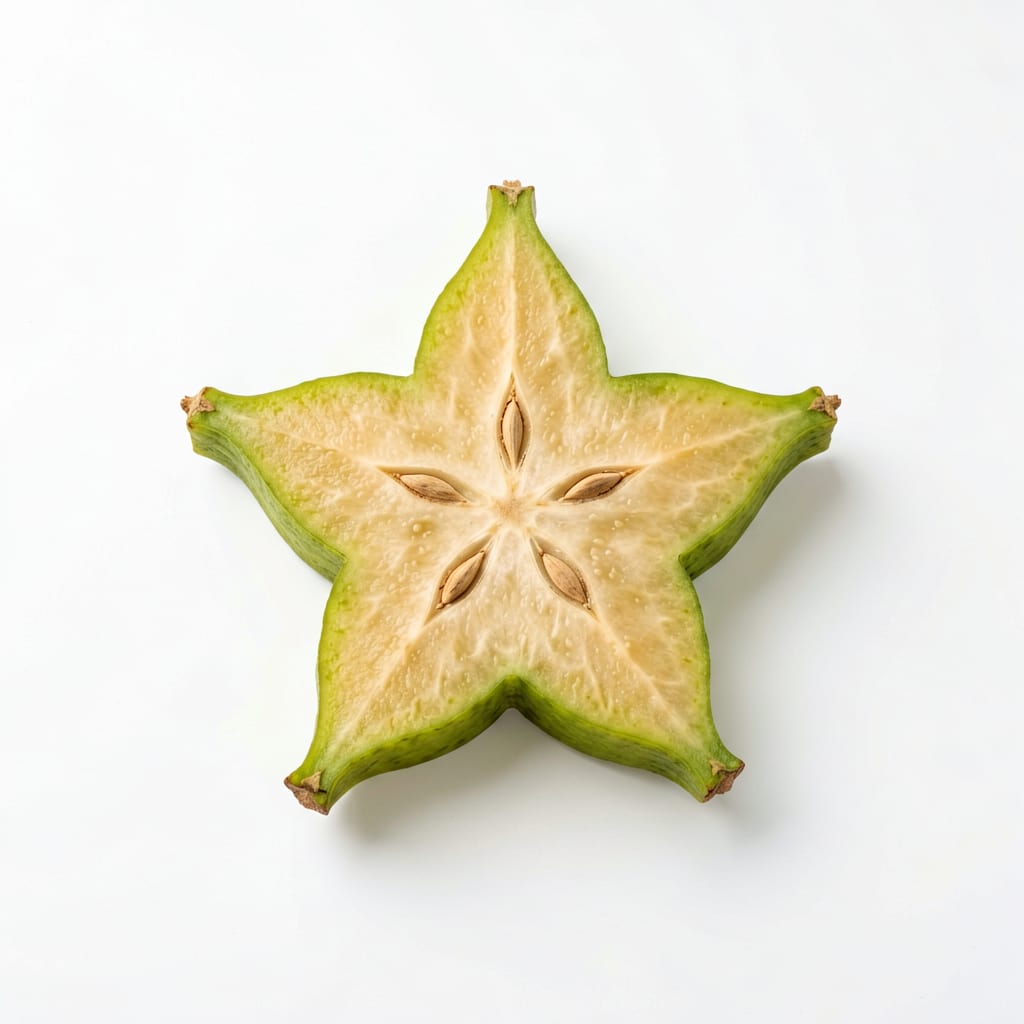
Star Fruit

Cucumber
Cucumber is the safer, more versatile daily staple, while Star Fruit offers a tropical nutrient boost but carries severe hidden risks for kidney patients.
Cucumber scores significantly higher due to its universal safety, near-zero calorie content, and daily versatility. Star Fruit loses substantial ground because its severe kidney toxicity risk makes it dangerous for a large subset of the population, despite its better vitamin profile.
You trade the vitamin C and unique flavor of Star Fruit for the absolute safety, extreme low-calorie volume, and everyday usability of Cucumber.
At a glance
Executive summary
Overall
Cucumber
Healthier
Cucumber
More practical
Cucumber
Daily use
Cucumber
Key comparison lenses
kidney safety and toxicity risks
Star Fruit contains neurotoxins that can be fatal for anyone with kidney disease, making safety the most critical factor in this comparison.
hydration and low-calorie snacking
Both foods are heavily water-based and often chosen for light, refreshing snacking, but Cucumber offers far more volume for nearly zero calories.
blood sugar management
Star Fruit contains natural sugars that can spike blood glucose, whereas Cucumber has almost none, making it relevant for diabetic or low-carb diets.
micronutrient density
Star Fruit provides more vitamin C and antioxidants, while Cucumber is relatively low in overall nutrients.
Best choice for
Star Fruit
- People with perfectly healthy kidneys wanting a vitamin C-rich tropical treat
- Those seeking antioxidant variety in their fruit rotation
- Home chefs looking for a visually striking garnish
Cucumber
- Anyone prioritizing safe, everyday hydration
- Weight loss dieters needing maximum food volume
- People with kidney concerns who must avoid Star Fruit toxins
Least suitable for
Star Fruit
- Anyone with kidney disease or reduced kidney function
- People on potassium-restricted diets
- Those unfamiliar with their kidney health status
Cucumber
- People needing calorie-dense or nutrient-dense foods for recovery
- Those looking for strong flavor profiles without adding dressings
Deep comparison
Dimension by dimension
Each lens scores both foods and breaks down who each option suits.
- Dimension 1 · Priority 95Cucumber
Safety & Toxicity Risk
Star Fruit · 25Cucumber · 98Star Fruit contains caramboxin, a neurotoxin healthy kidneys filter out easily, but which can cause seizures and death in those with kidney impairment.
Tradeoff
You gain tropical flavor and vitamin C with Star Fruit, but accept a severe, non-negotiable safety risk if kidney function is compromised.
Why it matters
Because kidney decline is often silent, eating Star Fruit carries an inherent risk that Cucumber simply does not.
Real-world impact
For someone with undiagnosed mild kidney issues, eating Star Fruit could lead to a medical emergency, whereas Cucumber is universally safe.
Star Fruit
- Those with confirmed optimal kidney function seeking variety
Better for
- People with hypertension or diabetes, which strain kidneys
Worse for
Cucumber
- Anyone with kidney disease
- The elderly, who naturally experience some kidney decline
- Anyone unsure of their kidney health
Better for
- Dimension 2 · Priority 85Cucumber
Hydration & Low-Calorie Volume
Star Fruit · 65Cucumber · 95Cucumber provides massive crunch and water volume for almost zero calories, making it far superior for sheer eating volume.
Tradeoff
Star Fruit offers a more complex, sweet-tart flavor but at a higher calorie cost per bite, offering less physical fullness.
Why it matters
When you want a satisfying crunch without breaking your calorie budget, Cucumber is unmatched.
Real-world impact
You can eat an entire cucumber as a mid-afternoon snack for under 30 calories, but a single Star Fruit runs about 40 calories with far less bite.
Star Fruit
- Those who want hydration with a sweet flavor profile
Better for
- Dieters who need large portion sizes to feel satisfied
Worse for
Cucumber
- Volume eaters looking to feel full on fewer calories
- People needing a crisp, neutral base for dips
Better for
- Those who find plain water-rich foods too boring
Worse for
- Dimension 3 · Priority 60Star Fruit
Micronutrient Density
Star Fruit · 78Cucumber · 35Star Fruit is a genuinely good source of vitamin C and flavonoids, while Cucumber is mostly water with trace nutrients.
Tradeoff
You get a meaningful antioxidant boost from Star Fruit, but Cucumber relies on other foods to meet your vitamin needs.
Why it matters
If you eat very little fruit, Star Fruit provides actual nutritional value that Cucumber lacks.
Real-world impact
Eating a Star Fruit covers about half your daily vitamin C needs, giving your immune system a noticeable nudge.
Star Fruit
- Boosting immune function with whole-food vitamin C
- Adding dietary antioxidant diversity
Better for
- Those who already get plenty of vitamin C from other daily fruits
Worse for
Cucumber
- Providing a low-sugar base for nutrient-dense pairings like hummus
Better for
- Relying on it as a primary source of vitamins
Worse for
- Dimension 4 · Priority 75Cucumber
Blood Sugar Friendliness
Star Fruit · 55Cucumber · 98Cucumber has virtually zero impact on blood sugar, while Star Fruit contains enough natural sugar to cause a mild rise.
Tradeoff
Star Fruit satisfies a sweet craving naturally, but Cucumber guarantees absolute blood sugar stability.
Why it matters
For diabetics or those fighting afternoon energy crashes, Cucumber is a worry-free choice.
Real-world impact
Snacking on Cucumber won't cause the subtle energy dip that can follow eating a sweet fruit like Star Fruit.
Star Fruit
- Active individuals needing a light, natural sugar lift
Better for
- Those with severe insulin resistance
Worse for
Cucumber
- Diabetics managing strict glucose control
- Keto dieters avoiding all sugar
Better for
- Endurance athletes needing quick carbs
Worse for
Timeline
Health impact over time
Short-term
Hours to days
Star Fruit
- Provides a quick, light energy boost from natural sugars
- Delivers immediate hydration and vitamin C
- Can cause nausea or neurological symptoms in susceptible individuals
Cucumber
- Instantly hydrating and cooling
- Provides physical stomach fullness without sluggishness
- Stabilizes blood sugar rather than spiking it
Long-term
Months to years
Star Fruit
- Antioxidants support cellular health and skin aging
- Consistent vitamin C intake boosts collagen production
- Poses a latent, severe risk if kidney function ever declines unnoticed
Cucumber
- Excellent for long-term weight maintenance due to low calorie density
- Supports healthy digestion through water and trace fiber
- Promotes steady, sustainable hydration habits
Risk profile
Safety & processing
Both are whole, raw foods straight from nature. Neither typically contains added artificial ingredients when purchased fresh.
Star Fruit
Neurotoxin exposure (Caramboxin)
highFor anyone with impaired kidney function, the toxins in Star Fruit cannot be filtered out and can lead to seizures, mental confusion, and even death.
Oxalate content
mediumStar Fruit contains high levels of oxalates, which can contribute to kidney stone formation in prone individuals, even if their kidneys are otherwise healthy.
Cucumber
Pesticide residue and wax coatings
lowConventional cucumbers often have waxed skins to retain moisture, which can trap pesticides. Peeling or choosing organic easily resolves this.
Who wins for whom
Audience fit
Same foods, different winners depending on your goal.
children
CucumberCucumber is a safe, mild, and hydrating finger food for kids, while Star Fruit poses an unnecessary toxicity risk for young, still-developing systems.
daily consumption
CucumberCucumber is a universally safe, everyday staple. Star Fruit is best reserved as an occasional treat due to its safety profile and higher sugar content.
diabetes
CucumberCucumber has virtually zero sugar and will not spike blood glucose, whereas Star Fruit contains natural sugars that require insulin response.
elderly
CucumberKidney function naturally declines with age, making Star Fruit's neurotoxins a dangerous gamble for older adults.
muscle gain
It dependsNeither is a significant protein source, though both can serve as hydrating sides to protein-rich meals.
weight loss
CucumberCucumber offers massive crunch and volume for almost zero calories, making it far easier to sustain a calorie deficit.
Your move
Decision guide
Choose Star Fruit
- You have confirmed excellent kidney function and want a vitamin C boost
- You are looking for a visually impressive, sweet-tart garnish for cocktails or desserts
- You want to add tropical antioxidant variety to your diet occasionally
Choose Cucumber
- You want a safe, everyday crunchy snack that won't spike your blood sugar
- You are managing your weight and need low-calorie food volume
- You have any kidney concerns, or are simply unsure of your kidney health
Either works if
- You need a hydrating, refreshing addition to a summer water pitcher
- You want a crisp texture to balance out a heavy, rich meal
Avoid both if
- You are looking for a substantial source of protein or healthy fats to keep you full
Final recommendation
Keep Cucumber as your daily go-to for safe, guilt-free crunch and hydration. Enjoy Star Fruit only if you are certain of your kidney health, treating it as a special occasion fruit rather than a daily staple.
Practical
Consumer tips
- 1
If you buy conventional cucumbers, peel the skin to avoid wax and pesticide residue, or opt for organic if you want to keep the nutrient-rich skin.
- 2
Always consult a doctor before eating Star Fruit if you have a history of kidney stones, high blood pressure, or diabetes.
- 3
Slice Cucumber into sticks and pair with hummus or guacamole to add healthy fats that make the snack much more satisfying.
- 4
Use thin slices of Star Fruit as a beautiful, edible garnish on salads or drinks to stretch its flavor without eating large quantities.