
Nutrition comparison
Star Fruit vs Mango: Nutrition, Safety, and Which Is Healthier
Compare Star Fruit and Mango to see which tropical fruit is better for weight loss, blood sugar, and overall health, plus critical kidney safety warnings.
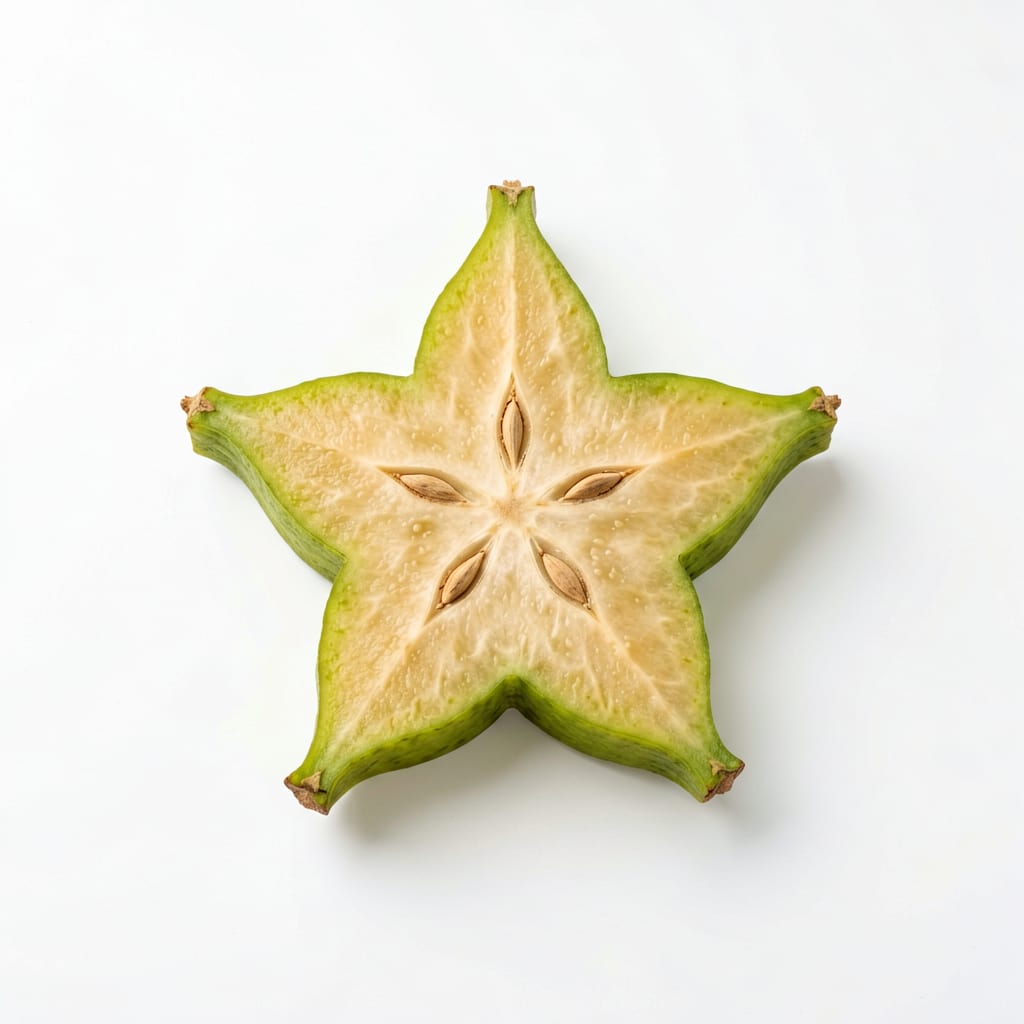
Star Fruit
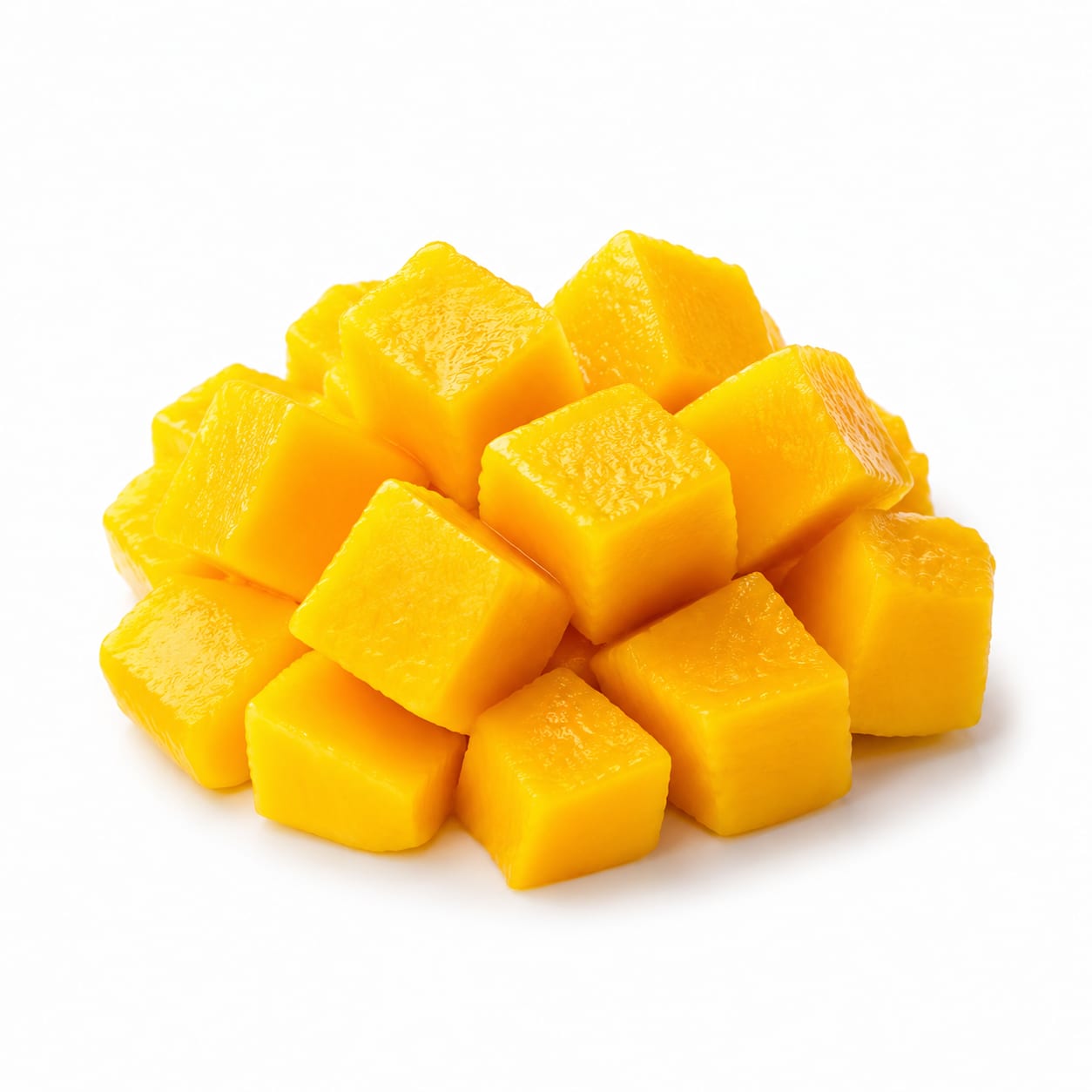
Mango
Mango is safer and more nutrient-dense for most people, but Star Fruit is the clear winner for low-sugar diets if your kidneys are healthy.
Mango scores higher overall due to its broader safety profile and richer micronutrients, but Star Fruit remains highly valuable for specific low-sugar diets.
You trade the low-sugar, low-calorie benefits of Star Fruit for the rich vitamin A content and guaranteed safety of Mango.
At a glance
Executive summary
Overall
It depends
Healthier
It depends
More practical
Mango
Daily use
Mango
Key comparison lenses
Kidney safety and toxicity risks
Star Fruit contains neurotoxins that can be fatal to individuals with kidney disease, making this the most critical differentiator.
Blood sugar impact and diabetes management
Star Fruit is extremely low in sugar compared to Mango, making it highly relevant for glucose control.
Calorie density and weight management
Star Fruit offers a crunchy, low-calorie snacking experience, whereas Mango is more calorie-dense and sweeter.
Micronutrient profile differences
Star Fruit excels in vitamin C, while Mango provides exceptional vitamin A and folate.
Best choice for
Star Fruit
- Strict low-carb or keto dieters
- People managing blood sugar spikes
- Those counting calories who want a crunchy snack
Mango
- Anyone with kidney concerns or unknown kidney function
- Children and the elderly
- People wanting to boost vitamin A and eye health
Least suitable for
Star Fruit
- Anyone with kidney disease or impaired kidney function
- People on certain blood pressure medications
Mango
- Strict low-carb dieters
- Those severely restricting sugar intake
Deep comparison
Dimension by dimension
Each lens scores both foods and breaks down who each option suits.
- Dimension 1 · Priority 95Mango
Safety and Toxicity Risk
Star Fruit · 30Mango · 95Star Fruit contains caramboxin and oxalates, which are neurotoxins that impaired kidneys cannot filter out, potentially causing fatal reactions. Mango is safe for nearly everyone.
Tradeoff
Choosing Star Fruit for its low sugar introduces a severe, non-negotiable health risk for a specific population.
Why it matters
Kidney disease often goes undiagnosed; eating Star Fruit without knowing your kidney function is a gamble.
Real-world impact
A person with mild kidney impairment could experience confusion, seizures, or worse after eating just one Star Fruit, while Mango poses no such threat.
Star Fruit
- People with confirmed 100% healthy kidney function
Better for
- Chronic kidney disease patients
Worse for
Mango
- Anyone unaware of their kidney health status
- Older adults whose kidney function naturally declines
Better for
- Those with a latex-fruit allergy (rare but possible)
Worse for
- Dimension 2 · Priority 85Star Fruit
Blood Sugar and Diabetes Friendliness
Star Fruit · 90Mango · 55Star Fruit is very low in sugar and carbs, causing minimal blood sugar spikes. Mango is high in natural sugars, which can spike glucose if eaten in large portions.
Tradeoff
You get a safer blood sugar response with Star Fruit, but miss out on the satisfying sweetness of Mango.
Why it matters
For diabetics, a single serving of Mango can push blood sugar up, whereas Star Fruit offers a refreshing, worry-free snack.
Real-world impact
You can eat a whole Star Fruit without needing insulin adjustments, but a Mango might require portion control or pairing with protein.
Star Fruit
- Diabetics seeking low-glycemic fruit
- Anyone trying to curb sugar cravings without eating sugar
Better for
- Those who find very tart flavors unappealing
Worse for
Mango
- Athletes needing quick carbs post-workout
Better for
- People with insulin resistance eating fruit alone
Worse for
- Dimension 3 · Priority 75Star Fruit
Calorie Density and Weight Loss
Star Fruit · 88Mango · 60Star Fruit is incredibly low in calories, making it easy to eat in volume. Mango is calorie-dense and very easy to overeat due to its sweet, soft texture.
Tradeoff
Star Fruit helps you fill up on fewer calories, while Mango can accidentally become a high-calorie snack if you eat the whole fruit.
Why it matters
Volume eating helps with satiety during a calorie deficit. Star Fruit provides more crunch and volume per calorie.
Real-world impact
Eating two Star Fruits feels like a substantial snack for under 60 calories, whereas a large Mango can easily exceed 200 calories.
Star Fruit
- Volume eaters in a calorie deficit
- People who snack while watching TV
Better for
- Those needing calorie surplus for muscle gain
Worse for
Mango
- Underweight individuals needing easy calories
- Hikers needing lightweight energy-dense food
Better for
- People who struggle with portion control
Worse for
- Dimension 4 · Priority 70It depends
Micronutrient Density
Star Fruit · 72Mango · 85Star Fruit is an excellent source of vitamin C and copper, while Mango is packed with vitamin A, folate, and vitamin C.
Tradeoff
Star Fruit supports immunity and skin health, but Mango offers broader nutritional support, especially for vision and cell growth.
Why it matters
Vitamin A is harder to find in fruit than vitamin C, giving Mango a unique edge in a fruit-based diet.
Real-world impact
Eating Mango regularly supports eye health and immune function more completely than Star Fruit alone.
Star Fruit
- Those already getting plenty of vitamin A from other foods
- People wanting a vitamin C boost without the sugar of citrus
Better for
- People relying on fruit for their vitamin A intake
Worse for
Mango
- Anyone needing to boost vitamin A for eye health
- Pregnant women needing folate (consult doctor first)
Better for
- Those who already take vitamin A supplements (risk of excess)
Worse for
Timeline
Health impact over time
Short-term
Hours to days
Star Fruit
- Provides a refreshing, hydrating crunch
- Satisfies the urge to snack without a sugar crash
- Can cause nausea or hiccups in susceptible individuals even with mild kidney issues
Mango
- Delivers a quick burst of energy from natural sugars
- Feels satisfying and comforting as a sweet treat
- Can cause a rapid blood sugar rise if eaten on an empty stomach
Long-term
Months to years
Star Fruit
- Supports immune health through consistent vitamin C intake
- Poses a severe, irreversible risk of neurological damage if kidney disease develops unnoticed
- Helps maintain steady weight due to low calorie density
Mango
- Supports healthy vision and skin through high vitamin A content
- May contribute to weight gain if consumed in large quantities frequently
- Provides antioxidants that reduce cellular stress over time
Risk profile
Safety & processing
Both Star Fruit and Mango are whole, raw fruits with no artificial additives when purchased fresh, making them equally clean choices from a processing standpoint.
Star Fruit
Neurotoxin exposure (Caramboxin and Oxalates)
highFor individuals with any degree of kidney impairment, these natural toxins cannot be filtered and can cause severe neurological symptoms, including seizures and death.
Mango
Urushiol in the peel
lowMango peels contain urushiol, the same oil as poison ivy, which can cause allergic skin reactions or lip swelling in sensitive individuals. Peeling the fruit avoids this.
High sugar load
mediumFor diabetics, the high sugar content can be mismanaged if portions are not controlled, leading to hyperglycemia.
Who wins for whom
Audience fit
Same foods, different winners depending on your goal.
children
MangoMango is sweet, easy to chew, and universally loved by kids, plus it avoids the severe kidney toxicity risk that makes Star Fruit dangerous for children with undiagnosed kidney issues.
daily consumption
MangoMango is safer for the general population and offers a wider range of daily micronutrients like vitamin A and folate without the hidden kidney risks.
diabetes
Star FruitStar Fruit has a dramatically lower sugar content and glycemic load, making it a much safer fruit for managing blood glucose levels, provided kidney function is normal.
elderly
MangoKidney function naturally declines with age, making Star Fruit a risky choice for older adults. Mango is safe, soft, and nutrient-dense.
muscle gain
MangoMango provides more carbohydrates and calories to help fuel intense training and recovery, which is essential for building muscle.
weight loss
Star FruitStar Fruit provides high volume and crunch for very few calories, making it far easier to fit into a strict calorie deficit.
Your move
Decision guide
Choose Star Fruit
- You are strictly monitoring your blood sugar or carbohydrate intake
- You have confirmed perfectly healthy kidney function and want a low-calorie snack
- You want a hydrating, crunchy fruit that won't cause a sugar crash
Choose Mango
- You want a sweet, satisfying treat that also boosts your vitamin A intake
- You are unsure about your kidney health or have any kidney issues
- You are feeding children or elderly family members
Either works if
- You are simply looking for a whole-food source of vitamin C
- You want a tropical fruit addition to a smoothie or salad
Avoid both if
- You have a severe latex-fruit allergy syndrome
Final recommendation
Mango is the safer, more universally beneficial choice for daily eating, but Star Fruit is an excellent low-sugar alternative if you are certain your kidneys are healthy. Always prioritize safety over sugar content.
Practical
Consumer tips
- 1
Never eat Star Fruit without knowing your kidney function; a simple blood test can confirm this.
- 2
If you have a poison ivy allergy, wear gloves or have someone else peel your Mango to avoid the urushiol in the skin.
- 3
Pair Mango with a protein source like Greek yogurt to slow down sugar absorption and prevent an energy crash.
- 4
Use Star Fruit as a visually striking, low-calorie garnish rather than a bulk fruit to minimize any risk.
- 5
Freeze diced Mango for a naturally sweet, long-lasting summer snack.