
Nutrition comparison
Star Fruit vs Apple: Which Is Healthier and Safer?
Compare star fruit and apple on nutrition, safety, fiber, and daily practicality. Learn why star fruit's kidney toxicity risk makes apples the safer everyday choice for most people.
Overall winner · Apple
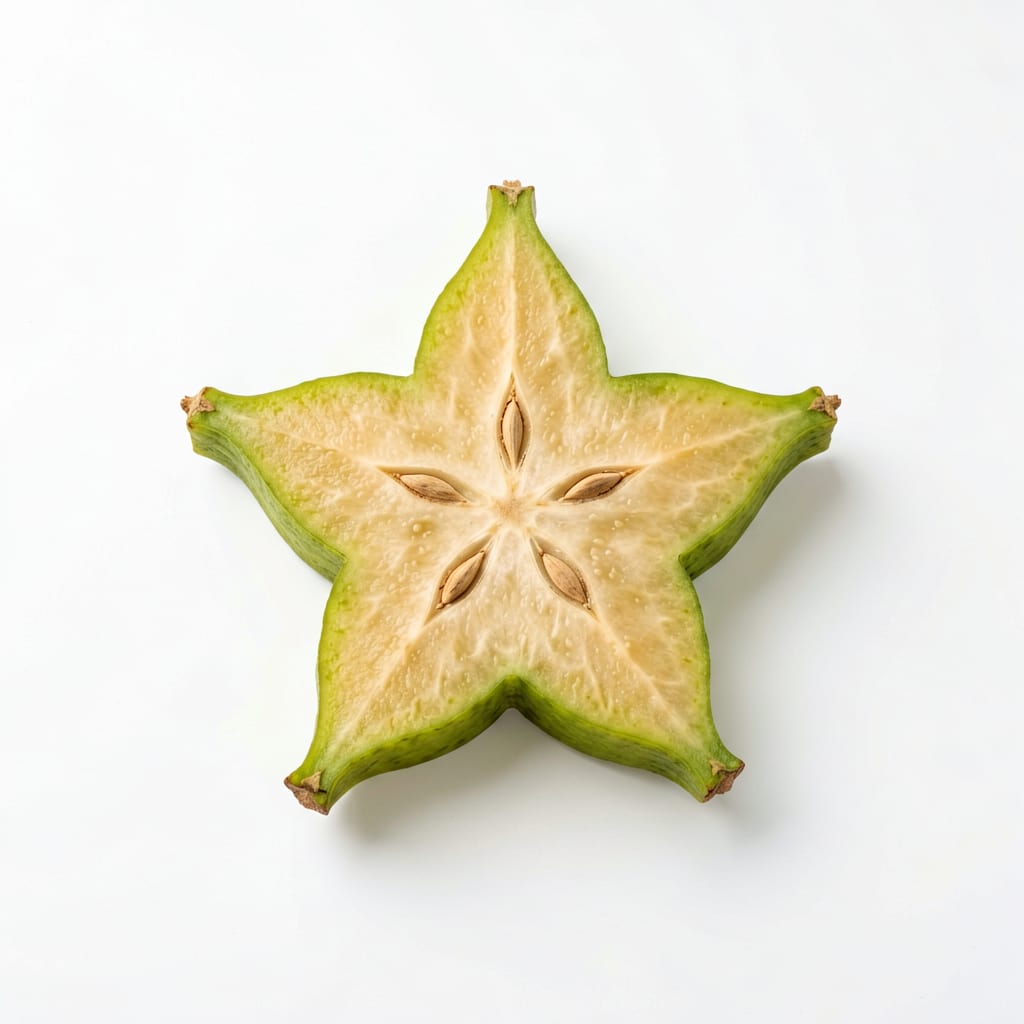
Star Fruit
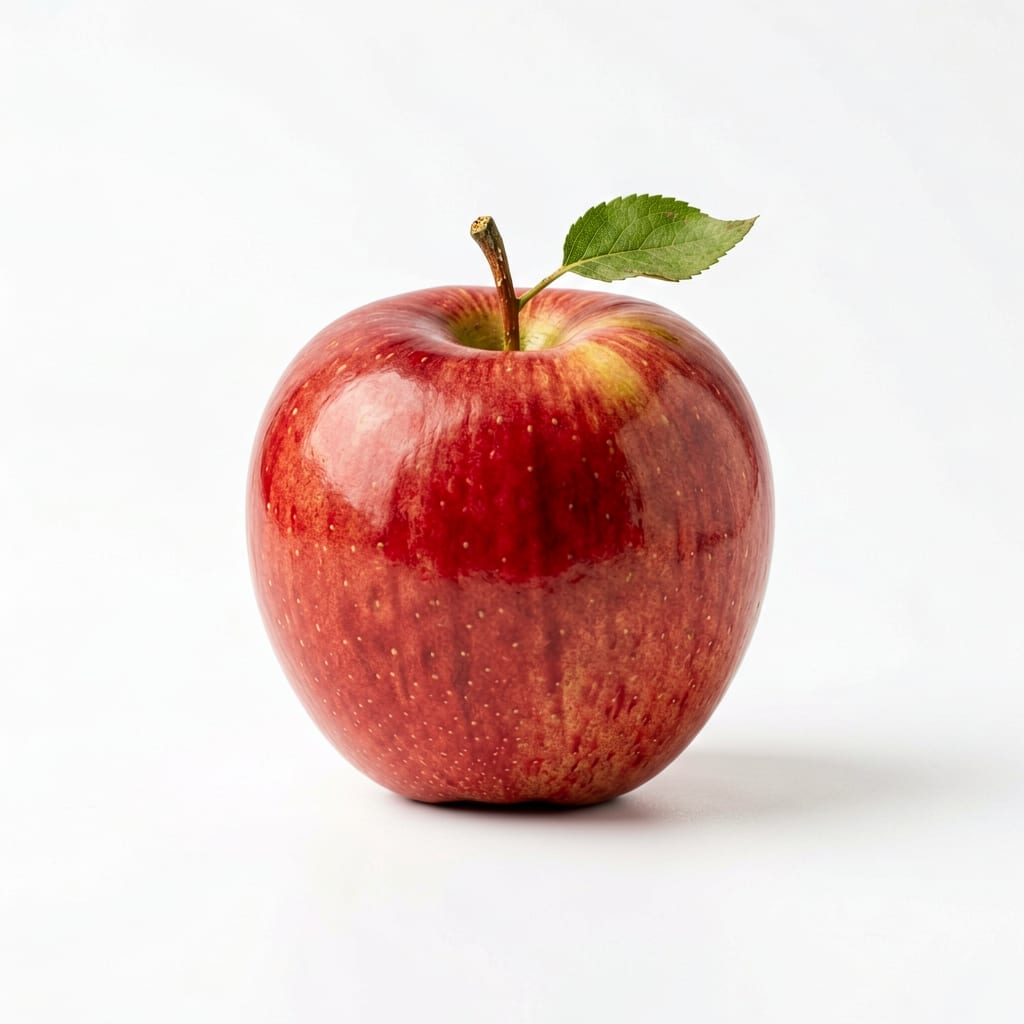
Apple
Apples are the safer, more filling, and more practical everyday choice. Star fruit offers a vitamin C edge and exotic appeal but carries a serious kidney toxicity risk that limits who can safely eat it.
Apples score significantly higher due to superior fiber, satiety, safety for all populations, and everyday practicality. Star fruit loses ground mainly on its kidney toxicity risk and lower fiber, despite winning on vitamin C and calorie density.
Star fruit delivers more vitamin C and fewer calories, but apples provide dramatically better satiety, fiber, and universal safety — including for people with kidney issues.
At a glance
Executive summary
Overall
Apple
Healthier
Apple
More practical
Apple
Daily use
Apple
Key comparison lenses
kidney safety and toxicity risk
Star fruit contains caramboxin and oxalic acid, which can be fatal for people with kidney disease — this is the single most important thing to know
everyday snacking practicality
Users comparing these fruits are likely choosing a daily snack and need to know which fits their routine better
blood sugar and diabetes management
Both are sweet fruits, so glycemic impact matters for many users
fiber and fullness
Satiety difference is significant — apples are far more filling
vitamin C and antioxidant value
Star fruit offers more vitamin C, which may appeal to immune-conscious users
Best choice for
Star Fruit
- People with healthy kidneys wanting a low-calorie, high-vitamin-C treat
- Anyone seeking an exotic fruit with lower sugar content
- Home cooks looking for a visually striking garnish
Apple
- People who want a filling, portable everyday snack
- Anyone with kidney concerns or who is unsure of their kidney function
- Families needing a safe, kid-friendly fruit
Least suitable for
Star Fruit
- People with kidney disease or impaired kidney function — potentially life-threatening
- Anyone on dialysis
- People who have never had their kidney function checked and are over 50
Apple
- People strictly limiting fructose who already eat many fruits daily
- Those bored with common fruits and seeking novelty
Deep comparison
Dimension by dimension
Each lens scores both foods and breaks down who each option suits.
- Dimension 1 · Priority 95Apple
kidney safety and toxicity
Star Fruit · 25Apple · 100Star fruit contains caramboxin and high oxalate levels that can cause serious neurological symptoms — even death — in people with kidney disease. Apples pose no such risk.
Tradeoff
Star fruit is perfectly safe for people with healthy kidneys, but the consequences of eating it with undiagnosed kidney problems are severe enough to warrant caution.
Why it matters
Many people have reduced kidney function without knowing it. One star fruit can trigger vomiting, confusion, or seizures in vulnerable individuals.
Real-world impact
If you have any kidney condition — or aren't sure — star fruit is one of the few fruits that is genuinely dangerous. Apples have zero kidney-specific risk.
Star Fruit
- People with confirmed healthy kidney function who enjoy exotic fruit occasionally
Better for
- Undiagnosed chronic kidney disease sufferers who might consume it unknowingly
Worse for
Apple
- Anyone with kidney disease, on dialysis, or with unknown kidney status
- Older adults whose kidney function may be declining
- People taking medications that affect kidney function
Better for
- Dimension 2 · Priority 80Apple
fiber and satiety
Star Fruit · 30Apple · 85An apple provides about 4.5g of fiber versus roughly 2.5g in a star fruit. That difference makes apples noticeably more filling and better for digestion.
Tradeoff
Star fruit is lighter and less filling, which can be a pro or con depending on whether you want a light refreshment or a snack that holds you over.
Why it matters
Fiber slows sugar absorption, feeds gut bacteria, and keeps you satisfied longer. Star fruit's lower fiber means it disappears from your stomach faster.
Real-world impact
An apple at 3pm can easily tide you over until dinner. A star fruit at 3pm will likely leave you reaching for something else within an hour.
Star Fruit
- Light snacking right before a meal when you don't want to fill up
- Hot weather refreshment when heavy food feels unappealing
Better for
- Anyone relying on fruit as a substantial snack to prevent overeating later
Worse for
Apple
- Bridging long gaps between meals
- Curbing afternoon hunger without reaching for junk food
- Supporting healthy digestion and regularity
Better for
- Moments when a heavy snack would kill your appetite before a meal
Worse for
- Dimension 3 · Priority 65Star Fruit
vitamin C and immune support
Star Fruit · 82Apple · 55Star fruit delivers roughly 34mg of vitamin C per 100g compared to about 5mg in apples. That's a significant advantage for immune function and skin health.
Tradeoff
You'd need to eat several apples to match the vitamin C in one star fruit, but apples compensate with other antioxidants like quercetin.
Why it matters
Vitamin C supports immunity, collagen production, and iron absorption. Star fruit is genuinely strong in this area.
Real-world impact
If you're not getting much vitamin C elsewhere, star fruit is a surprisingly potent source. Most people already get enough from other foods, though.
Star Fruit
- Boosting vitamin C intake during cold season
- Supporting skin health and collagen production
- Enhancing iron absorption from plant-based meals
Better for
- People who already take vitamin C supplements or eat citrus daily
Worse for
Apple
- Steady, low-level antioxidant intake from quercetin over time
- Long-term anti-inflammatory benefits from diverse polyphenols
Better for
- Those relying on a single fruit as their main vitamin C source
Worse for
- Dimension 4 · Priority 75Apple
blood sugar impact
Star Fruit · 55Apple · 72Both fruits have moderate glycemic loads, but apples' higher fiber slows sugar absorption more effectively. Star fruit has slightly less sugar but also less fiber to buffer it.
Tradeoff
Star fruit has fewer total carbs, which looks good on paper, but the fiber gap means its sugar may hit your bloodstream faster.
Why it matters
Steadier blood sugar means fewer energy crashes and better appetite control throughout the day.
Real-world impact
An apple gives you a gentler, longer-lasting energy curve. Star fruit's energy comes and goes more quickly.
Star Fruit
- Smaller portion sizes where total carb intake matters more than speed of absorption
Better for
- Sensitive individuals who experience sugar spikes from low-fiber fruit
Worse for
Apple
- Diabetics or prediabetics needing slower, more predictable blood sugar responses
- Anyone prone to energy crashes after sweet snacks
Better for
- Very low-carb dieters tracking every gram of carbohydrate
Worse for
- Dimension 5 · Priority 70Apple
practicality and availability
Star Fruit · 35Apple · 92Apples are available everywhere, store for weeks, travel well, and need no special handling. Star fruit is harder to find, bruises easily, and spoils quickly.
Tradeoff
Star fruit's novelty and visual appeal make it special for entertaining, but it's a frustrating choice for reliable daily nutrition.
Why it matters
The best healthy food is the one you can actually get and eat consistently. Convenience drives long-term habits.
Real-world impact
You can grab an apple at any grocery store, gas station, or cafeteria. Star fruit requires a specialty store and careful timing before it goes bad.
Star Fruit
- Special occasions and dinner parties where visual impact matters
- Tropical-themed recipes and fruit platters
Better for
- Anyone without access to well-stocked specialty or Asian grocery stores
Worse for
Apple
- Packing in lunchboxes and work bags
- Keeping a fruit bowl stocked for the family
- Road trips, hiking, and on-the-go snacking
Better for
- Rare situations where you specifically need a star-shaped garnish
Worse for
Timeline
Health impact over time
Short-term
Hours to days
Star Fruit
- Quick vitamin C boost supporting immune response
- Light, hydrating refreshment with minimal fullness
- Potential nausea or digestive discomfort if eaten in large quantities on an empty stomach
- Immediate danger if consumed by someone with kidney disease — symptoms can start within hours
Apple
- Steady, satisfying energy that curbs hunger for 1-2 hours
- Gentle on digestion for most people
- Occasional bloating if eaten in excess due to fiber and fructose
Long-term
Months to years
Star Fruit
- Consistent vitamin C intake supporting skin and immune health — if eaten regularly
- Oxalate accumulation concerns for those prone to kidney stones
- Risk is binary: safe long-term for healthy kidneys, potentially catastrophic for compromised kidneys
Apple
- Improved digestion and gut health from regular pectin fiber intake
- Lower cardiovascular risk associated with daily apple consumption
- Stable blood sugar patterns when replacing higher-glycemic snacks
- Modest but cumulative anti-inflammatory benefits from quercetin and polyphenols
Risk profile
Safety & processing
Both fruits are whole, unprocessed foods eaten in their natural state. Neither contains added sugars, preservatives, or artificial ingredients when purchased fresh. The main concern is pesticide residue on conventional apples, which are consistently on the EWG's Dirty Dozen list — choose organic when possible.
Star Fruit
Kidney toxicity from caramboxin and oxalates
highFor people with kidney disease, star fruit can cause neurological symptoms including hiccups, vomiting, confusion, seizures, and death. Even small amounts are dangerous. People with healthy kidneys process these compounds without issue.
Oxalate kidney stone promotion
mediumStar fruit is high in oxalates, which contribute to calcium oxalate kidney stone formation in susceptible individuals.
Drug interactions
mediumStar fruit inhibits certain cytochrome P450 enzymes, similar to grapefruit, potentially interacting with statins, blood pressure medications, and other drugs.
Apple
Pesticide residue on conventional apples
mediumApples consistently rank among the most pesticide-contaminated fruits. Peeling helps but removes beneficial fiber. Organic apples significantly reduce this exposure.
Allergic reactions in birch pollen-sensitive individuals
lowOral allergy syndrome can cause mouth and throat itching in people with birch pollen allergies. Cooking the apple usually eliminates this reaction.
Who wins for whom
Audience fit
Same foods, different winners depending on your goal.
children
AppleApples are kid-friendly, widely accepted, and safe for all children. Star fruit's kidney risk and tart flavor make it a poor choice for young kids, especially those with undiagnosed kidney issues.
daily consumption
AppleApples are affordable, available year-round, store well, and are safe for virtually everyone. Star fruit's safety caveats, limited availability, and short shelf life make it unsuitable as a daily staple.
diabetes
AppleApples' fiber slows sugar absorption more effectively, leading to gentler blood sugar curves. Star fruit's lower fiber content means less buffering, despite having slightly fewer carbs.
elderly
AppleKidney function naturally declines with age, making star fruit increasingly risky for older adults. Apples are safe, easy to eat, and support digestive health common concerns in this group.
muscle gain
It dependsNeither fruit is a meaningful protein source. Apples offer slightly more post-workout carbs for glycogen replenishment, but the difference is negligible for muscle building.
weight loss
AppleApples' higher fiber and satiety make them far more useful for controlling hunger between meals. Star fruit's low calorie count looks appealing but won't keep you full enough to prevent overeating later.
Your move
Decision guide
Choose Star Fruit
- You have confirmed healthy kidney function and want a vitamin C-rich, low-calorie tropical treat
- You're preparing a special meal and want a visually stunning garnish
- You're bored with everyday fruits and want something different occasionally
Choose Apple
- You want a reliable, filling daily snack that supports digestion and steady energy
- You or anyone in your household has any kidney concerns — even mild ones
- You need a portable fruit that stores well and is always available
- You're feeding children or elderly family members
Either works if
- You want a whole-food snack and have no kidney issues or medication interactions
- You're rotating fruits for dietary variety and both are available
Avoid both if
- You're on a strict very-low-carb or ketogenic diet and counting every gram of carbohydrate
- You have severe fructose intolerance or malabsorption
Final recommendation
Make apples your everyday fruit. They're safer, more filling, and far more practical. Enjoy star fruit occasionally as a treat if you know your kidneys are healthy — but never serve it to someone without confirming their kidney function first. The vitamin C advantage of star fruit is real but not worth the safety tradeoff for daily use.
Practical
Consumer tips
- 1
If you try star fruit, choose ripe ones with slightly browned edges — they're sweeter and less tart than fully green ones
- 2
Buy organic apples when possible to avoid pesticide exposure, especially if you eat the skin
- 3
If you have any kidney condition — even mild — treat star fruit as off-limits, not as a sometimes food
- 4
Pair either fruit with a handful of nuts or nut butter to slow sugar absorption and extend satiety
- 5
Star fruit pairs well with tropical flavors like lime, mint, and ginger in beverages and salads
- 6
If you're on statins or blood pressure medication, check with your doctor before eating star fruit — it can interact similarly to grapefruit