
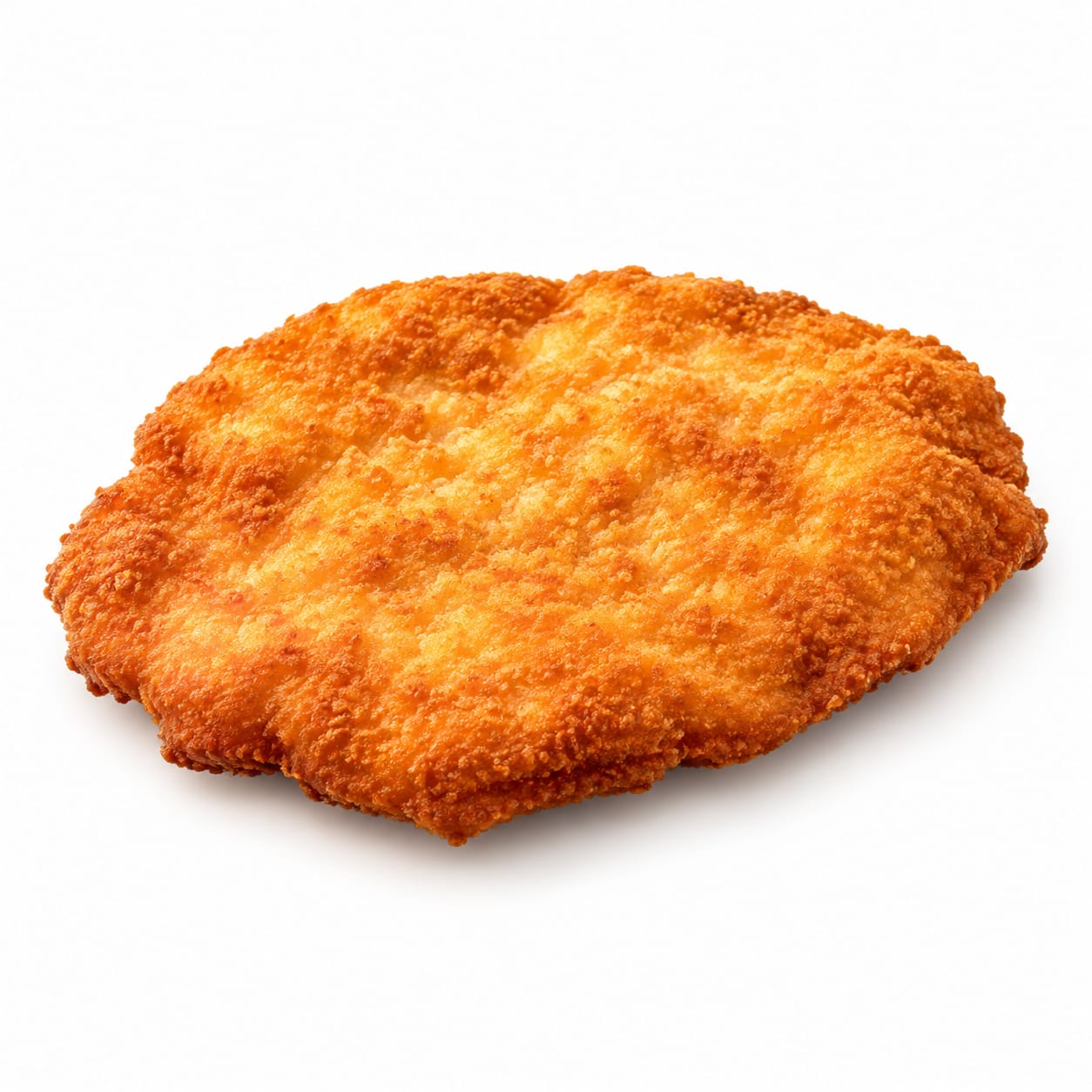
Meat Dish
Schnitzel
A thin, breaded, and pan-fried meat cutlet, typically made from pork, veal, or chicken.
A thin, breaded, and pan-fried meat cutlet, traditionally made with veal (Wiener Schnitzel) or pork, though chicken and turkey variations are common.
high-fat breaded meat dish
Typical serving · 150g
Common varieties · wiener schnitzel (veal), schweineschnitzel (pork), hähnchenschnitzel (chicken), turkey schnitzel, plant-based schnitzel
Overall context score across nutrition, safety, and diet fit
The story
What makes it unique
Schnitzel is a high-energy food due to the breading and shallow or deep frying, which significantly increases fat content and energy density. The breading provides fast-digesting carbohydrates, while the meat supplies complete proteins. Satiety is moderate due to the fat and protein content, but the high energy density can easily lead to overconsumption of calories.
Varieties: wiener schnitzel (veal) · schweineschnitzel (pork) · hähnchenschnitzel (chicken) · turkey schnitzel · plant-based schnitzel
Per 100g
Nutrition breakdown
Macro balance and key metrics at a glance.
Energy
Density 2.60 kcal/g
Protein
Carbs
Fat
Fiber
Sugar
0.5 g
Sodium
450 mg
Potassium
250 mg
Glycemic index
50
Glycemic load
6
Water content
50%
Standout compounds
Nutrient highlights
Protein
moderateSupports muscle repair and growth
Fat
highProvides dense energy but increases caloric load
Iron
moderateEssential for oxygen transport in blood
B Vitamins
moderateSupports energy metabolism and nervous system function
Wellness map
Health scores & processing
NOVA processing scale
Moderately processed · Whole food
Traditional schnitzel is made with whole meat and culinary ingredients (flour, egg, breadcrumbs), classifying it as Nova 3. Commercially frozen versions with added preservatives may qualify as Nova 4.
Diet compatibility
- Weight loss
- Muscle gain
- Diabetes
- Gut health
- Low carb
- High protein
- Heart health
Relative standing
Food rankings
Qualitative ranks compared to similar whole foods.
- Satietymoderate
- Blood sugarpoor
- Nutrient densitymoderate
- Fitness fuelmoderate
- Processing qualitypoor
Eat with confidence
Food safety profile
Primary risks involve standard raw meat handling to avoid bacterial contamination. Frying breading to very dark colors can increase acrylamide levels.
Evidence confidence 85%
- Pesticideslow
- Antibioticsmoderate
- Heavy metalslow
- Contaminationmoderate
Watch for
- salmonella
- campylobacter
- acrylamide
Safer choices
Organic or antibiotic-free meat; baking instead of deep-frying to reduce acrylamide.
Prep tips
Do not wash raw meat. Fry breading to golden yellow rather than dark brown to minimize acrylamide formation. Ensure internal meat temperature reaches safe levels.
Antibiotic use in conventional pork and veal farming; acrylamide formation in over-fried breading.
Deep dive
Health analysis
How this food may fit different goals and preparation choices.
Weight loss
High energy density from absorbed frying oil and carbohydrate breading makes portion control difficult for weight loss.
Blood sugar
The refined carbohydrate breading can cause a moderate glycemic spike, compounded by high fat which delays gastric emptying and prolongs the insulin response.
Fitness & energy
Provides substantial calories and protein for recovery, but high fat content slows digestion, making it a poor choice immediately pre-workout.
Gut health
Lacks dietary fiber and the high fat content from frying can promote inflammation and slow gastric motility.
Processing quality
Uses basic culinary ingredients but the deep-frying process adds oxidized fats and increases caloric load significantly.
Food safety
Safe when cooked to proper internal temperatures; over-frying the breading poses a slight acrylamide risk.
Common mistakes
Assuming schnitzel is a high-protein, low-carb food because it is meat; ignoring the caloric impact of the oil-soaked breading.
Best preparation
Shallow frying in a high-smoke-point oil, or baking and air-frying to achieve crispness with significantly less fat absorption.
Practical guide
Best use cases
When and how this food fits real eating patterns.
High-calorie bulking diets
Useful for athletes or individuals needing a caloric surplus who struggle to eat enough calories.
Traditional cultural meals
Fits within traditional Central European dining when enjoyed as an occasional indulgence.
Post-workout meal (modified)
If baked instead of fried, it provides a solid dose of protein and carbohydrates for muscle recovery.
Balance sheet
Pros & cons
Upsides
- Good source of complete protein
- Provides essential B vitamins and minerals like iron
- Highly palatable and satisfying to eat
- Can be modified for lower fat by baking or air-frying
Trade-offs
- High in calories due to oil absorption in breading
- Contains refined carbohydrates from the breading
- High fat content from frying can slow digestion
- Potential acrylamide formation if breading is over-fried
Fit check
Who is it for?
Great match
- calorie surplus bulking phases
- occasional traditional meals
- those needing high palatability to meet calorie needs
Consider alternatives
- weight loss diets
- low-carb or ketogenic diets
- heart-healthy or low-fat diets
- blood sugar management
Side by side
How it compares
Open the full head-to-head analysis for nutrition, safety, and practical tradeoffs.
This food
Schnitzel
VS90% alike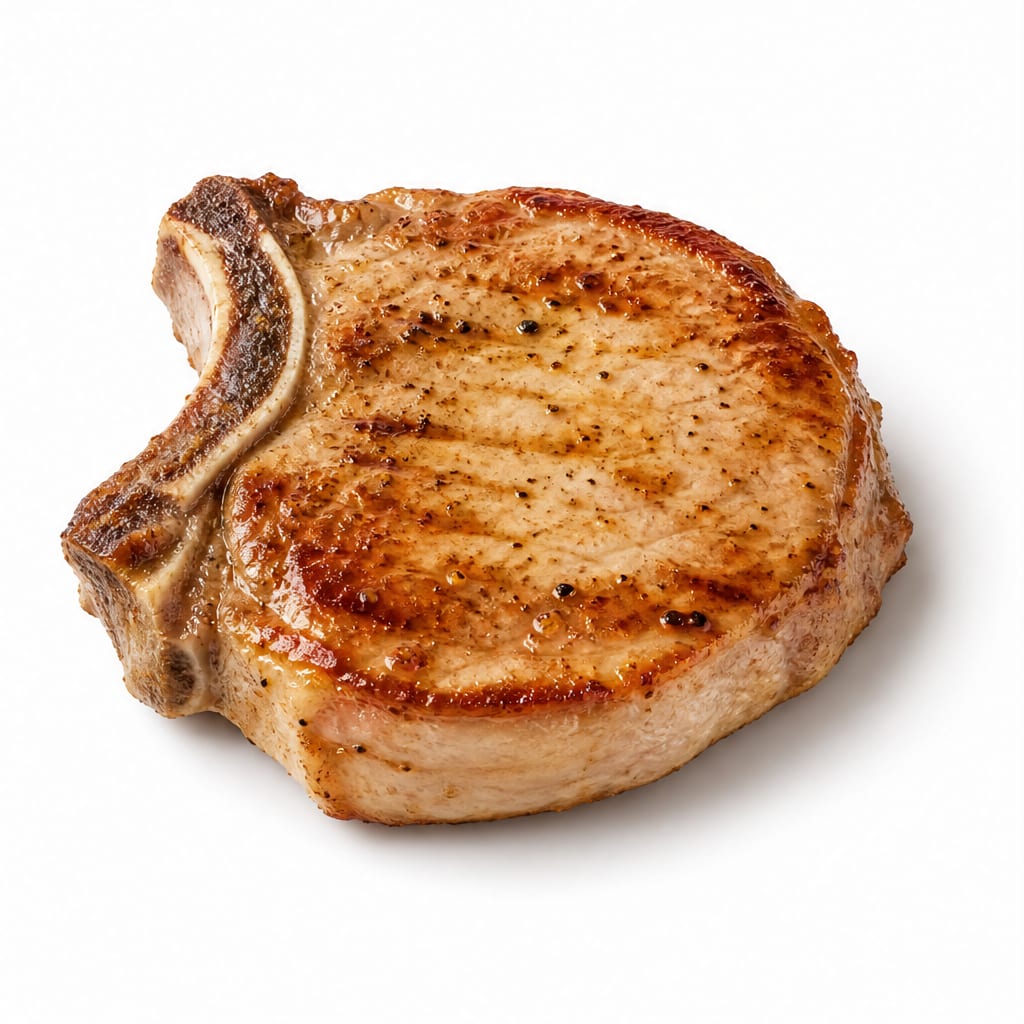
Compare with
Pork Chop
Pork chop is unbreaded and leaner, making it significantly lower in calories and carbs.
Pork chops are leaner and lower in calories than schnitzel, making them better for weight loss and blood sugar control.
This food
Schnitzel
VS85% alike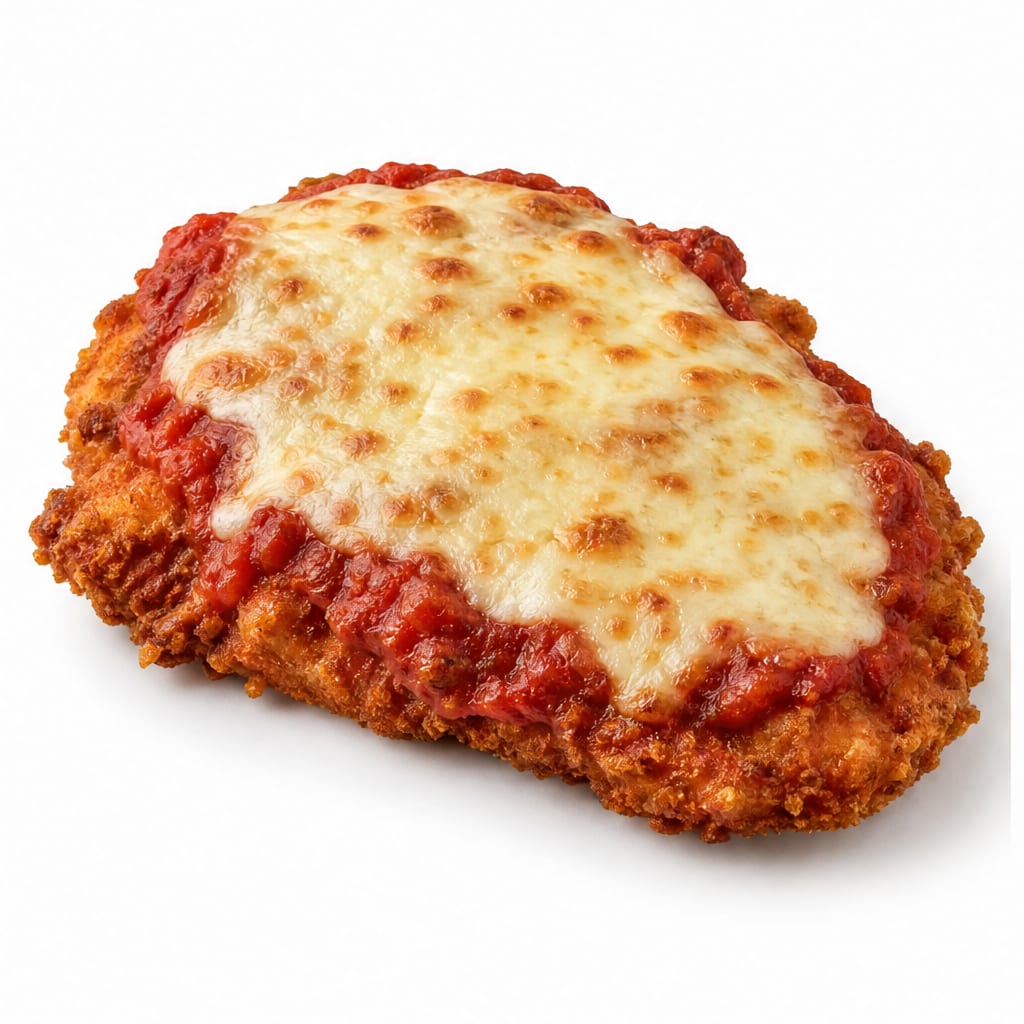
Compare with
Chicken Parmesan
Chicken parmesan adds cheese and tomato sauce, increasing protein but also fat and calories.
Schnitzel is slightly lower in calories than chicken parmesan, which adds heavy cheese and sauce, but both are high-fat fried dishes.
This food
Schnitzel
VS80% alike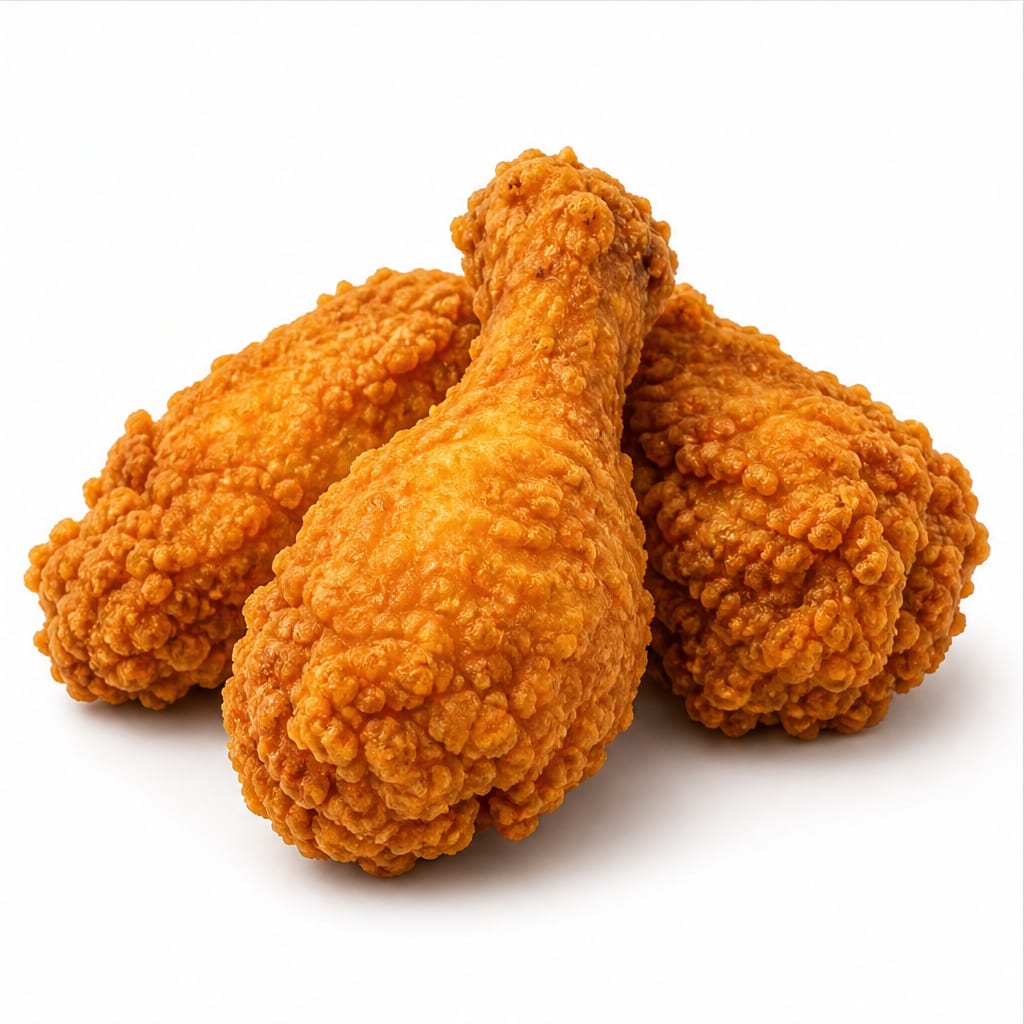
Compare with
Fried Chicken
Fried chicken uses bone-in chicken and thicker breading, often higher in calories.
Schnitzel is generally thinner and slightly lower in calories than thick-cut fried chicken, though both are high-fat indulgences.
This food
Schnitzel
VS75% alike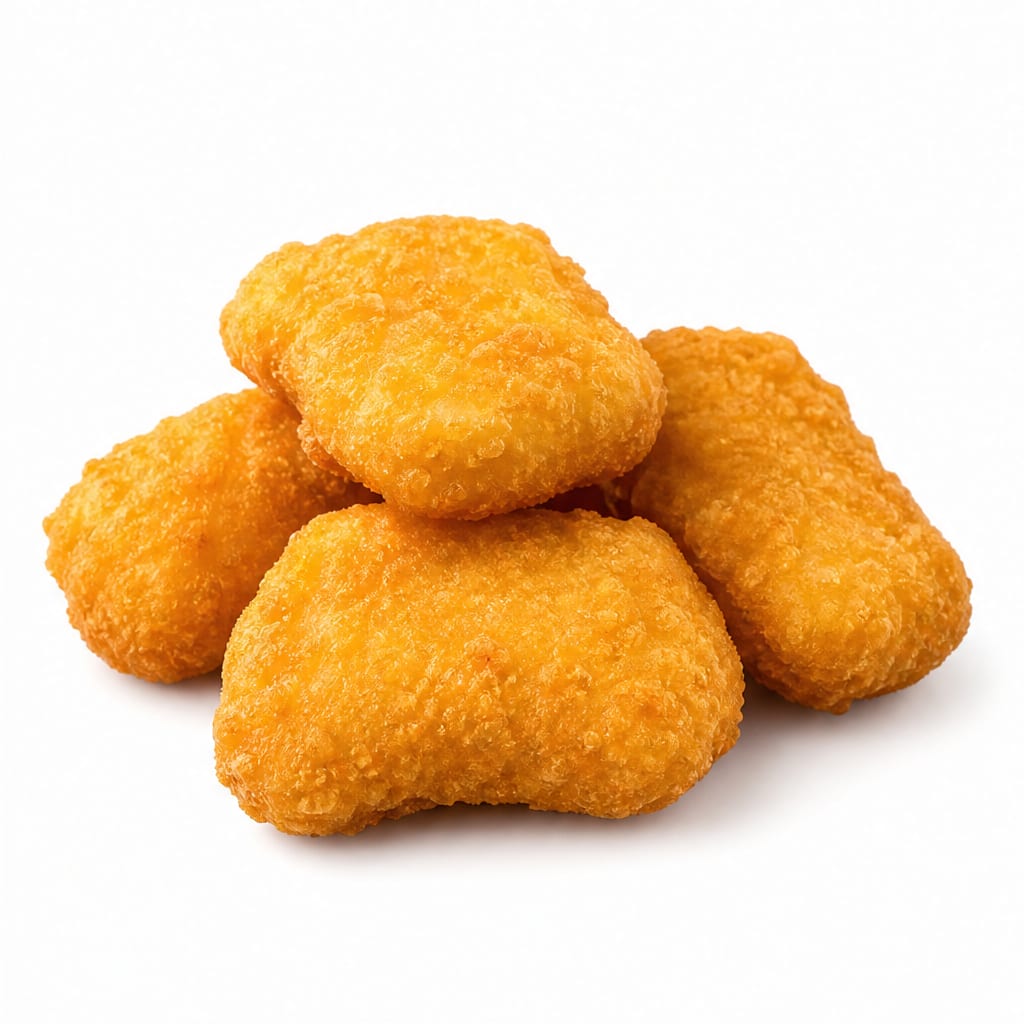
Compare with
Chicken Nuggets
Nuggets are heavily processed, while schnitzel is a whole muscle cut.
Schnitzel uses whole meat unlike processed chicken nuggets, offering better protein quality and satiety for fewer additives.
This food
Schnitzel
VS95% alike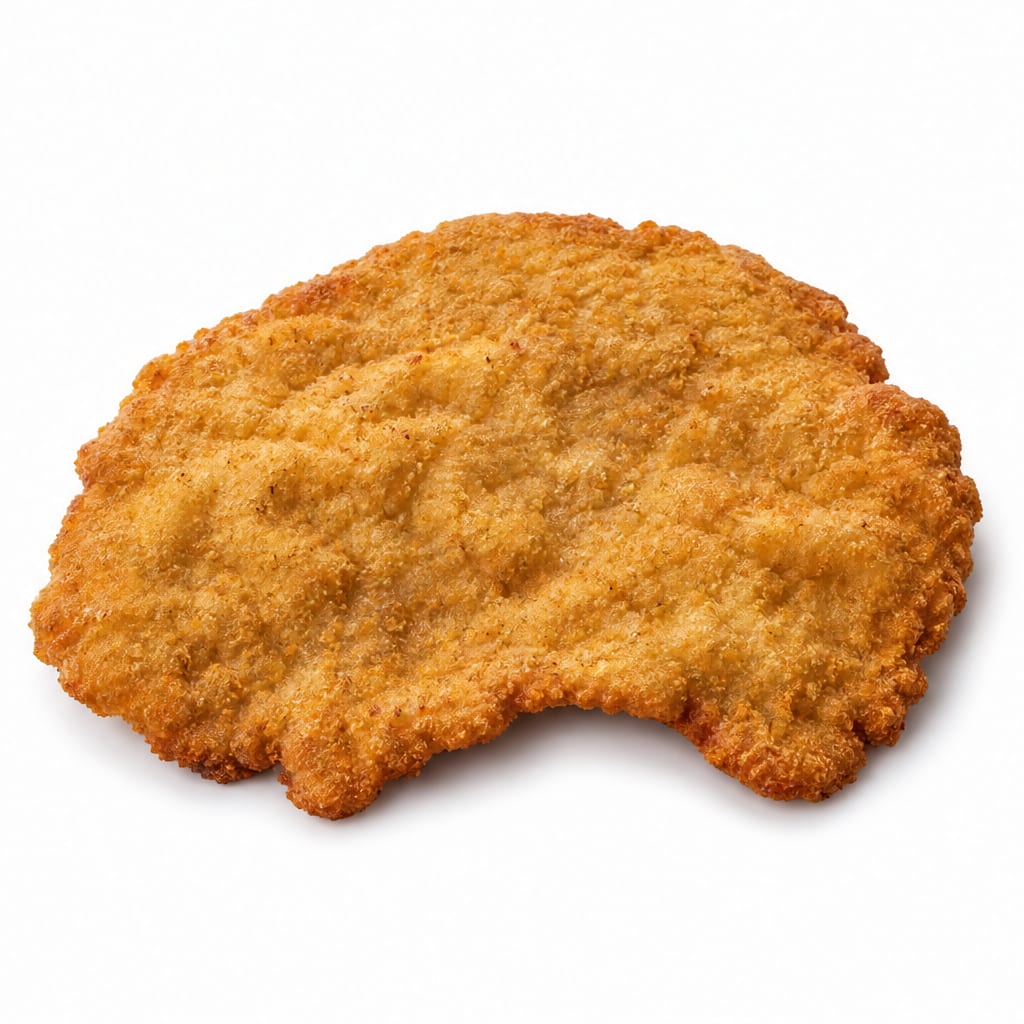
Compare with
Veal Cutlet
Unbreaded veal is much leaner and lower in calories.
An unbreaded veal cutlet has far fewer calories and carbs than schnitzel, making it superior for weight loss and low-carb diets.
This food
Schnitzel
VS70% alike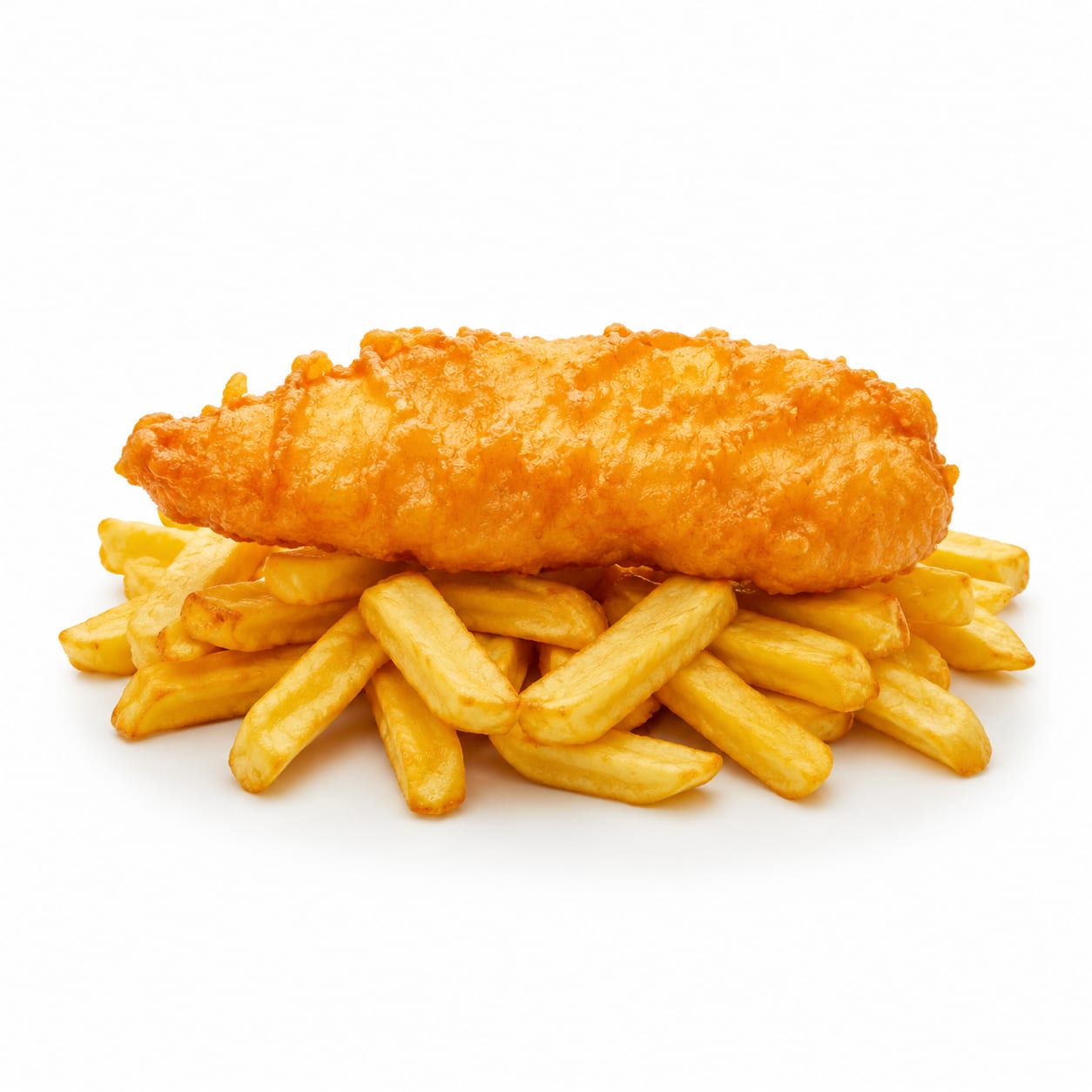
Compare with
Fish and Chips
Fish and chips are higher in carbs and calories due to thick batter and potato fries.
Schnitzel is lower in carbohydrates and calories than fish and chips, which adds heavy batter and deep-fried potatoes.
This food
Schnitzel
VS98% alike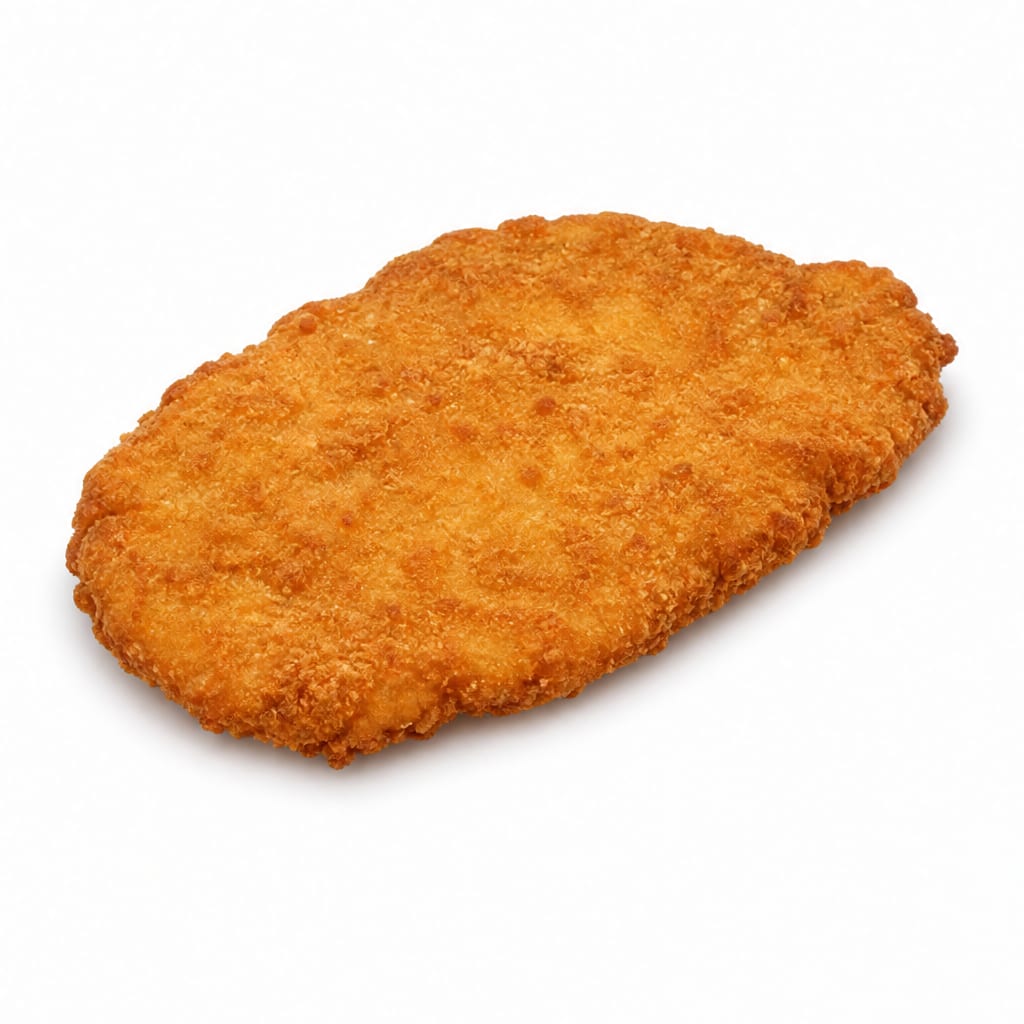
Compare with
Milanesa
Milanesa is typically beef, while schnitzel is pork or veal, but nutritionally very similar.
Schnitzel and milanesa are nearly identical nutritionally; both are thin, breaded, and fried meat cutlets with high calorie density.
This food
Schnitzel
VS85% alike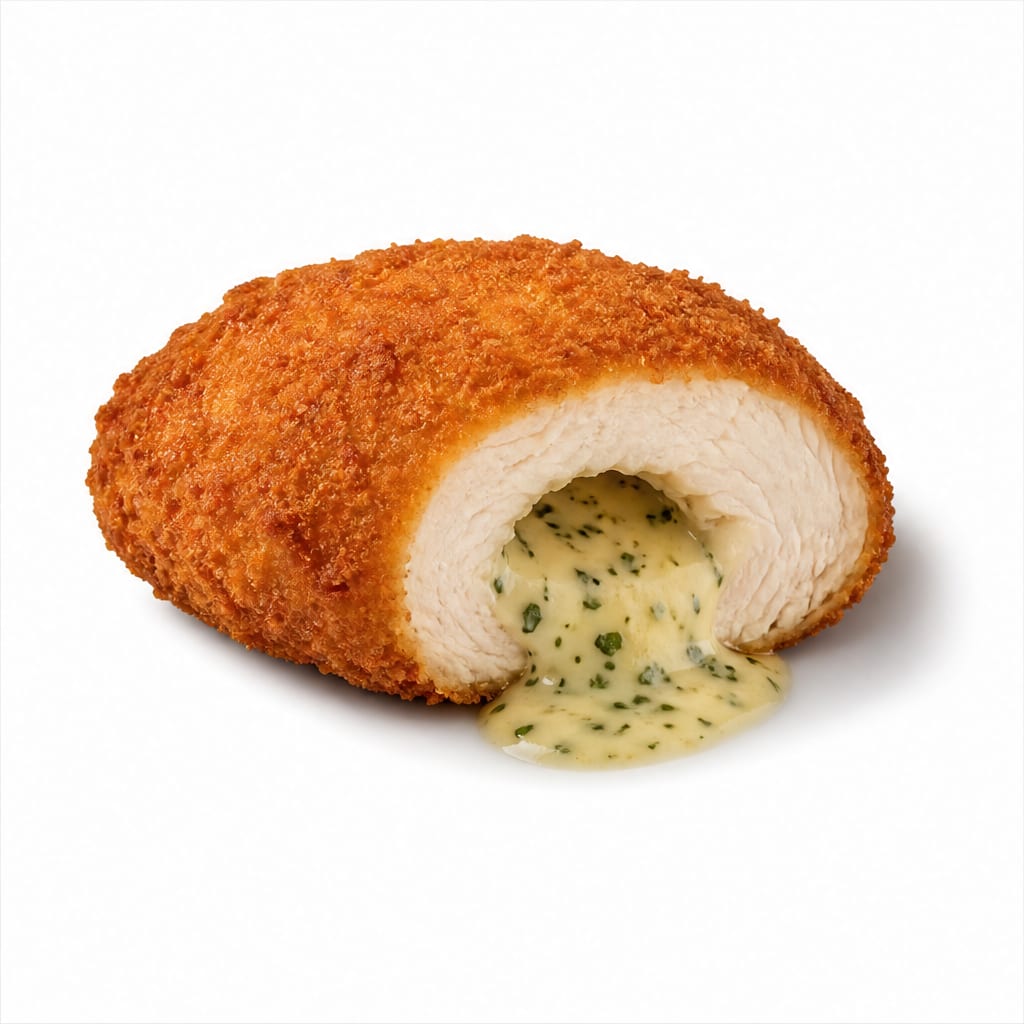
Compare with
Chicken Kiev
Chicken Kiev has butter inside, making it higher in fat and calories.
Schnitzel is lower in fat and calories than Chicken Kiev, which contains a core of garlic butter that increases its energy density.
This food
Schnitzel
VS90% alike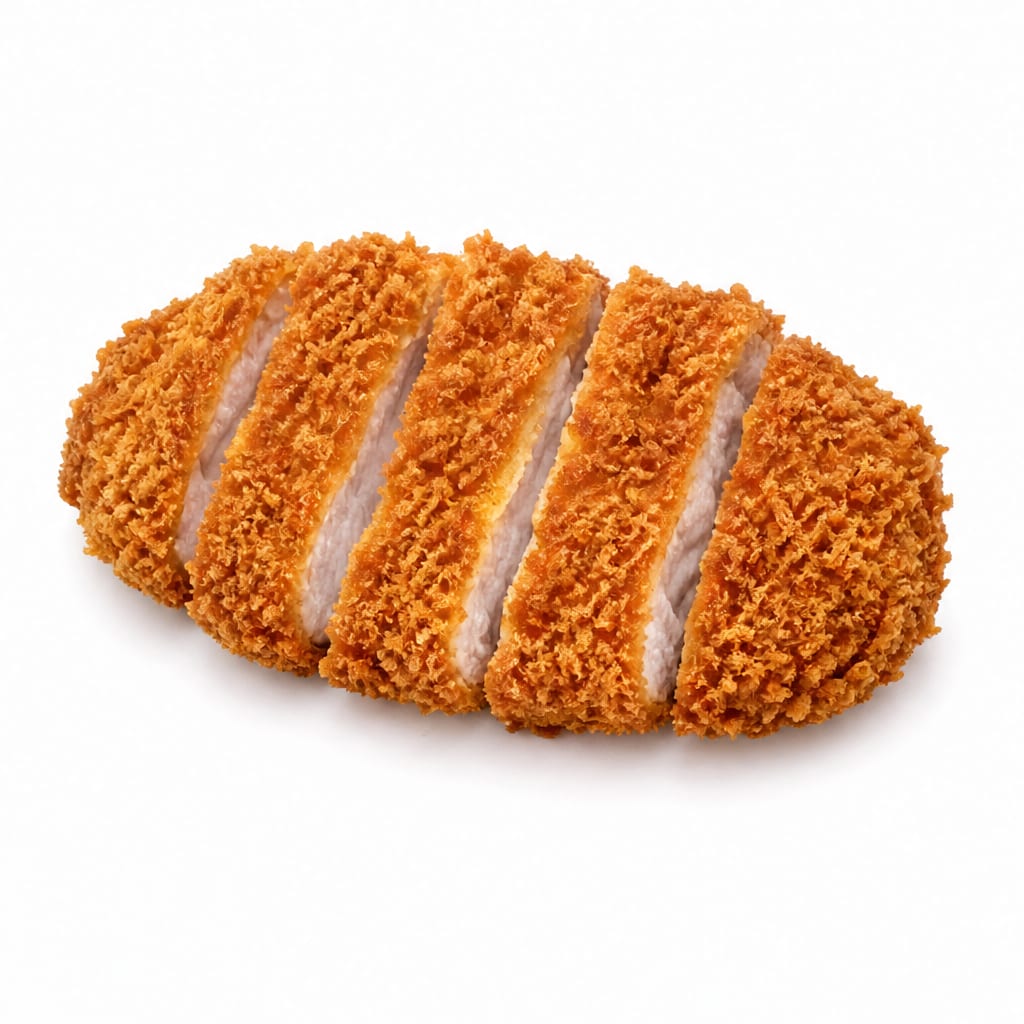
Compare with
Tonkatsu
Tonkatsu uses panko breadcrumbs and is often thicker, slightly increasing carb and calorie counts.
Schnitzel is slightly thinner and lower in calories than tonkatsu, which uses thicker panko breading that absorbs more oil.
This food
Schnitzel
VS95% alike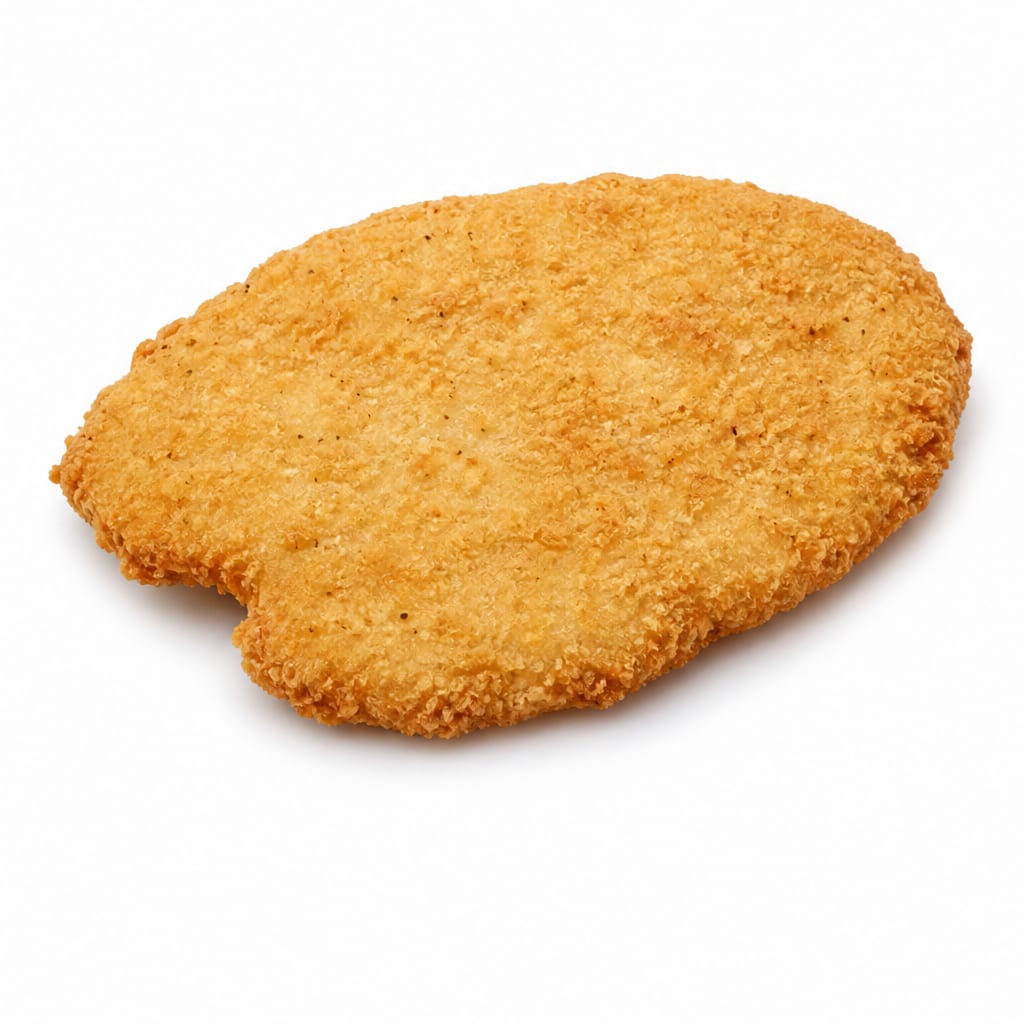
Compare with
Turkey Schnitzel
Turkey schnitzel is leaner, offering more protein with less fat.
Turkey schnitzel provides leaner protein and fewer calories than traditional pork schnitzel, making it the better choice for weight loss.
Common questions
FAQ
Answers aligned with how people search for this food.
How many calories are in a schnitzel?
A typical 150g serving of pork schnitzel contains around 390 calories, though this varies based on the thickness of the meat and the amount of oil absorbed during frying.
Is schnitzel good for weight loss?
Schnitzel is not ideal for weight loss due to its high energy density. The breading absorbs significant amounts of oil during frying, which dramatically increases the calorie count compared to unbreaded meat.
Does schnitzel have carbohydrates?
Yes, schnitzel contains carbohydrates from the flour and breadcrumb coating. A standard serving typically contains 10-15 grams of carbohydrates.
Can diabetics eat schnitzel?
Diabetics should eat schnitzel in moderation. The refined carbohydrate breading can spike blood sugar, and the high fat content can delay digestion, causing a prolonged insulin response. Opting for unbreaded meat is a better choice.
What is the difference between schnitzel and a pork chop?
A pork chop is a plain cut of meat, usually grilled or pan-seared, while schnitzel is a thin slice of meat that is breaded and fried in oil or fat, making it significantly higher in calories and carbohydrates.
Is schnitzel considered processed meat?
Traditional schnitzel is not classified as processed meat (like sausages or deli meats) because it is a whole muscle cut. However, it is a prepared dish with breading, making it less lean than unprocessed whole meat.
How can I make schnitzel healthier?
You can make schnitzel healthier by using an air fryer or oven-baking it instead of pan-frying. This significantly reduces the amount of absorbed oil. Using whole wheat breadcrumbs or almond flour can also lower the glycemic impact.
Which meat is best for schnitzel?
Nutritionally, chicken or turkey breast makes the leanest schnitzel. Traditional Wiener schnitzel uses veal, while German schnitzel often uses pork loin, both of which are naturally lean before breading and frying.
Transparency
Data confidence
Estimated confidence for nutrition data, interpretation, safety notes, and comparisons.
Nutrition data
Health analysis
Food safety
Comparisons