
Nutrition comparison
Schnitzel vs Turkey Schnitzel: Nutrition, Calories, and Taste Compared
Comparing Schnitzel and Turkey Schnitzel? Discover the nutritional differences, calorie counts, and taste tradeoffs to find out which is healthier for your diet.
Overall winner · Turkey Schnitzel
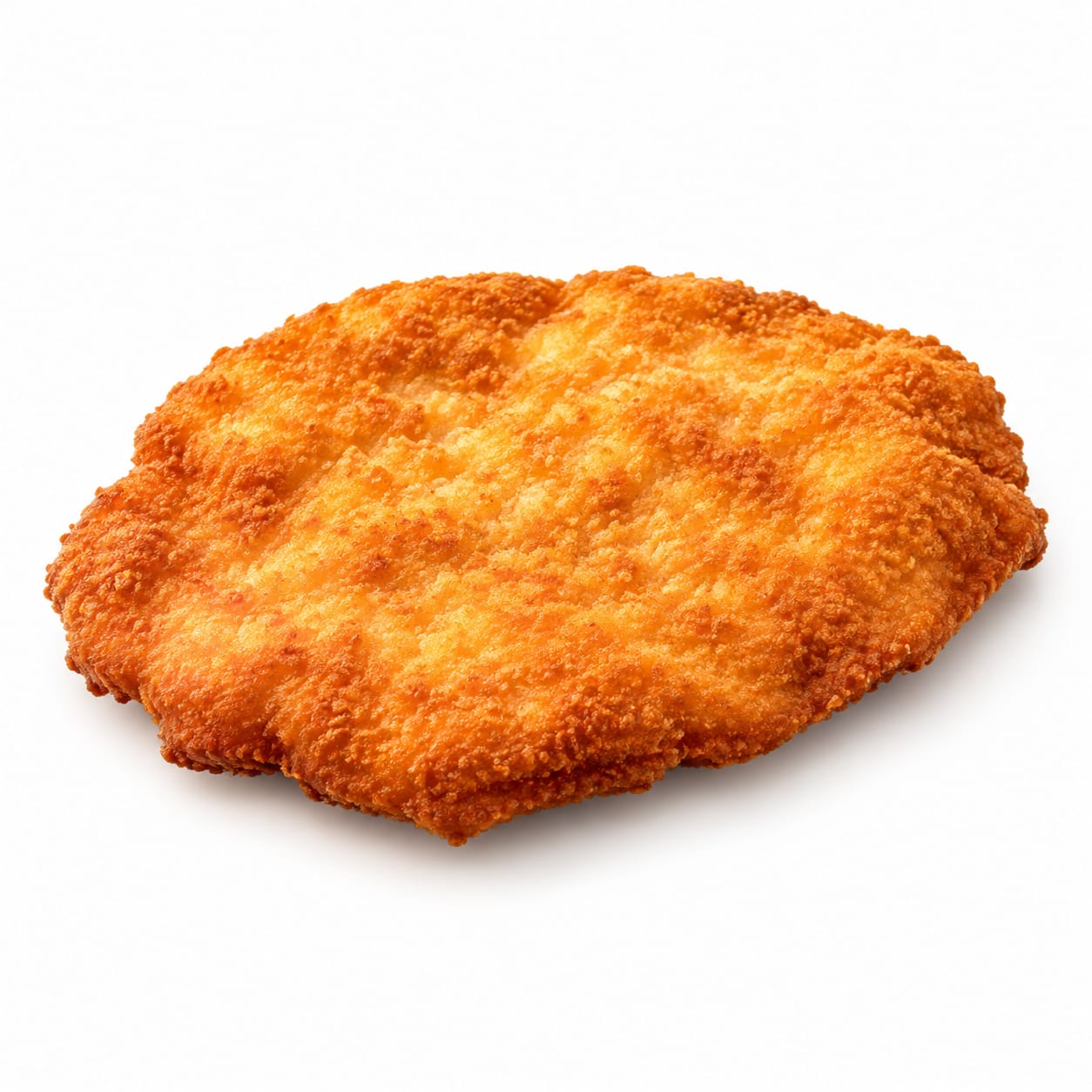
Schnitzel
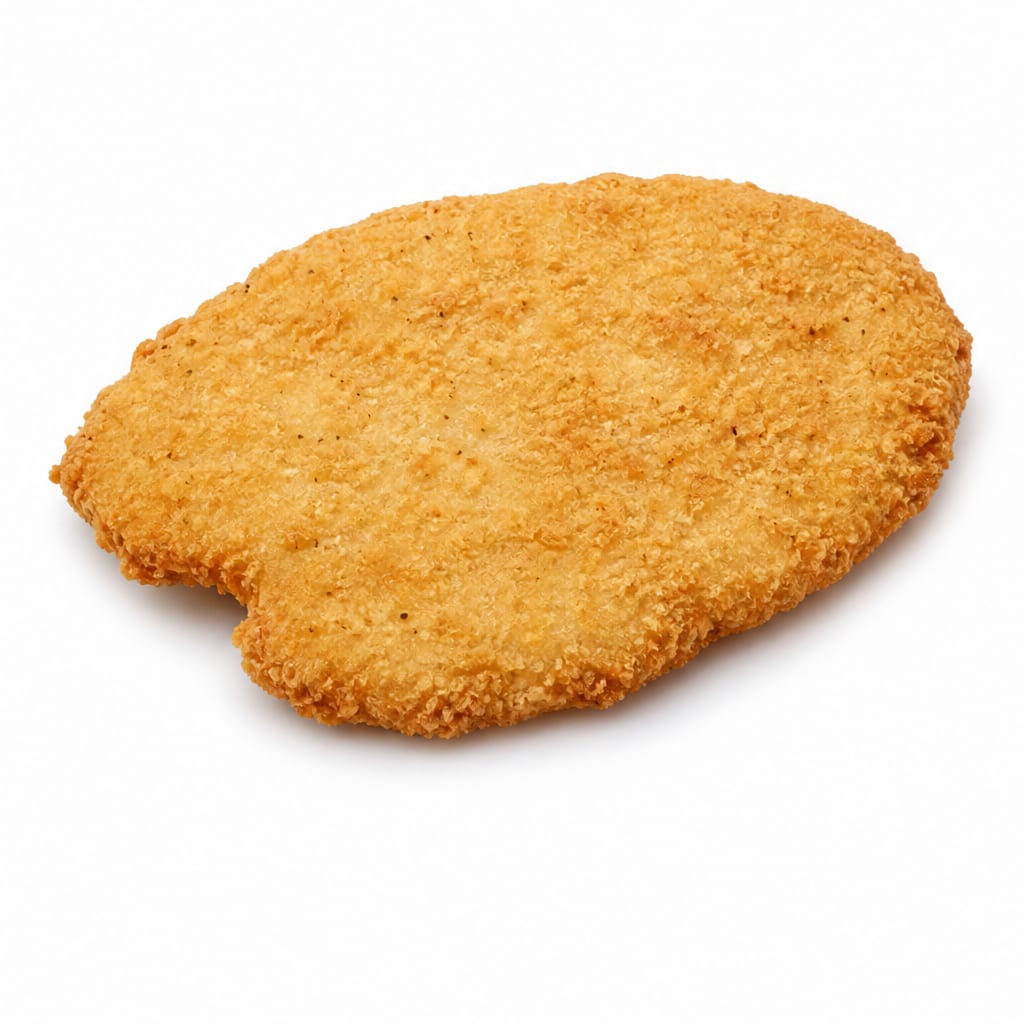
Turkey Schnitzel
Turkey Schnitzel wins for everyday health and leanness, but traditional Schnitzel delivers a richer, more satisfying indulgence.
Turkey Schnitzel scores notably higher due to its superior fat profile and lower calorie density, making it a much safer choice for regular consumption. Traditional Schnitzel remains a flavorful but heavier option best enjoyed in moderation.
You are trading the rich flavor and natural juiciness of pork or veal for the lower calorie and lower saturated fat profile of turkey.
At a glance
Executive summary
Overall
Turkey Schnitzel
Healthier
Turkey Schnitzel
More practical
It depends
Daily use
Turkey Schnitzel
Key comparison lenses
reducing saturated fat and calories
The primary difference between traditional pork or veal Schnitzel and Turkey Schnitzel is the fat content and calorie density of the meat itself.
heart health and cholesterol management
Traditional Schnitzel carries more saturated fat, which directly impacts cardiovascular risk compared to lean turkey.
maintaining flavor and juiciness
Turkey breast can dry out easily, while pork or veal Schnitzel remains more tender and flavorful due to higher fat.
weight management and portion control
Turkey Schnitzel allows for a larger portion size or easier calorie deficit due to its leanness.
Best choice for
Schnitzel
- People prioritizing maximum flavor and traditional taste
- Those looking for a satisfying, high-fat indulgence meal
- Individuals needing higher caloric intake
Turkey Schnitzel
- People managing heart health or cholesterol
- Anyone tracking calories for weight loss
- Those who prefer leaner proteins for daily meals
Least suitable for
Schnitzel
- People with high cholesterol or heart disease risk
- Anyone on a strict calorie-restricted diet
Turkey Schnitzel
- Picky eaters who find poultry too dry
- Traditionalists seeking an authentic culinary experience
Deep comparison
Dimension by dimension
Each lens scores both foods and breaks down who each option suits.
- Dimension 1 · Priority 95Turkey Schnitzel
Calorie and Fat Profile
Schnitzel · 40Turkey Schnitzel · 85Turkey Schnitzel is significantly leaner, offering a similar portion size for far fewer calories and a fraction of the saturated fat.
Tradeoff
You save on calories and fat with Turkey Schnitzel, but you lose the natural richness and self-basting moisture that pork or veal provides.
Why it matters
Lower saturated fat intake directly supports heart health and makes maintaining a healthy weight much easier.
Real-world impact
Choosing Turkey Schnitzel can save you 100-200 calories and 10+ grams of fat per serving, which adds up quickly if you eat schnitzel regularly.
Schnitzel
- Keto or low-carb diets that allow higher fat
- Those who find lean meats unsatisfying
Better for
- Cardiovascular risk management
- Cutting body fat
Worse for
Turkey Schnitzel
- Calorie counting or macro tracking
- Low-fat diet protocols
Better for
- High-calorie bulking phases where easy calories are welcome
Worse for
- Dimension 2 · Priority 82Schnitzel
Satiety and Satisfaction
Schnitzel · 88Turkey Schnitzel · 65Traditional Schnitzel is more satisfying because fat slows digestion and carries flavor, keeping you full longer.
Tradeoff
Schnitzel keeps you fuller for longer, but at the cost of a heavier, more sluggish post-meal feeling.
Why it matters
Meals that actually satisfy you prevent snacking later, but heavy meals can kill afternoon productivity.
Real-world impact
A traditional Schnitzel lunch will likely keep you full until dinner, while Turkey Schnitzel might leave you hunting for a snack by 3 PM.
Schnitzel
- Long gaps between meals
- Avoiding late-night cravings
Better for
- Staying alert and energized after eating
Worse for
Turkey Schnitzel
- Lighter meals before physical activity
- Avoiding that heavy, sleepy feeling after lunch
Better for
- Controlling hunger on strict calorie deficits
Worse for
- Dimension 3 · Priority 90Turkey Schnitzel
Heart Health and Cholesterol
Schnitzel · 35Turkey Schnitzel · 80Turkey is a lean meat with a much better saturated fat to protein ratio, making it easier on your cardiovascular system.
Tradeoff
Choosing Turkey Schnitzel protects your heart health long-term, but requires careful cooking to avoid a dry, chewy texture.
Why it matters
Saturated fat from pork or veal directly raises LDL cholesterol, which is a primary driver of heart disease.
Real-world impact
Swapping pork Schnitzel for Turkey Schnitzel a few times a week can noticeably improve your blood lipid panel over a few months.
Schnitzel
- Underweight individuals needing caloric density
Better for
- Long-term cardiovascular health
Worse for
Turkey Schnitzel
- Family history of heart disease
- Managing high cholesterol
Better for
- Situations where only a rich, indulgent meal will hit the spot
Worse for
- Dimension 4 · Priority 75Schnitzel
Culinary Experience and Flavor
Schnitzel · 92Turkey Schnitzel · 60Traditional Schnitzel delivers a classic, juicy, and flavorful bite that Turkey Schnitzel struggles to replicate.
Tradeoff
You get an authentic, mouth-watering experience with Schnitzel, whereas Turkey Schnitzel often requires extra technique or sauces to compensate for dryness.
Why it matters
Food enjoyment is crucial for dietary sustainability; eating bland food regularly leads to abandoning healthy habits.
Real-world impact
A perfectly fried pork Schnitzel is a restaurant-quality joy; a poorly cooked Turkey Schnitzel can taste like cardboard, ruining the meal.
Schnitzel
- Special occasions and dining out
- Comfort food cravings
Better for
- Quick, light weeknight dinners
Worse for
Turkey Schnitzel
- Everyday meals where lighter flavors are preferred
- Meals heavily dressed with sauces or gravies where the meat's flavor is secondary
Better for
- Traditionalists and foodies seeking authentic flavor
Worse for
Timeline
Health impact over time
Short-term
Hours to days
Schnitzel
- Heavy fullness and potential sluggishness after eating
- Higher risk of acid reflux due to fat content
Turkey Schnitzel
- Lighter post-meal feeling with steadier energy
- Potential dryness requiring more water or sauce to swallow comfortably
Long-term
Months to years
Schnitzel
- Increased LDL cholesterol with frequent consumption
- Higher risk of weight gain if portions are not controlled
Turkey Schnitzel
- Better cardiovascular markers and easier weight maintenance
- Risk of overeating carbs or sauces to compensate for the leaner, drier meat
Risk profile
Safety & processing
Both are processed due to the breading and frying, but pre-packaged Turkey Schnitzel sometimes contains added sodium, broths, or fillers to keep the lean meat moist, whereas traditional Schnitzel is typically just meat, flour, egg, and breadcrumbs.
Schnitzel
Undercooked pork/veal pathogens
lowModern farming has made trichinosis extremely rare, but traditional Schnitzel must still be cooked thoroughly to ensure safety.
Turkey Schnitzel
Salmonella contamination
mediumPoultry carries a higher inherent risk of salmonella, requiring strict kitchen hygiene and proper cooking temperatures.
Added sodium in pre-packaged cuts
mediumCommercial turkey cutlets are often plumped with saline solution, increasing the sodium load significantly compared to fresh pork or veal.
Who wins for whom
Audience fit
Same foods, different winners depending on your goal.
children
SchnitzelKids often prefer the juicier, richer flavor of traditional Schnitzel, and the higher fat supports healthy development in active youngsters.
daily consumption
Turkey SchnitzelThe lower calorie and fat footprint of Turkey Schnitzel makes it a sustainable daily protein source without the cardiovascular drawbacks of daily red meat.
diabetes
Turkey SchnitzelLower in saturated fat, which is crucial for insulin sensitivity, though both have similar carb counts from the breading.
elderly
Turkey SchnitzelTurkey Schnitzel is easier to chew if cooked properly and much better for aging cardiovascular systems that cannot handle heavy saturated fat loads.
muscle gain
Turkey SchnitzelTurkey Schnitzel offers a higher protein-to-calorie ratio, which is ideal for building muscle while minimizing fat gain.
weight loss
Turkey SchnitzelTurkey Schnitzel provides high protein with far fewer calories and less fat, making it much easier to fit into a calorie deficit.
Your move
Decision guide
Choose Schnitzel
- You are eating out and want the authentic, indulgent experience
- It is a special occasion or comfort food night
- You struggle to get enough calories or fat in your diet
Choose Turkey Schnitzel
- You are meal prepping for the week and want a lean protein
- You have high cholesterol or a family history of heart disease
- You want a lighter dinner that will not disrupt your sleep or energy
Either works if
- You are serving it with a heavy sauce or gravy that will mask the meat's natural flavor anyway
- You only eat schnitzel occasionally, so the nutritional difference is negligible
Avoid both if
- You are strictly avoiding fried foods or refined carbohydrates due to the breading
- You have severe gallbladder issues that cannot handle fried, breaded meats
Final recommendation
Make Turkey Schnitzel your go-to for weekday meals to keep your heart happy and calories in check, but enjoy traditional Schnitzel when the craving for the real deal strikes. If Turkey Schnitzel feels too dry, try pounding the cutlets thinner and pan-frying them quickly in a little olive oil to lock in moisture.
Practical
Consumer tips
- 1
Check the label on pre-packaged turkey cutlets for sodium content, as they are often injected with saline to improve juiciness.
- 2
Pound your turkey cutlets very thin before breading; this helps them cook faster and stay more tender.
- 3
For the crispiest, lightest breading on either meat, use panko breadcrumbs and ensure the oil is hot enough before the meat hits the pan.
- 4
If using Turkey Schnitzel for meal prep, avoid overcooking it during the initial fry, as it will dry out further when reheated.