
Nutrition comparison
Schnitzel vs Fish and Chips: Which Fried Meal Is the Smarter Choice?
Compare Schnitzel and Fish and Chips on calories, protein, carbs, omega-3s, and health impact. Find out which fried comfort food is the better choice for your goals.
Overall winner · Schnitzel
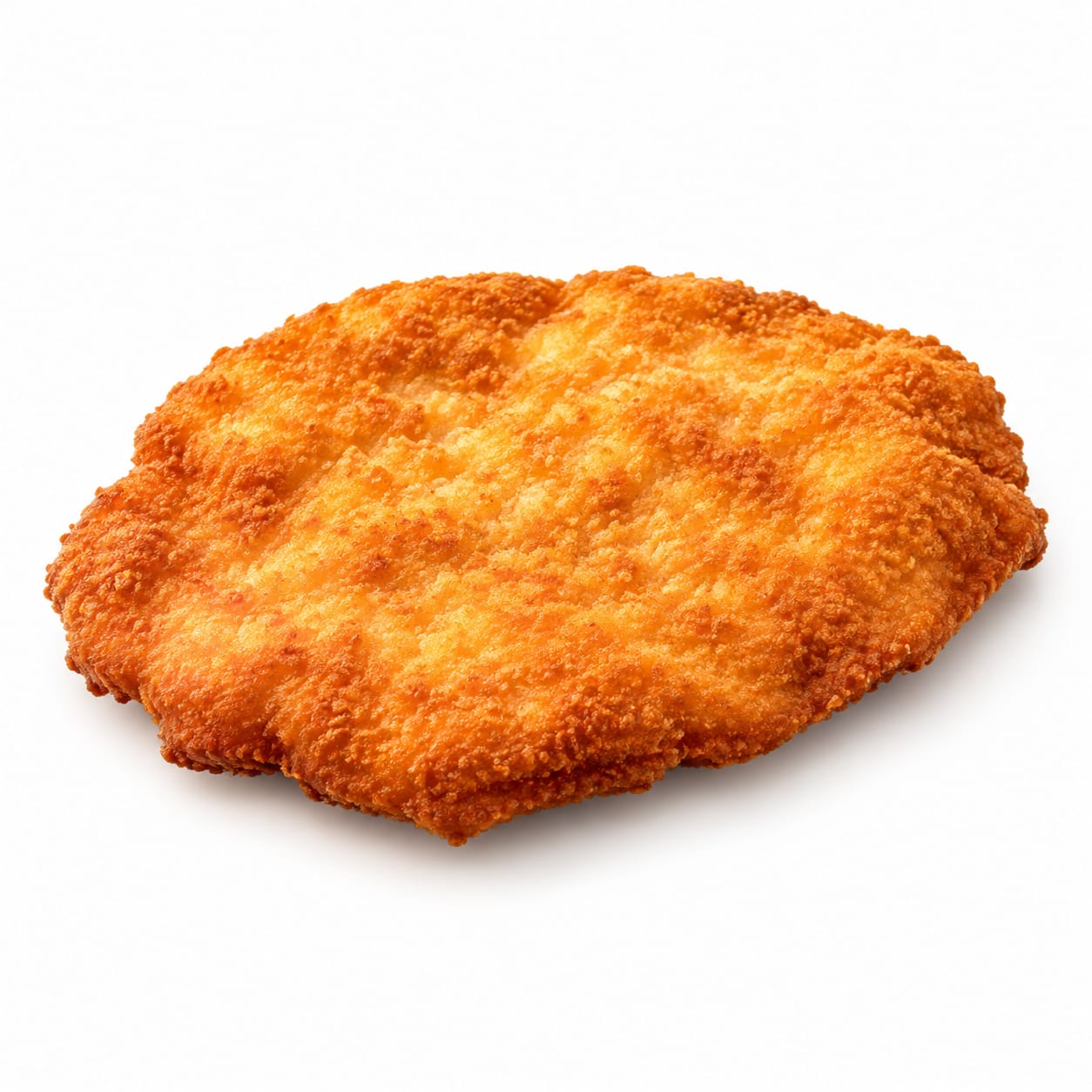
Schnitzel
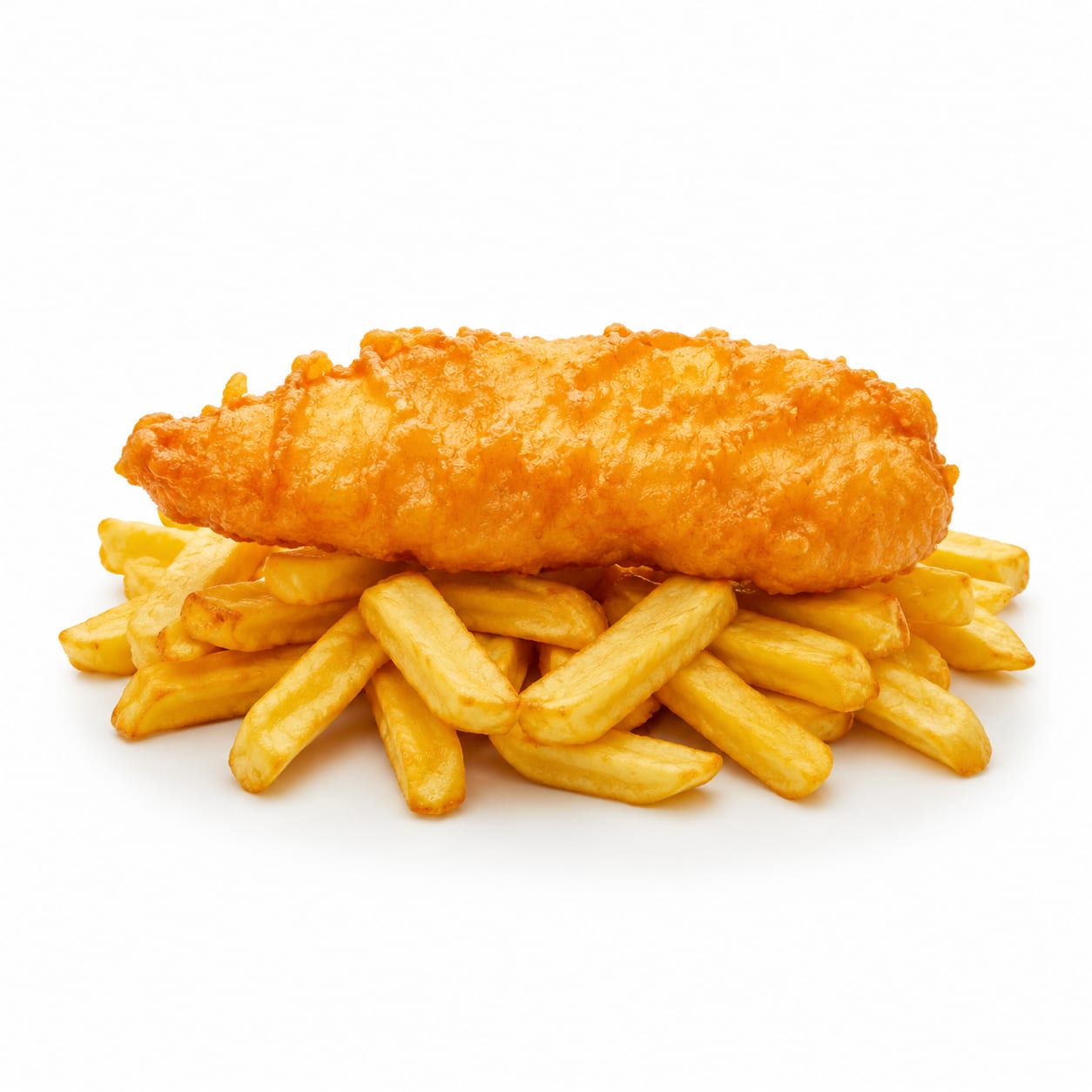
Fish and Chips
Schnitzel edges ahead thanks to higher protein density, fewer carbs, and a lighter calorie load, though Fish and Chips offers omega-3s that Schnitzel cannot match.
Schnitzel scores moderately higher due to superior protein density, lower carbohydrate load, and better satiety-per-calorie ratio. Fish and Chips loses ground on calorie density and carb burden, though its omega-3 content partially offsets the gap. Neither food scores well overall because both are fried indulgence meals.
Schnitzel gives you more protein and steadier energy with less carb crash, while Fish and Chips delivers heart-healthy omega-3s buried under a mountain of fried potatoes and batter.
At a glance
Executive summary
Overall
Schnitzel
Healthier
Schnitzel
More practical
It depends
Daily use
Schnitzel
Key comparison lenses
fried food tradeoffs and health impact
Both foods are fried, making oil quality, batter absorption, and fat load the central concern for anyone choosing between them
protein type and nutritional value
Schnitzel delivers land-based protein with iron and zinc, while Fish and Chips offers omega-3s from fish, creating a meaningful nutrient tradeoff
calorie density and weight management
Fish and Chips packs significantly more calories due to the chips portion, which matters for anyone watching intake
carbohydrate load and blood sugar
The chips in Fish and Chips create a heavy carb burden that Schnitzel avoids, relevant for blood sugar and energy stability
contamination and safety concerns
Fish carries mercury and microplastic risks, while pork or veal schnitzel carries different but real concerns about antibiotic exposure and processing
Best choice for
Schnitzel
- People prioritizing high protein intake with minimal carbs
- Those wanting a filling meal without a heavy carb crash
- Anyone managing blood sugar who still wants a comfort food
- Individuals avoiding fish due to allergy or mercury concerns
Fish and Chips
- People who rarely eat fish and want an omega-3 boost
- Those seeking a larger, more filling meal for the price
- Anyone craving a classic comfort meal with a seaside vibe
- Individuals who tolerate carbs well and want more food volume
Least suitable for
Schnitzel
- People avoiding fried foods for heart health
- Those with pork or veal religious or ethical restrictions
- Anyone on a low-fat diet
- People watching cholesterol closely
Fish and Chips
- People managing diabetes or insulin resistance
- Those on low-calorie or low-carb diets
- Anyone concerned about mercury exposure
- People with fish allergies
Deep comparison
Dimension by dimension
Each lens scores both foods and breaks down who each option suits.
- Dimension 1 · Priority 95Schnitzel
Calorie Density and Fat Load
Schnitzel · 55Fish and Chips · 30Schnitzel is fried but typically pan-fried with moderate oil absorption. Fish and Chips is deep-fried and comes with a massive side of deep-fried potatoes, easily doubling the calorie count.
Tradeoff
A single Fish and Chips portion can hit 900-1200 calories, while Schnitzel without heavy sides lands around 500-700. The chips are the calorie killer.
Why it matters
If you eat either food regularly, the calorie difference compounds fast. An extra 400-500 calories per meal adds up to significant weight gain over months.
Real-world impact
After Fish and Chips, you are more likely to feel sluggish and overly full. Schnitzel leaves room on the plate and in your stomach for a side salad or vegetables.
Schnitzel
- Weight management
- Avoiding post-meal food coma
- Controlling daily calorie intake
Better for
- People who want a large meal for the price
Worse for
Fish and Chips
- Days when you need maximum calories
- Active individuals who burn heavy meals easily
Better for
- Sedentary eaters
- Anyone tracking calories
- People prone to overeating
Worse for
- Dimension 2 · Priority 88Schnitzel
Protein Quality and Density
Schnitzel · 72Fish and Chips · 55Schnitzel delivers dense, complete protein from pork or veal with high iron and zinc. Fish provides quality protein too, but the portion of actual fish in Fish and Chips is smaller relative to the total meal.
Tradeoff
Schnitzel gives you more protein per bite and per calorie. Fish offers omega-3s alongside its protein, but much of the plate is batter and chips, not fish.
Why it matters
Higher protein density means better satiety, muscle maintenance, and steadier energy. When protein is diluted by carbs and batter, you get less of these benefits.
Real-world impact
After Schnitzel, you stay full longer because of the concentrated protein. After Fish and Chips, the fullness fades faster once the carb rush wears off.
Schnitzel
- Muscle maintenance
- Staying full between meals
- Iron and zinc intake
Better for
- People avoiding red meat for heart health
Worse for
Fish and Chips
- Omega-3 intake alongside protein
- Those who prefer lighter-tasting protein sources
Better for
- Anyone counting protein grams per meal
- Those wanting protein without excess carbs
Worse for
- Dimension 3 · Priority 82It depends
Heart Health Potential
Schnitzel · 38Fish and Chips · 42Neither food is heart-healthy. Schnitzel brings saturated fat from pork or veal. Fish and Chips brings omega-3s from fish, but deep-frying in reused oil creates inflammatory compounds that undermine the benefit.
Tradeoff
The omega-3s in Fish and Chips are a genuine plus, but they come wrapped in oxidized frying oil. Schnitzel lacks omega-3s entirely but typically uses less oil overall.
Why it matters
If you eat fried fish occasionally, the omega-3s still offer some value. But regular consumption of deep-fried foods of any kind works against heart health regardless of the protein source.
Real-world impact
Choosing Fish and Chips once a month for the omega-3s is reasonable. Choosing it weekly thinking it is heart-healthy is a mistake.
Schnitzel
- Occasional indulgence with less total oil
- Meals where you control the frying oil quality at home
Better for
- Anyone with high LDL cholesterol
- Regular consumers of red meat
Worse for
Fish and Chips
- Infrequent omega-3 intake from a comfort food source
- People who otherwise never eat fish
Better for
- People who already eat fried foods frequently
- Anyone with existing heart disease
Worse for
- Dimension 4 · Priority 80Schnitzel
Carbohydrate Burden
Schnitzel · 68Fish and Chips · 25Schnitzel has minimal carbs from its thin breading. Fish and Chips piles on refined carbs from thick batter and a large portion of fried potatoes, often exceeding 80g of carbs per serving.
Tradeoff
Schnitzel keeps blood sugar relatively stable. Fish and Chips delivers a massive carb spike followed by an energy crash an hour or two later.
Why it matters
High refined carb loads trigger insulin spikes, promote fat storage, and leave you hungry again sooner. This matters enormously for anyone with metabolic concerns.
Real-world impact
After Fish and Chips, you may feel sleepy by mid-afternoon and crave a snack within two hours. Schnitzel with a salad keeps energy steadier.
Schnitzel
- Blood sugar stability
- Low-carb and keto-friendly eating
- Avoiding afternoon energy crashes
Better for
- People wanting a cheap, calorie-dense meal
Worse for
Fish and Chips
- Post-workout carb refueling
- Endurance athletes needing glycogen replenishment
Better for
- People with diabetes or prediabetes
- Anyone on a low-carb plan
- Those sensitive to blood sugar swings
Worse for
- Dimension 5 · Priority 75Schnitzel
Satiety and Fullness
Schnitzel · 70Fish and Chips · 62Schnitzel provides protein-driven satiety that lasts. Fish and Chips provides volume-driven fullness that fades once the carbs digest.
Tradeoff
Fish and Chips feels more immediately filling because of sheer volume, but Schnitzel keeps you satisfied longer due to higher protein density per calorie.
Why it matters
Volume-based fullness disappears within 1-2 hours. Protein-based satiety can last 3-4 hours, reducing snacking between meals.
Real-world impact
Fish and Chips at lunch often leads to a 3pm vending machine visit. Schnitzel with vegetables carries you to dinner more reliably.
Schnitzel
- Long-lasting satiety
- Reduced between-meal snacking
- Portion control without hunger
Better for
- People who equate large portions with satisfaction
Worse for
Fish and Chips
- Immediate feeling of being very full
- Those who prefer large-volume meals
Better for
- Anyone trying to avoid late-afternoon cravings
Worse for
- Dimension 6 · Priority 70It depends
Sodium Load
Schnitzel · 40Fish and Chips · 30Both foods are high in sodium. Schnitzel gets salt from seasoning and breading. Fish and Chips gets salt from batter, chips, and often heavy table salting.
Tradeoff
Fish and Chips typically contains more sodium overall because every component is salted, and the chips absorb salt readily. Schnitzel salt content varies more by preparation.
Why it matters
High sodium intake raises blood pressure and contributes to bloating. For salt-sensitive individuals, both foods are problematic, but Fish and Chips is usually worse.
Real-world impact
After Fish and Chips, you may notice thirst and bloating that evening. Schnitzel can have the same effect if heavily salted, especially in restaurant preparations.
Schnitzel
- Home-cooked versions where you control salt
- Slightly lower typical sodium load
Better for
- Restaurant versions with heavy seasoning
Worse for
Fish and Chips
- None for sodium specifically
Better for
- People with hypertension
- Anyone watching salt intake
- Those prone to bloating
Worse for
- Dimension 7 · Priority 72Schnitzel
Contamination and Safety
Schnitzel · 58Fish and Chips · 42Schnitzel made from pork or veal carries antibiotic and processing concerns but generally lower contamination risk. Fish and Chips introduces mercury, microplastics, and potential heavy metal exposure depending on the fish species used.
Tradeoff
Pork and veal have well-regulated supply chains in most countries. Fish contamination varies wildly by species, with cod being moderate risk but larger fish like haddock carrying more concern.
Why it matters
Occasional consumption of either is low risk. But if you eat Fish and Chips weekly, mercury accumulation becomes a real consideration, especially for pregnant women and children.
Real-world impact
Choosing Fish and Chips a few times a year is safe for most people. Making it a weekly habit raises cumulative mercury exposure meaningfully over time.
Schnitzel
- Lower heavy metal risk
- More predictable sourcing
- Pregnant women avoiding mercury
Better for
- People avoiding pork for religious reasons
- Those concerned about antibiotic use in livestock
Worse for
Fish and Chips
- None for contamination specifically
Better for
- Pregnant and breastfeeding women
- Children
- Frequent fish consumers already near mercury limits
Worse for
- Dimension 8 · Priority 65Schnitzel
Digestive Comfort
Schnitzel · 55Fish and Chips · 38Schnitzel is pan-fried with a thin crust, making it moderately heavy but manageable. Fish and Chips combines deep-fried batter, deep-fried potatoes, and often vinegar, creating a harder-to-digest meal.
Tradeoff
The combination of thick batter, greasy chips, and acidic vinegar in Fish and Chips can trigger heartburn and sluggish digestion. Schnitzel is gentler on the stomach by comparison.
Why it matters
If you have any reflux, IBS, or sensitive digestion, deep-fried carb-heavy meals are a common trigger. Schnitzel is not ideal either, but it is less likely to cause acute discomfort.
Real-world impact
Fish and Chips is a common trigger for evening heartburn and bloating. Schnitzel, while still rich, is less frequently associated with acute digestive complaints.
Schnitzel
- People with acid reflux
- Those with sensitive digestion
- Avoiding post-meal bloating
Better for
- People with gallbladder issues who cannot handle fried foods
Worse for
Fish and Chips
- Those with robust digestion who tolerate fried foods well
Better for
- Anyone prone to heartburn
- People with IBS triggered by greasy foods
- Those who experience bloating from fried carbs
Worse for
Timeline
Health impact over time
Short-term
Hours to days
Schnitzel
- Moderate fullness from concentrated protein
- Some post-meal sluggishness from fried preparation
- Steadier energy compared to carb-heavy alternatives
- Possible thirst from breading salt content
Fish and Chips
- Heavy fullness from large volume of food
- Likely energy crash within 1-2 hours from carb spike
- Bloating and thirst from high sodium and oil
- Possible heartburn from greasy batter and vinegar
Long-term
Months to years
Schnitzel
- Regular consumption contributes to saturated fat intake and elevated LDL cholesterol
- Iron and zinc benefits from red meat if consumed in moderation
- Weight gain risk if eaten frequently with heavy sides
- No omega-3 contribution to cardiovascular health
Fish and Chips
- Cumulative mercury exposure if eaten weekly, especially with larger fish species
- Some omega-3 benefit even from fried fish, though reduced by deep-frying
- High calorie and carb load accelerates weight gain if consumed regularly
- Chronic high sodium intake raises blood pressure over time
Risk profile
Safety & processing
Schnitzel is a simple preparation of meat, flour, egg, and breadcrumbs, making it relatively clean for a fried food. Fish and Chips involves batter with possible preservatives, deep-frying oil that may contain additives, and chips that may be pre-frozen with added coatings. Schnitzel is easier to replicate at home with whole ingredients, while Fish and Chips typically relies on commercial frying setups with less transparent oil quality.
Schnitzel
Undercooked pork contamination
mediumProperly cooked schnitzel poses minimal risk, but thin cutlets cooked too quickly could harbor parasites or bacteria if pork is not fully cooked through.
Antibiotic and hormone residues in pork
lowConventionally raised pork may carry antibiotic residues. Sourcing from reputable or organic producers reduces this concern significantly.
Fish and Chips
Mercury and heavy metal accumulation in fish
mediumCod and haddock are moderate-mercury fish, but frequent consumption accumulates exposure. Pregnant women and children should limit intake.
Oxidized frying oil compounds
mediumDeep-frying fish in oil that has been reused creates aldehydes and other inflammatory compounds. Takeaway shops often reuse oil extensively.
Microplastic contamination in fish
lowSeafood generally carries microplastic particles. The health impact is still being studied but is an emerging concern for regular fish consumers.
Who wins for whom
Audience fit
Same foods, different winners depending on your goal.
children
It dependsSchnitzel is safer for children regarding mercury exposure, but Fish and Chips provides omega-3s beneficial for brain development. Limit Fish and Chips to occasional meals to manage mercury risk.
daily consumption
SchnitzelNeither should be eaten daily, but Schnitzel is less harmful as an occasional regular meal due to lower carb load and calorie density. Fish and Chips as a daily meal would rapidly compound sodium, mercury, and calorie concerns.
diabetes
SchnitzelSchnitzel has minimal impact on blood sugar due to low carbohydrate content. Fish and Chips delivers a massive refined carb load that spikes glucose and insulin sharply.
elderly
SchnitzelOlder adults benefit from Schnitzel's higher protein density for muscle preservation and lower sodium impact. Fish and Chips' heavy carb and sodium load is harder on aging metabolism and blood pressure.
muscle gain
SchnitzelSchnitzel provides more concentrated complete protein with iron and zinc, which supports muscle maintenance and recovery better than the diluted protein in Fish and Chips.
weight loss
SchnitzelSchnitzel has fewer calories, less carb load, and more protein per serving, making it easier to fit into a calorie-controlled plan when paired with vegetables instead of heavy sides.
Your move
Decision guide
Choose Schnitzel
- You want more protein and less carbs in your meal
- You are managing blood sugar, weight, or calorie intake
- You are concerned about mercury exposure from fish
- You want a comfort meal that does not leave you in a carb coma
- You are cooking at home and want something simple to prepare well
Choose Fish and Chips
- You rarely eat fish and want an omega-3 boost
- You are very active and can handle the calorie and carb load
- You are sharing a casual meal and want the classic takeaway experience
- You have been craving something deeply comforting and salty
- You want more food volume for your money
Either works if
- You are eating out and both options are treat meals
- You have no specific dietary restrictions and want indulgence
- You plan to balance the meal with a large salad or vegetables
Avoid both if
- You have gallbladder issues and cannot tolerate fried foods
- You are on a strict low-fat or heart-healthy diet
- You have severe sodium restrictions
- You eat fried foods more than twice a week already
Final recommendation
Schnitzel is the smarter choice more often because it delivers more protein, fewer carbs, and fewer calories per meal. Fish and Chips has the omega-3 advantage, but it comes buried under too much fried batter and potatoes to call it healthy. If you choose Fish and Chips, eat it occasionally and consider sharing the chips portion. If you choose Schnitzel, pair it with a fresh salad instead of fries to make it a genuinely balanced plate.
Practical
Consumer tips
- 1
Ask for Fish and Chips with the chips on the side and share them to cut the carb and calorie load in half
- 2
Make Schnitzel at home using olive oil or avocado oil for pan-frying to improve the fat quality significantly
- 3
If ordering Fish and Chips, ask which fish species is used and prefer cod or haddock over larger predatory fish with higher mercury
- 4
Squeeze lemon on Schnitzel instead of using heavy sauces to add flavor without extra calories
- 5
Order a side salad with either meal to add fiber and nutrients that neither dish provides on its own
- 6
Avoid eating either meal late at night as the fat and salt content disrupts sleep quality
- 7
If you have Fish and Chips, skip the mushy peas and tartar sauce to reduce added sugar and fat
- 8
Reheat leftover Schnitzel in an oven or air fryer rather than a microwave to keep the crust crispy without adding more oil