
Nutrition comparison
Schnitzel vs Tonkatsu: Which Fried Cutlet Is Healthier?
Compare Schnitzel and Tonkatsu nutrition, calories, fat, and health impact. Learn which breaded cutlet is the smarter choice for your diet and when to enjoy each.
Overall winner · Schnitzel
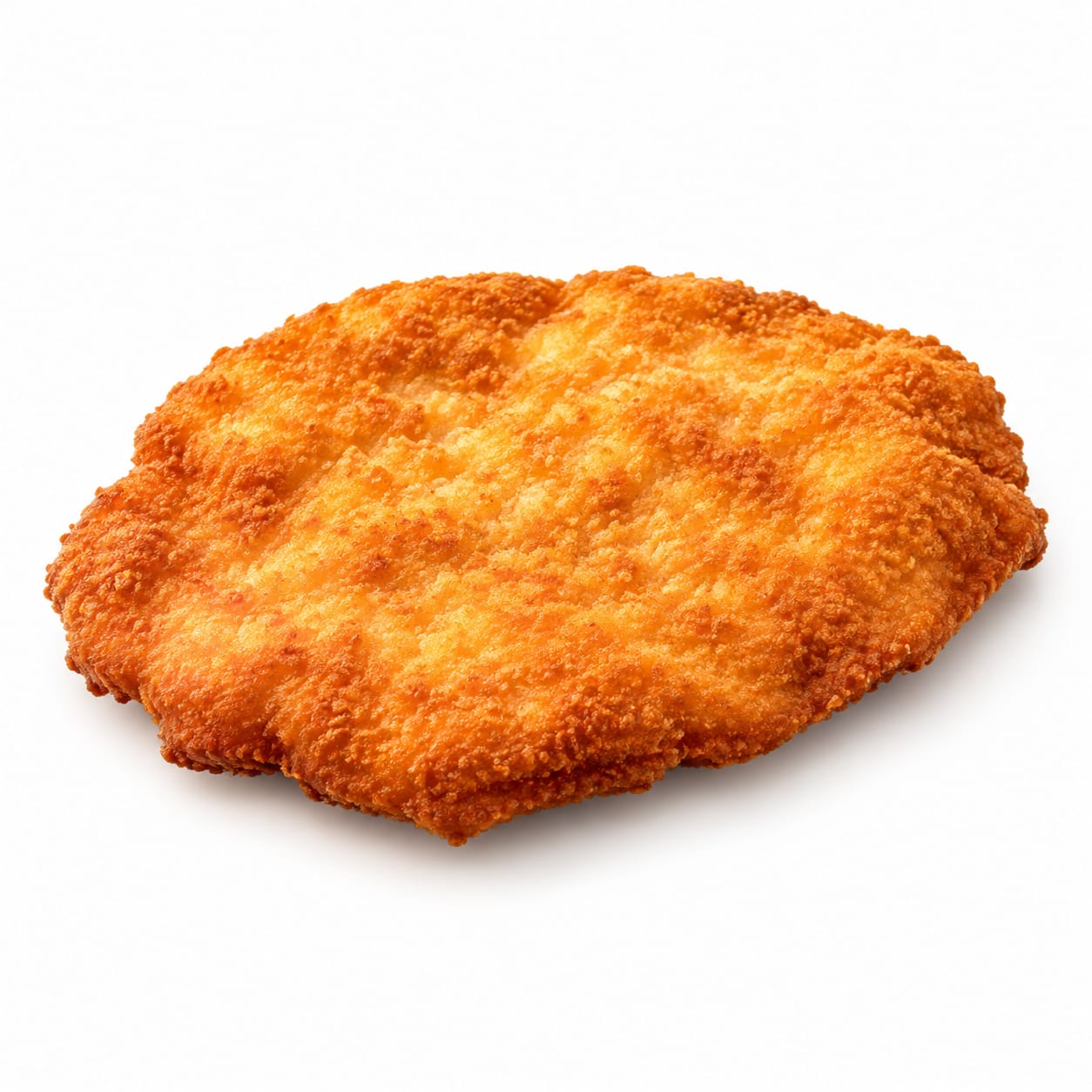
Schnitzel
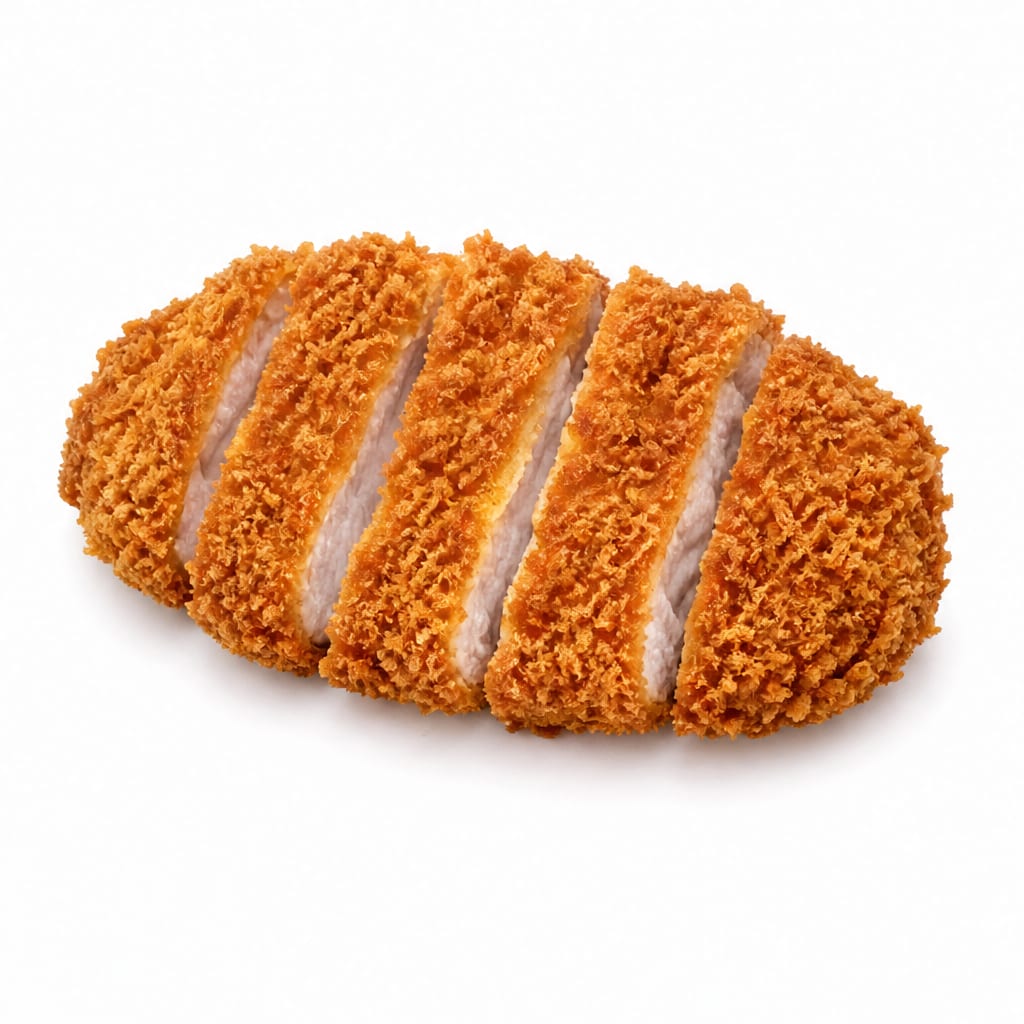
Tonkatsu
Schnitzel edges out Tonkatsu primarily because pan-frying absorbs far less oil than deep-frying, making it the lighter comfort choice.
Schnitzel scores moderately higher because pan-frying absorbs meaningfully less oil than deep-frying. The gap is not enormous since both are breaded fried meats, but the cooking method difference is consistent and significant enough to matter for regular consumption.
Tonkatsu delivers a thicker, juicier, more indulgent bite with its deep-fried crust, but you pay for it with significantly more calories and fat per serving.
At a glance
Executive summary
Overall
Schnitzel
Healthier
Schnitzel
More practical
It depends
Daily use
Schnitzel
Key comparison lenses
Frying method health impact
Pan-frying versus deep-frying is the single biggest nutritional difference between these two dishes
Calorie and fat density comparison
Both are breaded fried meats, but oil absorption varies dramatically with cooking technique
Sodium and sauce considerations
Tonkatsu sauce adds significant sugar and sodium compared to Schnitzel's traditional lemon wedge
Protein quality and satiety
Both deliver solid protein but cut thickness and breading ratios affect the protein-to-calorie ratio
Comfort food frequency and sustainability
Users choosing between these want to know which comfort food is easier to enjoy regularly without health consequences
Best choice for
Schnitzel
- People watching calorie intake who still want fried comfort food
- Home cooks wanting a faster pan-fried option
- Those avoiding heavy deep-fried meals in the evening
- Anyone limiting sodium who prefers a simple lemon squeeze over sweet sauce
Tonkatsu
- Those wanting maximum flavor indulgence for a special meal
- People prioritizing protein density from a thicker pork cut
- Anyone craving that signature crispy panko crunch
- Fans of Japanese cuisine seeking authentic restaurant-quality experience at home
Least suitable for
Schnitzel
- People on strict low-fat diets since even pan-frying adds significant fat
- Those wanting a thick, juicy cut experience
- Anyone avoiding veal or pork who cannot find chicken or turkey variants
Tonkatsu
- People managing weight since deep-frying dramatically increases calorie density
- Anyone on sodium-restricted diets due to tonkatsu sauce
- Those with gallbladder or digestive issues triggered by heavy fried foods
- People eating late at night who need something lighter
Deep comparison
Dimension by dimension
Each lens scores both foods and breaks down who each option suits.
- Dimension 1 · Priority 95Schnitzel
Fat and Oil Content
Schnitzel · 55Tonkatsu · 35Pan-fried Schnitzel absorbs substantially less oil than deep-fried Tonkatsu, resulting in a noticeably lighter fat profile.
Tradeoff
Tonkatsu's deep-frying creates an unmatched shatteringly crisp panko crust, but that texture comes from significantly more absorbed oil.
Why it matters
Oil from deep-frying can double the fat content compared to pan-frying. This directly affects calorie intake and how heavy you feel afterward.
Real-world impact
After Schnitzel you might feel satisfied but still mobile. After Tonkatsu you are more likely to feel sluggish and heavy, especially in warmer weather.
Schnitzel
- Lighter post-meal energy
- Lower daily fat intake
- Easier evening digestion
Better for
- Less crispy crust overall
- Can dry out if overcooked due to thinner cut
Worse for
Tonkatsu
- Richer mouthfeel
- More satisfying crunch texture
- Better cold leftover experience
Better for
- Heavier digestive load
- Significantly more calories from oil
- Greasy residue on palate
Worse for
- Dimension 2 · Priority 90Schnitzel
Calorie Density
Schnitzel · 52Tonkatsu · 38A typical Schnitzel serving runs 350-500 calories versus Tonkatsu at 500-700 calories, largely driven by oil absorption differences.
Tradeoff
Tonkatsu's thicker cut feels more like a complete meal in itself, but the calorie cost per bite is meaningfully higher.
Why it matters
If you eat either dish even twice a month, the calorie difference compounds into several thousand extra calories per year from Tonkatsu.
Real-world impact
Choosing Schnitzel over Tonkatsu once a week could save you roughly 200-300 calories per meal, which adds up to meaningful weight difference over months.
Schnitzel
- Easier portion control
- Better fit within standard daily calorie targets
- Less post-meal food coma
Better for
- May need larger side portions to feel full
- Thinner cut can feel less satisfying alone
Worse for
Tonkatsu
- More calorie-dense for those needing to gain weight
- Feels like a more substantial single-plate meal
Better for
- Easy to overconsume calories without realizing
- Heavier meal may reduce activity level after eating
Worse for
- Dimension 3 · Priority 78Schnitzel
Sodium and Sauce Impact
Schnitzel · 60Tonkatsu · 40Schnitzel's traditional lemon wedge adds virtually no sodium, while Tonkatsu sauce contributes 300-500mg sodium per typical serving.
Tradeoff
Tonkatsu sauce delivers a complex sweet-savory umami flavor that lemon cannot match, but it loads the dish with hidden sodium and sugar.
Why it matters
A single Tonkatsu meal with sauce can deliver a third of your daily sodium limit. Schnitzel with lemon keeps sodium primarily in the meat and breading.
Real-world impact
If you have blood pressure concerns, Schnitzel with lemon is far easier on your system. Tonkatsu sauce can cause noticeable bloating and thirst.
Schnitzel
- Blood pressure friendly
- No hidden sugar in the condiment
- Cleaner flavor that lets the meat taste come through
Better for
- Can taste plain without sauce for some palates
- Lemon alone may feel insufficient for flavor seekers
Worse for
Tonkatsu
- More complex and satisfying flavor profile
- Umami richness makes the meal feel more complete
- Sauce adds moisture to leaner pork cuts
Better for
- Significant sodium load per meal
- Added sugar from sauce affects blood sugar
- Sauce masks the natural pork flavor
Worse for
- Dimension 4 · Priority 72Tonkatsu
Protein Quality and Satiety
Schnitzel · 55Tonkatsu · 65Tonkatsu's thicker pork cut delivers more protein per serving, though both provide solid complete protein from quality meat.
Tradeoff
More protein in Tonkatsu comes with proportionally more fat and calories, so the protein-to-calorie ratio is actually worse than Schnitzel.
Why it matters
For pure muscle maintenance or gain, protein matters. But if you are also watching calories, Schnitzel offers a better protein-to-calorie ratio.
Real-world impact
After Tonkatsu you stay full longer due to the thicker cut and higher fat content. Schnitzel satisfies but hunger returns sooner.
Schnitzel
- Better protein-to-calorie ratio
- Leaner protein option for cutting phases
- Available in veal or chicken for variety
Better for
- Less total protein per serving
- Thinner cut digests faster
- Hunger returns sooner
Worse for
Tonkatsu
- Higher absolute protein per serving
- Longer lasting fullness from thicker cut
- More satisfying for post-workout recovery meals
Better for
- Protein comes packaged with significantly more fat
- Less suitable for lean bulk diets
- Higher calorie cost per gram of protein
Worse for
- Dimension 5 · Priority 68Schnitzel
Digestive Comfort
Schnitzel · 60Tonkatsu · 42Pan-fried Schnitzel sits lighter in the stomach than deep-fried Tonkatsu, which can cause heaviness and sluggishness.
Tradeoff
Tonkatsu's richness feels deeply comforting in the moment but can lead to bloating and digestive discomfort an hour later.
Why it matters
Deep-fried foods slow gastric emptying significantly. This is why you feel stuffed longer after Tonkatsu but also why that feeling can become uncomfortable.
Real-world impact
Schnitzel is a better lunch choice if you need to be productive afterward. Tonkatsu is better saved for dinner when you can relax and digest.
Schnitzel
- Easier on the stomach
- Better lunch option for working days
- Less likely to cause heartburn or acid reflux
Better for
- May feel too light as a standalone dinner
- Less emotionally satisfying as comfort food
Worse for
Tonkatsu
- Deep satisfaction for comfort eating
- Warming and filling in cold weather
Better for
- Can trigger heartburn in susceptible people
- Heavy feeling may last hours
- Not ideal before physical activity
Worse for
- Dimension 6 · Priority 60Schnitzel
Culinary Versatility and Accessibility
Schnitzel · 70Tonkatsu · 55Schnitzel works with more meat options and requires less specialized equipment, while Tonkatsu demands deep-frying setup and specific panko breadcrumbs.
Tradeoff
Tonkatsu's specialized technique produces a uniquely satisfying result that is harder to replicate with shortcuts, but it is less accessible for home cooking.
Why it matters
The easier a dish is to make well at home, the more control you have over ingredients, oil quality, and portion size.
Real-world impact
You can pan-fry Schnitzel in any skillet with basic breadcrumbs. Tonkatsu really needs a deep-fryer or deep pot, thermometer, and panko for authentic results.
Schnitzel
- Works with veal, pork, chicken, or turkey
- Simple stovetop cooking without special equipment
- Easier to make healthier versions at home
- More familiar technique for Western home cooks
Better for
- Less exciting for adventurous eaters
- Can feel repetitive as a regular meal
Worse for
Tonkatsu
- Unique texture experience worth the effort
- Pairs beautifully with Japanese side dishes
- Restaurant experience feels more special
Better for
- Harder to execute well at home
- Requires specific ingredients not always available
- Deep-frying creates mess and oil disposal issues
Worse for
Timeline
Health impact over time
Short-term
Hours to days
Schnitzel
- Moderate satiety without excessive fullness
- Steadier energy levels post-meal compared to deep-fried alternatives
- Possible mild heartburn if eaten too quickly due to breading
Tonkatsu
- Heavier fullness that can last 3-4 hours
- Higher likelihood of post-meal sluggishness or food coma
- Sodium from sauce may cause thirst and mild bloating
- Deep-fried fat can trigger heartburn in sensitive individuals
Long-term
Months to years
Schnitzel
- More sustainable as an occasional comfort food due to lower calorie impact
- Less cumulative cardiovascular strain from lower oil absorption
- Still a fried food that should be limited to weekly rather than daily consumption
Tonkatsu
- Regular consumption significantly increases calorie and fat intake over time
- Higher sodium exposure from sauce may affect blood pressure with frequent eating
- Deep-frying at high temperatures creates more advanced glycation end products
- Best reserved for occasional indulgence rather than weekly habit
Risk profile
Safety & processing
Both are freshly cooked dishes with similar breading techniques, but Tonkatsu sauce introduces more processed ingredients including sugar, hydrolyzed proteins, and preservatives. Schnitzel's lemon wedge is essentially unprocessed, making its overall additive profile cleaner.
Schnitzel
Undercooked pork or veal
mediumThinner cuts cook quickly but must reach safe internal temperature. Veal Wiener Schnitzel is sometimes served slightly pink in Austria, which carries risk for vulnerable individuals.
Rancid frying oil
lowPan-frying uses less oil that is typically refreshed more often, but reused butter or oil can develop harmful compounds.
Tonkatsu
Deep-frying oil degradation
mediumDeep-frying requires larger oil volumes that may be reused multiple times, increasing oxidation and potentially harmful compound formation.
Sauce contamination and spoilage
lowTonkatsu sauce is shelf-stable but can accumulate bacteria from double-dipping or cross-contamination in restaurant settings.
Acrylamide formation
mediumDeep-frying breaded meats at high temperatures produces more acrylamide than pan-frying, a compound classified as a probable carcinogen.
Who wins for whom
Audience fit
Same foods, different winners depending on your goal.
children
It dependsKids often love the sweet Tonkatsu sauce and crunch, but Schnitzel's milder flavor and lighter texture may suit picky eaters better. Both should be occasional treats.
daily consumption
SchnitzelNeither should be eaten daily, but if forced to choose, Schnitzel's lower fat and sodium profile makes it less harmful as a regular option.
diabetes
SchnitzelNo sugary sauce means fewer refined carbohydrates and a more stable blood sugar response. Tonkatsu sauce adds unexpected sugar to a savory meal.
elderly
SchnitzelLighter digestion and lower sodium make Schnitzel more appropriate for older adults managing blood pressure and digestive sensitivity.
muscle gain
TonkatsuThe thicker pork cut delivers more total protein per serving, and the higher calorie content supports the caloric surplus needed for building muscle.
weight loss
SchnitzelPan-frying absorbs meaningfully less oil, resulting in 150-200 fewer calories per comparable serving. The lighter sauce option also eliminates hidden sugar calories.
Your move
Decision guide
Choose Schnitzel
- You want the fried food experience with less caloric damage
- You are watching your sodium or blood pressure
- You are cooking at home without deep-frying equipment
- You prefer a lighter meal that will not slow down your afternoon
- You want flexibility to use chicken or turkey instead of pork
Choose Tonkatsu
- You are treating yourself to a special indulgent meal
- You crave that deep-fried panko crunch nothing else replicates
- You are bulking and want maximum calories and protein per serving
- You have a deep-fryer setup and want authentic Japanese comfort food
- It is cold weather and you want something deeply warming and satisfying
Either works if
- You simply want quality breaded fried meat as an occasional treat
- You are dining out and both options are available at similar quality
- You plan to balance the meal with a large fresh salad and skip starchy sides
Avoid both if
- You have gallbladder issues and cannot tolerate fried foods
- You are on a strict low-fat diet for medical reasons
- You have severe heartburn or GERD triggered by fried foods
- You are trying to eliminate all deep-fried and pan-fried foods from your diet
Final recommendation
For regular enjoyment, Schnitzel is the smarter choice due to its lighter cooking method and cleaner flavor profile. Save Tonkatsu for when you truly want to indulge in that unbeatable deep-fried crunch. Both are comfort foods best enjoyed weekly at most, not daily.
Practical
Consumer tips
- 1
If making Tonkatsu at home, use clean oil and a thermometer to minimize harmful compound formation from overheating
- 2
Ask for Tonkatsu sauce on the side so you control the amount, cutting sodium by up to half
- 3
For Schnitzel, choose pork or chicken over veal for better animal welfare and lower cost without sacrificing much flavor
- 4
Pair either dish with a large portion of raw or lightly dressed vegetables to balance the meal nutritionally
- 5
Drain both meats on a wire rack rather than paper towels to keep the crust crisp without adding absorbent grease
- 6
If ordering Schnitzel at a restaurant, ask if they pan-fry or deep-fry, as some establishments deep-fry even Schnitzel, eliminating the advantage
- 7
Make Schnitzel with whole wheat breadcrumbs for added fiber and a nuttier flavor that pairs well with lemon
- 8
For a lighter Tonkatsu experience, try oven-baking at high heat with a light oil spray, though the texture will differ from traditional deep-fried