
Nutrition comparison
Schnitzel vs Pork Chop: Which Is Healthier?
Compare schnitzel and pork chop on calories, protein, fat, and health impact. Find out which is better for weight loss, muscle gain, and everyday meals.
Overall winner · Pork Chop
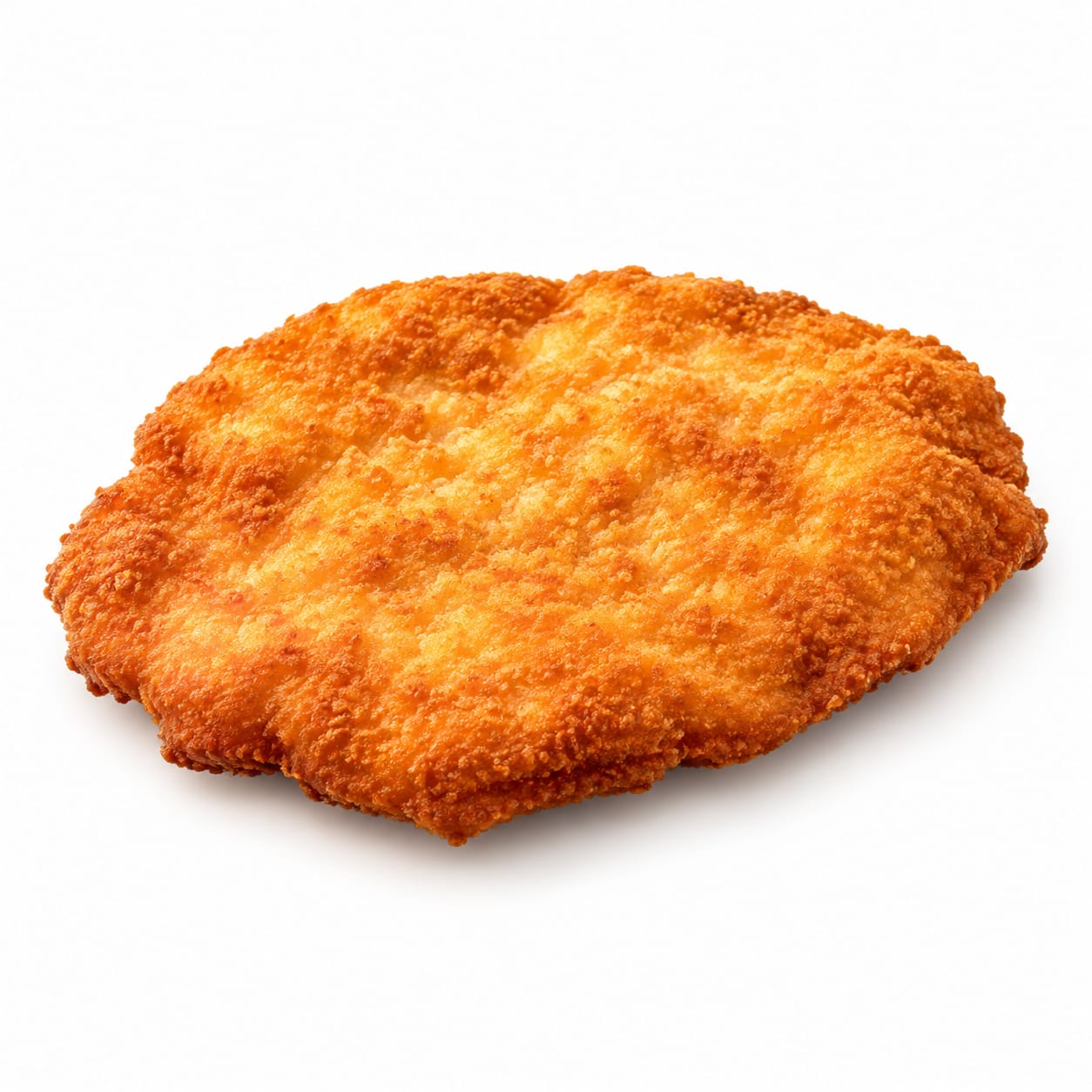
Schnitzel
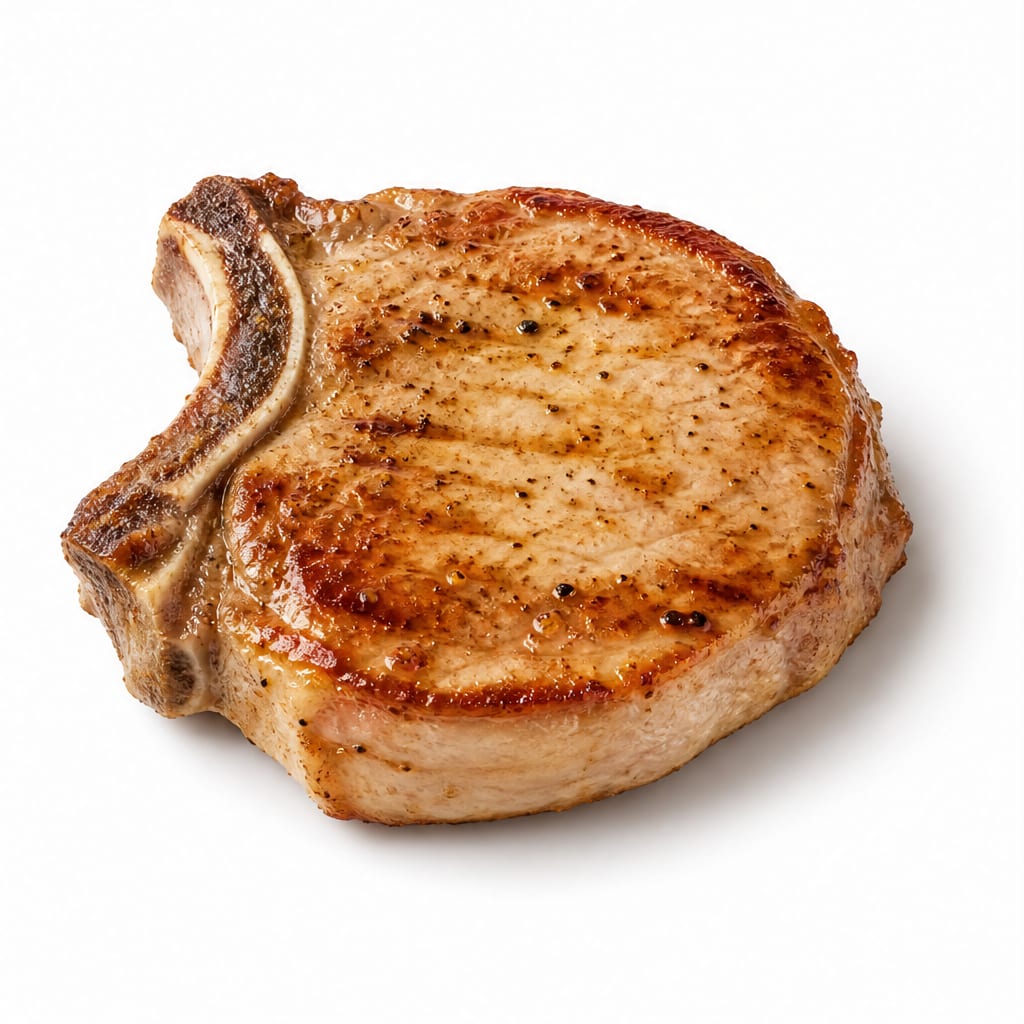
Pork Chop
Pork chop delivers cleaner protein with fewer calories and less processing, while schnitzel offers comfort and crunch at a nutritional cost.
Pork chop scores notably higher due to superior protein-to-calorie ratio, minimal processing, and better fat profile. Schnitzel loses ground on calorie density, frying oil exposure, and lower satiety per calorie.
Schnitzel trades extra calories, carbs, and frying fat for crispy satisfaction; pork chop keeps things lean and simple.
At a glance
Executive summary
Overall
Pork Chop
Healthier
Pork Chop
More practical
Pork Chop
Daily use
Pork Chop
Key comparison lenses
weight management and calorie density
Schnitzel's breading and frying dramatically increase calorie density compared to a simple pork chop
processing and additive exposure
Schnitzel involves breading with potential additives and deep frying, while pork chop is a whole cut of meat
heart health and fat quality
Frying oil and breading change the fat profile significantly between these two preparations
everyday meal practicality
Both are common dinner proteins but differ greatly in preparation effort and cleanup
protein quality per calorie
Users comparing these two often want to maximize protein while minimizing empty calories
Best choice for
Schnitzel
- Comfort food cravings and occasional indulgence
- Special occasions or cultural traditions
- Anyone prioritizing crispy texture and flavor over leanness
Pork Chop
- Weeknight dinners with minimal cleanup
- Lean protein goals and calorie-conscious eating
- Meal prep and consistent daily nutrition
Least suitable for
Schnitzel
- Daily calorie-controlled diets
- People managing heart disease or high cholesterol
- Anyone avoiding fried foods or excess oil
Pork Chop
- Those who find lean meat too dry or unappealing
- Situations calling for a celebratory or indulgent meal
- Anyone specifically craving crunchy breaded texture
Deep comparison
Dimension by dimension
Each lens scores both foods and breaks down who each option suits.
- Dimension 1 · Priority 92Pork Chop
calorie density and portion control
Schnitzel · 38Pork Chop · 72Schnitzel packs roughly 50-80% more calories per serving than pork chop due to oil absorption and breading.
Tradeoff
The crispy coating that makes schnitzel irresistible also makes it far easier to overeat without realizing it.
Why it matters
A single schnitzel can quietly deliver 500-700 calories, while a grilled pork chop sits around 250-350.
Real-world impact
Choosing pork chop over schnitzel a few times per week could save you 400-800 calories without feeling like you're eating less food.
Schnitzel
- Active individuals burning high calories
- Those struggling to eat enough and needing calorie density
Better for
- Sedentary lifestyles where extra calories add up fast
- Late dinners where heavy meals disrupt sleep
Worse for
Pork Chop
- Weight loss or maintenance goals
- Anyone tracking calories who wants more food volume per meal
Better for
- Underweight individuals needing calorie surplus
- Athletes in heavy training who need energy-dense meals
Worse for
- Dimension 2 · Priority 88Pork Chop
protein quality per calorie
Schnitzel · 45Pork Chop · 85Pork chop provides significantly more protein per calorie since schnitzel dilutes protein with carbs and fat from breading and frying.
Tradeoff
Schnitzel still has decent protein, but you pay a high caloric price to get it compared to a clean pork chop.
Why it matters
If you're eating to support muscle or satiety, protein per calorie is what keeps you full without overeating.
Real-world impact
A pork chop gives you roughly 25-30g protein in under 300 calories. Schnitzel needs 500+ calories to deliver similar protein.
Schnitzel
- Those who don't care about calorie efficiency and just want tasty protein
Better for
- Cutting phases where protein-to-calorie ratio matters most
Worse for
Pork Chop
- Muscle gain with calorie control
- High-protein diets where every calorie needs to earn its place
Better for
- Rare scenarios where someone specifically needs lower protein density
Worse for
- Dimension 3 · Priority 85Pork Chop
processing and additive exposure
Schnitzel · 35Pork Chop · 82Pork chop is a single-ingredient whole food. Schnitzel adds breading, often with preservatives, and absorbs frying oil.
Tradeoff
That golden crust comes with industrial breadcrumbs, possible emulsifiers, and oxidized frying oil that a plain pork chop simply avoids.
Why it matters
Minimally processed foods are consistently linked to better long-term health outcomes and easier digestion.
Real-world impact
Eating pork chop instead of schnitzel regularly reduces your exposure to refined carbs, seed oils, and hidden additives.
Schnitzel
- Those unconcerned about processing levels who prioritize tradition and taste
Better for
- Long-term daily consumption patterns
- People with sensitivities to fried foods or refined grains
Worse for
Pork Chop
- Clean eating approaches
- Anyone reducing ultra-processed food intake
Better for
- Those who find plain meat boring and end up adding heavy sauces instead
Worse for
- Dimension 4 · Priority 80Pork Chop
fat profile and heart health
Schnitzel · 32Pork Chop · 65Schnitzel's frying oil adds significant fat, often inflammatory seed oils, while pork chop's fat comes from the meat itself.
Tradeoff
Pan-fried schnitzel soaks up oil that can include omega-6-heavy seed oils, whereas pork chop fat is mostly monounsaturated and saturated from the animal.
Why it matters
The type and amount of fat you eat regularly shapes your cardiovascular risk over years, not just one meal.
Real-world impact
Swapping schnitzel for pork chop a few times weekly reduces your intake of oxidized frying oils and excess saturated fat from breading absorption.
Schnitzel
- Those using high-quality frying fats like butter or tallow occasionally
Better for
- People with existing cardiovascular concerns
- Those eating fried foods frequently from other sources too
Worse for
Pork Chop
- Heart health-conscious eaters
- Anyone managing cholesterol or triglycerides
Better for
- Very lean pork chops can be dry, leading people to add butter or oil anyway
Worse for
- Dimension 5 · Priority 75Pork Chop
satiety and fullness
Schnitzel · 55Pork Chop · 75Pork chop keeps you full longer per calorie eaten, while schnitzel's refined carbs can trigger faster hunger return.
Tradeoff
Schnitzel feels immediately satisfying from the crunch and fat, but the breading digests quickly and may leave you hungry sooner.
Why it matters
Foods that keep you full on fewer calories make healthy eating effortless instead of a willpower battle.
Real-world impact
After a pork chop dinner, you're less likely to snack later. After schnitzel, the carb crash may have you reaching for food within hours.
Schnitzel
- Those who find lean meat unsatisfying and need sensory pleasure to feel done eating
Better for
- Evening meals where late hunger leads to bedtime snacking
Worse for
Pork Chop
- Anyone trying to reduce snacking between meals
- Portion control without feeling deprived
Better for
- People who feel unsatisfied without crispy or starchy components and overeat later
Worse for
- Dimension 6 · Priority 72Pork Chop
carbohydrate and blood sugar impact
Schnitzel · 30Pork Chop · 85Pork chop is virtually zero carb. Schnitzel's breading adds 15-25g refined carbs that can spike blood sugar.
Tradeoff
The flour and breadcrumb coating turns an otherwise keto-friendly meat into a carb-containing meal that requires insulin response.
Why it matters
Steady blood sugar means steadier energy, fewer cravings, and better metabolic health over time.
Real-world impact
For diabetics or low-carb eaters, pork chop works effortlessly. Schnitzel requires planning and possibly medication adjustments.
Schnitzel
- Active people who burn through carbs quickly
- Those not concerned about blood sugar fluctuations
Better for
- Insulin-resistant individuals
- Late meals where blood sugar spikes impair sleep quality
Worse for
Pork Chop
- Diabetics and pre-diabetics
- Low-carb and keto diets
- Anyone seeking steady afternoon energy
Better for
- Endurance athletes who actually need carbs with their protein
Worse for
- Dimension 7 · Priority 68Pork Chop
versatility and meal integration
Schnitzel · 40Pork Chop · 80Pork chop adapts to grilling, baking, slow cooking, and dozens of cuisines. Schnitzel is a specific dish with limited flexibility.
Tradeoff
Schnitzel is always schnitzel. Pork chop can be anything from a quick sear to a slow braise to a stir-fry strip.
Why it matters
Foods that integrate into more meals get eaten more consistently, making healthy habits easier to sustain.
Real-world impact
A pack of pork chops can last the week as different meals. Schnitzel is a one-note dinner that gets boring faster.
Schnitzel
- Specific cultural or nostalgic meals where schnitzel is the point
Better for
- Anyone tired of eating the same preparation repeatedly
Worse for
Pork Chop
- Meal preppers who want one protein to use multiple ways
- Families needing flexible weeknight options
Better for
- Cooking for German or Austrian themed dinners where schnitzel is expected
Worse for
Timeline
Health impact over time
Short-term
Hours to days
Schnitzel
- Heavier post-meal fullness that may feel sluggish
- Potential blood sugar spike from breading followed by an energy dip
- Higher salt intake may cause bloating or thirst
Pork Chop
- Clean sustained energy without carb crash
- Comfortable fullness without heaviness
- Easier digestion with fewer ingredients to process
Long-term
Months to years
Schnitzel
- Regular fried food consumption linked to higher cardiovascular risk
- Refined carb intake from breading contributes to metabolic strain over time
- Higher calorie density makes gradual weight gain more likely if eaten frequently
Pork Chop
- Consistent lean protein supports muscle maintenance and metabolic health
- Minimal processing reduces exposure to compounds linked to chronic disease
- Lower calorie density helps maintain healthy weight when eaten regularly
Risk profile
Safety & processing
Pork chop is a straightforward cut of meat with nothing added. Schnitzel involves breading that may contain preservatives, dough conditioners, or added sodium, plus oil absorption from frying that changes the fat composition.
Schnitzel
Oxidized frying oils
mediumRepeated heating of frying oil creates compounds linked to inflammation. Restaurant schnitzel may use oil heated multiple times.
Undercooked pork with breading camouflage
mediumThe golden breading can make it harder to visually confirm the meat inside is fully cooked through.
Cross-contamination from breading station
lowBreading stations in commercial kitchens can introduce allergens like gluten and cross-contact with other proteins.
Pork Chop
Undercooking
mediumPork must reach safe internal temperature. Unlike schnitzel, there's no breading to hide undercooking, so it's easier to verify.
Dry cooking methods making meat unpalatable
lowOvercooked pork chop becomes tough and dry, which doesn't pose a safety risk but may lead people to add heavy sauces.
Who wins for whom
Audience fit
Same foods, different winners depending on your goal.
children
It dependsKids often prefer schnitzel's crunchy texture and milder flavor, but pork chop provides cleaner nutrition for growing bodies.
daily consumption
Pork ChopPork chop's minimal processing and lower calorie density make it suitable as a regular dinner protein without accumulating health costs.
diabetes
Pork ChopPork chop has virtually zero carbs and no blood sugar impact. Schnitzel's breading adds refined carbs that require insulin response.
elderly
Pork ChopOlder adults benefit from lean protein that's easier to digest and gentler on the cardiovascular system.
muscle gain
Pork ChopBoth provide quality protein, but pork chop offers it with far fewer calories from fat and carbs, allowing better macro control.
weight loss
Pork ChopPork chop delivers high protein and satiety at roughly half the calories of schnitzel, making it far easier to maintain a calorie deficit.
Your move
Decision guide
Choose Schnitzel
- You're craving comfort food and it's an occasional treat, not a habit
- It's a cultural or family tradition that matters to you emotionally
- You're very active and can easily burn the extra calories
- You find lean meat unsatisfying and would end up snacking anyway
Choose Pork Chop
- You want clean protein without the caloric baggage
- You're managing weight, blood sugar, or heart health
- You meal prep and need a versatile protein for multiple recipes
- You eat pork regularly and need a sustainable everyday option
Either works if
- You're eating out and both options are available in similar quality
- You mix up proteins throughout the week anyway
Avoid both if
- You don't eat pork for religious or personal reasons
- You have a pork allergy or sensitivity
- You're strictly plant-based
Final recommendation
Make pork chop your default and save schnitzel for when it truly matters. The nutritional gap between them is large enough that daily schnitzel will add up, but occasional schnitzel won't derail you. If you love the crunch, try pan-searing pork chop with a light panko crust at home using minimal oil — you'll get 80% of the satisfaction with a fraction of the cost.
Practical
Consumer tips
- 1
If making schnitzel at home, use avocado oil or clarified butter for frying to improve the fat quality significantly
- 2
Air-fried schnitzel captures much of the crunch while cutting calories and oxidized oil exposure by 40-60%
- 3
Choose thicker pork chops and brine them for 30 minutes to avoid the dryness that makes lean meat unappealing
- 4
Restaurant schnitzel portions are often enormous — splitting one or taking half home makes it a reasonable meal
- 5
Check breading labels if buying pre-made schnitzel: some contain surprising amounts of sodium and preservatives
- 6
A pork chop with a small side of roasted potatoes gives you the starchy satisfaction of schnitzel with far better nutrition