
Nutrition comparison
Schnitzel vs Milanesa: Which Breaded Cutlet Is Healthier?
Compare Schnitzel and Milanesa nutrition — protein, fat, calories, and health tradeoffs explained. Find out which breaded cutlet fits your diet better.
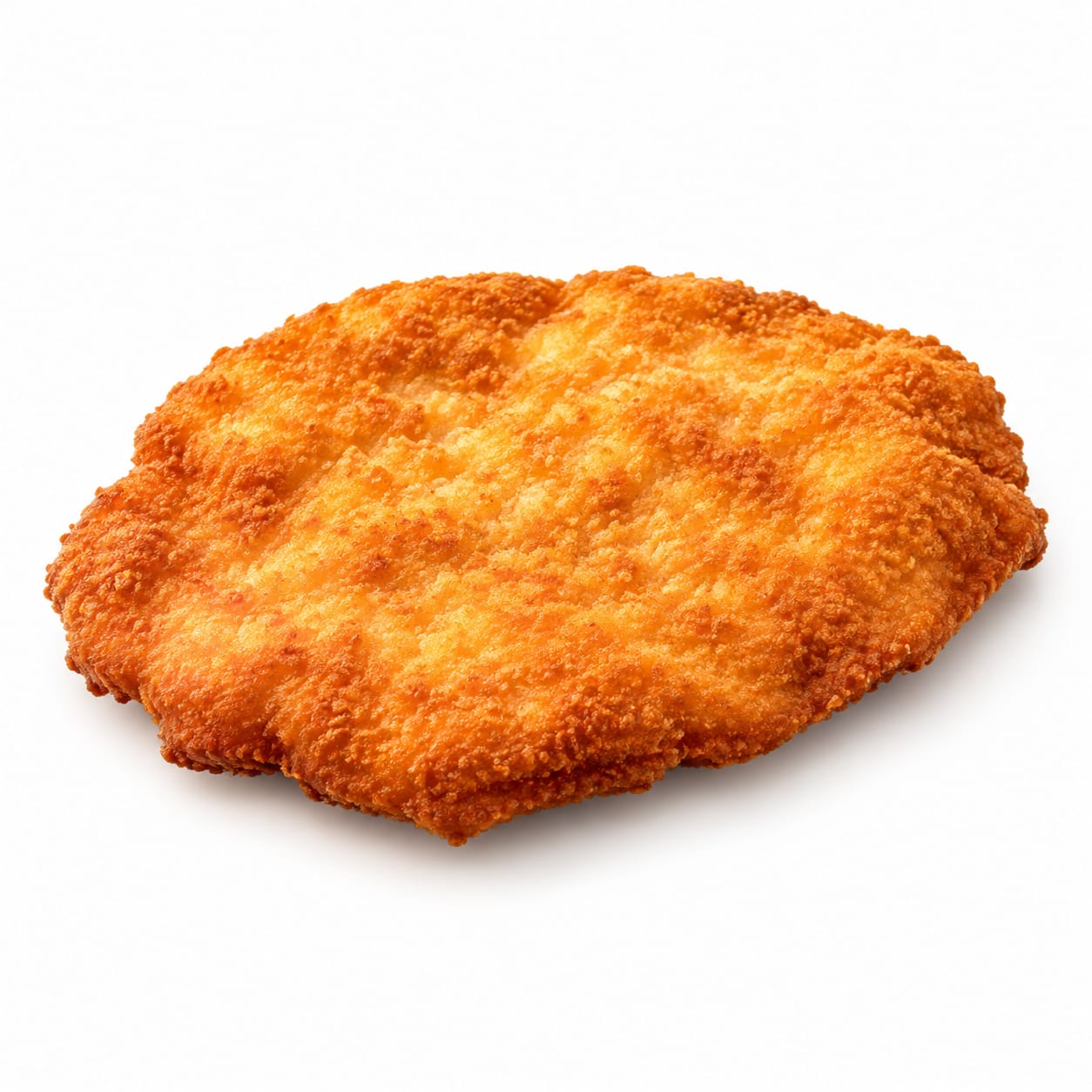
Schnitzel
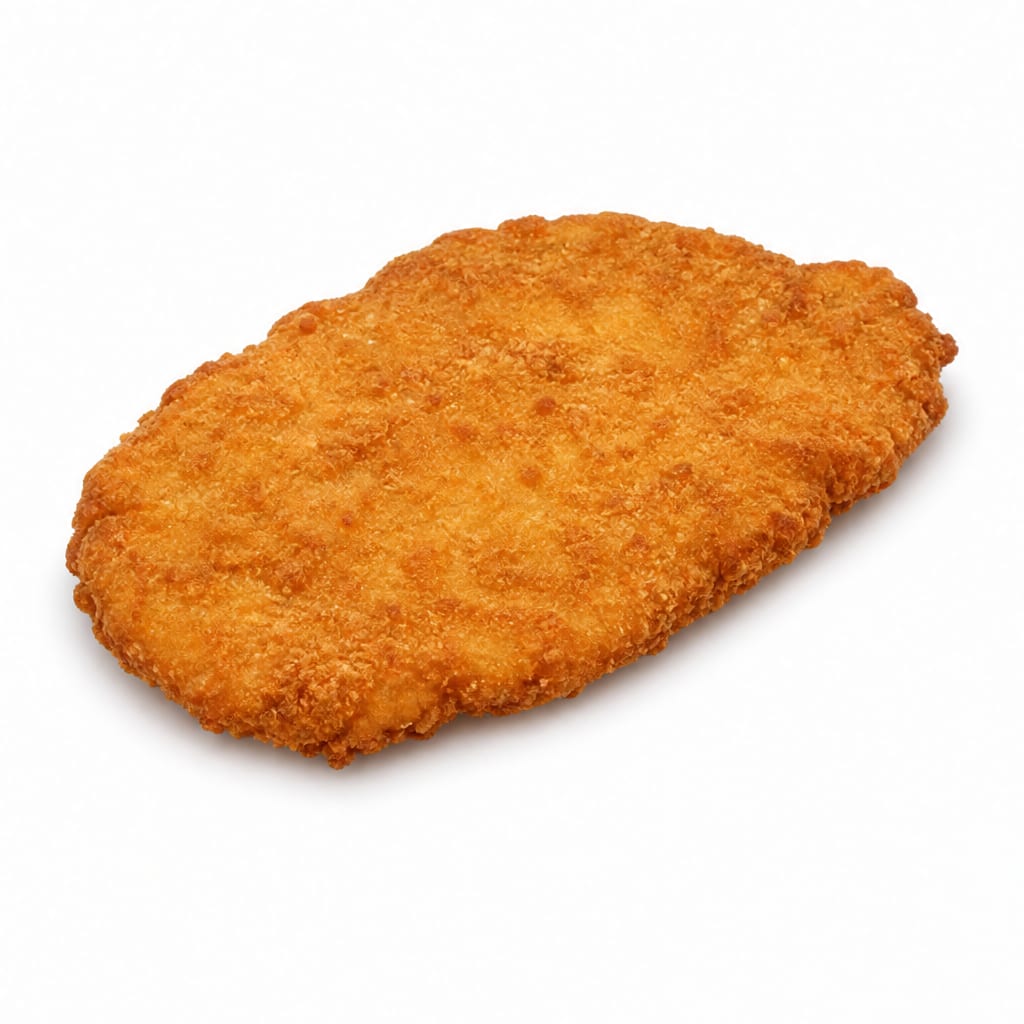
Milanesa
Schnitzel and Milanesa are nutritional near-twins separated mainly by meat choice and frying tradition — the differences are real but modest.
Schnitzel edges ahead slightly due to typically leaner meat and simpler preparation, but the margin is thin because both are fried breaded cutlets with similar calorie density and sodium concerns. The real score depends heavily on meat cut, frying method, and portion size.
Schnitzel (especially veal) tends to be slightly leaner and lighter, while Milanesa offers more iron and B12 from beef but often arrives heavier with toppings like cheese and sauce.
At a glance
Executive summary
Overall
It depends
Healthier
Schnitzel
More practical
Milanesa
Daily use
It depends
Key comparison lenses
comparing two culturally similar breaded fried cutlets for everyday health impact
Schnitzel and Milanesa are nearly culinary cousins — the real question is which meat and frying tradition carries slightly less health baggage
understanding protein quality differences between veal/pork and beef
The underlying meat choice drives most of the nutritional divergence between these dishes
evaluating frying method and oil absorption differences
Both are fried but technique variations affect calorie density and inflammatory potential significantly
assessing sodium and cardiovascular load
Breaded fried cutlets are stealth sodium bombs, especially in restaurant preparations
determining which fits better into a balanced weekly meal rotation
Neither is a daily food, but one may be slightly easier to moderate or lighten up at home
Best choice for
Schnitzel
- People watching saturated fat intake who still want a satisfying breaded cutlet
- Those preferring a lighter fried protein that pairs well with simple salads
- Anyone eating traditional Central European meals and wanting the authentic leaner option
Milanesa
- Those needing more iron and B12, including women with low ferritin
- Anyone wanting a versatile cutlet that works in sandwiches, tacos, or topped meals
- Families looking for an affordable beef-based comfort food
Least suitable for
Schnitzel
- People avoiding veal for ethical reasons who default to pork — which raises the fat ceiling
- Anyone on a strict low-sodium diet eating restaurant versions
- Those who find heavy fried food triggers reflux or sluggishness
Milanesa
- People managing heart disease risk who need to limit saturated fat and sodium simultaneously
- Anyone trying to lose weight who tends to overeat when cheese and sauce are added
- Those avoiding red meat entirely
Deep comparison
Dimension by dimension
Each lens scores both foods and breaks down who each option suits.
- Dimension 1 · Priority 90Milanesa
protein_quality_and_density
Schnitzel · 72Milanesa · 80Milanesa's beef delivers more complete protein per ounce with significantly higher iron and B12 than the veal or pork typical in Schnitzel.
Tradeoff
You gain micronutrient density with beef but take on slightly more saturated fat depending on the cut used.
Why it matters
Iron and B12 are common deficiencies, especially for women and older adults — beef Milanesa quietly helps close that gap.
Real-world impact
A single Milanesa can cover roughly 30% of your daily iron needs, while Schnitzel covers closer to 15-20%.
Schnitzel
- Lighter protein load for smaller appetites
- Less heme iron for those who need to moderate it
Better for
- Lower micronutrient contribution per calorie
- Veal offers less iron than beef
Worse for
Milanesa
- Higher iron and B12 per serving
- More satiating protein density for active people
Better for
- Higher heme iron may concern those with hemochromatosis risk
- Beef carries slightly more saturated fat per gram of protein
Worse for
- Dimension 2 · Priority 88Schnitzel
fat_profile_and_frying_impact
Schnitzel · 55Milanesa · 45Traditional Schnitzel is pan-fried in a shallow layer of clarified butter or oil, absorbing less fat than Milanesa which is often deeper-fried.
Tradeoff
Schnitzel's lighter frying means fewer calories and less inflammatory oil absorption, but both still carry significant fat loads.
Why it matters
Oil absorption during frying is the single biggest driver of calorie density in both dishes — even small technique differences compound over weekly servings.
Real-world impact
A pan-fried Schnitzel may absorb 1-2 tablespoons of fat, while a deep-fried Milanesa can soak up 2-3 tablespoons — a 100+ calorie difference per serving.
Schnitzel
- Less oil absorption with traditional shallow frying
- Clarified butter adds flavor with slightly better fat stability
Better for
- Still a fried food with significant fat regardless of technique
- Restaurant versions may use more oil than traditional home methods
Worse for
Milanesa
- Can be oven-baked at home to nearly eliminate frying disadvantage
Better for
- Deep frying increases inflammatory oil intake
- Oil reuse in restaurants compounds oxidation concerns
Worse for
- Dimension 3 · Priority 85Schnitzel
calorie_density_and_portion_control
Schnitzel · 58Milanesa · 48Schnitzel is typically served as a simpler plate with lemon and sides, while Milanesa frequently arrives loaded with cheese, sauce, or fried eggs — dramatically increasing calories.
Tradeoff
The Milanesa napolitana tradition makes what could be a moderate meal into a calorie bomb, but a plain Milanesa is nearly identical to Schnitzel.
Why it matters
Toppings and serving style often matter more than the cutlet itself for weight management — and Milanesa's culinary tradition encourages heavier additions.
Real-world impact
A plain Milanesa runs roughly 400-500 calories, but milanesa napolitana can easily hit 700-900 calories — nearly double.
Schnitzel
- Simpler serving tradition keeps calories more predictable
- Lemon and salad sides add bulk without calories
Better for
- Large restaurant portions can still exceed 600 calories
- Potato salad sides add significant calories
Worse for
Milanesa
- Plain version is calorically equivalent to Schnitzel
- Can be portioned into sandwiches for automatic portion control
Better for
- Napolitana and a caballo toppings double the calorie damage
- Cheese and sauce add saturated fat and sodium on top of an already rich dish
Worse for
- Dimension 4 · Priority 80It depends
sodium_load
Schnitzel · 50Milanesa · 50Both carry heavy sodium from seasoned breading, frying salt, and accompanying sauces — neither has a meaningful advantage.
Tradeoff
Schnitzel's sides can be lower sodium, but Milanesa in sandwich form adds bread sodium. Restaurant versions of both are equally problematic.
Why it matters
A single breaded fried cutlet can deliver 600-1000mg sodium before sides — nearly half your daily ideal intake.
Real-world impact
Eating either dish at a restaurant likely means consuming 1500-2500mg sodium for the full plate, making both poor choices for sodium-sensitive people.
Schnitzel
- Home preparation allows full salt control
- Simple lemon finish needs no added sodium
Better for
- Restaurant seasoning is typically heavy-handed
- Potato salad sides are sodium mines
Worse for
Milanesa
- Home preparation equally allows salt control
- Sandwich format can use lower-sodium breads
Better for
- Cheese toppings on napolitana add 200-400mg sodium
- Sandwich bread contributes hidden sodium
Worse for
- Dimension 5 · Priority 78Milanesa
satiety_and_fullness
Schnitzel · 70Milanesa · 78Milanesa's beef protein and common cheese toppings make it more filling per serving, keeping hunger away longer.
Tradeoff
Greater satiety comes with greater calorie density — you feel fuller but also consume more energy to get there.
Why it matters
For active people or those who skip meals, a Milanesa can sustain energy for hours. For portion-conscious eaters, that fullness came at a high caloric cost.
Real-world impact
A Milanesa napolitana will likely keep you full for 5-6 hours, while a plain Schnitzel may leave you snacking again in 3-4 hours.
Schnitzel
- Lighter meal that won't leave you sluggish
- Easier to eat a reasonable portion and stop
Better for
- May not satisfy bigger appetites without heavy sides
- Leaner meat digests faster
Worse for
Milanesa
- More sustained fullness from higher protein and fat
- Better for covering long gaps between meals
Better for
- Heavy fullness can feel uncomfortable or cause food coma
- High calorie cost for the satiety achieved
Worse for
- Dimension 6 · Priority 72Milanesa
versatility_and_home_adaptability
Schnitzel · 60Milanesa · 75Milanesa works in more formats — plain, sandwiched, topped, or in tortas — making it easier to adapt for different meals and portion sizes.
Tradeoff
Versatility means more ways to make it unhealthy, but also more ways to make it reasonable — like using it in a small sandwich with vegetables.
Why it matters
Foods that adapt to different contexts are easier to include moderately in real life rather than treating as forbidden indulgences.
Real-world impact
Leftover Milanesa becomes a torta or taco filling the next day. Leftover Schnitzel is just... cold Schnitzel.
Schnitzel
- Simpler preparation means fewer decisions to make
- Harder to accidentally make worse with additions
Better for
- Limited leftover applications
- Less culturally adapted to portable formats
Worse for
Milanesa
- Works as main dish, sandwich, or taco filling
- Easy to stretch across multiple meals
- Oven-baking adaptation is straightforward
Better for
- Versatility enables more calorie-dense combinations
- Toppings tradition makes moderation harder socially
Worse for
Timeline
Health impact over time
Short-term
Hours to days
Schnitzel
- Post-meal sluggishness from fried food digestion, though slightly less than Milanesa due to lower fat volume
- Potential heartburn from fried breading, especially if eaten quickly
- Quick satiety that may fade within 3-4 hours given leaner protein
Milanesa
- More pronounced food coma effect from higher fat and calorie density, especially with toppings
- Longer-lasting fullness that reduces between-meal snacking urges
- Blood sugar spike from breading carbohydrates, amplified if served with sugary sauces
Long-term
Months to years
Schnitzel
- Weekly consumption contributes to saturated fat intake that may raise LDL cholesterol over time
- Moderate fried food intake is manageable in an otherwise balanced diet but adds up silently
- Lower heme iron intake compared to beef means less cardiovascular risk from iron overload
Milanesa
- Regular consumption of deep-fried beef increases both saturated fat and advanced glycation endproduct exposure
- Higher heme iron intake from beef may elevate colorectal cancer risk with frequent red meat consumption
- Cheese and sauce toppings on napolitana versions compound saturated fat and sodium concerns significantly
Risk profile
Safety & processing
Both are traditionally made with whole meat, flour, egg, and breadcrumbs — minimal additives in home cooking. Restaurant and frozen versions may contain preservatives, flavor enhancers, and lower-quality oils, but the core recipes are straightforward processed foods rather than ultra-processed ones.
Schnitzel
Undercooked pork contamination
mediumPork Schnitzel must be cooked thoroughly to avoid trichinosis and other pathogens, though thin pounding makes undercooking less likely.
Oil oxidation from frying
mediumReused frying oil in restaurants generates inflammatory compounds. Home-cooked with fresh oil significantly reduces this risk.
Milanesa
Deep frying oil degradation
mediumMilanesa is more commonly deep-fried, increasing exposure to oxidized oils especially in commercial settings where oil is reused extensively.
Beef handling and cross-contamination
lowStandard beef food safety applies — proper refrigeration and cooking eliminate most risk. Thin pounding ensures thorough cooking.
Who wins for whom
Audience fit
Same foods, different winners depending on your goal.
children
MilanesaKids love Milanesa in sandwich or finger food format, and the iron and B12 from beef support growing bodies. Just skip the heavy toppings.
daily consumption
It dependsNeither should be eaten daily — both are fried breaded meats best limited to 1-2 times per week. If forced to choose, a home-baked version of either would be the only reasonable daily option.
diabetes
It dependsBoth present similar carbohydrate loads from breading. The key is portion control and pairing with fiber-rich sides — neither has a clear advantage for blood sugar management.
elderly
SchnitzelSchnitzel's softer texture when made with veal is easier to chew, and the lighter preparation is gentler on aging digestive systems with lower calorie needs.
muscle gain
MilanesaMilanesa's higher protein density and iron content from beef better support muscle recovery and growth, especially for active individuals needing more complete protein.
weight loss
SchnitzelSchnitzel's simpler serving style and typically lower calorie count per serving make it easier to fit into a calorie deficit, especially when paired with a salad instead of potato sides.
Your move
Decision guide
Choose Schnitzel
- You want a slightly lighter fried cutlet experience with less calorie risk
- Saturated fat is a personal health concern you are actively managing
- You prefer simpler plates where the meat itself is the focus
- You are eating at a traditional Austrian or German restaurant and want the authentic option
Choose Milanesa
- You need more iron and B12 in your diet, especially if you are a woman with low ferritin
- You want a versatile protein that works across multiple meals and formats
- You are feeding a family that prefers beef and enjoys the topping traditions
- You plan to oven-bake at home and want the cutlet that adapts best to sandwiches and tacos
Either works if
- You are eating at home and can control the frying method, oil quality, and portion size
- You are comfortable treating breaded fried cutlets as an occasional indulgence rather than a staple
- You plan to pair either with a large salad or vegetable-heavy sides to balance the plate
Avoid both if
- You are on a strict low-sodium or heart-healthy diet that limits fried foods entirely
- You have gallbladder issues that make high-fat meals uncomfortable
- You are trying to eliminate fried foods from your routine for metabolic health reasons
- You cannot control the preparation method and are eating at restaurants with unknown oil quality
Final recommendation
Choose Schnitzel when you want a slightly lighter, simpler breaded cutlet experience. Choose Milanesa when iron matters, versatility matters, or you are feeding a family that thrives on beef. For both, the single most impactful health decision is how you fry — oven-baking either at home transforms these from occasional indulgences into reasonable weekly proteins. The second most impactful decision is what you put on top: lemon and salad win over cheese and sauce every time.
Practical
Consumer tips
- 1
Oven-bake either cutlet at 425°F on a wire rack for 15-18 minutes — you get 80% of the crunch with 50% of the fat
- 2
Ask restaurants to go light on salt and skip the cheese topping on Milanesa to save 200+ calories and 400mg sodium
- 3
Pound meat extra-thin at home to reduce cooking time and oil absorption — thinner cutlets soak up less fat
- 4
Use panko breadcrumbs for a lighter, crispier coating that absorbs less oil than fine breadcrumbs
- 5
Pair either cutlet with a vinegar-based slaw or cucumber salad instead of potato-based sides to cut the meal's calorie density in half
- 6
If eating Milanesa napolitana, treat it as your main calorie event for the day — it can easily hit 800-900 calories alone
- 7
For meal prep, make a batch of baked Milanesa and use portions in sandwiches or tortas over 2-3 days — the format flexibility makes moderation easier
- 8
Choose veal Schnitzel over pork when available for a leaner protein profile, though ethical considerations around veal may factor into your decision