
Nutrition comparison
Schnitzel vs Veal Cutlet: Nutrition, Calories, and Health Comparison
Compare Schnitzel and Veal Cutlet side by side. Discover which is lower in calories, higher in protein, and better for weight loss, heart health, and daily eating.
Overall winner · Veal Cutlet
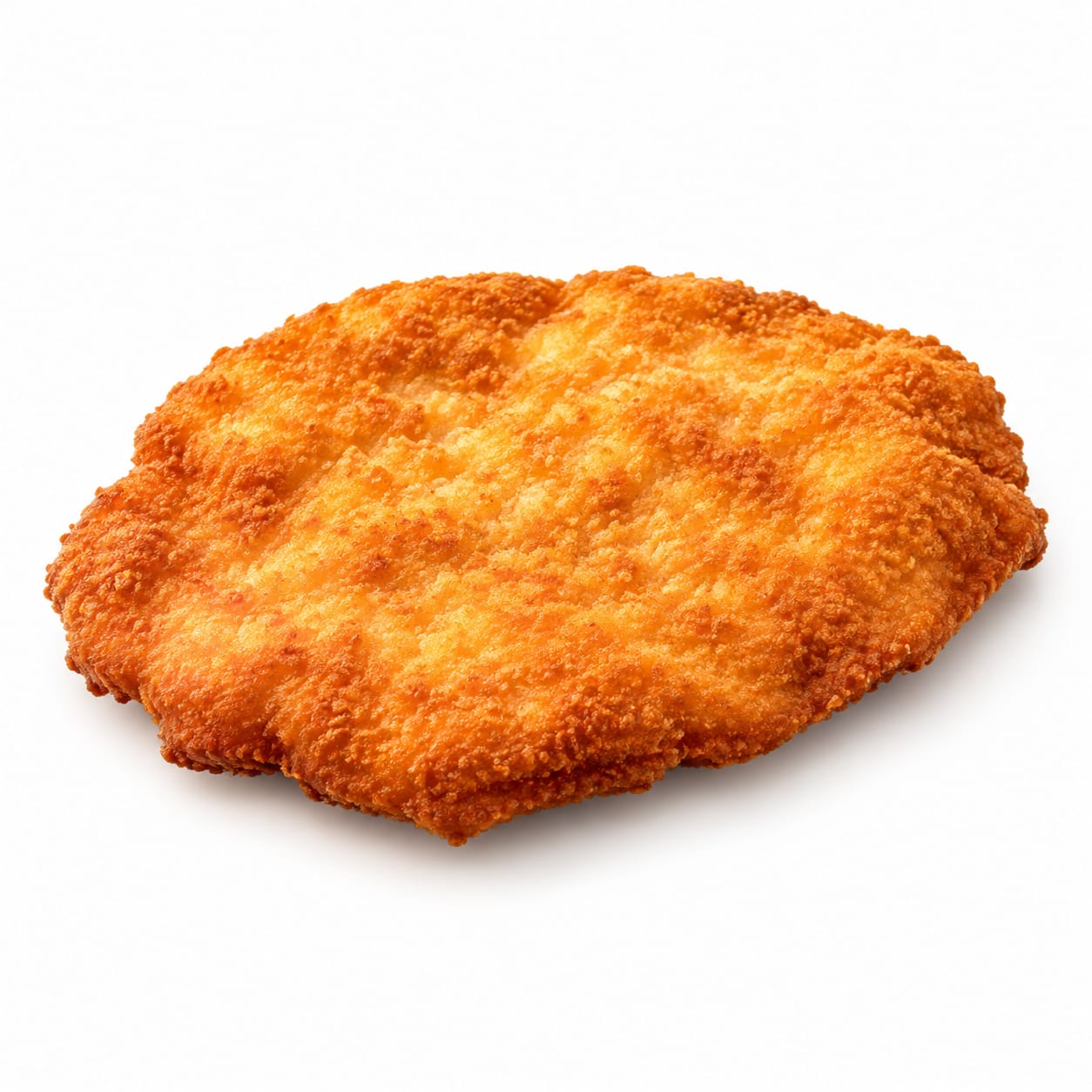
Schnitzel
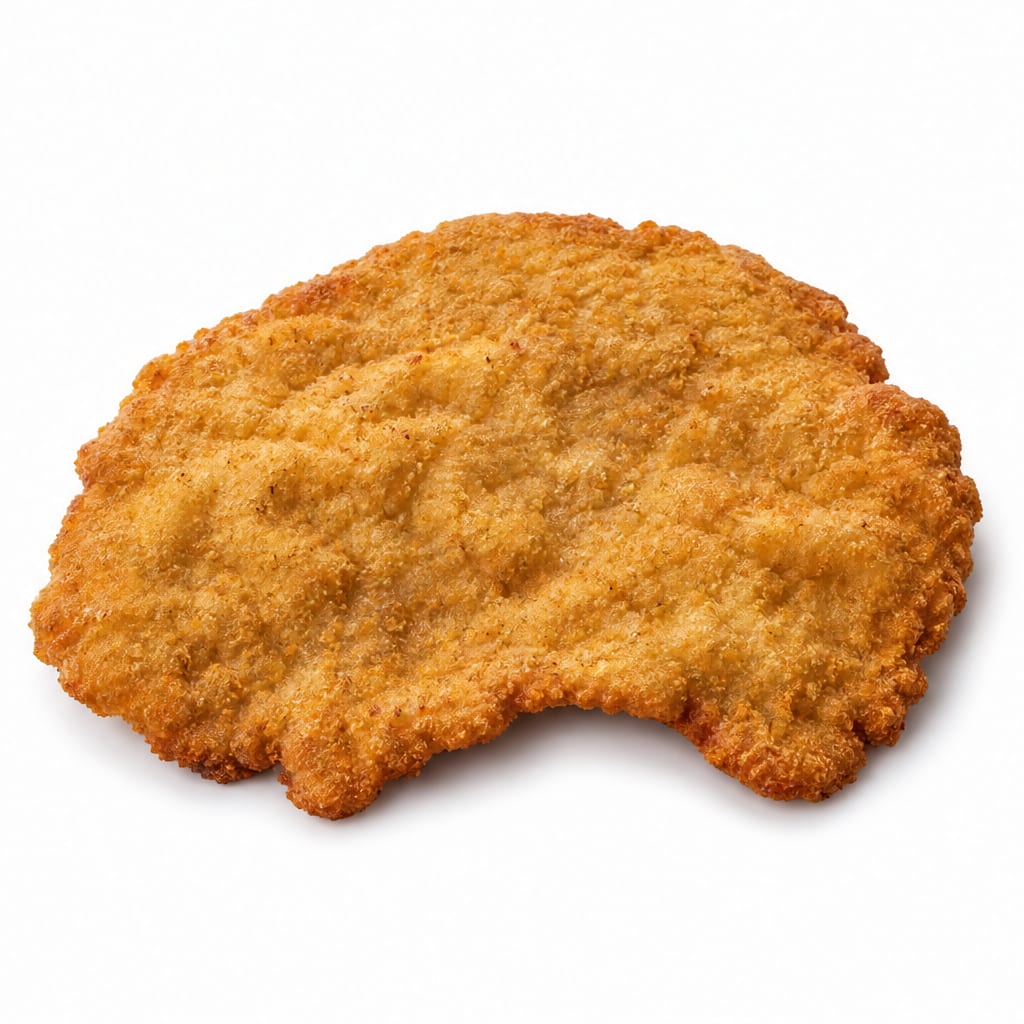
Veal Cutlet
Veal cutlet delivers the same quality protein with far fewer calories and less fat, while Schnitzel trades nutrition for crispy comfort.
Veal cutlet scores notably higher because it preserves the nutritional value of veal without the caloric penalty of breading and frying. Schnitzel remains enjoyable but is clearly an indulgence rather than an everyday choice.
Crunch and indulgence versus lean protein efficiency — the breading and frying that make Schnitzel satisfying also double the calories.
At a glance
Executive summary
Overall
Veal Cutlet
Healthier
Veal Cutlet
More practical
It depends
Daily use
Veal Cutlet
Key comparison lenses
preparation method impact
The core difference is breading and frying versus simpler cooking methods, which dramatically changes nutrition
calorie and fat tradeoff
Frying adds significant calories and fat compared to grilling or pan-searing a plain cutlet
protein density
Both are veal-based but Schnitzel dilutes protein per calorie with breading and oil
heart health consideration
Fried breading increases saturated fat and inflammatory compounds versus leaner preparations
comfort vs clean eating
Schnitzel is a beloved comfort food while veal cutlet appeals to cleaner eating goals
Best choice for
Schnitzel
- People craving a satisfying comfort meal
- Those wanting a crispy, indulgent dinner experience
- Anyone needing higher calorie intake for weight gain
- Social dining and traditional occasions
Veal Cutlet
- Anyone tracking calories or macros closely
- People prioritizing lean protein after workouts
- Those managing cholesterol or heart health
- Clean eating and whole-food approaches
Least suitable for
Schnitzel
- People on low-calorie or low-fat diets
- Anyone managing heart disease or high cholesterol
- Those avoiding fried foods or excess oil
- Gluten-sensitive individuals due to breading
Veal Cutlet
- Those needing higher calorie meals to maintain weight
- People who find lean meat unsatisfying without accompaniments
- Anyone wanting a quick comfort food fix
Deep comparison
Dimension by dimension
Each lens scores both foods and breaks down who each option suits.
- Dimension 1 · Priority 95Veal Cutlet
Calorie Efficiency
Schnitzel · 40Veal Cutlet · 85Schnitzel roughly doubles the calories per serving compared to a plain veal cutlet due to oil absorption and breading.
Tradeoff
You get a crispy, satisfying crust but pay a steep caloric premium for it.
Why it matters
If you eat Schnitzel regularly, those extra 200-300 calories per meal add up fast over a week.
Real-world impact
One Schnitzel can cost you nearly half your dinner calorie budget versus leaving room for sides or dessert with a veal cutlet.
Schnitzel
- Hard gainers needing calorie surplus
- Active individuals with high energy expenditure
Better for
- Sedentary lifestyles
- Consistent calorie surplus concerns
Worse for
Veal Cutlet
- Weight loss or maintenance goals
- Anyone counting calories
Better for
- Underweight individuals needing energy density
Worse for
- Dimension 2 · Priority 85Veal Cutlet
Protein Quality and Density
Schnitzel · 55Veal Cutlet · 90Both provide high-quality veal protein, but Schnitzel dilutes protein per calorie with carbs and fat from breading and frying.
Tradeoff
Schnitzel still has solid protein, but you consume far more calories to get the same amount.
Why it matters
For muscle recovery or satiety, protein per calorie matters more than total protein on your plate.
Real-world impact
A 6oz veal cutlet gives you roughly 40g protein at 250 calories. Schnitzel needs 450+ calories for the same protein.
Schnitzel
- Those who struggle to eat enough and welcome extra calories with protein
Better for
- Macro trackers trying to hit protein without blowing past calories
Worse for
Veal Cutlet
- Post-workout nutrition
- Lean bulk strategies
- High-protein, low-calorie diets
Better for
- Nobody really — veal cutlet wins on protein density
Worse for
- Dimension 3 · Priority 80Veal Cutlet
Heart Health
Schnitzel · 35Veal Cutlet · 70Frying creates more saturated fat exposure and potentially inflammatory compounds, while a simply prepared veal cutlet keeps fat lower and cleaner.
Tradeoff
The crispy crust comes with oxidized fats and higher saturated fat from frying oil.
Why it matters
Regular fried meat consumption is linked to higher cardiovascular risk over time.
Real-world impact
Eating Schnitzel weekly instead of grilled veal cutlet could meaningfully impact cholesterol over months.
Schnitzel
- Occasional indulgence is fine for healthy individuals
Better for
- Existing heart conditions
- High LDL cholesterol
Worse for
Veal Cutlet
- Anyone with family history of heart disease
- Cholesterol management
- Anti-inflammatory eating patterns
Better for
- No significant heart health downside
Worse for
- Dimension 4 · Priority 75It depends
Satiety and Satisfaction
Schnitzel · 80Veal Cutlet · 65Schnitzel feels more indulgent and immediately satisfying due to fat and crunch, while veal cutlet satisfies hunger without the same emotional reward.
Tradeoff
Physical fullness versus emotional satisfaction — Schnitzel wins the craving game but both fill you up.
Why it matters
Food that feels rewarding is easier to stick with, but the reward comes at a nutritional cost.
Real-world impact
After a long day, Schnitzel feels like a real meal. Veal cutlet might leave you hunting for something else within an hour.
Schnitzel
- Comfort eating situations
- Social meals where enjoyment matters
- Breaking a restrictive diet plateau
Better for
- Emotional eaters who struggle with portion control
Worse for
Veal Cutlet
- Mindful eating practices
- Consistent daily meals without emotional swings
Better for
- Those who feel deprived on clean diets
Worse for
- Dimension 5 · Priority 70Veal Cutlet
Carbohydrate and Gluten Load
Schnitzel · 25Veal Cutlet · 90Schnitzel breading adds 15-25g of refined carbs and gluten per serving, while veal cutlet is essentially zero carb.
Tradeoff
That crispy coating is pure refined carbohydrate — fine occasionally, but a hidden cost for low-carb or gluten-sensitive eaters.
Why it matters
Many people do not realize Schnitzel carries a significant carb load from breading.
Real-world impact
If you are keto or gluten-free, Schnitzel is off the table unless you make a special version.
Schnitzel
- Carb-tolerant individuals
- Those who want a balanced plate with protein, fat, and carbs
Better for
- Insulin resistance
- Gluten sensitivity
- Low-carb lifestyles
Worse for
Veal Cutlet
- Keto and low-carb diets
- Gluten intolerance or celiac disease
- Blood sugar management
Better for
- No real downside unless you specifically need carbs
Worse for
- Dimension 6 · Priority 60Veal Cutlet
Versatility and Preparation
Schnitzel · 45Veal Cutlet · 80Veal cutlet adapts to grilling, searing, baking, or slicing into salads. Schnitzel is a finished dish with one identity.
Tradeoff
Schnitzel is ready as-is but locked into one flavor profile. Veal cutlet is a blank canvas.
Why it matters
Meal variety matters for long-term diet adherence and enjoyment.
Real-world impact
You can meal-prep veal cutlets three ways across the week. Schnitzel is always Schnitzel.
Schnitzel
- When you want a specific, familiar dish
- Restaurant dining where someone else cooks
Better for
- Getting bored of the same preparation
- Adapting leftovers creatively
Worse for
Veal Cutlet
- Meal prep enthusiasts
- Home cooks who enjoy variety
- Batch cooking for the week
Better for
- Those who want minimal cooking decisions
Worse for
Timeline
Health impact over time
Short-term
Hours to days
Schnitzel
- Heavier post-meal feeling due to fat and carb density
- Possible sluggishness or food coma from the caloric load
- Immediate satisfaction and comfort from fat and crunch
- Blood sugar spike from refined breading carbohydrates
Veal Cutlet
- Lighter, cleaner feeling after eating
- Steadier energy without the crash from heavy fried food
- May feel less emotionally satisfied without the indulgence factor
- Quick satiety from lean protein without heaviness
Long-term
Months to years
Schnitzel
- Regular fried meat consumption linked to higher cardiovascular risk
- Excess calorie intake from frequent Schnitzel can drive weight gain
- Repeated exposure to oxidized frying oils may promote inflammation
- Higher sodium intake from breading seasonings and frying salt
Veal Cutlet
- Lean protein supports muscle maintenance and metabolic health
- Lower calorie density helps with long-term weight management
- Minimal processed fat exposure reduces inflammatory burden
- Versatile preparation allows heart-healthy cooking methods
Risk profile
Safety & processing
Schnitzel adds breading, frying oil, and often commercial seasonings to what is otherwise a simple meat. Veal cutlet stays close to its natural state with minimal intervention beyond cooking heat.
Schnitzel
Oxidized oil compounds from frying
mediumRepeated or high-heat frying can produce aldehydes and other compounds linked to inflammation. Fresh oil and proper temperature control reduce this significantly.
Cross-contamination from breading station
lowBreading stations in commercial kitchens can harbor gluten and allergens from shared surfaces.
Undercooked veal inside breading
lowThick breading can brown before the meat inside reaches safe temperature, especially with thicker cuts.
Veal Cutlet
Undercooking
lowVeal should reach safe internal temperature. Thin cutlets cook quickly and are easy to verify visually.
Antibiotic and hormone residues in conventional veal
mediumConventional veal production may involve antibiotic use. Choosing pasture-raised or certified veal reduces this concern.
Who wins for whom
Audience fit
Same foods, different winners depending on your goal.
children
It dependsKids often prefer the crispy familiarity of Schnitzel, but veal cutlet provides cleaner nutrition for growing bodies. Occasional Schnitzel is fine.
daily consumption
Veal CutletLower calorie density, less processed fat, and no refined carbs make veal cutlet sustainable as a regular meal.
diabetes
Veal CutletNo breading means no blood sugar spike from refined carbs, and lean protein helps stabilize glucose.
elderly
Veal CutletLeaner protein is easier to digest and better for cardiovascular health, which becomes more critical with age.
muscle gain
Veal CutletHigher protein per calorie means more efficient muscle fuel without unnecessary fat and carb calories.
weight loss
Veal CutletVeal cutlet provides high protein with roughly half the calories of Schnitzel, making it far easier to stay in a deficit.
Your move
Decision guide
Choose Schnitzel
- You are celebrating or having a special meal where indulgence matters
- You have high calorie needs and struggle to eat enough
- Comfort food is important for your mental well-being today
- You are cooking for a crowd that expects the classic crispy experience
Choose Veal Cutlet
- You are tracking calories, macros, or working toward a body composition goal
- Heart health or cholesterol management is a priority
- You follow a low-carb or gluten-free eating approach
- You want a versatile protein source you can prepare multiple ways
- You eat veal regularly and need a sustainable everyday option
Either works if
- You are eating veal only occasionally and either preparation fits your day
- Your total diet is already well-balanced and one meal will not shift outcomes
- You are dining out and both options appeal equally
Avoid both if
- You follow a plant-based or vegetarian diet
- You avoid veal for ethical reasons related to animal welfare
- You have gout and need to limit purine-rich meats
- You are on a very tight budget and need more affordable protein sources
Final recommendation
Make veal cutlet your default for everyday meals — it delivers the same great protein with far less caloric baggage. Save Schnitzel for when the occasion calls for something crispy and celebratory. The best approach is treating Schnitzel as a weekly or biweekly indulgence, not a habit.
Practical
Consumer tips
- 1
Ask for your veal cutlet to be grilled or pan-seared with minimal oil to keep it as lean as possible
- 2
If making Schnitzel at home, try pan-frying in a thin layer of quality oil instead of deep-frying to cut calories significantly
- 3
Consider oven-baking breaded veal for a middle ground — you get some crunch with far less fat absorption
- 4
Pair veal cutlet with roasted vegetables or a large salad to create a filling, balanced meal without excess calories
- 5
Choose pasture-raised or certified veal when available to reduce antibiotic and welfare concerns
- 6
If you love Schnitzel, portion control matters more than avoidance — a smaller piece alongside a big salad works well
- 7
Let Schnitzel rest on a paper towel after frying to drain excess surface oil before serving