
Nutrition comparison
Schnitzel vs Fried Chicken: Which Is Healthier and What Are the Real Tradeoffs?
Compare schnitzel and fried chicken on calories, fat, sodium, and health impact. Learn which breaded cutlet is the smarter choice and why cooking method matters more than you think.
Overall winner · Schnitzel
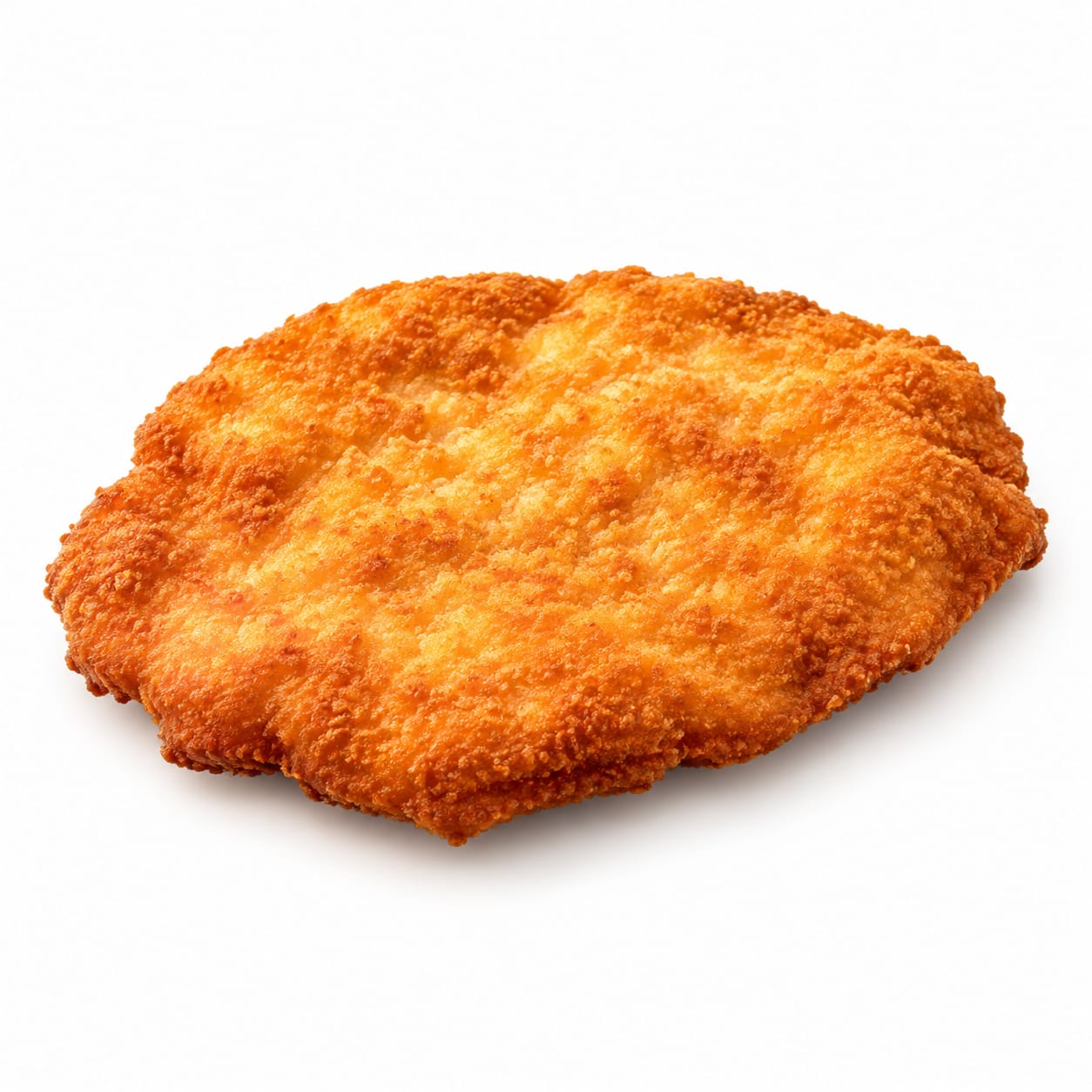
Schnitzel
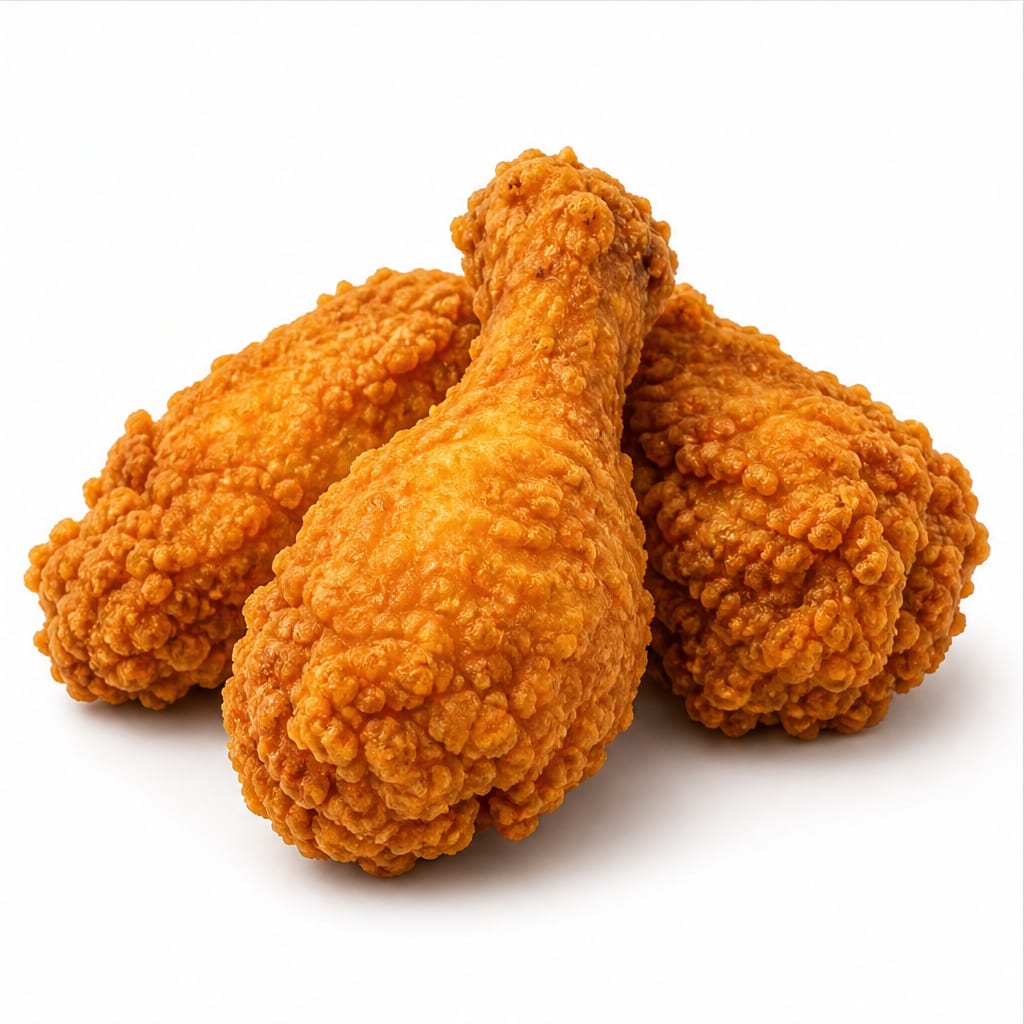
Fried Chicken
Schnitzel edges out fried chicken primarily due to lighter frying method and lower fat absorption, though neither is a health food.
Schnitzel scores moderately above fried chicken due to lower oil absorption, thinner breading, and typically leaner meat. Fried chicken loses ground on sodium, calorie density, and deep-frying fat load. Neither scores well overall since both are fried breaded meats.
Schnitzel gives you a satisfying crispy cutlet with less grease and fewer calories, while fried chicken delivers bolder seasoning and crunch at the cost of heavier oil and sodium.
At a glance
Executive summary
Overall
Schnitzel
Healthier
Schnitzel
More practical
Fried Chicken
Daily use
Schnitzel
Key comparison lenses
cooking method fat absorption
Pan-fried schnitzel absorbs significantly less oil than deep-fried chicken, making fat content the defining difference
calorie density weight management
Both are indulgent fried foods, but calorie counts diverge meaningfully due to batter thickness and frying technique
sodium heart health
Fried chicken relies heavily on seasoned salt and brining, creating a much higher sodium load
convenience accessibility
Fried chicken is ubiquitous as takeout while schnitzel is more often homemade or restaurant-ordered
protein quality satiety
Both deliver solid protein but schnitzel typically uses leaner cuts with less breading interference
Best choice for
Schnitzel
- People watching calorie intake who still want comfort food
- Home cooks wanting control over oil and salt amounts
- Those seeking a lighter but still satisfying dinner
- Anyone avoiding excessively salty meals
Fried Chicken
- Busy households needing ready-made protein quickly
- Those craving bold savory flavors and maximum crunch
- Social gatherings and casual entertaining
- People who find leaner meats less satisfying
Least suitable for
Schnitzel
- Anyone needing grab-and-go convenience
- People who find mild flavors unappealing without heavy seasoning
- Tight grocery budgets where cheaper cuts matter
Fried Chicken
- People managing hypertension or sodium-sensitive conditions
- Those tracking calories closely or cutting fat
- Anyone prone to feeling sluggish after heavy greasy meals
Deep comparison
Dimension by dimension
Each lens scores both foods and breaks down who each option suits.
- Dimension 1 · Priority 92Schnitzel
fat_content_and_oil_absorption
Schnitzel · 55Fried Chicken · 32Schnitzel is pan-fried in a shallow layer of oil, absorbing far less fat than chicken submerged in deep oil.
Tradeoff
You sacrifice some of the intense crunch that deep-frying creates, but you avoid the heavy greasy aftermath.
Why it matters
Less absorbed oil means fewer calories from fat and a lighter feeling after eating, which matters for both comfort and long-term health.
Real-world impact
After schnitzel you are more likely to feel satisfied without that heavy weighted sensation that often follows fried chicken.
Schnitzel
- Reducing daily fat intake without giving up crispy food
- Avoiding that sluggish post-meal feeling
- Lighter weeknight dinners
Better for
- Craving the shatteringly crisp crust only deep-frying provides
Worse for
Fried Chicken
- Maximum textural indulgence when you want full comfort food
- Situations where flavor intensity matters more than lightness
Better for
- Managing cholesterol or triglyceride levels
- Staying within daily fat limits without feeling deprived
Worse for
- Dimension 2 · Priority 88Schnitzel
calorie_density
Schnitzel · 52Fried Chicken · 35A typical schnitzel portion runs 350-500 calories versus 400-700 for fried chicken depending on piece and batter thickness.
Tradeoff
Schnitzel lets you enjoy a breaded cutlet with a more manageable calorie footprint, while fried chicken can quietly deliver a full day's worth of calories in a few pieces.
Why it matters
Calorie density determines how easily a food fits into your day without requiring compensation elsewhere.
Real-world impact
You can pair schnitzel with a generous side salad and stay under 600 calories. The same meal with fried chicken easily exceeds 800.
Schnitzel
- Weight management without eliminating comfort foods
- Balanced plate building with room for vegetables
Better for
- Situations where you need maximum calories per bite
Worse for
Fried Chicken
- High-calorie needs such as active athletes or undereaters
Better for
- Anyone tracking calories who finds portion control difficult with hyper-palatable foods
Worse for
- Dimension 3 · Priority 79Schnitzel
sodium_load
Schnitzel · 50Fried Chicken · 30Fried chicken is often brined and heavily seasoned, delivering 800-1500mg sodium per serving. Schnitzel typically lands between 300-700mg.
Tradeoff
That bold savory flavor in fried chicken comes directly from salt. Schnitzel's milder seasoning means less sodium but also less punch per bite.
Why it matters
High sodium intake drives blood pressure up and creates thirst and bloating that linger for hours.
Real-world impact
After fried chicken you might notice puffiness and thirst that evening. Schnitzel is far less likely to cause that reaction.
Schnitzel
- Blood pressure management
- Reducing water retention and bloating
- Controlling salt cravings over time
Better for
- Diners who find underseasoned meat bland
Worse for
Fried Chicken
- Situations where flavor intensity is the priority
- Replenishing sodium after heavy sweating
Better for
- Hypertension and heart disease risk
- Anyone already exceeding daily sodium targets from other meals
Worse for
- Dimension 4 · Priority 65Schnitzel
protein_quality_and_satiety
Schnitzel · 68Fried Chicken · 58Both provide solid protein, but schnitzel typically uses leaner cuts with a higher meat-to-breading ratio, keeping you full longer per calorie.
Tradeoff
Fried chicken's thicker batter means you get more carbs and fat relative to actual protein, reducing satiety efficiency.
Why it matters
Protein per calorie determines how long a meal keeps you satisfied without overeating later.
Real-world impact
A schnitzel dinner tends to hold you until the next meal. Fried chicken may leave you hungry again sooner despite higher calories.
Schnitzel
- Sustained fullness without excess calories
- Lean muscle maintenance during moderate eating
Better for
- Need for quick energy replenishment after intense activity
Worse for
Fried Chicken
- Post-workout refueling where extra carbs and calories are welcome
Better for
- Preventing the snack attack that hits an hour after a high-fat low-protein meal
Worse for
- Dimension 5 · Priority 71Fried Chicken
convenience_and_accessibility
Schnitzel · 38Fried Chicken · 78Fried chicken is available at nearly every grocery deli and fast food outlet. Schnitzel usually requires cooking at home or visiting a sit-down restaurant.
Tradeoff
You gain instant access and zero prep with fried chicken, but lose control over ingredients and cooking methods.
Why it matters
The most nutritious option only wins if you actually choose it. Convenience often overrides health intentions in real life.
Real-world impact
On a busy Tuesday night, fried chicken from the deli wins by default. Schnitzel requires planning and cooking time.
Schnitzel
- Home cooks who enjoy preparing meals and controlling ingredients
- Meal prep scenarios where you cook once for multiple servings
Better for
- Low-energy evenings when cooking feels impossible
Worse for
Fried Chicken
- Time-crunched weeknights
- Road trips and travel
- Parties and potlucks needing crowd-pleasing food fast
Better for
- Situations where ingredient quality and sodium control matter
Worse for
Timeline
Health impact over time
Short-term
Hours to days
Schnitzel
- Mild satiety without heavy sluggishness
- Minimal bloating or thirst compared to heavily salted fried foods
- Steadier energy without the crash that follows high-fat deep-fried meals
Fried Chicken
- Immediate satisfaction from intense savory flavor and crunch
- Possible sluggishness and thirst within an hour due to high fat and sodium
- Energy crash risk as the body processes heavy oil load
Long-term
Months to years
Schnitzel
- More sustainable as an occasional comfort food without dramatic health impact
- Lower cumulative sodium and fat exposure supports heart health
- Easier to maintain within a balanced diet long-term
Fried Chicken
- Regular consumption increases cardiovascular risk through repeated high sodium and trans fat exposure
- Deep-frying at high temperatures can produce advanced glycation end products that promote inflammation
- Frequent intake makes weight management harder due to calorie density and low satiety per calorie
Risk profile
Safety & processing
Both are processed through breading and frying, but schnitzel is typically a simpler preparation with fewer additives. Commercial fried chicken often contains preservatives, flavor enhancers, and industrial batters with emulsifiers.
Schnitzel
Undercooked pork or veal
mediumTraditional schnitzel uses thin cutlets that cook quickly, but thicker pieces can harbor pathogens if not heated through
Rancid frying oil
lowHome-prepared schnitzel usually uses fresh oil, reducing oxidation risk compared to commercial deep fryers
Fried Chicken
Acrylamide formation
mediumDeep-frying breaded chicken at high temperatures creates acrylamide, a probable carcinogen, especially in over-browned pieces
Oxidized cooking oils
highCommercial deep fryers often reuse oil past safe limits, creating inflammatory compounds that transfer directly into the meat
Cross-contamination in deli settings
mediumBulk fried chicken held in warmers can develop bacterial growth if temperature control is inadequate
Who wins for whom
Audience fit
Same foods, different winners depending on your goal.
children
It dependsKids often prefer the fun crunch and flavor of fried chicken, but schnitzel provides better nutrition with similar appeal if seasoned well
daily consumption
SchnitzelNeither should be daily, but schnitzel's lighter fat and sodium profile makes it less harmful as a regular option
diabetes
SchnitzelThinner breading and less fat means a lower glycemic and lipid load, reducing insulin resistance triggers
elderly
SchnitzelLower sodium and easier digestion make schnitzel more appropriate for aging cardiovascular and digestive systems
muscle gain
SchnitzelLeaner meat with less breading interference delivers more usable protein per serving for recovery and growth
weight loss
SchnitzelLower calorie density and higher protein-to-calorie ratio make schnitzel easier to fit into a deficit without feeling deprived
Your move
Decision guide
Choose Schnitzel
- You want comfort food without the heavy aftermath
- Sodium or fat intake is a health concern for you
- You enjoy cooking and want control over oil quality and seasoning
- You are watching calories but refuse to give up crispy food entirely
Choose Fried Chicken
- Convenience is non-negotiable and you need food now
- You are feeding a crowd that expects bold flavor and crunch
- It is an occasional treat and you want maximum indulgence
- You need high calories after intense physical exertion
Either works if
- You are eating fried food only once this month and want whichever sounds better
- Both are available and you have no specific health constraints
Avoid both if
- You have active heart disease or severe hypertension
- You are following a low-fat or low-sodium medical diet
- You already ate fried or heavily processed food earlier today
Final recommendation
Schnitzel is the smarter default when you crave something breaded and crispy. It delivers the satisfaction with less grease, less salt, and fewer calories. Save fried chicken for genuine occasions when convenience or celebration matters more than nutrition. If you make schnitzel at home with fresh oil and moderate salt, the gap widens further in your favor.
Practical
Consumer tips
- 1
Make schnitzel at home and pan-fry in just a quarter inch of oil for maximum crunch with minimum absorption
- 2
Pound chicken breasts thin for a homemade schnitzel that rivals fried chicken in satisfaction with far better nutrition
- 3
If buying fried chicken, remove the skin and batter to cut calories and sodium roughly in half
- 4
Air-fry breaded cutlets for a compromise that approaches schnitzel texture with almost no added oil
- 5
Season schnitzel generously with paprika, garlic, and lemon to close the flavor gap with fried chicken without adding sodium
- 6
Pair either option with a large raw vegetable side to add volume and fiber without competing calories