
Fruit
Saskatoon Berry
A nutrient-dense, fiber-rich purple berry native to North America with high antioxidant levels and a nutty flavor.
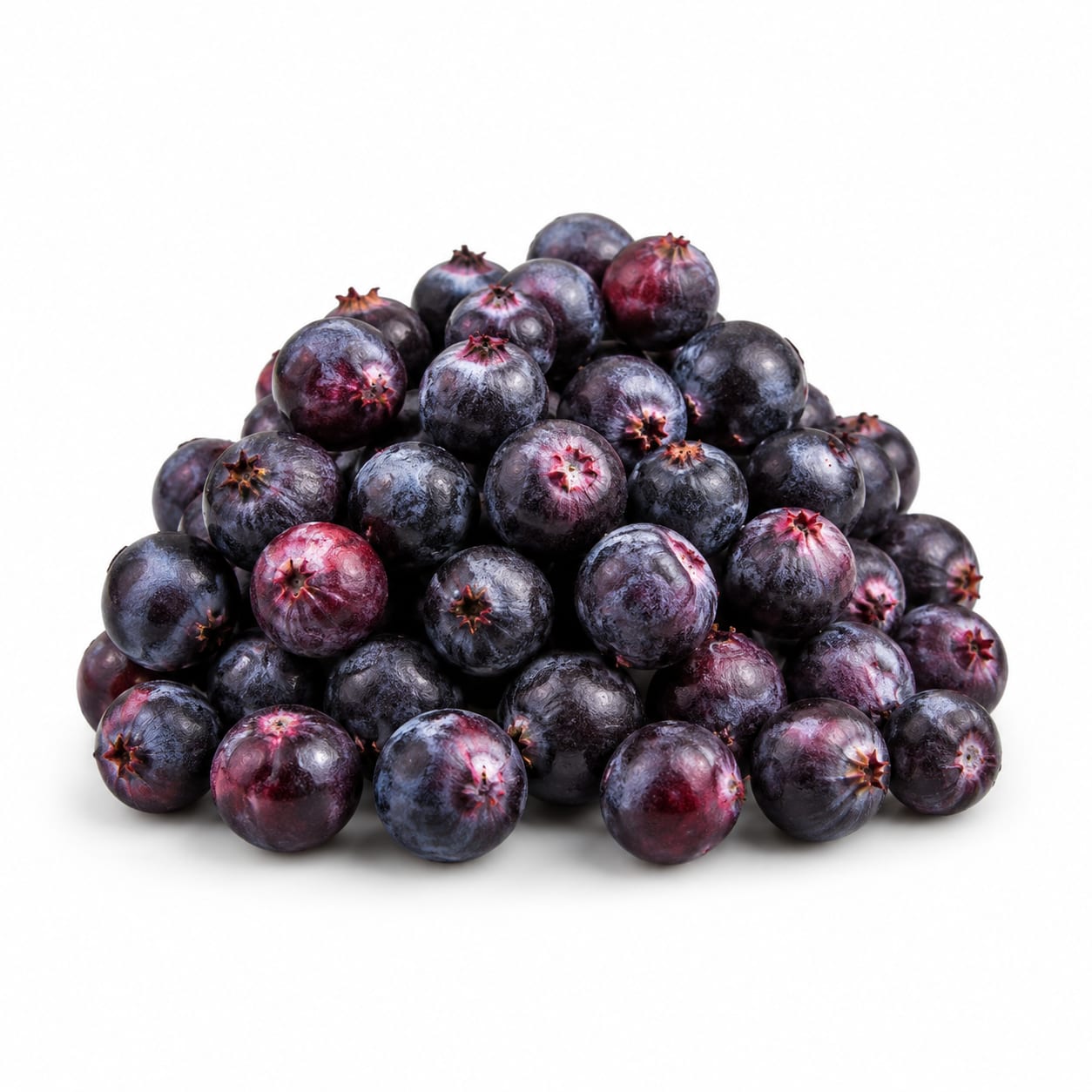
Saskatoon berries are small, purple-blue fruits native to North America, closely resembling blueberries but offering a nuttier, almond-like flavor due to their seeds. They are highly valued for their exceptional antioxidant content and dietary fiber.
high-fiber low-sugar antioxidant berry
Typical serving · 100g
Common varieties · smoky, northline, thiessen, martin, pembina +1 more
Overall context score across nutrition, safety, and diet fit
At a glance
Quick facts
Simple indicators based on nutrition, processing, and diet fit.
The story
What makes it unique
Saskatoon berries possess a macronutrient profile characterized by moderate carbohydrates, low sugar relative to other berries, and high dietary fiber, which slows digestion and moderates glycemic response. Their deep purple pigmentation indicates high anthocyanin concentration. The seeds contain amygdalin, contributing a mild almond flavor, and the fruit demonstrates significant in vitro antioxidant capacity.
Varieties: smoky · northline · thiessen · martin · pembina · buffalo
Per 100g
Nutrition breakdown
Macro balance and key metrics at a glance.
Energy
Density 0.85 kcal/g
Protein
Carbs
Fat
Fiber
Sugar
11 g
Sodium
0 mg
Potassium
160 mg
Glycemic index
25
Glycemic load
4
Water content
75%
Standout compounds
Nutrient highlights
Dietary Fiber
highPromotes satiety, regulates blood sugar, and supports digestive health.
Anthocyanins
highPowerful antioxidants that reduce inflammation and protect against cellular damage.
Manganese
moderateEssential for metabolism, bone formation, and antioxidant defense.
Vitamin C
moderateSupports immune function and collagen synthesis.
Iron
moderateCrucial for oxygen transport in the blood.
Wellness map
Health scores & processing
NOVA processing scale
Unprocessed · Whole food
Fresh or frozen Saskatoon berries are whole, unprocessed foods with no added ingredients.
Diet compatibility
- Weight loss
- Muscle gain
- Diabetes
- Gut health
- Low carb
- High protein
- Heart health
Relative standing
Food rankings
Qualitative ranks compared to similar whole foods.
- Satietyexcellent
- Blood sugarexcellent
- Nutrient densityexcellent
- Fitness fuelgood
- Processing qualityexcellent
Eat with confidence
Food safety profile
Saskatoon berries are generally very safe to consume. Conventionally grown and wild-harvested varieties have low pesticide and heavy metal risks. Standard washing is sufficient to remove dirt and potential agricultural residues.
Evidence confidence 90%
- Pesticideslow
- Antibioticslow
- Heavy metalslow
- Contaminationlow
Watch for
- soil residue
- pest residue
Safer choices
Organic or wild-harvested from clean, uncontaminated environments.
Prep tips
Rinse gently under cool running water just before consuming to avoid premature spoilage. Pat dry if not eating immediately.
Minimal regulatory concerns for fresh or frozen berries. Wild-harvested berries should be washed to remove potential environmental pollutants.
Deep dive
Health analysis
How this food may fit different goals and preparation choices.
Weight loss
Low energy density and high fiber content promote fullness, making it easier to maintain a calorie deficit without feeling deprived.
Blood sugar
The combination of low sugar, high fiber, and a low glycemic index results in a minimal blood sugar spike, making them highly suitable for glucose management.
Fitness & energy
Provides a moderate, sustained energy release rather than a quick spike, better suited for pre-workout fueling or light activity rather than rapid glycogen replenishment.
Gut health
High fiber supports healthy bowel movements and acts as a prebiotic, feeding beneficial gut bacteria.
Processing quality
As a whole, unprocessed fruit, they retain all natural micronutrients and fiber without added sugars or preservatives.
Food safety
Very low risk of contamination or pesticide exposure, especially when sourced from reputable growers or clean wild environments.
Common mistakes
Confusing them with high-sugar dried berries or consuming processed Saskatoon syrups and pies, which negate the raw fruit's blood sugar benefits.
Best preparation
Consumed fresh, frozen, or blended into smoothies. Baking or making jams reduces vitamin C content and often adds significant sugar.
Practical guide
Best use cases
When and how this food fits real eating patterns.
High-volume low-calorie snacking
Their low energy density allows you to eat a large portion for few calories, aiding satiety.
Blood sugar friendly fruit option
A smart fruit choice for those monitoring glucose, offering sweetness without the sharp glycemic spike.
Antioxidant boost
Adding to smoothies or yogurt provides a concentrated dose of anthocyanins to combat oxidative stress.
Pre-workout sustained energy
The fiber slows carbohydrate digestion, providing a steady release of energy rather than a quick crash.
Balance sheet
Pros & cons
Upsides
- Very high in dietary fiber for a fruit
- Low glycemic index and load
- Rich in antioxidants, particularly anthocyanins
- Contains essential minerals like manganese and iron
- Versatile for fresh eating, freezing, and baking
- Low natural sugar content relative to other fruits
Trade-offs
- Limited availability outside of North America
- Seeds can be slightly gritty or bitter to some palates
- Often consumed in high-sugar preparations like pies and jams
- Fresh berries are highly perishable
- Lower in protein and healthy fats
Fit check
Who is it for?
Great match
- blood sugar management
- weight loss diets
- high-volume eating
- antioxidant boosting
- digestive health
Consider alternatives
- strict ketogenic diets in large amounts
- high-protein diets
- those seeking rapid glycogen replenishment post-workout
Side by side
How it compares
Open the full head-to-head analysis for nutrition, safety, and practical tradeoffs.
This food
Saskatoon Berry
VS95% alike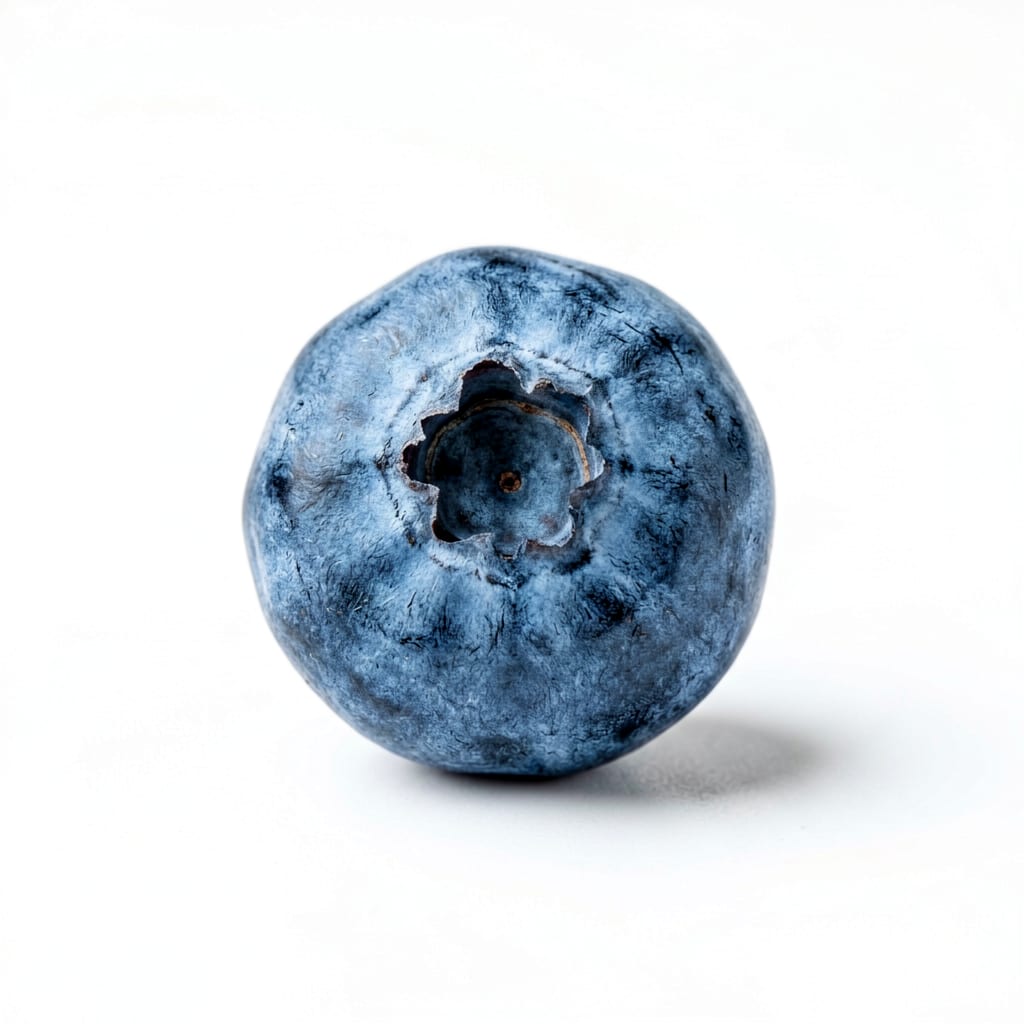
Compare with
Blueberry
Saskatoon berries have double the fiber and more protein than blueberries, but blueberries are slightly lower in calories and carbs.
Saskatoon berries beat blueberries for fiber and blood sugar control, while blueberries are slightly lower in calories and better for quick workout fuel.
This food
Saskatoon Berry
VS85% alike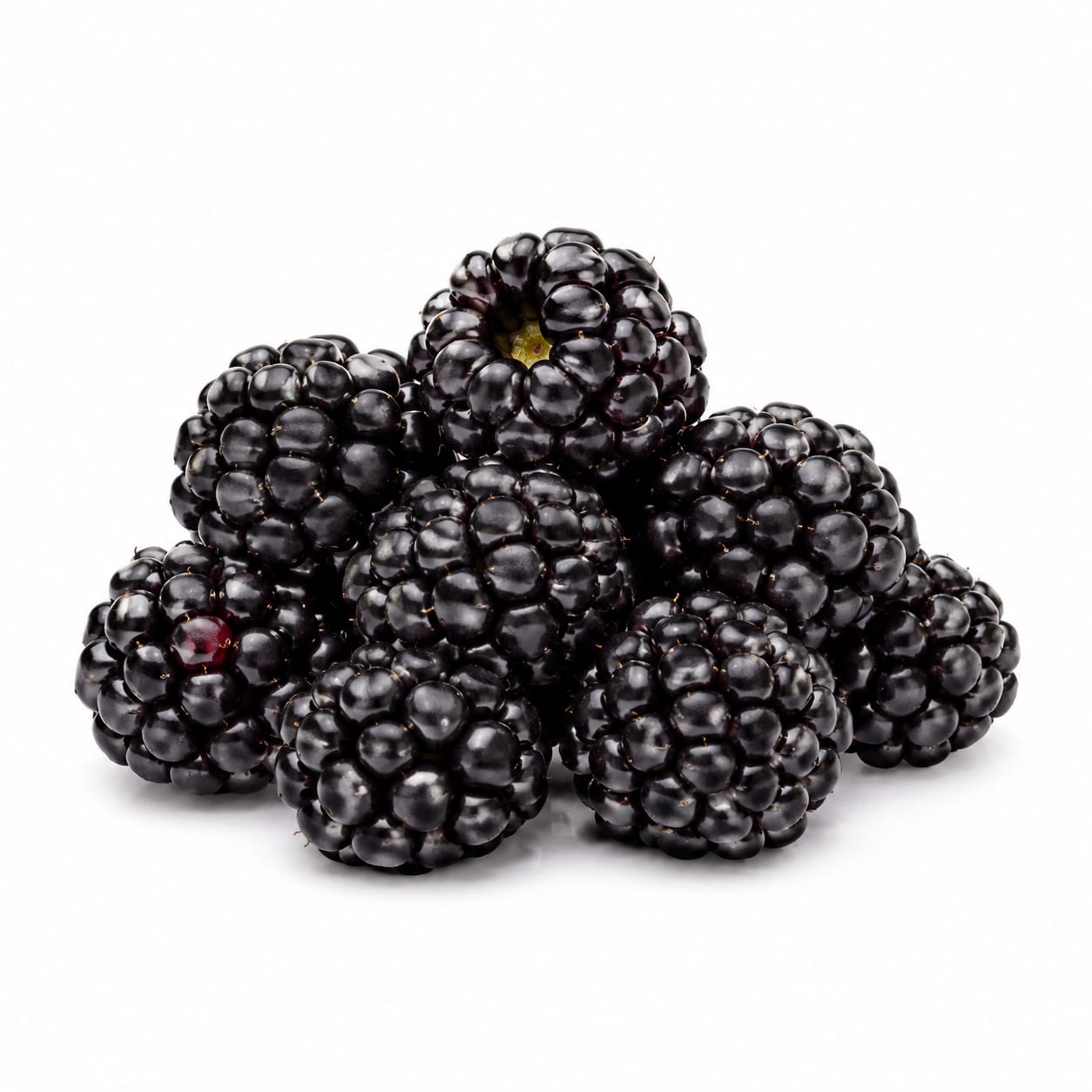
Compare with
Blackberry
Blackberries are slightly lower in calories and carbs, but Saskatoon berries offer more protein and a different flavor profile.
Blackberries are slightly lower in calories and carbs, making them a narrow winner for weight loss, but both are excellent high-fiber choices.
This food
Saskatoon Berry
VS80% alike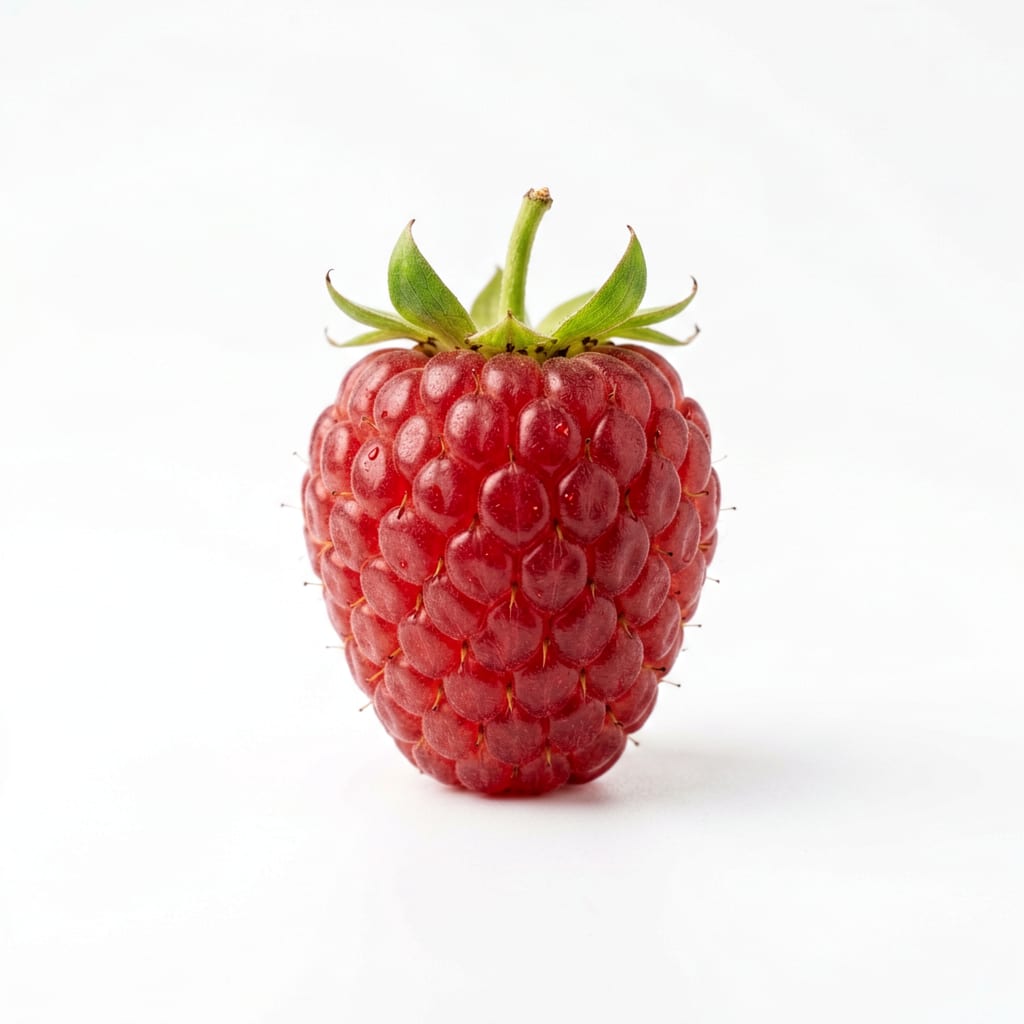
Compare with
Raspberry
Raspberries are lower in calories and sugar, but Saskatoon berries provide a richer antioxidant profile and more iron.
Raspberries are lower in sugar and calories, winning for strict weight loss, while Saskatoon berries offer more iron and a unique nutty flavor.
This food
Saskatoon Berry
VS90% alike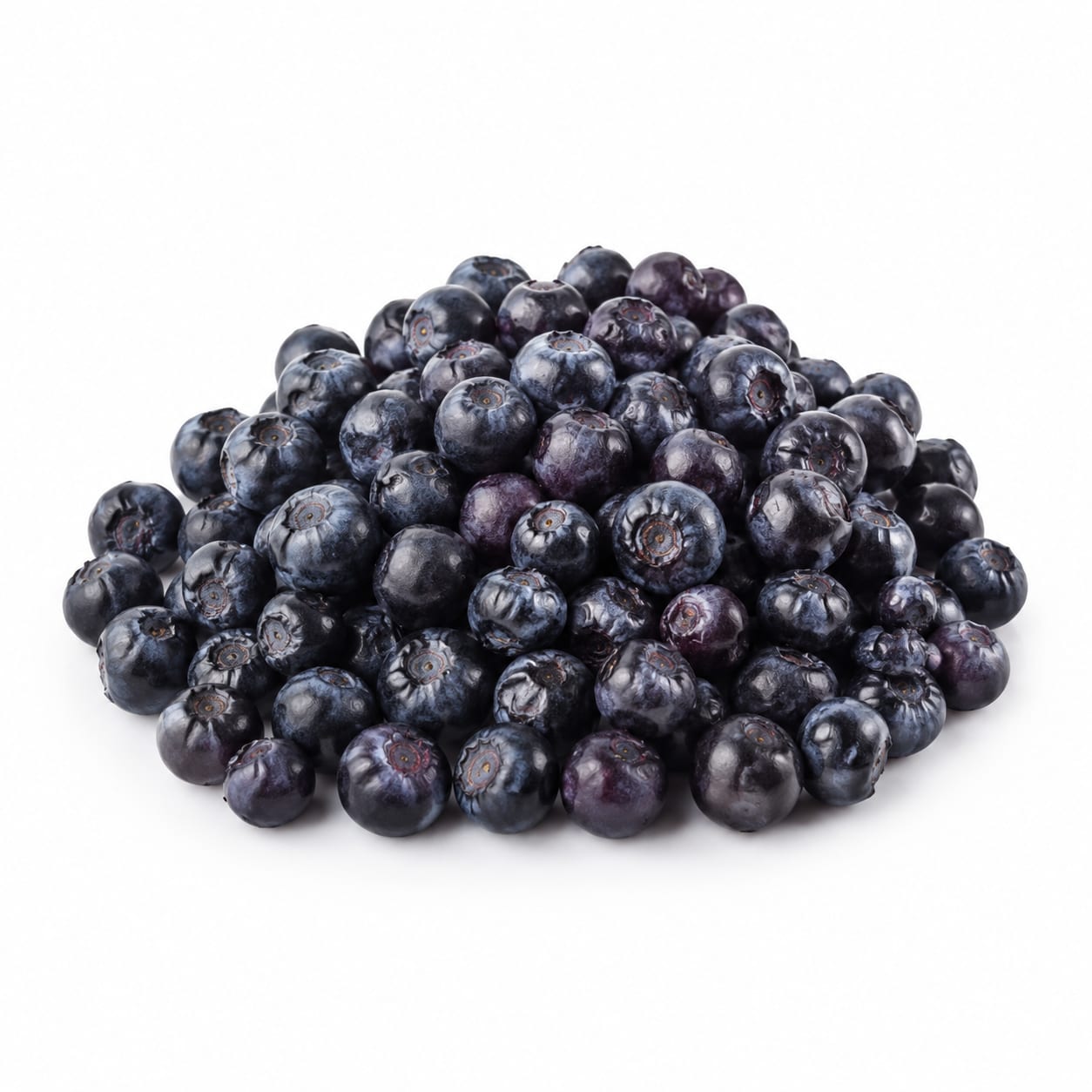
Compare with
Huckleberry
Saskatoon berries are higher in fiber and protein, whereas huckleberries are typically higher in vitamin C.
Saskatoon berries provide more fiber and better blood sugar control than huckleberries, which are slightly sweeter and higher in vitamin C.
This food
Saskatoon Berry
VS70% alike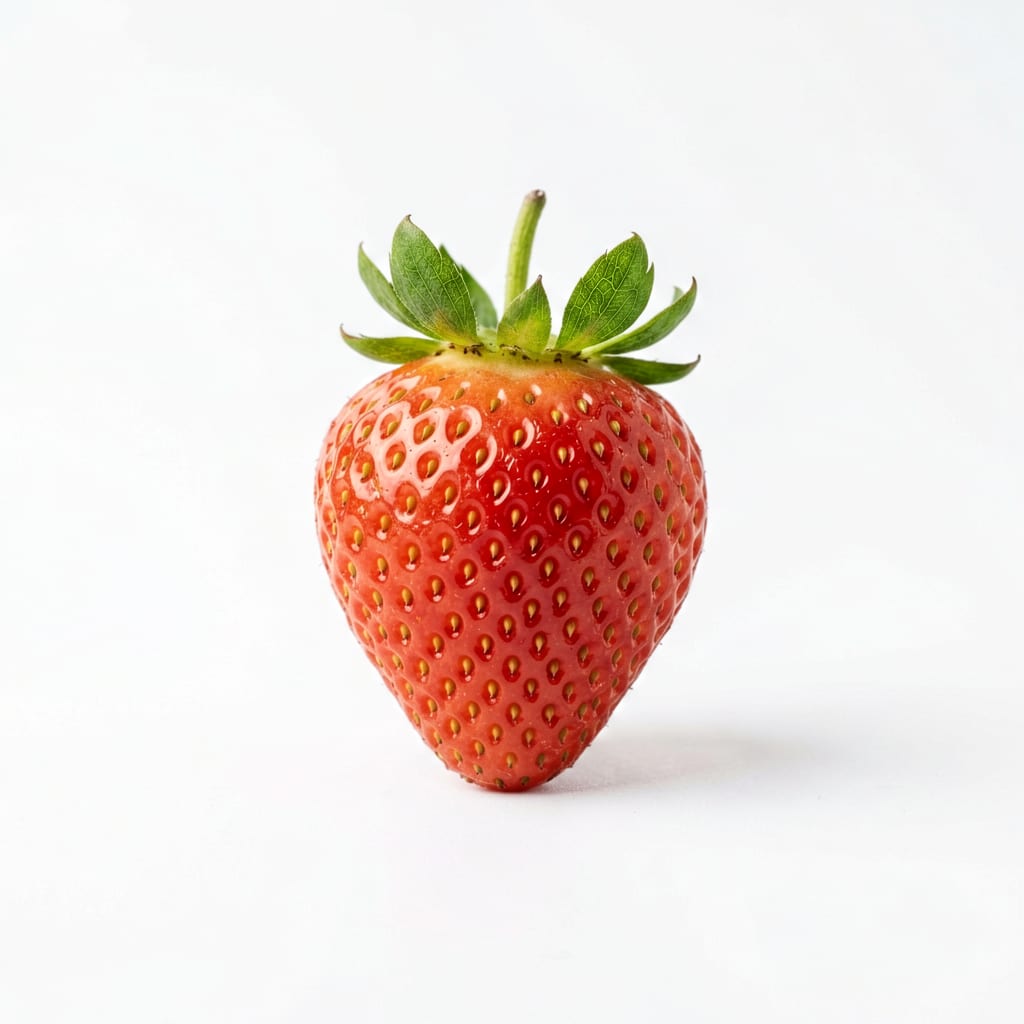
Compare with
Strawberry
Strawberries are significantly lower in calories and carbs, but Saskatoon berries offer much more fiber per serving.
Strawberries are lower in calories and sugar, but Saskatoon berries provide nearly double the fiber, making them more filling.
This food
Saskatoon Berry
VS65% alike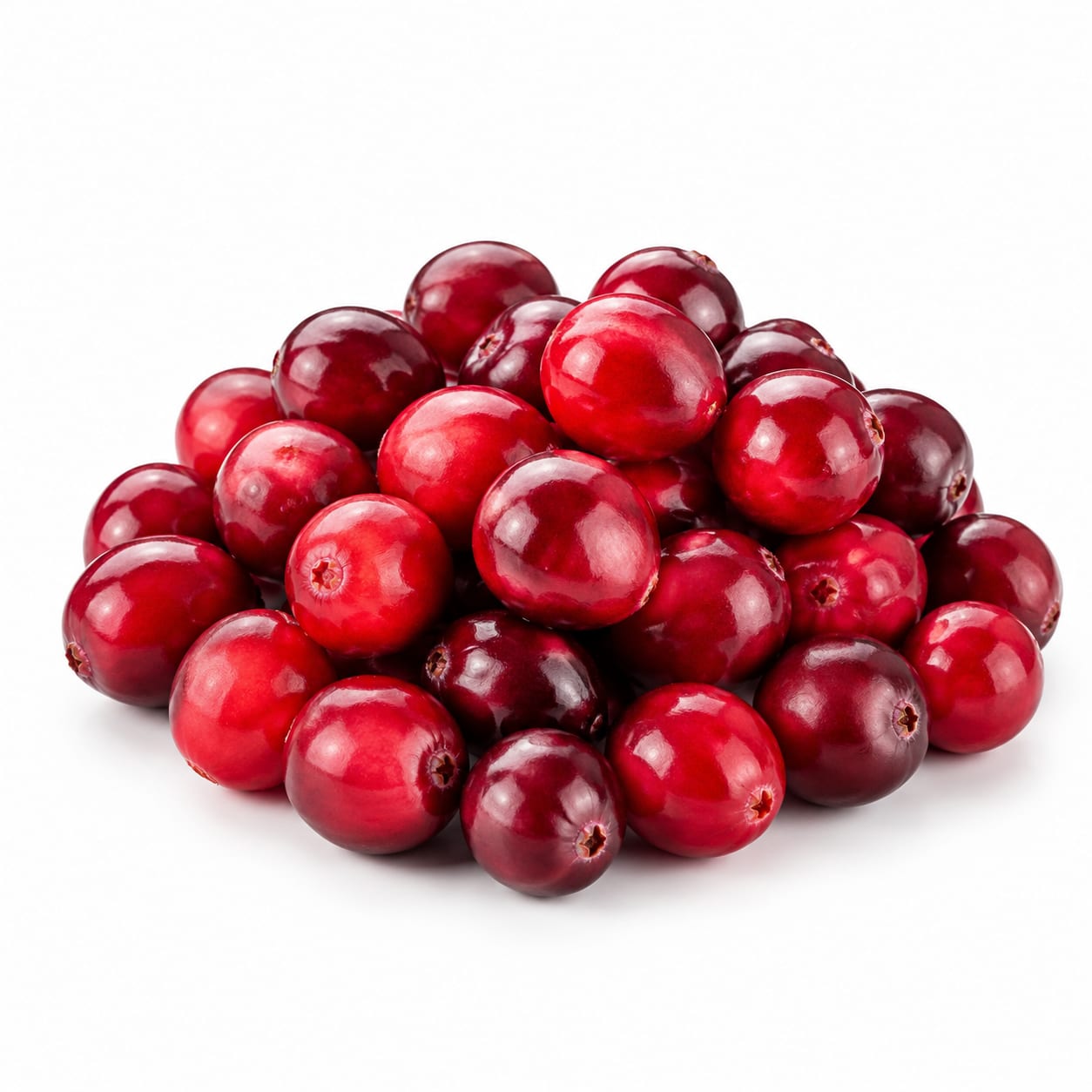
Compare with
Cranberry
Cranberries are extremely low in sugar but are rarely eaten raw due to tartness. Saskatoon berries are more palatable raw and higher in fiber.
Cranberries are lower in sugar but usually require sweetening, while Saskatoon berries are naturally sweeter, higher in fiber, and easier to eat raw.
This food
Saskatoon Berry
VS60% alike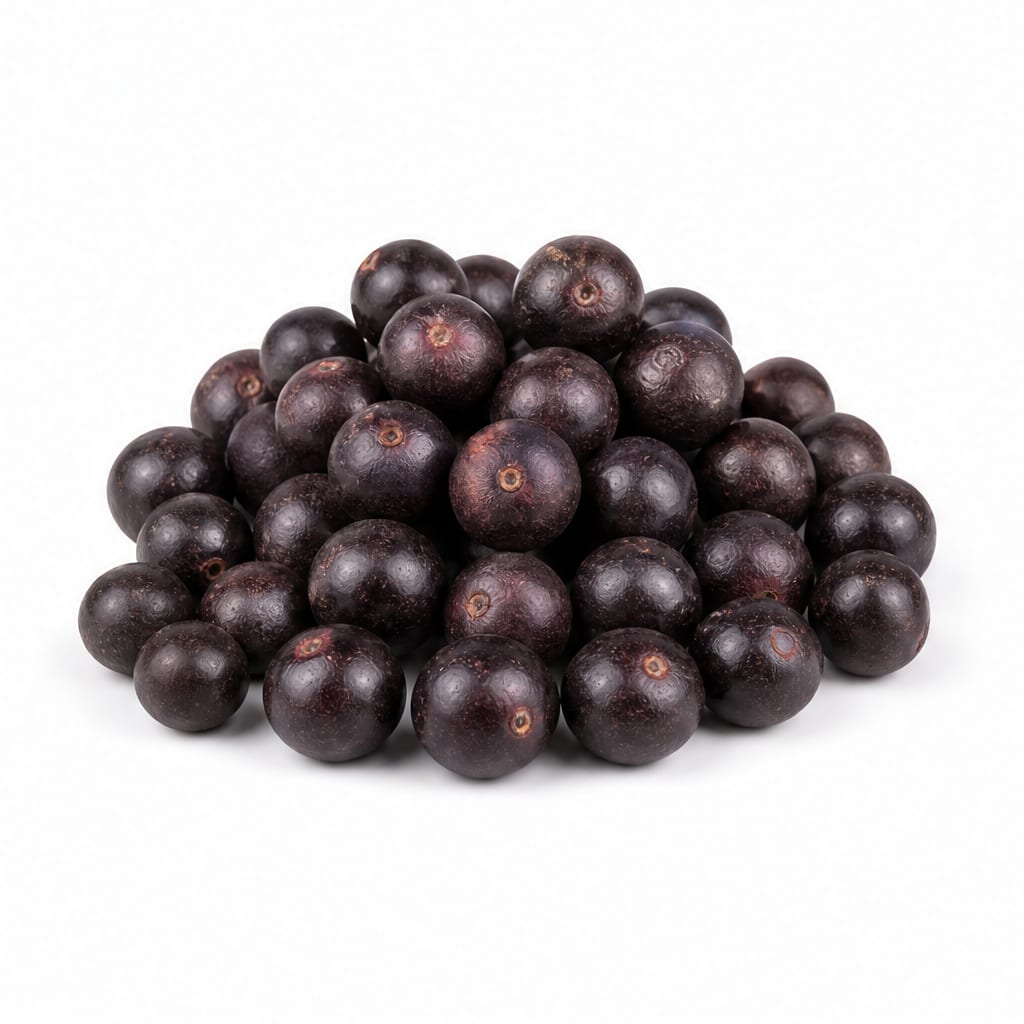
Compare with
Acai Berry
Acai is higher in healthy fats and antioxidants but is rarely available fresh. Saskatoon berries are lower in calories and available fresh or frozen.
Acai offers more healthy fats and antioxidants, but Saskatoon berries are lower in calories, higher in fiber, and easier to find whole.
This food
Saskatoon Berry
VS65% alike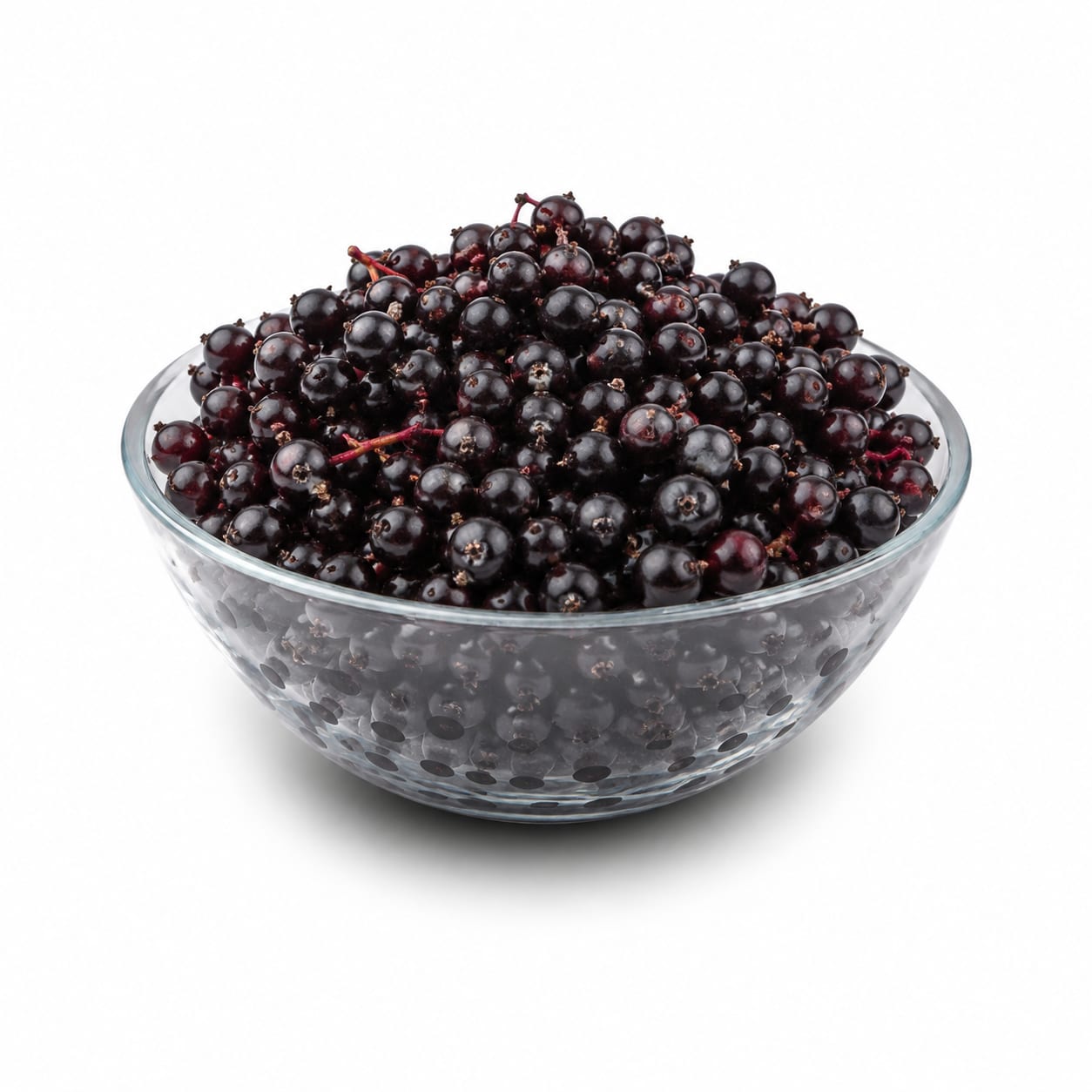
Compare with
Elderberry
Elderberries must be cooked to be safe, whereas Saskatoon berries can be eaten raw. Saskatoon berries are also higher in fiber.
Saskatoon berries are more versatile since they can be eaten raw, offering higher fiber and convenience compared to elderberries, which require cooking.
This food
Saskatoon Berry
VS55% alike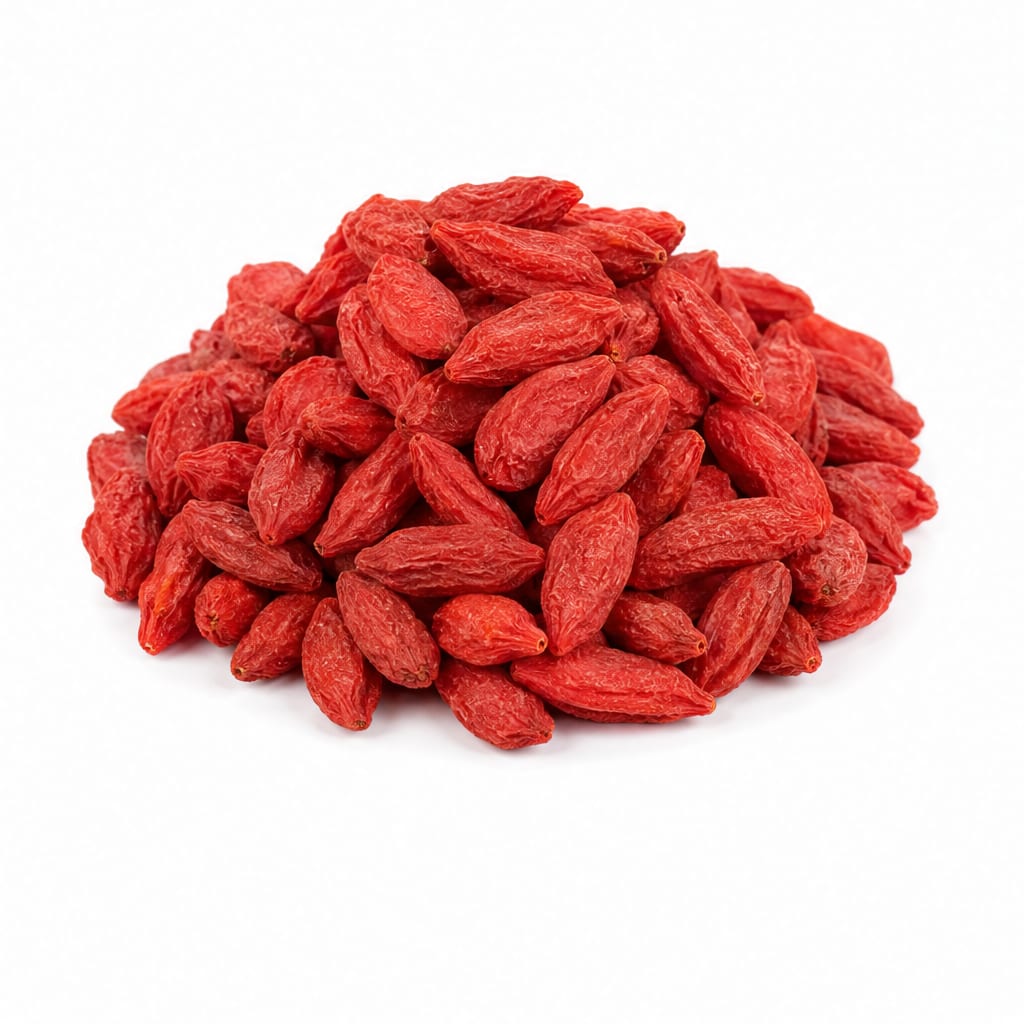
Compare with
Goji Berry
Fresh goji berries are rare; dried goji is high in sugar. Fresh Saskatoon berries are lower in sugar and higher in fiber than dried goji.
Fresh Saskatoon berries are far better for blood sugar and weight loss than sugar-dense dried goji berries, while goji offers more vitamin A.
This food
Saskatoon Berry
VS60% alike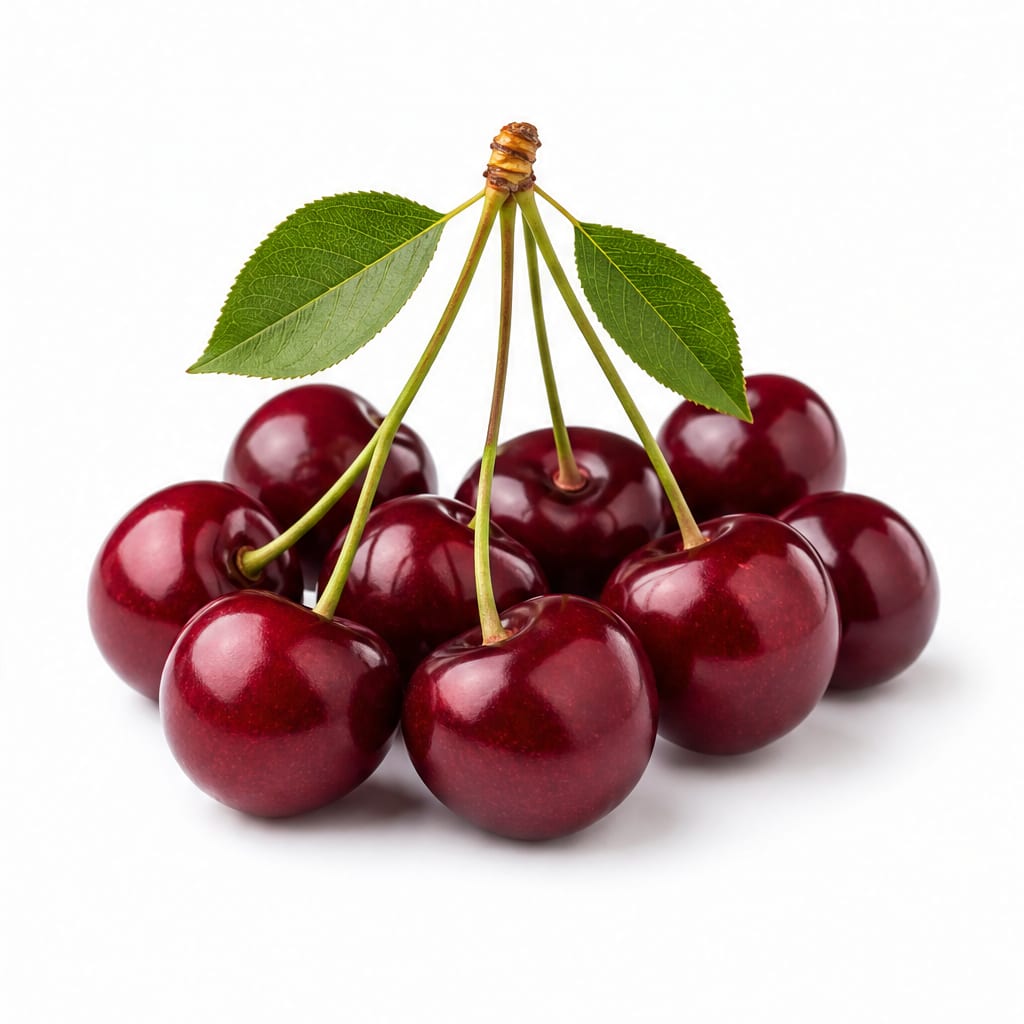
Compare with
Tart Cherry
Tart cherries are higher in natural sugar but renowned for anti-inflammatory and sleep benefits. Saskatoon berries are better for fiber and blood sugar.
Saskatoon berries win for blood sugar control and fiber, while tart cherries are better suited for post-workout recovery and reducing inflammation.
Common questions
FAQ
Answers aligned with how people search for this food.
Are Saskatoon berries good for weight loss?
Yes, Saskatoon berries are excellent for weight loss. They are low in calories and high in dietary fiber, which increases satiety and helps control appetite.
Can diabetics eat Saskatoon berries?
Yes, they are highly suitable for diabetics. They have a low glycemic index and low glycemic load, meaning they cause minimal spikes in blood sugar levels.
Are Saskatoon berries healthier than blueberries?
Saskatoon berries contain nearly double the fiber of blueberries and higher levels of certain antioxidants like anthocyanins. However, blueberries are slightly lower in calories and carbohydrates. Both are highly nutritious choices.
Do Saskatoon berries contain a lot of sugar?
No, Saskatoon berries are relatively low in sugar compared to other fruits, containing about 11 grams of sugar per 100 grams, balanced by 5.5 grams of fiber.
Why do Saskatoon berries taste like almonds?
The seeds of Saskatoon berries contain compounds related to amygdalin, which is also found in almond pits and apricot kernels. This gives the berries their characteristic subtle, nutty almond flavor.
Are Saskatoon berries safe to eat raw?
Yes, fresh Saskatoon berries are completely safe to eat raw and are highly nutritious. The trace amounts of amygdalin in the seeds are harmless when consumed in normal quantities.
Can you eat Saskatoon berries on a keto diet?
In moderation, they can fit into a keto diet. With 18.5g of total carbs and 5.5g of fiber, they have 13g of net carbs per 100g, so portion control is necessary to stay within keto macros.
What nutrients are in Saskatoon berries?
They are rich in dietary fiber, manganese, magnesium, iron, and vitamin C. They are also exceptionally high in anthocyanins, which act as powerful antioxidants.
How should I store Saskatoon berries?
Store them in the refrigerator for up to a week, or freeze them for long-term storage. Do not wash them until you are ready to eat them to prevent mold and spoilage.
Are Saskatoon berries good for gut health?
Yes, their high fiber content supports healthy digestion, promotes regular bowel movements, and feeds beneficial gut bacteria.
Transparency
Data confidence
Estimated confidence for nutrition data, interpretation, safety notes, and comparisons.
Nutrition data
Health analysis
Food safety
Comparisons