
Nutrition comparison
Saskatoon Berry vs Goji Berry: Which Superfood Is Actually Better for You
Compare Saskatoon berries and goji berries on antioxidants, sugar, vitamins, safety, and cost. Find out which berry fits your health goals and lifestyle best.
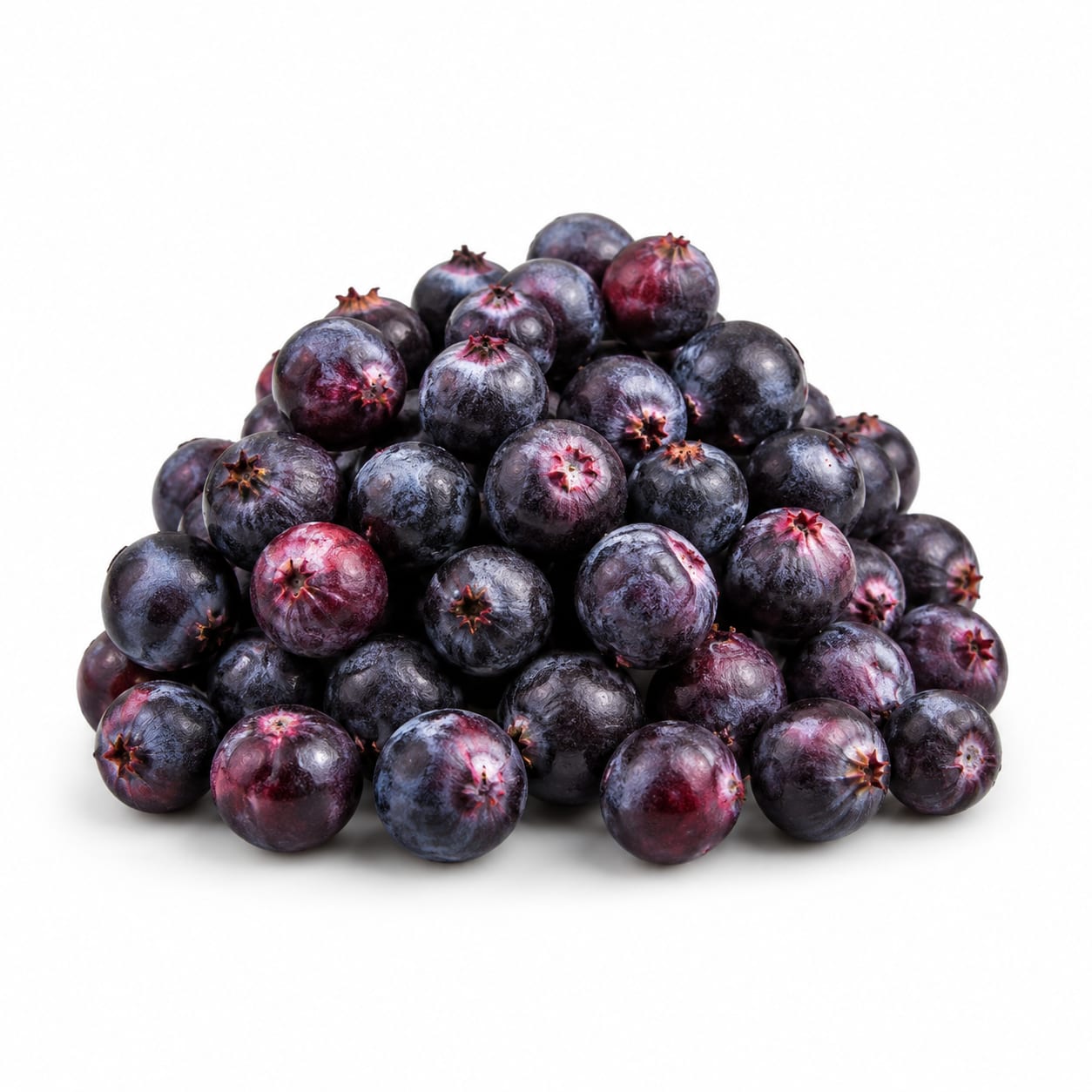
Saskatoon Berry
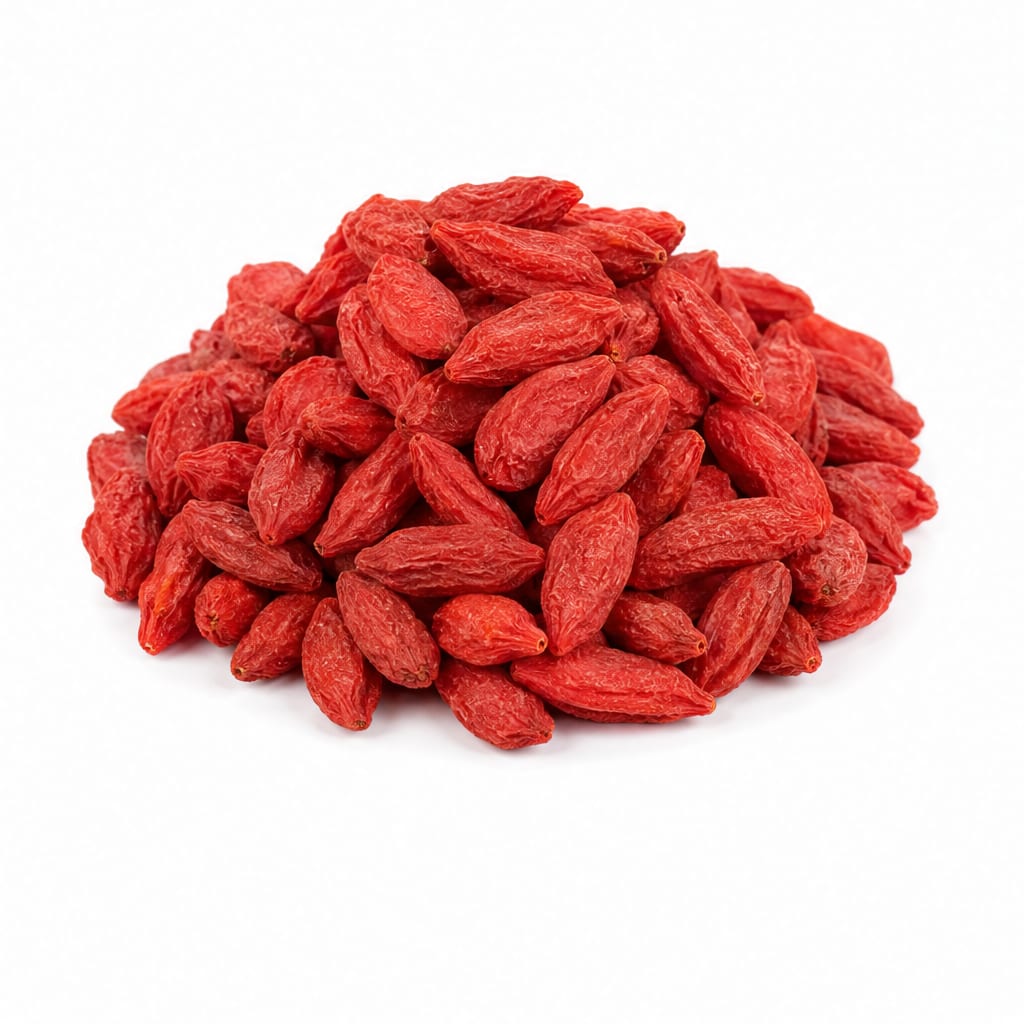
Goji Berry
Saskatoon berries win for fresh eating and blood sugar control; goji berries win for convenience and vitamin A density. Both are antioxidant powerhouses with different practical strengths.
Saskatoon berries score higher due to lower sugar, fresh form, and regional accessibility, but goji berries remain competitive thanks to exceptional vitamin A content and shelf-stable convenience. The gap reflects the sugar concentration penalty of dried goji more than any nutritional weakness.
Fresh juicy low-sugar Saskatoon berries versus shelf-stable nutrient-concentrated dried goji berries with higher sugar load
At a glance
Executive summary
Overall
It depends
Healthier
Saskatoon Berry
More practical
Goji Berry
Daily use
Saskatoon Berry
Key comparison lenses
antioxidant superfood comparison
Both berries are prized for exceptional antioxidant content, making their phytonutrient profiles the central question
fresh vs dried practicality
Saskatoon berries are typically eaten fresh or frozen while goji berries are almost always sold dried, affecting convenience and sugar concentration
traditional medicine vs indigenous food
Goji carries heavy Traditional Chinese Medicine marketing while Saskatoon offers Indigenous North American food heritage with less commercialization
blood sugar and diabetes suitability
Dried goji concentrates sugars significantly compared to fresh Saskatoon berries, making glycemic impact a key differentiator
cost and accessibility tradeoffs
Goji berries carry premium import pricing while Saskatoon berries remain regional and seasonal but far more affordable when available
Best choice for
Saskatoon Berry
- Blood sugar management and diabetes-friendly snacking
- Fresh whole-food fruit experience with high water content
- Local and seasonal eating preferences in North America
- Lower calorie density snacking
- Avoiding concentrated sugar hits from dried fruit
Goji Berry
- Convenient on-the-go nutrition without refrigeration
- Boosting vitamin A intake significantly
- Traditional Chinese medicine inspired wellness routines
- Long shelf life pantry stocking
- Adding to trail mixes and dry snack blends
Least suitable for
Saskatoon Berry
- Year-round availability outside northern growing regions
- Portable snacking without refrigeration access
- People seeking traditional Chinese medicine benefits
Goji Berry
- Strict low-sugar or ketogenic diets
- People on blood thinners like warfarin
- Those wanting fresh whole fruit texture
- Budget-conscious shoppers needing affordable regular intake
Deep comparison
Dimension by dimension
Each lens scores both foods and breaks down who each option suits.
- Dimension 1 · Priority 95It depends
antioxidant_density
Saskatoon Berry · 82Goji Berry · 85Goji berries edge ahead on total antioxidant capacity measured by ORAC, but Saskatoon berries deliver a uniquely rich anthocyanin profile comparable to blueberries.
Tradeoff
Goji offers broader antioxidant variety including rare lycium barbarum polysaccharides, while Saskatoon provides deeper purple-pigment anthocyanins tied to vascular health
Why it matters
Different antioxidant families support different body systems, so diversity matters more than total quantity
Real-world impact
Mixing both berries occasionally gives you wider antioxidant coverage than loading up on just one
Saskatoon Berry
- Vascular and circulatory health via anthocyanins
- Reducing oxidative stress from intense exercise
- Supporting capillary strength and vein health
Better for
- Lacks the specific immune-modulating compounds found in goji
- Lower total ORAC score per serving
Worse for
Goji Berry
- Immune modulation through unique polysaccharides
- Eye health with combined vitamin A and zeaxanthin
- Broader spectrum cellular protection
Better for
- Antioxidant benefits partially offset by higher sugar content
- Heat drying may degrade some heat-sensitive antioxidants
Worse for
- Dimension 2 · Priority 90Saskatoon Berry
sugar_and_blood_sugar_impact
Saskatoon Berry · 88Goji Berry · 52Fresh Saskatoon berries contain roughly 5-8g sugar per 100g while dried goji berries pack around 45-50g sugar per 100g, a massive difference driven by water removal.
Tradeoff
Goji's concentrated nutrients come with equally concentrated sugars that can spike blood glucose, whereas Saskatoon berries deliver benefits with a gentle glycemic footprint
Why it matters
Dried fruit sugar hits are often underestimated and can trigger cravings, energy crashes, and insulin spikes especially when eaten mindlessly
Real-world impact
A handful of dried goji can hit your bloodstream like a mini candy bar, while a cup of fresh Saskatoon berries feels like the healthy fruit experience you intended
Saskatoon Berry
- Steady energy without afternoon crashes
- Diabetes-friendly fruit option
- Keto-adjacent eating with very low net carbs
- Controlling cravings and emotional snacking
Better for
- Lower calorie density means less fuel for high-energy-demand activities
Worse for
Goji Berry
- Quick energy before endurance activities
- Hikers needing calorie density in small packages
Better for
- Rapid blood sugar spikes in sensitive individuals
- Easy to overeat sugar without realizing it
- Problematic for insulin resistance and metabolic syndrome
Worse for
- Dimension 3 · Priority 85Goji Berry
vitamin_and_mineral_density
Saskatoon Berry · 70Goji Berry · 86Goji berries deliver extraordinary vitamin A levels and notable iron, zinc, and selenium content. Saskatoon berries provide solid vitamin C, manganese, and iron but cannot match goji's vitamin A dominance.
Tradeoff
Goji's mineral advantage comes from concentration through drying, while Saskatoon offers better hydration and vitamin C that degrades in dried storage
Why it matters
Vitamin A deficiency is surprisingly common and goji is one of the richest plant sources available
Real-world impact
Regular goji consumption can meaningfully move the needle on vitamin A status, especially for plant-based eaters avoiding retinol from animal sources
Saskatoon Berry
- Vitamin C that survives fresh consumption
- Manganese for bone and connective tissue health
- Better hydration from high water content
Better for
- Moderate vitamin A compared to goji's exceptional levels
- Lower total mineral content per serving
Worse for
Goji Berry
- Exceptional vitamin A for vision and immune function
- Iron and zinc together for better absorption synergy
- Selenium for thyroid and antioxidant enzyme support
Better for
- Vitamin C largely degraded during drying and storage
- Mineral concentrations can vary widely by source quality
Worse for
- Dimension 4 · Priority 78Saskatoon Berry
fiber_and_satiety
Saskatoon Berry · 80Goji Berry · 68Fresh Saskatoon berries provide satisfying bulk and water alongside their fiber, creating genuine fullness. Dried goji offers concentrated fiber but lacks the volume that triggers satiety signals.
Tradeoff
Goji delivers more fiber gram-for-gram due to concentration, but the eating experience is less filling, making portion control harder
Why it matters
Satiety is about physical fullness and eating experience, not just fiber numbers on a label
Real-world impact
You can eat two cups of fresh Saskatoon berries and feel genuinely satisfied, but the same calories in dried goji disappear in a few small handfuls
Saskatoon Berry
- Physical fullness from water volume and fiber together
- Natural portion control through bulk
- More satisfying snack experience
Better for
- Lower total fiber per serving compared to concentrated dried goji
Worse for
Goji Berry
- Higher total fiber per 100g for digestive regularity
- Prebiotic fiber feeding gut bacteria
Better for
- Easy to overeat because dried fruit feels less filling
- Concentrated fiber can cause digestive discomfort in large amounts
Worse for
- Dimension 5 · Priority 75Saskatoon Berry
cost_and_accessibility
Saskatoon Berry · 62Goji Berry · 48Saskatoon berries are affordable when in season locally but extremely limited geographically. Goji berries are widely available online and in health stores but carry premium import pricing.
Tradeoff
Saskatoon wins on cost per pound when available but loses on year-round access; goji is always findable but always expensive
Why it matters
The healthiest food is the one you can actually afford and access regularly, not the one with the best theoretical profile
Real-world impact
Most North Americans outside prairie regions will never find fresh Saskatoon berries, while goji sits on every health store shelf at a steep markup
Saskatoon Berry
- Much lower cost per pound in season
- Supporting local and regional agriculture
- U-pick farm availability in western Canada and northern US
Better for
- Extremely limited fresh availability outside growing regions
- Short harvest season in mid-summer only
- Difficult to find in most grocery stores
Worse for
Goji Berry
- Consistent year-round availability
- Available globally through online ordering
- No seasonal limitations
Better for
- Premium pricing often exceeding $15-25 per pound
- Quality varies enormously between suppliers
- Import dependency and supply chain concerns
Worse for
- Dimension 6 · Priority 72Saskatoon Berry
safety_and_interactions
Saskatoon Berry · 90Goji Berry · 62Saskatoon berries have no known drug interactions and an excellent safety profile. Goji berries can interact with blood thinners and may contain concerning pesticide residues from some suppliers.
Tradeoff
Goji's pharmacological potency that makes it valuable in traditional medicine also creates real drug interaction risks that Saskatoon simply does not carry
Why it matters
A superfood that conflicts with your medication stops being super very quickly
Real-world impact
Anyone on warfarin or similar blood thinners should consult their doctor before eating goji regularly, while Saskatoon berries pose no such concern
Saskatoon Berry
- No known drug interactions
- Safe for people on blood thinners
- Clean safety profile as traditional Indigenous food
Better for
- Seeds contain small amounts of amygdalin, though not clinically significant at normal consumption levels
Worse for
Goji Berry
- Documented pharmacological effects that can complement certain treatments
Better for
- Interacts with warfarin and other anticoagulants
- Pesticide residue concerns from some Chinese agricultural sources
- Atropine contamination found in some goji supplements
- May affect blood pressure medications
Worse for
Timeline
Health impact over time
Short-term
Hours to days
Saskatoon Berry
- Hydrating fresh fruit experience with gentle energy
- Light satisfying fullness without sugar crash
- Mild anti-inflammatory effect from anthocyanins
Goji Berry
- Quick energy boost from concentrated natural sugars
- Noticeable vitamin A support for night vision within days
- Potential digestive adjustment if consuming large amounts of dried fruit
Long-term
Months to years
Saskatoon Berry
- Sustained vascular health from regular anthocyanin intake
- Consistent blood sugar management supporting metabolic health
- Regional food sovereignty and seasonal eating patterns
Goji Berry
- Meaningful vitamin A accumulation supporting immune resilience
- Potential immune modulation from lycium barbarum polysaccharides
- Risk of excess sugar intake if portion control lapses
Risk profile
Safety & processing
Fresh or frozen Saskatoon berries are essentially untouched whole foods. Dried goji berries undergo dehydration processing and may contain sulfur dioxide preservatives or added sugars from less reputable suppliers, making label reading essential.
Saskatoon Berry
Amygdalin in seeds
lowSaskatoon berry seeds contain trace amygdalin like many stone fruits, but amounts are negligible at normal consumption levels and pose no practical risk
Wild harvesting misidentification
lowForagers should confirm identity as some wild relatives may look similar; commercial sources eliminate this concern entirely
Goji Berry
Blood thinner interaction
highGoji berries can significantly enhance the effect of warfarin and other anticoagulants, potentially causing dangerous bleeding. Anyone on blood thinners needs medical guidance.
Pesticide residues
mediumGoji berries from some Chinese agricultural regions have tested positive for pesticide residues exceeding safety standards. Choosing organic or tested sources matters.
Atropine contamination
mediumSome goji products have been found contaminated with atropine from nightshade mixing during harvest or processing, causing heart rate and digestive symptoms
Who wins for whom
Audience fit
Same foods, different winners depending on your goal.
children
Saskatoon BerryKids benefit more from fresh whole fruit with natural portion control and hydration, while dried goji's concentrated sugars and smaller choking-relevant size make it less ideal
daily consumption
Saskatoon BerryLower sugar, no drug interactions, and fresh whole-food form make Saskatoon berries safer and more sustainable for daily habitual consumption
diabetes
Saskatoon BerryFresh Saskatoon berries have dramatically lower sugar content and glycemic impact, making them clearly safer for blood sugar management
elderly
Goji BerryGoji's exceptional vitamin A and zinc content supports aging eyes and immune function, and the dried form is easier to keep stocked without spoilage concerns
muscle gain
It dependsNeither berry is a protein source, but goji's slightly higher iron and zinc content marginally supports muscle recovery while Saskatoon's lower sugar fits cleaner bulking approaches
weight loss
Saskatoon BerryFresh Saskatoon berries provide volume, hydration, and fiber with minimal calories and sugar, making them far more supportive of calorie-controlled eating than sugar-dense dried goji
Your move
Decision guide
Choose Saskatoon Berry
- You want fresh whole fruit with low sugar and high satisfaction
- Blood sugar management is a priority for you
- You live in or can access western Canadian and northern US growing regions
- You prefer eating foods without drug interaction concerns
- You value seasonal local eating and regional food traditions
Choose Goji Berry
- You need shelf-stable nutrition that travels well
- Boosting vitamin A intake is a specific health goal
- You practice Traditional Chinese Medicine approaches
- Fresh fruit spoilage is a persistent problem in your household
- You want concentrated nutrients for hiking, camping, or emergency supplies
Either works if
- You simply want more antioxidant-rich berries in your diet
- You enjoy rotating different berries for variety
- Neither berry is locally available and you are choosing between imported options
Avoid both if
- You have specific berry allergies or sensitivities
- You are solely focused on protein intake and expect berries to deliver it
- You are on a very tight budget and need affordable staple fruits like bananas or apples instead
Final recommendation
Eat Saskatoon berries fresh when you can get them for the best all-around health experience with minimal sugar. Keep dried goji on hand for convenience and vitamin A boosts, but watch portions to avoid concentrated sugar hits. If you can access both, rotating between them gives you the widest antioxidant coverage and the best of both worlds.
Practical
Consumer tips
- 1
Choose organic goji berries whenever possible to minimize pesticide exposure from less regulated agricultural sources
- 2
If you are on blood thinners, talk to your doctor before adding goji berries to your routine as the interaction is well-documented and potentially serious
- 3
Freeze Saskatoon berries in season to enjoy them year-round rather than settling for dried alternatives
- 4
Portion dried goji into small containers ahead of time since it is very easy to eat far more sugar than you intend when snacking straight from the bag
- 5
Look for Saskatoon berries at farmers markets in western Canada and the northern US plains states during July and August, or check frozen sections of specialty grocers
- 6
Soak dried goji in water for ten minutes before eating to partially rehydrate them and reduce the sugar density per bite