
Nutrition comparison
Saskatoon Berry vs Cranberry: Nutrition, Antioxidants, and Health Benefits
Compare Saskatoon berries vs cranberries for health benefits, sugar content, and antioxidants. Find out which berry is better for UTIs, weight loss, and daily snacking.
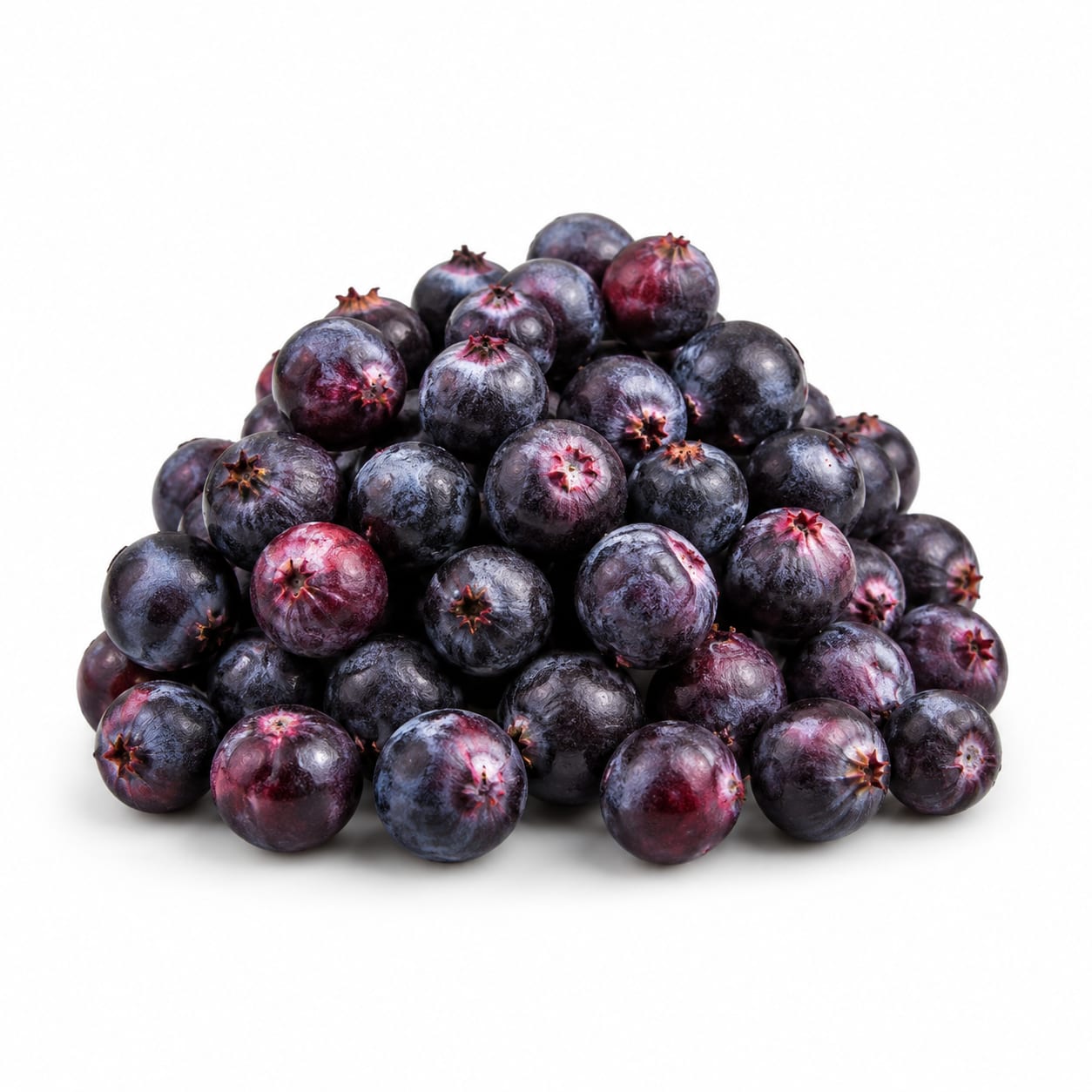
Saskatoon Berry
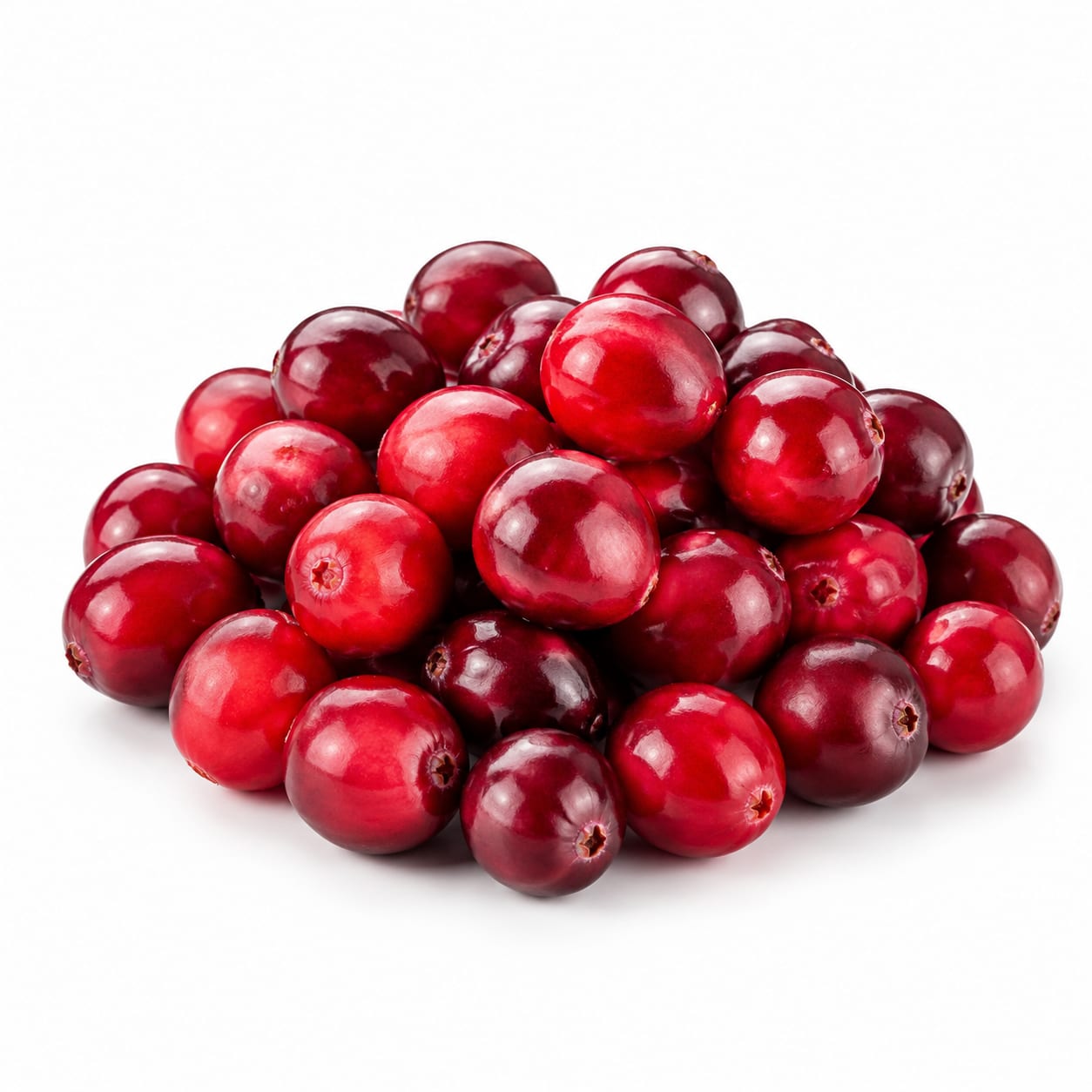
Cranberry
Saskatoon berries offer more fiber and natural sweetness, while cranberries excel at urinary tract health and have far less sugar when eaten raw.
Saskatoon berries score slightly higher for their superior fiber and antioxidant profile, but cranberries remain highly competitive due to their accessibility and specialized UTI benefits.
Natural sweetness and digestive fullness versus tartness and specific urinary tract protection.
At a glance
Executive summary
Overall
It depends
Healthier
It depends
More practical
Cranberry
Daily use
Saskatoon Berry
Key comparison lenses
Antioxidant and anti-inflammatory benefits
Both berries are prized for their high antioxidant content, but their specific phytonutrient profiles serve different health goals.
Blood sugar impact and diabetes management
Cranberries are extremely low in sugar but rarely eaten raw, while Saskatoon berries have natural sweetness paired with high fiber.
Urinary tract health
Cranberries are famous for UTI prevention, a unique benefit that sets them apart from almost all other fruits.
Fiber and digestive health
Saskatoon berries offer significantly more fiber, which dramatically affects fullness and gut health.
Taste and culinary practicality
The intense tartness of cranberries makes them hard to eat raw without added sugar, impacting how they are actually consumed.
Best choice for
Saskatoon Berry
- People wanting a high-fiber, naturally sweet snack
- Those seeking anti-inflammatory benefits
- Anyone who finds raw cranberries too tart to enjoy
Cranberry
- People prone to urinary tract infections
- Those strictly limiting sugar intake
- Anyone wanting a tart flavor for culinary use
Least suitable for
Saskatoon Berry
- People who cannot find them locally or seasonally
- Those on a very strict low-carb diet
Cranberry
- People who dislike tart flavors without added sugar
- Those looking for a high-fiber snack to stay full
Deep comparison
Dimension by dimension
Each lens scores both foods and breaks down who each option suits.
- Dimension 1 · Priority 90Saskatoon Berry
Antioxidant Profile & Inflammation
Saskatoon Berry · 92Cranberry · 85Saskatoon berries pack a heavier punch of anthocyanins, giving them a slight edge in fighting systemic inflammation.
Tradeoff
Cranberries are still excellent antioxidants but are more specialized toward protecting the urinary tract lining.
Why it matters
Higher anthocyanin intake links to better heart health and reduced chronic inflammation.
Real-world impact
Eating Saskatoon berries regularly may help with joint stiffness and recovery after exercise more noticeably.
Saskatoon Berry
- Reducing systemic inflammation
- Cardiovascular support
Better for
- Lacks the specific compounds that prevent bacteria from adhering to the urinary tract
Worse for
Cranberry
- Targeted urinary tract protection
Better for
- Lower overall anthocyanin concentration per serving
Worse for
- Dimension 2 · Priority 85It depends
Blood Sugar & Diabetes Friendliness
Saskatoon Berry · 75Cranberry · 80Raw cranberries are extremely low in sugar, but Saskatoon berries offer more fiber to slow down sugar absorption.
Tradeoff
Cranberries have less sugar but are rarely eaten raw without sweetening, which negates the benefit. Saskatoon berries have more natural sugar but are enjoyable unsweetened.
Why it matters
How a food is actually eaten matters more than its raw nutritional profile.
Real-world impact
A handful of fresh Saskatoon berries will not spike your blood sugar, but a cranberry juice cocktail absolutely will.
Saskatoon Berry
- Sustained energy without crashes due to high fiber
- Eating raw without needing blood-sugar-spiking sweeteners
Better for
- Higher natural carbohydrate load per serving
Worse for
Cranberry
- Minimal sugar impact if consumed raw or as an unsweetened extract
Better for
- Almost always consumed with added sugars, risking blood sugar spikes
Worse for
- Dimension 3 · Priority 75Saskatoon Berry
Digestive Health & Satiety
Saskatoon Berry · 88Cranberry · 60Saskatoon berries contain significantly more fiber, keeping you fuller for longer and supporting better digestion.
Tradeoff
Cranberries provide decent fiber but in a much smaller quantity per serving, leaving you less satisfied.
Why it matters
Fiber is crucial for gut health, regularity, and maintaining a healthy weight.
Real-world impact
Snacking on Saskatoon berries will keep you satisfied until your next meal, whereas cranberries might leave you hungry.
Saskatoon Berry
- Feeling full between meals
- Improving bowel regularity
Better for
- Can be filling if you only want a light bite
Worse for
Cranberry
- Light hydration due to high water content
Better for
- Unlikely to quell hunger on its own
Worse for
- Dimension 4 · Priority 80Cranberry
Urinary Tract Health
Saskatoon Berry · 50Cranberry · 98Cranberries are the gold standard for preventing urinary tract infections due to their unique proanthocyanidins.
Tradeoff
Saskatoon berries lack the specific compounds that prevent bacteria from adhering to the urinary tract walls.
Why it matters
UTIs are painful and recurrent for many people, making this a critical and unique health benefit.
Real-world impact
Using unsweetened cranberry extract or juice can significantly reduce UTI recurrence for susceptible individuals.
Saskatoon Berry
- General immune support
Better for
- No specific UTI prevention properties
Worse for
Cranberry
- Preventing UTIs
- Disrupting bacterial adhesion in the urinary tract
Better for
- Benefits are negated if consumed in sugary juice cocktails that feed bacteria
Worse for
- Dimension 5 · Priority 70It depends
Taste & Culinary Practicality
Saskatoon Berry · 85Cranberry · 70Saskatoon berries are naturally sweet and nutty, making them easy to eat raw. Cranberries are intensely tart and usually require cooking or sweetening.
Tradeoff
Cranberries' tartness makes them excellent for sauces and baked goods, while Saskatoon berries shine in smoothies and raw snacks.
Why it matters
If a food tastes bad raw, people often add sugar to make it palatable, which undermines health goals.
Real-world impact
You can easily pop Saskatoon berries by the handful, but raw cranberries are a puckering experience most will not repeat.
Saskatoon Berry
- Enjoying a raw, unsweetened snack
- Adding to oatmeal or yogurt without extra sugar
Better for
- Lacks the tart punch needed for classic holiday recipes
Worse for
Cranberry
- Creating tangy sauces and relishes
- Baking where tartness is desired
Better for
- Requires sweeteners to be palatable on its own
Worse for
Timeline
Health impact over time
Short-term
Hours to days
Saskatoon Berry
- Quick energy from natural sugars
- Immediate fullness from high fiber
Cranberry
- Tart flavor can stimulate digestion
- Very low blood sugar impact if eaten raw
Long-term
Months to years
Saskatoon Berry
- Better heart health from high anthocyanins
- Improved bowel regularity from substantial fiber
Cranberry
- Reduced UTI occurrences
- Lower long-term sugar intake if avoiding sweetened cranberry products
Risk profile
Safety & processing
Both are natural when fresh or frozen, but the cranberry market is flooded with heavily sweetened dried fruits and juice cocktails, making it harder to find a truly pure product without additives.
Saskatoon Berry
Pesticide residue
lowUsually wild-harvested or grown with minimal pesticides, but wash thoroughly.
Seed toxicity in massive quantities
lowSeeds contain amygdalin, similar to apple seeds, but you would need to eat unrealistic amounts for it to be harmful.
Cranberry
Added sugars in processed forms
highDried cranberries and juices often contain massive amounts of added sugar to offset the natural tartness.
Kidney stones
mediumHigh doses of cranberry supplements may increase the risk of kidney stones in susceptible individuals due to oxalates.
Who wins for whom
Audience fit
Same foods, different winners depending on your goal.
children
Saskatoon BerryKids are much more likely to enjoy the naturally sweet, mild flavor of Saskatoon berries over the intense tartness of raw cranberries.
daily consumption
Saskatoon BerryEasier to eat raw without added sweeteners, making it a more sustainable daily habit.
diabetes
CranberryRaw cranberries have almost no sugar, though Saskatoon berries' high fiber also makes them a safe choice in moderation.
elderly
CranberryThe specific UTI prevention benefits are highly relevant for older adults, particularly women.
muscle gain
It dependsNeither is a significant protein source, but both offer good antioxidants for workout recovery.
weight loss
Saskatoon BerryHigher fiber content keeps you full longer, and the natural sweetness satisfies cravings without needing added sugar.
Your move
Decision guide
Choose Saskatoon Berry
- You want a high-fiber, naturally sweet snack
- You are focused on anti-inflammatory benefits
- You find raw cranberries too tart to enjoy
Choose Cranberry
- You struggle with recurrent UTIs
- You want a very low-sugar fruit option
- You are making a tangy sauce or relish
Either works if
- You want to boost your overall antioxidant intake
- You are adding berries to a smoothie with other fruits
Avoid both if
- You have a severe berry allergy
- You are on a strict very-low-carb diet and cannot afford any fruit sugars
Final recommendation
Choose Saskatoon berries for a delicious, high-fiber daily snack, but keep cranberries on hand if urinary tract health is a specific concern for you. Always opt for fresh or frozen over sweetened dried versions.
Practical
Consumer tips
- 1
If buying cranberries, avoid dried cranberries sweetened with sugar; look for juice-sweetened or unsweetened frozen options.
- 2
Saskatoon berries freeze exceptionally well without losing their texture or nutritional value.
- 3
Blend raw cranberries into a smoothie with a banana to naturally mask their tartness without refined sugar.
- 4
Check local farmers' markets or specialty grocers for Saskatoon berries, as they are rarely found in mainstream supermarkets.