
Nutrition comparison
Saskatoon Berry vs Blueberry: Which Superfood Is Better?
Compare Saskatoon berries vs blueberries for nutrition, antioxidants, and fiber. Discover the key differences in health benefits, taste, and which berry is best for your diet.
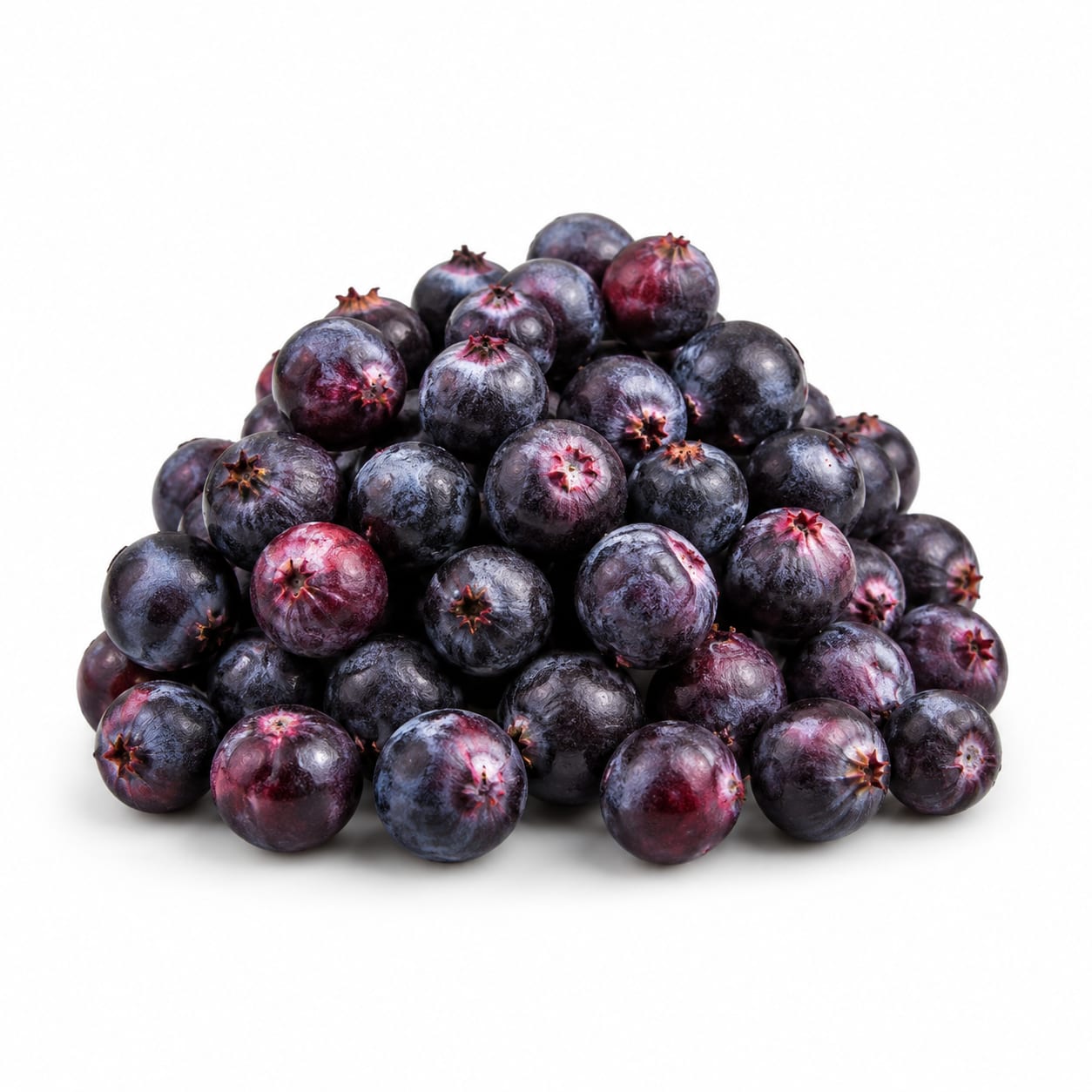
Saskatoon Berry
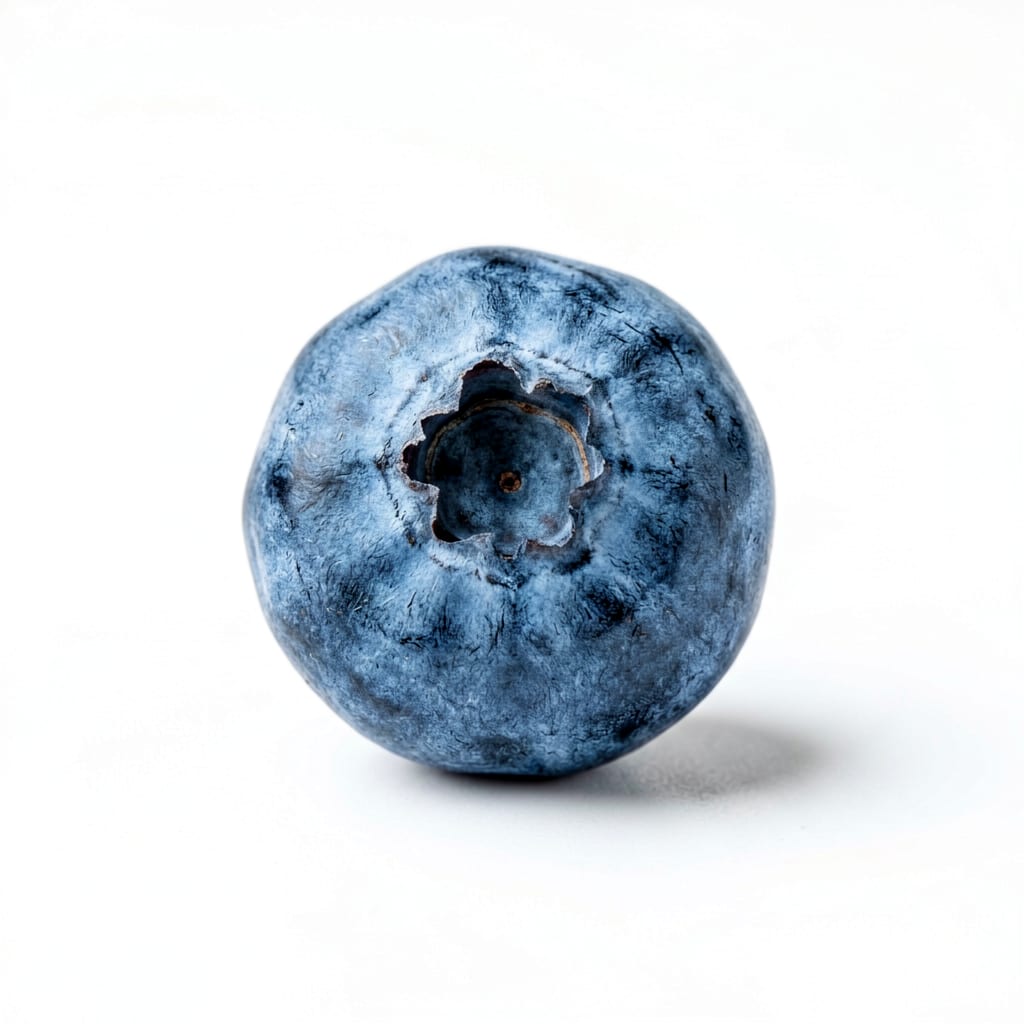
Blueberry
Saskatoon berries win on pure nutrition—especially fiber and antioxidants—but blueberries win on accessibility and everyday practicality.
Saskatoon Berry scores higher due to its superior fiber, protein, and antioxidant profile, but Blueberry stays competitive because of its unmatched convenience, milder flavor, and widespread availability.
You trade the superior fiber and nutrient density of Saskatoon berries for the year-round availability and sweeter taste of blueberries.
At a glance
Executive summary
Overall
It depends
Healthier
Saskatoon Berry
More practical
Blueberry
Daily use
Blueberry
Key comparison lenses
Antioxidant and anthocyanin density
Both berries are famous for their antioxidant profiles, but users want to know which packs a stronger protective punch against aging and inflammation.
Fiber content and blood sugar impact
Saskatoon berries are surprisingly high in fiber compared to blueberries, making this a key differentiator for satiety and glucose management.
Availability and everyday practicality
Blueberries are a grocery staple worldwide, while Saskatoon berries are highly regional and seasonal, heavily impacting which one a user can actually eat daily.
Taste and culinary versatility
Blueberries are sweeter and milder, whereas Saskatoon berries have a nuttier, earthier flavor with larger seeds, affecting how people use them in recipes.
Best choice for
Saskatoon Berry
- People managing blood sugar or diabetes
- Those seeking maximum fiber for digestion and fullness
- Anyone looking to boost antioxidant intake with a local, wild-foraged food
- Gardeners in northern climates looking for a resilient superfood
Blueberry
- Families needing an easy, kid-friendly fruit
- People who want a reliable berry available year-round
- Smoothie and breakfast bowl enthusiasts wanting a mild, sweet flavor
- Anyone prioritizing convenience over peak nutrient density
Least suitable for
Saskatoon Berry
- People outside of North America who cannot find them fresh or frozen
- Those who dislike seedy textures or earthier flavors
- Anyone needing a quick, sweet snack for picky eaters
Blueberry
- People strictly managing carbohydrate intake who need the highest fiber-to-sugar ratio
- Those looking to maximize protein intake from fruit sources
- Consumers wanting to avoid commercial agriculture pesticide exposure without buying organic
Deep comparison
Dimension by dimension
Each lens scores both foods and breaks down who each option suits.
- Dimension 1 · Priority 95Saskatoon Berry
Fiber and Fullness
Saskatoon Berry · 92Blueberry · 65Saskatoon berries contain nearly double the fiber of blueberries, making them significantly more filling and better for digestion.
Tradeoff
You get much steadier energy and better gut support with Saskatoon berries, but their denser, seedy texture is less juicy than a blueberry.
Why it matters
Higher fiber means slower sugar absorption, preventing the blood sugar spikes and crashes that can trigger cravings an hour after eating.
Real-world impact
A bowl of Saskatoon berries will keep you full until lunch, while blueberries might leave you hunting for a snack by mid-morning.
Saskatoon Berry
- Satiety between meals
- Gut health and regularity
- Blood sugar stabilization
Better for
- Those wanting a purely juicy, burst-in-the-mouth texture
Worse for
Blueberry
- A lighter, more refreshing snack
- Smoothies where you want a thinner consistency
Better for
- Staying full on low calorie volumes
- Managing insulin resistance
Worse for
- Dimension 2 · Priority 90Saskatoon Berry
Antioxidant Power
Saskatoon Berry · 94Blueberry · 85While blueberries are famous for antioxidants, Saskatoon berries actually boast higher levels of anthocyanins and total phenolic compounds.
Tradeoff
Saskatoon berries offer stronger cellular protection, but blueberries are still an excellent source that is far easier to consume consistently.
Why it matters
Anthocyanins reduce inflammation and protect against chronic diseases, and getting the highest concentration per bite maximizes these benefits.
Real-world impact
Eating Saskatoon berries is like getting a concentrated dose of anti-aging defense, whereas blueberries offer a lighter but still effective daily shield.
Saskatoon Berry
- Reducing systemic inflammation
- Supporting brain health and memory
- Combating oxidative stress from intense exercise
Better for
- Finding enough volume to eat regularly for maximum effect
Worse for
Blueberry
- A consistent, easy-to-source daily antioxidant habit
Better for
- Matching the sheer potency per serving of wild or local Saskatoon berries
Worse for
- Dimension 3 · Priority 85Saskatoon Berry
Sugar and Blood Sugar Impact
Saskatoon Berry · 88Blueberry · 72Saskatoon berries have less sugar and more fiber, resulting in a much gentler impact on blood glucose levels.
Tradeoff
Blueberries are sweeter and more palatable for sugar cravings, but they come with a higher carbohydrate load that requires more insulin response.
Why it matters
Lower sugar combined with high fiber prevents the energy crashes that drive overeating and fatigue later in the day.
Real-world impact
Saskatoon berries are a safer bet for an afternoon pick-me-up that won't leave you sleepy an hour later, unlike sweeter blueberries.
Saskatoon Berry
- Diabetics and pre-diabetics
- Low-carb and keto dieters
- Managing afternoon energy crashes
Better for
- Satisfying a strong sweet tooth
Worse for
Blueberry
- Pre-workout quick energy
- Replenishing glycogen after endurance exercise
Better for
- Those needing strict glycemic control
Worse for
- Dimension 4 · Priority 80Blueberry
Availability and Convenience
Saskatoon Berry · 35Blueberry · 98Blueberries are a grocery staple available year-round, while Saskatoon berries are highly regional, seasonal, and hard to find fresh.
Tradeoff
You can easily buy blueberries any day of the week, but finding Saskatoon berries often requires foraging, farming, or specialty ordering.
Why it matters
The healthiest food in the world is useless if you cannot access it consistently enough to build a habit around it.
Real-world impact
You can throw blueberries into your cart every week without thinking, but Saskatoon berries might only be a rare summer treat or a frozen online order.
Saskatoon Berry
- Supporting local foraging and seasonal eating
- Growing a resilient perennial food source in cold climates
Better for
- Spontaneous recipe planning
- Living outside regions where they grow
Worse for
Blueberry
- Grab-and-go grocery shopping
- Consistent year-round nutrition habits
- Finding fresh berries in any city
Better for
- Connecting with local, wild food systems
Worse for
- Dimension 5 · Priority 70It depends
Taste and Culinary Use
Saskatoon Berry · 78Blueberry · 85Blueberries are sweeter and juicier, making them universally loved. Saskatoon berries are earthier, nuttier, and have larger seeds.
Tradeoff
Blueberries blend seamlessly into sweet dishes, while Saskatoon berries offer a complex, almost almond-like depth that shines in baked goods but surprises those expecting a sweet burst.
Why it matters
Taste dictates whether you actually look forward to eating a food, which is the ultimate driver of long-term dietary habits.
Real-world impact
Kids will eagerly snack on fresh blueberries, but Saskatoon berries are better suited for pies, jams, and muffins where their earthy depth stands out.
Saskatoon Berry
- Rich baked goods like pies and crumbles
- Savory sauces for game meats
- Recipes benefiting from a nutty, complex flavor
Better for
- Pleasing picky eaters
- Raw snacking if you prefer very sweet fruit
Worse for
Blueberry
- Fresh snacking
- Smoothies and yogurt bowls
- Kid-friendly lunchboxes
Better for
- Adding depth to rustic or savory dishes
Worse for
Timeline
Health impact over time
Short-term
Hours to days
Saskatoon Berry
- Provides highly stable, crash-free energy due to the high fiber-to-sugar ratio
- Offers rapid satiety, making it easier to control portion sizes
Blueberry
- Delivers a quicker, lighter energy boost from higher natural sugars
- Hydrates more effectively due to the juicier, water-rich composition
Long-term
Months to years
Saskatoon Berry
- Significantly supports gut health and regularity through consistent high fiber intake
- May offer stronger protection against cognitive decline due to concentrated anthocyanins
- Helps maintain healthy blood sugar levels over a lifetime
Blueberry
- Consistently lowers cardiovascular risk markers when eaten daily
- Supports urinary tract health by preventing bacteria adhesion
- Maintains blood pressure health through regular anthocyanin consumption
Risk profile
Safety & processing
Both berries are whole, minimally processed foods when purchased fresh or frozen. Saskatoon berries often have an edge in naturalness as they are frequently wild-harvested or grown without heavy commercial agricultural interventions, whereas conventional blueberries may see more pesticide use.
Saskatoon Berry
Misidentification by foragers
mediumWild foraging carries the risk of confusing Saskatoon berries with toxic lookalikes if you are not experienced.
Blueberry
Pesticide residues
mediumConventional blueberries frequently appear on the EWG's Dirty Dozen list, making organic a smarter choice to avoid exposure.
Who wins for whom
Audience fit
Same foods, different winners depending on your goal.
children
BlueberryBlueberries are sweeter, juicier, and lack the seedy texture that often makes kids reject Saskatoon berries.
daily consumption
BlueberryBecause you can easily find blueberries in any store year-round, they are the more realistic choice for a consistent daily habit.
diabetes
Saskatoon BerryThe combination of lower sugar and nearly double the fiber makes Saskatoon berries far gentler on blood glucose levels.
elderly
Saskatoon BerryThe superior fiber helps combat age-related digestive slowdowns, and the intense antioxidant profile supports brain and heart health.
muscle gain
It dependsNeither berry is a significant protein source, but blueberries offer slightly faster-digesting carbs useful post-workout, while Saskatoon berries offer marginally more protein.
weight loss
Saskatoon BerrySaskatoon berries provide more fiber and protein per calorie, keeping you fuller longer and reducing the urge to overeat.
Your move
Decision guide
Choose Saskatoon Berry
- You can find them locally or frozen online and want the absolute best nutritional bang for your buck
- You are managing blood sugar, diabetes, or trying to increase daily fiber substantially
- You love earthy, nutty flavors and want a unique berry for baking or preserves
Choose Blueberry
- You want a reliable, easy-to-find superfruit for your weekly grocery run
- You are feeding kids or picky eaters who prefer sweet, juicy flavors
- You need a versatile berry that blends smoothly into smoothies and breakfast bowls
Either works if
- You simply want to add more antioxidant-rich fruit to your diet
- You are looking for a low-calorie snack to satisfy a sweet tooth
- You want to support heart and brain health through daily berry consumption
Avoid both if
- You have a severe allergy to salicylates, which are naturally present in both berries
- You are on a very strict, ultra-low-carb diet and cannot spare the carbohydrates for fruit
Final recommendation
If you have access to Saskatoon berries, absolutely choose them for their superior fiber and antioxidant density—they are a nutritional powerhouse. However, if convenience and consistency matter more, blueberries remain an outstanding, practical choice that you can easily eat every day.
Practical
Consumer tips
- 1
If buying conventional blueberries, wash them thoroughly in a baking soda solution to reduce surface pesticide residues, or opt for organic.
- 2
Buy Saskatoon berries frozen if you cannot find them fresh; freezing preserves their high antioxidant content without sacrificing texture.
- 3
Mix both berries together in a smoothie or oatmeal to get the sweet juiciness of blueberries alongside the fiber and earthy depth of Saskatoon berries.
- 4
If you live in a northern climate (zones 2-7), consider planting a Saskatoon berry bush—they are incredibly hardy, drought-resistant, and yield massive nutritional returns for minimal effort.