
Nutrition comparison
Saskatoon Berry vs Elderberry: Safety, Immune Benefits, and Which to Choose
Compare Saskatoon Berry and Elderberry for immune support, antioxidant power, safety, and daily usability. Learn which berry fits your health goals and how to use each safely.
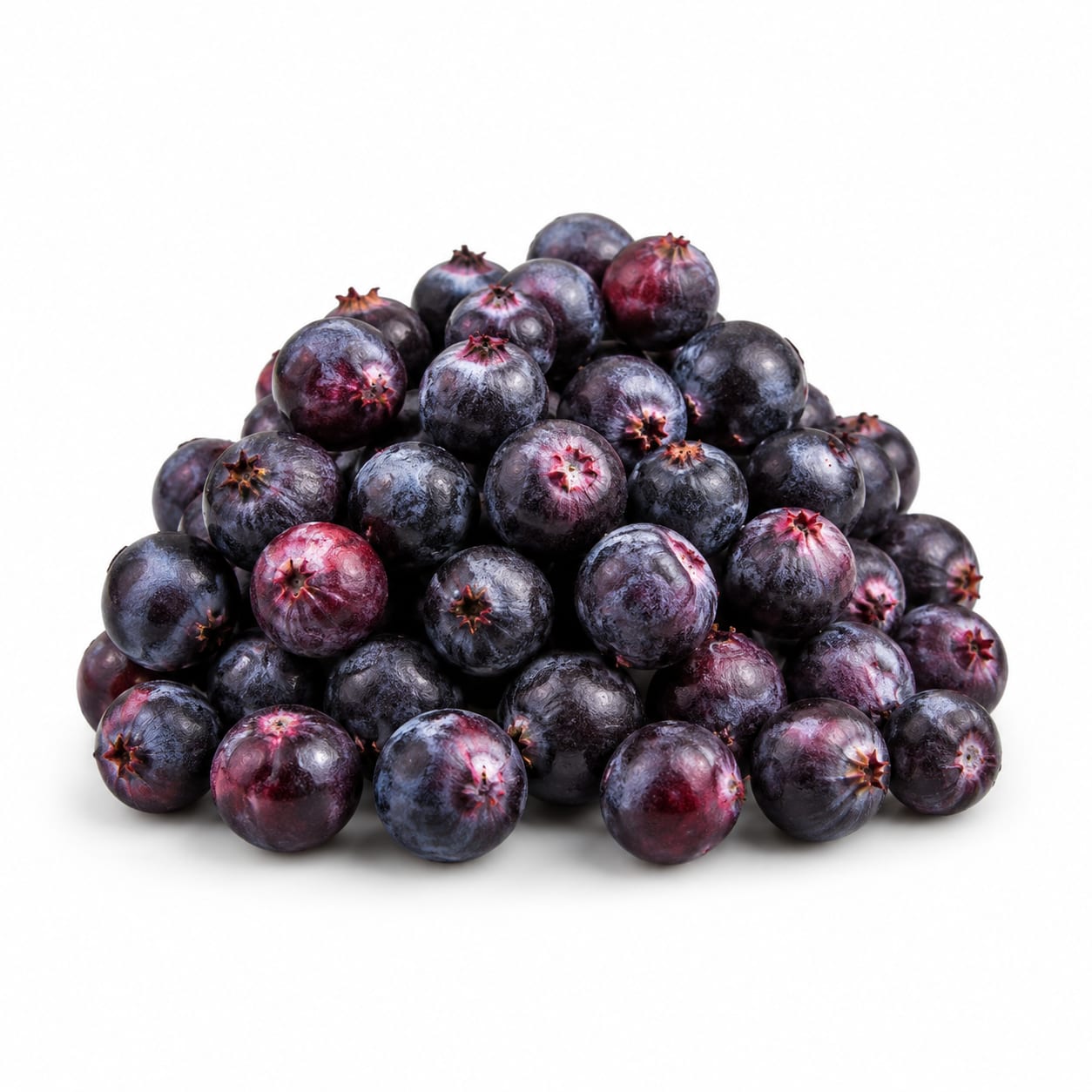
Saskatoon Berry
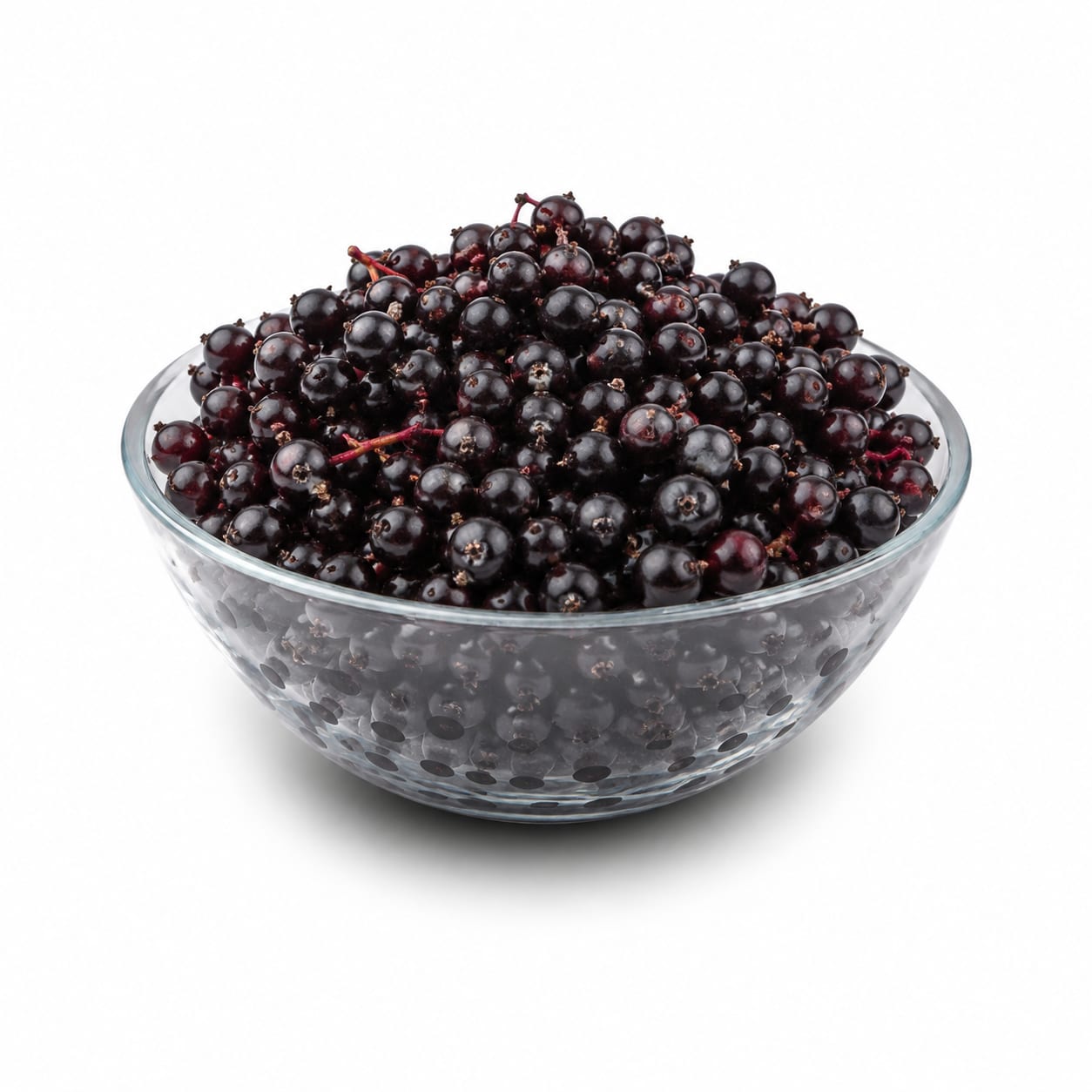
Elderberry
Saskatoon Berry is your everyday nutrient-dense snack; Elderberry is your targeted immune remedy with serious preparation requirements.
Saskatoon Berry scores higher for daily livability and safety, while Elderberry earns strong marks for medicinal potency. The gap reflects Elderberry's preparation burden and toxicity risk if mishandled.
Elderberry delivers stronger immune-specific benefits but demands cooking to neutralize toxins, while Saskatoon Berry offers worry-free eating with broader nutrition.
At a glance
Executive summary
Overall
It depends
Healthier
It depends
More practical
Saskatoon Berry
Daily use
Saskatoon Berry
Key comparison lenses
safety and proper preparation
Raw elderberries contain cyanogenic glycosides and must be cooked, making safety the most critical differentiator
immune support and illness prevention
Elderberry is renowned for immune-boosting properties while Saskatoon Berry offers broader nutritional benefits
antioxidant potency and variety
Both berries are antioxidant powerhouses but with different anthocyanin profiles and health implications
everyday eating versus medicinal use
Saskatoon Berry works as a daily snack food while Elderberry is typically used therapeutically
accessibility and practical preparation
Saskatoon Berry can be eaten fresh off the bush while Elderberry requires processing before consumption
Best choice for
Saskatoon Berry
- Daily snacking and cereal topping
- Baking and cooking without special preparation
- Families with children who might eat berries raw
- Sustained antioxidant intake year-round
- People seeking fiber and mineral diversity
Elderberry
- Cold and flu season immune support
- Short-term therapeutic use during illness
- Making homemade syrups and tinctures
- People comfortable with proper food preparation
- Targeted anti-inflammatory support
Least suitable for
Saskatoon Berry
- Acute immune support during active illness
- People seeking high vitamin C specifically
Elderberry
- Casual raw snacking or foraging
- Households with young children who might eat unprocessed berries
- Convenient on-the-go nutrition
- Daily unstructured consumption without cooking
Deep comparison
Dimension by dimension
Each lens scores both foods and breaks down who each option suits.
- Dimension 1 · Priority 96Saskatoon Berry
Safety and Toxicity Risk
Saskatoon Berry · 95Elderberry · 45Saskatoon Berry is safe to eat raw straight from the bush. Elderberry contains cyanogenic glycosides that can cause nausea, vomiting, and diarrhea if consumed uncooked.
Tradeoff
Elderberry's potent medicinal compounds come paired with natural toxins that require heat neutralization, adding a mandatory preparation step with real consequences if skipped.
Why it matters
One berry you can hand to a child fresh; the other requires adult-level knowledge and care before it touches a plate.
Real-world impact
Foraging Elderberry without proper knowledge has sent people to the emergency room. Saskatoon Berry has no such risk profile.
Saskatoon Berry
- Families with curious children
- Casual foragers and hikers
- Raw food enthusiasts
- Anyone who snacks mindlessly
Better for
- No significant safety concerns
Worse for
Elderberry
- Experienced herbalists and home remedy makers
- People who follow preparation protocols carefully
Better for
- Raw consumption risk
- Improperly prepared products
- Confusion with other toxic Sambucus parts
Worse for
- Dimension 2 · Priority 90Elderberry
Immune Support Potency
Saskatoon Berry · 62Elderberry · 91Elderberry has strong clinical evidence for reducing cold and flu duration and severity. Saskatoon Berry supports general health but lacks targeted immune research.
Tradeoff
Elderberry works like a targeted supplement during illness season; Saskatoon Berry is more like daily maintenance nutrition that builds resilience slowly.
Why it matters
When you feel something coming on, Elderberry syrup has evidence behind it. Saskatoon Berry cannot fill that acute-response role as effectively.
Real-world impact
Studies show Elderberry can cut flu symptoms by 2-4 days when taken early. That is a tangible difference when you are sick and miserable.
Saskatoon Berry
- Long-term baseline antioxidant intake
- Gradual health maintenance
Better for
- Acute illness response
Worse for
Elderberry
- Cold and flu season defense
- Active illness symptom reduction
- Post-exposure immune boosting
- Elderly immune support during winter
Better for
- Not a substitute for daily fruit nutrition
Worse for
- Dimension 3 · Priority 85Elderberry
Antioxidant Density and Diversity
Saskatoon Berry · 78Elderberry · 88Elderberry packs one of the highest anthocyanin concentrations of any fruit. Saskatoon Berry is impressive too, especially for a northern climate berry, but cannot match Elderberry's peak antioxidant intensity.
Tradeoff
Elderberry gives you more antioxidant firepower per gram, but Saskatoon Berry delivers a wider mineral profile alongside its antioxidants.
Why it matters
If fighting oxidative stress is your primary goal, Elderberry wins on concentration. If you want broader nutritional coverage, Saskatoon Berry spreads benefits across more systems.
Real-world impact
Elderberry's deep purple-black color signals its anthocyanin density. Saskatoon Berry still outperforms most common fruits but sits a tier below in pure antioxidant metrics.
Saskatoon Berry
- Balanced nutrition with antioxidants as a bonus
- Mineral-rich antioxidant source
Better for
- Lower total anthocyanin content
Worse for
Elderberry
- Maximum antioxidant concentration
- Targeted oxidative stress reduction
- Cardiovascular protection through anthocyanins
Better for
- Narrower nutritional profile beyond antioxidants
Worse for
- Dimension 4 · Priority 82Saskatoon Berry
Everyday Practicality and Versatility
Saskatoon Berry · 88Elderberry · 48Saskatoon Berry works in muffins, smoothies, salads, and as a fresh snack. Elderberry is almost exclusively used in cooked preparations like syrups, jams, and gummies.
Tradeoff
You can throw Saskatoon Berry into anything. Elderberry demands a recipe, a stove, and attention to preparation safety.
Why it matters
The best healthy food is the one you actually eat regularly. Saskatoon Berry fits into life effortlessly; Elderberry requires planning.
Real-world impact
Saskatoon Berry can replace blueberries in any recipe with no extra thought. Elderberry requires dedicated cooking time and knowledge.
Saskatoon Berry
- Quick breakfast additions
- Smoothie ingredient
- Fresh snacking
- Baking without recipe modification
- Trail mix and granola
Better for
- Less established medicinal reputation
Worse for
Elderberry
- Homemade wellness syrups
- Medicinal gummy preparation
- Winter wellness routines
Better for
- Cannot be used raw
- Limited recipe versatility
- Requires cooking knowledge
- Not portable as a fresh snack
Worse for
- Dimension 5 · Priority 75Saskatoon Berry
Fiber and Mineral Content
Saskatoon Berry · 84Elderberry · 58Saskatoon Berry provides notable fiber, iron, magnesium, and potassium. Elderberry offers decent nutrition but is typically consumed in small quantities as syrup, diluting its mineral contribution.
Tradeoff
Saskatoon Berry delivers meaningful fiber and minerals in realistic serving sizes. Elderberry's nutritional contributions get overshadowed by how little you actually consume at once.
Why it matters
A handful of Saskatoon Berry gives you real fiber and iron. A tablespoon of Elderberry syrup gives you concentrated antioxidants but minimal bulk nutrition.
Real-world impact
Saskatoon Berry can meaningfully contribute to daily fiber goals. Elderberry supplements contribute almost nothing to your fiber or mineral needs.
Saskatoon Berry
- Digestive regularity support
- Iron intake for plant-based eaters
- Potassium for active lifestyles
- Satiety from fiber content
Better for
- Lower vitamin C than some berries
Worse for
Elderberry
- Not a significant source of bulk nutrition
Better for
- Small serving sizes limit mineral intake
- Minimal fiber in typical preparations
- Sugar often added to syrups
Worse for
- Dimension 6 · Priority 70Saskatoon Berry
Blood Sugar Impact
Saskatoon Berry · 79Elderberry · 55Fresh Saskatoon Berry has a low glycemic impact with natural fiber slowing sugar absorption. Commercial Elderberry products often contain added sugars that spike blood glucose.
Tradeoff
Whole Saskatoon Berry is naturally blood-sugar friendly. Most Elderberry products sit in syrup form loaded with honey or sugar to make them palatable.
Why it matters
If you are watching blood sugar, the form Elderberry typically comes in works against you unless you make your own unsweetened preparation.
Real-world impact
Store-bought Elderberry syrup can contain 5-8 grams of added sugar per serving. Fresh Saskatoon Berry has zero added sugar and modest natural sugars.
Saskatoon Berry
- Diabetics seeking low-glycemic fruit
- Sugar-conscious eaters
- Whole-food nutrition advocates
Better for
- Still contains natural sugars requiring portion awareness
Worse for
Elderberry
- Homemade unsweetened preparations only
Better for
- Commercial syrups with added sugars
- Gummy supplements with sweeteners
- Typical serving adds sugar to diet
Worse for
Timeline
Health impact over time
Short-term
Hours to days
Saskatoon Berry
- Steady energy from balanced natural sugars and fiber
- Mild digestive support from fiber content
- Comforting whole-food satisfaction without blood sugar spikes
Elderberry
- Potential nausea or GI distress if consumed raw or undercooked
- Noticeable immune response support within 24-48 hours when taken during illness onset
- Quick antioxidant surge in concentrated syrup form
Long-term
Months to years
Saskatoon Berry
- Consistent antioxidant intake supports cardiovascular health over years
- Fiber contributes to gut microbiome diversity and digestive health
- Mineral intake supports bone density and metabolic function
Elderberry
- Regular seasonal use may reduce frequency and severity of viral infections
- High anthocyanin intake supports vascular health and cognitive function
- Risk of toxicity accumulates if preparation is ever careless
Risk profile
Safety & processing
Fresh or frozen Saskatoon Berry is typically consumed whole and unprocessed. Elderberry is almost always processed into syrup, gummies, or extracts, and commercial products frequently contain preservatives, added sugars, and thickening agents.
Saskatoon Berry
Mild pesticide residue on conventionally grown berries
lowWashing thoroughly removes most surface residue. Organic options are widely available.
Elderberry
Cyanogenic glycoside toxicity from raw berries
highRaw Elderberries contain compounds that release cyanide when digested. Symptoms include nausea, vomiting, diarrhea, and in severe cases, more serious toxicity. Cooking neutralizes these compounds.
Confusion with toxic plant parts
highElderberry stems, leaves, bark, and roots are all toxic. Only ripe, cooked berries are safe. Inexperienced foragers may accidentally include dangerous plant material.
Inconsistent preparation in commercial products
mediumNot all commercial Elderberry products disclose whether berries were properly processed before extraction. Quality varies significantly between brands.
Who wins for whom
Audience fit
Same foods, different winners depending on your goal.
children
Saskatoon BerryChildren can safely eat fresh Saskatoon Berry without any preparation. Elderberry requires cooking and careful dosing, and children are more vulnerable to toxicity from improper preparation.
daily consumption
Saskatoon BerrySaskatoon Berry can be eaten daily without special preparation or safety concerns. Elderberry is best used seasonally or therapeutically rather than as a daily food.
diabetes
Saskatoon BerryFresh Saskatoon Berry has low glycemic impact with natural fiber. Most Elderberry products contain added sugars that complicate blood glucose management.
elderly
It dependsElderberry offers stronger immune support valuable for aging immune systems, especially in winter. Saskatoon Berry provides better daily nutrition including iron and fiber that elderly populations often lack.
muscle gain
It dependsNeither berry is a significant protein source. Saskatoon Berry offers slightly more iron for oxygen transport during training, but both are supplementary to muscle-building diets.
weight loss
Saskatoon BerrySaskatoon Berry provides more fiber and satiety per calorie with no added sugars, making it easier to incorporate into a calorie-controlled eating plan.
Your move
Decision guide
Choose Saskatoon Berry
- You want a worry-free berry you can eat by the handful
- You are feeding a family and need safe, versatile fruit
- You prioritize daily fiber, iron, and mineral intake
- You dislike special preparation requirements
- You want a blueberry alternative with more nutritional depth
Choose Elderberry
- You are building a winter wellness toolkit for cold and flu season
- You are comfortable cooking and following preparation protocols
- You want targeted immune support during illness
- You make your own herbal remedies and syrups
- You value peak antioxidant concentration over convenience
Either works if
- You want to boost your overall antioxidant intake from berries
- You enjoy experimenting with lesser-known native fruits
- You have access to both and can use them for different purposes
Avoid both if
- You have a berry allergy or salicylate sensitivity
- You are on blood-thinning medications without medical guidance regarding high-anthocyanin foods
Final recommendation
Keep both in your life but use them differently. Stock Saskatoon Berry as your daily nutritional berry for snacking, baking, and smoothies. Turn to properly prepared Elderberry syrup during cold season or when illness strikes. Think of Saskatoon Berry as your daily multivitamin and Elderberry as your medicine cabinet.
Practical
Consumer tips
- 1
If buying Elderberry products, check that the label confirms proper preparation and processing to neutralize cyanogenic compounds
- 2
Never eat raw Elderberries, and never forage Elderberry without expert identification skills
- 3
Saskatoon Berry freezes exceptionally well, so buy in season and stock up for year-round use
- 4
When making Elderberry syrup at home, boil berries for at least 20-30 minutes to ensure safety
- 5
Choose unsweetened or minimally sweetened Elderberry products to avoid unnecessary sugar intake
- 6
Saskatoon Berry can substitute for blueberries in virtually any recipe with slightly more depth of flavor
- 7
If growing your own, Saskatoon Berry bushes are lower maintenance and safer around children and pets than Elderberry plants