
Nutrition comparison
Saskatoon Berry vs Blackberry: Nutrition, Antioxidants, and Which Is Healthier
Compare Saskatoon berries vs blackberries on antioxidants, fiber, vitamins, and minerals. Learn which berry wins for blood sugar, weight loss, and daily nutrition.
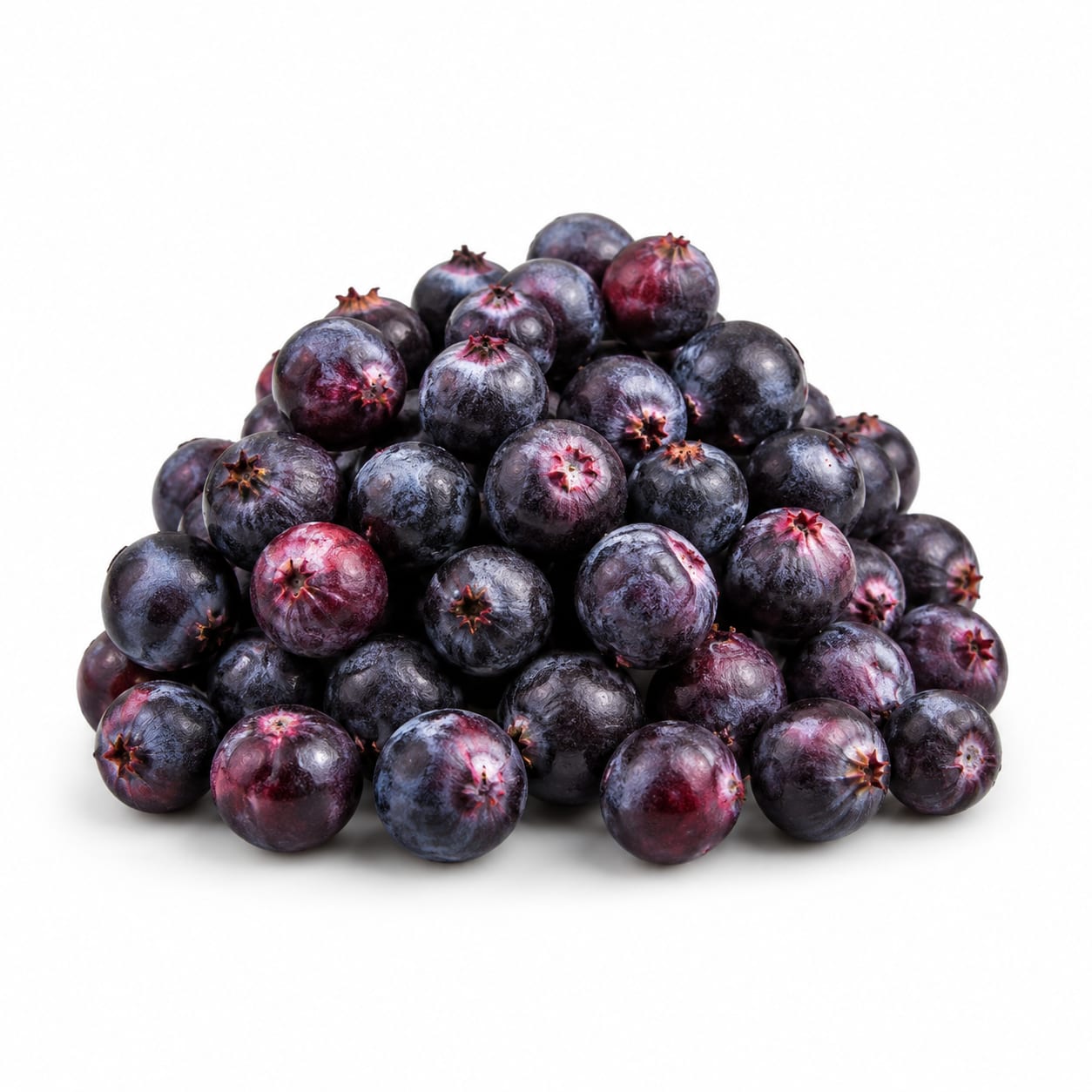
Saskatoon Berry
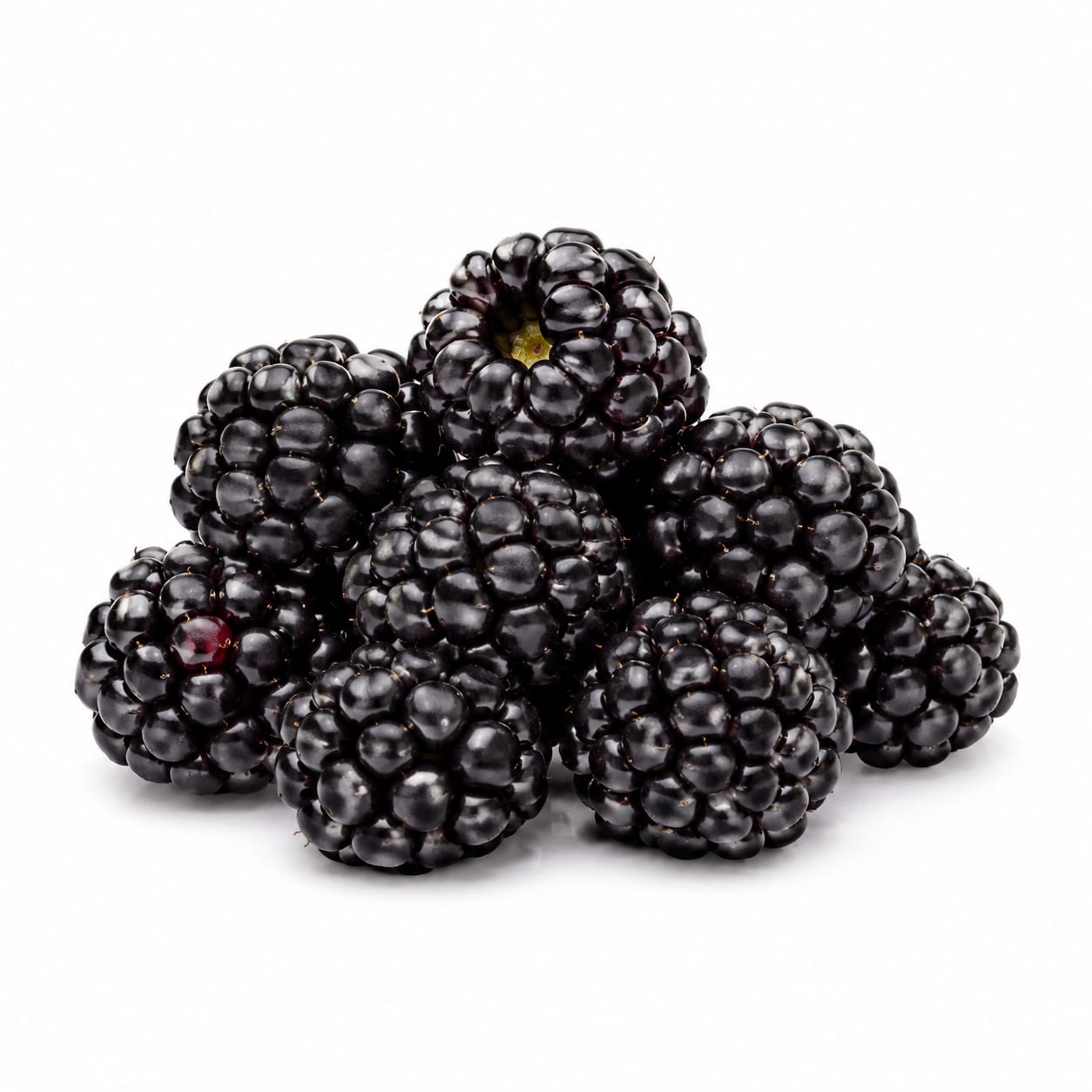
Blackberry
Saskatoon berries edge ahead on minerals, protein, and fiber, while blackberries win on vitamin C, availability, and everyday practicality.
Saskatoon berries score slightly higher due to superior mineral density, more protein, and higher fiber, but blackberries remain competitive thanks to exceptional vitamin C, broader availability, and easier daily integration.
Saskatoon berries are nutritionally denser but harder to find; blackberries are slightly less nutrient-dense but far more accessible for daily use.
At a glance
Executive summary
Overall
It depends
Healthier
Saskatoon Berry
More practical
Blackberry
Daily use
Blackberry
Key comparison lenses
antioxidant and nutrient density comparison
Both berries are prized for their antioxidant content, but their profiles differ significantly in type and concentration
accessibility and practical use
Saskatoon berries are regionally limited while blackberries are widely available, affecting real-world decision-making
blood sugar and fiber benefits
Both are high-fiber, low-sugar fruits popular among those managing glucose or seeking steady energy
mineral and micronutrient differences
Saskatoon berries offer notably more iron and protein, while blackberries excel in vitamin C and vitamin K
Best choice for
Saskatoon Berry
- People seeking maximum mineral intake, especially iron and magnesium
- Those with access to local or frozen Saskatoon berries
- Anyone wanting higher protein from a fruit source
- Foragers and wild food enthusiasts in northern regions
Blackberry
- People prioritizing vitamin C intake
- Shoppers wanting reliable grocery store availability
- Those seeking strong vitamin K for bone health
- Anyone wanting a versatile berry for daily smoothies and snacks
Least suitable for
Saskatoon Berry
- People without access to specialty or regional markets
- Those wanting a quick grocery store grab
- Anyone unfamiliar with proper identification if foraging wild varieties
Blackberry
- People with blackberry allergies or salicylate sensitivity
- Those seeking the highest possible iron content from fruit
- Anyone wanting the unique nutty flavor profile Saskatoon berries offer
Deep comparison
Dimension by dimension
Each lens scores both foods and breaks down who each option suits.
- Dimension 1 · Priority 95Saskatoon Berry
antioxidant_power
Saskatoon Berry · 88Blackberry · 82Saskatoon berries contain higher total anthocyanin concentrations, particularly cyanidin and delphinidin, giving them a stronger antioxidant punch per serving.
Tradeoff
Blackberries offer more diverse antioxidant types including ellagic acid, which Saskatoon berries lack in meaningful amounts.
Why it matters
Higher antioxidant intake correlates with reduced oxidative stress and inflammation over time, especially relevant for aging and chronic disease prevention.
Real-world impact
Regular Saskatoon berry consumption may offer slightly better cellular protection, but blackberries still provide excellent coverage with more variety.
Saskatoon Berry
- Total anthocyanin concentration per serving
- Oxidative stress reduction potential
- Deep purple pigmentation indicating high flavonoid content
Better for
- Less studied in human clinical trials
- Narrower range of well-documented antioxidant types
Worse for
Blackberry
- Ellagic acid content for cellular defense diversity
- Broader spectrum of antioxidant compounds
- More research-backed antioxidant benefits in human studies
Better for
- Lower total anthocyanin concentration per gram
- Slightly less potent per serving for deep oxidative stress
Worse for
- Dimension 2 · Priority 90Saskatoon Berry
vitamin_and_mineral_density
Saskatoon Berry · 86Blackberry · 74Saskatoon berries deliver significantly more iron, magnesium, and potassium, while blackberries dominate in vitamin C and vitamin K.
Tradeoff
Choosing Saskatoon berries means better mineral support but missing the immune-boosting vitamin C hit that blackberries provide.
Why it matters
Iron and magnesium are commonly deficient minerals; Saskatoon berries offer a rare fruit-based source. Vitamin C from blackberries enhances iron absorption from other foods.
Real-world impact
Pairing Saskatoon berries with a vitamin C source gives you the best of both worlds, but standalone, Saskatoon berries cover more mineral gaps.
Saskatoon Berry
- Iron content supporting energy and oxygen transport
- Magnesium for muscle and nerve function
- Potassium for blood pressure regulation
- Protein content unusual for a berry
Better for
- Lower vitamin C content limits immune support
- Vitamin K levels fall short of blackberries
Worse for
Blackberry
- Vitamin C for immune function and collagen synthesis
- Vitamin K for bone health and blood clotting
- Folate for cell division and DNA repair
Better for
- Minimal iron content compared to Saskatoon berries
- Lower magnesium and potassium per serving
Worse for
- Dimension 3 · Priority 85Saskatoon Berry
fiber_and_digestive_health
Saskatoon Berry · 84Blackberry · 78Saskatoon berries provide slightly more total fiber per serving, including more soluble fiber, which feeds beneficial gut bacteria.
Tradeoff
The difference is modest; both berries are excellent fiber sources compared to most fruits.
Why it matters
Higher soluble fiber supports steadier blood sugar, better satiety, and improved cholesterol profiles over time.
Real-world impact
You will feel slightly more full after a serving of Saskatoon berries, but both options keep you satisfied longer than most snack alternatives.
Saskatoon Berry
- Higher total fiber per serving
- More soluble fiber for gut microbiome support
- Slightly better blood sugar stabilization
Better for
- Fiber advantage is modest, not dramatic
Worse for
Blackberry
- Still excellent fiber content for a berry
- Seeds provide insoluble fiber for regularity
Better for
- Slightly less effective for blood sugar smoothing
- Lower soluble fiber ratio
Worse for
- Dimension 4 · Priority 88Blackberry
availability_and_convenience
Saskatoon Berry · 45Blackberry · 92Blackberries are available year-round in most grocery stores, while Saskatoon berries remain regional and seasonal with limited commercial distribution.
Tradeoff
You gain superior nutrition with Saskatoon berries but sacrifice convenience and reliable access.
Why it matters
The healthiest food only works if you can actually buy and eat it consistently.
Real-world impact
Most people can grab blackberries any day of the week. Saskatoon berries require planning, online ordering, or geographic luck.
Saskatoon Berry
- Available frozen from specialty suppliers year-round
- Can be foraged in certain northern regions for free
Better for
- Very limited fresh availability outside Canada and northern US
- Short seasonal window for fresh berries
- Rarely stocked in mainstream grocery chains
- Higher cost when shipped to distant markets
Worse for
Blackberry
- Available fresh in virtually every grocery store
- Year-round supply chain reliability
- Multiple brand and organic options
- Easy to find frozen, fresh, or in mixed berry blends
Better for
- Conventional varieties may have higher pesticide residues
- Less novelty factor for adventurous eaters
Worse for
- Dimension 5 · Priority 82Saskatoon Berry
blood_sugar_friendliness
Saskatoon Berry · 83Blackberry · 79Both berries are low-glycemic, but Saskatoon berries have slightly more fiber and protein per serving, resulting in marginally steadier blood sugar response.
Tradeoff
The practical difference is small; both are excellent choices for glucose management compared to almost any other fruit.
Why it matters
Even small improvements in glycemic response compound over years of daily eating patterns.
Real-world impact
Neither berry will cause a sugar crash, but Saskatoon berries may keep you slightly more stable through a busy morning.
Saskatoon Berry
- More fiber slows glucose absorption
- Small protein content further dampens blood sugar rise
- Lower effective glycemic load per serving
Better for
- Less clinical research on glycemic response specifically
Worse for
Blackberry
- Still very low sugar content
- Well-studied for diabetic-friendly fruit inclusion
Better for
- Slightly less fiber means marginally faster glucose absorption
Worse for
- Dimension 6 · Priority 72Blackberry
culinary_versatility
Saskatoon Berry · 68Blackberry · 80Blackberries integrate more easily into recipes due to wider availability and familiar flavor, while Saskatoon berries offer a unique nutty profile best suited to specific dishes.
Tradeoff
Saskatoon berries bring a distinctive almond-like flavor that elevates certain recipes but limits their universal appeal.
Why it matters
Variety in preparation methods helps sustain long-term healthy eating habits.
Real-world impact
Blackberries work effortlessly in smoothies, salads, baked goods, and snacks. Saskatoon berries shine in pies, jams, and traditional preparations but feel less versatile day-to-day.
Saskatoon Berry
- Unique nutty flavor enhances pies and baked goods
- Holds texture well when cooked
- Traditional Indigenous culinary applications
Better for
- Seed texture can be off-putting in smooth preparations
- Less familiar flavor may not suit all palates
- Limited recipe resources compared to mainstream berries
Worse for
Blackberry
- Familiar flavor pairs easily with diverse foods
- Works raw or cooked without texture issues
- Widely used in smoothies, yogurt bowls, and desserts
- Easier to substitute in recipes calling for mixed berries
Better for
- Can be tart when underripe
- Less interesting flavor complexity than Saskatoon berries
Worse for
Timeline
Health impact over time
Short-term
Hours to days
Saskatoon Berry
- Steady energy without blood sugar spikes due to fiber and protein content
- Mild satiety boost from higher fiber density
- Potential digestive adjustment if unused to high-fiber wild berries
Blackberry
- Quick vitamin C immune support from a single serving
- Refreshing hydration and light satiety
- Mild blood sugar stability from fiber content
Long-term
Months to years
Saskatoon Berry
- Improved iron status supporting energy and cognitive function
- Better mineral intake for bone and cardiovascular health
- Enhanced antioxidant protection against chronic inflammation
- Gut microbiome support from consistent soluble fiber intake
Blackberry
- Stronger immune resilience from regular vitamin C intake
- Improved bone density from consistent vitamin K consumption
- Reduced oxidative damage from diverse antioxidant compounds
- Better collagen production supporting skin and joint health
Risk profile
Safety & processing
Both berries are whole, unprocessed foods when purchased fresh or frozen. Saskatoon berries are often wild-harvested or organically grown, while conventional blackberries may carry more pesticide residue, making organic preferable for blackberries.
Saskatoon Berry
Misidentification when foraging
mediumSaskatoon berries resemble other Amelanchier species and potentially toxic wild berries; foragers must be confident in identification.
Pesticide residue on commercial products
lowMost Saskatoon berries are wild-harvested or minimally treated, but commercial operations may use conventional sprays.
Seed hardness causing dental concern
lowSeeds are harder than blackberry seeds and could potentially chip a tooth if bitten forcefully.
Blackberry
Pesticide residue on conventional crops
mediumBlackberries consistently rank on EWG's Dirty Dozen list with detectable pesticide residues; organic is strongly recommended.
Mold and spoilage
lowBlackberries spoil quickly; inspect for mold before consuming, especially in pre-packaged containers.
Salicylate sensitivity
lowBlackberries contain moderate salicylates which may trigger reactions in sensitive individuals.
Who wins for whom
Audience fit
Same foods, different winners depending on your goal.
children
BlackberryBlackberries are sweeter, more familiar, easier to find, and less likely to trigger hesitation from picky eaters.
daily consumption
BlackberryReliable availability, lower cost, and familiar flavor make blackberries more practical for consistent daily intake.
diabetes
Saskatoon BerryHigher fiber and protein per serving give Saskatoon berries a marginal edge for blood sugar stability, though both are excellent choices.
elderly
Saskatoon BerrySaskatoon berries provide more iron and magnesium, minerals commonly deficient in older adults, plus superior fiber for digestive regularity.
muscle gain
Saskatoon BerrySaskatoon berries contain modest protein content unusual for fruit, plus more iron for oxygen delivery to working muscles.
weight loss
BlackberryBlackberries are slightly lower in calories per serving and more accessible for consistent daily use, making them easier to sustain as a weight loss snack.
Your move
Decision guide
Choose Saskatoon Berry
- You have access to fresh or frozen Saskatoon berries locally or online
- Iron and mineral intake are top priorities for your health goals
- You enjoy unique flavors and want something beyond standard grocery berries
- You are managing blood sugar and want maximum fiber and protein from fruit
Choose Blackberry
- You want a berry you can buy any day at any grocery store
- Vitamin C and immune support are your primary focus
- You need a versatile berry for smoothies, baking, and snacking
- Budget and convenience matter more than marginal nutritional differences
Either works if
- You simply want a high-antioxidant, low-sugar fruit for daily health
- You are looking for fiber-rich snacks that support gut health
- You enjoy rotating different berries for nutrient diversity
Avoid both if
- You have a berry allergy or salicylate sensitivity
- You are on a very low-fiber diet for medical reasons
- You need high-calorie or high-protein foods and berries cannot meet those needs
Final recommendation
If you can find Saskatoon berries, they offer a nutritional edge worth exploring, especially for mineral intake and blood sugar support. But blackberries remain the pragmatic daily champion, delivering excellent nutrition with unmatched convenience. The ideal approach: enjoy blackberries regularly and seek out Saskatoon berries when available for nutritional variety.
Practical
Consumer tips
- 1
Choose organic blackberries whenever possible to avoid pesticide residues, as they rank among the most contaminated fruits
- 2
Frozen Saskatoon berries retain most of their nutrients and are often easier to find than fresh
- 3
Pair Saskatoon berries with a vitamin C source like citrus or strawberries to boost iron absorption
- 4
Store blackberries in the refrigerator and consume within 2-3 days to prevent mold
- 5
If buying Saskatoon berries online, look for Canadian suppliers who flash-freeze at peak ripeness
- 6
Mix both berries together for a nutrient-diverse blend that covers all your antioxidant and mineral bases