
Nutrition comparison
Saskatoon Berry vs Raspberry: Nutrition, Antioxidants & Taste
Compare Saskatoon Berry vs Raspberry for health, sugar, and antioxidants. Find out which berry is better for weight loss, diabetes, and daily snacking.
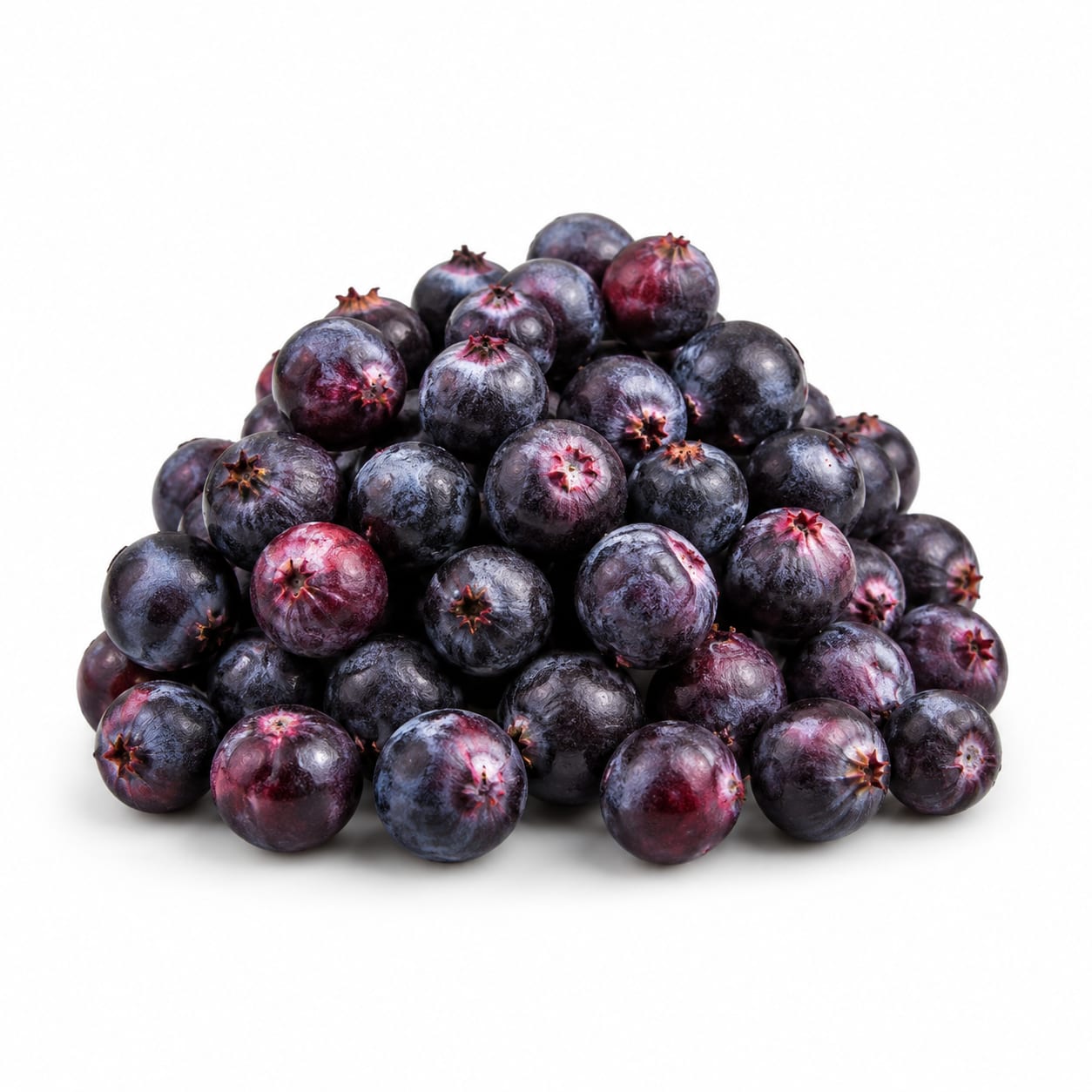
Saskatoon Berry
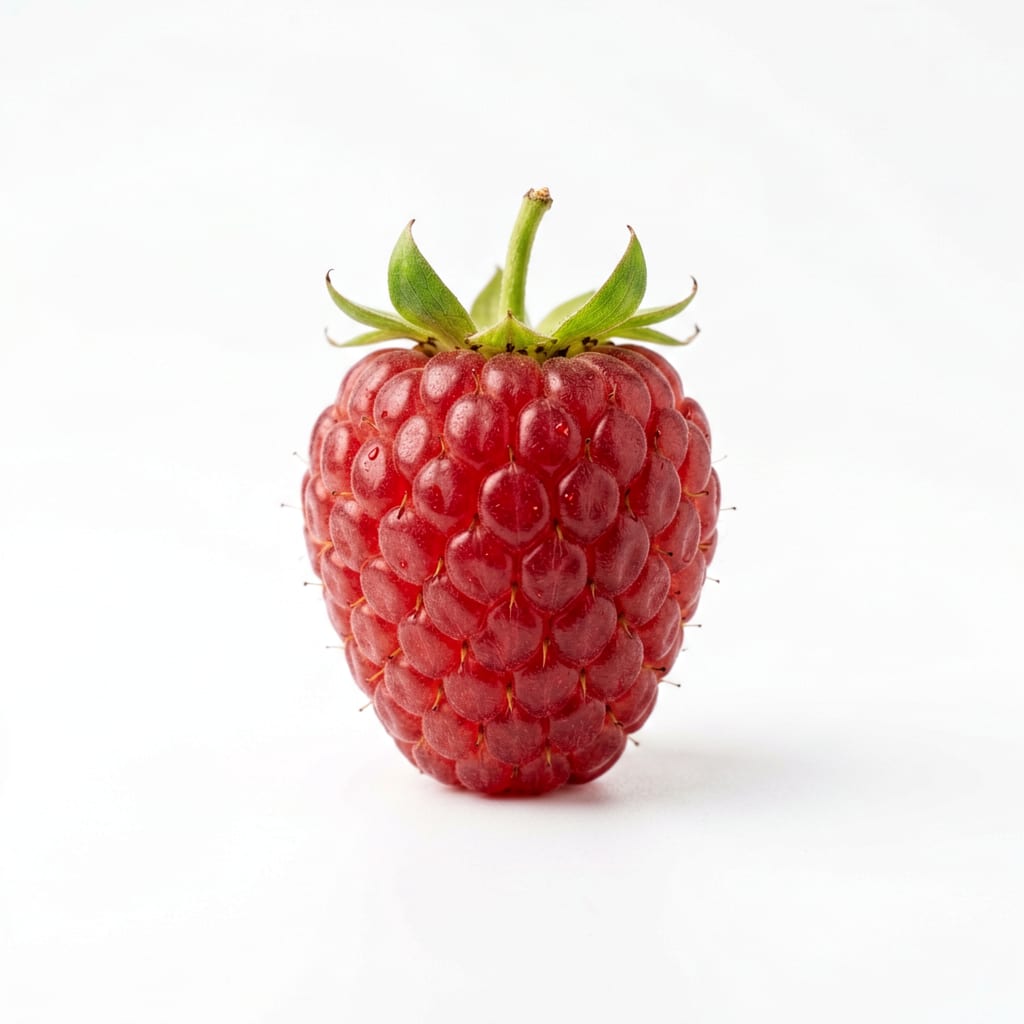
Raspberry
Raspberry is the practical, low-sugar everyday choice, while Saskatoon Berry is an antioxidant powerhouse with a richer, nuttier flavor.
Raspberry scores higher overall due to its exceptional low-sugar profile and universal availability. Saskatoon Berry is nutritionally elite in specific areas like antioxidants but loses points on accessibility and higher sugar content.
You trade the easy availability and lower sugar of Raspberries for the deeper antioxidant density and unique taste of Saskatoon Berries.
At a glance
Executive summary
Overall
It depends
Healthier
It depends
More practical
Raspberry
Daily use
Raspberry
Key comparison lenses
antioxidant profile
Saskatoon Berry is famously rich in anthocyanins, while Raspberry offers different antioxidants like ellagic acid and vitamin C.
blood sugar management
Raspberry is exceptionally low in sugar compared to most fruits, while Saskatoon Berry has a moderate sugar content.
availability and everyday use
Raspberries are a grocery staple worldwide, whereas Saskatoon Berries are regional and harder to find fresh.
Best choice for
Saskatoon Berry
- People seeking maximum antioxidant density
- Foragers and residents of northern climates
- Those wanting a richer, denser berry for baking
Raspberry
- People strictly managing blood sugar or weight
- Shoppers needing reliable year-round access
- Anyone wanting a high-fiber, low-calorie snack
Least suitable for
Saskatoon Berry
- People who need widely accessible, fresh berries on demand
- Those on a strict low-carb or keto diet
Raspberry
- People looking for dense, filling calories in a small serving
- Those wanting a mild, less tart flavor profile
Deep comparison
Dimension by dimension
Each lens scores both foods and breaks down who each option suits.
- Dimension 1 · Priority 90Saskatoon Berry
Antioxidant Density
Saskatoon Berry · 95Raspberry · 85Saskatoon Berry delivers a massive dose of anthocyanins thanks to its dark purple skin, outshining Raspberry in total antioxidant capacity.
Tradeoff
You get more deep-purple antioxidants with Saskatoon Berry, but you miss out on the high vitamin C and ellagic acid that Raspberry provides.
Why it matters
Anthocyanins support blood vessel health and aging, while vitamin C is crucial for immunity and skin.
Real-world impact
Eating Saskatoon Berries is like taking a targeted anti-aging supplement; eating Raspberries is like getting a broad-spectrum immune boost.
Saskatoon Berry
- Reducing oxidative stress
- Supporting vascular health
Better for
- Providing vitamin C
Worse for
Raspberry
- Boosting iron absorption
- Supporting collagen production
Better for
- Delivering deep anthocyanin concentration
Worse for
- Dimension 2 · Priority 85Raspberry
Blood Sugar Friendliness
Saskatoon Berry · 70Raspberry · 95Raspberry is one of the lowest-sugar fruits available, making it incredibly easy on blood sugar. Saskatoon Berry contains roughly double the sugar.
Tradeoff
Saskatoon Berry offers a sweeter, more satisfying taste right off the bush, but Raspberry keeps your blood sugar steadier.
Why it matters
Lower sugar fruits prevent afternoon energy crashes and are safer for insulin resistance.
Real-world impact
You can eat a large bowl of Raspberries without a sugar spike, while Saskatoon Berries require more portion awareness.
Saskatoon Berry
- Providing quick natural energy for active days
Better for
- Strict keto diets
Worse for
Raspberry
- Managing diabetes
- Reducing sugar cravings
Better for
- Pre-workout fueling
Worse for
- Dimension 3 · Priority 80It depends
Fiber and Satiety
Saskatoon Berry · 88Raspberry · 90Both are fiber champions. Raspberry edges out slightly in fiber per calorie, but Saskatoon Berry is denser and can feel more filling in smaller amounts.
Tradeoff
Raspberry gives you more volume and fiber for fewer calories, while Saskatoon Berry provides a denser, more energy-rich fullness.
Why it matters
High fiber keeps you full longer and supports a healthy gut microbiome.
Real-world impact
A cup of Raspberries feels like a light, refreshing snack; a cup of Saskatoon Berries feels like a substantive mini-meal.
Saskatoon Berry
- Hikers needing calorie-dense trail snacks
Better for
- Low-calorie diet snacking
Worse for
Raspberry
- Volume eaters wanting large portions for few calories
Better for
- Situations needing compact, dense energy
Worse for
- Dimension 4 · Priority 75Raspberry
Availability and Convenience
Saskatoon Berry · 35Raspberry · 95Raspberries are available fresh or frozen in nearly every grocery store. Saskatoon Berries are highly regional and rarely sold fresh outside Canada and the northern US.
Tradeoff
You can easily pop Raspberries into your weekly cart, while finding Saskatoon Berries requires specialty shopping, foraging, or mail-order frozen packs.
Why it matters
The healthiest food is the one you can actually buy and eat consistently.
Real-world impact
Raspberries are an effortless addition to your routine; Saskatoon Berries require deliberate planning to source.
Saskatoon Berry
- Locavores in northern climates
- Farmers market enthusiasts
Better for
- Spontaneous recipe making
Worse for
Raspberry
- Busy families needing easy grocery runs
- Consistent daily habits
Better for
- Regional culinary authenticity
Worse for
Timeline
Health impact over time
Short-term
Hours to days
Saskatoon Berry
- Provides steady, dense energy from complex carbs and natural sugars
- Offers satisfying fullness from dense fiber and seed content
Raspberry
- Delivers a refreshing, hydrating snack with minimal calorie load
- Supports immediate immune function with high vitamin C
Long-term
Months to years
Saskatoon Berry
- High anthocyanin intake supports long-term cardiovascular health
- Unique antioxidants may help protect against cellular aging
Raspberry
- Consistent low-sugar intake helps maintain insulin sensitivity
- Ellagic acid supports cellular health and reduces chronic inflammation
Risk profile
Safety & processing
Both berries are whole, natural foods. When bought fresh or frozen, they are completely free of artificial additives.
Saskatoon Berry
Pesticide residue
lowSaskatoon Berries are often wild-harvested or grown with minimal pesticides, making them very clean.
Raspberry
Pesticide residue
mediumConventional Raspberries frequently appear on the EWG's Dirty Dozen list due to pesticide exposure; buying organic is recommended.
Mold and spoilage
mediumRaspberries are highly perishable and prone to mold within days of purchase, requiring careful inspection.
Who wins for whom
Audience fit
Same foods, different winners depending on your goal.
children
RaspberryRaspberries are widely available, familiar, and easy to portion as a low-sugar snack for kids.
daily consumption
RaspberryRaspberry's easy availability and low sugar make it a no-brainer for an everyday breakfast or snack addition.
diabetes
RaspberryWith roughly half the sugar and a lower glycemic load, Raspberry is much safer for blood sugar management.
elderly
RaspberryRaspberry is extremely gentle on blood sugar and provides accessible vitamin C, though both berries support healthy aging.
muscle gain
It dependsNeither berry is a significant protein source, though Saskatoon Berry offers slightly more calories to support mass-building phases.
weight loss
RaspberryRaspberry offers massive volume and high fiber for very few calories and minimal sugar, making it a top weight loss food.
Your move
Decision guide
Choose Saskatoon Berry
- You want to explore unique, regional flavors with a nuttier, richer taste
- You have access to frozen or fresh Saskatoon Berries and want an antioxidant boost
- You need a denser energy source for hiking or outdoor activities
Choose Raspberry
- You want a low-sugar, high-fiber berry you can eat in large volumes
- You are managing your weight, blood sugar, or insulin levels
- You need a reliable berry available at any grocery store year-round
Either works if
- You want to support gut health through diverse fiber sources
- You are looking for whole-food antioxidants to add to smoothies or oatmeal
Avoid both if
- You have a severe allergy to salicylates, which are naturally present in both berries
Final recommendation
Make Raspberry your daily driver for its easy access and low sugar, but seek out Saskatoon Berries when you want a nutrient-dense treat with a deeper, richer flavor profile.
Practical
Consumer tips
- 1
Buy organic Raspberries whenever possible to avoid high pesticide residues.
- 2
If you find frozen Saskatoon Berries, stock up; they retain their antioxidants beautifully and last for months.
- 3
Mix both berries together for a balance of Raspberry's tart freshness and Saskatoon Berry's deep, sweet richness.