
Nutrition comparison
Saskatoon Berry vs Huckleberry: Nutrition, Taste, and Health Comparison
Saskatoon berries offer more iron, calcium, and fiber. Huckleberries deliver more vitamin C and bolder flavor. Compare these wild berries to find which fits your health goals.
Overall winner · Saskatoon Berry
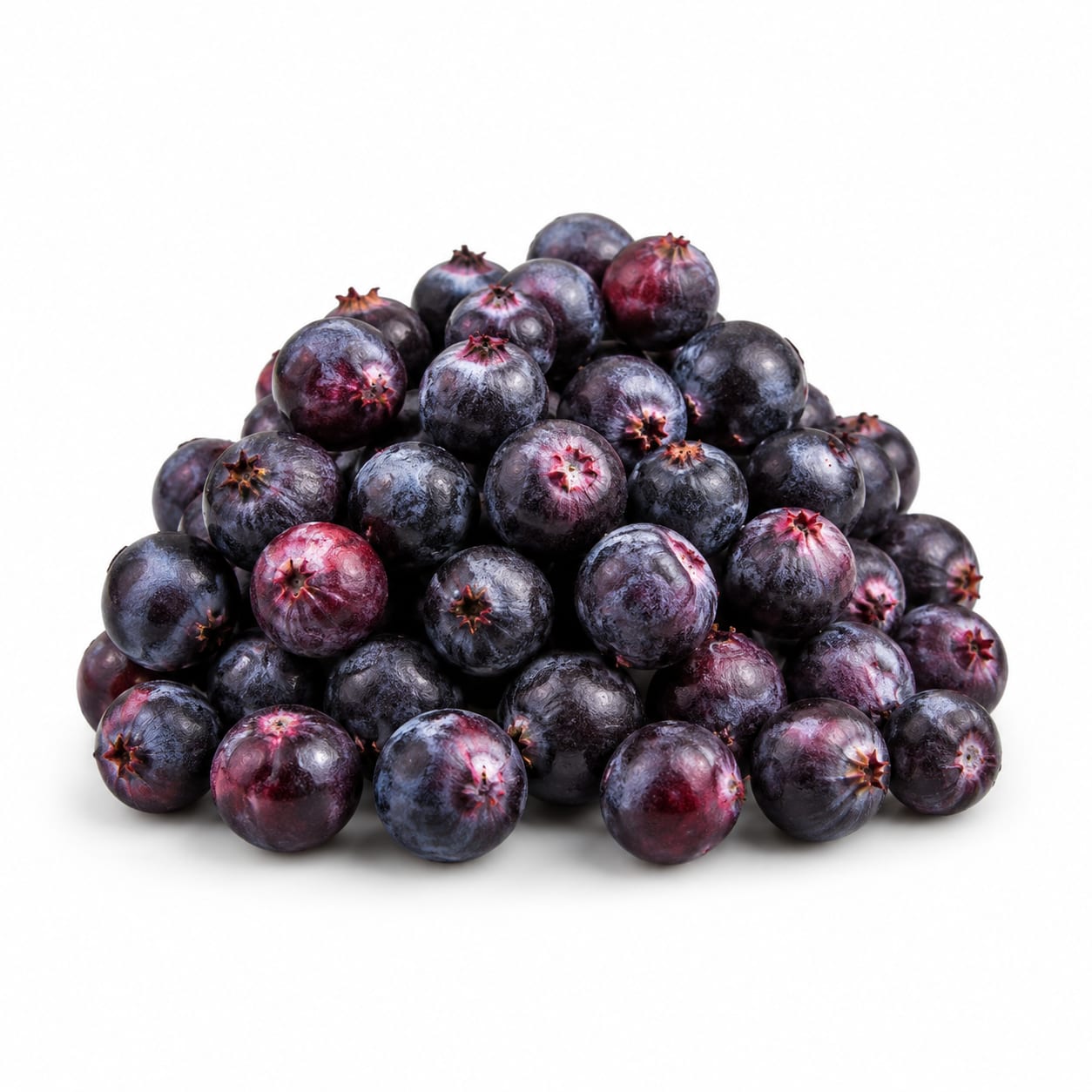
Saskatoon Berry
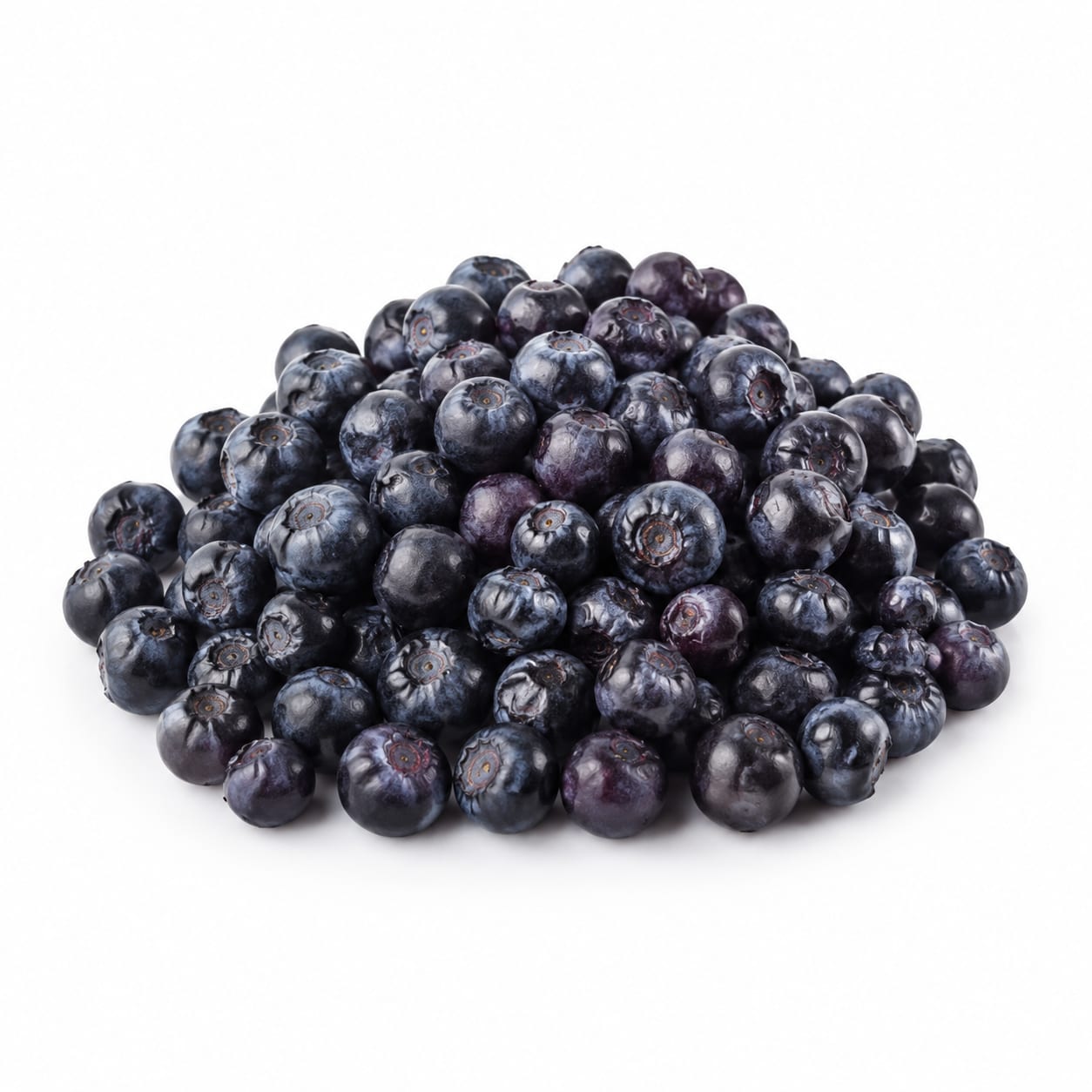
Huckleberry
Saskatoon berries edge out huckleberries on mineral content and fiber, making them the more nutrient-dense choice for daily eating.
Saskatoon berries score higher due to superior mineral content and fiber, but huckleberries remain excellent. The gap is modest because both are nutrient-rich wild berries with strong antioxidant profiles.
Huckleberries deliver brighter vitamin C and a more intense tart-sweet flavor, while Saskatoon berries win on iron, calcium, and sustained fullness from fiber.
At a glance
Executive summary
Overall
Saskatoon Berry
Healthier
Saskatoon Berry
More practical
It depends
Daily use
Saskatoon Berry
Key comparison lenses
antioxidant density comparison
Both berries are prized for their anthocyanin content, but their antioxidant profiles differ meaningfully
mineral nutrition
Saskatoon berries are notably richer in iron, calcium, and magnesium, which is a key differentiator
wild foraging availability
Both are often wild-harvested, but availability and accessibility differ significantly by region
blood sugar impact
Fiber and sugar content differences affect how each berry influences glucose response
culinary versatility
Users want to know which berry works better for baking, jams, snacking, or smoothies
Best choice for
Saskatoon Berry
- Boosting iron and calcium intake naturally
- Sustained energy and steadier blood sugar
- Adding mineral density to smoothies or oatmeal
- People wanting more filling fruit snacks
Huckleberry
- Immune support through higher vitamin C
- Bright, tart flavor in desserts and preserves
- Quick antioxidant bursts for smoothie bowls
- Those who prefer a more intense berry flavor
Least suitable for
Saskatoon Berry
- Anyone needing high vitamin C from a single fruit source
- Tropical or subtropical regions where they are unavailable fresh
Huckleberry
- Those seeking significant iron or calcium from berries
- Budget-conscious shoppers (wild huckleberries are often expensive)
Deep comparison
Dimension by dimension
Each lens scores both foods and breaks down who each option suits.
- Dimension 1 · Priority 92It depends
antioxidant_power
Saskatoon Berry · 80Huckleberry · 82Both are anthocyanin powerhouses. Huckleberries have slightly higher overall antioxidant capacity, but Saskatoon berries offer a broader polyphenol mix.
Tradeoff
Huckleberries win on total ORAC score, but Saskatoon berries provide more diverse phenolic compounds including flavonols and tannins.
Why it matters
A diverse antioxidant profile may protect more cellular pathways than a single high-concentration compound.
Real-world impact
Eating both berries regularly gives you wider antioxidant coverage than loading up on just one.
Saskatoon Berry
- Broader polyphenol diversity
- More tannins for gut health
Better for
- Slightly lower ORAC score than huckleberries
Worse for
Huckleberry
- Higher total antioxidant capacity per serving
- More anthocyanins per gram
Better for
- Narrower range of phenolic compounds
Worse for
- Dimension 2 · Priority 88Saskatoon Berry
mineral_density
Saskatoon Berry · 90Huckleberry · 55Saskatoon berries are dramatically richer in iron, calcium, and magnesium. This is their strongest advantage over huckleberries.
Tradeoff
You get significantly more bone-supporting and blood-building minerals from Saskatoon berries, but less vitamin C to help absorb that iron.
Why it matters
Many people fall short on iron and calcium. Saskatoon berries contribute meaningfully to those targets in a way most fruits cannot.
Real-world impact
A cup of Saskatoon berries provides roughly 10% of daily iron needs, while huckleberries offer less than 3%.
Saskatoon Berry
- Much higher iron content
- Significantly more calcium
- More magnesium for muscle and nerve function
Better for
- Lower vitamin C means less help absorbing its own iron
Worse for
Huckleberry
- Vitamin C helps absorb any iron consumed alongside it
Better for
- Iron and calcium content are unremarkable for a fruit
Worse for
- Dimension 3 · Priority 82Saskatoon Berry
fiber_and_satiety
Saskatoon Berry · 85Huckleberry · 65Saskatoon berries contain notably more dietary fiber, making them more filling and better for blood sugar stability.
Tradeoff
More fiber means steadier energy and better digestion with Saskatoon berries, but the texture can be slightly mealier than huckleberries.
Why it matters
Fiber is the difference between a snack that holds you for two hours versus one that leaves you hungry again in 45 minutes.
Real-world impact
Saskatoon berries in morning oatmeal keep you fuller longer than huckleberries, which digest a bit faster.
Saskatoon Berry
- More fiber per serving for fullness
- Better glycemic control
- Supports healthier gut motility
Better for
- Seedier texture in some preparations
Worse for
Huckleberry
- Smoother texture may be preferred in delicate desserts
Better for
- Less satiating, easier to overeat
Worse for
- Dimension 4 · Priority 78Huckleberry
vitamin_C_content
Saskatoon Berry · 50Huckleberry · 80Huckleberries deliver substantially more vitamin C, supporting immune function and collagen synthesis.
Tradeoff
Huckleberries are a better vitamin C source, but you can easily close that gap with a single strawberry or kiwi alongside Saskatoon berries.
Why it matters
Vitamin C matters for immunity, skin health, and iron absorption, especially during cold season.
Real-world impact
If berries are your main fruit source, huckleberries contribute more meaningfully to daily vitamin C targets.
Saskatoon Berry
- Pairing with vitamin C foods solves the gap easily
Better for
- Low vitamin C relative to most berries
Worse for
Huckleberry
- Higher vitamin C per serving
- Better standalone immune support
- Helps absorb iron from other foods eaten at the same time
Better for
- Still less vitamin C than strawberries or kiwi
Worse for
- Dimension 5 · Priority 70It depends
flavor_and_culinary_use
Saskatoon Berry · 75Huckleberry · 80Huckleberries have a more intense, complex tart-sweet flavor prized in gourmet cooking. Saskatoon berries are milder, nuttier, and slightly almond-like.
Tradeoff
Huckleberries shine in pies, jams, and desserts where bold flavor matters. Saskatoon berries work better as a subtle, nutrient-boosting addition to oatmeal or smoothies.
Why it matters
Flavor determines whether you actually keep eating a healthy food long-term.
Real-world impact
Huckleberry pie is a Pacific Northwest icon for good reason. Saskatoon berry crumble is comforting but less flashy.
Saskatoon Berry
- Milder flavor blends into smoothies without dominating
- Subtle almond notes pair well with baked goods
- Less tartness appeals to kids
Better for
- Can taste bland compared to huckleberries in desserts
Worse for
Huckleberry
- More intense and complex flavor
- Superior for jams, syrups, and pies
- Higher culinary prestige in restaurant settings
Better for
- Strong tartness may need more added sugar in recipes
Worse for
- Dimension 6 · Priority 65It depends
availability_and_cost
Saskatoon Berry · 70Huckleberry · 55Saskatoon berries are increasingly cultivated and available frozen in many regions. Huckleberries resist commercial farming and are mostly wild-harvested, making them pricier and harder to find.
Tradeoff
Saskatoon berries are easier to source year-round at reasonable prices. Huckleberries are a seasonal luxury that rewards the hunt with superior flavor.
Why it matters
The healthiest berry is the one you can actually buy and eat regularly.
Real-world impact
Frozen Saskatoon berries are available online and in many Canadian and northern US stores. Fresh huckleberries require farmers markets, specialty shops, or foraging.
Saskatoon Berry
- Commercially cultivated, more stable supply
- Often cheaper per pound frozen
- Available year-round in many regions
Better for
- Still not widely available outside Canada and northern US
Worse for
Huckleberry
- Wild-harvested means no agricultural chemicals
- Foraging can be free if you live in the right region
Better for
- Very expensive when purchased
- Limited seasonal availability
- Cannot be commercially farmed at scale
Worse for
Timeline
Health impact over time
Short-term
Hours to days
Saskatoon Berry
- Steadier blood sugar response after eating due to higher fiber
- Mild sustained energy from mineral content, particularly iron
- Good satiety that reduces snacking between meals
Huckleberry
- Quick antioxidant boost from concentrated anthocyanins
- Vitamin C provides immediate immune support
- Faster digestion may feel lighter for sensitive stomachs
Long-term
Months to years
Saskatoon Berry
- Consistent iron and calcium intake supports bone density and blood health over time
- Higher fiber contributes to reduced colorectal cancer risk and better gut health
- Polyphenol diversity may offer broader anti-inflammatory protection
Huckleberry
- Sustained vitamin C intake supports collagen production and skin elasticity
- High anthocyanin consumption linked to cardiovascular and cognitive benefits
- Wild-harvested nature means minimal pesticide exposure over years of consumption
Risk profile
Safety & processing
Both berries are typically consumed fresh or frozen with minimal processing. Saskatoon berries are more commonly found commercially frozen, while huckleberries are usually wild-harvested and sold fresh at farmers markets. Neither carries meaningful additive concerns in their whole form.
Saskatoon Berry
pesticide_residue_on_commercial_crops
lowSaskatoon berries are commercially cultivated, so trace pesticide residue is possible. Washing or choosing organic mitigates this.
mold_on_stored_berries
mediumLike all berries, Saskatoon berries mold quickly. Use within days of purchase or keep frozen.
Huckleberry
misidentification_during_foraging
highWild huckleberries can be confused with toxic berries like baneberry. Only forage with expert knowledge or buy from trusted sources.
environmental_contaminants_in_wild_areas
lowWild-harvested berries near roads or old industrial sites may absorb heavy metals. Forage away from contaminated zones.
Who wins for whom
Audience fit
Same foods, different winners depending on your goal.
children
It dependsSaskatoon berries are milder and less tart, which kids often prefer. Huckleberries offer more vitamin C for growing immune systems. Both are good choices.
daily consumption
Saskatoon BerryBetter availability, lower cost, higher mineral content, and more fiber make Saskatoon berries more practical for everyday eating.
diabetes
Saskatoon BerryHigher fiber content in Saskatoon berries slows glucose absorption more effectively, leading to steadier blood sugar after eating.
elderly
Saskatoon BerrySaskatoon berries provide more calcium and iron, two minerals elderly people commonly lack. The fiber also supports digestive regularity.
muscle gain
Saskatoon BerryMore iron and magnesium in Saskatoon berries supports oxygen delivery and muscle recovery, though neither berry is a primary muscle-building food.
weight loss
Saskatoon BerryHigher fiber in Saskatoon berries provides more fullness per calorie, making it easier to stay satisfied on fewer servings.
Your move
Decision guide
Choose Saskatoon Berry
- You want maximum mineral nutrition from your berries
- Steady energy and fullness matter more than bold flavor
- You need an affordable, available berry for daily smoothies or oatmeal
- Bone health or iron levels are a personal concern
Choose Huckleberry
- Flavor intensity is your top priority
- You want more vitamin C from your fruit
- You have access to fresh wild huckleberries at reasonable prices
- You are making a special dessert where bold berry taste is essential
Either works if
- You just want a nutrient-dense berry and both are available
- You are rotating antioxidant sources for diversity
- You are adding berries to a dish where their differences are barely noticeable
Avoid both if
- You have a severe berry allergy or salicylate sensitivity
- You cannot source either berry and would need to rely on expensive shipping
Final recommendation
For everyday nutrition, Saskatoon berries are the more practical and mineral-rich choice. For flavor occasions and vitamin C, huckleberries are worth the premium. The smartest approach is eating both when possible, since their nutrient profiles complement each other beautifully.
Practical
Consumer tips
- 1
Pair Saskatoon berries with a vitamin C source like citrus or kiwi to boost iron absorption
- 2
Buy both berries frozen when available, as nutrients are locked in at peak ripeness
- 3
If foraging huckleberries, always go with an experienced guide to avoid toxic lookalikes
- 4
Add Saskatoon berries to overnight oats for a mineral boost that requires zero morning effort
- 5
Use huckleberries in small amounts as a flavor accent rather than a bulk ingredient to manage cost
- 6
Wash commercially grown Saskatoon berries even if labeled organic to remove any surface residue
- 7
Freeze extra berries flat on a sheet pan first, then transfer to bags to prevent clumping