
Prepared Meal
Sandwich
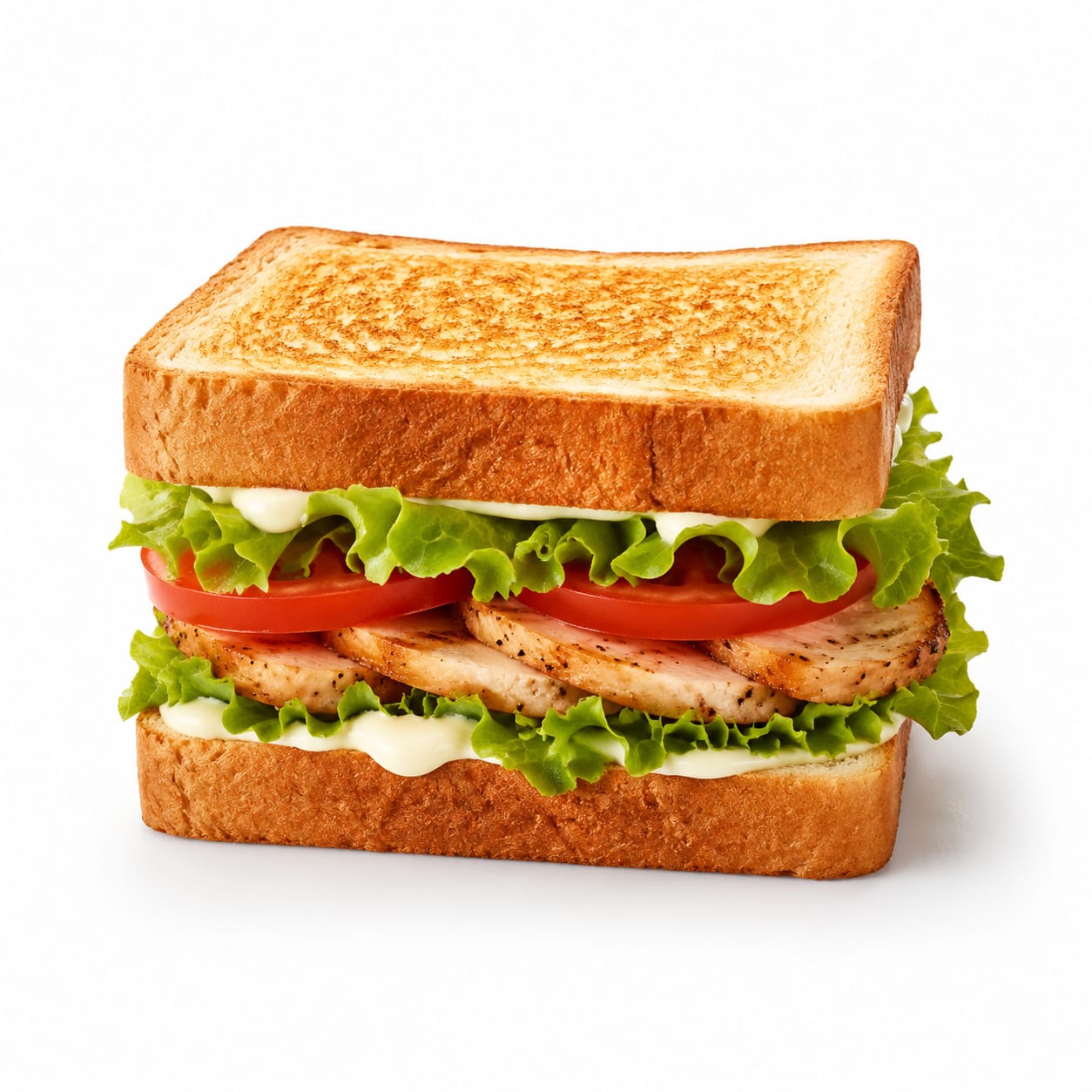
A portable meal consisting of fillings placed between slices of bread.
A food typically consisting of vegetables, sliced cheese or meat, placed on or between slices of bread, or more generally any dish wherein bread serves as a container or wrapper for another food type.
versatile assembled meal combining bread with protein and fillings
Typical serving · 150g
Common varieties · Club Sandwich, BLT, Grilled Cheese, Submarine Sandwich, Reuben +1 more
Overall context score across nutrition, safety, and diet fit
The story
What makes it unique
Macronutrient profile varies widely based on bread type and fillings. Standard deli sandwiches provide moderate protein and carbohydrates but can be high in sodium and saturated fat. Digestion speed depends heavily on bread refinement; whole grain slows gastric emptying and moderates glycemic response, while refined flour digests rapidly.
Varieties: Club Sandwich · BLT · Grilled Cheese · Submarine Sandwich · Reuben · PB&J
Per 100g
Nutrition breakdown
Macro balance and key metrics at a glance.
Energy
Density 2.50 kcal/g
Protein
Carbs
Fat
Fiber
Sugar
3 g
Sodium
600 mg
Potassium
150 mg
Glycemic index
60
Glycemic load
12
Water content
40%
Standout compounds
Nutrient highlights
Sodium
highElectrolyte balance, but excessive amounts strain the heart
Protein
moderateMuscle maintenance and repair
Carbohydrates
moderatePrimary energy source for the brain and muscles
Fiber
lowDigestive health and satiety
Wellness map
Health scores & processing
NOVA processing scale
Moderately Processed · Whole food
Homemade sandwiches using whole foods are Nova 3, but commercial or fast-food versions with processed meats, refined breads, and condiments qualify as Nova 4 ultra-processed foods.
Diet compatibility
- Weight loss
- Muscle gain
- Diabetes
- Gut health
- Low carb
- High protein
- Heart health
Relative standing
Food rankings
Qualitative ranks compared to similar whole foods.
- Satietymoderate
- Blood sugarmoderate
- Nutrient densitymoderate
- Fitness fuelgood
- Processing qualitymoderate
Eat with confidence
Food safety profile
Primary safety concerns stem from deli meats which carry a moderate risk of Listeria and are often cured with nitrites. Proper refrigeration is essential.
Evidence confidence 85%
- Pesticideslow
- Antibioticsmoderate
- Heavy metalslow
- Contaminationmoderate
Watch for
- Listeria monocytogenes
- Salmonella
- Sodium nitrite
Safer choices
Freshly cooked whole meats instead of processed deli slices; organic or nitrate-free options.
Prep tips
Keep cold cuts refrigerated and consume within a few days of opening; wash vegetables thoroughly before adding.
Deli meats are frequently monitored for listeria outbreaks and nitrate preservatives.
Deep dive
Health analysis
How this food may fit different goals and preparation choices.
Weight loss
Can be calorie-dense due to condiments and cheese; choosing lean proteins and skipping mayo reduces energy density significantly.
Blood sugar
Refined bread causes rapid blood sugar spikes; whole grain or sprouted bread provides slower digestion and better glycemic control.
Fitness & energy
Provides a balanced ratio of carbs for energy and protein for muscle repair, making it a convenient post-workout option.
Gut health
Low in fiber unless built on whole grain bread and packed with vegetables; refined flour versions offer little prebiotic benefit.
Processing quality
Heavily dependent on ingredient sourcing; commercial versions rely on ultra-processed breads and cured meats.
Food safety
Deli meats pose listeria risks requiring strict refrigeration; pregnant women and immunocompromised individuals should avoid unpasteurized cheeses and cold cuts.
Common mistakes
Adding excessive high-calorie condiments like mayo or oil, and using highly processed white bread with minimal fiber.
Best preparation
Use 100% whole grain bread, fresh roasted meats, avocado instead of mayo, and load with raw vegetables.
Practical guide
Best use cases
When and how this food fits real eating patterns.
Quick Balanced Lunch
Provides a convenient mix of carbs, protein, and fats for a midday meal.
Post-Workout Refueling
Carbs replenish glycogen while protein supports muscle repair.
Portable Travel Meal
Easy to pack and eat without utensils, making it ideal for on-the-go nutrition.
Balance sheet
Pros & cons
Upsides
- Convenient and portable meal
- Easily customizable for different diets
- Provides a balance of macronutrients
- Can incorporate multiple food groups like vegetables, proteins, and grains
Trade-offs
- Often high in sodium from deli meats and bread
- Refined breads spike blood sugar
- Condiments add hidden calories and unhealthy fats
- Processed meats are linked to long-term health risks
Fit check
Who is it for?
Great match
- quick lunches
- post-workout recovery
- portable meals
- budget-friendly eating
Consider alternatives
- strict low-carb diets
- sodium-restricted diets
- celiac or gluten-free diets
- weight loss if heavily dressed
Side by side
How it compares
Open the full head-to-head analysis for nutrition, safety, and practical tradeoffs.
This food
Sandwich
VS85% alike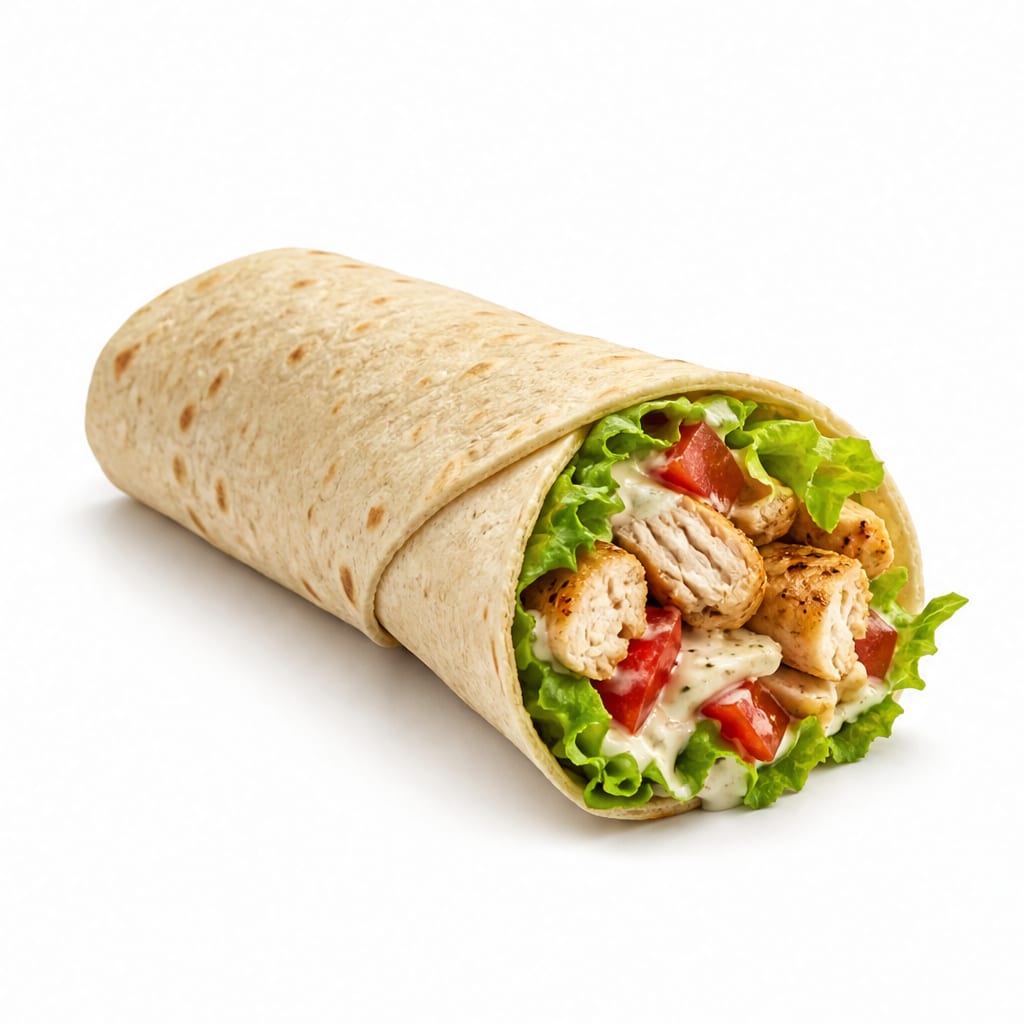
Compare with
Wrap
Wraps often seem healthier but can contain more calories and carbs than two slices of bread.
Wraps often pack more hidden calories and carbs than standard sandwich bread, making sandwiches a safer bet for portion control.
This food
Sandwich
VS60% alike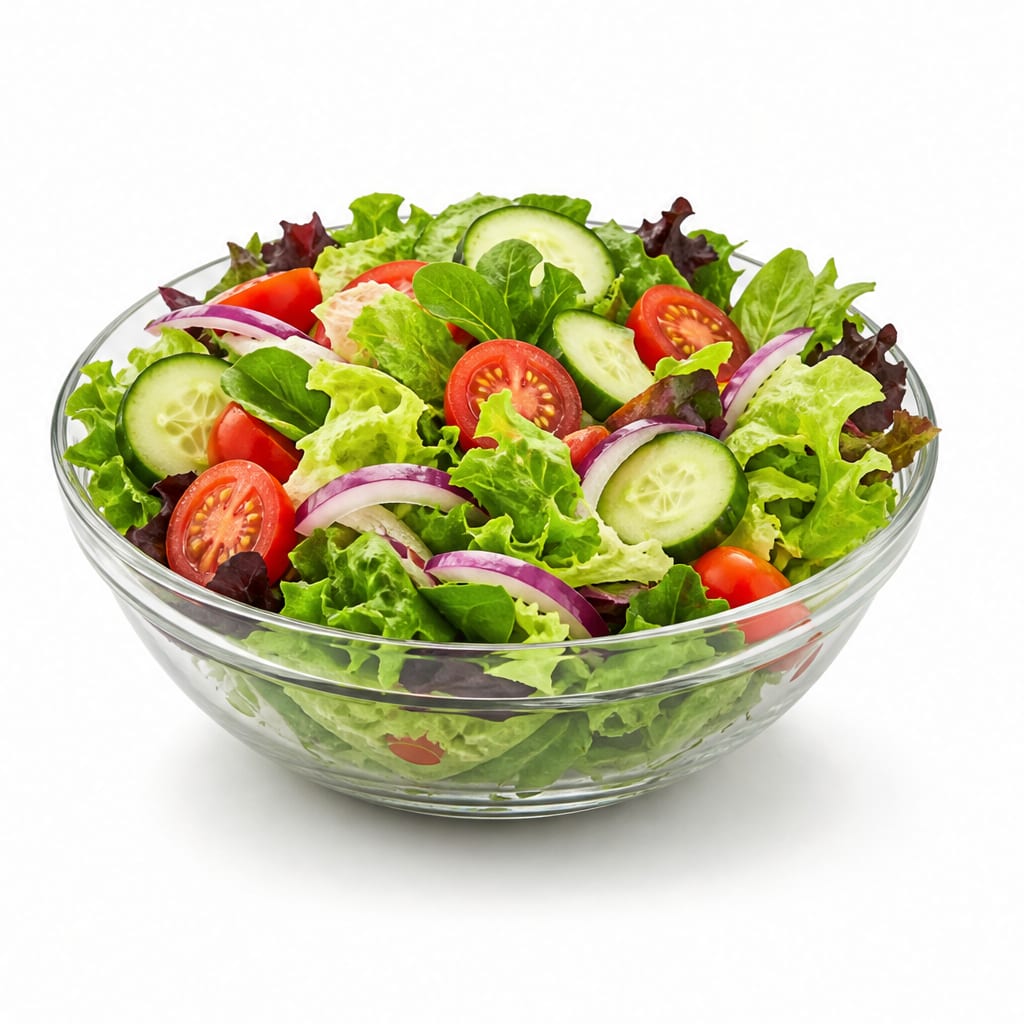
Compare with
Salad
Salads omit the bread carbs but require dressing which can rival sandwich calories.
Salads beat sandwiches for blood sugar control, but sandwiches offer more reliable satiety from carbs and protein.
This food
Sandwich
VS75% alike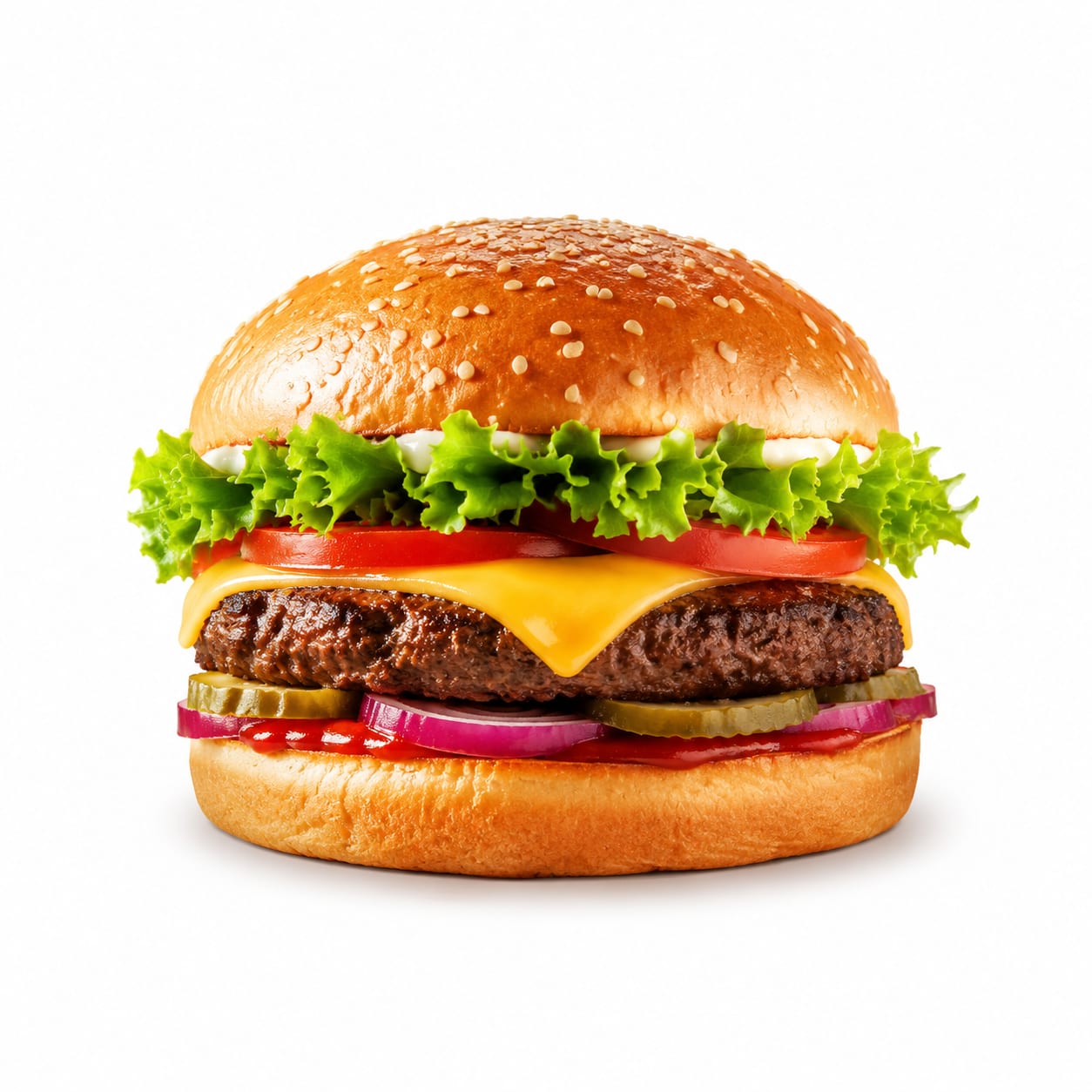
Compare with
Burger
Burgers typically use higher-fat ground meat and larger buns, increasing calories.
A deli sandwich usually contains fewer calories and less saturated fat than a standard burger.
This food
Sandwich
VS90% alike
Compare with
Sub
Subs are oversized sandwiches, often delivering double the carbs and calories of a standard sandwich.
A standard sandwich offers better portion control than a footlong sub, which can pack massive carbs and sodium.
This food
Sandwich
VS85% alike
Compare with
Panini
Paninis are pressed sandwiches that often use denser bread and more cheese.
Paninis often use thicker bread and more cheese than regular sandwiches, increasing calorie density.
This food
Sandwich
VS65% alike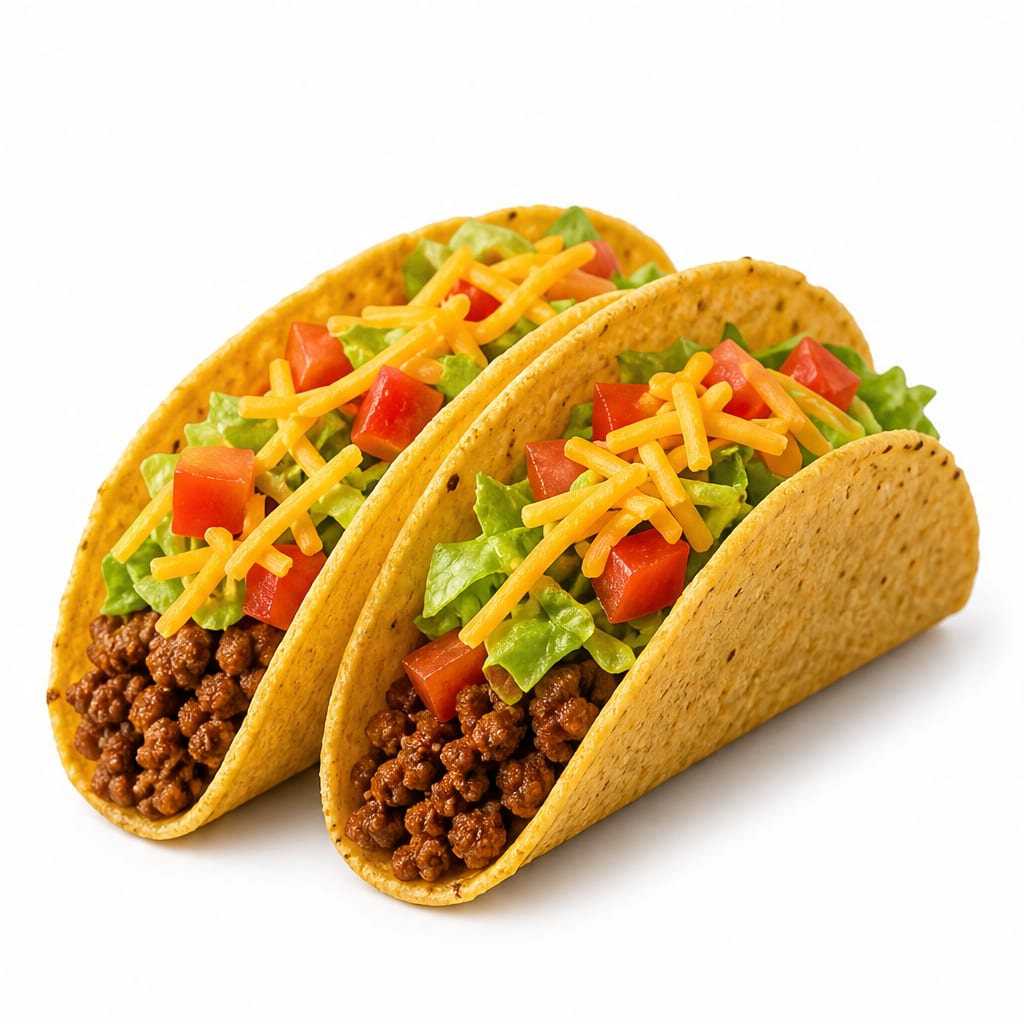
Compare with
Tacos
Tacos use tortillas instead of bread, often providing fewer carbs but varying fat content.
Tacos generally provide fewer carbs than sandwiches, but sandwiches offer more consistent portion control.
This food
Sandwich
VS55% alike
Compare with
Rice Bowl
Rice bowls swap bread for rice, offering gluten-free carbs but often less fiber.
Sandwiches on whole wheat provide more fiber than white rice bowls, aiding satiety and blood sugar control.
This food
Sandwich
VS88% alike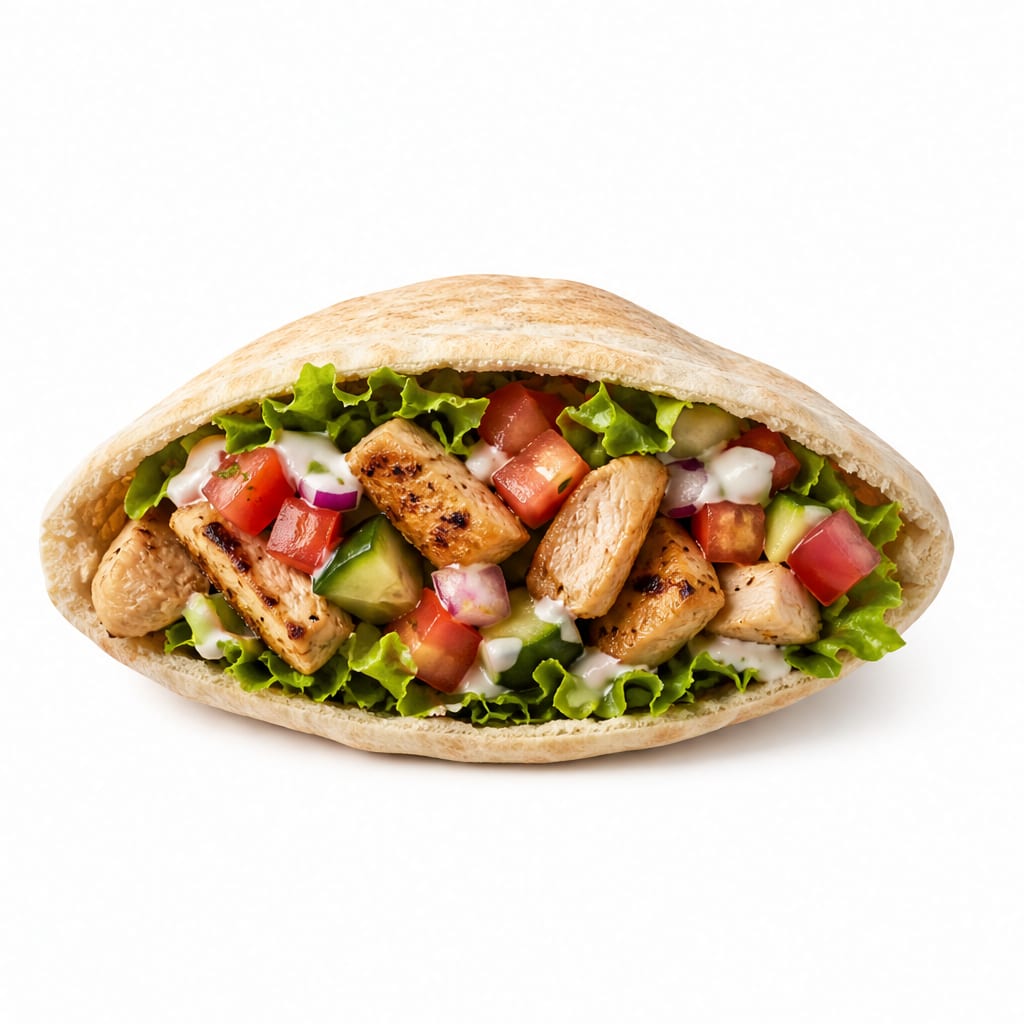
Compare with
Pita Pocket
Pitas hold fillings inside a pocket, often reducing the bread-to-filling ratio.
Pita pockets often use less bread than regular sandwiches, lowering carbs, but sandwiches offer more whole grain options.
This food
Sandwich
VS70% alike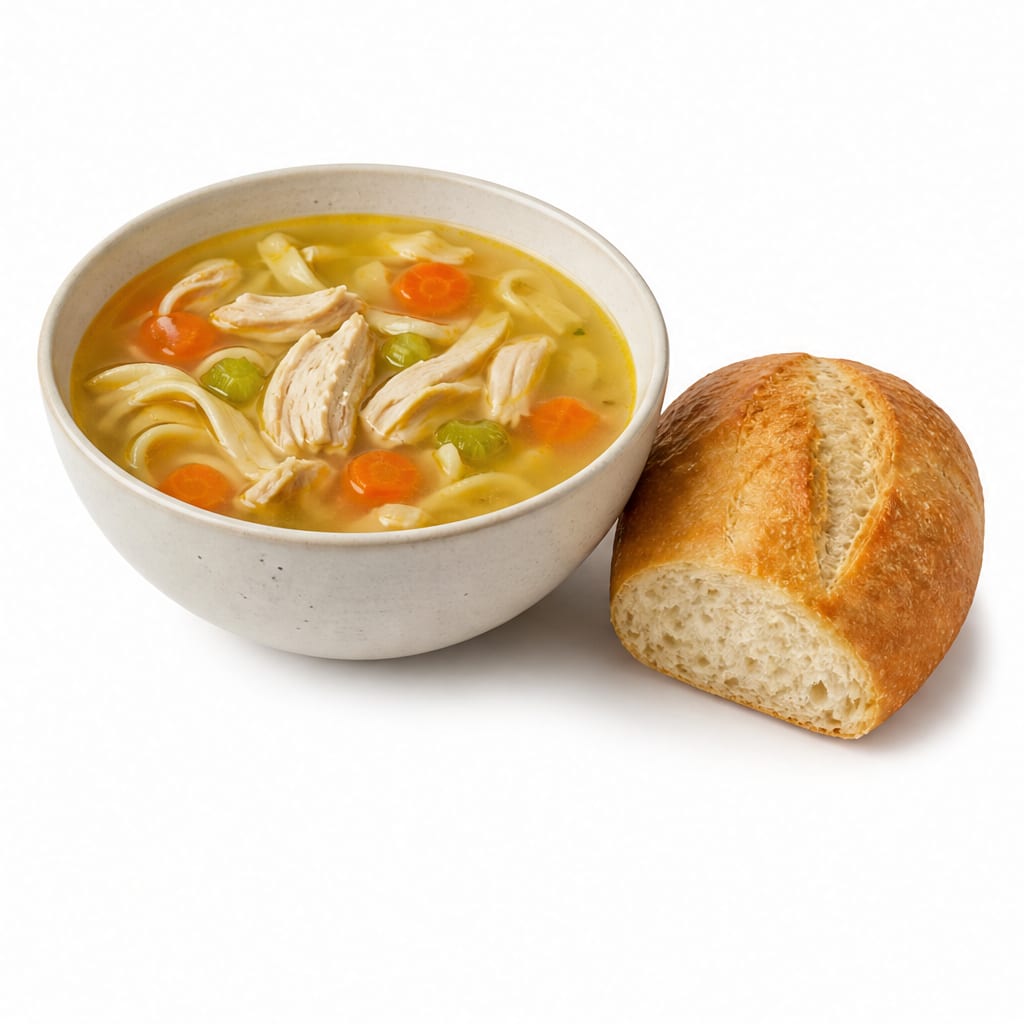
Compare with
Soup and Bread
Soup is lower in calories but less protein-dense; sandwiches provide more muscle-fueling protein.
Soup and bread is lower in calories, but a sandwich delivers more protein for sustained energy and satiety.
This food
Sandwich
VS65% alike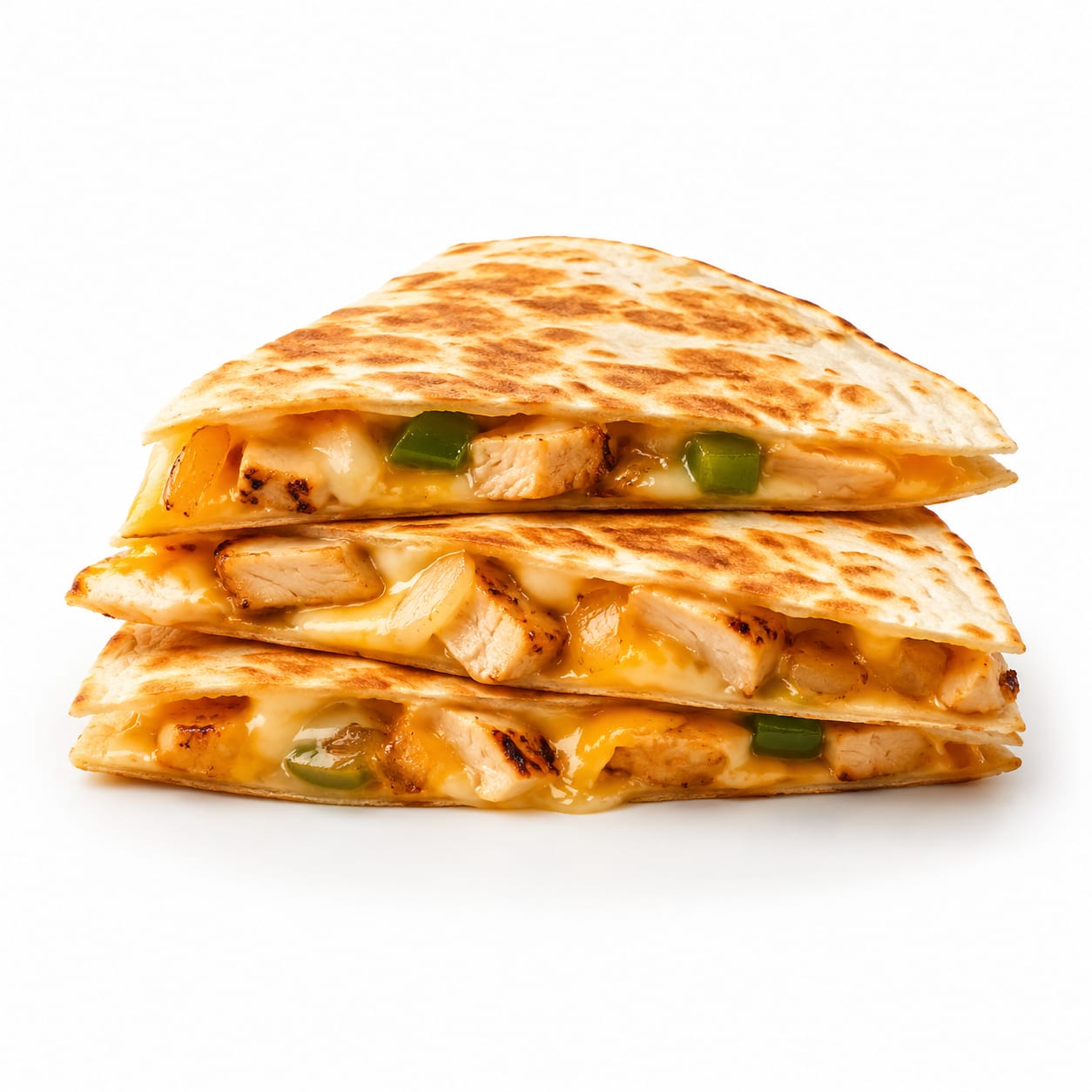
Compare with
Quesadilla
Quesadillas rely heavily on cheese and tortillas, typically offering more fat and less fiber.
Sandwiches on whole grain bread beat cheese-heavy quesadillas for weight loss and blood sugar management.
Common questions
FAQ
Answers aligned with how people search for this food.
Are sandwiches good for weight loss?
They can be, but often they are calorie-dense due to cheese, mayo, and thick bread. Using whole grain bread, lean proteins like turkey, and mustard instead of mayo makes them much more weight-loss friendly.
What is the healthiest bread for a sandwich?
100% whole grain or sprouted grain breads are the healthiest choices. They offer more fiber, protein, and micronutrients than white or refined wheat breads, leading to better blood sugar control and satiety.
Can diabetics eat sandwiches?
Yes, if built carefully. Choosing low-glycemic breads like whole grain or sourdough, and pairing them with protein and healthy fats, helps prevent the blood sugar spikes caused by refined white bread.
Are deli meats bad for you?
Regular consumption of processed deli meats is linked to increased risks of heart disease and certain cancers due to high sodium and preservatives like nitrates. Freshly roasted meats are a healthier alternative.
How can I make my sandwich healthier?
Swap white bread for whole grain, replace mayo with avocado or hummus, use fresh roasted meats instead of deli cuts, and add a large portion of vegetables like spinach, tomatoes, and cucumbers.
Is a sandwich a good post-workout meal?
Yes. A sandwich provides a convenient mix of carbohydrates to replenish glycogen and protein to repair muscles, especially if made with lean meat and whole grain bread.
Transparency
Data confidence
Estimated confidence for nutrition data, interpretation, safety notes, and comparisons.
Nutrition data
Health analysis
Food safety
Comparisons