
Nutrition comparison
Sandwich vs Panini: Nutrition, Calories, and Which is Healthier
Compare Sandwich vs Panini to see which is better for weight loss, convenience, and daily eating. Learn the nutritional tradeoffs and calorie differences.
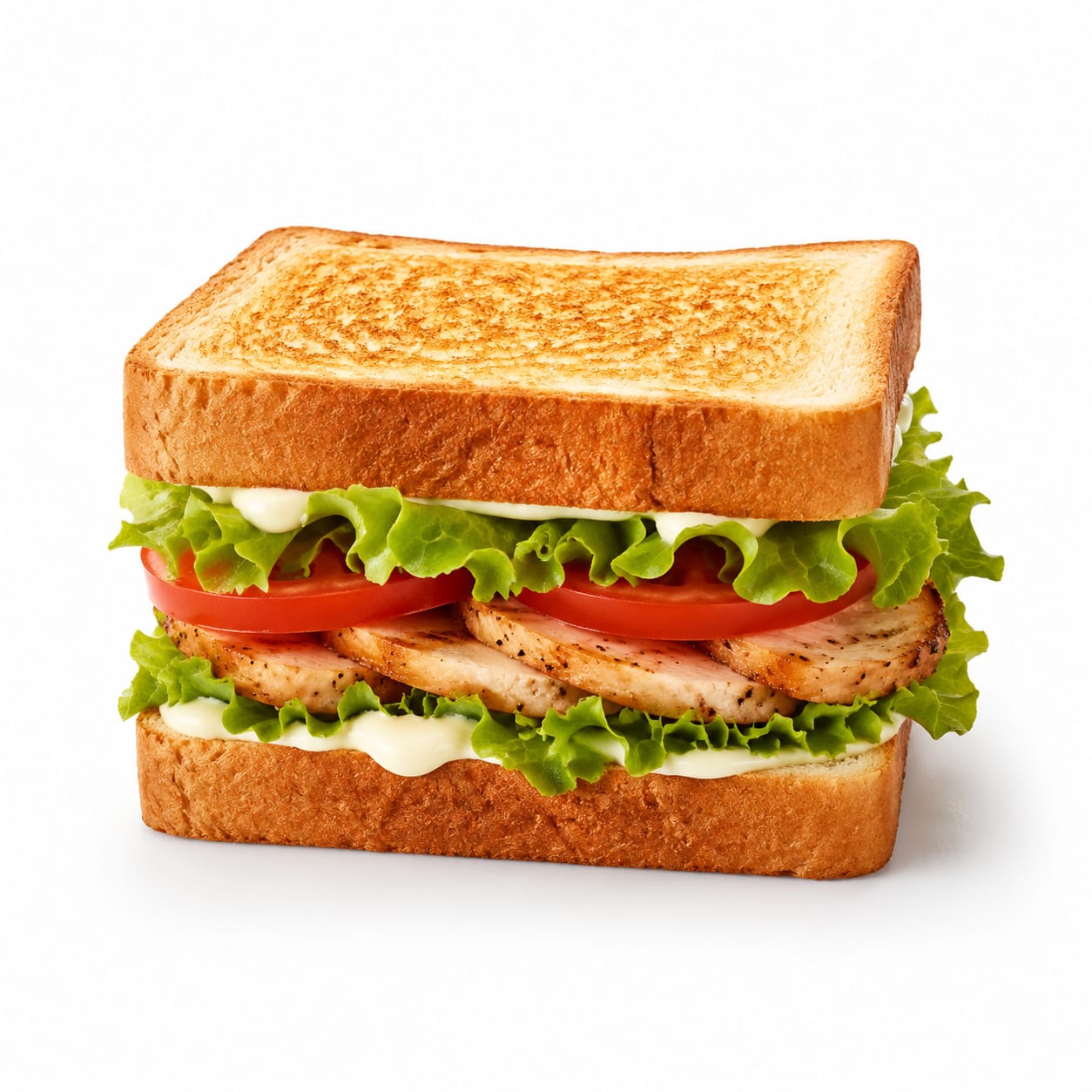
Sandwich
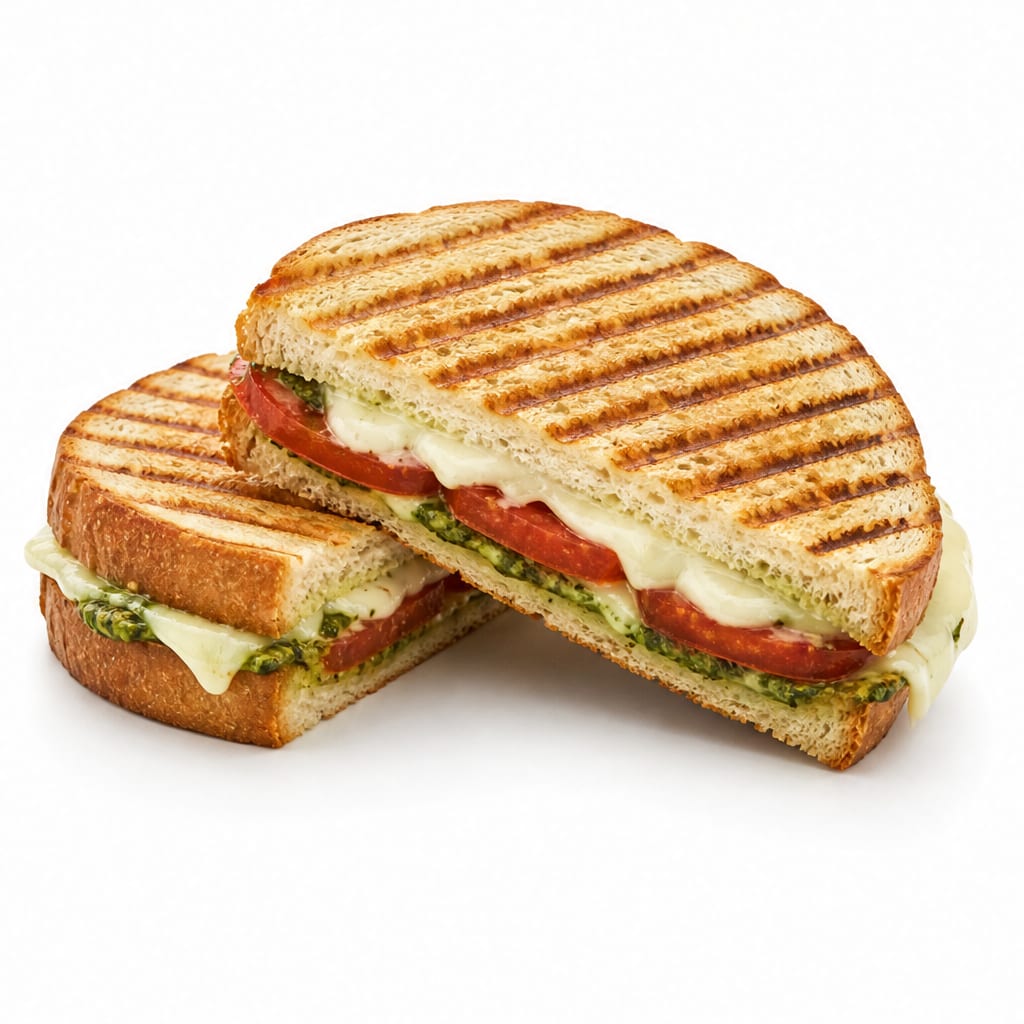
Panini
Sandwiches are lighter, faster, and better for everyday nutrition, while paninis deliver a hot, crispy, and more indulgent eating experience.
Sandwiches score higher for daily practicality and lighter nutritional profiles, while paninis score lower due to higher calorie density and prep requirements, though they win on indulgence.
Convenience and lower calories versus melty, crispy comfort.
At a glance
Executive summary
Overall
It depends
Healthier
Sandwich
More practical
Sandwich
Daily use
Sandwich
Key comparison lenses
Calorie and fat density
Paninis are typically pressed with oil or butter and loaded with cheese, significantly increasing calorie density compared to a standard sandwich.
Satiety and comfort
A hot, pressed panini offers a more indulgent, comforting experience that feels heavier and more filling than a cold sandwich.
Convenience and preparation
Sandwiches are assemble-and-eat, while paninis require a press or grill, making them less accessible for quick prep.
Ingredient compatibility
Cold sandwiches preserve delicate greens and raw veggies better, whereas paninis excel at melting cheese and warming meats but can make vegetables soggy.
Best choice for
Sandwich
- Quick work-from-home lunches
- Cold meal prep for the week
- Lighter calorie days
Panini
- Comfort food cravings on a rainy day
- Restaurant dining experiences
- Using up sturdy cheeses and cured meats
Least suitable for
Sandwich
- Those craving a hot, melty meal
- Freezer meal prep
Panini
- Strict calorie deficits
- Quick assembly without kitchen equipment
Deep comparison
Dimension by dimension
Each lens scores both foods and breaks down who each option suits.
- Dimension 1 · Priority 90Sandwich
Calorie and Fat Control
Sandwich · 80Panini · 50Sandwiches are typically lower in fat and calories since they skip the grill butter or oil and heavy cheese layers.
Tradeoff
You miss out on the melted cheese and crispy crust that make a panini so satisfying.
Why it matters
Extra hidden fats from pressing can easily add 100-200 calories to your meal without adding volume.
Real-world impact
Choosing a sandwich over a panini can save you the equivalent of a small snack in calories, making it easier to manage your weight.
Sandwich
- Weight management
- Lighter lunch breaks
Better for
- Those needing high caloric intake
Worse for
Panini
- Keto or high-fat diets
Better for
- Cutting calories for fat loss
Worse for
- Dimension 2 · Priority 85Panini
Satiety and Warmth
Sandwich · 60Panini · 85Hot, pressed food feels more filling and comforting, making a panini better for staving off hunger and feeling satisfied.
Tradeoff
That extra fullness often comes from higher fat and calorie content rather than just volume.
Why it matters
Warm meals trigger stronger satiety signals and provide emotional comfort that cold food often lacks.
Real-world impact
A panini at lunch is more likely to prevent the 3 PM afternoon energy crash and snack cravings.
Sandwich
- Eating in hot weather
Better for
- Emotional eaters seeking comfort
Worse for
Panini
- Cold winter days
- Hearty appetites
Better for
- Those prone to food comas
Worse for
- Dimension 3 · Priority 80Sandwich
Convenience and Speed
Sandwich · 95Panini · 60Sandwiches are assemble-and-eat, perfect for meal prep and busy schedules, while paninis require a press or grill.
Tradeoff
You sacrifice the toasted texture for pure speed and portability.
Why it matters
When hunger strikes or mornings are rushed, the ability to just grab food without heating equipment is a major lifestyle advantage.
Real-world impact
Sandwiches are the ultimate commute-friendly meal; paninis require sitting down and eating before the crispiness fades.
Sandwich
- Busy mornings
- Pack-and-go lunches
Better for
- Those who despise cold bread
Worse for
Panini
- Café meetings
- Relaxed weekend lunches
Better for
- Office workers without a kitchen
Worse for
- Dimension 4 · Priority 75Sandwich
Ingredient Versatility
Sandwich · 90Panini · 70Sandwiches handle delicate ingredients like crisp lettuce, juicy tomatoes, and sprouts much better without making them soggy.
Tradeoff
Paninis require ingredients that can withstand heat and pressure, limiting fresh vegetable additions.
Why it matters
Getting enough vegetables is hard enough; choosing a format that keeps them fresh and crisp makes healthy eating easier.
Real-world impact
A sandwich can easily pack two servings of veggies; a panini often reduces them to a wilted afterthought.
Sandwich
- Increasing daily vegetable intake
- Using fresh, delicate greens
Better for
- Using up stale bread
Worse for
Panini
- Melting hard cheeses
- Warming cured meats
Better for
- Raw veggie lovers
Worse for
Timeline
Health impact over time
Short-term
Hours to days
Sandwich
- Quick energy from carbs
- Lighter feeling post-meal
- Easier to avoid the afternoon slump
Panini
- Higher satiety from fats and protein
- Potential sluggishness from a heavier calorie load
- Comforting warmth that reduces stress
Long-term
Months to years
Sandwich
- Easier weight maintenance due to lower calorie density
- Better daily vegetable intake
- Lower sodium intake if avoiding pressed cheeses
Panini
- Risk of gradual weight gain if eaten frequently
- Higher saturated fat intake from cheese and grill oils
- Potential for higher sodium from cured meats and cheese
Risk profile
Safety & processing
Both rely on processed bread and often deli meats, but paninis typically incorporate more cheese and oily spreads, slightly increasing the chance of added emulsifiers and sodium.
Sandwich
Pathogen growth in cold cuts
mediumDeli meats in cold sandwiches can harbor Listeria if left unrefrigerated for too long.
Panini
Burn risk from hot fillings
lowMelted cheese and hot meats inside a panini can cause mouth burns if not given time to cool.
Who wins for whom
Audience fit
Same foods, different winners depending on your goal.
children
SandwichEasier to chew, less risk of mouth burns, and simpler ingredient profiles that appeal to picky eaters.
daily consumption
SandwichLower calorie density and higher ingredient flexibility make it a better everyday staple.
diabetes
SandwichEasier to control portions, use low-glycemic breads, and avoid added fats that worsen insulin resistance.
elderly
SandwichSofter textures are easier to chew, and lighter meals are easier to digest without causing heartburn.
muscle gain
It dependsBoth can be loaded with protein; paninis might edge out if you need extra calories to fuel growth.
weight loss
SandwichFewer calories and less fat make sandwiches easier to fit into a calorie deficit without feeling overly restricted.
Your move
Decision guide
Choose Sandwich
- You are meal-prepping for the week
- You want a lighter lunch that will not slow you down
- You do not have access to a panini press or grill
Choose Panini
- You need a comforting, hot meal on a cold day
- You want to melt cheese and crisp up dense bread
- You are dining out and want something indulgent
Either works if
- You need a portable lunch
- You are focusing on high-protein fillings like chicken or turkey
Avoid both if
- You are strictly avoiding gluten or carbohydrates
- You are on a very low-sodium diet and using standard deli meats
Final recommendation
Make a sandwich your daily driver for lighter, veggie-packed meals, and save the panini for when you truly crave that hot, melty comfort.
Practical
Consumer tips
- 1
Ask for less butter or oil on your panini at restaurants to cut unnecessary calories.
- 2
Use whole grain bread for either option to boost fiber and keep energy steady.
- 3
Add extra veggies to your sandwich to increase volume without many calories.
- 4
If making a panini at home, a foil-wrapped brick on a skillet works perfectly if you lack a press.
- 5
Let a panini rest for two minutes before eating to avoid burning your mouth on hot cheese.