
Nutrition comparison
Sandwich vs Salad: Which Is Actually Better for You?
Compare sandwich vs salad for weight loss, satiety, convenience, and health. Discover the real tradeoffs and learn which meal fits your goals better.
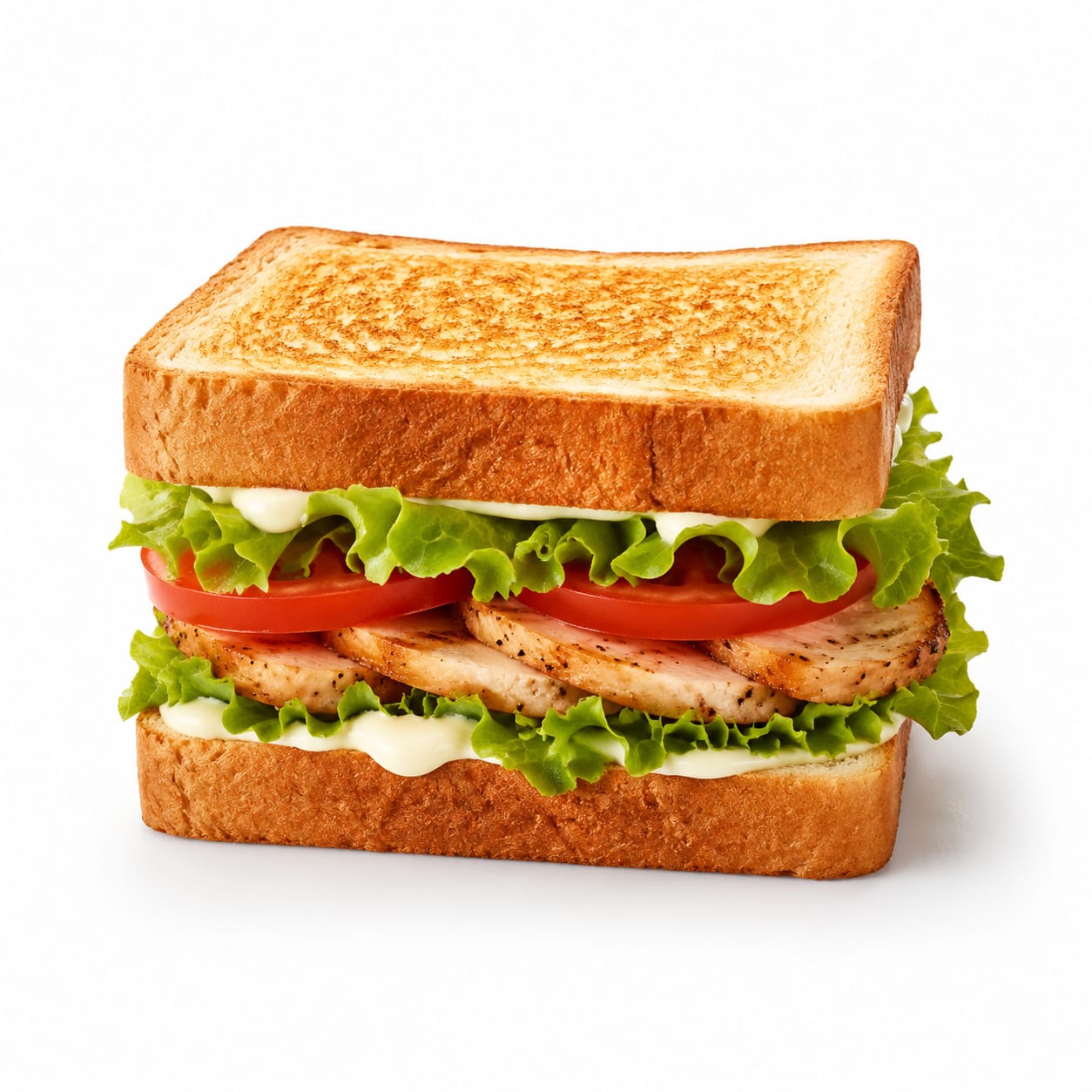
Sandwich
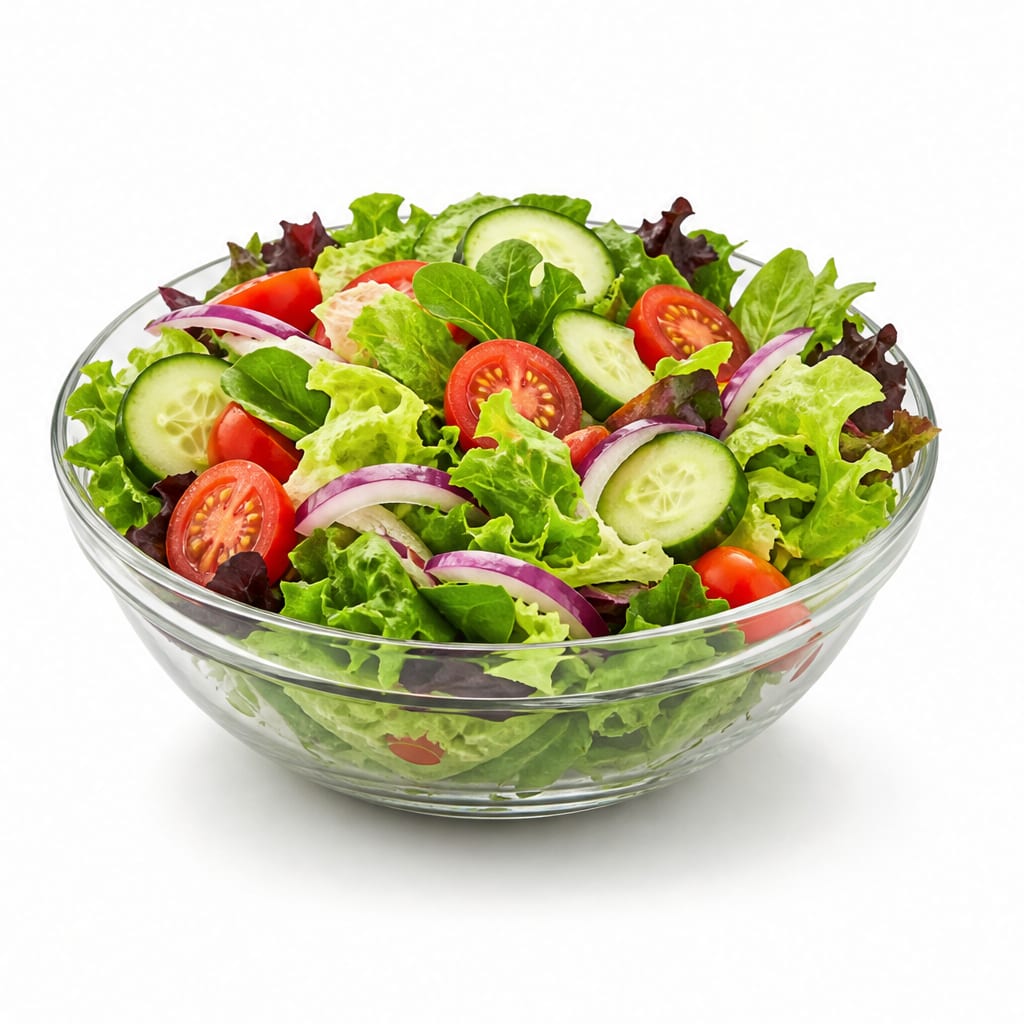
Salad
Sandwiches win on satisfaction and convenience; salads win on calorie control and nutrient density. The better choice depends entirely on your goals.
Salad scores higher overall due to superior nutrient density and lower calorie burden, but the gap is modest because sandwiches offer real advantages in satiety and practicality that matter daily.
Fullness and portability versus lightness and micronutrient concentration — you sacrifice one to get the other.
At a glance
Executive summary
Overall
It depends
Healthier
Salad
More practical
Sandwich
Daily use
It depends
Key comparison lenses
weight management and calorie control
Salads are almost always chosen for lower calorie intake, while sandwiches are denser and more filling — this is the core tradeoff
satiety and staying full
Sandwiches typically keep you full longer due to bread and protein, while salads can leave you hungry again within an hour
convenience and portability
Sandwiches are grab-and-go; salads require utensils, dressing management, and careful handling
blood sugar stability
Bread in sandwiches spikes blood sugar faster than raw vegetables, but protein fillings can moderate this
nutrient density per calorie
Salads deliver more vitamins and minerals per calorie, while sandwiches often pack calories without proportional micronutrients
Best choice for
Sandwich
- People needing sustained energy through a busy workday
- Anyone who skips meals and needs something filling fast
- Athletes needing carbs and protein together
- Commuters and travelers needing portable meals
- Those trying to gain or maintain weight
Salad
- People aiming to lose weight without counting every calorie
- Anyone wanting to increase vegetable intake easily
- Those managing blood sugar or insulin resistance
- People who feel sluggish after heavy midday meals
- Anyone prioritizing micronutrient density over convenience
Least suitable for
Sandwich
- People strictly limiting refined carbohydrates
- Those with gluten sensitivity or celiac disease (unless using gluten-free bread)
- Anyone trying to reduce sodium from deli meats and cheese
- People who feel sleepy after carb-heavy lunches
Salad
- People with high calorie needs who find salads unsatisfying
- Anyone prone to overeating later after an unsatisfying meal
- Those needing a meal they can eat while walking or driving
- People in settings where dressing and utensils are impractical
Deep comparison
Dimension by dimension
Each lens scores both foods and breaks down who each option suits.
- Dimension 1 · Priority 92Sandwich
satiety and fullness
Sandwich · 78Salad · 52Sandwiches keep you full significantly longer thanks to bread, protein, and fat working together. Salads can leave you reaching for a snack within an hour unless loaded with toppings.
Tradeoff
That fullness comes with more calories and carbs — you stay satisfied but consume more energy than you may need.
Why it matters
If your salad leaves you hungry, you may overeat later. A sandwich that keeps you full for four hours can prevent afternoon vending machine visits.
Real-world impact
A turkey sandwich at noon often carries you to dinner. A plain garden salad at noon often leads to a 3pm crash and a coffee shop pastry.
Sandwich
- Long work shifts without break access
- Active days where skipping snacks is necessary
- Anyone tired of feeling hungry an hour after eating
Better for
- Sedentary office workers who barely move after lunch
- Anyone trying to create a calorie deficit easily
Worse for
Salad
- People who prefer eating smaller amounts more frequently
- Anyone who dislikes feeling overly full
- Those combining salads with other calorie sources
Better for
- People prone to nighttime overeating after unsatisfying lunches
- Anyone whose productivity drops when hungry
Worse for
- Dimension 2 · Priority 90Salad
calorie density and weight management
Sandwich · 45Salad · 85Salads naturally deliver far fewer calories per bite. Sandwiches concentrate calories through bread, spreads, and fillings — easily reaching 500-700 calories before you notice.
Tradeoff
Lower calorie density means you can eat a large volume of salad and still stay within budget, but volume alone does not guarantee satisfaction.
Why it matters
For weight loss, calorie density is the single most powerful lever. Salads make it easy to eat a big plate without big numbers.
Real-world impact
A large salad with grilled chicken and vinaigrette might run 350 calories. A comparable sandwich with the same chicken plus bread, mayo, and cheese easily hits 650.
Sandwich
- People trying to gain weight healthily
- Anyone with high energy expenditure who struggles to eat enough
Better for
- Anyone whose sandwich habit is silently driving weight gain
- People unaware that deli sandwiches often exceed 800 calories
Worse for
Salad
- Anyone tracking calories for weight loss
- People who like eating large portions without guilt
- Those who feel better lighter after meals
Better for
- People who compensate for a light lunch with heavy dinners
Worse for
- Dimension 3 · Priority 85Salad
nutrient density
Sandwich · 48Salad · 88Salads are micronutrient powerhouses — vitamins, minerals, and phytonutrients from raw vegetables are hard to match. Sandwiches often rely on bread as the bulk, which adds calories without proportional nutrients.
Tradeoff
You get more vitamins per calorie from salads, but some fat-soluble vitamins in salads require dressing with fat to be absorbed properly.
Why it matters
Long-term health is built on consistent micronutrient intake, not just macros. Salads make hitting your vitamin targets almost effortless.
Real-world impact
A salad with mixed greens, tomatoes, carrots, and bell peppers covers more of your daily vitamin A, C, and K needs in one meal than most sandwiches deliver all day.
Sandwich
- Sandwiches with whole grain bread and vegetable-heavy fillings narrow the gap somewhat
Better for
- People eating white bread sandwiches with minimal vegetable content
- Anyone relying on sandwiches as their only lunch option for years
Worse for
Salad
- Anyone not meeting daily vegetable targets
- People wanting to support immune function through food
- Those concerned about long-term nutrient deficiencies
Better for
- People using fat-free dressing, which blocks absorption of fat-soluble vitamins
Worse for
- Dimension 4 · Priority 82Sandwich
convenience and portability
Sandwich · 90Salad · 48Sandwiches are the original portable meal — one hand, no utensils, no leaking dressing. Salads require bowls, forks, and careful dressing management to avoid a soggy mess.
Tradeoff
Maximum convenience comes with less control over ingredients. Pre-made sandwiches often use lower-quality fillings and more sodium than you would choose yourself.
Why it matters
The healthiest meal is the one you actually eat consistently. If salad prep friction stops you from eating well, the theoretical advantage disappears.
Real-world impact
A sandwich fits in a bag, survives a commute, and eats cleanly at a desk. A salad needs a container, a fork, dressing on the side, and still risks spilling.
Sandwich
- Busy parents who eat while driving or walking
- Office workers with limited fridge and prep space
- Hikers and outdoor enthusiasts needing fuel on the move
Better for
- People buying convenience store sandwiches with highly processed fillings
- Anyone whose sandwich habit relies on fast food versions
Worse for
Salad
- People with time to sit and enjoy a proper meal
- Anyone working from home with full kitchen access
- Those who find meal preparation relaxing rather than burdensome
Better for
- People whose salads wilt in transit and become unappetizing
- Anyone who skips lunch entirely when salad prep feels like too much effort
Worse for
- Dimension 5 · Priority 78Salad
blood sugar stability
Sandwich · 50Salad · 75Salads with minimal starchy components have almost no impact on blood sugar. Sandwiches built on refined bread can cause noticeable spikes and crashes, especially without enough protein or fiber.
Tradeoff
Whole grain bread and protein-rich fillings can stabilize a sandwich's blood sugar impact, but most restaurant and deli sandwiches use refined bread.
Why it matters
Blood sugar crashes after lunch destroy afternoon focus and trigger sugar cravings. The wrong sandwich can turn your 2pm meeting into a struggle.
Real-world impact
A white bread sandwich can spike your blood sugar and drop it within 90 minutes, leaving you foggy. A salad with chicken and olive oil keeps levels flat and steady.
Sandwich
- Sandwiches on whole grain or sourdough with high-protein fillings moderate blood sugar effectively
- Active people who burn through carbs quickly
Better for
- People eating white bread sandwiches with sweet fillings like jam or honey mustard
- Anyone monitoring fasting blood sugar
Worse for
Salad
- People with insulin resistance or prediabetes
- Anyone who gets the afternoon energy crash after lunch
- Those managing PCOS or metabolic syndrome
Better for
- People adding dried fruit and sweet dressings that sneak sugar into salads
Worse for
- Dimension 6 · Priority 70Salad
sodium load
Sandwich · 38Salad · 72Sandwiches are sodium traps — bread, deli meats, cheese, and condiments each add significant salt. Salads start with near-zero sodium vegetables, though dressing can change the picture.
Tradeoff
A salad drenched in store-bought dressing can approach sandwich-level sodium. Homemade vinaigrette keeps sodium low effortlessly.
Why it matters
Consistent high sodium intake raises blood pressure over time. If sandwiches are your daily lunch, you may be getting a third of your daily sodium in one meal.
Real-world impact
A typical deli sandwich can pack 1200-1500mg of sodium. A salad with homemade lemon-olive oil dressing might have 150mg. That difference matters daily for blood pressure.
Sandwich
- Athletes who lose significant sodium through sweat and need to replenish
- People with low blood pressure who benefit from higher salt intake
Better for
- People eating deli meat sandwiches daily — processed meats are among the highest sodium sources
- Anyone already exceeding sodium recommendations at dinner
Worse for
Salad
- Anyone with hypertension or borderline blood pressure
- People trying to reduce bloating and water retention
- Those eating processed foods at other meals who need one low-sodium option
Better for
- People using ranch, blue cheese, or Caesar dressing liberally — these can add 400mg+ sodium per serving
Worse for
Timeline
Health impact over time
Short-term
Hours to days
Sandwich
- Quick energy from carbohydrates, especially with refined bread
- Longer-lasting fullness that delays hunger for 3-4 hours
- Possible afternoon energy dip if bread is refined and protein is low
- Higher sodium may cause temporary bloating or thirst
Salad
- Light feeling after eating that some find energizing and others find unsatisfying
- Minimal blood sugar disruption, leading to steadier afternoon energy
- Possible hunger returning within 1-2 hours if protein and fat are insufficient
- Improved hydration from high water content in vegetables
Long-term
Months to years
Sandwich
- Daily deli meat sandwiches are linked to increased colorectal cancer risk from processed meats
- Regular refined bread intake contributes to chronic blood sugar dysregulation
- High sodium from daily sandwiches may progressively raise blood pressure
- Whole grain versions with lean protein can support sustained energy and heart health
Salad
- Consistent high vegetable intake reduces risk of cardiovascular disease and certain cancers
- Lower calorie density supports healthy weight maintenance over years
- Fat-soluble vitamin absorption improves when salads include healthy fat sources
- Risk of inadequate protein if salads are not intentionally built with sufficient protein sources
Risk profile
Safety & processing
Sandwiches typically involve processed bread with preservatives, deli meats with nitrates, and condiments with additives. Salads are mostly whole vegetables, though dressings can introduce processed ingredients. Making both at home dramatically reduces processing concerns for sandwiches while changing little for salads.
Sandwich
Listeria from deli meats
mediumProcessed deli meats carry a small but real listeria risk, especially concerning for pregnant women and immunocompromised individuals. Heating kills the bacteria.
Cross-contamination in pre-made sandwiches
mediumStore-bought sandwiches sit at variable temperatures and may contain ingredients past safe windows, especially with perishable fillings like mayo and meat.
Salad
E. coli and Salmonella from raw vegetables
mediumLeafy greens are among the most common sources of foodborne illness outbreaks. Washing reduces but does not eliminate risk.
Dressing as a bacterial growth medium
lowDairy-based dressings left at room temperature can grow harmful bacteria. Oil and vinegar dressings are much safer in this regard.
Who wins for whom
Audience fit
Same foods, different winners depending on your goal.
children
SandwichMost children accept sandwiches more readily than salads. The familiar format and handheld nature make sandwiches a practical way to deliver protein and vegetables to picky eaters.
daily consumption
SaladDaily salads build a strong vegetable habit with minimal downside. Daily sandwiches, especially with processed meats and refined bread, accumulate sodium and processing concerns over time.
diabetes
SaladSalads have minimal impact on blood sugar when built with non-starchy vegetables and healthy fats. Sandwiches require careful bread selection to avoid glucose spikes.
elderly
It dependsSandwiches are easier to chew and hold for those with dexterity issues. Salads provide more fiber and nutrients important for aging bodies. The best choice depends on individual dental health and nutritional priorities.
muscle gain
SandwichSandwiches more easily combine substantial protein with carbohydrates needed for recovery and growth. Salads can match this but require deliberate addition of protein sources and carb-containing toppings.
weight loss
SaladSalads make calorie restriction feel easier through high volume and low density. Sandwiches can fit into weight loss but require more careful portion and ingredient control.
Your move
Decision guide
Choose Sandwich
- You need a meal that survives a commute and eats cleanly at your desk
- You are active and need sustained energy for more than three hours
- You struggle to eat enough and find salads leave you hungry
- You want an easy way to get protein and carbs together post-workout
- You are feeding kids who reject vegetables on their own
Choose Salad
- You want to lose weight or maintain a lower calorie intake without feeling deprived of volume
- You need more vegetables in your daily diet and want an easy delivery method
- You get sleepy after carb-heavy lunches and want steady afternoon energy
- You are concerned about sodium and processed food intake
- You have time to sit and enjoy a proper meal with utensils
Either works if
- You build your sandwich on whole grain bread with lean protein and lots of vegetable fillings
- You build your salad with adequate protein, healthy fat, and some complex carbohydrates
- You alternate between both throughout the week for variety and balance
Avoid both if
- Your sandwich is white bread with processed meat and mayo on every side
- Your salad is iceberg lettuce with ranch dressing and croutons — this is a calorie trap with minimal nutrients
- Neither option includes meaningful protein, which means you will be hungry again soon regardless
Final recommendation
The smartest approach is not choosing one over the other permanently. Build better versions of both: sandwiches on whole grain bread with lean protein and vegetable fillings, and salads with enough protein and healthy fat to actually satisfy you. If forced to pick one for daily lunch, salads edge out sandwiches for long-term health — but only if you make them substantial enough to prevent later overeating.
Practical
Consumer tips
- 1
Swap deli meat for leftover grilled chicken or roasted turkey in your sandwich to cut sodium and processing concerns dramatically
- 2
Use whole grain or sourdough bread to slow blood sugar impact and add fiber
- 3
Add a handful of greens inside your sandwich — it barely changes the eating experience but adds nutrients
- 4
Build salads with at least one protein source and a fat-based dressing to prevent the hunger rebound
- 5
Make dressing at home with olive oil and lemon or vinegar — it takes 30 seconds and eliminates hidden sugars and preservatives
- 6
Prep salad ingredients in containers but dress only when eating to avoid sogginess
- 7
If choosing a sandwich at a restaurant, ask for whole grain bread and dressing on the side to control calories and sodium
- 8
Add beans, lentils, or quinoa to salads for filling fiber and plant protein that extends satiety closer to what a sandwich provides