
Nutrition comparison
Sandwich vs Soup and Bread: Which Lunch Is Better for You?
Compare sandwich vs soup and bread for nutrition, convenience, satiety, and health. Find out which lunch option fits your lifestyle, goals, and daily routine better.
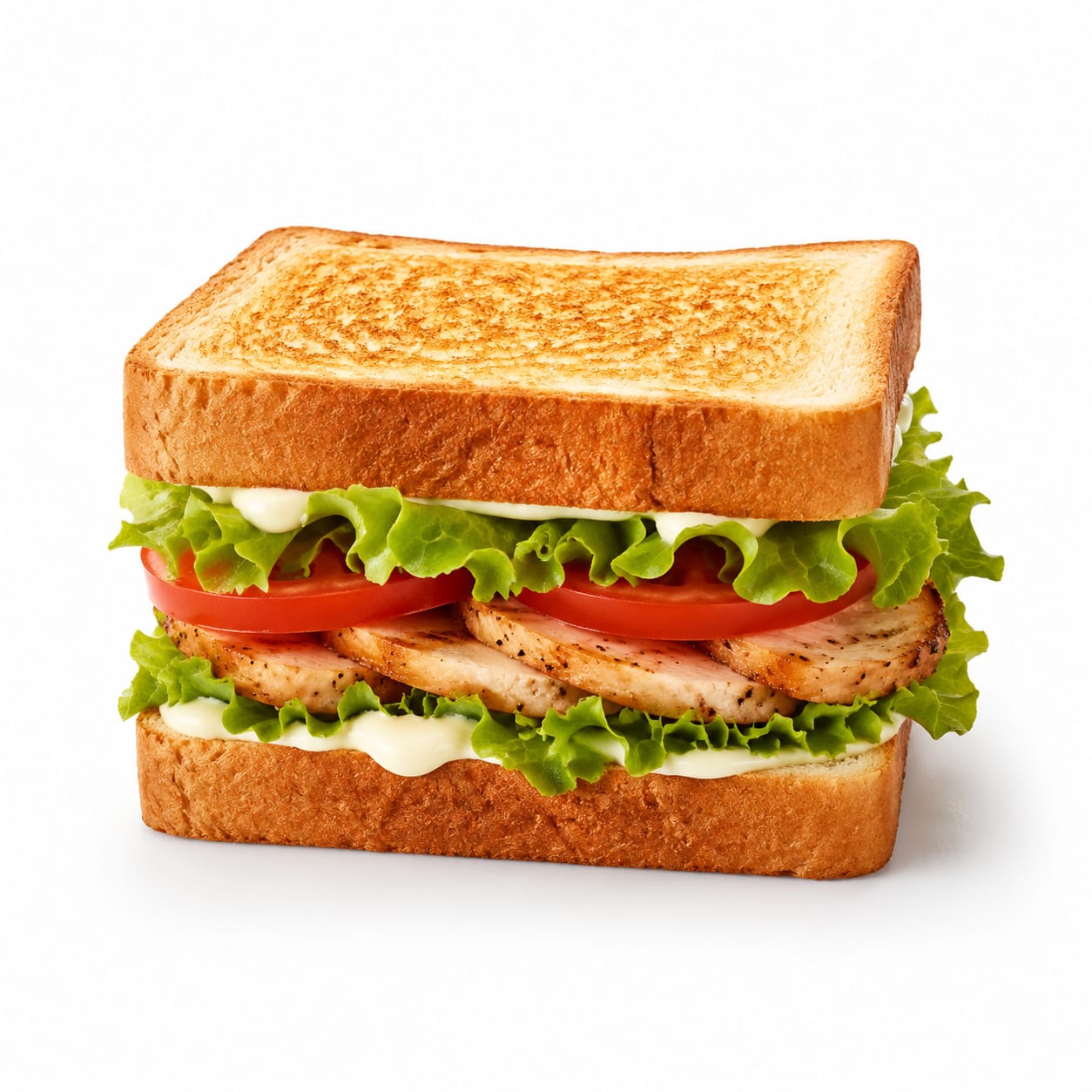
Sandwich
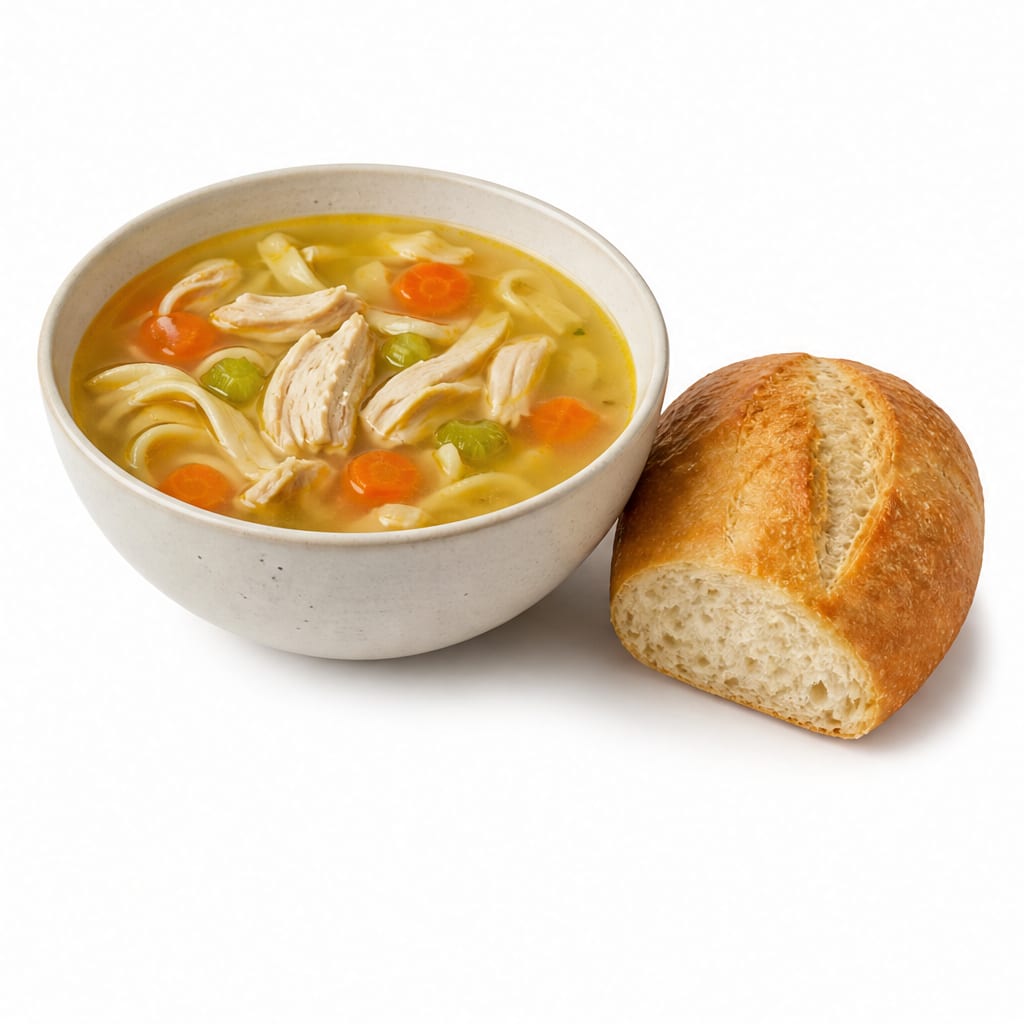
Soup and Bread
Sandwiches win on portability and protein, while soup and bread win on comfort and hydration. The better choice depends entirely on your situation and what you need from the meal.
Sandwich edges ahead slightly due to protein content and portability, but soup and bread is nearly equal because of its hydration and comfort advantages. Both scores are moderate because nutritional quality depends heavily on specific ingredients and preparation.
Convenience and protein density versus warmth, hydration, and digestive ease.
At a glance
Executive summary
Overall
It depends
Healthier
It depends
More practical
Sandwich
Daily use
It depends
Key comparison lenses
lunch convenience and portability
Sandwiches are the default grab-and-go lunch while soup requires sitting down and careful handling
satiety and fullness duration
People choosing between these two meals want to stay full through the afternoon without snacking
nutritional balance and protein intake
Sandwiches typically pack more protein from deli meats or fillings, while soup nutrition varies wildly by type
comfort and emotional satisfaction
Soup and bread delivers warmth and comfort that a sandwich cannot replicate, especially in cold weather
sodium awareness
Both options can be sodium bombs — canned soup and deli meats are among the highest-sodium everyday foods
Best choice for
Sandwich
- Busy workdays when you eat at your desk
- Packed lunches for school or commuting
- Post-workout meals needing quick protein
- Outdoor activities and picnics
- People who need sustained energy without feeling sluggish
Soup and Bread
- Cold winter days when you need warming comfort
- Recovering from illness or digestive upset
- Slower sit-down meals at home
- People who struggle with dry or dense foods
- Evening meals when you want something light before bed
Least suitable for
Sandwich
- People watching sodium intake who rely on deli meats
- Anyone eating while walking or driving — choking hazard
- Those wanting a light meal that will not cause afternoon drowsiness
- People with gluten sensitivity unless using alternative bread
Soup and Bread
- Commuters or anyone eating on the move
- People who need a meal that keeps them full for 5+ hours
- Those avoiding high-sodium canned foods
- Anyone in a hot climate wanting a refreshing meal
Deep comparison
Dimension by dimension
Each lens scores both foods and breaks down who each option suits.
- Dimension 1 · Priority 92Sandwich
Convenience and Portability
Sandwich · 90Soup and Bread · 30Sandwiches are the king of portable meals. Soup and bread is one of the least portable lunch options available.
Tradeoff
You gain grab-and-go freedom with a sandwich but sacrifice the comforting warmth of soup.
Why it matters
If you commute, work at a desk, or need to eat quickly between activities, a sandwich fits your life. Soup demands a bowl, a spoon, and a steady surface.
Real-world impact
A sandwich can be eaten one-handed while walking. Soup and bread requires sitting down, which means 15-20 minutes of dedicated meal time.
Sandwich
- Desk lunches
- Car commuting meals
- Packed school lunches
- Hiking and outdoor trips
Better for
- Meals where you want to slow down and relax
Worse for
Soup and Bread
- Leisurely weekend meals
- Work-from-home lunch breaks
- Restaurant dining
Better for
- Any situation requiring eating while moving
Worse for
- Dimension 2 · Priority 88Sandwich
Satiety and Fullness
Sandwich · 78Soup and Bread · 62Sandwiches typically keep you fuller longer due to higher protein and denser calories. Soup fills your stomach temporarily but the fullness fades faster.
Tradeoff
Soup gives immediate fullness from volume, but a sandwich provides longer-lasting satisfaction from protein and fat.
Why it matters
If you need to make it from lunch to dinner without snacking, a sandwich is more reliable. Soup can leave you hunting for snacks by 3pm.
Real-world impact
After a sandwich lunch, most people report 3-4 hours of comfortable fullness. After soup and bread, hunger often returns within 2 hours.
Sandwich
- Long work shifts without snack access
- Active days with high energy demands
- Anyone trying to reduce between-meal snacking
Better for
- Those who dislike feeling overly full at work
Worse for
Soup and Bread
- People who prefer smaller, more frequent meals
- Anyone wanting to avoid that heavy post-lunch slump
Better for
- Anyone prone to afternoon energy crashes from hunger
Worse for
- Dimension 3 · Priority 85Sandwich
Protein Quality and Quantity
Sandwich · 75Soup and Bread · 45Sandwiches almost always deliver more protein thanks to meat, cheese, or hearty fillings. Most soups are protein-light unless specifically made with beans or chicken.
Tradeoff
A sandwich easily hits 20-30g of protein. Soup and bread typically lands at 10-15g unless you choose a protein-rich soup.
Why it matters
Protein is the main driver of fullness and muscle maintenance. If lunch is your main protein opportunity, a sandwich does more heavy lifting.
Real-world impact
A turkey and cheese sandwich delivers roughly 25g of protein. A bowl of vegetable soup with bread might only give you 8-12g.
Sandwich
- Muscle maintenance and recovery
- Staying full through the afternoon
- Meeting daily protein targets without supplements
Better for
- Vegetarians relying on cheese-only sandwiches get lower quality protein
Worse for
Soup and Bread
- Lighter eating days when you want less protein
Better for
- Athletes or active people needing protein at every meal
Worse for
- Dimension 4 · Priority 82Soup and Bread
Hydration and Digestive Comfort
Sandwich · 40Soup and Bread · 85Soup is inherently hydrating and easier to digest. Sandwiches can feel heavy and dry, especially with dense bread and processed meats.
Tradeoff
Soup and bread is gentler on your stomach and contributes to daily fluid intake. Sandwiches can feel like a brick if you are already slightly dehydrated.
Why it matters
Most people are mildly dehydrated by lunchtime. Soup helps fix that while also being easier on sensitive digestion.
Real-world impact
After soup and bread, you feel light and comfortable. After a heavy sandwich, you might feel sluggish or need water to wash it down.
Sandwich
- Days when you need dense, lasting energy
Better for
- Anyone with slow digestion or reflux triggered by dense meals
Worse for
Soup and Bread
- Recovering from stomach illness
- Hot days when you need fluids with your meal
- People with digestive sensitivities
- Older adults who struggle with dry foods
Better for
- Situations where frequent bathroom trips are inconvenient
Worse for
- Dimension 5 · Priority 78It depends
Sodium Load
Sandwich · 45Soup and Bread · 40Both can be sodium disasters. Deli meats and cheese make sandwiches salty, while canned or restaurant soups are notoriously sodium-heavy.
Tradeoff
Neither option is inherently lower in sodium. It comes down to ingredient choices — homemade versions of both can be controlled.
Why it matters
A single deli sandwich or bowl of canned soup can deliver 800-1500mg of sodium, which is half or more of your daily limit.
Real-world impact
If blood pressure is a concern, both options require careful ingredient selection. Homemade soup with low-salt broth and homemade sandwiches with fresh poultry are the only safe routes.
Sandwich
- Sandwiches made with fresh roasted meat instead of deli meat
Better for
- Deli meat sandwiches with cheese and condiments
Worse for
Soup and Bread
- Homemade soup where you control the salt
- Low-sodium canned soup options
Better for
- Canned soups, which often contain 700-1000mg sodium per serving
Worse for
- Dimension 6 · Priority 75Soup and Bread
Emotional Satisfaction and Comfort
Sandwich · 55Soup and Bread · 88Soup and bread delivers warmth and comfort that a sandwich simply cannot match. There is a reason chicken soup is cultural shorthand for care.
Tradeoff
Soup and bread feels like a hug in a bowl. A sandwich feels like efficient fuel. Both have their place depending on what you need emotionally.
Why it matters
Emotional satisfaction matters for long-term eating patterns. People who enjoy their meals are less likely to snack mindlessly later.
Real-world impact
On a stressful cold day, soup and bread can genuinely improve your mood. A sandwich is satisfying but rarely comforting in the same way.
Sandwich
- Busy days when comfort is secondary to function
Better for
- Days when you really need emotional comfort from food
Worse for
Soup and Bread
- Stressful days when you need emotional comfort
- Cold or rainy weather
- Feeling under the weather
- Cozy weekend meals
Better for
- Hot summer days when warm food feels oppressive
Worse for
- Dimension 7 · Priority 76Soup and Bread
Calorie Density and Weight Management
Sandwich · 48Soup and Bread · 65Soup and bread tends to be lower in calories per bite because of the high water content. Sandwiches are more calorie-dense due to bread, spreads, and fillings.
Tradeoff
Soup lets you eat a large volume for fewer calories, but you may get hungry sooner. Sandwiches pack more calories into a smaller package.
Why it matters
For weight management, volume eating with soup can help you feel satisfied on fewer calories. But the lower satiety can backfire if you overeat later.
Real-world impact
A bowl of broth-based soup with bread might run 350-450 calories. A loaded sandwich can easily hit 500-700 calories before any sides.
Sandwich
- People who need calorie density for weight maintenance or gain
Better for
- People trying to reduce calorie intake at lunch
Worse for
Soup and Bread
- Volume eaters who like large portions
- Calorie-conscious lunchers
- Anyone trying to eat less without feeling deprived at the table
Better for
- Anyone who compensates for a light lunch with heavy snacking
Worse for
Timeline
Health impact over time
Short-term
Hours to days
Sandwich
- Quick energy from carbohydrates in the bread
- Moderate satiety lasting 2-4 hours depending on fillings
- Possible afternoon energy dip if bread is highly refined
- Thirst from sodium in deli meats and cheese
Soup and Bread
- Immediate fullness from soup volume and warmth
- Better hydration status after the meal
- Faster return of hunger within 1-2 hours for broth-based soups
- Gentler digestive experience with less bloating
Long-term
Months to years
Sandwich
- Regular deli meat consumption linked to increased colorectal cancer risk
- Higher sustained protein intake supports muscle preservation
- Processed meat and cheese intake may raise cardiovascular risk over time
- Refined bread contributes to chronic blood sugar management challenges
Soup and Bread
- Better hydration habits from regular soup consumption
- Lower calorie intake at lunch may support gradual weight management
- High sodium from canned soup may increase blood pressure risk over time
- Vegetable-rich soups provide consistent antioxidant and fiber intake
Risk profile
Safety & processing
Both meals typically involve processed components. Sandwiches rely on deli meats with nitrates and preservatives, plus breads with dough conditioners. Canned soups contain preservatives, thickeners, and flavor enhancers. Homemade versions of either dramatically reduce processing concerns.
Sandwich
Listeria from deli meats
mediumDeli meats are a known listeria risk, especially for pregnant women and immunocompromised individuals. Pre-packaged slices carry slightly less risk than freshly sliced deli counter meat.
Cross-contamination in preparation
lowHomemade sandwiches with raw ingredients like lettuce and tomato can carry foodborne illness risk if produce is not washed properly.
Soup and Bread
Bisphenol A from canned soup linings
mediumMany canned soups use BPA in can linings, which can leach into the soup. This is an endocrine disruptor with cumulative exposure concerns.
Sodium-related health effects
highCanned soups routinely contain 700-1200mg sodium per serving, and most people eat the whole can which is technically two servings. This is a significant daily sodium load.
Who wins for whom
Audience fit
Same foods, different winners depending on your goal.
children
SandwichKids generally prefer sandwiches and they are far more practical for school lunches. Soup is a spilling hazard and many children reject it.
daily consumption
It dependsRotating between both is ideal. Daily sandwiches with deli meat raise health concerns from processed meat. Daily canned soup raises sodium concerns. Homemade versions of either are fine for daily use.
diabetes
It dependsBoth meals center on bread, which impacts blood sugar. A sandwich with whole grain bread and protein-rich fillings may cause a steadier glucose response. Soup with vegetables and legumes can also be stable, but cream-based or sweet soups are risky.
elderly
Soup and BreadSoup and bread is easier to chew and swallow, more hydrating, and gentler on aging digestive systems. The warmth also stimulates appetite in older adults who may eat less.
muscle gain
SandwichSandwiches deliver significantly more protein from meat and cheese fillings, which is essential for muscle repair and growth.
weight loss
Soup and BreadBroth-based soups with bread provide more volume per calorie, helping you feel full on less energy. Just avoid cream-based soups and be mindful of bread portions.
Your move
Decision guide
Choose Sandwich
- You need to eat on the go or at your desk
- Protein intake is a priority for your goals
- You want a meal that keeps you full for 3-4 hours
- You are packing lunch for school or work
- You prefer savory, dense meals over light ones
Choose Soup and Bread
- You are eating at home with time to sit down
- It is cold outside and you want something warming
- You want a lighter meal that will not make you drowsy
- You are recovering from illness or have a sensitive stomach
- You are trying to eat more vegetables and stay hydrated
Either works if
- You are making everything from scratch with quality ingredients
- You want a comforting lunch and have time to enjoy it
- Your main concern is avoiding ultra-processed fast food
Avoid both if
- You need a low-sodium meal and only have processed versions available
- You are looking for a meal centered on whole grains and fresh vegetables
- You have celiac disease and only gluten-containing options are available
Final recommendation
Choose a sandwich when portability and protein matter most. Choose soup and bread when comfort, hydration, and lightness are the priority. The healthiest version of either is homemade — a sandwich with fresh roasted meat on whole grain bread, or a pot of vegetable soup with a slice of crusty bread. If you eat lunch away from home most days, a sandwich is more practical. If you work from home or have relaxed lunches, soup and bread is the more satisfying ritual.
Practical
Consumer tips
- 1
Swap deli meat for leftover roasted chicken or turkey to avoid nitrates and reduce sodium by 400-600mg per sandwich
- 2
Make a big batch of soup on Sunday and freeze portions — this eliminates the canned soup sodium problem entirely
- 3
Choose whole grain or sourdough bread for either option to improve blood sugar stability and fiber intake
- 4
Add vegetables to your sandwich — lettuce, tomato, cucumber, and sprouts boost nutrition without many calories
- 5
If buying canned soup, look for varieties under 400mg sodium per serving and add your own herbs and spices for flavor
- 6
Pair broth-based soup with a protein side like a hard-boiled egg if you need the meal to last longer
- 7
Freeze sandwich bread and toast slices as needed to avoid waste and always have fresh bread available