
Nutrition comparison
Sandwich vs Burger: Which Is Healthier for Daily Meals?
Compare sandwich and burger nutrition including calories, saturated fat, protein, and heart health impact. Find out which handheld meal is better for weight loss, daily eating, and your specific health goals.
Overall winner · Sandwich
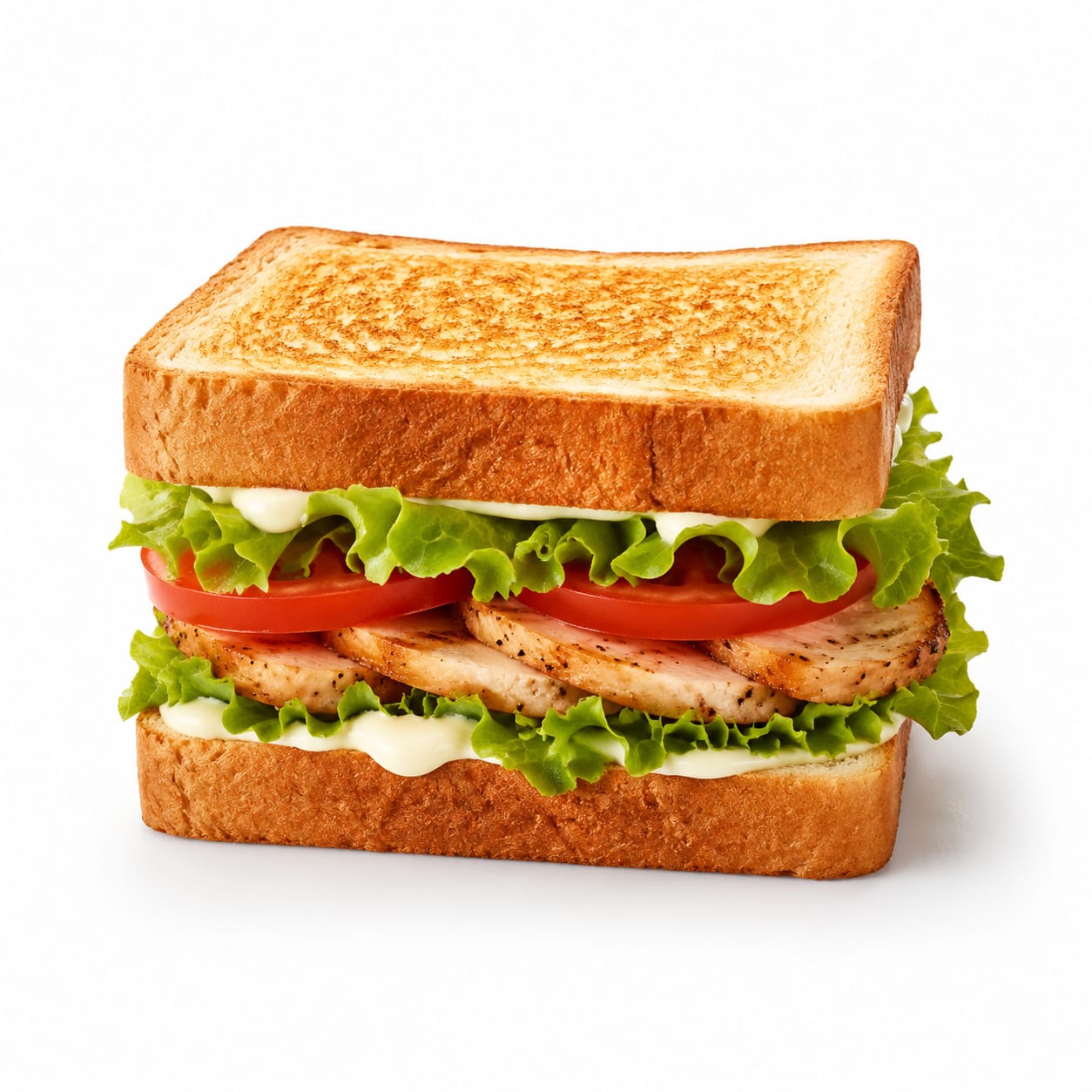
Sandwich
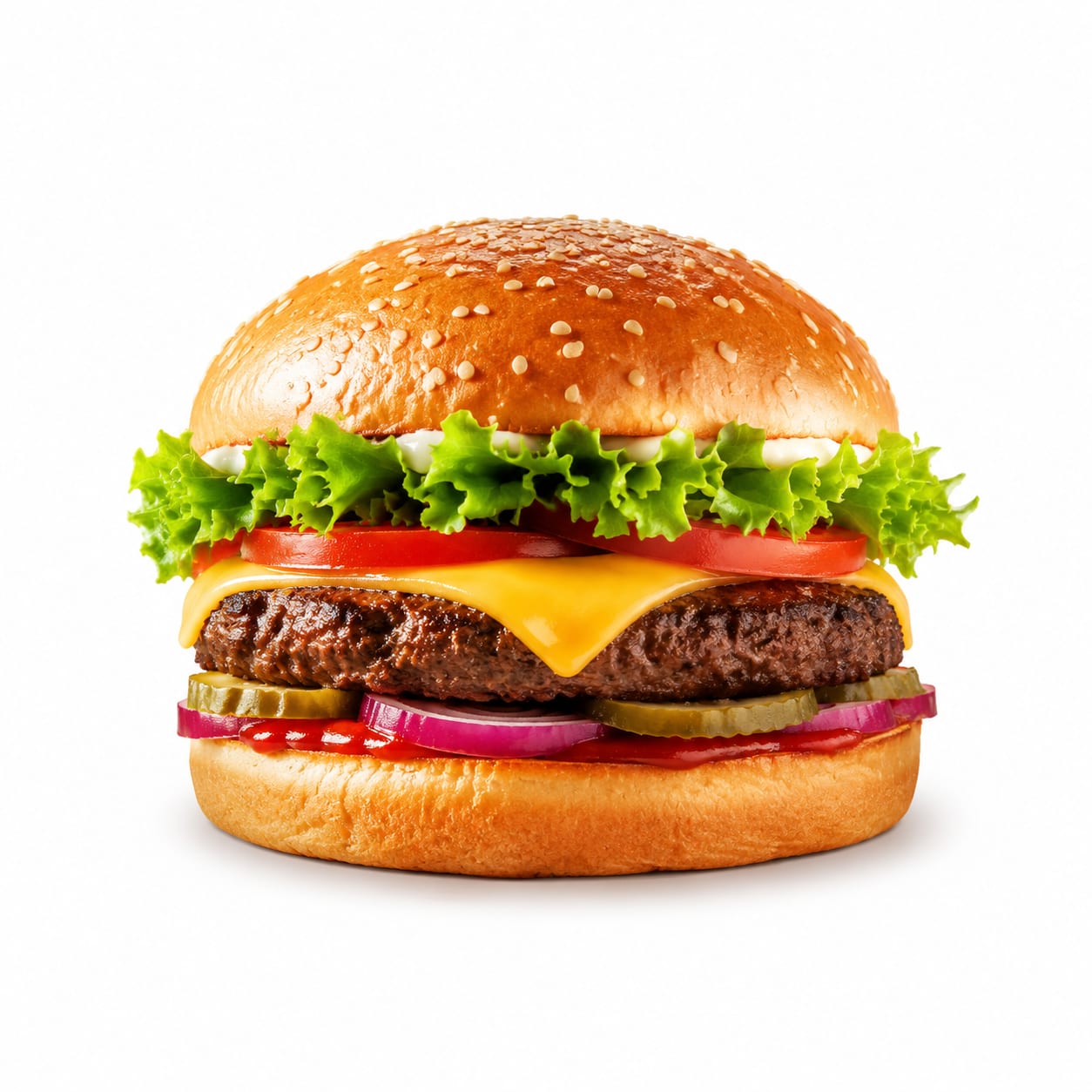
Burger
Sandwiches win on flexibility and lighter nutrition, but burgers deliver stronger satiety when you need lasting fullness.
Sandwiches score notably higher due to lower saturated fat, easier calorie control, and superior adaptability. Burgers lose ground on heart health and daily sustainability but earn points for satiety and protein density. The moderate confidence reflects how much preparation changes both foods.
You trade calorie control and heart-friendliness for the burger's superior hunger-crushing power.
At a glance
Executive summary
Overall
Sandwich
Healthier
Sandwich
More practical
It depends
Daily use
Sandwich
Key comparison lenses
calorie and portion control
Burgers are notoriously calorie-dense while sandwiches offer easier portion management
heart health and saturated fat
Burger patties bring significant saturated fat which directly impacts cardiovascular risk
everywhere meal convenience
Both are handheld meals people grab on busy days, making practicality a key decision factor
customizability for health goals
Sandwiches adapt more easily to dietary needs while burgers have a narrower healthy range
satiety and staying power
Burgers keep you full longer but at a caloric cost that may not be worth it
Best choice for
Sandwich
- People managing weight or calorie intake
- Anyone watching cholesterol or heart health
- Those who want vegetable-heavy meals
- Meal preppers who need portable lunches
- People who eat handheld meals daily
Burger
- Athletes needing high protein and calories
- People doing physically demanding work
- Anyone who struggles with hunger between meals
- Post-workout recovery when you need substantial fuel
- Occasional treat meals where satisfaction matters most
Least suitable for
Sandwich
- Those needing very high calorie intake
- People who find bread-based meals unsatisfying
- Anyone seeking maximum protein per meal
Burger
- People with high blood pressure or heart concerns
- Anyone on a calorie-restricted diet
- Those who eat handheld meals multiple times daily
- People avoiding red meat for health reasons
Deep comparison
Dimension by dimension
Each lens scores both foods and breaks down who each option suits.
- Dimension 1 · Priority 92Sandwich
Calorie Control
Sandwich · 75Burger · 38Sandwiches easily stay under 500 calories with smart choices. Burgers rarely do.
Tradeoff
A lighter sandwich may leave you hungry sooner, while a burger's calories buy genuine fullness.
Why it matters
Consistent calorie control is the single biggest predictor of weight management success.
Real-world impact
A typical deli sandwich runs 350-500 calories. A standard restaurant burger hits 600-900 without sides.
Sandwich
- Weight loss diets
- Office workers with low activity
- Anyone tracking calories
Better for
- Recovering from intense training
- Very active individuals
Worse for
Burger
- Bulk-up phases
- High-activity days
- Skipped meal recovery
Better for
- Sedentary lifestyles
- Anyone cutting calories
Worse for
- Dimension 2 · Priority 85Burger
Satiety and Fullness
Sandwich · 58Burger · 82Burgers keep you full for hours thanks to higher protein and fat. Sandwiches often need a side to feel complete.
Tradeoff
That lasting fullness comes with a heavy calorie price tag that adds up if repeated often.
Why it matters
Meals that actually satisfy you prevent snacking and overeating later in the day.
Real-world impact
After a burger, most people skip the afternoon snack. After a sandwich, many reach for chips or cookies by 3pm.
Sandwich
- Light eaters who prefer smaller meals
- People who graze throughout the day
Better for
- Long workdays without snack access
- Active individuals needing sustained energy
Worse for
Burger
- Skipping the afternoon vending machine
- Long shifts without meal breaks
- Anyone who hates feeling hungry
Better for
- Anyone prone to food comas after heavy meals
- People who prefer eating smaller amounts more frequently
Worse for
- Dimension 3 · Priority 88Sandwich
Heart Health
Sandwich · 70Burger · 35Sandwiches typically use leaner proteins and less saturated fat. Burgers deliver a significant saturated fat load.
Tradeoff
Choosing a burger occasionally is fine, but making it a habit raises cholesterol and cardiovascular risk meaningfully.
Why it matters
Saturated fat from red meat is one of the most consistent dietary predictors of heart disease.
Real-world impact
A single burger patty can contain 6-10g of saturated fat. A turkey sandwich typically has 1-3g.
Sandwich
- Anyone with family history of heart disease
- People with elevated cholesterol
- Daily lunch routines
Better for
- No significant heart health downside for sandwiches
Worse for
Burger
- Lean individuals with no heart risk factors
- Occasional indulgence meals
Better for
- Daily consumption patterns
- Anyone with existing cardiovascular concerns
Worse for
- Dimension 4 · Priority 80Sandwich
Customizability
Sandwich · 88Burger · 52Sandwiches adapt to nearly any diet: vegetarian, low-carb, high-fiber, dairy-free. Burgers have a narrow healthy range.
Tradeoff
A fully loaded sandwich can become just as unhealthy as a burger if you choose poorly.
Why it matters
The best meal is one you can adjust to fit your goals without feeling deprived.
Real-world impact
Swap to whole grain bread, add spinach, use hummus instead of mayo — sandwiches transform easily. Burgers stay burgers.
Sandwich
- Meal preppers with varying goals
- Families with different dietary needs
- Anyone managing specific nutrition targets
Better for
- Decision fatigue from too many options
Worse for
Burger
- Classic comfort food cravings
- Situations where customization feels like hassle
Better for
- Vegetarians and vegans
- Low-carb dieters
- People avoiding red meat
Worse for
- Dimension 5 · Priority 75Sandwich
Sodium Load
Sandwich · 55Burger · 35Both can be sodium bombs, but burgers almost always pack more salt from seasoned patties, cheese, and condiments.
Tradeoff
Even sandwiches from delis can exceed 1000mg sodium, so neither is truly low-salt without effort.
Why it matters
High sodium intake directly raises blood pressure and is one of the most common dietary risks.
Real-world impact
A fast food burger meal can hit 1500-2000mg sodium. A homemade sandwich with fresh ingredients stays under 600mg.
Sandwich
- Homemade versions with fresh ingredients
- People monitoring blood pressure
Better for
- Deli meat versions with cured meats
Worse for
Burger
- No real sodium advantage for burgers
Better for
- Restaurant and fast food versions
- Anyone with hypertension
Worse for
- Dimension 6 · Priority 72Burger
Protein Quality
Sandwich · 60Burger · 80Beef patties deliver complete, highly bioavailable protein in large amounts. Sandwich proteins vary widely in quality and quantity.
Tradeoff
More protein is not always better — the saturated fat package matters for long-term health.
Why it matters
Protein quality affects muscle maintenance, satiety hormones, and recovery from activity.
Real-world impact
A burger patty provides 20-30g complete protein. A turkey sandwich offers 15-25g, and vegetarian options often less.
Sandwich
- Lighter protein needs
- Plant-forward eaters who combine sources
Better for
- Those needing 30g+ protein per meal
Worse for
Burger
- Muscle building and recovery
- Higher protein requirements
- Athletes and active individuals
Better for
- Anyone reducing red meat intake
Worse for
- Dimension 7 · Priority 70Burger
Blood Sugar Stability
Sandwich · 55Burger · 65Burgers' higher fat and protein slow carbohydrate absorption. Sandwiches with refined bread can spike blood sugar faster.
Tradeoff
The steadier blood sugar from a burger comes wrapped in saturated fat — a questionable trade for most people.
Why it matters
Blood sugar crashes drive cravings, fatigue, and overeating later in the day.
Real-world impact
A white bread sandwich can cause a quicker energy crash. A burger's fat content delays gastric emptying, softening the spike.
Sandwich
- Whole grain versions that add fiber
- Smaller portions that reduce glycemic load
Better for
- Refined bread with sugary condiments
- Low-protein fillings
Worse for
Burger
- Preventing afternoon energy crashes
- Longer gaps between meals
Better for
- The high calorie cost of that stable blood sugar
Worse for
- Dimension 8 · Priority 68Sandwich
Processing Concerns
Sandwich · 62Burger · 40Homemade sandwiches use recognizable ingredients. Burgers often involve seasoned processed patties and industrial condiments.
Tradeoff
Deli meats in sandwiches are processed too, so both require ingredient awareness to minimize exposure.
Why it matters
Ultra-processed food intake correlates with obesity, metabolic disease, and shorter lifespan.
Real-world impact
A homemade sandwich with roasted chicken and vegetables is minimally processed. Fast food burgers contain preservatives, emulsifiers, and flavor enhancers.
Sandwich
- Home-prepared versions
- Whole food ingredient choices
Better for
- Pre-packaged deli sandwiches
- Cured and processed deli meats
Worse for
Burger
- Home-cooked patties with simple seasoning
Better for
- Fast food and frozen patties
- Restaurant burgers with additive-heavy sauces
Worse for
Timeline
Health impact over time
Short-term
Hours to days
Sandwich
- Lighter energy with less post-meal sluggishness
- Possible hunger returning within 2-3 hours depending on fillings
- Less bloating compared to heavier meals
Burger
- Strong fullness that lasts 4-5 hours
- Possible food coma or drowsiness after large burgers
- Higher immediate sodium intake may cause thirst and water retention
Long-term
Months to years
Sandwich
- Better cardiovascular markers when made with lean proteins and whole grains
- Lower cumulative saturated fat intake protects heart health
- Flexible format supports sustainable healthy eating patterns
Burger
- Regular consumption increases LDL cholesterol and heart disease risk
- Higher red meat intake linked to elevated colorectal cancer risk
- Sustained high sodium intake may raise blood pressure over time
Risk profile
Safety & processing
Both foods are processed by definition, but sandwiches can be assembled from whole ingredients while burgers frequently rely on seasoned commercial patties and additive-rich condiments. Deli meats remain the biggest processing concern for sandwiches.
Sandwich
Listeria from deli meats
mediumCold cuts carry listeria risk, especially concerning for pregnant women and immunocompromised individuals.
Cross-contamination in preparation
lowHomemade sandwiches are low risk if basic hygiene is followed. Pre-made sandwiches from buffets carry slightly higher risk.
Burger
Undercooked ground beef pathogens
highE. coli and Salmonella thrive in ground meat. Burgers must be cooked to 160°F internally, unlike steaks.
Nitrates in processed toppings
mediumBacon, cured cheese, and processed condiments add nitrate exposure linked to cancer risk.
Heme iron overexposure
lowRegular red meat consumption delivers heme iron that may promote oxidative stress and gut inflammation over time.
Who wins for whom
Audience fit
Same foods, different winners depending on your goal.
children
SandwichSandwiches offer better portion sizing and can include vegetables more easily. Burgers train kids toward high-fat, high-salt preferences.
daily consumption
SandwichDaily burgers accumulate cardiovascular risk quickly. Sandwiches made with varied healthy ingredients can be eaten daily without concern.
diabetes
It dependsWhole grain sandwiches with lean protein work well for blood sugar control. Burgers' fat content slows absorption but their calorie load complicates diabetes management.
elderly
SandwichLower saturated fat and sodium matter more with age. Sandwiches are also easier to chew and digest.
muscle gain
BurgerHigher protein content and calorie density support muscle building when in a caloric surplus.
weight loss
SandwichEasier calorie control and lighter overall profile make sandwiches more sustainable for weight management.
Your move
Decision guide
Choose Sandwich
- You eat a handheld meal most days and need something sustainable
- Heart health or cholesterol is a concern for you
- You want to control calories without tracking obsessively
- You enjoy vegetables and want an easy way to eat more of them
- You meal prep and need something that stores and transports well
Choose Burger
- You had a physically exhausting day and need real fuel
- You struggle with between-meal hunger and snacking
- You are actively building muscle and need protein density
- It is an occasional treat, not a daily habit
- You genuinely find sandwiches unsatisfying and end up overeating later
Either works if
- You are eating out and both options are available with quality ingredients
- You can make either at home with whole food components
- Your main concern is convenience and both fit your schedule
Avoid both if
- You need a low-carb meal — both are bread-heavy
- You have celiac disease or gluten sensitivity without gluten-free options
- You are looking for a light, vegetable-forward meal — neither delivers that well
Final recommendation
Make sandwiches your everyday choice and save burgers for when you truly need the extra fuel or satisfaction. A well-built sandwich with whole grain bread, lean protein, and plenty of vegetables gives you more nutritional flexibility with less long-term risk. When you do choose a burger, make it count — eat it after physical activity, keep portions reasonable, and skip the daily habit.
Practical
Consumer tips
- 1
Use whole grain or sourdough bread for sandwiches to improve fiber and blood sugar response
- 2
Swap deli meats for roasted chicken, tuna, or hummus to reduce sodium and processing concerns
- 3
If choosing a burger, consider a smaller patty and loading up on vegetable toppings
- 4
Make burgers at home with lean ground beef or turkey to control sodium and fat content
- 5
Pair either option with a side salad instead of fries to balance the meal nutritionally
- 6
Watch condiment portions — mayo and special sauces add hidden calories and sodium quickly
- 7
For sandwiches, add avocado instead of mayo for healthier fats that also increase satiety