
Nutrition comparison
Sandwich vs Wrap: Which is Healthier for Lunch?
Compare Sandwich vs Wrap to find out which is better for weight loss, carbs, and convenience. Discover the hidden calories in wraps and the best choice for your diet.
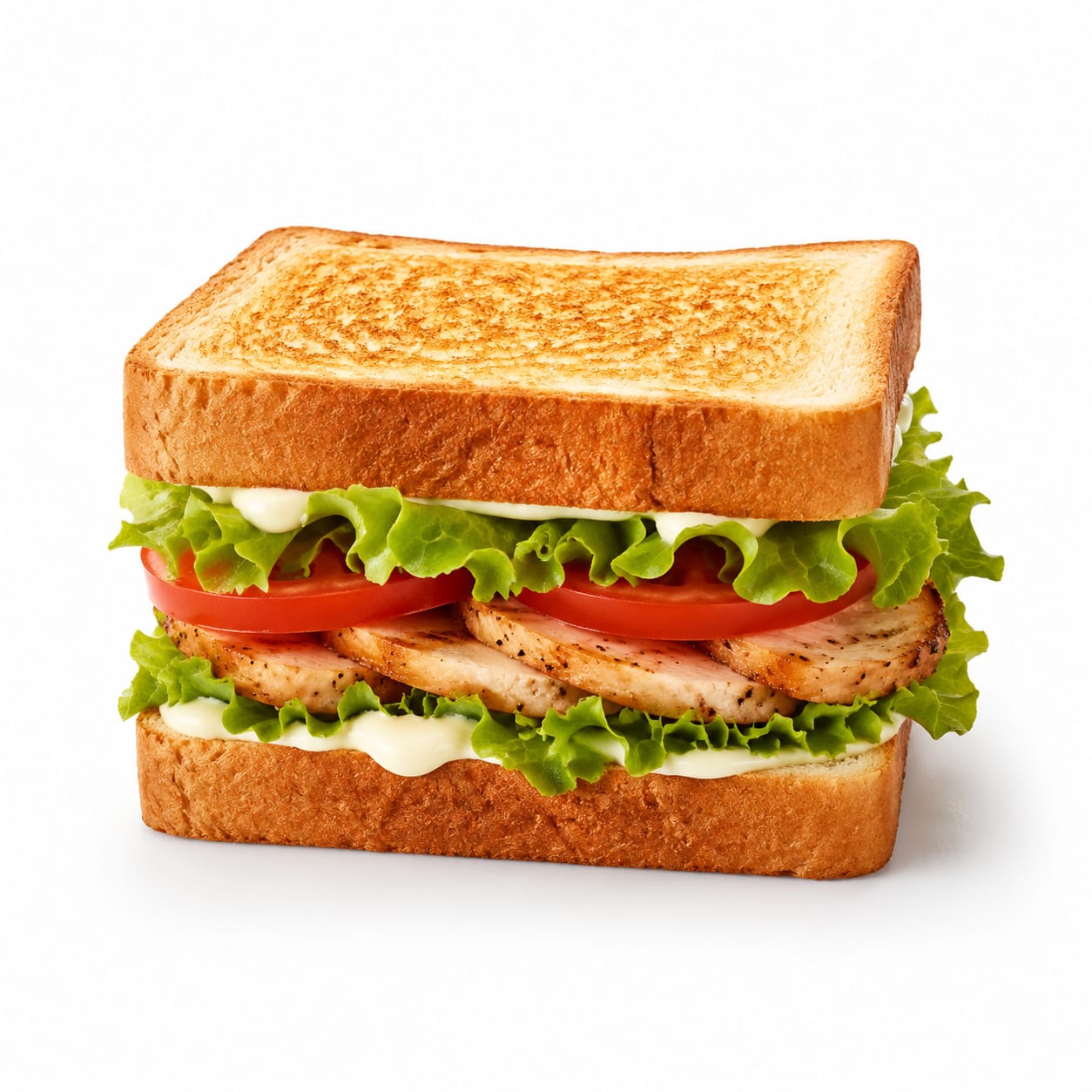
Sandwich
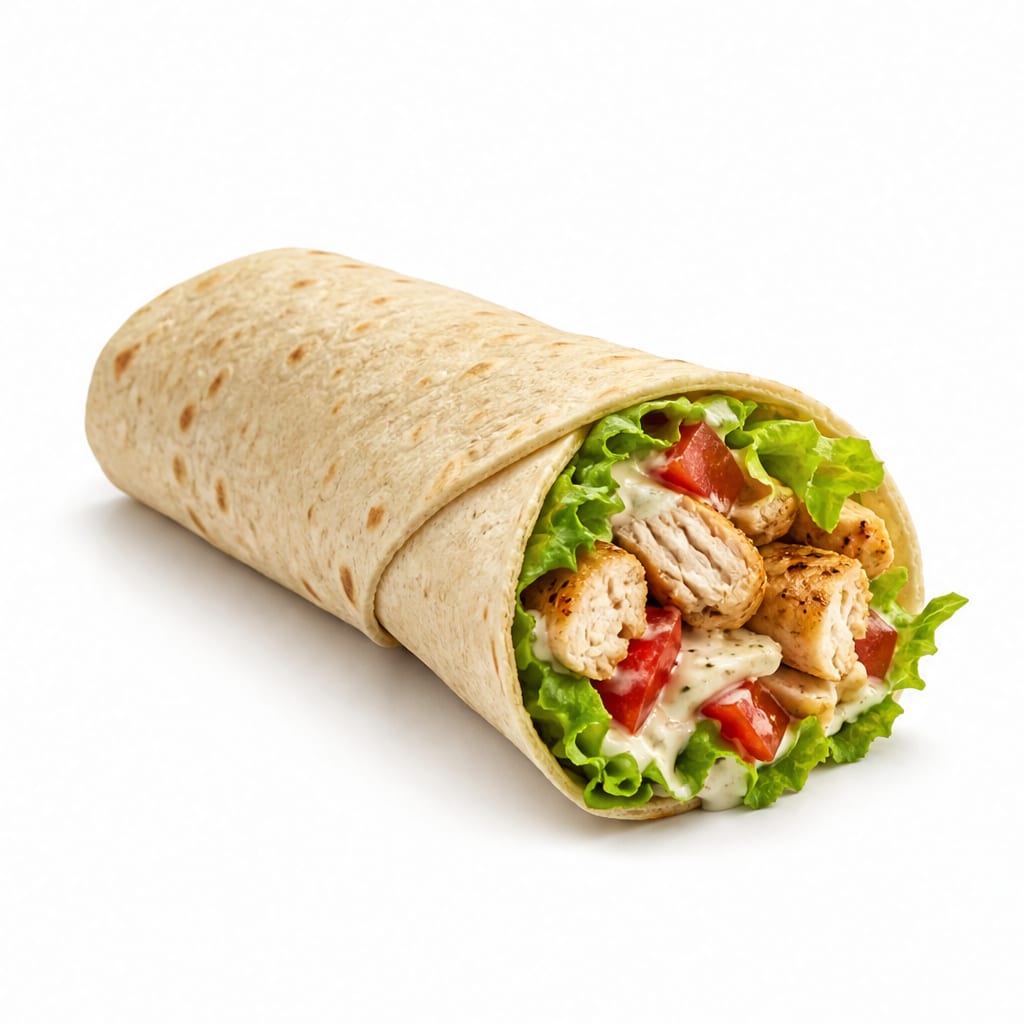
Wrap
Sandwiches offer better satiety and handle wet ingredients well, while wraps win on portability and often feel lighter, but can pack hidden calories in the tortilla.
Sandwiches and wraps are extremely close in nutritional value because the outcome depends almost entirely on the specific bread or tortilla chosen. Sandwiches edge ahead slightly for satiety and whole-grain accessibility, while wraps take the lead for convenience and portability.
Structural integrity and hearty fillings versus on-the-go convenience and perceived lightness.
At a glance
Executive summary
Overall
It depends
Healthier
It depends
More practical
Wrap
Daily use
It depends
Key comparison lenses
Carbohydrate and Calorie Density
Wraps are often perceived as a low-carb alternative to bread, but a single large flour tortilla can pack more calories and carbs than two slices of bread.
Portability and Mess-Free Eating
Wraps are tightly rolled, making them significantly easier to eat on the go without ingredients spilling, whereas sandwiches can be messy.
Satiety and Filling Volume
Sandwiches can be stacked tall with bulky vegetables and thick proteins, often making them more visually and physically filling than a tightly rolled wrap.
Ingredient Versatility and Texture
Sandwiches handle wet ingredients like sliced tomatoes and dressings much better without turning soggy, while wraps require drier fillings to maintain structural integrity.
Additives and Processing Levels
Packaged tortillas often contain preservatives and dough conditioners to keep them flexible, while many whole-grain breads have simpler ingredient lists.
Best choice for
Sandwich
- Hearty appetites needing a filling meal
- People who love juicy vegetables and sauces
- Those seeking easy whole-grain options
- Desk lunches where mess isn't an issue
Wrap
- Commuters needing a mess-free meal
- Packed lunches that sit for hours
- Those who prefer a lighter mouthfeel
- Controlled portion sizes for snacking
Least suitable for
Sandwich
- Eating while driving or walking
- Very low-carb diets using standard bread
- People who dislike crusts or dry textures
Wrap
- Meals with very wet or runny ingredients
- People watching calorie density who assume wraps are automatically lighter
- Those sensitive to preservatives in packaged tortillas
Deep comparison
Dimension by dimension
Each lens scores both foods and breaks down who each option suits.
- Dimension 1 · Priority 90It depends
Calorie and Carb Control
Sandwich · 65Wrap · 60Wraps often seem like a lighter choice, but a large flour tortilla can secretly contain more calories and carbs than two slices of standard sandwich bread.
Tradeoff
You might choose a wrap thinking you are cutting carbs, but end up consuming a denser carbohydrate load than a standard sandwich.
Why it matters
Hidden calories in the wrap vessel can easily derail weight management goals if you aren't checking nutrition labels.
Real-world impact
That post-lunch energy crash might hit harder after a dense flour wrap compared to a lighter whole-grain sandwich.
Sandwich
- Standard sliced bread often has fewer calories per serving than a large burrito-sized tortilla
- Easier to find low-calorie or thin-sliced bread options
Better for
- Thick artisan breads can quickly escalate the calorie count
- Cheesy or dense breads add hidden fats
Worse for
Wrap
- Smaller snack-sized wraps can be great for portion control
- Easy to fill with mostly vegetables for a low-calorie meal
Better for
- Restaurant-style flour tortillas can pack 300+ calories before any fillings are added
- Large wraps are notoriously carbohydrate-dense
Worse for
- Dimension 2 · Priority 85Wrap
Portability and Convenience
Sandwich · 60Wrap · 90Wraps are the undisputed champions of eating on the move, keeping everything contained in a tidy cylinder.
Tradeoff
You gain ultimate portability and mess-free eating, but you lose the ability to easily pack bulky, wet ingredients.
Why it matters
A meal you can eat with one hand while commuting or working is often more practical and sustainable than one that requires a plate.
Real-world impact
Wraps are far less likely to end up with mustard on your shirt during a quick work lunch.
Sandwich
- Can be pre-assembled and cut into neat portions for sharing
Better for
- Thick sandwiches are awkward to hold and eat on the go
- Ingredients often slide out from the sides
Worse for
Wrap
- Tightly rolled design prevents ingredients from falling out
- Easier to eat with one hand while driving or walking
- Compact shape fits perfectly into lunchboxes and bags
Better for
- Can become soggy and tear at the bottom if left too long
Worse for
- Dimension 3 · Priority 80Sandwich
Satiety and Filling Volume
Sandwich · 85Wrap · 70Sandwiches can be stacked high with proteins and veggies, making them visually and physically more filling than a tightly compressed wrap.
Tradeoff
A massive sandwich might put you to sleep at your desk, while a wrap offers a lighter, less bloating meal experience.
Why it matters
Feeling satisfied after lunch prevents the afternoon vending machine run.
Real-world impact
A tall turkey and avocado sandwich will likely keep you full longer than a thin turkey wrap with the same ingredients.
Sandwich
- Can easily layer thick cuts of meat and whole veggie slices
- Bread provides a substantial chew that contributes to feeling full
Better for
- Heavy bread and thick fillings can cause lethargy after eating
Worse for
Wrap
- Feels lighter in the stomach, avoiding the afternoon food coma
Better for
- Ingredients are compressed, which can make the meal feel smaller than it is
- Easier to overeat because it feels less filling initially
Worse for
- Dimension 4 · Priority 75Sandwich
Handling Wet Ingredients
Sandwich · 80Wrap · 55Sandwiches handle juicy tomatoes, pickles, and dressings far better, especially if the bread is toasted.
Tradeoff
You get superior structural integrity with a sandwich, but wraps force you to keep fillings drier, which can mean less flavor.
Why it matters
A soggy lunch is unappetizing and messy, limiting how you can prep meals in advance.
Real-world impact
A sandwich with sliced tomatoes will hold up until noon, while a wrap with the same tomatoes might turn into a soggy mess by 11 AM.
Sandwich
- Toasting bread creates a moisture barrier
- Thicker breads absorb dressings without falling apart
Better for
- Very thin bread will still get soggy if left overnight
Worse for
Wrap
- Hummus or cream cheese works well as a glue to hold drier fillings together
Better for
- Wet ingredients make the tortilla tear and unroll
- Requires careful draining of ingredients like tuna salad
Worse for
- Dimension 5 · Priority 70Sandwich
Additives and Processing
Sandwich · 70Wrap · 55Finding a clean-ingredient sandwich bread is generally easier than finding a packaged tortilla without preservatives and dough conditioners.
Tradeoff
Wraps need specific additives to stay flexible and foldable without cracking, while bread can be made with simpler formulations.
Why it matters
Regular consumption of emulsifiers and preservatives can impact gut health over time.
Real-world impact
Reading the label on a standard flour tortilla often reveals a longer list of unpronounceable ingredients compared to a basic whole-wheat loaf.
Sandwich
- Many bakery loaves contain just flour, water, yeast, and salt
- Sprouted grain breads offer highly natural options
Better for
- Commercial soft breads can contain just as many dough conditioners as wraps
Worse for
Wrap
- Whole-grain and spinach wraps are becoming cleaner in ingredient quality
Better for
- Tortillas frequently contain preservatives like calcium propionate to extend shelf life
- Emulsifiers are often added to keep tortillas pliable
Worse for
Timeline
Health impact over time
Short-term
Hours to days
Sandwich
- Provides a strong feeling of fullness that curbs snacking
- Heavy bread can cause a noticeable energy dip if refined grains are used
Wrap
- Feels lighter and less bloating immediately after eating
- Dense flour tortillas can cause a quick blood sugar spike if eaten alone
Long-term
Months to years
Sandwich
- Consistently choosing whole-grain bread supports heart health and steady digestion
- Large portion sizes may contribute to weight gain if not monitored
Wrap
- Frequent consumption of refined flour tortillas may increase inflammatory markers
- Preservatives in packaged wraps may disrupt gut flora over time
Risk profile
Safety & processing
Both are processed foods relying on a grain-based vessel, but packaged wraps typically require more additives to maintain their signature flexibility and shelf stability compared to standard sliced bread.
Sandwich
Pathogen growth with perishable fillings
mediumMayonnaise and deli meats in sandwiches can spoil quickly if left unrefrigerated for more than two hours.
Wrap
Pathogen growth with perishable fillings
mediumWraps share the same spoilage risk as sandwiches when packed with meats or dairy, though they sometimes retain heat more.
Mold on packaged tortillas
lowDespite preservatives, tortillas can harbor mold quickly once the package is opened and exposed to air.
Who wins for whom
Audience fit
Same foods, different winners depending on your goal.
children
SandwichSandwiches are easier for kids to handle and bite into, whereas thick wraps can be awkward for small mouths and tend to unroll.
daily consumption
It dependsRotating between the two is best to vary nutrient intake and avoid fatigue from either bread or tortillas.
diabetes
It dependsBlood sugar impact relies on the grain. A sprouted grain sandwich and a whole-wheat wrap both work well, but white flour wraps will spike blood sugar faster than dense rye bread.
elderly
WrapWraps are often softer and require less jaw strength to chew than crusty breads, making them more comfortable for sensitive teeth.
muscle gain
SandwichSandwiches make it easier to pack thick layers of high-protein fillings like chicken breast and eggs between hearty slices of bread.
weight loss
It dependsWeight loss depends entirely on the vessel chosen. A thin whole-wheat wrap can beat a thick sourdough sandwich, but a standard flour wrap has more calories than two slices of light bread.
Your move
Decision guide
Choose Sandwich
- You want a hearty, filling meal that keeps you full for hours
- You love loading up on juicy veggies and thick sauces
- You prefer eating with a plate and napkin
- You prioritize simple, whole-grain ingredient lists
Choose Wrap
- You are eating lunch while working or commuting
- You want a lighter mouthfeel that won't make you sluggish
- You are packing a lunchbox where space and mess are concerns
- You prefer a warm, pressed meal like a quesadilla-style wrap
Either works if
- You are using 100% whole grain versions of either bread or tortillas
- You are focusing on lean proteins and vegetables as the main filling
Avoid both if
- You are strictly limiting carbohydrates and using standard refined flour versions
- You have a severe gluten intolerance or celiac disease and are using wheat-based options
Final recommendation
Let your lifestyle and fillings decide. Choose a sandwich when you have time to sit down and want a hearty, veggie-packed meal. Grab a wrap when you need something tidy and portable. In both cases, opt for whole-grain or sprouted versions of the bread or tortilla to maximize fiber and minimize blood sugar spikes.
Practical
Consumer tips
- 1
Always check the nutrition label on tortillas; a single wrap can easily contain over 200 calories and 30 grams of carbs.
- 2
Toast sandwich bread before adding wet ingredients to create a waterproof barrier that prevents sogginess.
- 3
Look for wraps made with spinach, tomato, or whole grains, but ignore the color if the first ingredient is still enriched white flour.
- 4
Use a thin layer of hummus or cream cheese on a wrap to act as glue that keeps fillings from sliding out.
- 5
If watching carbs, try a lettuce wrap or collard green roll as a substitute for both bread and tortillas.