
Nutrition comparison
Sandwich vs Sub: Which Is Healthier for Daily Lunch?
Compare sandwiches and subs on calories, sodium, portion control, and satiety. Find out which format fits your health goals and daily routine better.
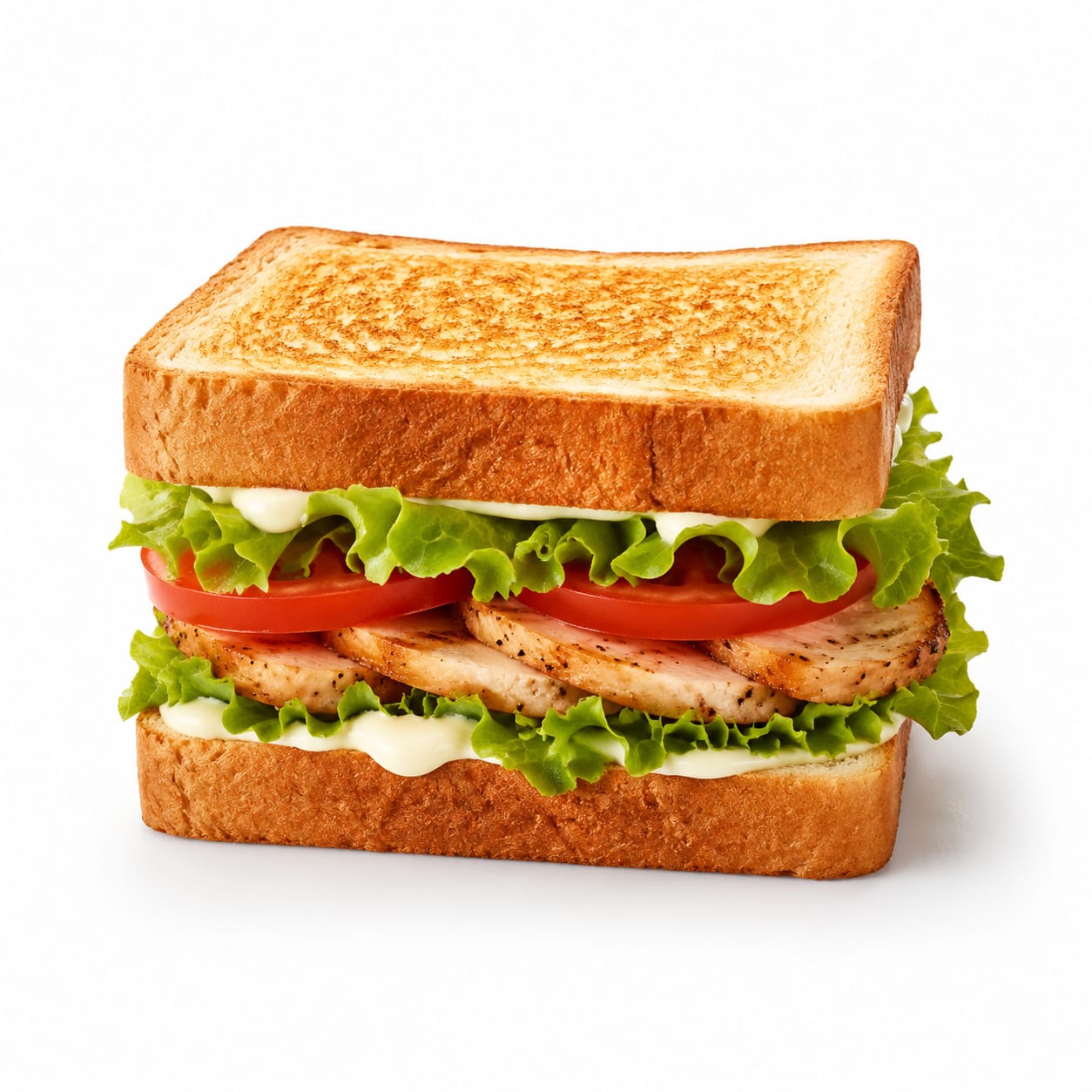
Sandwich

Sub
Sandwiches offer better portion control and portability, while subs deliver more sustained fullness at the cost of higher calories and sodium.
Sandwiches score higher due to built-in portion control and lower calorie density. Subs lose ground on sodium load and overeating risk, though they win on raw satiety.
A sub gives you a bigger, more satisfying meal but makes it easy to overeat. A sandwich keeps portions in check but may leave you hungry sooner.
At a glance
Executive summary
Overall
It depends
Healthier
Sandwich
More practical
Sandwich
Daily use
Sandwich
Key comparison lenses
portion control and calorie management
Subs are significantly larger than standard sandwiches, making calorie and portion control the central tradeoff
meal satiety and fullness
The size difference directly impacts how full you feel and how long that fullness lasts
overeating risk
Subs normalize large portions and can easily deliver a full day's worth of calories in one meal
sodium and processed ingredients
Chain restaurant subs often contain high-sodium deli meats and condiments that add up quickly
convenience and portability
Sandwiches are easier to eat on the go; subs are messier and less portable
Best choice for
Sandwich
- Light lunches during the workday
- Portion-conscious eaters tracking calories
- Kids who need smaller, manageable meals
- Busy people eating while commuting or working
Sub
- Post-workout meals needing serious refueling
- Active people with high calorie needs
- Sharing between two people
- When one big meal is your main meal of the day
Least suitable for
Sandwich
- Athletes needing high calorie intake
- People doing heavy physical labor all day
- Anyone who gets hungry again within an hour of eating
Sub
- Sedentary office workers watching their weight
- People with high blood pressure concerned about sodium
- Anyone prone to afternoon food comas after heavy meals
Deep comparison
Dimension by dimension
Each lens scores both foods and breaks down who each option suits.
- Dimension 1 · Priority 95Sandwich
portion_and_calorie_control
Sandwich · 82Sub · 38A typical sandwich delivers 350-500 calories, while a footlong sub can easily hit 800-1200 calories before add-ons.
Tradeoff
You get more food with a sub, but far less control over how much you consume in one sitting.
Why it matters
Most people underestimate how many calories are in a large sub, especially with dressings and cheese.
Real-world impact
Eating a sub for lunch could use up over half your daily calories if you're not careful, while a sandwich leaves room for snacks and a normal dinner.
Sandwich
- Weight management and calorie tracking
- People who eat multiple smaller meals per day
- Anyone trying to avoid that stuffed, sluggish feeling
Better for
- Anyone who needs serious calorie intake to fuel activity
Worse for
Sub
- Athletes in a caloric surplus phase
- Hikers or manual laborers burning 3000+ calories daily
Better for
- People trying to lose or maintain weight
- Anyone who tends to eat mindlessly when large portions are in front of them
Worse for
- Dimension 2 · Priority 88Sub
satiety_and_fullness
Sandwich · 55Sub · 82Subs keep you full for longer simply because there's more food — more bread, more protein, more everything.
Tradeoff
That fullness comes with a heavy calorie price tag and potential energy crash from the large refined carb load.
Why it matters
If you can't snack between meals, a sub might keep you going longer. But the fullness is partly from digestive load, not just smart nutrition.
Real-world impact
A sandwich at noon might have you reaching for snacks by 2pm. A sub at noon might have you skipping your afternoon snack but fighting a food coma at 1pm.
Sandwich
- People who prefer eating smaller meals more frequently
- Anyone who hates feeling overly full during the workday
Better for
- People who get irritable or unfocused when hungry between meals
Worse for
Sub
- Long shifts with no break for snacks
- Outdoor workers who need sustained energy
- One-meal-a-day eaters
Better for
- Anyone sensitive to post-meal drowsiness
- People who need to stay sharp and alert after lunch
Worse for
- Dimension 3 · Priority 82Sandwich
sodium_and_heart_health
Sandwich · 62Sub · 35A standard sandwich might deliver 600-900mg of sodium. A loaded sub can easily exceed 2000mg — nearly a full day's limit.
Tradeoff
More meat and condiments on a sub means more flavor, but also a sodium bomb that affects blood pressure and hydration.
Why it matters
Chain restaurant subs are particularly problematic because deli meats, cheeses, and sauces are all high-sodium ingredients stacked together.
Real-world impact
A high-sodium sub lunch can leave you bloated, thirsty all afternoon, and over your daily sodium budget before dinner.
Sandwich
- People with hypertension or heart disease risk
- Anyone monitoring sodium for kidney health
Better for
- Not particularly problematic for sodium unless loaded with processed meats
Worse for
Sub
- Athletes who lose significant sodium through sweat during endurance training
Better for
- People with high blood pressure
- Anyone prone to water retention and bloating
- Older adults more sensitive to sodium intake
Worse for
- Dimension 4 · Priority 78Sandwich
convenience_and_portability
Sandwich · 88Sub · 42Sandwiches are compact, easy to hold, and fit in standard containers. Subs are awkward, messy, and require two hands or a tray.
Tradeoff
A sub is a sit-down commitment. A sandwich works at your desk, in your car, or walking between meetings.
Why it matters
If you're eating on the go, a sub is a logistical nightmare. Dressings drip, fillings slide, and the bread can't support itself well.
Real-world impact
Trying to eat a sub while driving or working at your computer is messy and frustrating. A sandwich just works anywhere.
Sandwich
- Commuters eating breakfast or lunch on the train
- Office workers eating at their desks
- Parents packing school or work lunches
- Picnickers and hikers needing portable food
Better for
- Not a real downside — sandwiches are inherently portable
Worse for
Sub
- Sit-down meals where you have time and a plate
- Casual dining with friends where messiness is acceptable
Better for
- Anyone eating while walking, driving, or working
- People who pack lunches in small containers or bags
Worse for
- Dimension 5 · Priority 72It depends
nutritional_balance_and_customization
Sandwich · 65Sub · 65Both can be built well or poorly. The nutritional quality depends entirely on what you put between the bread.
Tradeoff
A sub gives you more surface area for veggies, but also more room for unhealthy add-ons. A sandwich limits both the good and the bad.
Why it matters
A well-built sandwich with lean protein and vegetables can be perfectly balanced. A sub with the same ingredients just gives you more of everything — including carbs.
Real-world impact
The healthiness of either option comes down to your choices at the counter, not the format itself.
Sandwich
- Easier to keep balanced because the smaller size naturally limits excess
- Better carb-to-filling ratio when built thoughtfully
Better for
- Limited space for vegetable variety — you can only stack so much
Worse for
Sub
- More room to load up on vegetables if you're intentional about it
- Better protein-to-carb ratio possible with double meat and extra veggies
Better for
- The large bread roll dominates the macro profile unless you specifically compensate
Worse for
- Dimension 6 · Priority 75Sandwich
blood_sugar_stability
Sandwich · 60Sub · 40A sub's large refined-carb roll can spike blood sugar more aggressively than a standard sandwich portion.
Tradeoff
The bigger the bread serving, the bigger the glucose spike — especially with white rolls that most subs use.
Why it matters
That spike-crash cycle is what causes the infamous post-sub food coma and afternoon energy dip.
Real-world impact
After a big sub on white bread, you might feel great for 30 minutes then crash hard. A sandwich creates a smaller, more manageable blood sugar response.
Sandwich
- People with insulin resistance or prediabetes
- Anyone trying to avoid afternoon energy crashes
- Those who need steady focus throughout the day
Better for
- Still depends heavily on bread choice — white bread sandwiches aren't great either
Worse for
Sub
- Endurance athletes who actually need quick glycogen replenishment
Better for
- People with diabetes or blood sugar management concerns
- Anyone prone to reactive hypoglycemia
- Office workers who can't afford a 2pm brain fog
Worse for
Timeline
Health impact over time
Short-term
Hours to days
Sandwich
- Moderate energy without heavy digestive load
- Easier to stay alert and productive after eating
- Less likely to cause bloating or thirst from excess sodium
Sub
- Strong fullness that can last 4-5 hours
- Higher chance of post-meal drowsiness from carb and calorie load
- Increased thirst and potential bloating from sodium
Long-term
Months to years
Sandwich
- Easier to maintain healthy weight with built-in portion limits
- Lower cumulative sodium exposure supports heart health
- Less risk of normalizing oversized portions
Sub
- Frequent large subs can contribute to gradual weight gain
- Consistently high sodium intake raises blood pressure risk over time
- Habitual large portions may distort your sense of normal serving sizes
Risk profile
Safety & processing
Both sandwiches and subs fall in the same processing category — the concern isn't the format but the ingredients. Deli meats often contain nitrates and preservatives, store-bought breads have emulsifiers and dough conditioners, and condiments add sugars and artificial flavors. A homemade sandwich or sub with whole ingredients sidesteps most of these issues.
Sandwich
Deli meat contamination
mediumListeria risk from cold cuts is a real concern, especially for pregnant women and immunocompromised individuals.
Mayonnaise spoilage
lowIf left unrefrigerated for extended periods, mayo-based fillings can harbor bacteria. Less of an issue with commercial mayo than people think, but still worth noting.
Sub
Deli meat contamination
mediumSame listeria concern as sandwiches, but amplified because subs typically contain more deli meat per serving.
Extended unrefrigerated time
mediumSubs take longer to eat and are often purchased for later, increasing the window for perishable ingredients to sit in the danger zone.
Cross-contamination at chain restaurants
lowHigh-volume sub shops with shared toppings and cutting boards can spread allergens and contaminants between orders.
Who wins for whom
Audience fit
Same foods, different winners depending on your goal.
children
SandwichKid-sized portions, easier to hold, and less overwhelming. A footlong sub is too much food for most children.
daily consumption
SandwichA sandwich a day is sustainable. A sub a day is a fast track to excess calories, sodium, and portion distortion.
diabetes
SandwichSmaller bread portion means a smaller blood sugar spike. Easier to manage carb count with a standard sandwich.
elderly
SandwichLower sodium, easier to handle, and more appropriate portion sizes for smaller appetites and heart health concerns.
muscle gain
SubMore protein and calories per serving support muscle building, especially when loaded with double meat and cheese.
weight loss
SandwichSmaller portions and lower calorie counts make sandwiches easier to fit into a calorie deficit without feeling deprived.
Your move
Decision guide
Choose Sandwich
- You want a quick, manageable meal without the food coma
- You're watching your weight, sodium, or blood sugar
- You need something portable you can eat while working or commuting
- You prefer eating smaller meals with snacks in between
- You're packing lunch for kids or older adults
Choose Sub
- You just finished a hard workout and need serious refueling
- You have high calorie needs from physical labor or athletics
- You're eating one big meal and want it to count
- You're sharing with someone else
- You have time to sit down and actually enjoy a substantial meal
Either works if
- You're building it yourself with whole, unprocessed ingredients
- The bread quality and fillings matter more than the format
- You're eating mindfully and stopping when full rather than finishing everything
Avoid both if
- You're sensitive to gluten or have celiac disease and can't find gluten-free options
- You're strictly limiting processed meats due to cancer risk concerns
- You need a low-sodium meal and only have access to deli meat versions
Final recommendation
For most people eating lunch on a regular workday, a well-built sandwich is the smarter default. It gives you enough fuel without the crash, keeps sodium manageable, and fits your life without requiring a sit-down commitment. Save the sub for days when you've genuinely earned the extra calories — after a long hike, a big game, or a physically demanding morning. The best sub is an occasional reward, not a daily habit.
Practical
Consumer tips
- 1
Ask for half the bread or scoop out the center of a sub roll to cut carbs without sacrificing the fillings you want
- 2
Choose whole grain bread for either format — it slows digestion and steadies blood sugar
- 3
Load both options with vegetables to improve the nutrient-to-calorie ratio
- 4
Swap deli meats for grilled chicken, tuna, or hummus to reduce sodium and nitrate exposure
- 5
If you order a sub, consider eating half now and saving half for later rather than powering through the whole thing
- 6
Mustard and vinegar-based dressings add flavor with far less calories and sodium than mayo or ranch
- 7
A sandwich with avocado provides healthy fats that increase satiety without the sodium of cheese