
Nutrition comparison
Sandwich vs Rice Bowl: Which Lunch Is Actually Better for You?
Compare sandwich and rice bowl lunches on nutrition, sodium, blood sugar, convenience, and satiety. Find out which meal fits your lifestyle and health goals better.
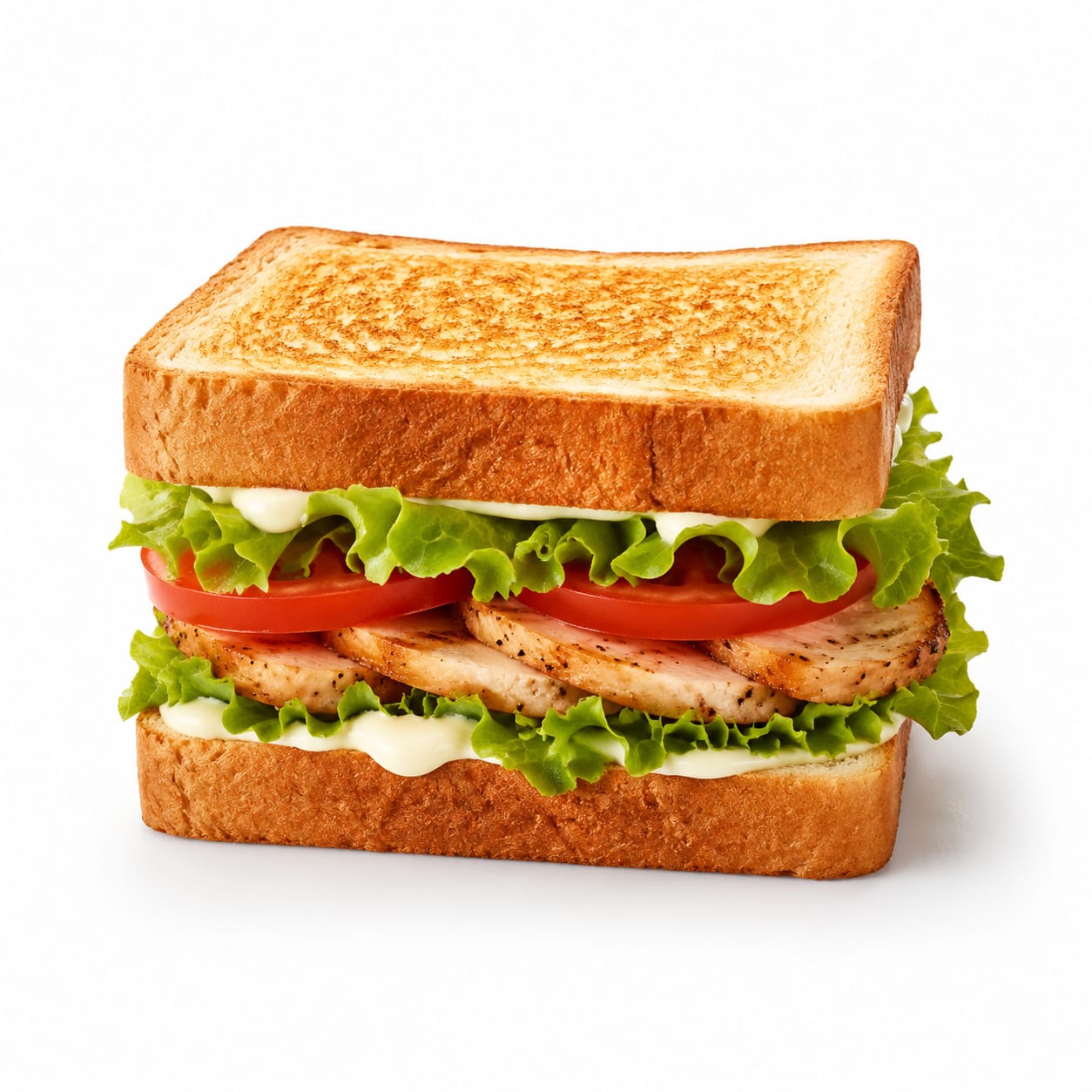
Sandwich
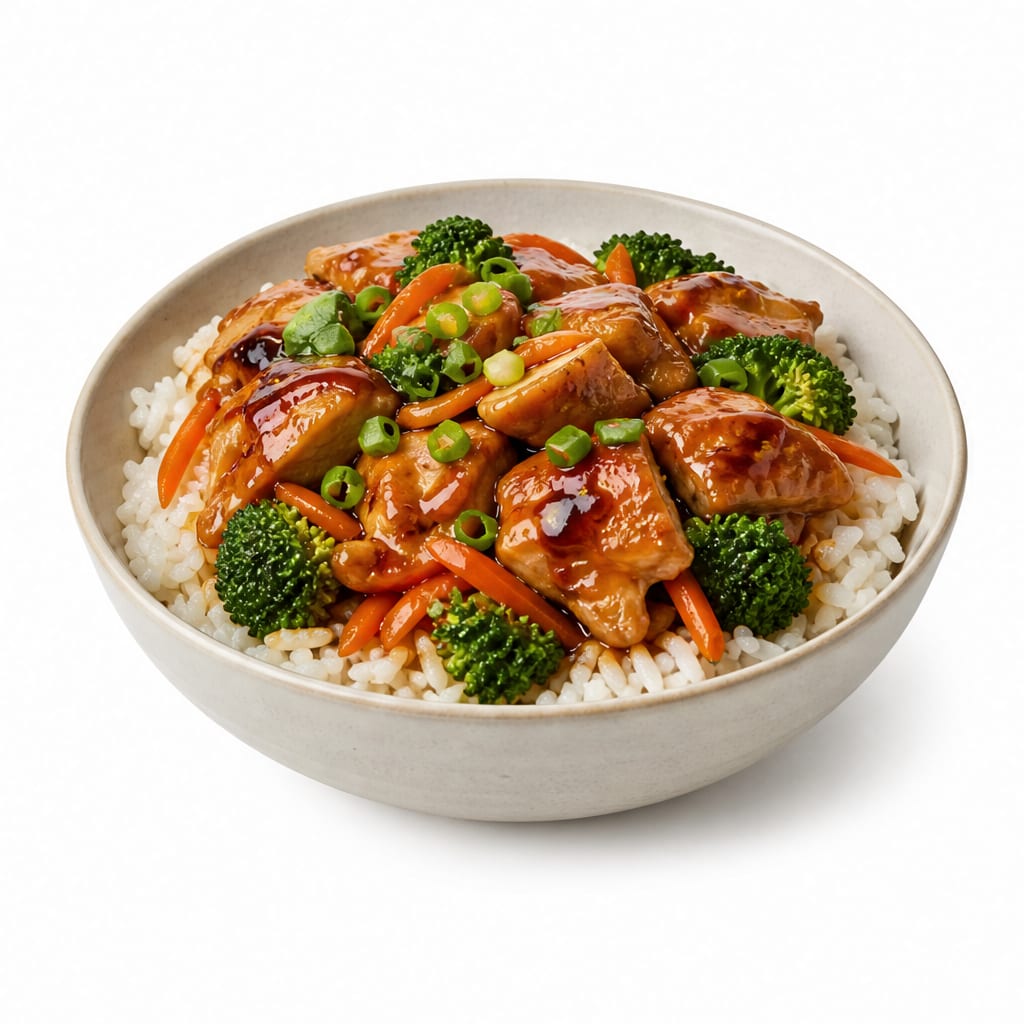
Rice Bowl
Rice bowls win for steady energy and lower sodium, but sandwiches dominate for convenience and portability. Your lifestyle determines the real winner.
Rice bowls score higher due to better blood sugar stability, lower sodium, and less processing. Sandwiches remain competitive through unmatched convenience and portability.
Sandwiches trade higher sodium and quicker digestion for grab-and-go convenience. Rice bowls trade portability for steadier energy and cleaner ingredients.
At a glance
Executive summary
Overall
It depends
Healthier
Rice Bowl
More practical
Sandwich
Daily use
Rice Bowl
Key comparison lenses
lunch meal decision with portability needs
Sandwich and Rice Bowl are direct competitors for the same meal occasion, but portability differs dramatically
blood sugar and energy stability
Bread vs rice creates meaningfully different glycemic responses that affect afternoon energy
sodium and processing concerns
Sandwich bread and deli meats typically carry much higher sodium than rice bowl components
satiety and fullness duration
Rice bowls tend to feel heavier and keep you fuller longer, while sandwiches can leave you hungry sooner
calorie density awareness
Both can be calorie bombs or relatively light depending on construction, but default versions differ significantly
Best choice for
Sandwich
- People who eat on the go or at their desk
- Commuters who need one-handed meals
- Anyone packing lunch in a bag without microwave access
- Those who want faster prep and minimal cleanup
Rice Bowl
- People with afternoon energy crashes
- Anyone watching sodium intake
- Those who prioritize steady, long-lasting fullness
- Post-workout eaters needing substantial refueling
Least suitable for
Sandwich
- People with high blood pressure or sodium sensitivity
- Anyone prone to afternoon energy crashes
- Gluten-sensitive or celiac individuals
- Those trying to reduce ultra-processed food intake
Rice Bowl
- People who need portable, eat-while-walking meals
- Anyone without access to a microwave at lunch
- Those trying to limit carbohydrate intake
- People who feel sluggish after heavy meals
Deep comparison
Dimension by dimension
Each lens scores both foods and breaks down who each option suits.
- Dimension 1 · Priority 90Rice Bowl
blood sugar stability
Sandwich · 52Rice Bowl · 74Rice bowls provide steadier energy with less crash risk. Sandwich bread, especially white, digests quickly and can spike blood sugar.
Tradeoff
White rice still has a moderate glycemic index, but it releases energy more gradually than most sandwich bread.
Why it matters
That 2pm energy crash often comes from what you ate at noon. Steadier carbs mean steadier focus.
Real-world impact
After a sandwich lunch, you may reach for coffee or a snack by 3pm. After a rice bowl, you are more likely to power through.
Sandwich
- Quick energy before physical activity
Better for
- People sensitive to blood sugar spikes
- Anyone prone to energy crashes
Worse for
Rice Bowl
- Sustained focus through long work afternoons
- Avoiding the midday crash
- Diabetics managing post-meal glucose
Better for
- Those who feel overly full and sluggish after carb-heavy meals
Worse for
- Dimension 2 · Priority 88Rice Bowl
sodium load
Sandwich · 38Rice Bowl · 68Sandwiches are sodium traps. Bread, deli meat, cheese, and condiments stack up fast. Rice bowls start from a much lower sodium baseline.
Tradeoff
Soy sauce in rice bowls can add sodium quickly, but the overall load is still usually lower than a deli sandwich.
Why it matters
A single sandwich can easily deliver 1000-1500mg sodium. That is most of your daily ideal intake in one meal.
Real-world impact
Regular high-sodium lunches raise blood pressure over time. You may not feel it day to day, but your heart does.
Sandwich
- Active individuals who sweat heavily and need sodium replenishment
Better for
- Hypertensive individuals
- People with kidney concerns
- Anyone already exceeding daily sodium targets
Worse for
Rice Bowl
- Anyone monitoring blood pressure
- People trying to reduce bloating
- Those eating processed foods frequently at other meals
Better for
- People who drench their bowl in soy sauce and think it is automatically healthy
Worse for
- Dimension 3 · Priority 86Sandwich
convenience and portability
Sandwich · 92Rice Bowl · 45Sandwiches are the ultimate portable meal. Rice bowls require a container, a seat, and usually a microwave.
Tradeoff
You sacrifice nutritional quality for grab-and-go ease. That convenience tax is real.
Why it matters
The best meal is the one you actually eat. If your schedule forces you to eat while moving, a sandwich beats skipping lunch.
Real-world impact
On a busy workday, a sandwich in your bag always gets eaten. A rice bowl that needs reheating sometimes gets skipped.
Sandwich
- Commuters eating on the train
- Hikers and outdoor workers
- Parents who eat standing up
- Travelers without microwave access
Better for
- People who have time to sit and eat properly
Worse for
Rice Bowl
- People with a dedicated lunch break and kitchen access
- Work-from-home individuals
- Those who can sit and enjoy their meal
Better for
- Anyone eating between meetings or on the move
Worse for
- Dimension 4 · Priority 84Rice Bowl
satiety and fullness
Sandwich · 55Rice Bowl · 80Rice bowls feel heavier and keep you full longer. The volume and carb density create a stronger satiety signal.
Tradeoff
That fullness can cross into sluggishness if you overeat. Sandwiches are lighter, which can be a pro or con depending on your afternoon.
Why it matters
If you are hungry again by 3pm, your lunch failed at its primary job regardless of its nutrition profile.
Real-world impact
A rice bowl at noon often means no afternoon snacking. A sandwich may have you raiding the vending machine.
Sandwich
- Light eaters who dislike feeling stuffed
- People with sedentary afternoons who need less fuel
Better for
- Big eaters who feel hungry an hour later
- Anyone prone to afternoon cravings
Worse for
Rice Bowl
- Active individuals needing lasting fuel
- Anyone trying to cut out afternoon snacking
- People doing physical labor or training
Better for
- People who feel sleepy after large meals
- Those trying to eat lighter at lunch
Worse for
- Dimension 5 · Priority 80Rice Bowl
processing and ingredient quality
Sandwich · 42Rice Bowl · 70Rice is a single-ingredient food. Sandwich bread typically contains preservatives, dough conditioners, and added sugars. Deli meats add nitrates and fillers.
Tradeoff
A sandwich made with whole grain bread and real meat closes this gap significantly. But most default sandwiches are far from that.
Why it matters
Cumulative exposure to ultra-processed ingredients matters more than any single meal. Your default lunch choice adds up over years.
Real-world impact
Switching from a daily deli sandwich to a rice bowl is one of the easiest ways to reduce ultra-processed food intake without feeling deprived.
Sandwich
- Sandwiches made with artisan bread and unprocessed proteins
Better for
- People avoiding nitrates and nitrites
- Anyone minimizing ultra-processed food
- Those sensitive to food additives
Worse for
Rice Bowl
- Anyone reducing ultra-processed food consumption
- People who recognize most ingredients on their plate
- Those avoiding preservatives and additives
Better for
- People who assume all rice bowls are automatically whole-food meals, ignoring sugary sauces
Worse for
- Dimension 6 · Priority 75It depends
protein quality and quantity
Sandwich · 65Rice Bowl · 65Both can deliver solid protein. It depends entirely on what you put inside. A chicken sandwich and a chicken rice bowl are roughly equivalent.
Tradeoff
Deli meat protein comes with sodium and nitrates. Rice bowl protein is usually cleaner but may come in smaller portions.
Why it matters
Lunch protein determines whether you stay full or crash. Both formats work if you build them right.
Real-world impact
A turkey sandwich and a chicken teriyaki bowl both deliver around 25-35g protein. The source quality matters more than the format.
Sandwich
- People who default to meat-heavy sandwiches
- Anyone needing quick protein after morning training
Better for
- People relying on processed deli meats as their protein source
Worse for
Rice Bowl
- Those who prefer cleaner protein sources without nitrates
- People eating tofu or legume-based proteins
Better for
- Anyone whose rice bowl is mostly rice with a few protein scraps
Worse for
Timeline
Health impact over time
Short-term
Hours to days
Sandwich
- Quick energy from easily digested bread carbs
- Possible bloating from bread, especially with high-fiber fillings
- Thirst from high sodium content
- Potential energy dip 2-3 hours after eating
Rice Bowl
- Steady energy release from rice and combined ingredients
- Heavier fullness that may cause temporary sluggishness
- Better hydration balance due to lower sodium
- More stable mood and focus through the afternoon
Long-term
Months to years
Sandwich
- Higher cumulative sodium intake affecting blood pressure over years
- Regular consumption of processed meats linked to increased health risks
- More ultra-processed food exposure from bread and condiments
- Possible weight gain if sandwiches are calorie-dense with rich fillings
Rice Bowl
- Better blood pressure management from lower sodium baseline
- More stable blood sugar patterns reducing metabolic risk
- Lower exposure to preservatives and food additives
- Risk of portion creep leading to excess calorie intake from large rice servings
Risk profile
Safety & processing
Sandwiches typically rely on processed bread with preservatives and deli meats with nitrates. Rice bowls start from a base of whole rice with fewer additives between farm and plate.
Sandwich
Listeria from deli meats
mediumDeli meats carry a small but real listeria risk, especially for pregnant women and immunocompromised individuals.
Cross-contamination in premade sandwiches
mediumSandwiches assembled in advance and stored improperly can harbor bacteria from multiple ingredients.
Rice Bowl
Bacillus cereus from leftover rice
mediumRice left at room temperature can grow Bacillus cereus, a bacteria that causes food poisoning. Reheating does not always destroy its toxin.
Sauce spoilage in warm environments
lowSauces in rice bowls, especially dairy-based ones, can spoil if not kept cold.
Who wins for whom
Audience fit
Same foods, different winners depending on your goal.
children
SandwichKids gravitate toward sandwiches and they are easier for small hands to hold. Rice bowls can be messy and less appealing to picky eaters.
daily consumption
Rice BowlLower sodium, less processing, and steadier energy make rice bowls a safer daily habit. Daily deli sandwiches accumulate health risks.
diabetes
Rice BowlRice bowls with balanced macros create a gentler blood sugar curve. Sandwich bread, even whole wheat, often spikes glucose faster.
elderly
Rice BowlRice bowls are easier to chew and digest. The lower sodium load also matters more for older adults managing blood pressure.
muscle gain
It dependsBoth work equally well if protein portions are adequate. The format matters less than the protein quantity.
weight loss
Rice BowlRice bowls are easier to portion control visually and typically have fewer hidden calories from mayo, cheese, and condiments.
Your move
Decision guide
Choose Sandwich
- You eat lunch while walking, driving, or working at your desk
- You have no microwave or refrigerator access at work
- You need a quick pre-workout meal that digests fast
- You are packing lunch for a child who rejects mixed dishes
- You genuinely prefer the taste and satisfaction of a good sandwich
Choose Rice Bowl
- You have time to sit and eat properly
- You struggle with afternoon energy crashes after lunch
- You are watching your sodium or blood pressure
- You want to reduce ultra-processed food in your diet
- You need a meal that keeps you full for 5-6 hours
- You are meal-prepping for the week and want a simpler base
Either works if
- You build both with whole ingredients and lean proteins
- You rotate between them based on your daily schedule
- You care more about what is inside than the format itself
Avoid both if
- Your sandwich is white bread with processed meat and mayo, and your rice bowl is mostly white rice with sugary sauce
- You are eating either in massive portions that leave you sluggish
- You have specific allergies to core ingredients in both, like gluten and rice intolerance
Final recommendation
Default to rice bowls for daily lunches when you have the time and access. They deliver steadier energy, less sodium, and fewer processed ingredients. Keep sandwiches as your backup for busy days when portability wins. The best approach is letting your schedule decide, not your cravings.
Practical
Consumer tips
- 1
If you choose sandwiches, use whole grain bread and real roasted meat instead of deli meat to dramatically improve the nutrition profile
- 2
If you choose rice bowls, ask for sauce on the side and use half the normal amount to cut hidden sugar and sodium
- 3
Brown rice or half-rice-half-vegetables makes rice bowls even more blood-sugar friendly
- 4
Freeze sandwich bread and toast slices as needed to avoid preservatives in store-bought loaves
- 5
Meal prep rice bowls in batches on Sunday and they become just as convenient as grabbing a sandwich
- 6
Watch rice bowl portions at restaurants, which often serve 2-3 cups of rice when 1 cup is sufficient