
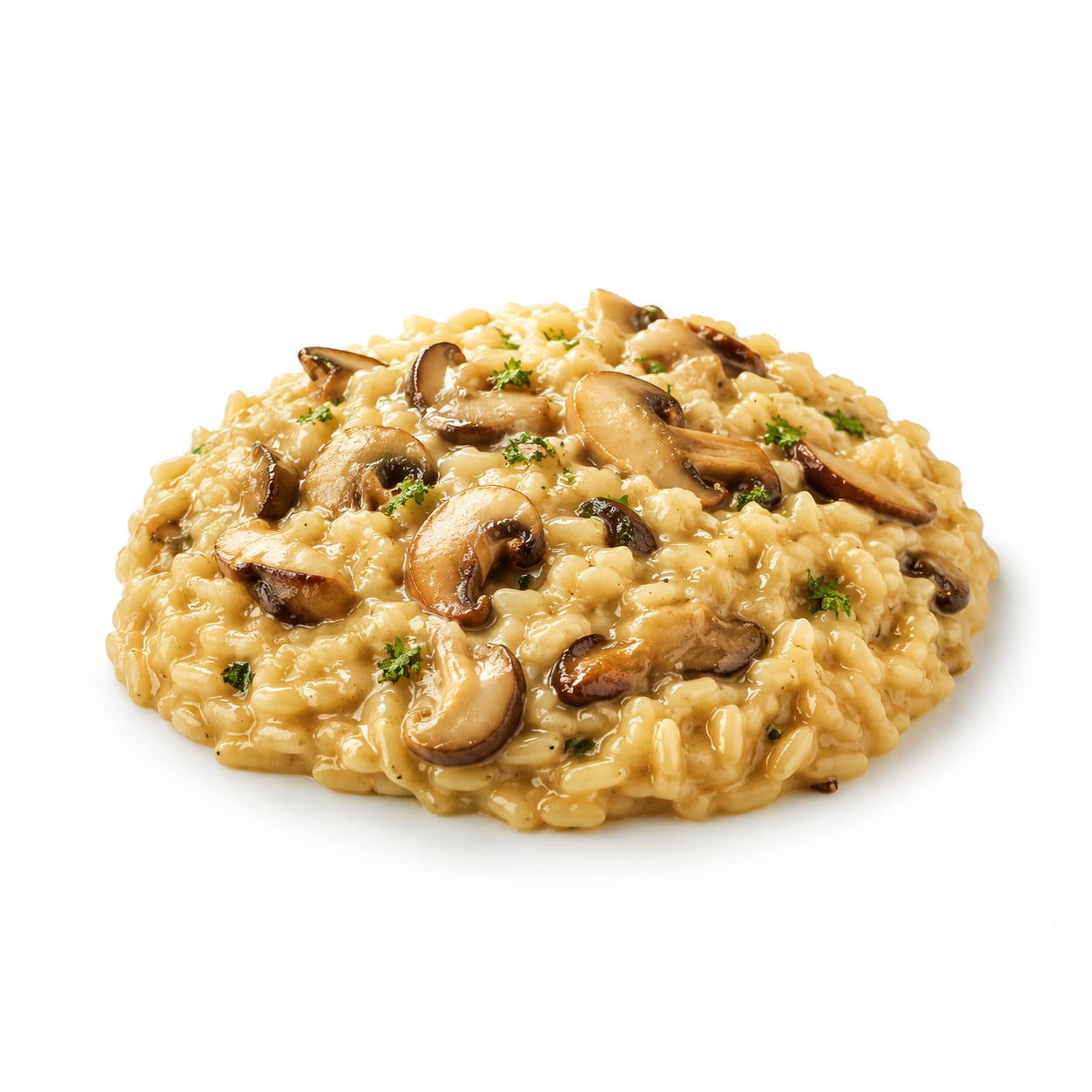
Grain Dish
Risotto
A creamy, refined Italian rice dish cooked with broth and cheese, known for its high carbohydrate content and low fiber.
A creamy Italian rice dish cooked with broth, butter, onion, wine, and Parmesan cheese, traditionally made with short-grain Arborio, Carnaroli, or Vialone Nano rice.
refined high-glycemic grain comfort dish
Typical serving · 200g
Common varieties · Arborio risotto, Carnaroli risotto, Vialone Nano risotto, mushroom risotto, seafood risotto +1 more
Overall context score across nutrition, safety, and diet fit
The story
What makes it unique
Risotto is made from refined short-grain rice stripped of its bran and germ, resulting in rapid digestion and a high glycemic response. The high starch content, specifically amylopectin, creates a creamy texture but limits satiety. Macronutrient profile is carbohydrate-dominant with moderate fat from dairy and low protein.
Varieties: Arborio risotto · Carnaroli risotto · Vialone Nano risotto · mushroom risotto · seafood risotto · butternut squash risotto
Per 100g
Nutrition breakdown
Macro balance and key metrics at a glance.
Energy
Density 1.40 kcal/g
Protein
Carbs
Fat
Fiber
Sugar
0.5 g
Sodium
320 mg
Potassium
60 mg
Glycemic index
65
Glycemic load
14
Water content
70%
Standout compounds
Nutrient highlights
Carbohydrates
highProvides rapid energy for high-intensity activities
Calcium
moderateSupports bone health from added Parmesan cheese
Sodium
highAids in fluid retention and electrolyte balance, but excessive amounts can increase blood pressure
Wellness map
Health scores & processing
NOVA processing scale
moderately processed · Whole food
Made from refined white rice cooked with broth, butter, and cheese; lacks whole grain fiber but uses basic culinary ingredients rather than industrial additives.
Diet compatibility
- Weight loss
- Muscle gain
- Diabetes
- Gut health
- Low carb
- High protein
- Heart health
Relative standing
Food rankings
Qualitative ranks compared to similar whole foods.
- Satietymoderate
- Blood sugarpoor
- Nutrient densitypoor
- Fitness fuelgood
- Processing qualitymoderate
Eat with confidence
Food safety profile
The primary safety concern for risotto is the inorganic arsenic content naturally accumulated in rice. Dairy and broth contribute sodium and saturated fat, but pose low microbial risk when cooked properly.
Evidence confidence 85%
- Pesticidesmoderate
- Antibioticslow
- Heavy metalsmoderate
- Contaminationlow
Watch for
- inorganic arsenic
Safer choices
Sourcing rice from regions with strict arsenic regulations, such as certain parts of Italy or the US, and choosing organic varieties.
Prep tips
Rinse rice thoroughly before cooking to reduce surface starch and potential arsenic; use low-sodium broth to manage salt intake.
Arsenic limits in rice are monitored globally, but standards vary by region; Italian rice generally shows lower levels than some other global sources.
Deep dive
Health analysis
How this food may fit different goals and preparation choices.
Weight loss
High energy density and low fiber make it easy to overconsume, limiting its usefulness for weight loss.
Blood sugar
Refined carbohydrates cause rapid digestion and blood sugar spikes, making portion control essential for diabetics.
Fitness & energy
Provides fast-digesting carbs suitable for pre-workout energy loading but lacks sufficient protein for muscle recovery.
Gut health
Low fiber content offers minimal prebiotic benefit for gut microbiome compared to whole grains.
Processing quality
Uses real-food ingredients like broth and cheese, but the base is a stripped grain lacking bran and germ.
Food safety
Primary concern is arsenic accumulation in rice; washing the grain and varying grain intake mitigates this risk.
Common mistakes
Assuming it is a healthy whole grain dish due to vegetable additions, while the base is highly refined and calorie-dense.
Best preparation
Cook al dente to slightly lower the glycemic impact, and incorporate lean proteins or high-fiber vegetables to balance the meal.
Practical guide
Best use cases
When and how this food fits real eating patterns.
Pre-workout carb loading
Provides fast-digesting carbohydrates for quick energy before intense exercise.
High-calorie bulking diet
Easy to consume calorie-dense meal for those needing a caloric surplus.
Gluten-free comfort food
A satisfying, creamy alternative to wheat-based pasta dishes for those avoiding gluten.
Balance sheet
Pros & cons
Upsides
- Provides quick digesting energy for athletes
- Versatile base for vegetables and lean proteins
- Naturally gluten-free if made with pure rice
- High palatability increases appetite satisfaction
Trade-offs
- Spikes blood sugar rapidly due to refined carbs
- Very low in dietary fiber
- High in sodium from broth and cheese
- Easy to overeat due to high energy density
- Contains arsenic exposure risks typical of rice
Fit check
Who is it for?
Great match
- pre-workout carb loading
- underweight individuals needing calories
- gluten-free comfort food cravings
Consider alternatives
- strict low-carb diets
- blood sugar management
- weight loss diets
- high-fiber dietary requirements
Side by side
How it compares
Open the full head-to-head analysis for nutrition, safety, and practical tradeoffs.
This food
Risotto
VS90% alike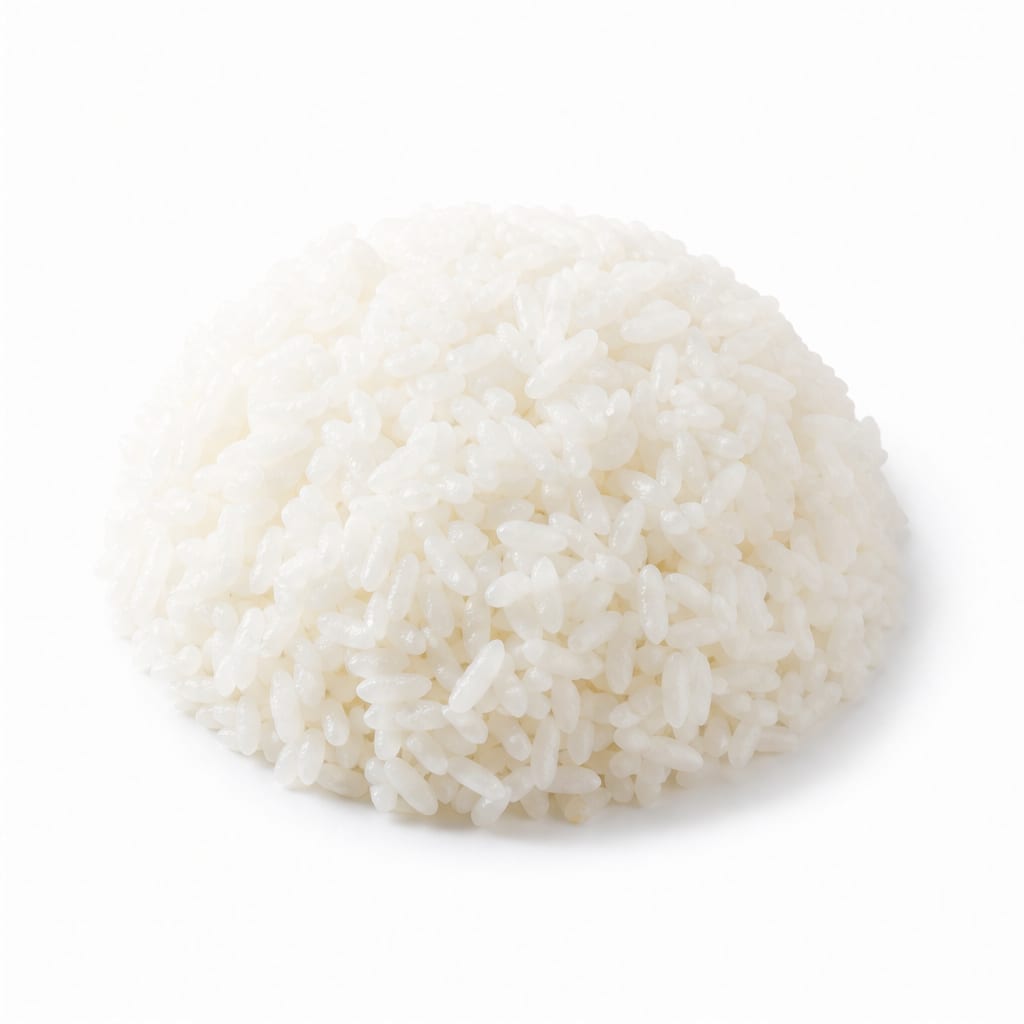
Compare with
White Rice
White rice is lower in fat and sodium, but risotto provides more satiety from added fats and cheese.
White rice is lower in fat and sodium, while risotto offers more satiety from added dairy fats.
This food
Risotto
VS85% alike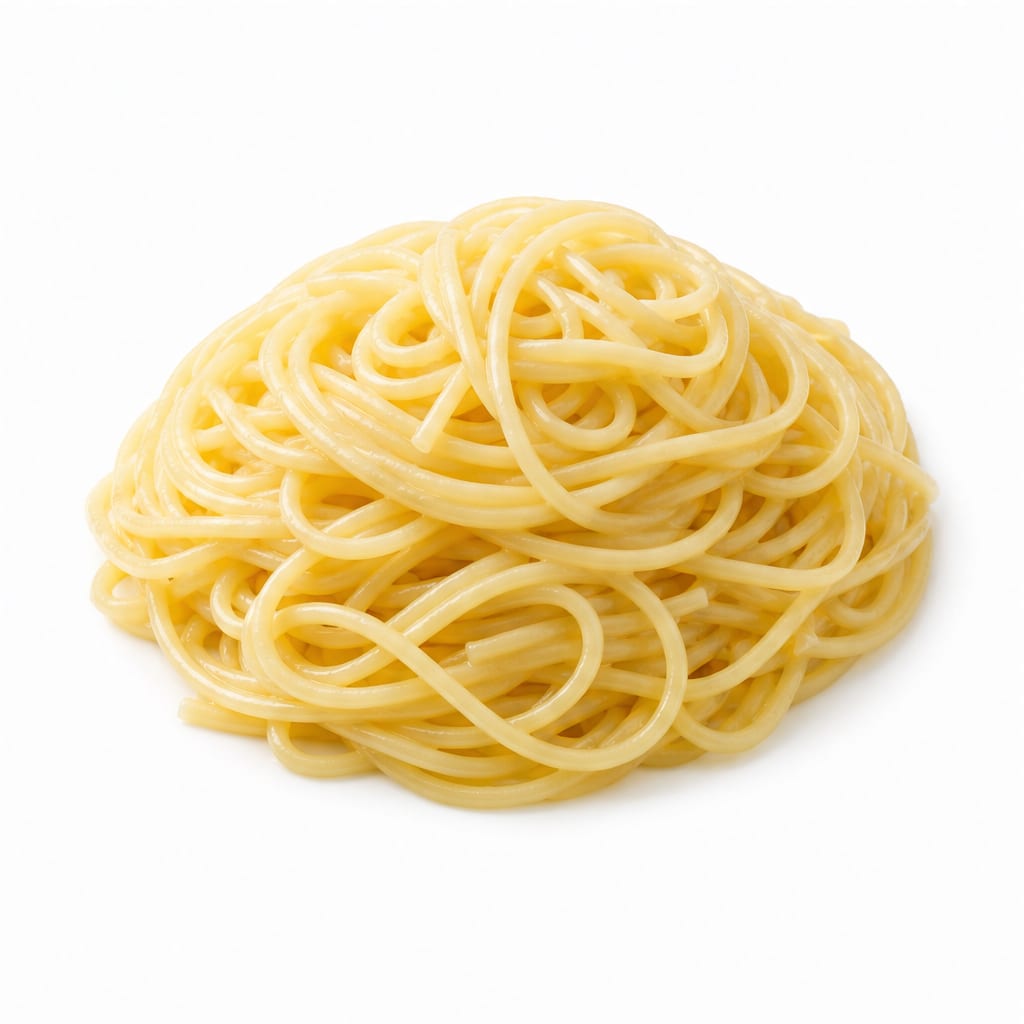
Compare with
Pasta
Pasta has a slightly lower glycemic index when cooked al dente, while risotto is higher in fat and sodium.
Pasta has a slightly lower glycemic index, while risotto is creamier and higher in fat.
This food
Risotto
VS75% alike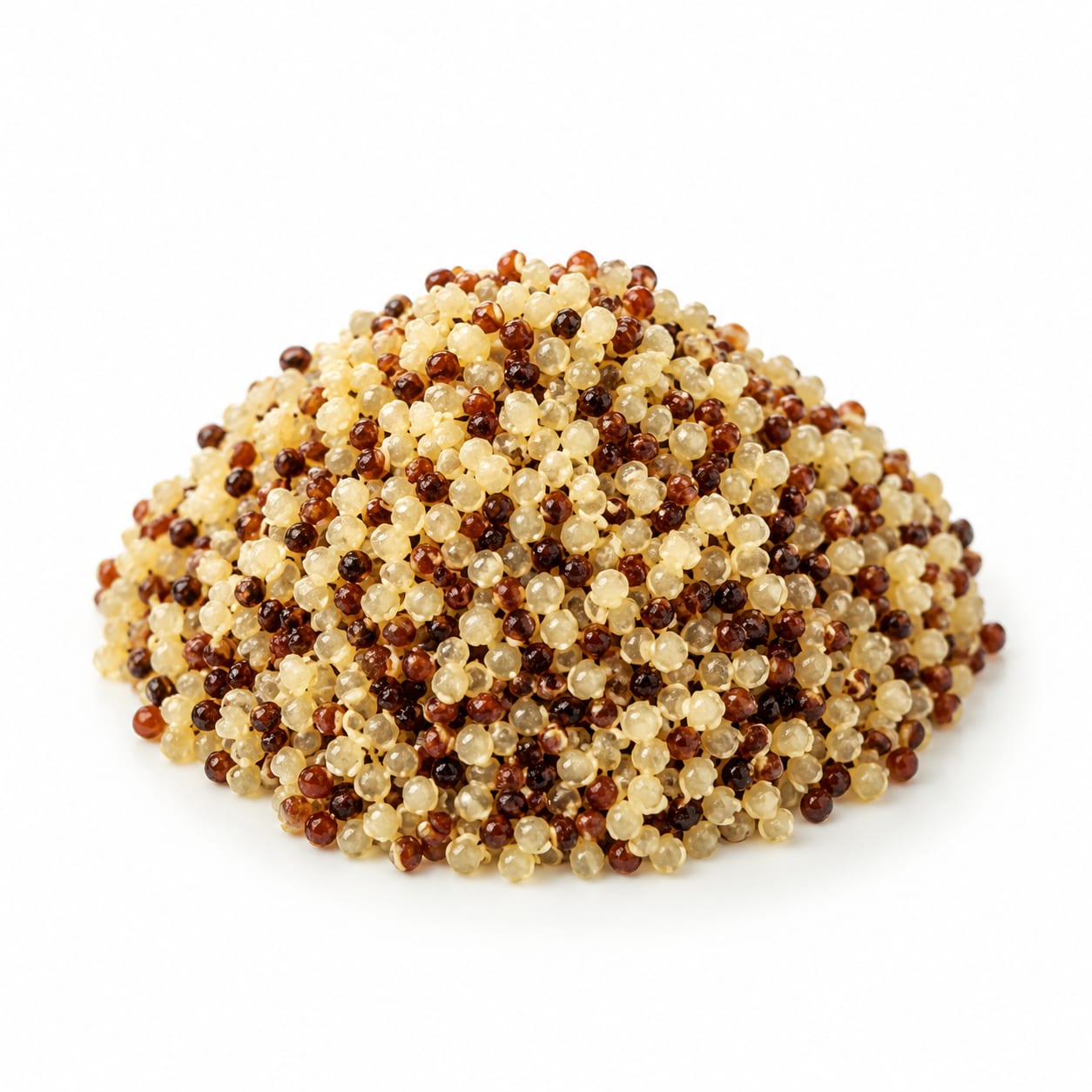
Compare with
Quinoa
Quinoa vastly outperforms risotto in fiber, protein, and blood sugar stability.
Quinoa vastly outperforms risotto in fiber, protein, and blood sugar stability.
This food
Risotto
VS80% alike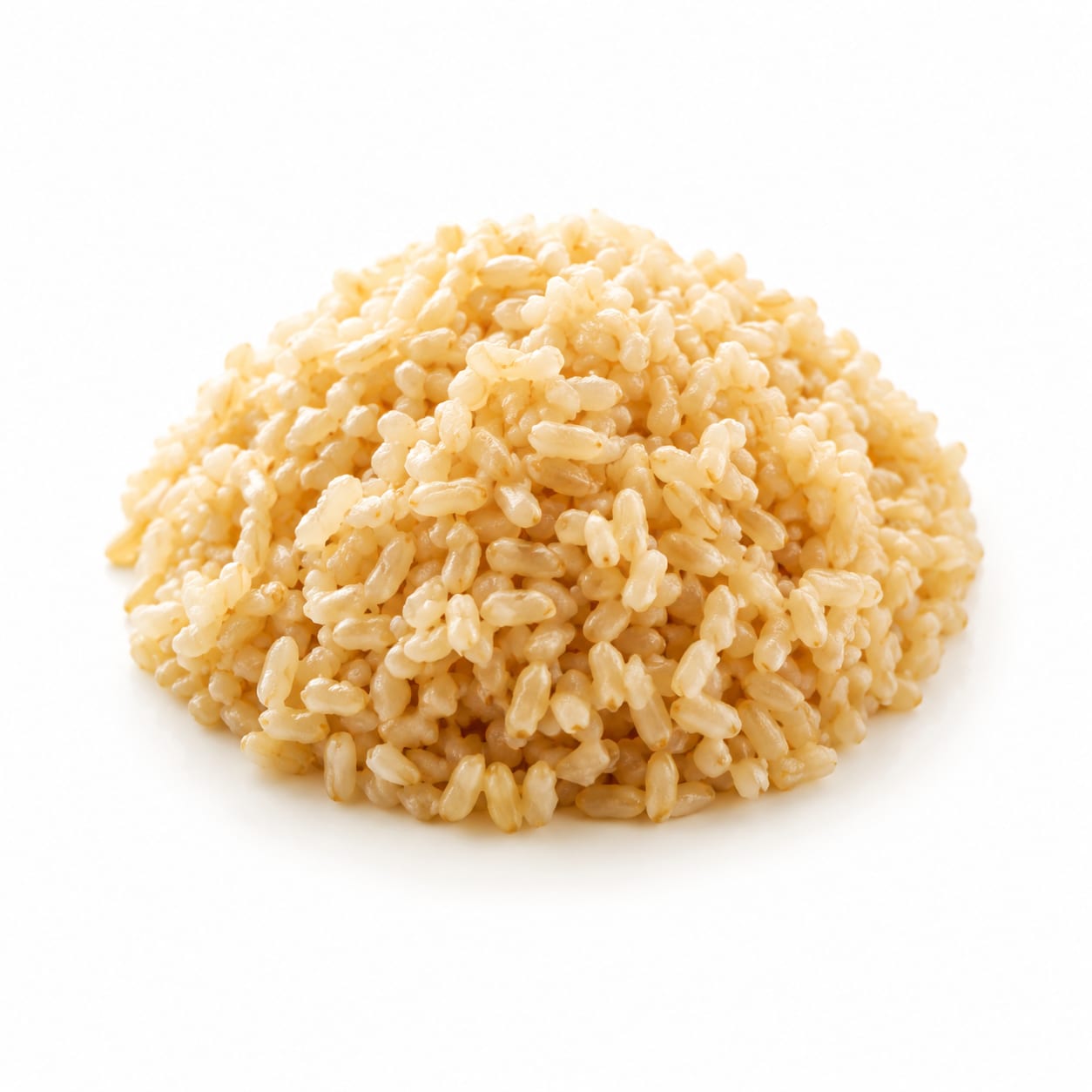
Compare with
Brown Rice
Brown rice provides better blood sugar control and gut health benefits compared to risotto.
Brown rice provides better blood sugar control and gut health benefits compared to risotto.
This food
Risotto
VS80% alike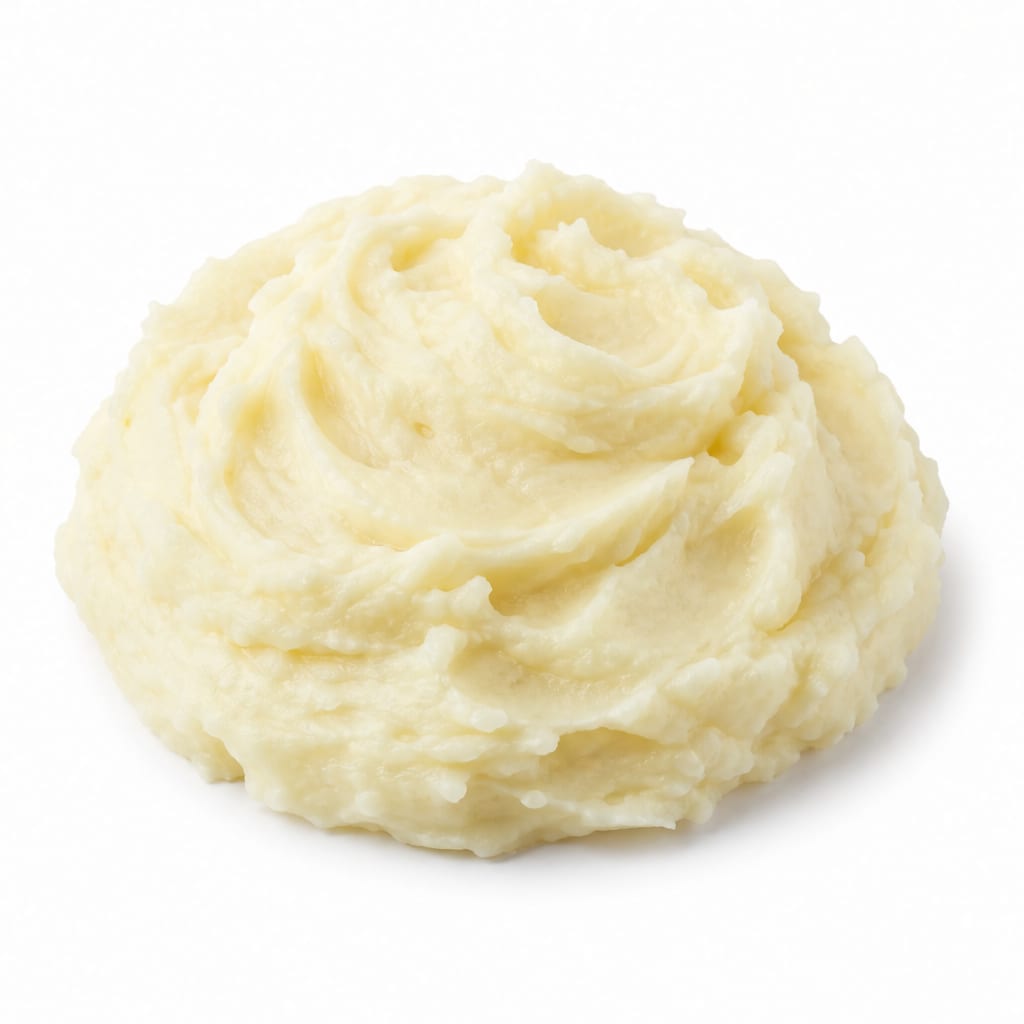
Compare with
Mashed Potatoes
Mashed potatoes offer slightly more potassium, while risotto provides more sustained energy from complex carbs.
Mashed potatoes offer more potassium and slightly fewer calories, while risotto provides longer-lasting energy.
This food
Risotto
VS85% alike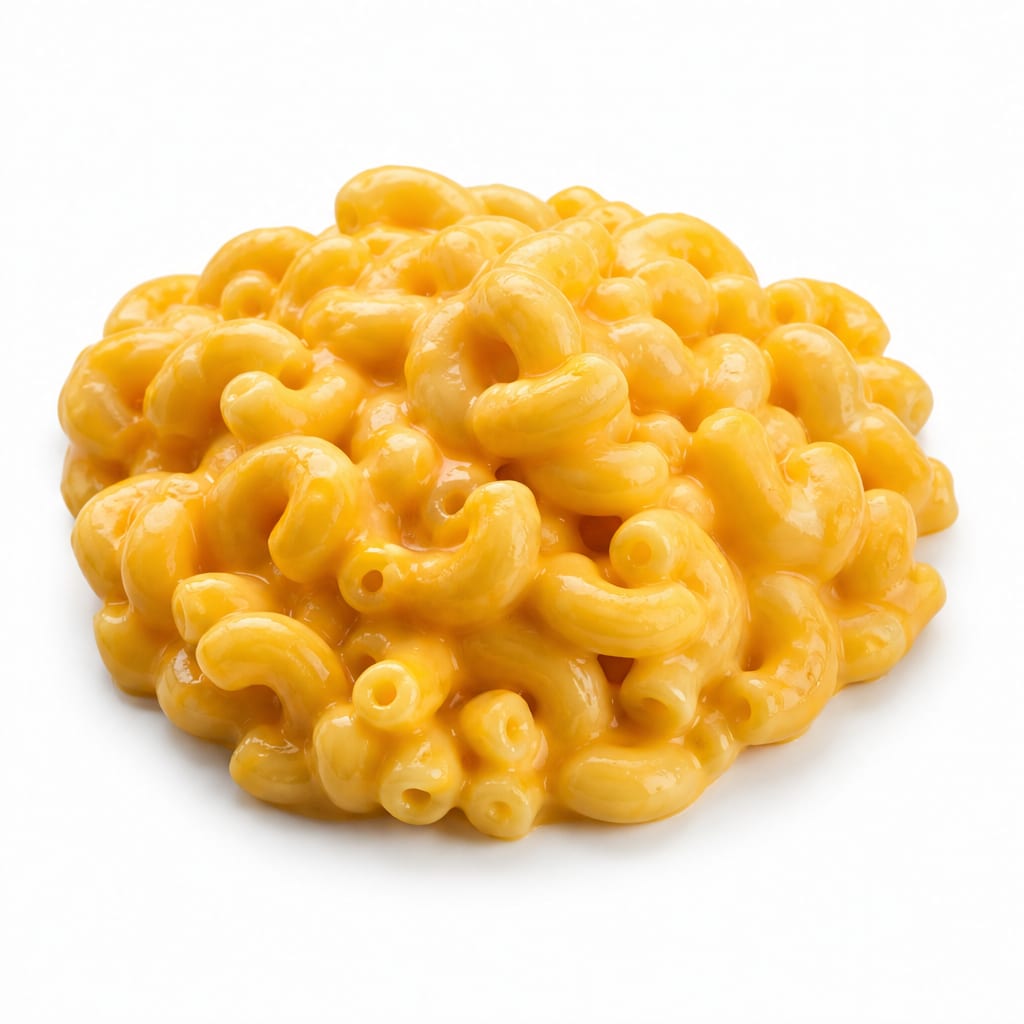
Compare with
Mac and Cheese
Mac and cheese is typically higher in fat, calories, and sodium, making risotto the slightly lighter option.
Mac and cheese is higher in fat and calories, making risotto the slightly lighter comfort food.
This food
Risotto
VS85% alike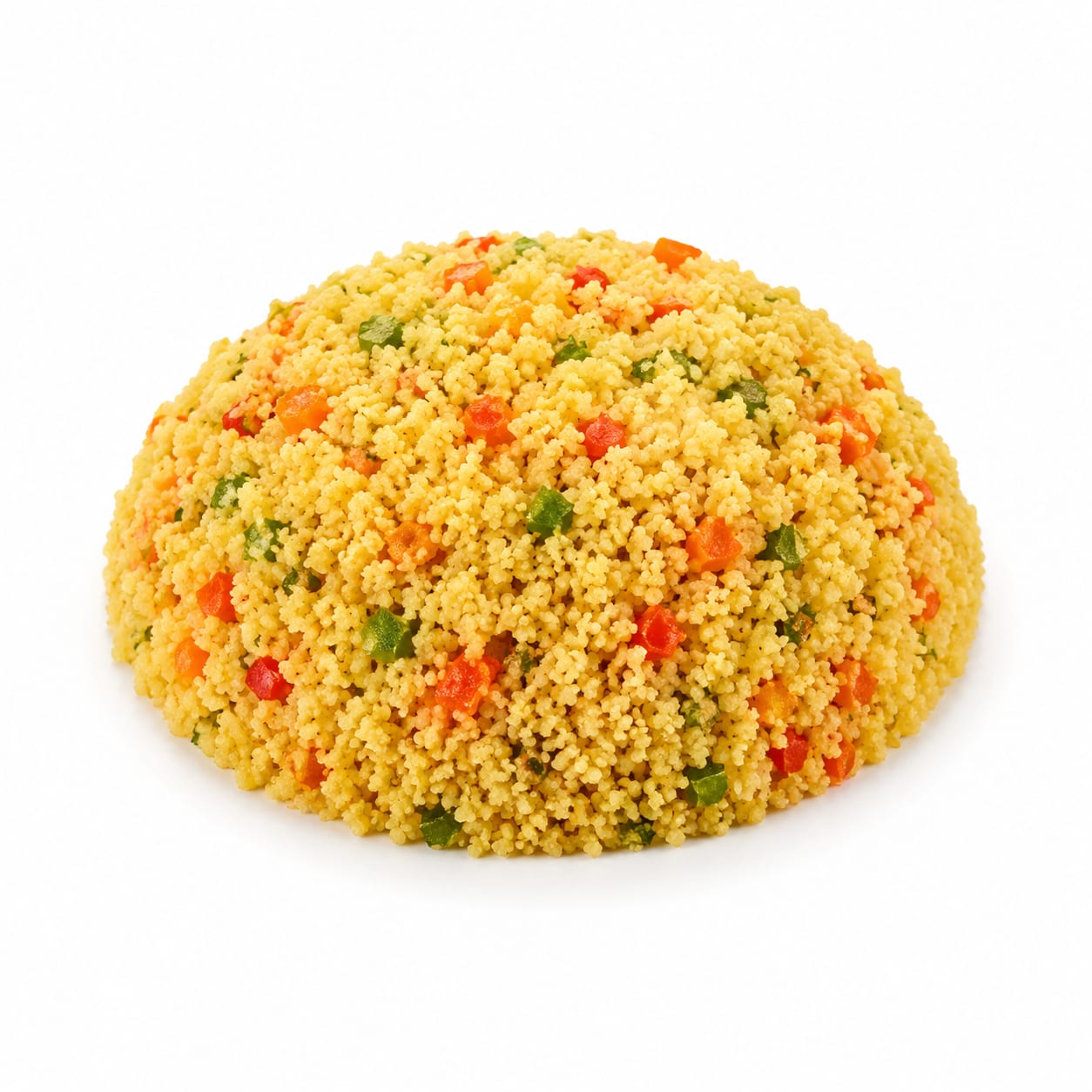
Compare with
Couscous
Couscous is lower in calories and fat, but risotto offers a creamier texture and slightly more fiber.
Couscous is lower in calories and fat, while risotto provides a creamier texture and more satiety.
This food
Risotto
VS70% alike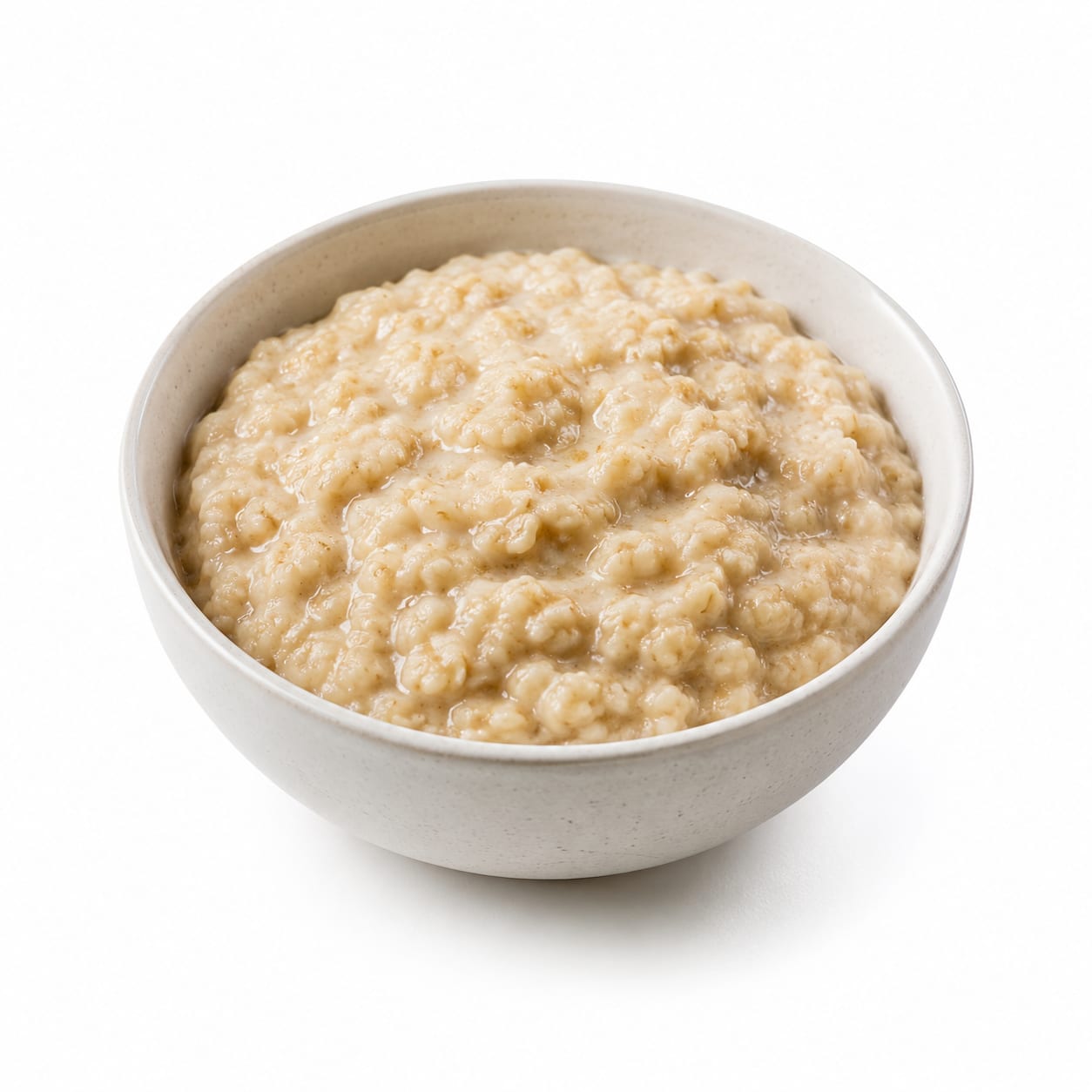
Compare with
Oatmeal
Oatmeal is far superior for weight loss and blood sugar control due to its high beta-glucan fiber content.
Oatmeal is far superior for weight loss and blood sugar control due to its high fiber content.
This food
Risotto
VS75% alike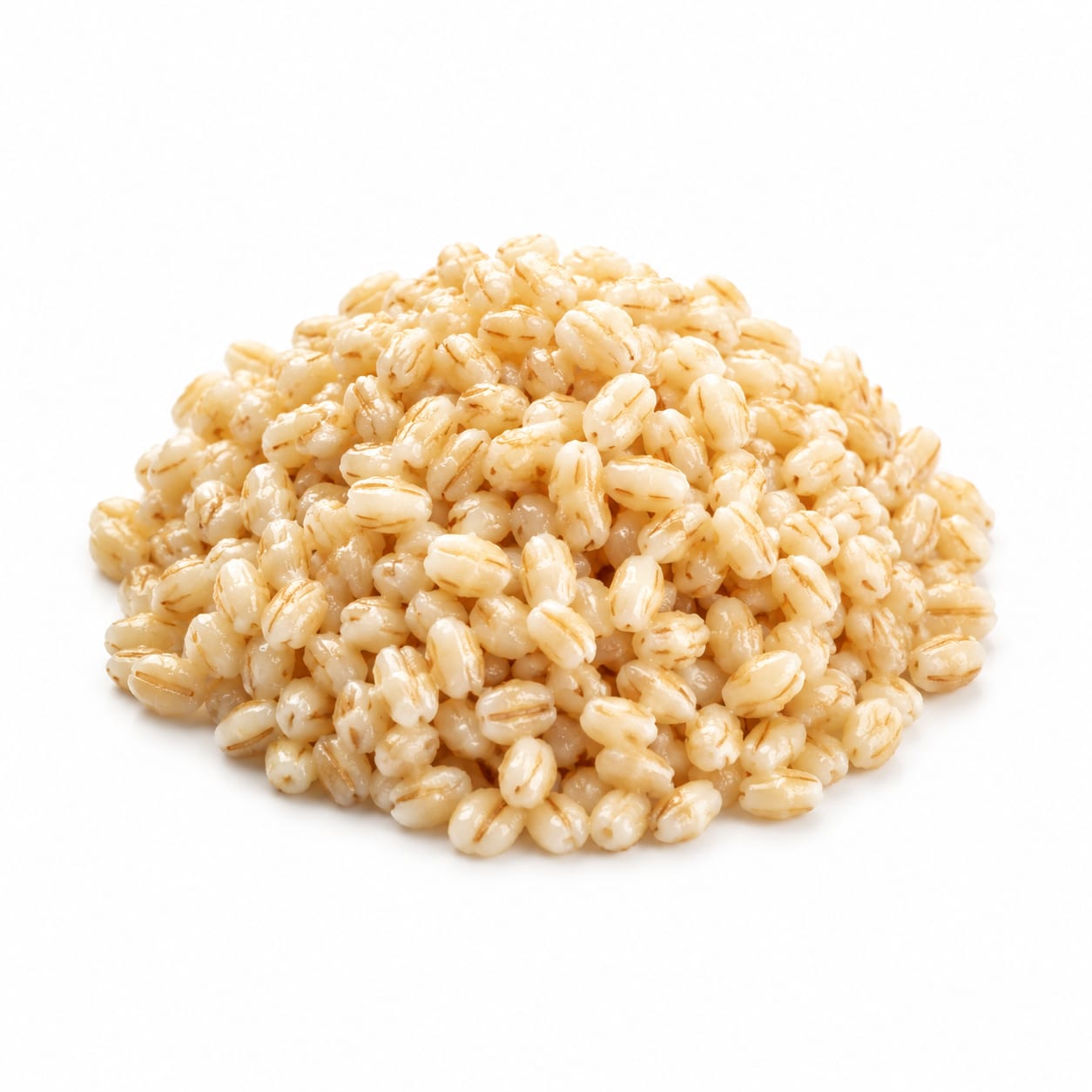
Compare with
Barley
Barley offers significantly more fiber and better blood sugar regulation than traditional risotto.
Barley offers significantly more fiber and better blood sugar regulation than traditional risotto.
This food
Risotto
VS60% alike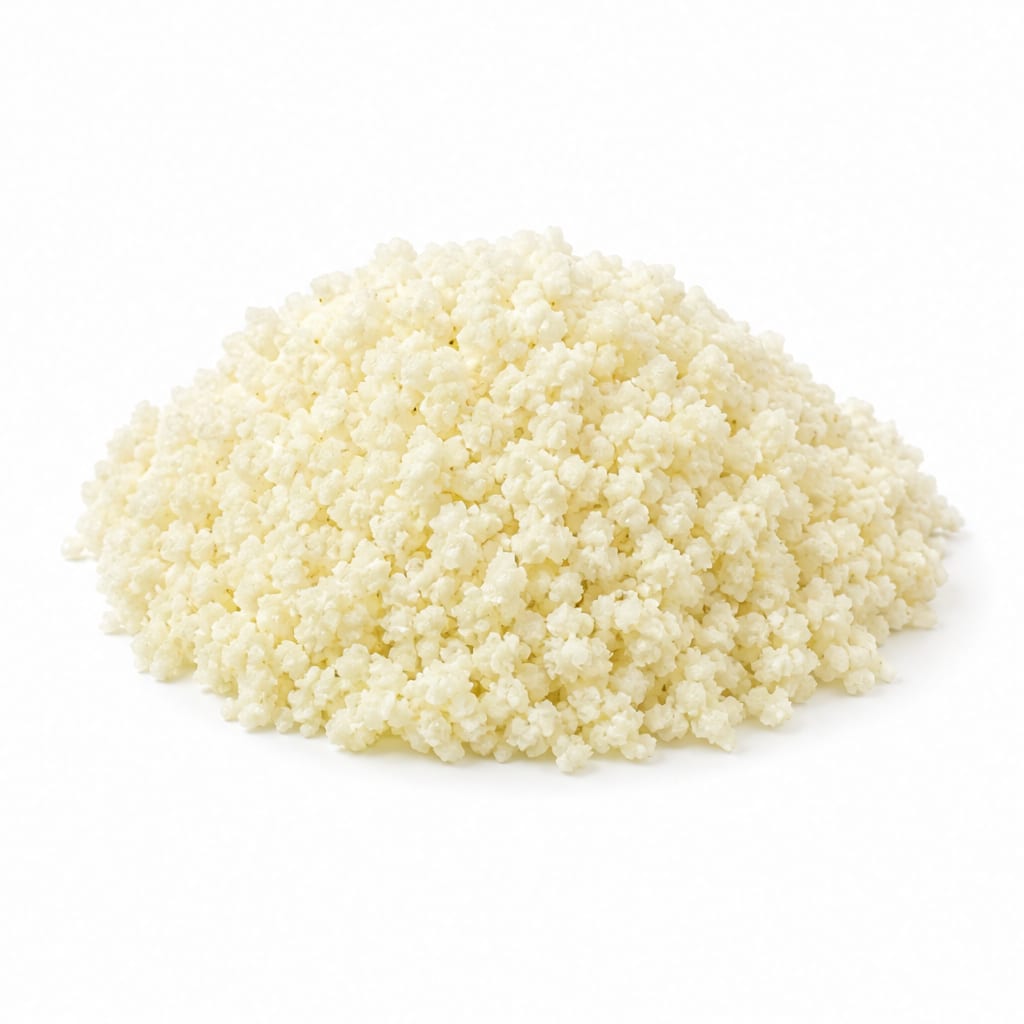
Compare with
Cauliflower Rice
Cauliflower rice is dramatically lower in calories and carbs, making it ideal for weight loss, while risotto provides actual workout fuel.
Cauliflower rice is dramatically lower in calories and carbs, while risotto provides real energy for athletes.
Common questions
FAQ
Answers aligned with how people search for this food.
Is risotto good for weight loss?
Risotto is not ideal for weight loss due to its high calorie density, refined carbohydrates, and low fiber content, which can leave you feeling hungry sooner.
Can diabetics eat risotto?
Diabetics should eat risotto in strict moderation. The refined Arborio rice has a high glycemic index that can spike blood sugar, especially without added fiber or protein.
Is risotto healthier than pasta?
Nutritionally they are similar, but pasta cooked al dente has a slightly lower glycemic index. Risotto often contains more saturated fat from butter and cheese.
Does risotto have a lot of fiber?
No, traditional risotto is very low in fiber because it is made from refined white rice where the bran and germ have been removed.
Is risotto gluten free?
Yes, risotto made with pure Arborio rice is naturally gluten-free, but you should check broth and seasoning labels for hidden gluten.
Why does risotto spike blood sugar?
The starch in Arborio rice, specifically amylopectin, digests very quickly, leading to a rapid release of glucose into the bloodstream.
Can I eat risotto before a workout?
Yes, the fast-digesting carbohydrates in risotto make it a good pre-workout meal for quick energy, provided you eat it 1-2 hours before exercising.
How can I make risotto healthier?
Use whole grains like farro or brown rice, add high-fiber vegetables, reduce butter and cheese, and use low-sodium broth.
Transparency
Data confidence
Estimated confidence for nutrition data, interpretation, safety notes, and comparisons.
Nutrition data
Health analysis
Food safety
Comparisons