
Nutrition comparison
Risotto vs Pasta: Which Is Healthier and Better for Daily Eating?
Compare risotto and pasta on calories, blood sugar impact, gluten, protein, fiber, and convenience. Find out which Italian staple fits your health goals and lifestyle.
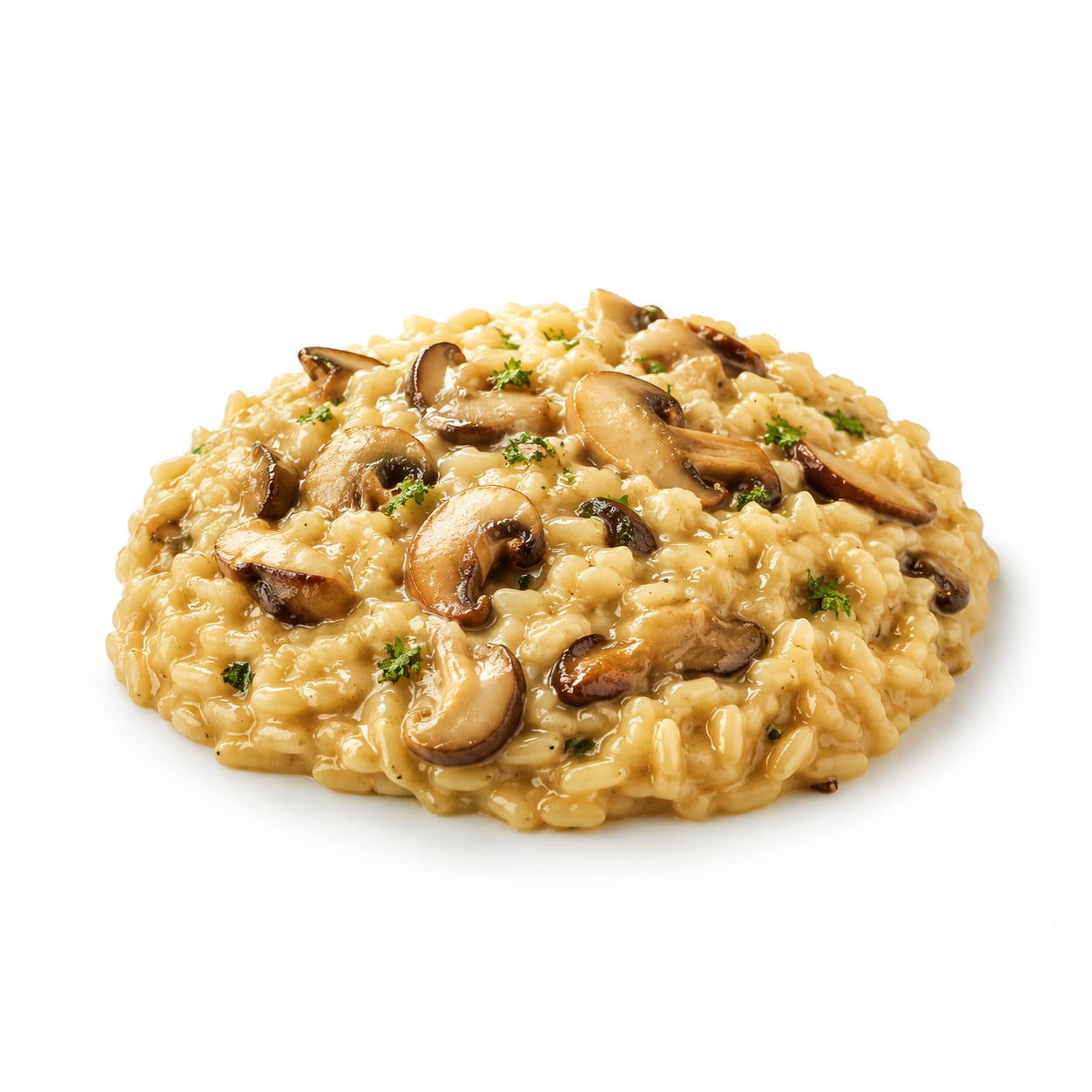
Risotto
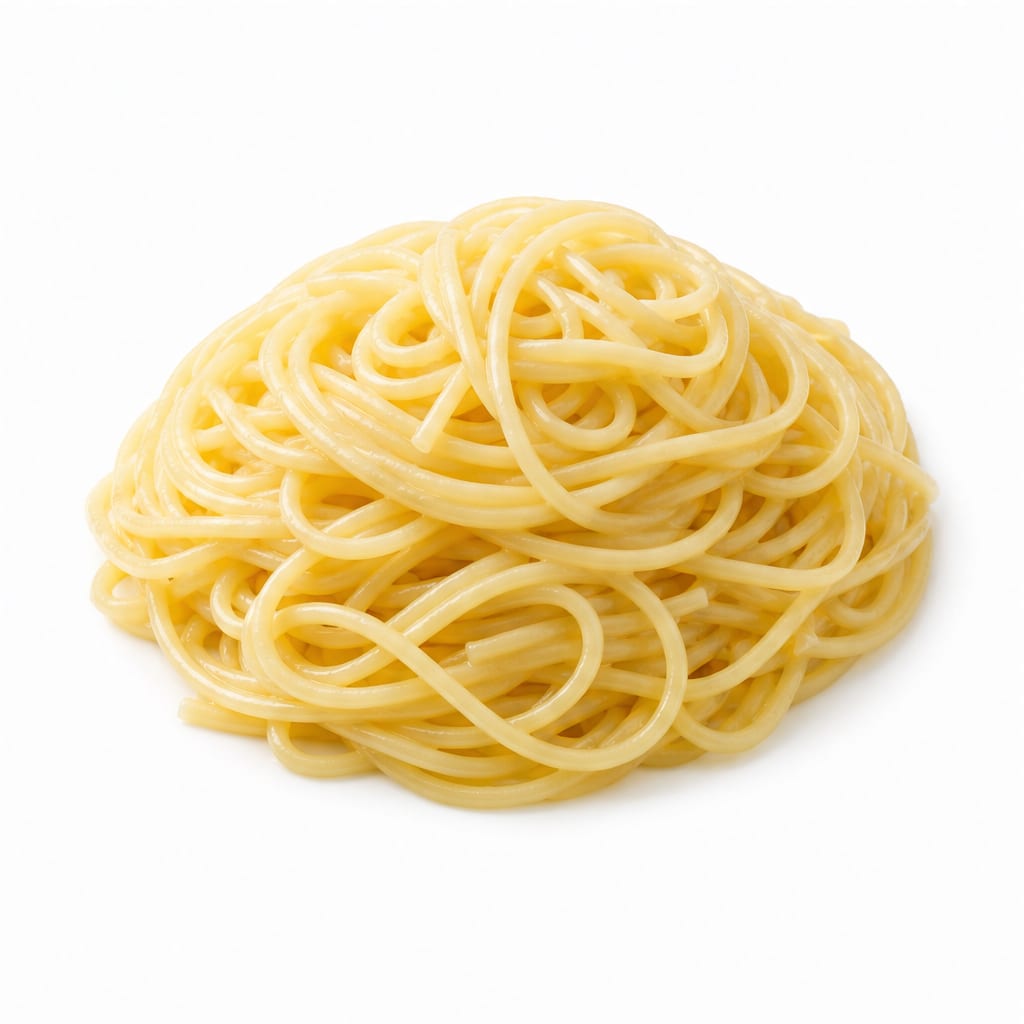
Pasta
Pasta wins on convenience, fiber potential, and protein content. Risotto wins for gluten-free needs and comfort appeal. Both are carb-heavy and require smart portioning.
Pasta scores higher due to better protein content, whole-grain options, reheating convenience, and lower baseline calorie density. Risotto remains competitive for gluten-free diets and special-occasion dining but falls behind for everyday practicality.
Risotto offers a creamy, gluten-free experience at the cost of higher calories and worse leftovers. Pasta delivers more protein, easier meal prep, and whole-grain options but contains gluten.
At a glance
Executive summary
Overall
It depends
Healthier
Pasta
More practical
Pasta
Daily use
Pasta
Key comparison lenses
blood sugar and energy stability
Both are carb-dense staples with different glycemic impacts that affect daily energy and cravings
weight management and calorie control
Risotto's butter and cheese additions make it significantly more calorie-dense than plain pasta
gluten sensitivity and digestive tolerance
Risotto is naturally gluten-free while pasta contains wheat, a major dietary concern for many
meal prep practicality and convenience
Pasta is quick and reheats well; risotto demands active stirring and degrades as leftovers
nutritional customization potential
Both serve as bases but differ in how easily they absorb nutrients from added vegetables and proteins
Best choice for
Risotto
- People with celiac disease or gluten intolerance
- Those seeking a comforting, restaurant-quality meal experience
- Dinners where creaminess replaces the need for heavy sauces
Pasta
- Meal preppers needing reheatable leftovers
- Athletes needing quick carb refueling after training
- Families wanting fast weeknight dinners with easy cleanup
Least suitable for
Risotto
- Anyone strictly counting calories
- People who need quick 15-minute meals
- Those who rely on leftovers for next-day lunches
Pasta
- People with wheat allergies or celiac disease
- Those avoiding gluten for inflammatory concerns
- Diners wanting a naturally creamy dish without added sauces
Deep comparison
Dimension by dimension
Each lens scores both foods and breaks down who each option suits.
- Dimension 1 · Priority 92Pasta
blood sugar stability
Risotto · 35Pasta · 55Both spike blood sugar, but whole-grain pasta options slow the rise. Risotto's arborio rice has a high glycemic index and minimal fiber to buffer the impact.
Tradeoff
Pasta offers a low-GI alternative through whole wheat varieties. Risotto has no equivalent high-fiber rice option that maintains its signature creaminess.
Why it matters
Steadier blood sugar means fewer afternoon energy crashes and less cravings an hour after eating.
Real-world impact
A risotto lunch may leave you hungry again by 2pm. Whole wheat pasta with vegetables keeps you fuller longer.
Risotto
- Quick energy before physical activity
Better for
- Anyone monitoring glucose spikes
- People prone to afternoon energy dips
Worse for
Pasta
- Sustained energy through a long workday
- Avoiding the post-meal sugar crash
- Managing prediabetic blood sugar concerns
Better for
- Those eating white pasta in large portions with no fiber additions
Worse for
- Dimension 2 · Priority 88Pasta
calorie density and weight management
Risotto · 30Pasta · 55Restaurant risotto easily hits 500-700 calories per plate due to butter, oil, cheese, and wine. Plain pasta starts around 300-400 calories before sauce.
Tradeoff
Risotto's creaminess comes from fat-laden stirring additions. Pasta can be dressed lightly with olive oil and vegetables for a lower-calorie meal.
Why it matters
Calorie density determines how easily you can eat a satisfying portion without overconsuming.
Real-world impact
A comforting bowl of risotto can quietly deliver the calories of a large burger. Pasta with marinara is easier to keep moderate.
Risotto
- Gaining healthy weight when appetite is low
Better for
- Anyone tracking calories for weight loss
- People who eat until the bowl looks empty
Worse for
Pasta
- Staying within a daily calorie target
- Larger portion satisfaction for fewer calories
- Flexible sauce control to reduce calories
Better for
- Those who add heavy cream sauces that erase the calorie advantage
Worse for
- Dimension 3 · Priority 85Risotto
gluten and digestive tolerance
Risotto · 90Pasta · 25Risotto is naturally gluten-free since it's rice-based. Standard pasta contains wheat gluten, a problem for millions with sensitivities.
Tradeoff
Choosing risotto avoids gluten entirely but costs more calories. Gluten-free pasta exists but often has worse texture and higher glycemic impact than risotto.
Why it matters
For anyone with celiac disease or gluten sensitivity, this alone can make risotto the clear winner regardless of other factors.
Real-world impact
If wheat causes bloating, brain fog, or digestive distress, risotto is the worry-free Italian option.
Risotto
- Celiac disease or gluten intolerance
- Reducing bloating from wheat consumption
- Dining out safely at Italian restaurants
Better for
- People avoiding arsenic in rice (long-term heavy consumption)
Worse for
Pasta
- Those with no gluten concerns who want wheat's protein benefits
Better for
- Anyone with diagnosed wheat sensitivity
- People experiencing IBS symptoms from gluten
Worse for
- Dimension 4 · Priority 78Pasta
protein and nutritional value
Risotto · 30Pasta · 55Wheat pasta contains about 7-8g protein per dry cup versus arborio rice at 4-5g. Whole wheat pasta also delivers more B vitamins and iron.
Tradeoff
Pasta's protein advantage matters more for vegetarians relying on staple carbs. Risotto's cheese additions close the gap but add saturated fat.
Why it matters
Higher protein staples reduce the need for additional protein sides and improve satiety per bite.
Real-world impact
A pasta dinner with vegetables and parmesan hits 20g+ protein easily. Risotto needs chicken or shrimp added to reach the same level.
Risotto
- Meals where rich additions like seafood boost protein anyway
Better for
- Plant-based eaters needing protein from every component
Worse for
Pasta
- Vegetarians counting on carb staples for protein
- Budget meals needing protein from the base grain
- Athletes combining pasta with lean meat sauce
Better for
- Those who only eat refined white pasta with no protein additions
Worse for
- Dimension 5 · Priority 80Pasta
convenience and meal prep
Risotto · 25Pasta · 80Pasta boils in 8-12 minutes with zero attention. Risotto requires 20-30 minutes of active stirring and liquid additions.
Tradeoff
Risotto rewards patience with a unique creamy texture. Pasta rewards efficiency with a decent meal in half the time.
Why it matters
The food you can actually cook on a Tuesday night always beats the food that's theoretically better but too much work.
Real-world impact
Leftover risotto turns gummy and unappetizing. Pasta reheats beautifully and even tastes better as next-day lunch.
Risotto
- Weekend cooking as a relaxing ritual
- Impressing dinner guests with hands-on technique
Better for
- Anyone who needs leftovers for tomorrow's lunch
- Households where multiple meals are prepped Sunday
Worse for
Pasta
- Weeknight dinners under 20 minutes
- Batch cooking for the week ahead
- Students or busy professionals with limited cooking time
Better for
- Special occasions where the cooking process is part of the experience
Worse for
- Dimension 6 · Priority 72Pasta
fiber and gut health
Risotto · 20Pasta · 60Whole wheat pasta delivers 6-7g fiber per cup. Arborio rice provides under 1g. This gap significantly affects digestion and fullness.
Tradeoff
Pasta has a clear fiber upgrade path via whole wheat. Risotto's rice variety cannot match this no matter the preparation.
Why it matters
Fiber from staple foods reduces the need for extra vegetables to hit daily targets and feeds beneficial gut bacteria.
Real-world impact
Two cups of whole wheat pasta covers a quarter of your daily fiber. The same amount of risotto barely makes a dent.
Risotto
- Moments when low-fiber is preferred, such as before intense exercise
Better for
- Those struggling to meet daily fiber goals
- People with sluggish digestion who need roughage
Worse for
Pasta
- Improving daily fiber intake without supplements
- Supporting regular digestion and gut health
- Feeding beneficial gut bacteria through prebiotic fiber
Better for
- Those eating only refined white pasta, which has similar fiber problems
Worse for
Timeline
Health impact over time
Short-term
Hours to days
Risotto
- Quick energy from easily digested carbohydrates
- High satiety from fat and creaminess but shorter-lasting than fiber-based fullness
- Potential blood sugar spike followed by a crash within 1-2 hours
- Heavy fullness that may cause lethargy after large portions
Pasta
- Rapid energy availability, especially from white pasta
- More sustained fullness when whole wheat varieties are chosen
- Easier digestion for most people unless gluten-sensitive
- Less post-meal drowsiness compared to the fat-heavy risotto
Long-term
Months to years
Risotto
- Frequent consumption may contribute to weight gain due to calorie density
- Low fiber intake from arborio rice offers minimal gut health benefits
- Saturated fat from butter and cheese additions could impact heart health over time
- Arsenic exposure from regular white rice consumption is a minor but real concern
Pasta
- Whole wheat versions support cardiovascular health and stable blood sugar long-term
- Regular gluten consumption is fine for most people but problematic for sensitive individuals
- Higher protein and fiber from wheat contribute to better metabolic markers
- Portion control remains critical as calories add up quickly with sauces
Risk profile
Safety & processing
Both are processed grain products but neither is ultra-processed in its basic form. Dried pasta contains only wheat and water. Arborio rice is milled but not artificially enriched. The real additive concern comes from restaurant preparations adding preservatives in stock cubes or flavored mixes.
Risotto
Arsenic in rice
mediumRice absorbs more arsenic from soil than other grains. Frequent daily consumption over years may increase exposure. Rinsing rice and varying grain intake reduces risk.
Dairy spoilage in leftovers
mediumRisotto's butter and cheese make it more perishable than plain pasta. Leftovers should be refrigerated within 2 hours and consumed within 1-2 days.
Pasta
Wheat contamination and allergen exposure
mediumPasta is a top allergen food. Cross-contamination in restaurants is common. People with celiac disease must verify dedicated preparation areas.
Mycotoxin in wheat
lowWheat can carry trace mycotoxins from fungal contamination. Regulations limit this heavily, but occasional exposure is possible in lower-quality products.
Who wins for whom
Audience fit
Same foods, different winners depending on your goal.
children
PastaKids generally prefer pasta's familiar texture and mild taste. It's faster for parents to prepare and easier to sneak vegetables into with sauce.
daily consumption
PastaPasta is quicker, reheats better, offers whole-grain options, and fits more easily into a varied weekly meal rotation without fatigue.
diabetes
PastaWhole wheat pasta has a lower glycemic index and more fiber to slow glucose absorption. Risotto's arborio rice spikes blood sugar faster with almost no fiber buffer.
elderly
RisottoRisotto's soft, creamy texture is easier to chew and swallow for those with dental issues. Its warmth and comfort also encourage eating when appetite is low.
muscle gain
PastaPasta has more protein per serving and pairs better with lean meat sauces for post-workout meals. Risotto's fat content slows protein absorption.
weight loss
PastaPasta allows better portion and calorie control, especially with tomato-based sauces. Risotto's hidden fats from butter and cheese make calorie tracking harder.
Your move
Decision guide
Choose Risotto
- You have celiac disease or gluten intolerance and want an authentic Italian experience
- You're cooking a romantic or special-occasion dinner where the process matters
- You need a soft, comforting meal that's easy to eat with dental or swallowing difficulties
- You want a naturally creamy dish without adding a separate heavy sauce
Choose Pasta
- You need dinner on the table in under 20 minutes on a weeknight
- You meal prep and rely on leftovers for lunch the next day
- You want whole-grain fiber benefits and higher protein from your carb base
- You're managing calories, blood sugar, or trying to lose weight
Either works if
- You're eating at an Italian restaurant and both are made fresh with quality ingredients
- You plan to load either dish with vegetables and lean protein anyway
- You're eating carbs before intense physical activity and need the energy
Avoid both if
- You're on a strict low-carb or ketogenic diet
- You have diabetes and are eating a large portion with no protein or fiber additions
- You're trying to reduce refined carbohydrate intake for metabolic health
Final recommendation
Make pasta your everyday staple for its convenience, fiber potential, and protein edge. Save risotto for weekends and special occasions when you can enjoy its creamy comfort without rushing. If gluten is a hard no, risotto becomes your go-to Italian carb — just watch portions and add vegetables to compensate for the missing fiber.
Practical
Consumer tips
- 1
Choose whole wheat or legume-based pasta to dramatically improve fiber and protein content
- 2
Add vegetables directly into risotto during cooking — mushrooms, peas, and asparagus blend seamlessly into the creamy texture
- 3
Rinse arborio rice before cooking to reduce surface arsenic
- 4
Use broth instead of cream in risotto to cut calories while maintaining flavor depth
- 5
Toss pasta with olive oil and vegetables instead of cream sauce to keep the calorie advantage
- 6
If you need gluten-free pasta, look for lentil or chickpea varieties that actually improve the protein and fiber profile over wheat pasta
- 7
Make risotto in smaller portions since it does not reheat well — cook only what you will eat fresh