
Nutrition comparison
Risotto vs Oatmeal: Which Is Healthier for Daily Eating?
Compare risotto and oatmeal on blood sugar, heart health, satiety, and daily practicality. Oatmeal wins for regular use, but risotto has its place as an occasional indulgence.
Overall winner · Oatmeal
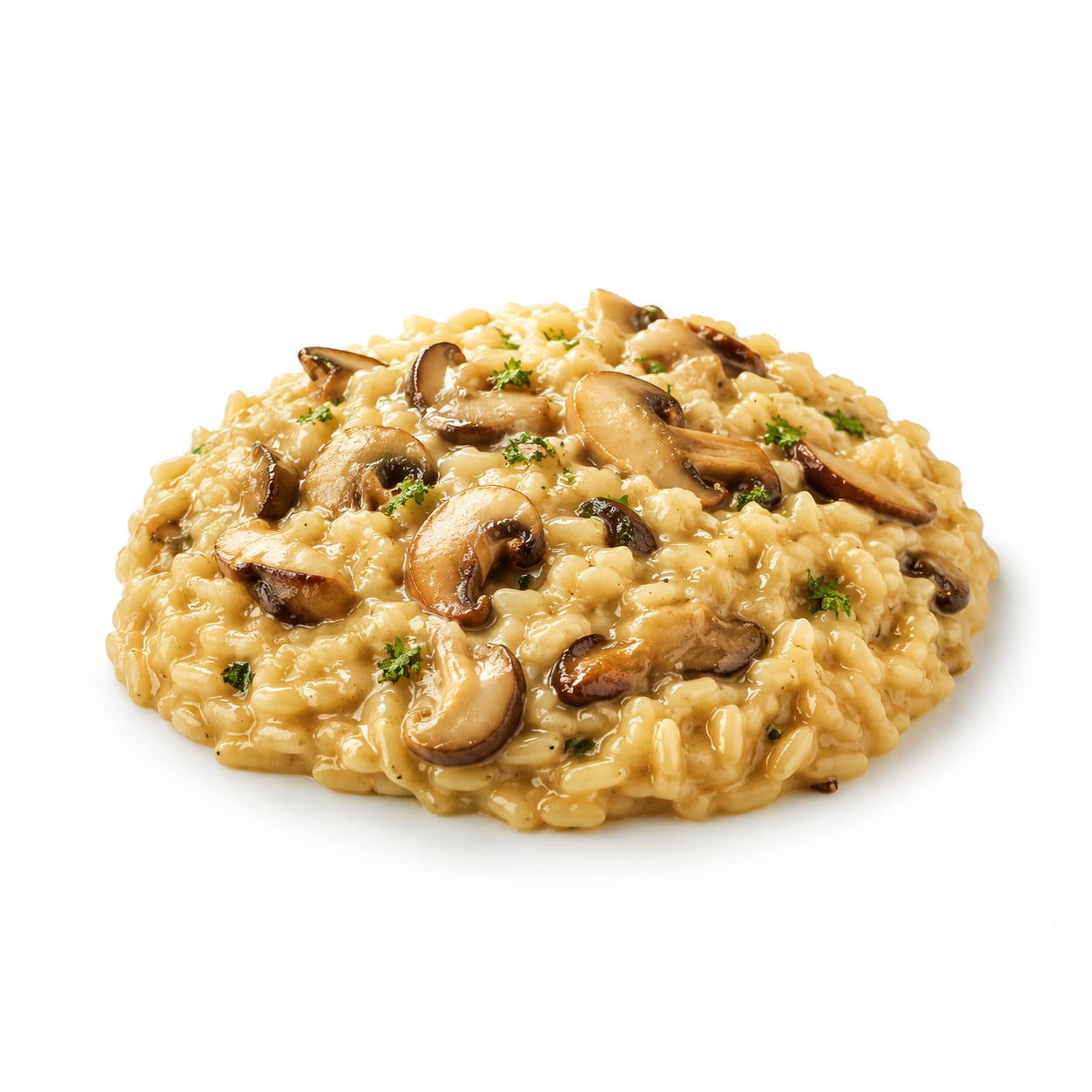
Risotto
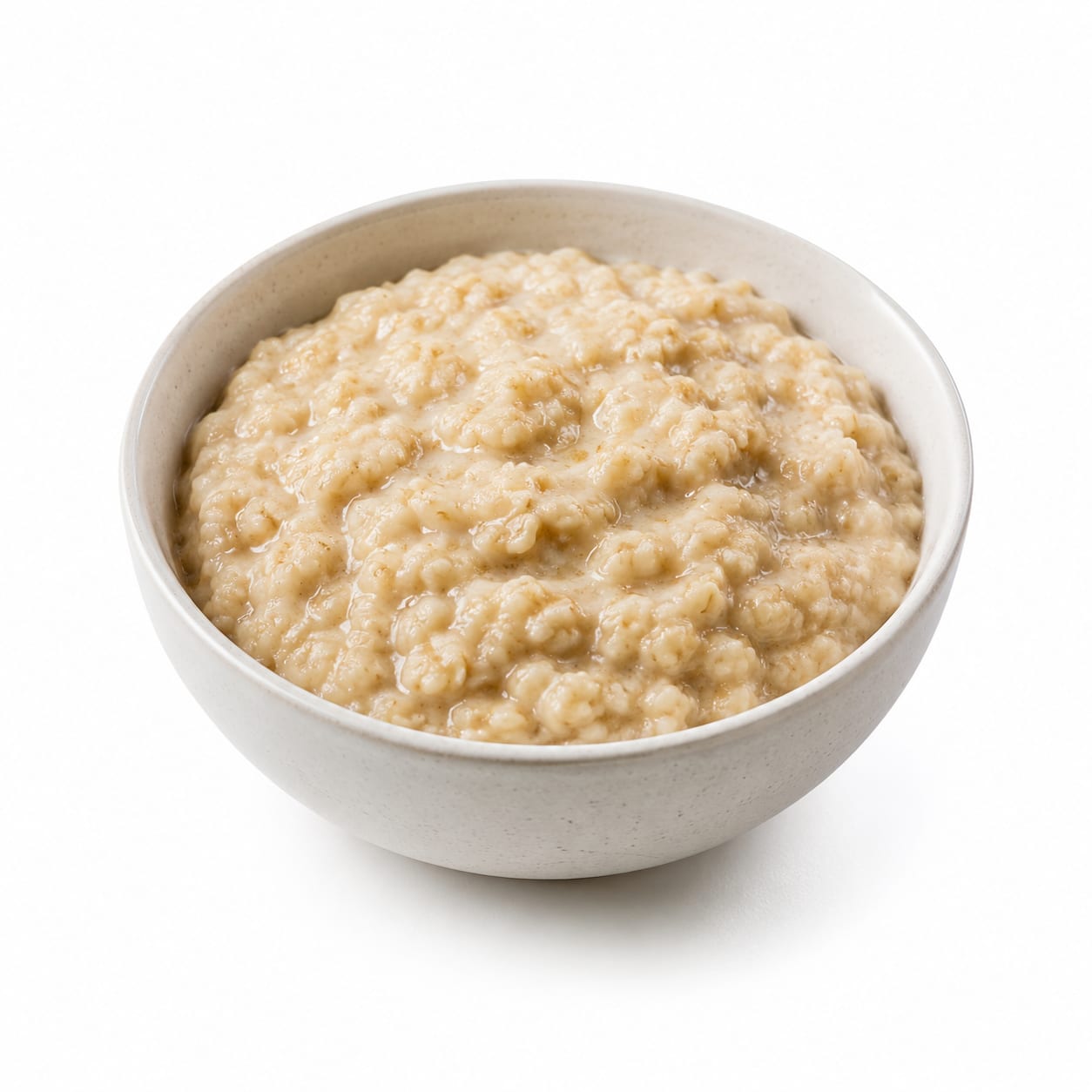
Oatmeal
Oatmeal wins for daily health, satiety, and blood sugar stability. Risotto is an enjoyable indulgence best saved for occasional meals.
Oatmeal scores dramatically higher due to superior fiber, blood sugar control, heart benefits, and daily practicality. Risotto is not unhealthy in isolation but is fundamentally a refined-carb indulgence unsuited for regular use.
You trade the rich, savory satisfaction of risotto for the steady energy, heart protection, and fullness that oatmeal provides.
At a glance
Executive summary
Overall
Oatmeal
Healthier
Oatmeal
More practical
Oatmeal
Daily use
Oatmeal
Key comparison lenses
blood sugar and energy stability
Risotto uses refined arborio rice causing sharper glucose spikes, while oatmeal's soluble fiber delivers steadier, longer-lasting energy
daily breakfast suitability
Users comparing these are likely deciding what to eat regularly each morning, where convenience and health compound over time
weight management and satiety
Oatmeal's fiber keeps you full far longer than risotto's refined carbs, making overeating less likely
heart health and cholesterol
Beta-glucan in oats actively lowers LDL cholesterol; risotto's butter and cheese raise saturated fat intake
comfort and emotional eating
Both are creamy and comforting, but risotto feels more indulgent and restaurant-like while oatmeal feels like nurturing self-care
Best choice for
Risotto
- Special occasion dinners
- Savory carb cravings
- Post-intensive workout carb refueling
- Social dining and entertaining guests
Oatmeal
- Daily breakfast routine
- Weight loss or maintenance
- Heart health and cholesterol management
- Sustained energy through busy mornings
- Diabetes or blood sugar concerns
Least suitable for
Risotto
- Daily breakfast consumption
- Blood sugar management
- Low-calorie or weight loss diets
- Heart-healthy eating plans
Oatmeal
- Savory dinner cravings
- High-calorie bulking diets needing density
- Those with oat sensitivity or celiac concerns
Deep comparison
Dimension by dimension
Each lens scores both foods and breaks down who each option suits.
- Dimension 1 · Priority 95Oatmeal
Blood Sugar Stability
Risotto · 25Oatmeal · 88Oatmeal's beta-glucan fiber slows glucose absorption significantly. Risotto's refined arborio rice digests quickly, causing sharper spikes and crashes.
Tradeoff
Risotto gives quick energy but leaves you hungry sooner. Oatmeal delivers gradual fuel that carries you through the morning.
Why it matters
Steady blood sugar means fewer cravings, better focus, and less afternoon fatigue.
Real-world impact
After risotto, you may feel sleepy and reach for a snack within 90 minutes. After oatmeal, you stay satisfied and focused for 3-4 hours.
Risotto
- Quick post-workout glycogen replenishment
Better for
- People with prediabetes or metabolic syndrome
- Anyone prone to afternoon energy dips
Worse for
Oatmeal
- Avoiding mid-morning energy crashes
- Managing diabetes or insulin resistance
- Sustained focus during long work sessions
Better for
- Athletes needing immediate post-exercise carbs
Worse for
- Dimension 2 · Priority 90Oatmeal
Satiety and Fullness
Risotto · 35Oatmeal · 85Oatmeal absorbs water and expands in your stomach, while its soluble fiber delays stomach emptying. Risotto digests faster despite feeling heavy initially.
Tradeoff
Risotto feels rich and filling in the moment but that fullness fades quickly. Oatmeal builds quieter, longer-lasting satisfaction.
Why it matters
Foods that keep you full reduce spontaneous snacking and make portion control effortless.
Real-world impact
A bowl of oatmeal at 7am often carries you to noon. Risotto at noon often has you eyeing snacks by 2pm.
Risotto
- When you want to feel indulged and satisfied right now
Better for
- People who struggle with portion control
- Anyone trying to reduce between-meal snacking
Worse for
Oatmeal
- Preventing overeating later in the day
- Busy mornings when you cannot snack
- Weight management without counting calories
Better for
- Those who find oatmeal too bland to finish
Worse for
- Dimension 3 · Priority 85Oatmeal
Heart Health
Risotto · 20Oatmeal · 92Oats contain beta-glucan, clinically proven to lower LDL cholesterol. Risotto typically includes butter, parmesan, and salt, raising saturated fat and sodium.
Tradeoff
Every bowl of oatmeal actively protects your heart. Every bowl of risotto adds saturated fat and sodium that stress it.
Why it matters
Heart disease builds silently over decades. Daily food choices compound dramatically.
Real-world impact
Eating oatmeal daily can lower LDL cholesterol by 5-10%. Regular risotto contributes to the saturated fat load that narrows arteries over years.
Risotto
- People managing hypertension
- Anyone watching saturated fat intake
Worse for
Oatmeal
- Anyone with family history of heart disease
- People with elevated LDL cholesterol
- Long-term cardiovascular protection
Better for
- Dimension 4 · Priority 80Oatmeal
Nutrient Density
Risotto · 30Oatmeal · 80Oatmeal delivers manganese, phosphorus, magnesium, iron, zinc, and B-vitamins alongside its fiber. Risotto's refined rice loses most nutrients during milling.
Tradeoff
Oatmeal gives you more vitamins and minerals per calorie. Risotto gives you more calories with fewer micronutrients.
Why it matters
Nutrient-dense foods nourish your body without excess calories, supporting metabolism and immune function.
Real-world impact
A serving of oatmeal covers roughly 20% of your daily iron and magnesium needs. Risotto covers less than 5% of most micronutrients.
Risotto
- Anyone eating mostly refined carbs already
Worse for
Oatmeal
- Covering micronutrient gaps affordably
- Supporting energy metabolism and bone health
Better for
- Dimension 5 · Priority 75Oatmeal
Convenience and Practicality
Risotto · 20Oatmeal · 90Oatmeal cooks in 2-5 minutes with just water or milk. Risotto requires 20-30 minutes of constant stirring, broth additions, and attention.
Tradeoff
Oatmeal is a realistic daily habit. Risotto demands time and effort that most people cannot sustain regularly.
Why it matters
The healthiest food is the one you actually eat consistently. Convenience drives consistency.
Real-world impact
On a busy weekday morning, oatmeal is ready before your coffee finishes brewing. Risotto is a weekend project.
Risotto
- Weekend cooking as a relaxing ritual
- Impressing dinner guests
Better for
- Anyone with limited morning time
- People who dislike cooking
Worse for
Oatmeal
- Rushed weekday mornings
- Meal prep and batch cooking
- Minimal cleanup cooking
Better for
- Dimension 6 · Priority 78Oatmeal
Digestive Health
Risotto · 30Oatmeal · 88Oatmeal's soluble and insoluble fiber feeds gut bacteria and promotes regular bowel movements. Risotto's refined rice provides almost no fiber.
Tradeoff
Oatmeal actively improves your gut over time. Risotto offers nothing for digestive health and may contribute to sluggish digestion.
Why it matters
Gut health affects immunity, mood, and nutrient absorption far beyond digestion itself.
Real-world impact
Regular oatmeal eaters often notice more regular digestion within days. Risotto offers no such benefit.
Risotto
- People with sluggish digestion
- Anyone not getting enough fiber elsewhere
Worse for
Oatmeal
- Improving gut microbiome diversity
- Relieving occasional constipation
- Supporting immune function through gut health
Better for
- Dimension 7 · Priority 65It depends
Emotional Satisfaction and Comfort
Risotto · 80Oatmeal · 70Risotto feels like a warm hug from an Italian kitchen. Oatmeal feels like a nurturing act of self-care. Both comfort differently.
Tradeoff
Risotto satisfies hedonic cravings more intensely. Oatmeal satisfies the deeper comfort of knowing you treated your body well.
Why it matters
Emotional satisfaction prevents feelings of deprivation that derail healthy eating.
Real-world impact
When you need to feel pampered, risotto delivers. When you need to feel grounded and cared for, oatmeal delivers.
Risotto
- Celebratory meals and special occasions
- Satisfying savory comfort food cravings
Better for
- Emotional eaters who struggle with guilt after indulging
Worse for
Oatmeal
- Starting the day with a nurturing ritual
- Feeling good about your choices all morning
Better for
- People who find sweet breakfasts unsatisfying
Worse for
Timeline
Health impact over time
Short-term
Hours to days
Risotto
- Quick energy surge followed by drowsiness within 1-2 hours
- Immediate savory satisfaction and fullness
- Potential bloating from rich dairy and refined carbs
- Blood sugar spike requiring insulin response
Oatmeal
- Steady energy release over 3-4 hours
- Gentle digestive comfort without heaviness
- Gradual blood sugar rise without sharp peaks
- Warm, grounded feeling without sluggishness
Long-term
Months to years
Risotto
- Regular consumption increases risk of insulin resistance
- Saturated fat from butter and cheese raises cardiovascular risk
- Low fiber intake contributes to poor gut health
- Higher sodium load may elevate blood pressure over time
Oatmeal
- Beta-glucan fiber reduces LDL cholesterol consistently
- Improved gut microbiome diversity and digestive regularity
- Better blood sugar control lowers type 2 diabetes risk
- Sustained satiety supports healthy weight maintenance
Risk profile
Safety & processing
Plain oatmeal is essentially whole oats with minimal processing. Risotto involves refined white rice stripped of its bran and germ, plus added butter, cheese, and often wine. Even homemade risotto is a more processed, less natural food than simple oatmeal.
Risotto
Arsenic exposure from rice
mediumRice absorbs more arsenic from soil than other grains. Regular consumption of rice-based dishes like risotto increases cumulative arsenic exposure, particularly concerning for children and pregnant women.
Foodborne illness from improper rice handling
mediumCooked rice left at room temperature can harbor Bacillus cereus, a bacteria that causes food poisoning. Risotto must be refrigerated promptly and reheated thoroughly.
Oatmeal
Cross-contamination with gluten
lowPure oats are naturally gluten-free, but commercial oats are frequently processed in facilities that handle wheat. Those with celiac disease must choose certified gluten-free oats.
Pesticide residue on conventional oats
lowOats may carry trace pesticide residues, particularly glyphosate used as a pre-harvest desiccant. Choosing organic oats significantly reduces this exposure.
Who wins for whom
Audience fit
Same foods, different winners depending on your goal.
children
OatmealOatmeal provides growing bodies with steady energy, iron, and fiber. Risotto's refined carbs and saturated fat are less ideal for daily childhood nutrition, and rice arsenic concerns are greater for kids.
daily consumption
OatmealOatmeal's nutrient profile, convenience, and health benefits compound positively with daily use. Risotto's saturated fat, sodium, and refined carbs compound negatively.
diabetes
OatmealOatmeal's soluble fiber significantly blunts glucose response. Risotto's refined rice causes rapid blood sugar spikes that challenge insulin management.
elderly
OatmealOatmeal supports heart health, digestive regularity, and stable blood sugar, all critical concerns for older adults. Risotto's sodium and saturated fat work against these priorities.
muscle gain
It dependsRisotto provides faster-digesting carbs useful post-workout, but oatmeal offers better sustained nutrition. Neither is a protein powerhouse; both need protein additions.
weight loss
OatmealOatmeal's fiber and protein keep you full on fewer calories. Risotto is calorie-dense with low satiety, making portion control difficult.
Your move
Decision guide
Choose Risotto
- You are cooking a special weekend dinner and want something impressive
- You need quick carbs after an intense endurance workout
- You are at an Italian restaurant and want to enjoy the experience mindfully
- You rarely eat risotto and want to savor it as a treat
Choose Oatmeal
- You want a reliable, healthy breakfast you can eat every day
- Steady energy and focus through your morning matters to you
- You are managing your weight, cholesterol, or blood sugar
- You need something fast and nourishing before a busy day
- You want to improve your digestion and gut health over time
Either works if
- You are simply craving a warm, comforting bowl of something
- You want a carb base to add toppings and flavors to
- It is a cold day and you need something warming
Avoid both if
- You need a high-protein meal without additions
- You are on a strict very-low-carb or ketogenic diet
- You have sensitivities to both gluten and rice
Final recommendation
Make oatmeal your daily default and treat risotto as an occasional pleasure. The health gap between them is substantial: oatmeal actively protects your heart, steadies your energy, and feeds your gut. Risotto gives you a delicious experience but asks for a metabolic price. If you love risotto, enjoy it monthly, not weekly. If you want to elevate your oatmeal, add nuts, seeds, berries, or a spoon of nut butter to make it even more nutritious and satisfying.
Practical
Consumer tips
- 1
Choose steel-cut or rolled oats over instant oatmeal packets, which contain added sugar and less fiber
- 2
If making risotto, use less butter and cheese, add vegetables like peas or mushrooms, and consider brown arborio rice for more fiber
- 3
Add a tablespoon of chia or flax seeds to oatmeal to boost omega-3s and further slow digestion
- 4
Rinse rice before cooking risotto to reduce arsenic levels by roughly 30%
- 5
Savory oatmeal with broth, herbs, and a poached egg can satisfy risotto-like cravings with far better nutrition
- 6
Certified gluten-free oats are essential for anyone with celiac disease or gluten sensitivity
- 7
Batch-cook steel-cut oats overnight in a slow cooker for grab-and-go mornings