
Nutrition comparison
Risotto vs Couscous: Which Grain Dish Is Better for You?
Compare risotto and couscous on nutrition, convenience, blood sugar impact, and gluten content. Find out which one fits your lifestyle, diet goals, and weeknight schedule.
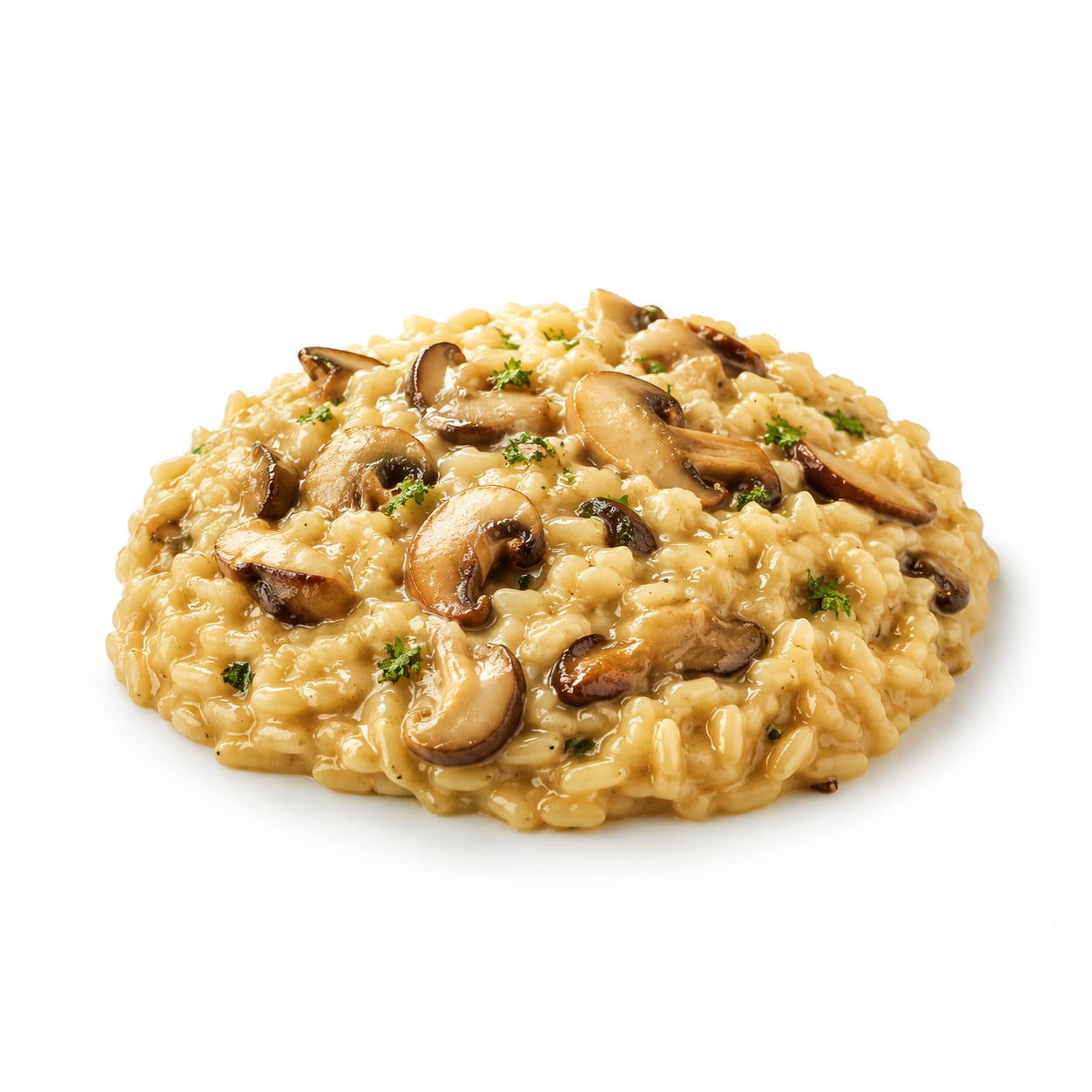
Risotto
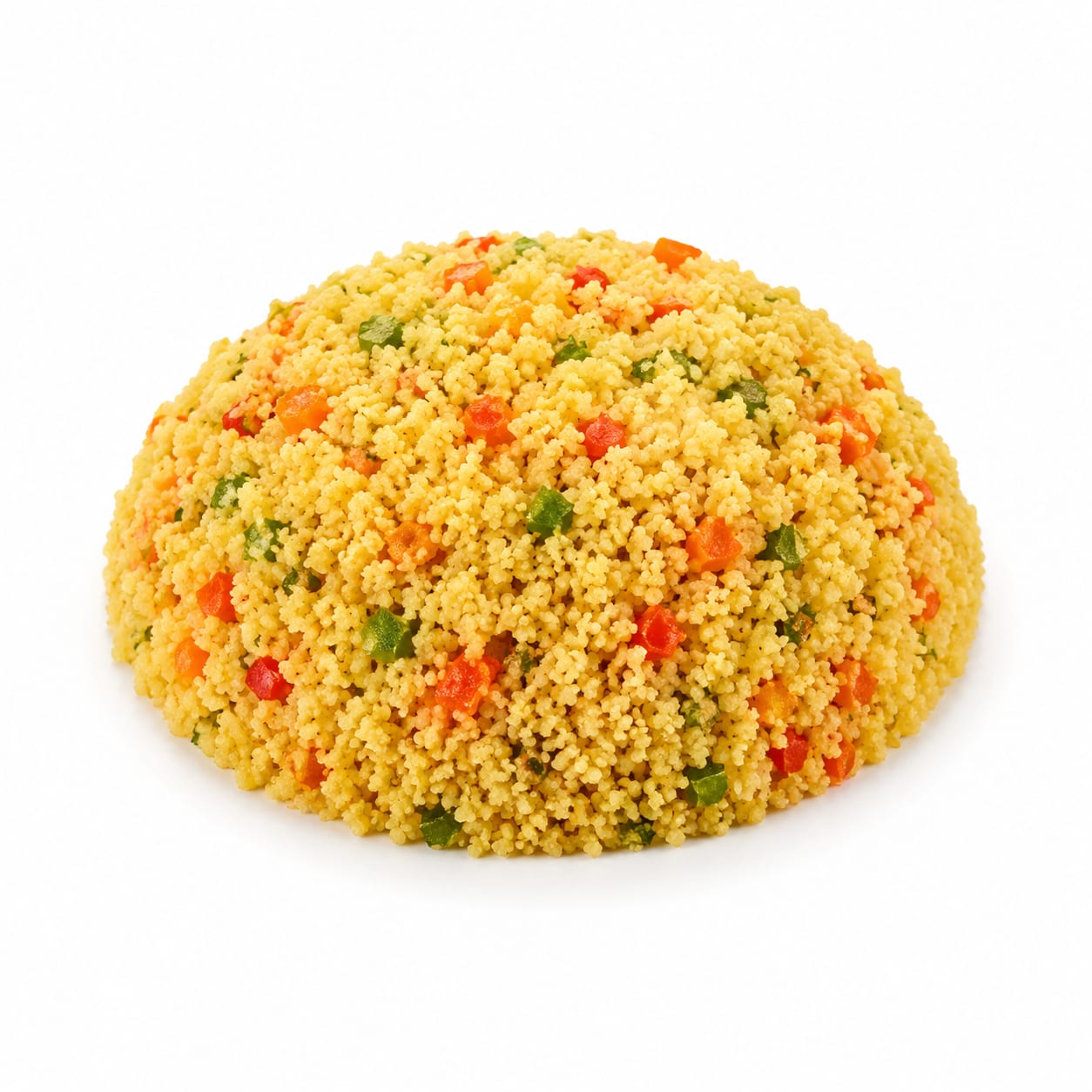
Couscous
Couscous wins on convenience and lighter nutrition; risotto wins on satisfaction and gluten-free needs.
Couscous scores higher due to convenience, lower calorie density, and better daily practicality, but risotto remains competitive for gluten-free diets and emotional satisfaction.
Risotto delivers creamy comfort at the cost of time and calories, while couscous offers speed and portion control but less indulgence.
At a glance
Executive summary
Overall
It depends
Healthier
Couscous
More practical
Couscous
Daily use
Couscous
Key comparison lenses
weeknight dinner convenience vs comfort food indulgence
The 20-minute couscous vs 40-minute risotto prep gap is the dealbreaker for most home cooks deciding between these two
blood sugar and carb quality comparison
Both are refined grain dishes that spike blood sugar, but the fiber and protein differences matter for energy stability
gluten-free dietary needs
Risotto is naturally gluten-free while couscous contains wheat, a critical distinction for celiac or gluten-sensitive users
calorie and portion control for weight management
Risotto's butter and cheese additions make it significantly more calorie-dense than plain couscous
meal prep and batch cooking practicality
Couscous reheats well and scales easily, while risotto toughens when stored and is best eaten immediately
Best choice for
Risotto
- People avoiding gluten
- Romantic dinners or special occasions
- Anyone craving rich, comforting textures
- Those who find low-fat meals unsatisfying
Couscous
- Busy weeknight meals under 15 minutes
- Meal preppers and batch cookers
- Anyone watching calorie intake
- Athletes needing quick carb refueling
Least suitable for
Risotto
- Gluten-sensitive individuals who add ingredients with hidden gluten
- Anyone short on time after work
- Strict calorie counters
- People who dislike standing over a stove stirring
Couscous
- Anyone with celiac disease or wheat allergy
- People seeking rich, indulgent flavors
- Those wanting a filling one-dish meal without add-ins
Deep comparison
Dimension by dimension
Each lens scores both foods and breaks down who each option suits.
- Dimension 1 · Priority 95Couscous
Convenience and Prep Time
Risotto · 30Couscous · 92Couscous is ready in 5 minutes with hot water; risotto demands 25-40 minutes of active stirring and attention.
Tradeoff
You trade the meditative cooking ritual and creamy result of risotto for near-instant gratification with couscous.
Why it matters
On a Tuesday at 7pm, most people will actually make couscous and skip risotto entirely.
Real-world impact
Couscous turns a hungry evening into a fed evening in minutes; risotto often becomes a weekend-only project.
Risotto
- Leisurely weekend cooking
- Impressing dinner guests with effort
Better for
- Time-crunched weeknights
- Meal prep Sundays when you need quantity
Worse for
Couscous
- Post-work dinners
- Last-minute meal emergencies
- Student or busy-parent schedules
Better for
- Cooking as a relaxing ritual
- Dates where the process is part of the experience
Worse for
- Dimension 2 · Priority 85It depends
Blood Sugar Stability
Risotto · 38Couscous · 42Both are refined carbs that spike blood sugar, but couscous has slightly more protein and fiber to slow the rise.
Tradeoff
Neither is ideal for blood sugar control, but couscous with vegetables and lean protein causes a slightly gentler curve than butter-heavy risotto.
Why it matters
If you struggle with afternoon energy crashes, both dishes need strategic pairing with fiber and protein to avoid the slump.
Real-world impact
A couscous bowl with chickpeas and roasted vegetables feels steadier than risotto alone, but both leave you hungry again within 2-3 hours without add-ons.
Risotto
- Meals where cheese and butter add fat to slow gastric emptying
Better for
- Large portions eaten alone without protein
- Sedentary evenings followed by bedtime
Worse for
Couscous
- Portions paired with high-fiber vegetables
- Post-workout carb replenishment when fast absorption is wanted
Better for
- Plain couscous as a standalone snack
- Anyone counting on sustained energy for hours
Worse for
- Dimension 3 · Priority 80Risotto
Gluten and Allergen Profile
Risotto · 88Couscous · 15Risotto is naturally gluten-free; couscous is made from wheat semolina and absolutely contains gluten.
Tradeoff
If gluten is a concern, risotto is the clear choice with no substitutions needed, while gluten-free couscous alternatives exist but taste noticeably different.
Why it matters
For the estimated 6% of people with gluten sensitivity and 1% with celiac, this alone decides the comparison.
Real-world impact
A gluten-free person can order risotto at most Italian restaurants confidently; couscous options are far more limited and risky.
Risotto
- Celiac disease management
- Gluten sensitivity without compromise
- Dining out with fewer worries
Better for
- Only if cross-contamination occurs with added ingredients
Worse for
Couscous
- No advantage for gluten-related concerns
Better for
- Anyone with wheat allergy
- Celiac disease
- Non-celiac gluten sensitivity
Worse for
- Dimension 4 · Priority 78Couscous
Calorie Density and Portion Control
Risotto · 35Couscous · 68Plain couscous delivers roughly 110 calories per cooked cup, while risotto easily hits 250-350 calories per cup from butter, oil, and cheese.
Tradeoff
Risotto's richness makes smaller portions satisfying, but most people eat full servings and consume far more calories than intended.
Why it matters
For anyone tracking intake, couscous gives you a bigger visual plate for fewer calories, which helps with adherence.
Real-world impact
A couscous bowl with vegetables and lean protein can stay under 400 calories; an equivalent risotto plate often exceeds 600.
Risotto
- People who prefer smaller, richer portions
- Those who feel satisfied by fat rather than volume
Better for
- Mindless eating while the pot is nearby
- Anyone underestimating how calorie-dense restaurant risotto is
Worse for
Couscous
- Volume eaters who want full plates
- Calorie counters and weight loss efforts
- Anyone who feels deprived on small portions
Better for
- Meals where lightness leaves you reaching for snacks an hour later
Worse for
- Dimension 5 · Priority 75Risotto
Satiety and Satisfaction
Risotto · 78Couscous · 48Risotto's fat and creaminess make it genuinely more filling and emotionally satisfying per bite than couscous.
Tradeoff
That satisfaction comes with a calorie cost that may not be worth it for everyday eating.
Why it matters
If a meal leaves you unsatisfied, you snack later anyway, negating any calorie savings from the lighter option.
Real-world impact
After risotto, you are likely done eating for the evening; after couscous alone, you may find yourself back in the kitchen within 90 minutes.
Risotto
- Emotional eaters who need meals to feel like a real experience
- Cold evenings craving warmth and richness
Better for
- Anyone prone to overeating rich foods
- Late dinners close to bedtime
Worse for
Couscous
- Hot days when heavy food sounds unappealing
- Multi-course meals where the grain is a side, not the star
Better for
- People who feel hungry again quickly after light meals
- Emotional eaters who find plain carbs unsatisfying
Worse for
- Dimension 6 · Priority 70It depends
Versatility and Flavor Pairing
Risotto · 72Couscous · 75Couscous is a neutral canvas for any cuisine; risotto pairs beautifully with Italian and Mediterranean flavors but feels out of place elsewhere.
Tradeoff
Couscous adapts to Moroccan, Middle Eastern, French, and even Asian flavors; risotto shines in its lane but resists fusion.
Why it matters
If you cook diverse cuisines weekly, couscous fits more often; if you love Italian food, risotto never feels wrong.
Real-world impact
Leftover couscous becomes salad, soup addition, or stir-fry base; leftover risotto becomes arancini or sits in the fridge getting gummy.
Risotto
- Italian-themed dinners
- Mushroom, seafood, or saffron showcases
Better for
- Attempting Asian or Latin flavor profiles
- Cold applications or lunchbox meals
Worse for
Couscous
- Global cuisine exploration
- Using up random vegetable and protein leftovers
- Cold grain salads for lunch
Better for
- Romantic Italian dinner authenticity
Worse for
- Dimension 7 · Priority 68Couscous
Meal Prep and Leftover Quality
Risotto · 25Couscous · 80Couscous reheats well and stores for days; risotto develops an undesirable gummy texture when refrigerated and reheated.
Tradeoff
Risotto is a peak-freshness dish that suffers from storage; couscous barely changes texture over 3-4 days.
Why it matters
If you cook once for the week, couscous is reliable; risotto will disappoint you on day two.
Real-world impact
Sunday meal preppers can make a large couscous batch confidently; risotto must be made fresh each time for best results.
Risotto
- Fresh-only cooking philosophy
- Transforming leftovers into arancini balls
Better for
- Anyone who cooks in bulk
- Reheating expectations
Worse for
Couscous
- Weekly meal prep routines
- Packable lunches that reheat in 60 seconds
- Budget-conscious cooks minimizing waste
Better for
- No significant downside for storage
Worse for
Timeline
Health impact over time
Short-term
Hours to days
Risotto
- Quick blood sugar rise from refined Arborio rice, especially in large portions
- Heavy fullness from butter and cheese that may cause sluggishness
- Warming, comforting feeling that can improve mood temporarily
Couscous
- Rapid blood sugar spike if eaten plain without protein or fiber add-ons
- Light feeling in the stomach that may trigger earlier hunger
- Quick energy availability useful after exercise
Long-term
Months to years
Risotto
- Regular consumption of high-calorie risotto may contribute to gradual weight gain
- Saturated fat from butter and cheese could impact heart health if eaten frequently
- Gluten-free benefit supports gut health for those with sensitivities
Couscous
- Lower calorie baseline supports weight maintenance when portions are managed
- Wheat consumption may trigger inflammation in gluten-sensitive individuals
- Consistent refined carb intake without fiber add-ons may worsen insulin sensitivity over time
Risk profile
Safety & processing
Both foods use refined grains with minimal additives. Risotto relies on whole ingredients like butter, broth, and parmesan, while couscous is simply steamed semolina with nothing added. Neither raises significant concern about artificial ingredients, but both lose natural fiber and nutrients during grain refinement.
Risotto
Improper rice storage and reheating
mediumCooked rice left at room temperature can harbor Bacillus cereus, a toxin-producing bacteria. Risotto must be refrigerated promptly and reheated thoroughly.
Raw or undercooked additions
lowIf adding seafood or mushrooms, ensure thorough cooking to avoid foodborne illness.
Couscous
Wheat contamination in gluten-free facilities
lowCouscous is wheat-based, so cross-contamination is a concern only in shared cooking spaces for celiac individuals.
Pesticide residue on conventional wheat
lowConventionally grown wheat may carry pesticide residues; choosing organic couscous reduces this concern.
Who wins for whom
Audience fit
Same foods, different winners depending on your goal.
children
CouscousCouscous is faster to prepare for hungry kids, has a fun texture children enjoy, and is easier to portion for smaller appetites.
daily consumption
CouscousCouscous is lighter, quicker, and easier to vary with different cuisines, making it more sustainable as a regular staple.
diabetes
It dependsNeither is ideal alone, but couscous with high-fiber vegetables and protein creates a slightly gentler blood sugar response. Risotto's fat content slows absorption but adds calories. Both require careful portioning.
elderly
RisottoRisotto's soft, creamy texture is easier to chew and swallow for those with dental concerns, and its calorie density helps if appetite is low.
muscle gain
CouscousCouscous has slightly more protein per serving and works well as a quick post-workout carb source alongside protein-rich foods.
weight loss
CouscousCouscous provides more volume per calorie and pairs easily with vegetables and lean proteins for filling, lower-calorie meals.
Your move
Decision guide
Choose Risotto
- You need a gluten-free grain dish without substitutions
- It is a weekend or special occasion where cooking time is part of the enjoyment
- You crave something rich and comforting that feels like a complete experience
- You are cooking for someone with a small appetite who needs calorie density
- You want to impress a date with a dish that shows effort
Choose Couscous
- It is 7pm on a Wednesday and you need food fast
- You are meal prepping for the week ahead
- You want a light base that lets vegetables and proteins shine
- You are counting calories or managing portion sizes
- You cook across multiple cuisines and need a versatile grain
Either works if
- You are building a grain bowl with plenty of vegetables and protein anyway
- Neither is a dietary staple and you rotate grains regularly
- You are eating at a restaurant where both are prepared expertly
Avoid both if
- You are strictly managing blood sugar and need low-glycemic carb sources like quinoa or lentils
- You are following a grain-free or keto protocol
- You are sensitive to refined carbohydrates and experience energy crashes after carb-heavy meals
Final recommendation
Keep couscous in your pantry for everyday meals and save risotto for when you have the time and appetite to truly enjoy it. Both are refined grains, so neither should be your only carb source. Rotate in whole grains like farro, quinoa, or brown rice for better long-term nutrition. If gluten is off the table, risotto becomes your default, and that is perfectly fine when you load it with vegetables and go easy on the butter.
Practical
Consumer tips
- 1
Boost couscous's nutrition by stirring in chickpeas, diced vegetables, and a squeeze of lemon for fiber and protein that stabilize blood sugar
- 2
Make risotto lighter by using olive oil instead of butter and reducing cheese by half, which cuts calories without losing the creamy texture
- 3
Choose whole wheat couscous when available for roughly 3 times more fiber than the regular version
- 4
Reheat leftover risotto with a splash of broth and stir vigorously to partially restore creaminess
- 5
Add a large side salad to either dish to increase volume and fiber without significantly raising calories
- 6
If making risotto for meal prep, slightly undercook it so it finishes cooking when reheated with added liquid
- 7
Season couscous with the cooking liquid instead of plain water for deeper flavor without extra calories