
Nutrition comparison
Risotto vs Barley: Which Grain is Better for Your Health?
Compare Risotto and Barley to see which grain wins for blood sugar, weight loss, and heart health. Discover the nutritional tradeoffs and find out which is best for your diet.
Overall winner · Barley
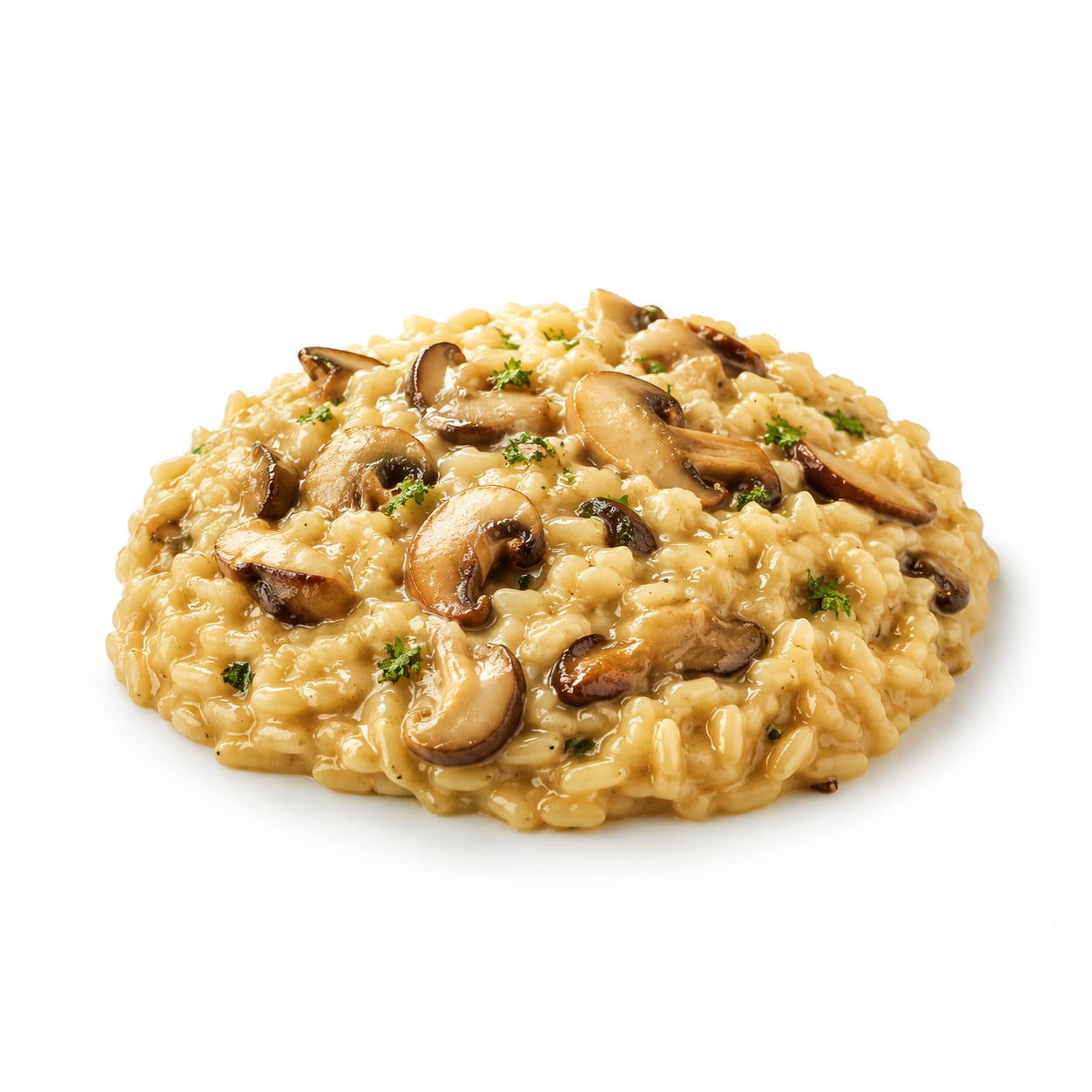
Risotto
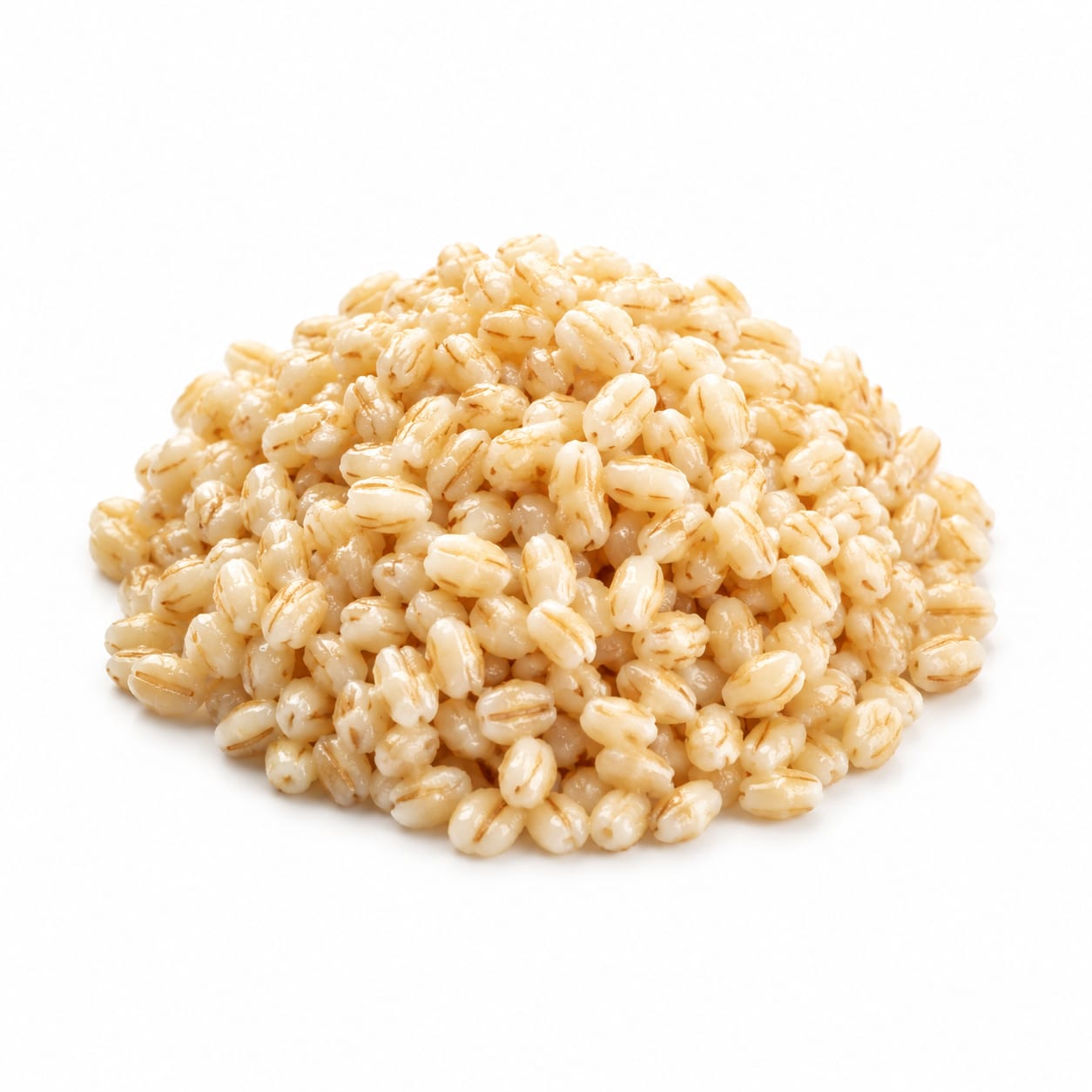
Barley
Barley dominates for health and sustained energy, while Risotto offers a comforting, creamy indulgence that costs you nutritionally.
Barley's massive fiber advantage and blood sugar stability give it a strong lead over Risotto's refined carbs and typical high-fat additions.
Trading blood sugar stability and heart-healthy fiber for a creamy, luxurious culinary experience.
At a glance
Executive summary
Overall
Barley
Healthier
Barley
More practical
It depends
Daily use
Barley
Key comparison lenses
Blood sugar control and glycemic impact
Risotto is made from refined short-grain rice that spikes blood sugar, while barley is a fiber powerhouse that stabilizes it.
Heart health and cholesterol management
Barley's beta-glucan fiber actively lowers cholesterol, whereas risotto often contains butter and cheese that raise saturated fat intake.
Comfort eating versus functional nutrition
Risotto is a creamy indulgence, while barley is a chewy, earthy grain chosen for health benefits over culinary luxury.
Satiety and weight management
Barley keeps you full for hours on few calories; risotto is calorie-dense and easy to overeat.
Best choice for
Risotto
- Special occasions and dinner parties
- Comfort food cravings
- Elegant restaurant-style meals at home
Barley
- Daily whole grain intake
- Blood sugar management
- Lowering cholesterol naturally
Least suitable for
Risotto
- People with diabetes or insulin resistance
- Low-carb dieters
- Daily side dishes
Barley
- Those needing a quick-cooking grain
- Gluten-free diets
- Creamy, delicate flavor profiles
Deep comparison
Dimension by dimension
Each lens scores both foods and breaks down who each option suits.
- Dimension 1 · Priority 95Barley
Blood Sugar & Satiety
Risotto · 25Barley · 95Barley keeps you full for hours with minimal blood sugar spikes; Risotto digests quickly, leading to energy crashes.
Tradeoff
You sacrifice the immediate comforting satisfaction of Risotto for long-lasting energy with Barley.
Why it matters
Avoiding the post-meal crash means better focus and fewer cravings later in the day.
Real-world impact
Eating Risotto for lunch might leave you reaching for a snack by 3 PM; Barley keeps you satisfied until dinner.
Risotto
- Quick energy before an intense workout
Better for
- Sustained focus at work
- Avoiding afternoon cravings
Worse for
Barley
- Steady energy through the afternoon
- Managing diabetes or prediabetes
Better for
- Pre-workout quick fuel
Worse for
- Dimension 2 · Priority 90Barley
Heart Health & Cholesterol
Risotto · 30Barley · 92Barley's beta-glucan fiber actively lowers cholesterol; Risotto's butter and cheese often do the opposite.
Tradeoff
Choosing heart-protective fiber over rich, saturated-fat-heavy flavor.
Why it matters
Daily choices heavily impact long-term cardiovascular risk and LDL cholesterol levels.
Real-world impact
Swapping Risotto for Barley a few times a week can meaningfully improve your cholesterol panel over a year.
Risotto
- Gaining healthy weight if underweight
Better for
- Lowering LDL cholesterol
- Managing high blood pressure
Worse for
Barley
- Reducing heart disease risk
- Lowering LDL cholesterol
Better for
- Strict low-carb or keto diets
Worse for
- Dimension 3 · Priority 85Risotto
Comfort & Culinary Experience
Risotto · 92Barley · 55Risotto is a creamy, indulgent comfort food; Barley is chewy and earthy, acting more as a hearty base.
Tradeoff
Trading nutritional superiority for a luxurious mouthfeel and rich flavor.
Why it matters
Enjoyment matters for sustainability, and Risotto feels like a genuine treat.
Real-world impact
Risotto makes a date night feel special; Barley makes a weeknight bowl feel responsible.
Risotto
- Date nights
- Impressing guests
- Emotional comfort eating
Better for
- Light summer meals
Worse for
Barley
- Rustic soups and stews
- Meal prep bowls
Better for
- Creamy, elegant side dishes
Worse for
- Dimension 4 · Priority 80Barley
Weight Management
Risotto · 30Barley · 88Barley's fiber makes portion control effortless; Risotto's calorie density and fat content make overeating likely.
Tradeoff
Choosing a food that naturally limits your appetite over one that encourages seconds.
Why it matters
Satiety is the most important factor for effortless, long-term weight management.
Real-world impact
A cup of Barley feels very filling; a cup of Risotto often leaves you wanting more bread or dessert.
Risotto
- Carb-loading for endurance sports
Better for
- Cutting calories
- Portion control
Worse for
Barley
- Staying full on fewer calories
- Reducing snacking between meals
Better for
- Bulking up rapidly
Worse for
Timeline
Health impact over time
Short-term
Hours to days
Risotto
- Quick energy spike followed by a crash
- Immediate feeling of fullness that fades fast
- Bloating if sensitive to dairy or heavy cheeses
Barley
- Stable, sustained energy for hours
- Very filling, might feel heavy if overeaten
- Mild gas if your body isn't used to high fiber
Long-term
Months to years
Risotto
- Increased risk of insulin resistance with frequent consumption
- Potential weight gain from calorie density
- Higher cardiovascular risk from saturated fats
Barley
- Improved insulin sensitivity
- Lower LDL cholesterol and improved heart health
- Better digestive regularity and gut microbiome diversity
Risk profile
Safety & processing
Both are relatively natural in their basic forms, but Risotto relies on refined white rice, while Barley retains its whole-grain structure and bran.
Risotto
Arsenic exposure
mediumRice can accumulate arsenic from groundwater; frequent consumption of rice-based dishes increases lifetime exposure.
Barley
Gluten sensitivity
highBarley contains gluten, making it strictly unsafe for those with celiac disease or severe gluten intolerance.
Pesticide residue
lowConventionally grown grains may carry some residue; choosing organic barley reduces this risk.
Who wins for whom
Audience fit
Same foods, different winners depending on your goal.
children
RisottoKids often prefer the mild, creamy texture of Risotto over Barley's chewy, earthy bite.
daily consumption
BarleyBarley's nutritional profile supports daily eating without the blood sugar rollercoaster of Risotto.
diabetes
BarleyBarley's beta-glucan slows sugar absorption drastically, reducing blood sugar spikes compared to Risotto.
elderly
BarleyBarley supports heart health and digestion, which are critical in older age, though Risotto is easier to chew if dental issues exist.
muscle gain
It dependsRisotto offers quicker carbs for post-workout recovery, but Barley provides better sustained energy for heavy training days.
weight loss
BarleyBarley's high fiber content keeps you full on fewer calories, making it far easier to maintain a deficit without feeling deprived.
Your move
Decision guide
Choose Risotto
- You are cooking a special occasion meal
- You need a comforting, creamy dish
- You are carb-loading before an endurance event
Choose Barley
- You want steady energy for hours
- You are trying to lower your cholesterol
- You need a filling base for meal prep
Either works if
- You want a warm, comforting grain bowl
- You are making a hearty soup or stew base
Avoid both if
- You are on a strict ketogenic or very low-carb diet
- You have severe grain allergies
Final recommendation
Make Barley your everyday grain for health and satiety, and save Risotto for when you truly want a comforting, indulgent treat.
Practical
Consumer tips
- 1
Swap half the Arborio rice for pearled barley in your next risotto for a creamy texture with a massive fiber boost.
- 2
Rinse barley before cooking to remove any dust and improve its texture.
- 3
If making risotto, use homemade stock to control sodium, as store-bought cubes can be very salty.
- 4
Cook a big batch of barley on Sunday to throw into salads, soups, and bowls all week.