
Nutrition comparison
Risotto vs Mashed Potatoes: Which Comfort Carb Is Healthier?
Compare risotto and mashed potatoes on calories, blood sugar impact, satiety, and nutrition. Find out which comfort food side dish fits your health goals better.
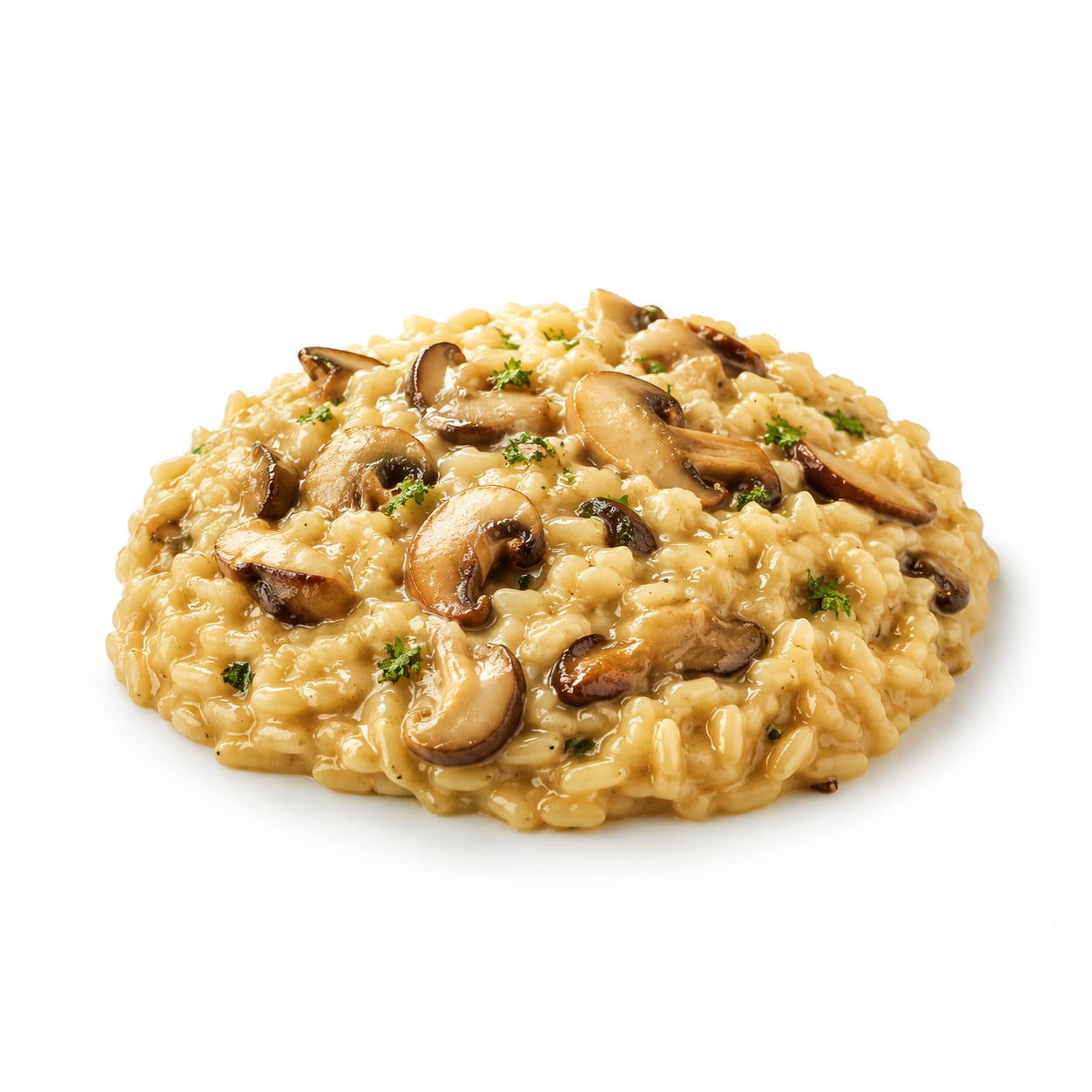
Risotto
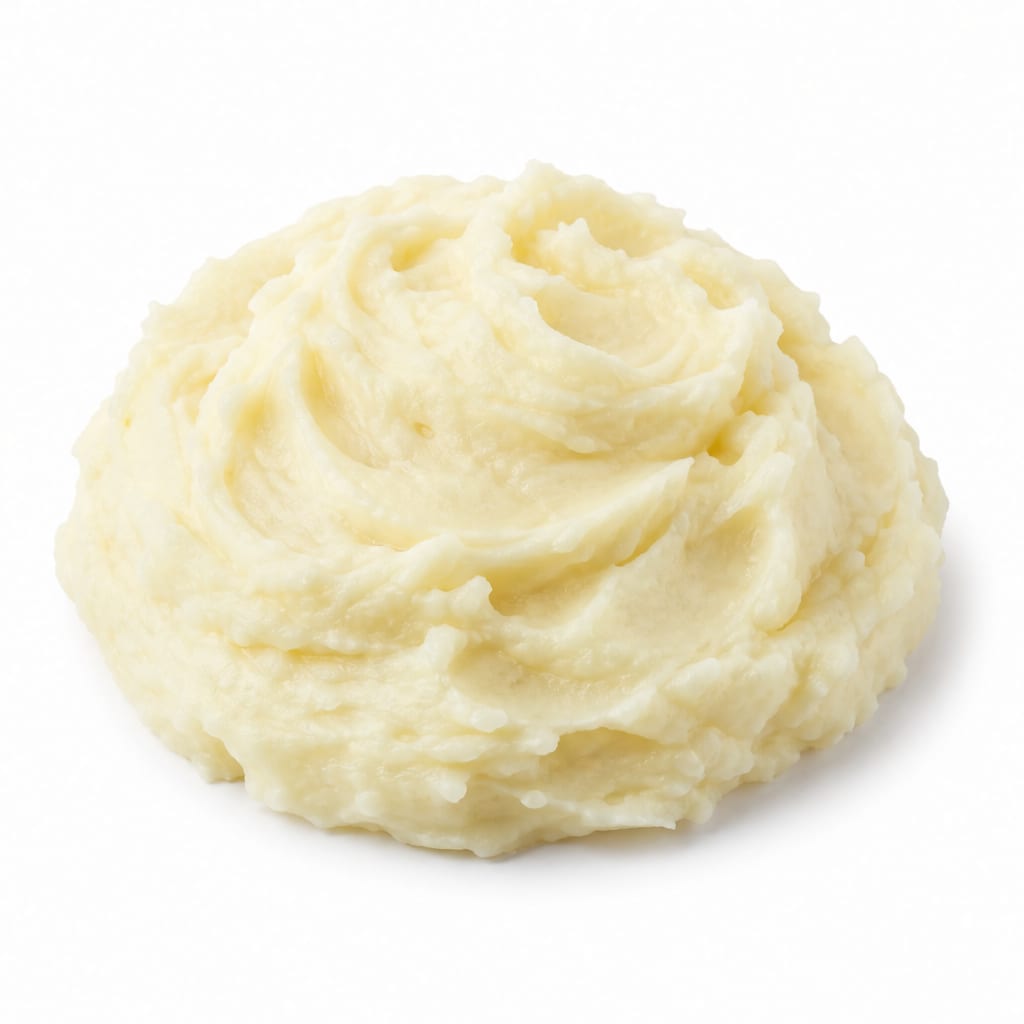
Mashed Potatoes
Mashed potatoes edge ahead for everyday nutrition and ease, but risotto wins for protein and sustained energy when made well.
Mashed potatoes score slightly higher due to better micronutrients, lower calorie density, and far easier preparation. Risotto compensates with more protein and steadier energy, but its heavy butter and cheese content pushes calories up. The close scores reflect that both are comfort carbs best enjoyed in moderation.
Risotto delivers more protein and a slower energy release thanks to its fat content, but costs more calories and effort. Mashed potatoes offer more potassium and vitamin C with less prep, but spike blood sugar faster.
At a glance
Executive summary
Overall
It depends
Healthier
It depends
More practical
Mashed Potatoes
Daily use
Mashed Potatoes
Key comparison lenses
comfort food carb comparison
Both are starchy comfort sides, so users are likely deciding which carb satisfies without derailing health goals
blood sugar and energy stability
Arborio rice and potatoes both spike blood sugar, but the magnitude and recovery differ meaningfully
calorie and fat tradeoffs
Risotto typically packs more butter and cheese, while mashed potatoes can range from lean to heavily loaded
meal pairing versatility
Users often choose between these as dinner sides and want to know which fits more meals
preparation effort and practicality
Risotto demands constant stirring and attention; mashed potatoes are quicker and more forgiving
Best choice for
Risotto
- Longer-lasting energy between meals
- Higher protein side dish needs
- Special occasion or dinner party meals
- Those wanting a more complete amino acid profile from grains
Mashed Potatoes
- Quick weeknight dinners
- Post-workout carb replenishment
- Potassium and vitamin C needs
- Budget-conscious meal prep
Least suitable for
Risotto
- Low-calorie or strict weight loss diets
- Busy weeknights with limited cooking time
- Dairy-free or lactose-intolerant individuals (traditional recipes)
Mashed Potatoes
- Blood sugar management without pairing protein
- Those avoiding nightshades
- Low-carb or ketogenic diets
Deep comparison
Dimension by dimension
Each lens scores both foods and breaks down who each option suits.
- Dimension 1 · Priority 92Risotto
blood sugar stability
Risotto · 48Mashed Potatoes · 38Risotto's fat and protein slow carb absorption more than mashed potatoes, which hit blood sugar harder and faster.
Tradeoff
The slower spike from risotto comes at the cost of more calories from butter and cheese.
Why it matters
Faster blood sugar spikes mean quicker hunger returns and more energy crashes within hours.
Real-world impact
After mashed potatoes you might feel hungry again within 90 minutes. Risotto tends to keep you satisfied closer to 2-3 hours.
Risotto
- Sustained energy through afternoon meetings
- Avoiding the post-lunch crash
- Dieters who snack less when meals last longer
Better for
- Those counting total calories strictly
Worse for
Mashed Potatoes
- Quick glycogen replenishment after intense exercise
- Athletes needing fast carb availability
Better for
- People with insulin resistance eating carbs alone
- Anyone prone to energy crashes after starchy meals
Worse for
- Dimension 2 · Priority 90Risotto
satiety and fullness
Risotto · 68Mashed Potatoes · 55Risotto keeps you fuller longer due to its higher fat and protein content from cheese, butter, and broth.
Tradeoff
That fullness comes with significantly more calories per serving than plain mashed potatoes.
Why it matters
Feeling satisfied after eating reduces snacking and makes it easier to stick with reasonable portions at the next meal.
Real-world impact
A bowl of risotto at dinner often means no late-night snacking. Mashed potatoes may leave you reaching for something else by 9pm.
Risotto
- People who skip snacks between meals
- Those who eat dinner late and want to stay full until bed
Better for
- Those who find heavy meals uncomfortable before bed
Worse for
Mashed Potatoes
- Anyone wanting a lighter side that leaves room for other dishes
- Athletes who need to eat again soon
Better for
- Chronic snackers who need meals to truly hold them
Worse for
- Dimension 3 · Priority 82Mashed Potatoes
micronutrient density
Risotto · 35Mashed Potatoes · 58Mashed potatoes provide meaningful potassium, vitamin C, and B6. Risotto's arborio rice is mostly stripped of nutrients during milling.
Tradeoff
Potatoes win on vitamins and minerals, but risotto's parmesan adds calcium and phosphorus.
Why it matters
Potassium supports blood pressure and muscle function. Vitamin C aids immunity and iron absorption. These matter more than most people realize.
Real-world impact
A serving of mashed potatoes covers roughly 20% of your daily potassium needs. Risotto covers less than 5% of most micronutrients.
Risotto
- Calcium needs from parmesan cheese content
Better for
- Anyone relying on side dishes for vitamin intake
Worse for
Mashed Potatoes
- Blood pressure management through potassium
- Immune support from vitamin C
- Active individuals needing electrolyte replenishment
Better for
- Those limiting potassium for kidney conditions
Worse for
- Dimension 4 · Priority 85Mashed Potatoes
calorie efficiency
Risotto · 38Mashed Potatoes · 55Plain mashed potatoes deliver more food volume per calorie than risotto, which is dense with butter and cheese.
Tradeoff
Loaded mashed potatoes with heavy cream and butter close this gap quickly and can exceed risotto calories.
Why it matters
Lower calorie density means you can eat a satisfying portion without overshooting daily targets.
Real-world impact
A typical restaurant risotto runs 400-500 calories per cup. Plain mashed potatoes sit around 200-240 calories for the same volume.
Risotto
- Those who prefer smaller, richer portions
Better for
- Calorie counters eating at restaurants frequently
Worse for
Mashed Potatoes
- Weight loss diets where volume matters
- People who like large portions without the calorie hit
Better for
- Those who add excessive butter and cream, negating the advantage
Worse for
- Dimension 5 · Priority 78Mashed Potatoes
preparation practicality
Risotto · 30Mashed Potatoes · 72Mashed potatoes are forgiving and quick. Risotto demands 20 minutes of constant stirring and attention.
Tradeoff
Risotto's hands-on process creates a creamier, more integrated texture that instant methods cannot replicate.
Why it matters
The harder a dish is to make, the less often you cook it at home, pushing you toward restaurant versions with even more butter.
Real-world impact
Mashed potatoes can be ready in 25 minutes with minimal attention. Risotto ties you to the stove and ruins multitasking.
Risotto
- Weekend cooking when you want to slow down
- Impressing guests with a hands-on dish
Better for
- Anyone cooking after a long workday
- Parents managing kids while cooking
Worse for
Mashed Potatoes
- Weeknight family dinners
- Meal prep scenarios where time matters
- Beginner cooks building confidence
Better for
- Those who find peeling potatoes tedious
Worse for
- Dimension 6 · Priority 72It depends
digestive tolerance
Risotto · 50Mashed Potatoes · 50Both are generally easy to digest, but different sensitivities tip the scale. Risotto's dairy bothers lactose-intolerant people. Potatoes bother those with nightshade sensitivity.
Tradeoff
Neither is a clear winner. Your personal digestive quirks decide this one.
Why it matters
A food that causes bloating or discomfort negates any nutritional advantage it might offer.
Real-world impact
If dairy upsets your stomach, risotto is a bad night. If nightshades trigger inflammation for you, mashed potatoes are the problem.
Risotto
- Those with nightshade sensitivity or joint inflammation concerns
Better for
- Lactose-intolerant diners at traditional Italian restaurants
Worse for
Mashed Potatoes
- Lactose-intolerant individuals using dairy-free mash recipes
- People with sensitive stomachs who tolerate potatoes well
Better for
- Those with nightshade or solanine sensitivity
Worse for
- Dimension 7 · Priority 70It depends
emotional satisfaction and comfort
Risotto · 72Mashed Potatoes · 70Both are top-tier comfort foods. Risotto feels indulgent and restaurant-quality. Mashed potatoes feel like home and nostalgia.
Tradeoff
Risotto satisfies the desire for something special. Mashed potatoes satisfy the need for something familiar and safe.
Why it matters
Emotional eating is real. Food that genuinely satisfies cravings prevents binge cycles better than food that feels like a compromise.
Real-world impact
After a terrible day, mashed potatoes might be exactly what you need. For a date night at home, risotto feels like an event.
Risotto
- Romantic dinners and celebrations
- When you want cooking itself to be therapeutic
Better for
- Times when you just want something simple and familiar
Worse for
Mashed Potatoes
- Sick days and recovery meals
- Homesick moments and holiday traditions
- Stress eating that actually comforts
Better for
- Occasions where the meal should feel elevated or special
Worse for
Timeline
Health impact over time
Short-term
Hours to days
Risotto
- Steadier energy for 2-3 hours due to fat and protein slowing digestion
- Heavier fullness that may reduce between-meal snacking
- Potential bloating if lactose intolerant due to butter and parmesan
Mashed Potatoes
- Quick energy spike followed by hunger return within 60-90 minutes if eaten alone
- Lighter stomach feel that allows eating other dishes comfortably
- Warming and soothing effect, especially with broth or gravy
Long-term
Months to years
Risotto
- Higher saturated fat intake from regular butter and cheese use may impact heart health over time
- Low fiber content from white arborio rice offers minimal digestive benefit
- Moderate protein contribution supports muscle maintenance better than most starch sides
Mashed Potatoes
- Better potassium intake supports long-term blood pressure regulation
- Vitamin C from potatoes supports immune function and skin health over time
- Frequent consumption without protein pairing may reinforce blood sugar roller coaster patterns
Risk profile
Safety & processing
Both are made from whole-food bases. Arborio rice is milled and polished, removing bran and germ, making it more processed than a whole potato. Mashed potatoes start from a virtually unprocessed vegetable. Neither typically contains artificial additives when homemade, though restaurant versions may include preservatives in pre-made stocks or dehydrated potato flakes.
Risotto
Solanine from improperly stored arborio rice is negligible, but broth contamination risk
lowHomemade broth left at room temp or reheated improperly can harbor bacteria. Restaurant risotto using pre-made stock has slightly higher risk than fresh.
Dairy spoilage in cheese and butter components
lowParmesan is low-moisture and relatively safe, but butter-based risotto left warm for extended periods can develop bacterial growth.
Mashed Potatoes
Solanine toxicity from green or sprouted potatoes
mediumPotatoes exposed to light develop green patches containing solanine, a glycoalkaloid that causes gastrointestinal distress. Always cut away green areas or discard affected potatoes entirely.
Botulism from foil-wrapped baked potatoes used for mash
lowPotatoes baked in foil and left at room temperature can harbor Clostridium botulinum. If making mash from baked potatoes, cool and refrigerate promptly.
Who wins for whom
Audience fit
Same foods, different winners depending on your goal.
children
Mashed PotatoesKids generally prefer the milder, fluffier texture of mashed potatoes. They also provide vitamin C and potassium that growing bodies need.
daily consumption
Mashed PotatoesLower calorie density, better micronutrients, and easier preparation make mashed potatoes more sustainable as a regular side dish.
diabetes
It dependsNeither is ideal alone. Risotto's fat slows sugar absorption slightly, but both spike blood sugar significantly. Pairing either with protein and fiber is essential.
elderly
Mashed PotatoesMashed potatoes are softer, easier to chew and swallow, and provide potassium important for blood pressure management in older adults.
muscle gain
RisottoRisotto provides more protein per serving from parmesan and broth, and the extra calories support a caloric surplus needed for muscle building.
weight loss
Mashed PotatoesPlain mashed potatoes offer more volume per calorie and can be made with minimal fat. Risotto's butter and cheese make calorie control harder.
Your move
Decision guide
Choose Risotto
- You want a side dish that keeps you full for hours without snacking
- It's a weekend or special occasion and you enjoy the cooking process
- You need more protein from your carbohydrate side dishes
- You are actively trying to gain weight or build muscle
Choose Mashed Potatoes
- You want a quick, satisfying side on a busy weeknight
- Blood pressure management is a priority and you need more potassium
- You are watching calories but still want comfort food
- You are cooking for kids or elderly family members who prefer softer, milder flavors
Either works if
- You are pairing with a lean protein and large serving of vegetables
- Comfort food is the goal and both sound equally appealing
- You plan to add vegetables directly into either dish for more nutrition
Avoid both if
- You are following a low-carb or ketogenic diet
- You have uncontrolled blood sugar and are eating carbs without a protein source
- You are trying to maximize fiber intake from your side dishes
Final recommendation
For everyday meals, mashed potatoes are the more practical and nutrient-dense choice. Save risotto for when you want something richer and more satisfying, or when longer-lasting energy matters more than calorie count. Neither should be your only vegetable, but both have a legitimate place in a balanced diet when paired with protein and greens.
Practical
Consumer tips
- 1
Make mashed potatoes with Greek yogurt instead of cream for more protein and fewer calories
- 2
Add roasted garlic or herbs to mashed potatoes instead of extra butter for flavor without fat
- 3
Use vegetable broth and less parmesan in risotto to cut calories while keeping the creamy texture
- 4
Stir spinach or peas into risotto during the last minute of cooking for fiber and micronutrients
- 5
Leave potato skins on for mashed potatoes to triple the fiber content
- 6
Make risotto with brown arborio or carnaroli rice if you can find it for slightly more fiber
- 7
Portion either dish to one cup and fill half your plate with non-starchy vegetables
- 8
Reheat leftover mashed potatoes with a splash of broth instead of more butter