
Nutrition comparison
Risotto vs Cauliflower Rice: Which Is Better for Your Health Goals?
Compare risotto and cauliflower rice on calories, carbs, blood sugar impact, and satisfaction. Find out which one fits your diet and when to choose each.
Overall winner · Cauliflower Rice
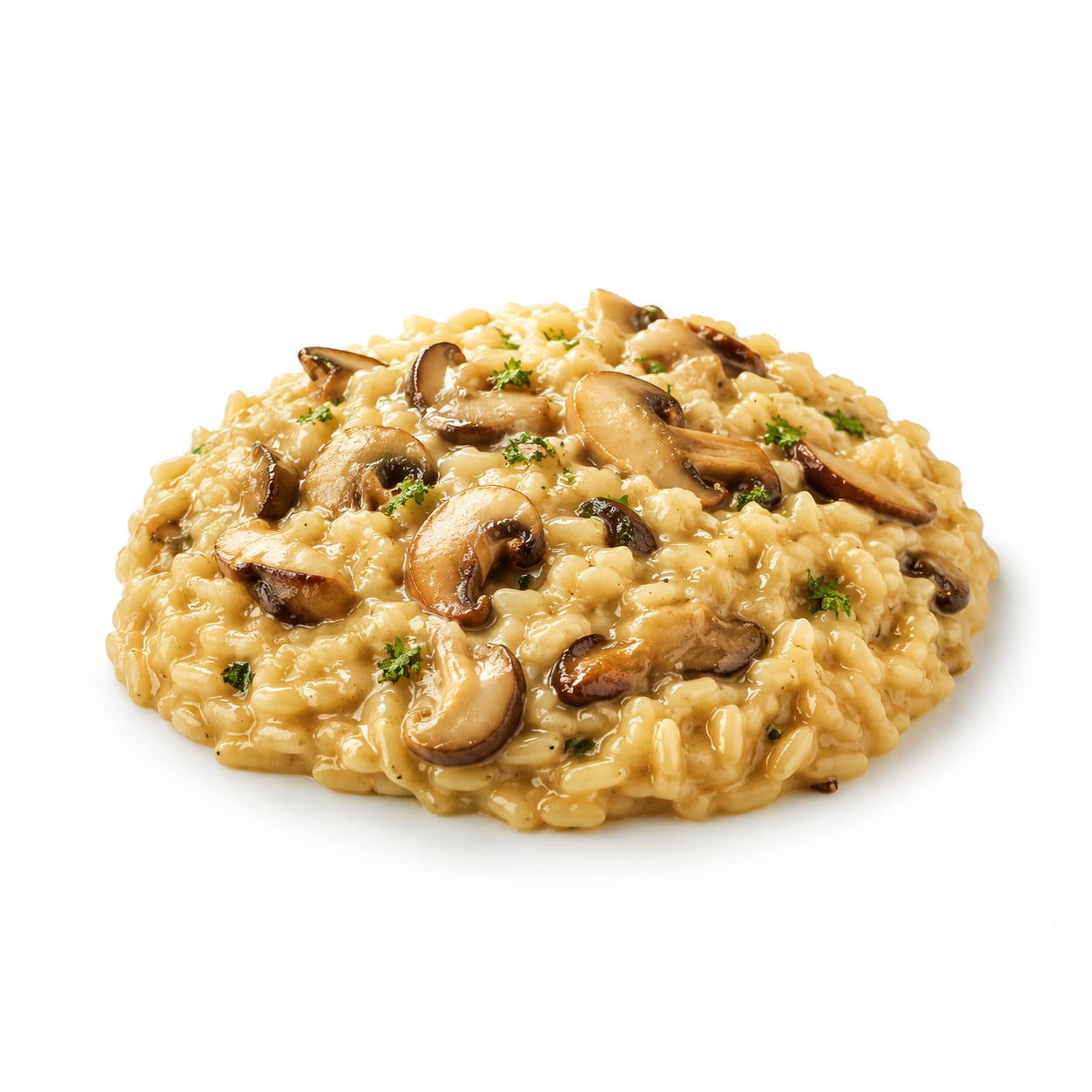
Risotto
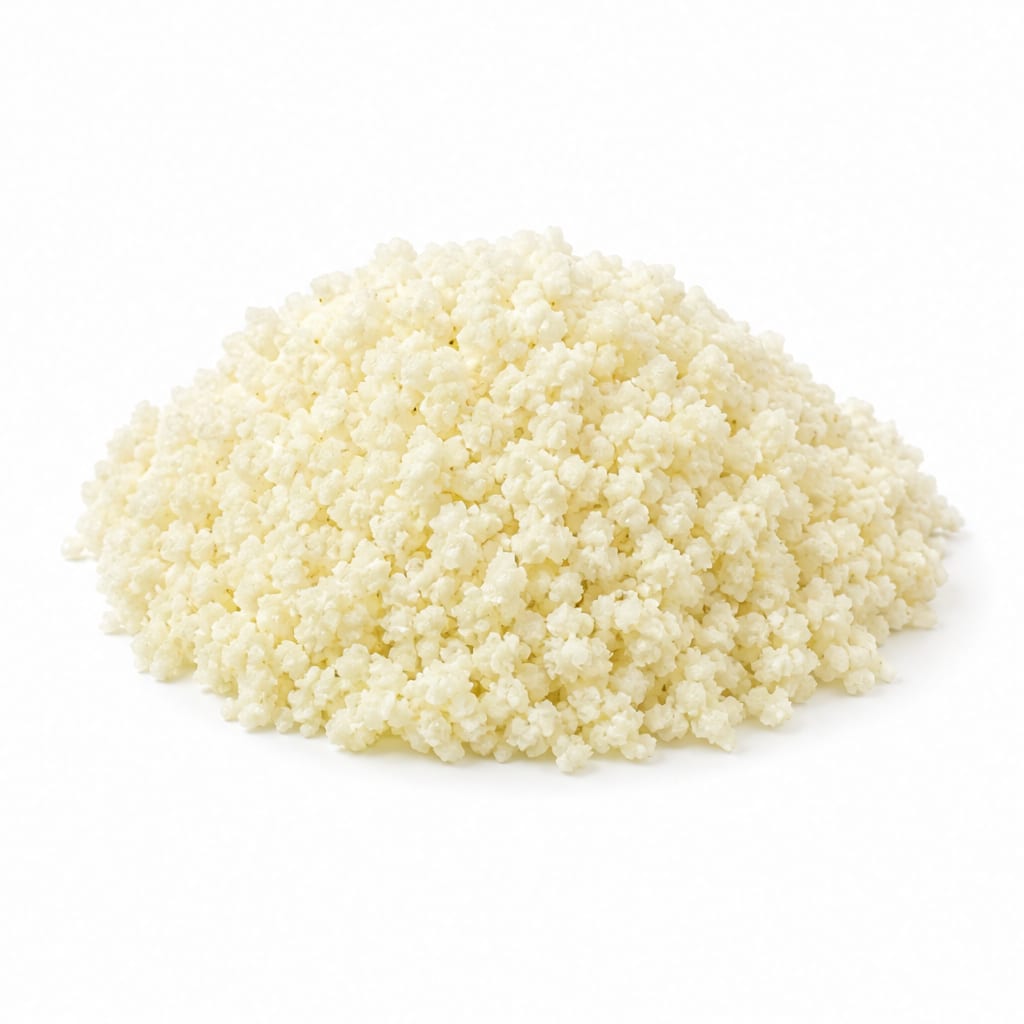
Cauliflower Rice
Cauliflower rice wins for daily health, blood sugar, and weight management. Risotto wins for comfort, satisfaction, and actual enjoyment.
Cauliflower rice scores significantly higher due to its low calorie density, minimal blood sugar impact, and high nutrient-to-calorie ratio. Risotto scores lower because its refined carbohydrate base and high calorie density make it a less sustainable everyday choice, despite its superior taste and satisfaction.
You trade the creamy, satisfying experience of risotto for dramatically fewer calories and carbs with cauliflower rice.
At a glance
Executive summary
Overall
Cauliflower Rice
Healthier
Cauliflower Rice
More practical
Cauliflower Rice
Daily use
Cauliflower Rice
Key comparison lenses
Low-carb diet compatibility
This is the primary reason most people consider swapping risotto for cauliflower rice
Blood sugar management
Arborio rice causes significant glucose spikes while cauliflower barely moves the needle
Weight loss support
Calorie density difference is massive and directly relevant for portion control
Meal satisfaction and comfort
Risotto is deeply comforting; cauliflower rice can feel like a sacrifice
Nutrient density per calorie
Cauliflower delivers far more vitamins per calorie than white rice
Best choice for
Risotto
- Athletes needing carb fuel before or after intense training
- People recovering from illness who need easy-to-digest calories
- Special occasions where comfort food matters mentally
- Underweight individuals trying to gain weight
- Family dinners where everyone expects a traditional dish
Cauliflower Rice
- Anyone tracking blood sugar or managing diabetes
- Low-carb or keto dieters
- People aiming to lose weight without shrinking portion sizes
- Those who want more vegetables in their daily meals
- Meal preppers looking for lighter bases for stir-fries and curries
Least suitable for
Risotto
- People with insulin resistance or type 2 diabetes
- Anyone on a strict low-carb eating plan
- Those trying to reduce refined carbohydrate intake
- People who struggle with portion control around comfort foods
Cauliflower Rice
- Athletes who need genuine carbohydrate energy for performance
- People with thyroid concerns eating large amounts of cruciferous vegetables raw
- Anyone who finds low-carb substitutes psychologically unsatisfying
- Traditional Italian food lovers who find the swap depressing
Deep comparison
Dimension by dimension
Each lens scores both foods and breaks down who each option suits.
- Dimension 1 · Priority 95Cauliflower Rice
Blood Sugar Stability
Risotto · 20Cauliflower Rice · 92Risotto delivers a large refined carbohydrate load that spikes blood sugar quickly. Cauliflower rice has almost no digestible carbs and barely affects glucose levels.
Tradeoff
You give up the immediate energy burst from risotto's carbs in exchange for steady, crash-free energy with cauliflower rice.
Why it matters
Blood sugar spikes followed by crashes drive hunger, fatigue, and cravings within hours of eating.
Real-world impact
After risotto, you may feel sleepy and hungry again within two hours. After cauliflower rice, energy stays level and you stay full longer from whatever protein and fat you pair it with.
Risotto
- Post-workout recovery when glycogen replenishment is the goal
- Endurance athletes carb-loading before an event
Better for
- Anyone monitoring fasting glucose
- People prone to reactive hypoglycemia
Worse for
Cauliflower Rice
- Managing prediabetes or type 2 diabetes
- Avoiding the afternoon energy crash
- Reducing sugar cravings later in the day
Better for
- Situations where you genuinely need quick carbohydrate energy
Worse for
- Dimension 2 · Priority 90Cauliflower Rice
Calorie Density and Weight Management
Risotto · 22Cauliflower Rice · 94A cup of risotto packs roughly 350-450 calories. A cup of cauliflower rice sits around 25-40 calories. The difference is dramatic.
Tradeoff
Cauliflower rice lets you eat a large volume of food for very few calories. Risotto uses up a big chunk of your daily calorie budget in one modest portion.
Why it matters
Calorie density is the single strongest predictor of overeating. High-density foods are easy to overconsume before feeling full.
Real-world impact
You could eat ten cups of cauliflower rice for the calories of one cup of risotto. In practice, this means cauliflower rice lets you feel full while staying in a calorie deficit.
Risotto
- People who struggle to eat enough calories
- Recovering from illness with appetite loss
Better for
- Mindless eating while watching TV
- Anyone whose doctor recommended weight loss
Worse for
Cauliflower Rice
- Anyone trying to lose or maintain weight
- Volume eaters who like large portions
- Reducing daily calorie intake without feeling deprived
Better for
- Those who need calorie surplus for muscle gain
Worse for
- Dimension 3 · Priority 82Risotto
Satiety and Satisfaction
Risotto · 85Cauliflower Rice · 40Risotto is creamy, rich, and deeply satisfying. Cauliflower rice is light and can feel like eating air if not paired with enough fat and protein.
Tradeoff
Risotto satisfies emotionally and physically but at a high caloric cost. Cauliflower rice saves calories but may leave you reaching for snacks an hour later if eaten alone.
Why it matters
Foods that fail to satisfy lead to compensatory snacking, which can erase any calorie savings you achieved.
Real-world impact
A bowl of risotto feels like a complete meal. A bowl of plain cauliflower rice feels like a side dish at best. You must add protein, healthy fats, and sauce to make it satisfying.
Risotto
- Comfort eating when you genuinely need emotional satisfaction
- Cold winter evenings when warm, rich food matters
- One-dish meals where you want everything in a single bowl
Better for
- Late-night eating when you want to sleep well
- Hot days when heavy food feels oppressive
Worse for
Cauliflower Rice
- Light lunches when you want to avoid food coma
- Summer meals where something heavy feels wrong
- Building meals around protein where the base is just a vehicle
Better for
- Emotional eating situations where substitution feels frustrating
- Meals where you need long-lasting fullness from the base itself
Worse for
- Dimension 4 · Priority 78Cauliflower Rice
Nutrient Density
Risotto · 30Cauliflower Rice · 88Cauliflower is loaded with vitamin C, vitamin K, folate, and cancer-fighting glucosinolates. Arborio rice is mostly starch with minimal micronutrients.
Tradeoff
Risotto provides energy but little else nutritionally. Cauliflower rice provides real vitamins and phytonutrients alongside its minimal calories.
Why it matters
Eating nutrient-poor calories crowds out room for foods that actually nourish your body's systems.
Real-world impact
Choosing cauliflower rice as a base means every bite contributes something useful to your health beyond just energy. Risotto is essentially empty calories dressed up in butter and cheese.
Risotto
- Situations where caloric energy is the priority over micronutrients
Better for
- Anyone eating a low-nutrient diet overall
- People who need more vitamins from their food choices
Worse for
Cauliflower Rice
- Boosting daily vegetable intake effortlessly
- Getting more vitamin C and K without supplements
- Supporting detoxification pathways through glucosinolates
Better for
- Those with iodine deficiency who consume large amounts of raw cruciferous vegetables
Worse for
- Dimension 5 · Priority 70Cauliflower Rice
Convenience and Preparation
Risotto · 30Cauliflower Rice · 82Risotto requires constant stirring for 18-25 minutes and attention to get right. Cauliflower rice can be ready in 3-5 minutes, especially pre-riced from the store.
Tradeoff
Risotto demands time and skill but rewards you with a luxurious result. Cauliflower rice is nearly effortless but never achieves that same creaminess.
Why it matters
Preparation difficulty determines how often you actually make something. Hard recipes become weekend-only projects.
Real-world impact
Most people make risotto once a month at most. Cauliflower rice can be a daily staple because it takes almost no effort, especially the bagged versions.
Risotto
- Weekend cooking as a relaxing ritual
- Impressing dinner guests with a labor-of-love dish
Better for
- Busy weeknights with limited time
- Cooking when you are already tired and hungry
Worse for
Cauliflower Rice
- Weeknight dinners when you have 20 minutes total
- Meal prep sessions where you need a quick base for multiple meals
- Beginners who want something easy to cook successfully
Better for
- Dinner parties where convenience food feels inappropriate
Worse for
- Dimension 6 · Priority 65It depends
Digestive Tolerance
Risotto · 60Cauliflower Rice · 55Risotto is gentle on most stomachs but the dairy and fat can bother some. Cauliflower rice is well-tolerated cooked but can cause gas and bloating in sensitive people.
Tradeoff
Risotto is easier on the gut if you tolerate dairy. Cauliflower rice is easier if dairy is your problem, but cruciferous vegetables cause their own issues.
Why it matters
Digestive discomfort after eating undermines the entire meal experience regardless of nutritional merits.
Real-world impact
If you have IBS or FODMAP sensitivities, cauliflower rice may cause bloating and gas. If you are lactose intolerant, risotto's butter and parmesan may be the problem instead.
Risotto
- People with IBS who are sensitive to FODMAPs in cruciferous vegetables
- Those recovering from stomach illness who need bland, easy-to-digest food
Better for
- Lactose intolerant or dairy-sensitive individuals
- Anyone with gallbladder issues struggling with high-fat meals
Worse for
Cauliflower Rice
- Lactose intolerant individuals
- People avoiding dairy for any reason
Better for
- FODMAP-sensitive individuals
- People prone to gas and bloating from cruciferous vegetables
Worse for
Timeline
Health impact over time
Short-term
Hours to days
Risotto
- Quick blood sugar rise followed by a crash within 1-2 hours
- Comforting and satisfying immediately after eating
- Possible drowsiness or food coma due to high carb and fat content
- Warm, full feeling that delays hunger for 2-3 hours
Cauliflower Rice
- Stable blood sugar with no crash
- Light feeling that may not satisfy without adequate protein and fat additions
- Possible mild bloating if you are sensitive to cruciferous vegetables
- Quick preparation means less time between hunger and eating
Long-term
Months to years
Risotto
- Regular consumption contributes to insulin resistance over time
- High calorie density makes weight gain likely if eaten frequently
- Refined carbohydrate base offers minimal protection against chronic disease
- Dairy content provides some calcium but also saturated fat
Cauliflower Rice
- Consistent low-calorie intake supports weight maintenance or loss
- Glucosinolates in cauliflower support cellular detoxification pathways
- High vitamin C and K intake supports immune function and bone health
- Replacing refined carbs with vegetables reduces chronic disease risk meaningfully
Risk profile
Safety & processing
Both foods are relatively clean. Traditional risotto uses whole ingredients like rice, broth, butter, and cheese. Cauliflower rice is simply grated cauliflower. However, pre-riced bagged cauliflower rice may contain preservatives, so check labels. Restaurant risotto can hide surprising amounts of butter and sodium.
Risotto
Arsenic exposure from rice
mediumRice accumulates more arsenic than other grains. Frequent consumption of rice-based dishes increases exposure. Rinsing rice and using excess water helps reduce levels.
High sodium from broth and cheese
mediumRestaurant and packaged risotto can contain 800-1200mg of sodium per serving, which is significant for blood pressure management.
Cauliflower Rice
Pesticide residue on conventional cauliflower
mediumCauliflower is not on the highest-risk list for pesticides but does retain some surface residue. Washing thoroughly or choosing organic reduces this concern.
Goitrogenic compounds when consumed raw in large quantities
lowRaw cruciferous vegetables contain goitrogens that can interfere with thyroid function. Cooking largely neutralizes this. Moderate consumption is safe for most people.
Who wins for whom
Audience fit
Same foods, different winners depending on your goal.
children
RisottoChildren need calorie-dense foods for growth and generally find risotto far more appealing. Cauliflower rice can supplement but should not replace energy-dense staples for growing kids.
daily consumption
Cauliflower RiceCauliflower rice can be eaten daily without negative metabolic consequences. Risotto consumed daily would contribute to excessive calorie and refined carb intake.
diabetes
Cauliflower RiceWith almost no digestible carbohydrates, cauliflower rice has minimal impact on blood glucose. Risotto is one of the worst choices for blood sugar management.
elderly
It dependsCauliflower rice is better for elderly individuals managing diabetes or weight. Risotto is better for those struggling with appetite loss or needing easy-to-digest calories.
muscle gain
RisottoBuilding muscle requires a calorie surplus and carbohydrate energy for training. Risotto provides both more readily than cauliflower rice.
weight loss
Cauliflower RiceAt roughly one-tenth the calories per cup, cauliflower rice makes creating a calorie deficit almost effortless while still letting you eat a full plate.
Your move
Decision guide
Choose Risotto
- You are an athlete who needs genuine carbohydrate fuel for performance
- It is a special occasion and the emotional satisfaction of comfort food matters
- You are underweight or recovering from illness and need calorie-dense, appealing food
- You are cooking for children who need energy-dense meals they will actually eat
- You have already hit your vegetable goals and want something indulgent
Choose Cauliflower Rice
- You are managing blood sugar, insulin resistance, or diabetes
- You want to lose weight without eating tiny portions
- You are on a low-carb or keto eating plan
- You need a quick weeknight base for stir-fries, curries, or bowl meals
- You want to increase your daily vegetable intake effortlessly
Either works if
- You are at a healthy weight and eat a balanced diet overall
- You rotate between both depending on your activity level that day
- You pair risotto with lots of vegetables and cauliflower rice with plenty of protein
Avoid both if
- You have severe IBS and cannot tolerate either dairy or cruciferous vegetables
- You are looking for a high-protein base for your meal
Final recommendation
Make cauliflower rice your everyday base and save risotto for occasions when the experience matters more than the macros. The health gap between them is too large to ignore for daily eating. When you do eat risotto, pair it with a large serving of vegetables and lean protein to blunt the blood sugar impact.
Practical
Consumer tips
- 1
Pre-riced cauliflower from the freezer section saves time but check for added salt or preservatives
- 2
Sauté cauliflower rice in olive oil with garlic rather than steaming it to improve flavor and texture dramatically
- 3
If making risotto, use homemade broth to control sodium and add vegetables like peas and asparagus to boost nutrient density
- 4
Rinsing arborio rice before cooking can reduce arsenic content by up to 30 percent
- 5
For a middle ground, try mixing half cauliflower rice with half cooked arborio rice to cut calories while keeping some of the creamy texture
- 6
Cooking cauliflower rice in broth instead of water gives it more depth and makes it feel less like a compromise
- 7
If cauliflower rice leaves you hungry, add avocado, nuts, or a drizzle of olive oil to increase satiety without many carbs