
Nutrition comparison
Risotto vs White Rice: Which Is Healthier and When to Choose Each
Compare Risotto and White Rice on calories, satiety, blood sugar impact, and convenience. Learn which fits your goals — weight loss, muscle gain, or everyday meals.
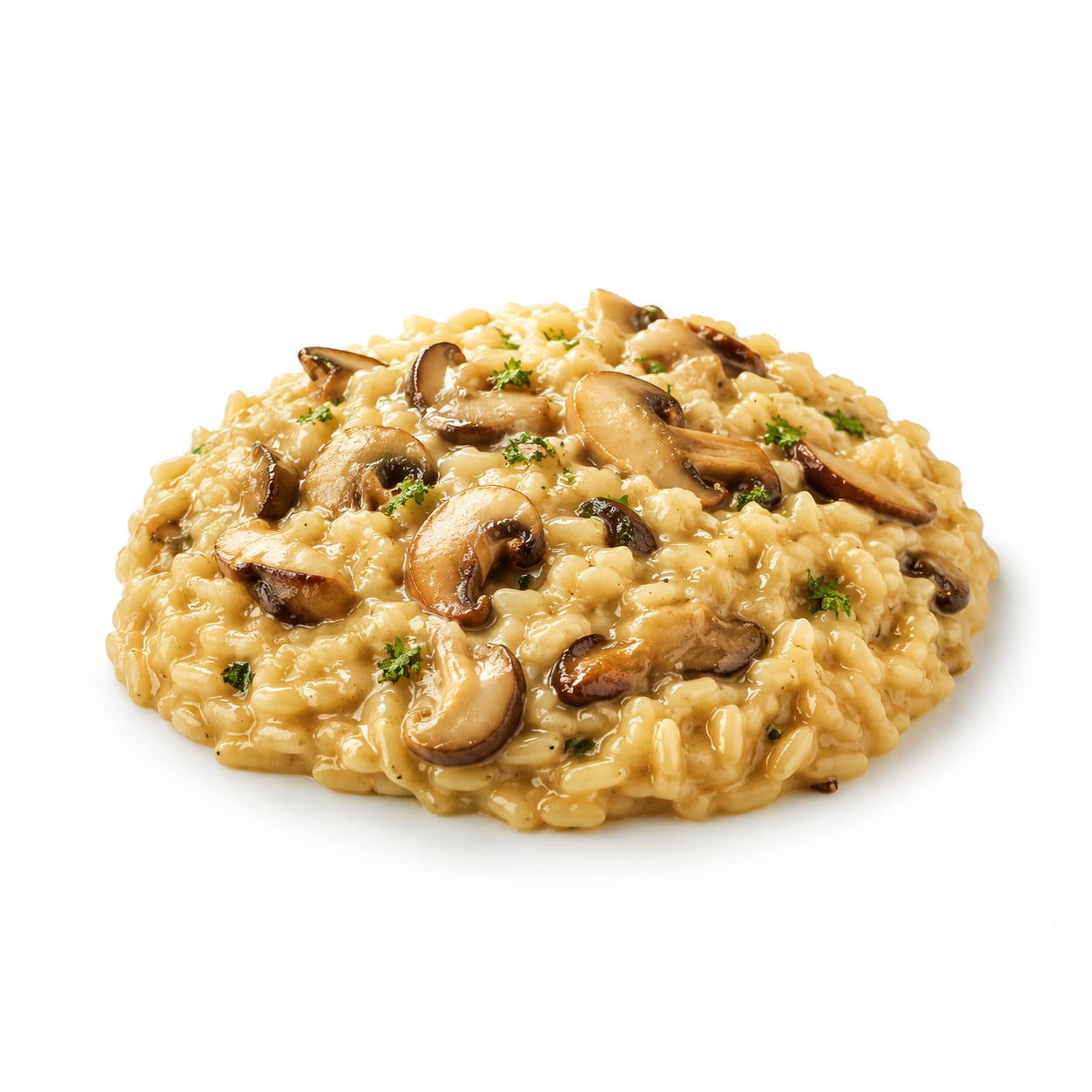
Risotto
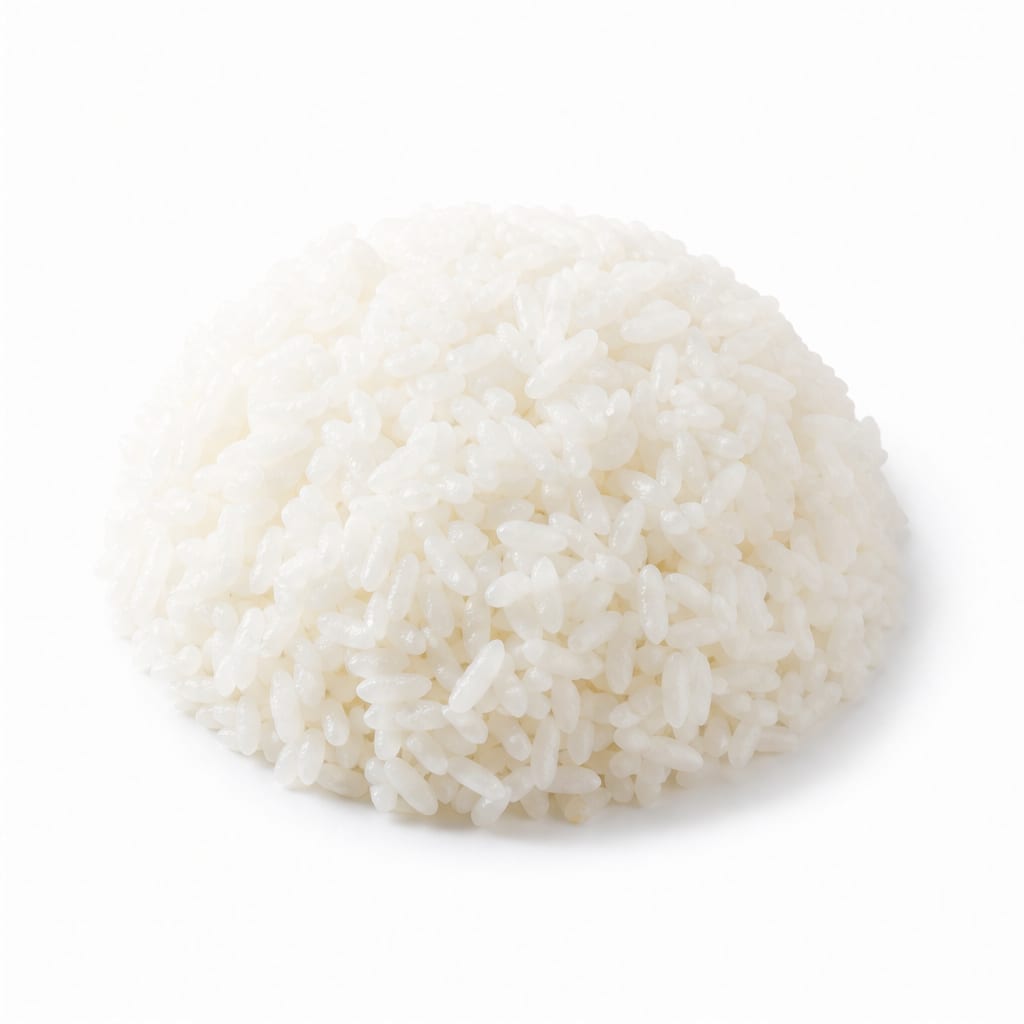
White Rice
Risotto nourishes and satisfies; White Rice simplifies and streamlines. Pick based on what your day demands.
Risotto edges ahead on satiety and nutritional richness, but White Rice wins on simplicity and calorie control. The small gap reflects that neither is a health powerhouse — both are refined carb bases whose value depends heavily on what accompanies them.
Risotto delivers more flavor, fullness, and nutrition per bite but costs more calories and effort. White Rice is a clean, fast carb canvas with less staying power.
At a glance
Executive summary
Overall
It depends
Healthier
It depends
More practical
White Rice
Daily use
White Rice
Key comparison lenses
Carb quality and glycemic impact
Both are refined carb sources, but fat and protein in Risotto change how glucose enters the bloodstream
Calorie density and portion control
Risotto packs significantly more calories per serving due to butter, cheese, and oil
Satiety and meal satisfaction
Risotto's richness keeps you full longer, while White Rice leaves you hungry sooner
Convenience and everyday practicality
White Rice is a weeknight staple; Risotto demands attention and time
Nutritional completeness as a standalone dish
Risotto often includes broth, cheese, and vegetables, making it closer to a complete meal
Best choice for
Risotto
- Romantic dinners or special occasions
- Post-workout meals needing protein and carbs together
- Anyone who struggles with carb cravings and needs satiety
- People wanting a one-dish meal with built-in fat and protein
White Rice
- Busy weeknights when time matters most
- Calorie-conscious eaters tracking intake precisely
- Sensitive stomachs needing gentle, bland fuel
- Meal prep enthusiasts building bowls over several days
Least suitable for
Risotto
- Daily meal preppers short on time
- Strict calorie counters cutting aggressively
- Anyone monitoring saturated fat intake closely
- People with dairy sensitivity or lactose intolerance
White Rice
- Those prone to blood sugar crashes after carb-heavy meals
- Anyone eating a standalone meal without protein or fat sides
- People who find plain carbs unsatisfying and overeat later
- Those seeking a nutrient-dense one-dish dinner
Deep comparison
Dimension by dimension
Each lens scores both foods and breaks down who each option suits.
- Dimension 1 · Priority 90Risotto
Satiety & Fullness
Risotto · 78White Rice · 42Risotto keeps you full for hours thanks to butter, cheese, and broth. White Rice digests quickly and hunger returns fast.
Tradeoff
That fullness comes with significantly more calories per serving.
Why it matters
If you are hungry again 90 minutes after eating White Rice, you end up snacking — which defeats the calorie savings.
Real-world impact
A Risotto dinner typically holds you until morning. A White Rice dinner often sends you hunting for snacks by 9pm.
Risotto
- Long work shifts without break opportunities
- Anyone trying to reduce between-meal snacking
- Active people needing sustained evening energy
Better for
- Those who feel uncomfortably heavy after rich meals
Worse for
White Rice
- Light eaters who prefer small, frequent meals
- Athletes needing quick digestion before training
Better for
- Anyone prone to late-night cravings after dinner
Worse for
- Dimension 2 · Priority 85Risotto
Blood Sugar Stability
Risotto · 62White Rice · 38The fat and protein in Risotto slow carb absorption significantly. White Rice alone causes a faster, sharper blood sugar rise.
Tradeoff
Risotto still delivers a substantial carb load — the improvement is relative, not transformative.
Why it matters
Steadier blood sugar means steadier energy, better mood, and fewer cravings in the hours after eating.
Real-world impact
White Rice on its own can trigger an afternoon energy crash. Risotto is less likely to cause that rollercoaster.
Risotto
- Pre-diabetics managing glucose spikes
- Anyone sensitive to post-meal energy crashes
- Office workers who cannot afford a 2pm slump
Better for
- Those monitoring total carb intake strictly
Worse for
White Rice
- Athletes mid-endurance event needing rapid glucose
Better for
- Diabetics eating without protein or fat companions
- People who feel jittery after high-glycemic meals
Worse for
- Dimension 3 · Priority 82White Rice
Calorie Control
Risotto · 35White Rice · 72A cup of White Rice runs roughly 200 calories. A cup of Risotto easily hits 350-450 calories from butter, cheese, and oil.
Tradeoff
Lower calories mean less satiety — you may eat more later to compensate.
Why it matters
If weight loss is the priority, calorie density is the most direct lever you can pull.
Real-world impact
Swapping Risotto for White Rice twice a week could save 400-500 calories weekly without changing portion size.
Risotto
- Underweight individuals needing calorie density
- Endurance athletes in training
Better for
- Those with a history of overeating rich foods
Worse for
White Rice
- Anyone actively cutting calories
- Portion-conscious eaters
- People tracking macros precisely
Better for
- People who compensate for small meals with heavy snacking
Worse for
- Dimension 4 · Priority 78White Rice
Convenience & Prep Time
Risotto · 25White Rice · 88White Rice is nearly effortless — add water, press a button. Risotto demands 20-30 minutes of active stirring and attention.
Tradeoff
The effort of Risotto is part of what makes it feel like a proper meal rather than a side dish.
Why it matters
On a Tuesday night after work, convenience often determines what actually ends up on your plate.
Real-world impact
You can have White Rice on the table in 15 minutes with zero babysitting. Risotto chains you to the stove.
Risotto
- Weekend cooking as a relaxing ritual
- Dinner parties where the process is part of the experience
Better for
- Beginner cooks intimidated by technique
- Anyone exhausted after long workdays
Worse for
White Rice
- Weeknight dinners under time pressure
- Bulk meal prep for the week ahead
- Anyone cooking while managing kids or multitasking
Better for
- Those who find cooking meditative and rewarding
Worse for
- Dimension 5 · Priority 72Risotto
Nutritional Completeness
Risotto · 65White Rice · 30Risotto brings calcium from Parmesan, protein from cheese and broth, and often vegetables. White Rice is essentially pure carbohydrate.
Tradeoff
Risotto's nutritional extras come packaged with saturated fat and sodium that White Rice avoids.
Why it matters
Eating a meal that actually nourishes you reduces the need for supplementation or snacking to fill gaps.
Real-world impact
A bowl of Risotto can stand alone as dinner. White Rice always needs sides to become nutritionally adequate.
Risotto
- One-pot meal seekers
- Anyone eating without time to prepare multiple dishes
Better for
- Sodium-sensitive individuals
- People limiting saturated fat for heart health
Worse for
White Rice
- Those who prefer building balanced plates with lean proteins and vegetables separately
Better for
- Anyone relying on a single dish for most of their nutrition
Worse for
- Dimension 6 · Priority 68White Rice
Digestive Tolerance
Risotto · 45White Rice · 82White Rice is one of the most easily digested foods available. Risotto's dairy and fat can irritate sensitive stomachs.
Tradeoff
Easy digestion also means rapid absorption and less sustained energy.
Why it matters
For anyone with IBS, recovering from illness, or with dairy sensitivity, this difference is decisive.
Real-world impact
White Rice is a go-to for upset stomachs worldwide. Risotto could worsen bloating or discomfort for sensitive people.
Risotto
- Those with robust digestion who tolerate dairy well
Better for
- Lactose-intolerant individuals
- People with gallbladder issues struggling with fat
Worse for
White Rice
- Post-illness recovery eating
- IBS or sensitive stomach management
- Anyone experiencing bloating after rich meals
Better for
- Those who find bland food unsatisfying and eat too much of it
Worse for
Timeline
Health impact over time
Short-term
Hours to days
Risotto
- Strong satiety that reduces snacking for 3-4 hours
- Possible heaviness or bloating from dairy and fat content
- More stable energy curve compared to plain carbs
- Higher sodium intake may cause mild water retention
White Rice
- Quick energy availability within 30 minutes
- Likely hunger return within 90-120 minutes if eaten alone
- Possible blood sugar spike followed by mild crash
- Very gentle on the digestive system
Long-term
Months to years
Risotto
- Regular consumption increases saturated fat and sodium exposure
- Higher calorie density may contribute to gradual weight gain if portions are not managed
- Calcium and protein from cheese and broth support bone and muscle maintenance
- Rich meals eaten frequently may raise LDL cholesterol over time
White Rice
- Frequent consumption without protein or fiber companions may increase metabolic syndrome risk
- Very low nutrient density means reliance on other foods to meet micronutrient needs
- Easy portion control supports weight maintenance when paired with balanced sides
- Enriched varieties provide some folate and iron but remain limited overall
Risk profile
Safety & processing
Both start from refined grains, but Risotto typically adds processed components like commercial broth, butter, and aged cheese. White Rice is a single refined ingredient with nothing added. Neither is a whole food, but White Rice is closer to a minimally altered staple.
Risotto
Dairy spoilage and foodborne illness
mediumRisotto contains cheese and butter that can spoil if left at room temperature. Leftovers must be refrigerated within 2 hours and consumed within 2 days.
Sodium load from broth and cheese
mediumCommercial broths can contain 700-900mg sodium per cup. Combined with Parmesan, a single serving may approach 1000mg sodium.
White Rice
Bacillus cereus from improper cooling
mediumCooked White Rice left at room temperature is a classic source of B. cereus food poisoning. Cool quickly and refrigerate within 1 hour.
Arsenic exposure from regular consumption
lowRice accumulates more arsenic than other grains. Daily consumption over years may warrant choosing varied grain sources to reduce cumulative exposure.
Who wins for whom
Audience fit
Same foods, different winners depending on your goal.
children
White RiceMilder flavor, easier digestion, and lower sodium make White Rice more appropriate for young children. Risotto's richness can overwhelm small appetites.
daily consumption
White RiceSimpler, faster, lower in saturated fat and sodium. Daily Risotto would accumulate concerning levels of fat and salt for most people.
diabetes
It dependsRisotto's fat and protein slow glucose absorption, but total carbs remain high. White Rice causes faster spikes but is easier to portion precisely. Neither is ideal — both require careful pairing with fiber and protein.
elderly
White RiceGentle digestion and low sodium make White Rice safer for aging digestive systems. Risotto's fat and salt may challenge older metabolisms and blood pressure.
muscle gain
RisottoMore protein from cheese and broth, plus carbs and fat for caloric surplus. Better standalone support for muscle-building phases.
weight loss
White RiceLower calorie density makes it easier to maintain a deficit. Pair with lean protein and vegetables for a complete, satisfying meal.
Your move
Decision guide
Choose Risotto
- You want a satisfying one-dish dinner that holds you for hours
- It is a weekend or special occasion worth spending 30 minutes at the stove
- You struggle with carb cravings and need fat and protein to feel full
- You are in a muscle-building phase and welcome extra calories
Choose White Rice
- You need dinner on the table in under 20 minutes
- You are tracking calories or cutting weight
- Your stomach is sensitive or you are recovering from illness
- You plan to build a balanced bowl with lean protein and vegetables
Either works if
- You are pairing with a rich protein like salmon or chicken thigh
- You want a carb base and will adjust the rest of the plate accordingly
Avoid both if
- You are managing diabetes and have not planned adequate fiber and protein sides
- You are following a low-carb or ketogenic protocol
- You are concerned about arsenic exposure and already eat rice daily
Final recommendation
Make White Rice your everyday staple and save Risotto for occasions worth savoring. The practical gap is too large for Risotto to be a regular choice for most people, but its satiety and satisfaction advantages make it the better experience when you have the time and calorie budget. Whichever you choose, always pair with protein and vegetables — neither food carries a meal alone.
Practical
Consumer tips
- 1
Add a splash of olive oil and vegetables to White Rice to mimic some of Risotto's satiety benefits without the full calorie load
- 2
Use low-sodium broth and reduce Parmesan in Risotto to cut salt by 40-50% without losing the creamy texture
- 3
Rinse White Rice before cooking to reduce surface starch and arsenic content slightly
- 4
Cool cooked White Rice quickly and refrigerate within one hour to prevent B. cereus growth
- 5
Make a lighter Risotto by substituting half the butter with olive oil and using less cheese — you keep the experience with fewer saturated fat grams
- 6
Alternate between rice and other grains like quinoa or farro throughout the week to reduce arsenic exposure and increase nutrient diversity