
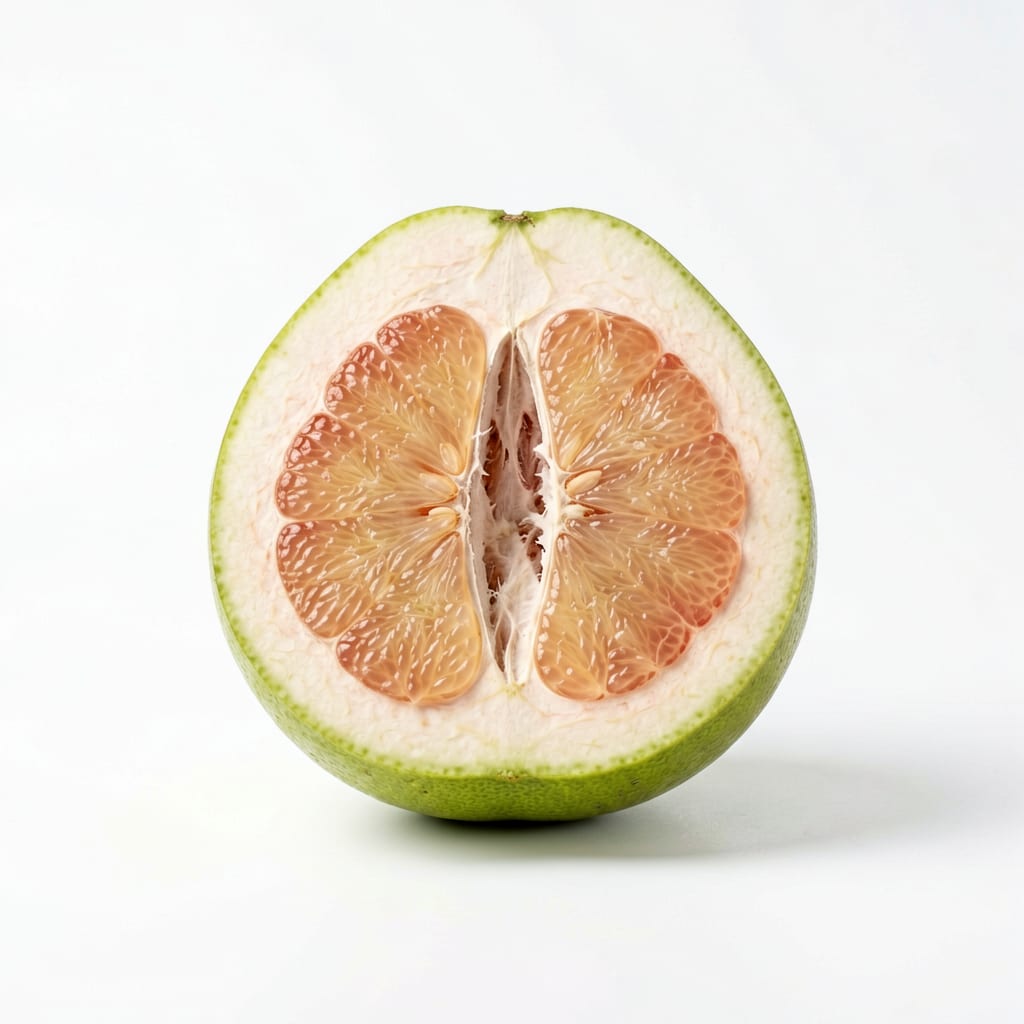
Citrus Fruit
Pomelo
A large, low-calorie citrus fruit with a sweet-tart flavor and thick rind, rich in vitamin C and potassium.
The largest citrus fruit, featuring a thick green or yellow rind and sweet-tart flesh that ranges from pale yellow to deep pink. It has a milder and sweeter flavor compared to a grapefruit.
high-volume low-calorie fruit
Typical serving · 150g
Common varieties · Chandler, Honey, Thong Dee, Ruby, Pink +1 more
Overall context score across nutrition, safety, and diet fit
At a glance
Quick facts
Simple indicators based on nutrition, processing, and diet fit.
The story
What makes it unique
Pomelo is a raw, minimally processed fruit with high water content and low energy density. It digests at a moderate pace due to its fiber content, which contributes to mild satiety. Its macronutrient profile is dominated by simple carbohydrates (sugars) with trace amounts of protein and virtually no fat.
Varieties: Chandler · Honey · Thong Dee · Ruby · Pink · White
Per 100g
Nutrition breakdown
Macro balance and key metrics at a glance.
Energy
Density 0.38 kcal/g
Protein
Carbs
Fat
Fiber
Sugar
8 g
Sodium
1 mg
Potassium
216 mg
Glycemic index
25
Glycemic load
2
Water content
89%
Standout compounds
Nutrient highlights
Vitamin C
highSupports immune system function and acts as a potent antioxidant.
Potassium
moderateRegulates fluid balance and supports healthy blood pressure.
Fiber
moderatePromotes digestive regularity and slows sugar absorption.
Wellness map
Health scores & processing
NOVA processing scale
minimally processed · Whole food
Raw, whole fruit that is unmodified from its natural state, requiring only peeling and segmenting before consumption.
Diet compatibility
- Weight loss
- Muscle gain
- Diabetes
- Gut health
- Low carb
- High protein
- Heart health
Relative standing
Food rankings
Qualitative ranks compared to similar whole foods.
- Satietygood
- Blood sugarexcellent
- Nutrient densitygood
- Fitness fuelmoderate
- Processing qualityexcellent
Eat with confidence
Food safety profile
The thick rind protects the edible flesh from most agricultural chemicals and microbial contamination. Primary concern is pesticide residue on the rind, which can transfer to hands or knife during cutting.
Evidence confidence 85%
- Pesticidesmoderate
- Antibioticslow
- Heavy metalslow
- Contaminationlow
Watch for
- pesticide residues on rind
- post-harvest fungicides
Safer choices
Organic pomelo reduces rind pesticide exposure.
Prep tips
Wash the rind thoroughly under running water before cutting to prevent transferring contaminants from the knife to the flesh.
Standard agricultural pesticide limits apply; rind is treated but flesh is generally protected.
Deep dive
Health analysis
How this food may fit different goals and preparation choices.
Weight loss
High water volume and low calorie density allow for large portions that physically fill the stomach without excess calories.
Blood sugar
Low glycemic index and glycemic load result in a slow, manageable rise in blood glucose, making it safe for glucose management.
Fitness & energy
Provides easily digestible simple sugars and high potassium for hydration, useful for a light pre-workout energy boost.
Gut health
Contains modest amounts of soluble fiber to support bowel regularity and feed beneficial gut bacteria.
Processing quality
A whole, unprocessed food with no added sugars, artificial preservatives, or refined ingredients.
Food safety
Flesh is well-protected by a thick rind. Washing the exterior before slicing mitigates the primary risk of rind-to-flesh contamination.
Common mistakes
Assuming pomelo is completely free of grapefruit-like drug interactions; it still contains furanocoumarins that affect certain medication metabolism.
Best preparation
Peel away the thick rind and bitter white pith, then separate into segments, removing the tough membrane around the flesh for the sweetest flavor.
Practical guide
Best use cases
When and how this food fits real eating patterns.
High-volume low-calorie snacking
Provides a large physical portion size for minimal calories, satisfying the urge to eat a large snack.
Vitamin C immune boost
Delivers a high dose of ascorbic acid to support immune function and collagen synthesis.
Post-workout hydration
High water and potassium content help rehydrate and replenish electrolytes lost through sweat.
Balance sheet
Pros & cons
Upsides
- Very low in calories with high water content
- Rich in vitamin C and antioxidants
- Low glycemic load supports stable blood sugar
- Thick rind protects flesh from pesticide exposure
- Contains potassium which supports heart health
Trade-offs
- Contains furanocoumarins that interact with certain medications
- Tedious to peel and segment due to thick pith
- Shorter shelf life once peeled
- Not suitable for strict low-carb or keto diets
- Lower fiber content compared to many other whole fruits
Fit check
Who is it for?
Great match
- weight management
- blood sugar control
- immune support
- hydration
- low-sodium diets
Consider alternatives
- strict ketogenic diets
- those on statins or interacting medications
- high-protein diets
- people seeking high-fiber foods
Side by side
How it compares
Open the full head-to-head analysis for nutrition, safety, and practical tradeoffs.
This food
Pomelo
VS95% alike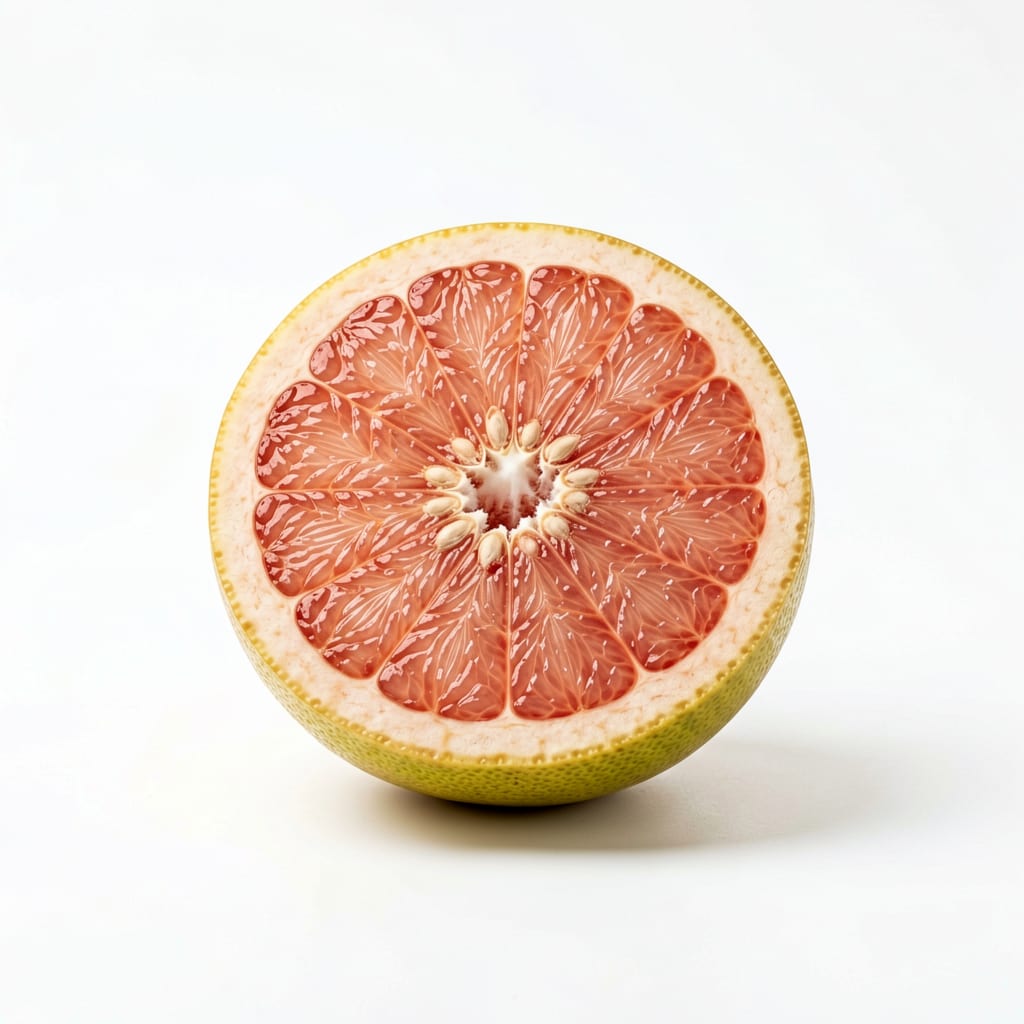
Compare with
Grapefruit
Pomelo is sweeter and less bitter than grapefruit, with slightly fewer calories per gram, while grapefruit offers a bit more fiber and vitamin C.
Pomelo is sweeter and slightly lower in calories, while grapefruit is more tart and higher in fiber and vitamin C.
This food
Pomelo
VS85% alike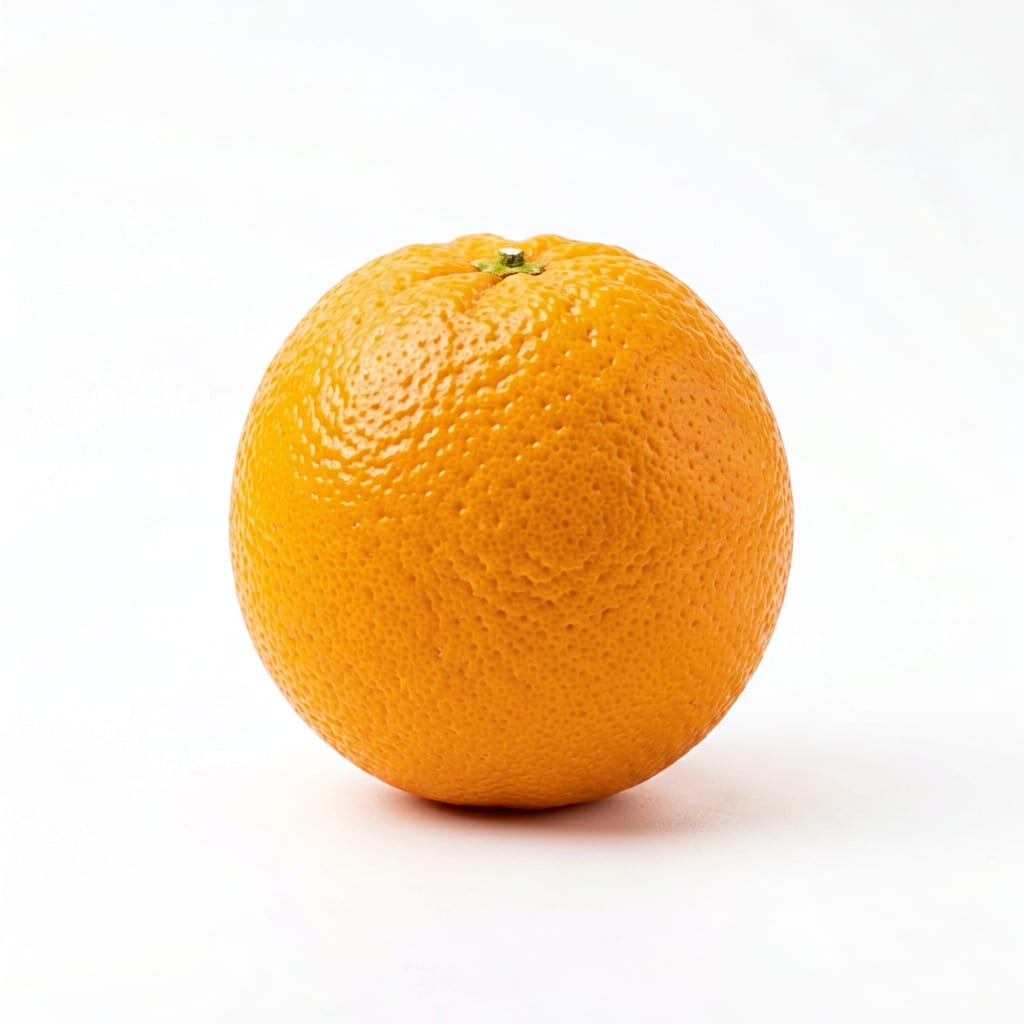
Compare with
Orange
Oranges are sweeter and higher in sugar and calories, while pomelo offers a lower glycemic impact and higher water volume per calorie.
Pomelo provides fewer calories and a lower sugar load than oranges, making it better for blood sugar control, while oranges offer more quick energy.
This food
Pomelo
VS80% alike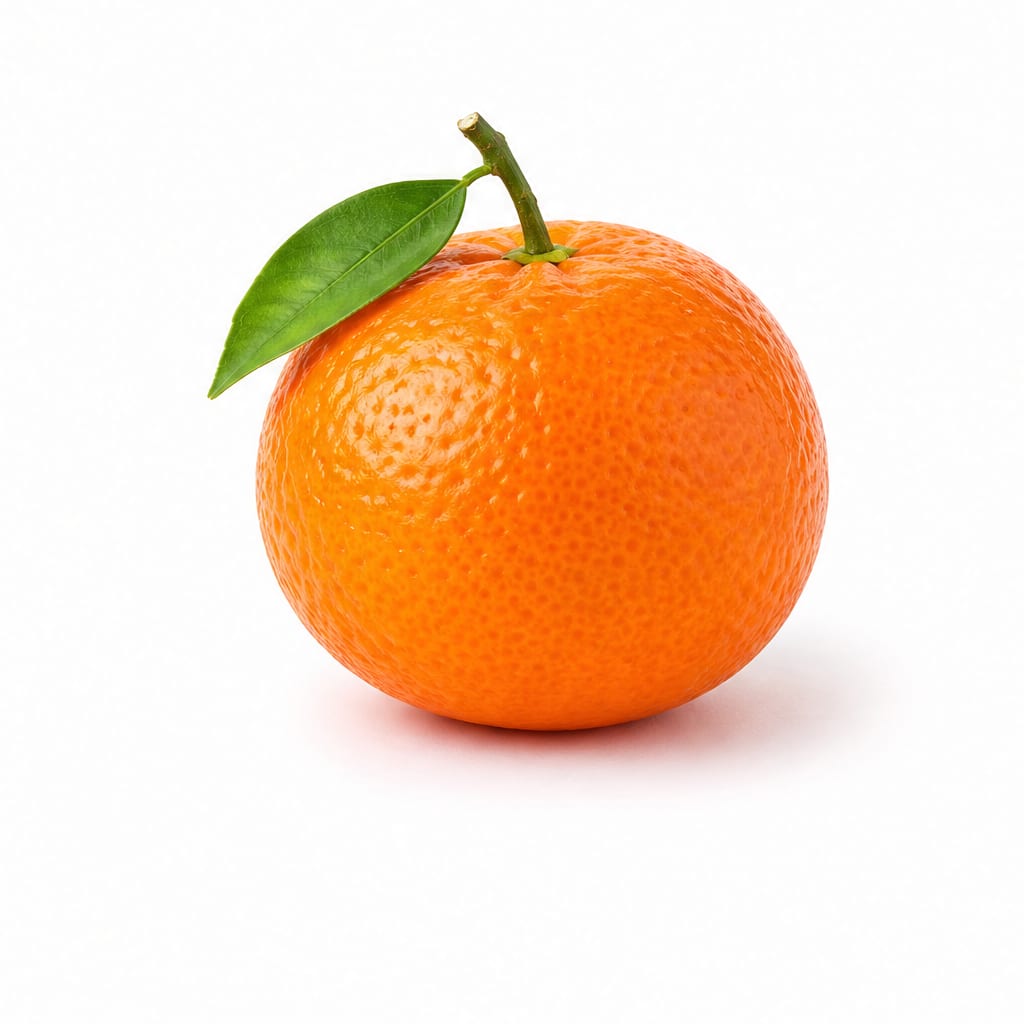
Compare with
Tangerine
Tangerines are much sweeter with higher sugar content, whereas pomelo is larger, less sweet, and significantly lower in calories per serving.
Pomelo is lower in sugar and calories than tangerines, offering better portion control for weight loss.
This food
Pomelo
VS75% alike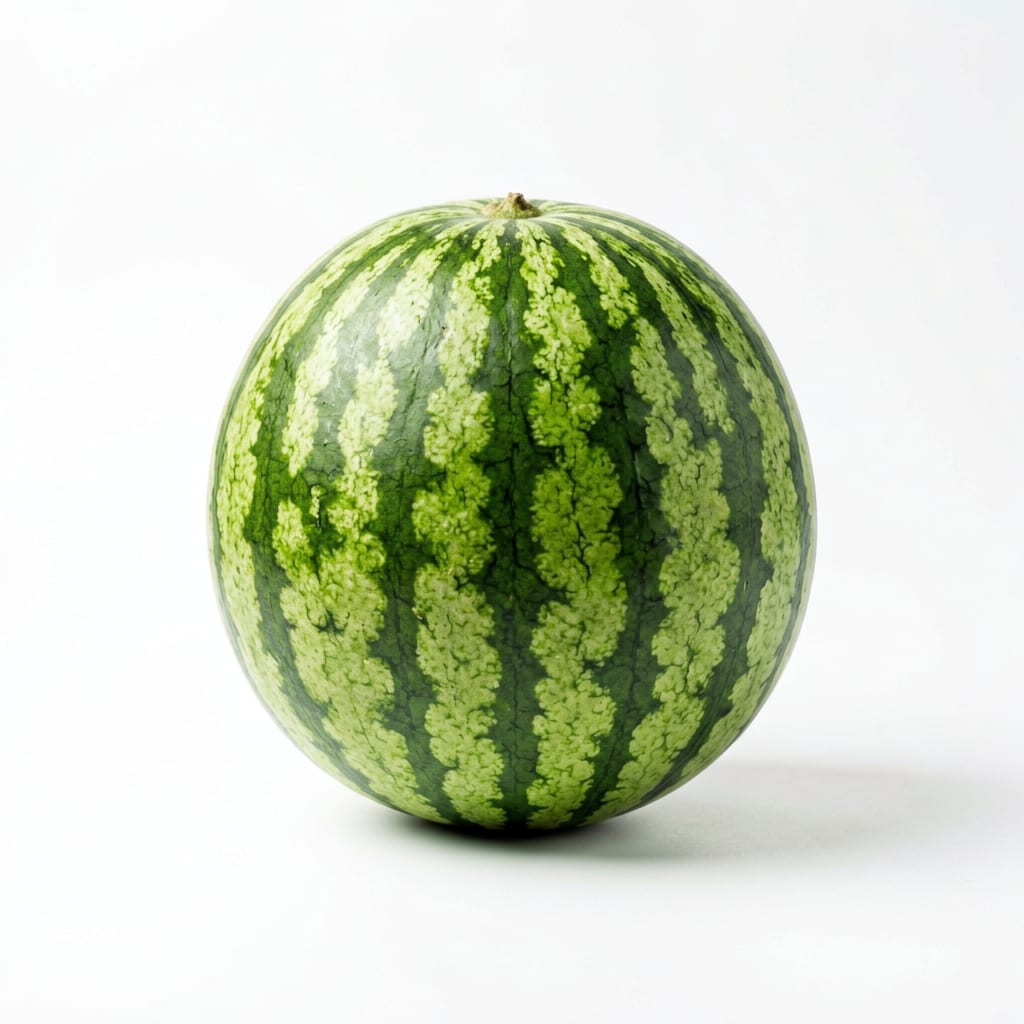
Compare with
Watermelon
Watermelon is slightly higher in sugar and glycemic load, while pomelo offers more vitamin C and a lower glycemic impact.
Pomelo has a lower glycemic load and more vitamin C than watermelon, making it slightly better for blood sugar management.
This food
Pomelo
VS70% alike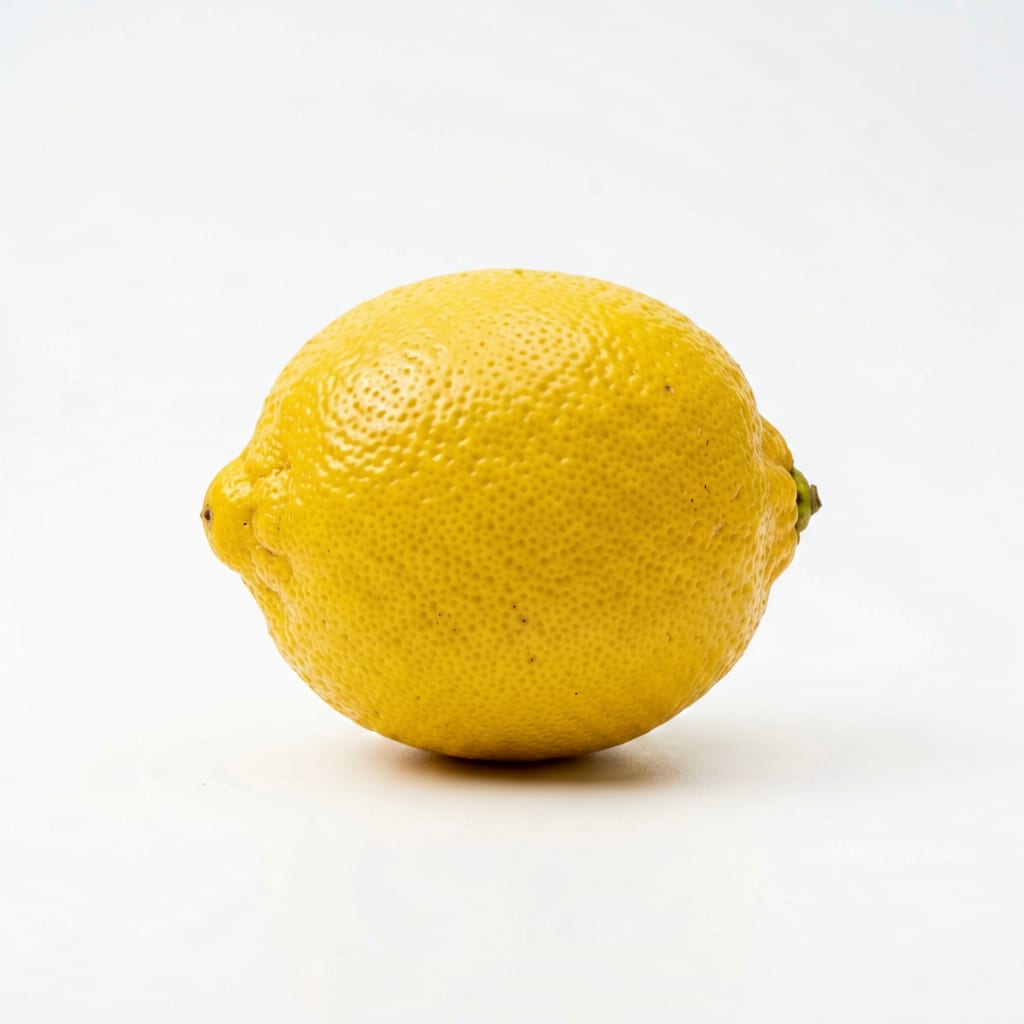
Compare with
Lemon
Lemons are extremely low in sugar and calories but rarely eaten in large quantities, whereas pomelo is a satisfying whole-fruit snack.
Lemons are lower in sugar and calories but are not eaten as a snack food; pomelo provides a filling, low-calorie eating experience.
This food
Pomelo
VS65% alike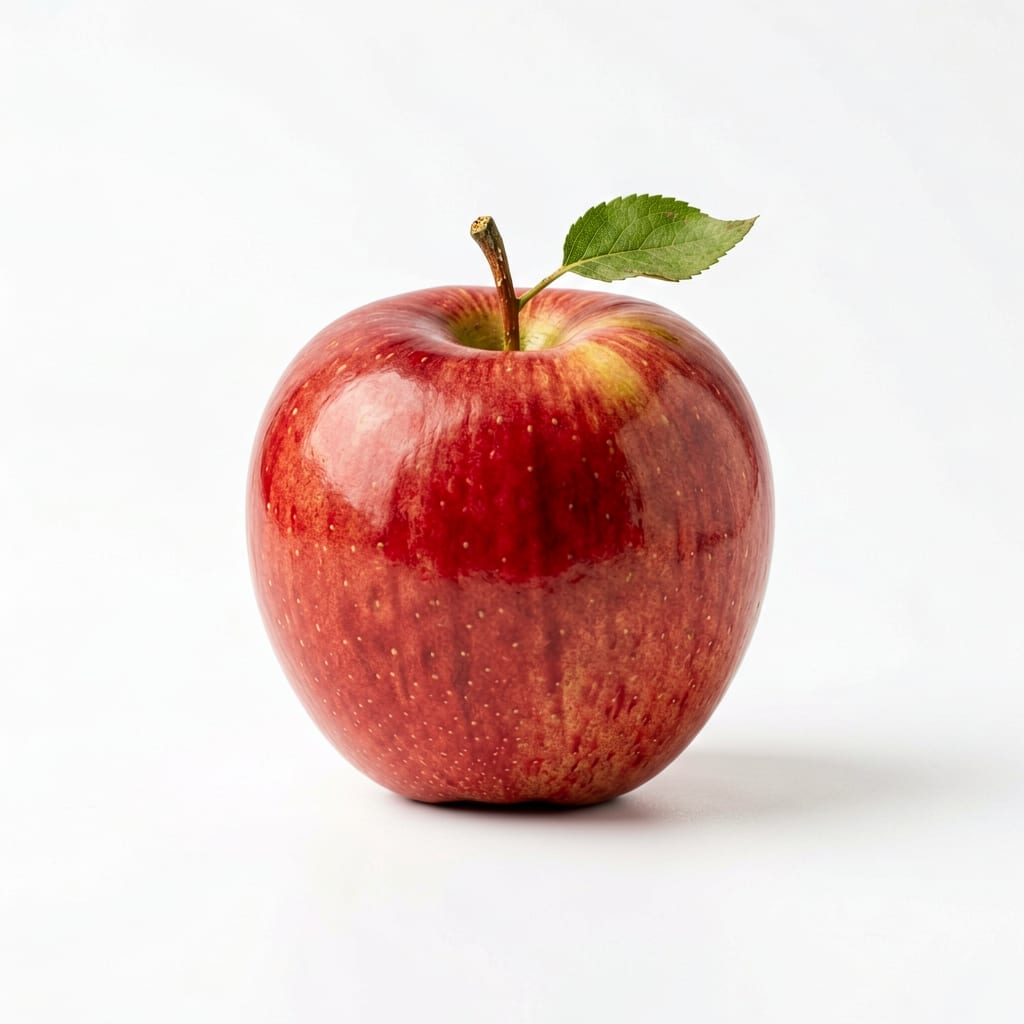
Compare with
Apple
Apples are significantly higher in fiber and satiety, but pomelo is much lower in calories and sugar.
Apples provide more fiber and satiety, while pomelo offers fewer calories and a lower glycemic load for blood sugar control.
This food
Pomelo
VS60% alike
Compare with
Banana
Bananas are dense in carbs and potassium for energy, while pomelo is low-calorie and hydrating with far less sugar.
Bananas provide dense workout energy and more potassium, while pomelo is a low-calorie, low-sugar alternative for weight loss.
This food
Pomelo
VS55% alike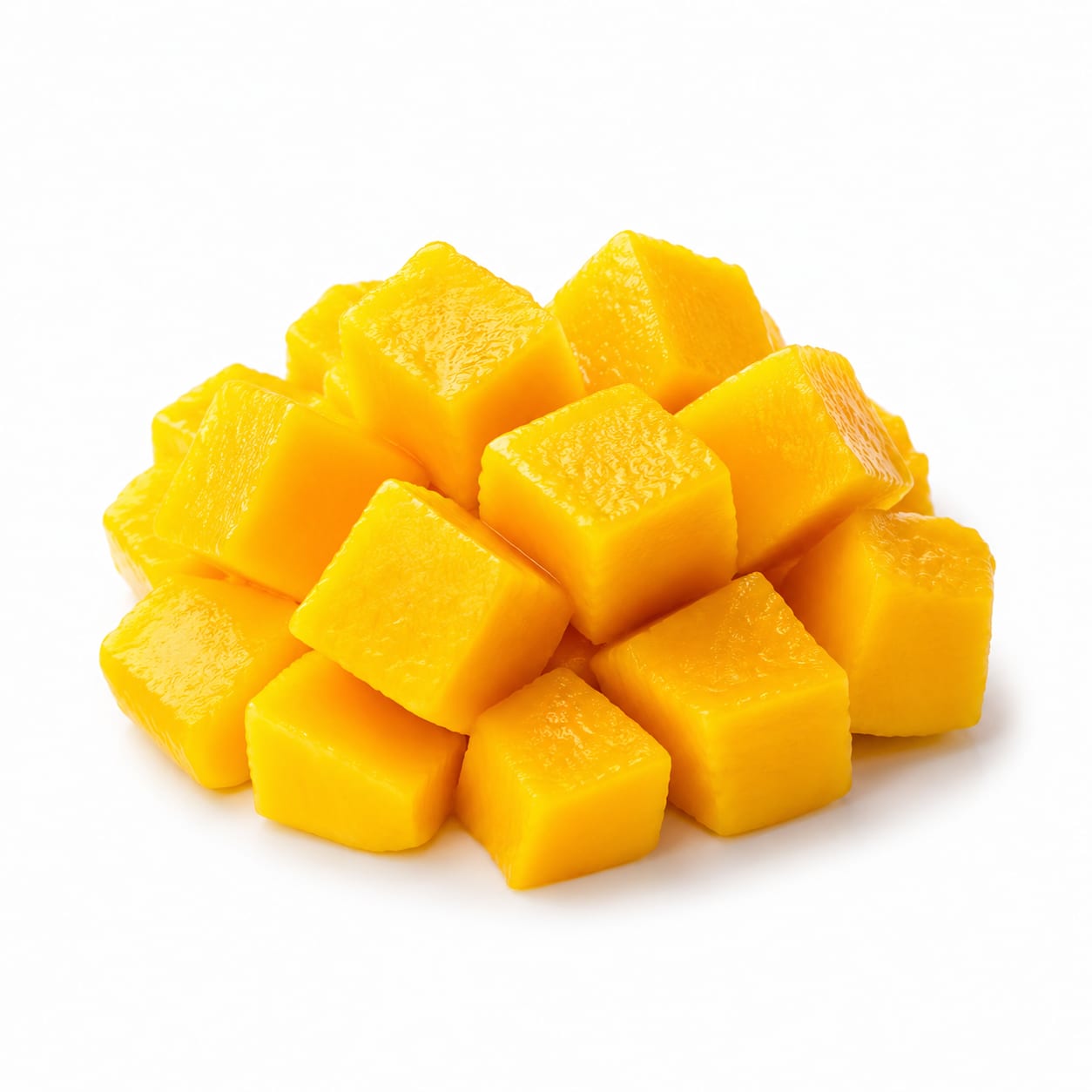
Compare with
Mango
Mangoes are much sweeter and higher in calories and sugar, while pomelo provides a more blood-sugar-friendly option.
Pomelo is significantly lower in sugar and calories than mango, making it a better choice for weight loss and diabetes management.
This food
Pomelo
VS55% alike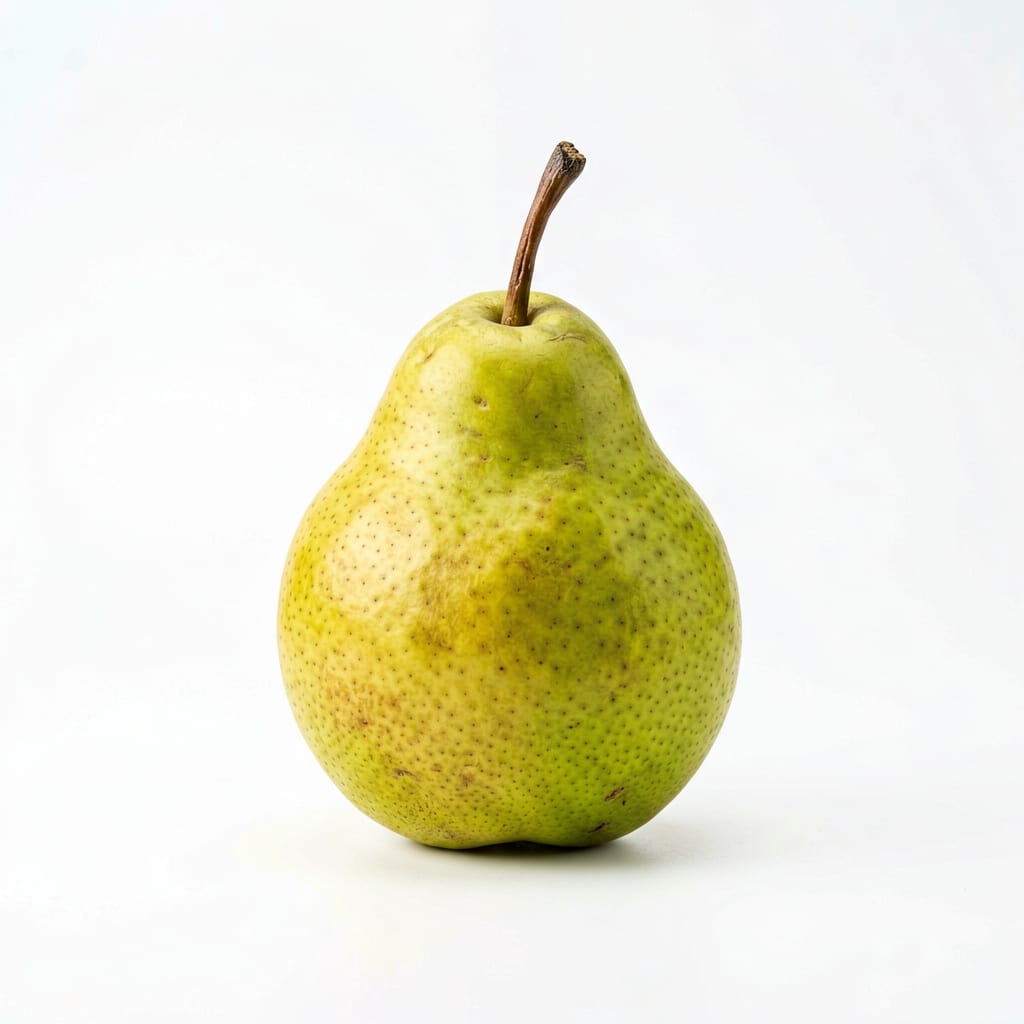
Compare with
Pear
Pears are much higher in fiber and sweetness, whereas pomelo is lower in calories and carbohydrates.
Pears offer more fiber for gut health, but pomelo is lower in calories and sugar for stricter weight loss goals.
This food
Pomelo
VS50% alike
Compare with
Pineapple
Pineapple is sweeter and higher in sugar and calories, while pomelo is milder and more suitable for low-calorie diets.
Pomelo contains far fewer calories and less sugar than pineapple, making it a lighter choice for weight management.
Common questions
FAQ
Answers aligned with how people search for this food.
Is pomelo good for weight loss?
Yes, pomelo is excellent for weight loss. It has high water content and very few calories per gram, allowing you to eat a large volume of food without consuming excess calories.
Can diabetics eat pomelo?
Yes, pomelo has a low glycemic index and glycemic load, meaning it causes a slow and steady rise in blood sugar rather than a sharp spike.
Does pomelo interact with medications like grapefruit?
Yes, pomelo contains furanocoumarins similar to grapefruit, which can interfere with enzymes that metabolize certain medications like statins. Consult your doctor if you take interacting drugs.
How do you eat a pomelo?
Score and peel away the thick green or yellow rind and the bitter white pith. Separate the fruit into segments and remove the tough membrane surrounding the flesh before eating.
Is pomelo healthier than grapefruit?
Both are highly nutritious. Pomelo is sweeter and slightly lower in calories per gram, while grapefruit is slightly higher in vitamin C and fiber. They offer similar health benefits.
How many calories are in a whole pomelo?
A medium pomelo contains roughly 230 calories, but much of the weight is in the thick rind and pith. The edible portion of a whole fruit is usually around 100-150 calories.
Is pomelo high in sugar?
Pomelo contains natural sugars (about 8g per 100g of flesh), but its low glycemic load means it does not spike blood sugar significantly when eaten in normal portions.
What does pomelo taste like?
Pomelo tastes like a mild, sweet grapefruit without the intense tartness or bitterness. The flavor is delicate, floral, and slightly tangy.
Transparency
Data confidence
Estimated confidence for nutrition data, interpretation, safety notes, and comparisons.
Nutrition data
Health analysis
Food safety
Comparisons