
Nutrition comparison
Pomelo vs Pear: Vitamin C Powerhouse or Fiber Champion?
Pomelo delivers 15x more vitamin C than pears but carries medication interaction risks. Pears win on fiber, convenience, and daily safety. Compare nutrition, blood sugar impact, and which fruit fits your health goals.
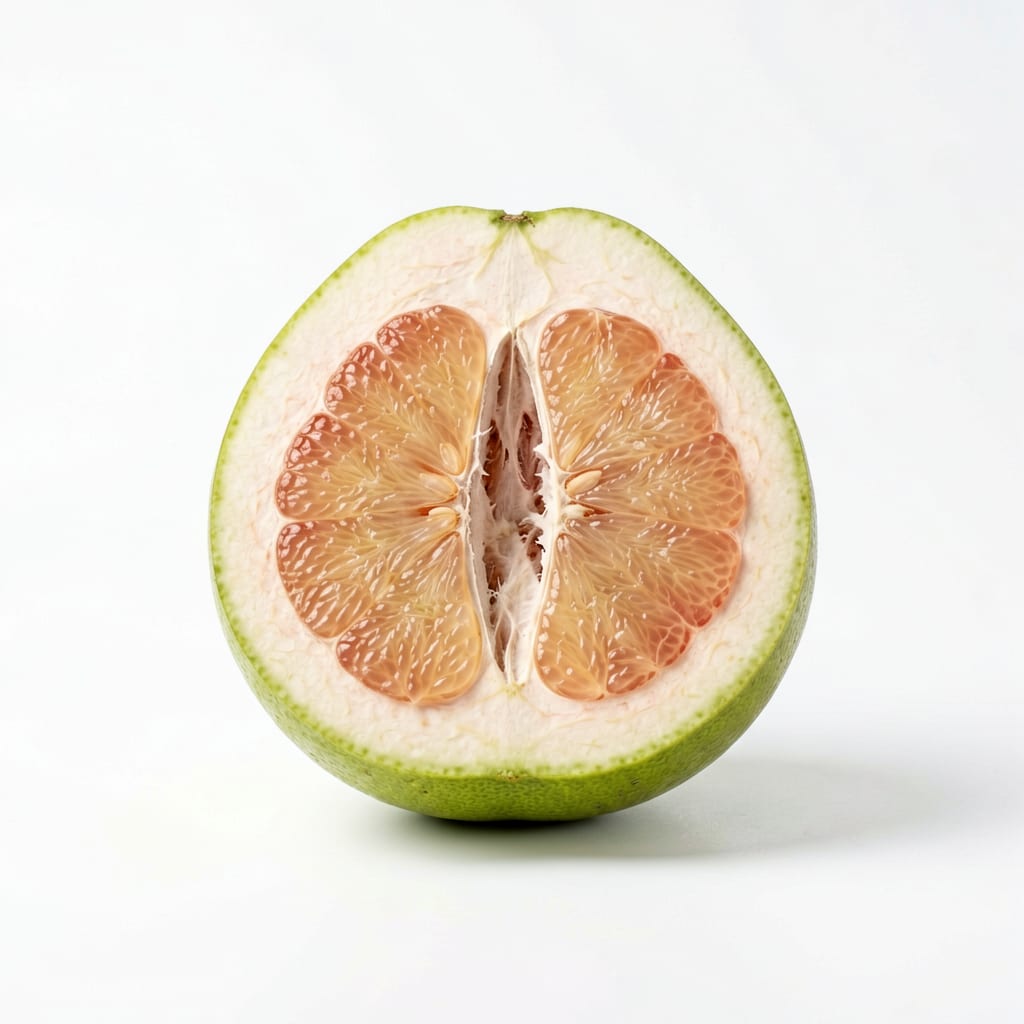
Pomelo
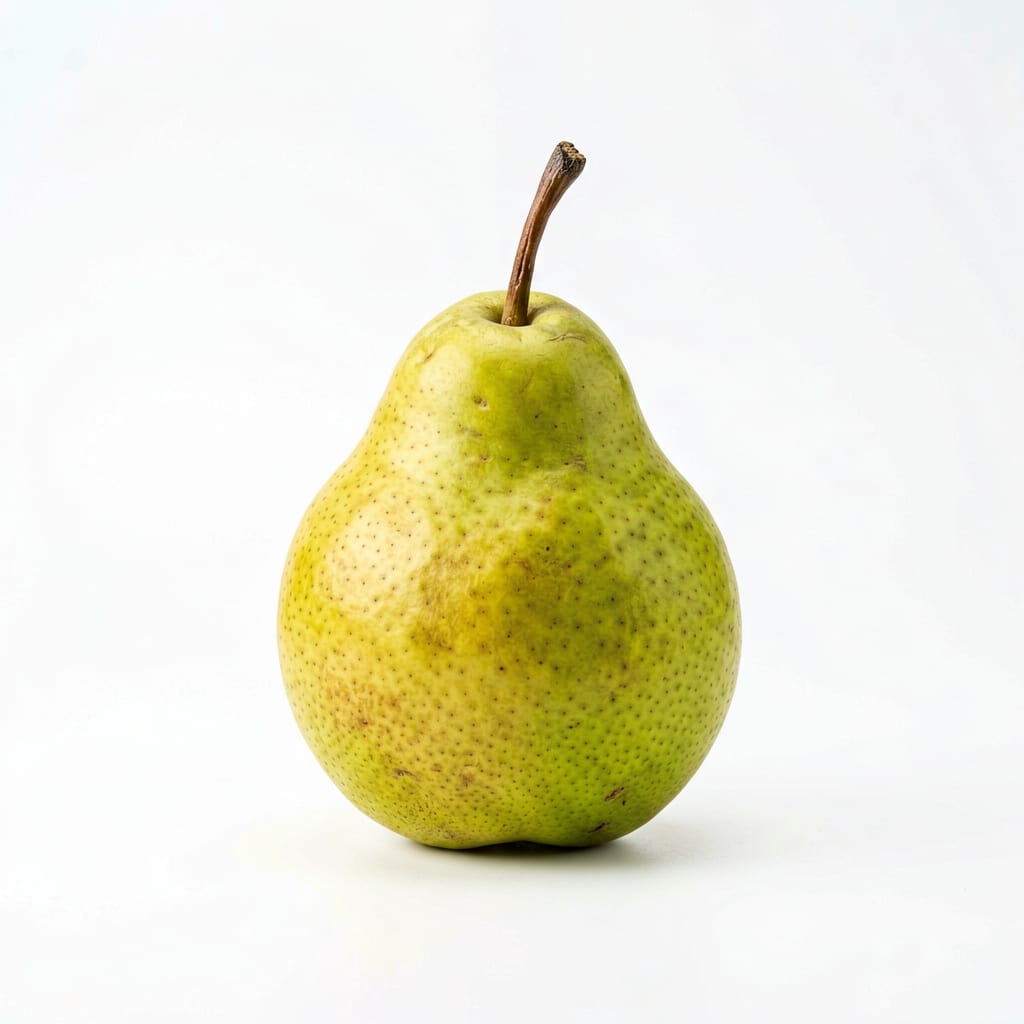
Pear
Pomelo crushes on vitamin C and antioxidants, while pear wins on fiber, convenience, and medication safety. Your health priorities decide the winner.
Pear edges ahead due to superior daily practicality, better fiber profile, and no medication interaction concerns. Pomelo's exceptional vitamin C and antioxidant content keeps it competitive, but its seasonal availability and drug interaction risk narrow its everyday usefulness.
Pomelo gives you far more immune-boosting vitamin C and unique citrus antioxidants, but pear delivers better digestive fiber, easier daily access, and zero drug interaction risk.
At a glance
Executive summary
Overall
It depends
Healthier
It depends
More practical
Pear
Daily use
Pear
Key comparison lenses
Vitamin C and immune support comparison
Pomelo delivers dramatically more vitamin C than pears, making this the most nutritionally significant difference between the two
Medication interaction safety
Pomelo contains furanocoumarins that can interfere with certain medications, similar to grapefruit, which many users are unaware of
Blood sugar and diabetes-friendly snacking
Both are sweet fruits with different sugar loads and glycemic impacts, a common concern for health-conscious users
Digestive health and fiber quality
Pears offer notably more soluble fiber which feeds gut bacteria differently than the fiber in pomelo
Everyday convenience and availability
Pears are widely available year-round while pomelos are seasonal and harder to find, affecting real-world consistency
Best choice for
Pomelo
- Immune support and cold season defense
- Antioxidant-rich anti-aging nutrition
- Low-calorie volume eating for weight management
- Potassium boost for active individuals
- Citrus flavor lovers seeking variety
Pear
- Digestive regularity and gut health
- Medication-safe daily fruit choice
- Convenient on-the-go snacking
- Sustained energy without sugar spikes
- Budget-friendly consistent fruit intake
Least suitable for
Pomelo
- People on statins, blood pressure meds, or immunosuppressants
- Those needing a quick grab-and-go snack
- Shoppers with limited access to Asian or specialty markets
- Anyone sensitive to citrus acidity
Pear
- Those seeking high vitamin C intake from food alone
- People wanting bold tropical or citrus flavors
- Anyone looking for very low sugar fruit options
Deep comparison
Dimension by dimension
Each lens scores both foods and breaks down who each option suits.
- Dimension 1 · Priority 92Pomelo
Vitamin C and Immune Power
Pomelo · 95Pear · 22Pomelo delivers roughly 61mg of vitamin C per 100g versus pear's meager 4mg, making pomelo one of the best fruit sources for immune support.
Tradeoff
You get outstanding vitamin C from pomelo but must contend with its seasonal availability and drug interactions that pears completely avoid.
Why it matters
Vitamin C is essential for immune function, collagen production, and iron absorption. Most people need consistent daily intake, not occasional large doses.
Real-world impact
Eating pomelo during cold season can meaningfully boost your vitamin C intake in a way that pears simply cannot match. One thick wedge of pomelo covers most of your daily vitamin C needs.
Pomelo
- Cold and flu season immune defense
- Collagen support for skin health
- Iron absorption when paired with iron-rich meals
Better for
- Anyone mistakenly thinking all fruit provides similar vitamin C
Worse for
Pear
- Consistent low-level antioxidant intake without timing pressure
Better for
- Relying on pear for vitamin C needs will leave you significantly short
Worse for
- Dimension 2 · Priority 85Pear
Fiber and Digestive Health
Pomelo · 62Pear · 88Pears provide about 3.1g of fiber per 100g with a high proportion of soluble pectin, while pomelo offers roughly 1g per 100g with less prebiotic benefit.
Tradeoff
Pear's richer fiber content supports gut bacteria and regularity far better, but pomelo's lighter fiber load makes it easier to eat in larger volumes without bloating.
Why it matters
Soluble fiber feeds beneficial gut bacteria, steadies blood sugar, and helps lower cholesterol. Most people fall short of daily fiber targets.
Real-world impact
A medium pear with its skin provides about 5-6g of fiber, roughly 20% of your daily need. You would need to eat a very large amount of pomelo to match that, which is impractical.
Pomelo
- Light snacking before workouts without digestive heaviness
- People with sensitive digestion who find high-fiber fruit uncomfortable
Better for
- Anyone counting on pomelo as a significant fiber source
Worse for
Pear
- Improving daily bowel regularity
- Feeding beneficial gut bacteria with prebiotic pectin
- Steadying blood sugar after meals
Better for
- Those who find high-fiber fruit too filling before physical activity
Worse for
- Dimension 3 · Priority 83It depends
Blood Sugar Impact
Pomelo · 76Pear · 72Pomelo has less sugar per serving (about 6-7g per 100g) compared to pear (about 9.8g per 100g), but pear's higher fiber slows sugar absorption more effectively.
Tradeoff
Pomelo starts with less sugar but delivers it with less fiber to buffer absorption. Pear has more sugar but releases it more gradually due to pectin content.
Why it matters
How slowly sugar enters your bloodstream matters more than the total sugar amount for sustained energy and diabetes management.
Real-world impact
A pear with its skin provides steadier energy over 1-2 hours. Pomelo gives a lighter, quicker energy boost that fades sooner. Both are reasonable choices compared to most processed snacks.
Pomelo
- Lower total sugar intake for the day
- Lighter snack option that will not feel heavy
- Those tracking carbohydrate grams carefully
Better for
- People assuming low sugar always means better blood sugar control
Worse for
Pear
- Longer-lasting satiety between meals
- More gradual blood sugar response due to fiber buffering
- Sustained afternoon energy without a crash
Better for
- Those strictly limiting total sugar grams regardless of fiber content
Worse for
- Dimension 4 · Priority 88Pear
Medication Safety
Pomelo · 35Pear · 98Pomelo contains furanocoumarins that can dangerously interact with statins, blood pressure medications, immunosuppressants, and other drugs. Pears have no known drug interactions.
Tradeoff
Pomelo's beneficial citrus compounds come with a real pharmacological risk that pears entirely avoid. This is the most consequential safety difference between these two fruits.
Why it matters
Grapefruit-family drug interactions can cause medication levels to build up dangerously in your body, sometimes leading to serious side effects. Many people are unaware that pomelo carries the same risk.
Real-world impact
If you take simvastatin, amlodipine, tacrolimus, or similar medications, eating pomelo could alter your drug levels within hours. Pears are safe to eat with virtually any medication.
Pomelo
- People not on any interacting medications who want citrus benefits
Better for
- The estimated 30% of adults over 40 taking statins or blood pressure medications
Worse for
Pear
- Anyone on statins, blood pressure drugs, or immunosuppressants
- Older adults typically on multiple medications
- Those unsure about their medication interactions
Better for
- Dimension 5 · Priority 78Pear
Convenience and Availability
Pomelo · 40Pear · 90Pears are available in most grocery stores year-round, easy to pack, and require no peeling. Pomelos are seasonal, often require specialty stores, and need thick rind removal.
Tradeoff
Pear's everyday convenience makes it a reliable daily habit. Pomelo requires more effort and planning but rewards you with a unique eating experience and superior vitamin C.
Why it matters
The healthiest fruit is the one you actually eat consistently. Convenience often determines whether a food becomes a habit or an occasional novelty.
Real-world impact
You can grab a pear on your way out the door any day of the year. Finding a good pomelo might require a trip to an Asian market during winter months, and peeling it takes several minutes.
Pomelo
- Intentional weekend meal prep when you have time to prepare fruit
- Special occasion fruit platters and entertaining
Better for
- Anyone who needs reliable access to fruit regardless of season
Worse for
Pear
- Busy weekday mornings
- Office desk snacking
- School lunchboxes
- Consistent daily fruit habits without shopping hassle
Better for
- Dimension 6 · Priority 75Pomelo
Antioxidant Diversity
Pomelo · 86Pear · 60Pomelo provides naringenin, limonoids, and hesperidin, which are unique citrus antioxidants with emerging research on anti-inflammatory and anti-cancer properties. Pears offer primarily flavonols and vitamin K.
Tradeoff
Pomelo's citrus-specific antioxidants have more compelling research on cellular protection, but pears provide a different antioxidant profile that complements a varied diet.
Why it matters
Different antioxidant families protect cells through different pathways. Citrus flavonoids have shown particular promise for cardiovascular and anti-cancer effects in research.
Real-world impact
Regularly eating pomelo during its season introduces antioxidant types you rarely get from other common fruits. Pears contribute to your overall antioxidant intake but with less distinctive compounds.
Pomelo
- Anti-inflammatory eating patterns
- Cardiovascular protective nutrition
- Adding diversity to an antioxidant routine
Better for
- Those who cannot access pomelo regularly enough for cumulative benefits
Worse for
Pear
- Consistent baseline antioxidant intake from everyday eating
Better for
- People relying only on pears for antioxidant variety
Worse for
Timeline
Health impact over time
Short-term
Hours to days
Pomelo
- Quick vitamin C boost supporting immediate immune function
- Light hydration from high water content without feeling heavy
- Potential stomach upset if eaten on an empty stomach due to acidity
- Possible medication level changes within hours if on interacting drugs
Pear
- Comforting fullness from fiber that curbs snacking for 1-2 hours
- Gentle on the stomach, well tolerated even when sensitive
- Steady energy without the rapid rise and fall of sweeter fruits
- Mild blood sugar stabilization from soluble fiber within 30 minutes
Long-term
Months to years
Pomelo
- Stronger immune resilience if eaten consistently during season
- Potential cardiovascular benefit from naringenin and potassium
- Risk of medication interaction complications if unaware of contraindications
- Possible contribution to kidney stone prevention via citrate content
Pear
- Improved gut microbiome diversity from regular pectin intake
- Better cholesterol management from sustained soluble fiber consumption
- More consistent digestive regularity and reduced constipation
- Lower long-term type 2 diabetes risk from improved glycemic habits
Risk profile
Safety & processing
Both pomelo and pear are whole, unprocessed fruits with no artificial additives when purchased fresh. The main naturalness concern is that conventional pears often carry higher pesticide residues, while pomelos typically have lower residue due to their thick rind. Choose organic pears if pesticide exposure concerns you.
Pomelo
Medication interaction
highFuranocoumarins in pomelo inhibit CYP3A4 enzymes, potentially causing dangerous buildup of statins, calcium channel blockers, immunosuppressants, and certain psychiatric medications. Always check with your pharmacist.
Pesticide residue on rind
lowThe thick rind protects the edible flesh from most pesticide exposure. Peeling eliminates nearly all surface residue concern.
Foodborne illness from improper handling
lowAs with any fresh fruit, cutting through an unwashed rind can transfer surface bacteria to the flesh. Wash the rind before cutting.
Pear
Pesticide residue
mediumPears consistently rank on the EWG's Dirty Dozen list with detectable residues of multiple pesticides. Eating the skin, where fiber is concentrated, also means consuming more residue unless organic.
Allergic reaction in birch pollen-sensitive individuals
lowPeople with oral allergy syndrome may experience itching or swelling in the mouth from raw pears due to cross-reactivity with birch pollen proteins. Cooking denatures these proteins.
Who wins for whom
Audience fit
Same foods, different winners depending on your goal.
children
PearPears are sweeter, softer, easier to chew, and have no medication interaction concerns. Their mild flavor is more kid-friendly than pomelo's slight bitterness. They are also far easier to pack in school lunches.
daily consumption
PearYear-round availability, easy preparation, no medication concerns, and reliable fiber make pears a more sustainable daily habit. Pomelo works better as a seasonal supplement to your routine.
diabetes
It dependsPomelo has less total sugar but pear's higher fiber slows absorption more effectively. The best choice depends on whether you prioritize lower sugar grams or gentler glycemic response. Always pair with protein or fat.
elderly
PearPears are gentler on the stomach, provide crucial fiber for common constipation issues, and carry no drug interaction risk, which matters greatly since older adults often take multiple medications.
muscle gain
It dependsNeither fruit is a meaningful protein source. Pomelo offers slightly more potassium for muscle cramp prevention, while pear provides more sustained energy for longer training sessions.
weight loss
PomeloPomelo has fewer calories per 100g (about 38 vs 57) and less sugar, allowing larger portions for fewer calories. Its volume-to-calorie ratio is excellent for feeling full without overeating.
Your move
Decision guide
Choose Pomelo
- You want maximum vitamin C from a whole food source
- You are not on any interacting medications
- You can find pomelo during its winter season
- You enjoy the ritual of preparing and sharing a unique fruit
- You are focused on anti-inflammatory and antioxidant nutrition
Choose Pear
- You take statins, blood pressure medications, or immunosuppressants
- You need a reliable daily fruit you can grab without planning
- Digestive regularity and gut health are top priorities
- You want consistent access at any grocery store year-round
- You are packing fruit for children or older family members
Either works if
- You simply want a whole fruit instead of processed snacks
- You are rotating fruits for dietary variety and both are available
- You have no medication concerns and value both fiber and vitamin C
Avoid both if
- You have a strict very-low-carb or ketogenic diet and cannot accommodate fruit sugar
- You have fructose intolerance or malabsorption that triggers symptoms from both fruits
Final recommendation
Make pears your everyday fruit for consistent fiber, convenience, and safety. Add pomelo during its winter season as a vitamin C and antioxidant boost, but only if you have confirmed it will not interact with any medications you take. This combination gives you the best of both worlds without compromise.
Practical
Consumer tips
- 1
Always check with your doctor or pharmacist before eating pomelo if you take any prescription medications, especially statins or blood pressure drugs
- 2
Choose organic pears when possible since they rank high for pesticide residue, and always eat the skin for maximum fiber benefit
- 3
Buy pomelos that feel heavy for their size, which indicates juiciness, and store them in the refrigerator to extend their short season
- 4
Let pears ripen at room temperature until they yield slightly near the stem, then refrigerate to hold perfect ripeness for 2-3 days
- 5
Pair either fruit with a handful of nuts or a slice of cheese to slow sugar absorption and extend satiety significantly
- 6
If pomelo is unavailable, grapefruit offers similar benefits but carries the same medication interaction risks