
Nutrition comparison
Pomelo vs Banana: Which Fruit Is Better for Your Health Goals?
Compare pomelo and banana on sugar, vitamin C, potassium, blood sugar impact, and convenience. Find out which fruit fits your diet and lifestyle better.
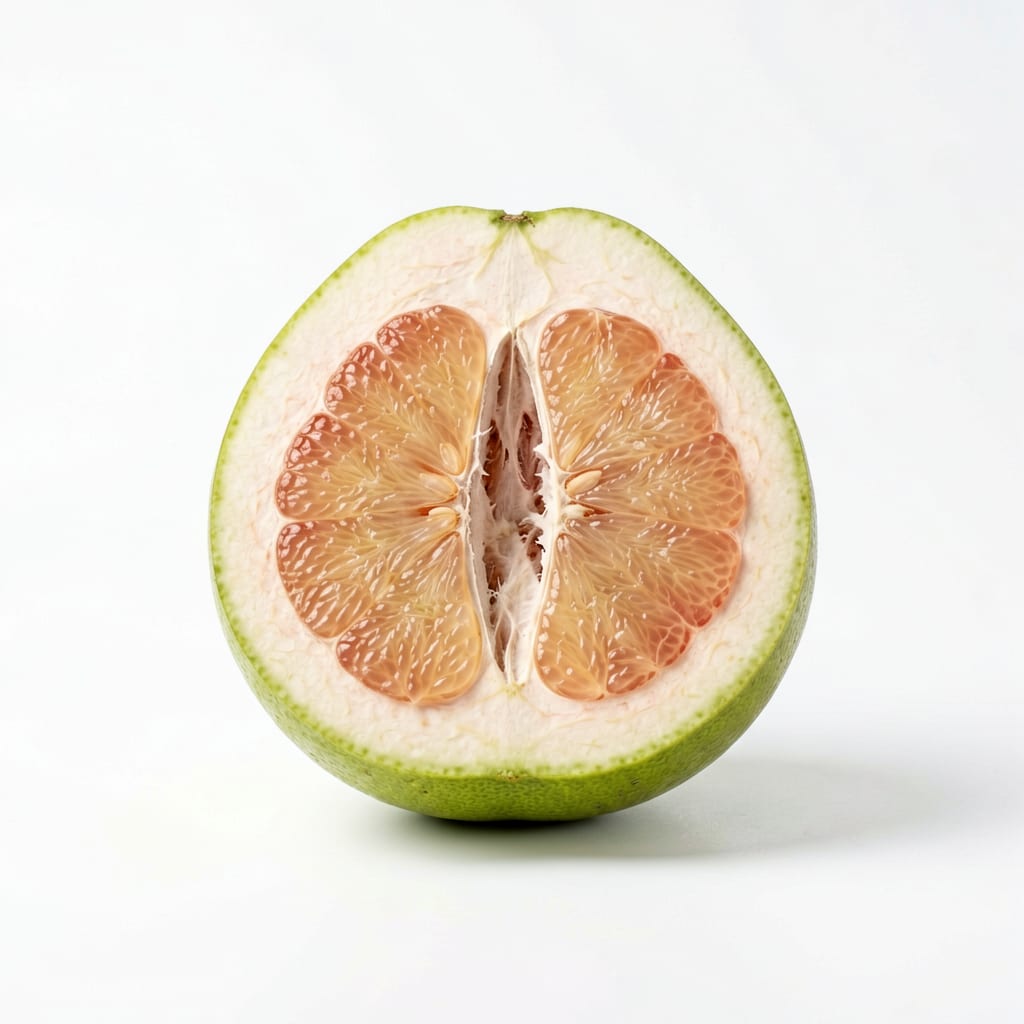
Pomelo
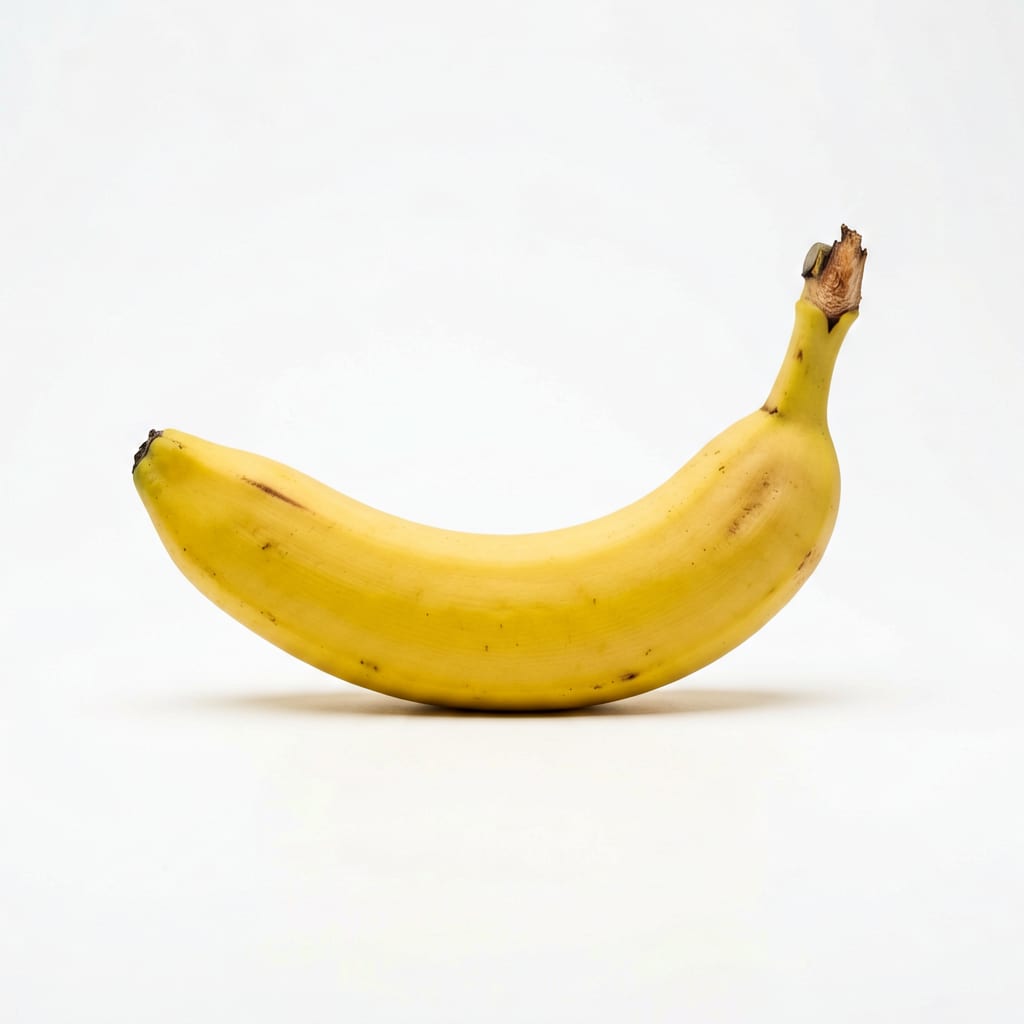
Banana
Pomelo wins for blood sugar control and vitamin C, while banana wins for convenience, satiety, and workout fuel.
Pomelo edges ahead nutritionally with lower sugar and higher vitamin C, but banana's unmatched convenience and satiety keep it competitive for everyday use.
Lower sugar and more nutrients in pomelo versus reliable energy and everyday practicality in bananas.
At a glance
Executive summary
Overall
It depends
Healthier
Pomelo
More practical
Banana
Daily use
Banana
Key comparison lenses
blood sugar management
Pomelo has significantly less sugar and a lower glycemic load, making this the most consequential difference for daily health decisions
convenience and availability
Bananas are available everywhere year-round while pomelos are seasonal and harder to find, heavily influencing real-world choices
vitamin C and immune support
Pomelo delivers dramatically more vitamin C, a key reason people choose citrus fruits
pre-workout energy and satiety
Bananas provide quicker energy and more sustained fullness, making them a go-to active lifestyle snack
weight management
Calorie density and sugar content differences matter significantly for those tracking intake
Best choice for
Pomelo
- People managing diabetes or insulin resistance
- Anyone watching sugar intake closely
- Those seeking maximum vitamin C
- People who enjoy lighter, hydrating snacks
Banana
- Athletes needing quick pre-workout fuel
- Busy people needing portable nutrition
- Anyone wanting a filling snack that curbs hunger
- Budget-conscious shoppers
Least suitable for
Pomelo
- People who need convenient on-the-go snacks
- Those on tight grocery budgets
- Anyone bothered by bitter citrus flavors
Banana
- People strictly limiting carbohydrate or sugar intake
- Those with ripe banana texture aversion
- Anyone managing significant blood sugar spikes
Deep comparison
Dimension by dimension
Each lens scores both foods and breaks down who each option suits.
- Dimension 1 · Priority 95Pomelo
sugar and blood sugar impact
Pomelo · 88Banana · 52Pomelo has roughly half the sugar of a banana and a much lower glycemic load, making it far gentler on blood sugar.
Tradeoff
You get steadier energy with pomelo but miss the quick fuel that bananas provide before exercise.
Why it matters
For anyone watching blood sugar, this difference alone could determine which fruit belongs in your daily routine.
Real-world impact
A pomelo snack won't cause the afternoon crash that a ripe banana might trigger for sugar-sensitive people.
Pomelo
- Steady energy without crashes
- Diabetes-friendly snacking
- Lower insulin demand
Better for
- Not enough carbs for intense exercise fuel
Worse for
Banana
- Quick energy before workouts
- Fast carbohydrate replenishment
Better for
- Blood sugar spikes in sensitive individuals
- Sugar cravings triggered by rapid glycemic rise
Worse for
- Dimension 2 · Priority 88Pomelo
vitamin C and antioxidant profile
Pomelo · 94Banana · 38Pomelo delivers over 3 times the vitamin C of a banana, plus unique citrus flavonoids like naringin.
Tradeoff
You gain immune and skin benefits with pomelo but lose the manganese and vitamin B6 that bananas provide.
Why it matters
Vitamin C is one of the most practical daily nutrients for immune resilience and collagen production.
Real-world impact
One pomelo segment serving covers most of your daily vitamin C needs, while you would need multiple bananas to match it.
Pomelo
- Immune system support
- Collagen and skin health
- Anti-inflammatory flavonoids
Better for
- Missing the B-vitamin edge that bananas offer
Worse for
Banana
- Vitamin B6 for brain function
- Manganese for bone health
Better for
- Weak vitamin C content relative to most fruits
Worse for
- Dimension 3 · Priority 82Banana
satiety and fullness
Pomelo · 58Banana · 82Bananas are denser and more filling per serving, while pomelo's high water content makes it lighter and less satiating.
Tradeoff
Bananas keep you fuller longer, but pomelo feels refreshing when you want something light.
Why it matters
Choosing a snack that actually satisfies hunger prevents overeating later in the day.
Real-world impact
A banana at 3pm can hold you until dinner; a pomelo might leave you reaching for something else within an hour.
Pomelo
- Refreshing when you want something light
- Less likely to feel heavy before meals
Better for
- May not satisfy real hunger alone
Worse for
Banana
- Curbs hunger between meals effectively
- More satisfying as a standalone snack
Better for
- Can feel heavy before intense activity
Worse for
- Dimension 4 · Priority 90Banana
convenience and availability
Pomelo · 35Banana · 95Bananas are cheap, available everywhere, and easy to eat. Pomelos are seasonal, harder to find, and require peeling effort.
Tradeoff
You sacrifice nutritional advantages of pomelo because bananas are simply easier to incorporate into daily life.
Why it matters
The healthiest food only matters if you actually eat it consistently.
Real-world impact
You can grab a banana on your way out the door; a pomelo requires sitting down, peeling, and dealing with the rind.
Pomelo
- Impressive centerpiece when entertaining
Better for
- Seasonal availability limits consistency
- Thick rind makes it messy to eat on the go
- Higher cost per serving
Worse for
Banana
- Toss in a bag for portable snacking
- Available at every grocery store year-round
- No prep needed beyond peeling
Better for
- Bruise easily in bags
Worse for
- Dimension 5 · Priority 75Banana
potassium and electrolyte balance
Pomelo · 62Banana · 85Bananas are a potassium powerhouse, delivering about 25% more potassium per serving than pomelo.
Tradeoff
Bananas better support muscle function and cramp prevention, though pomelo still contributes meaningfully.
Why it matters
Adequate potassium matters for blood pressure, muscle recovery, and heart rhythm.
Real-world impact
After a sweaty workout, a banana replenishes potassium more effectively than pomelo.
Pomelo
- Still a respectable potassium source
Better for
- Less effective for post-exercise electrolyte recovery
Worse for
Banana
- Better for muscle cramp prevention
- Stronger support for healthy blood pressure
Better for
- None significant in this dimension
Worse for
- Dimension 6 · Priority 70It depends
digestive tolerance
Pomelo · 72Banana · 68Pomelo is gentler for those sensitive to fermentable carbs, while bananas are easier for people avoiding citrus acidity.
Tradeoff
Each fruit irritates different digestive sensitivities, so personal tolerance determines the winner.
Why it matters
A healthy snack that causes bloating or heartburn defeats its own purpose.
Real-world impact
If citrus gives you heartburn, bananas are the safer bet. If FODMAPs trigger you, pomelo may be better tolerated.
Pomelo
- Lower FODMAP profile for IBS-sensitive people
- Less likely to cause fermentation bloating
Better for
- Acidity can trigger heartburn in some
Worse for
Banana
- Gentle on acid-sensitive stomachs
- Soft texture is easy to digest
Better for
- Ripe bananas can trigger IBS symptoms in FODMAP-sensitive people
Worse for
Timeline
Health impact over time
Short-term
Hours to days
Pomelo
- Quick hydration from high water content
- Vitamin C boost supporting immediate immune function
- Light feeling without digestive heaviness
Banana
- Rapid energy from easily digestible carbohydrates
- Quick potassium replenishment after sweating
- Immediate satiety that reduces between-meal snacking
Long-term
Months to years
Pomelo
- Lower cumulative sugar exposure supports metabolic health
- Consistent vitamin C intake benefits skin aging and immunity
- Naringin and citrus flavonoids may support cardiovascular health
Banana
- Sustained potassium intake supports blood pressure management
- Regular prebiotic fiber feeds beneficial gut bacteria
- Consistent B6 intake supports cognitive health over time
Risk profile
Safety & processing
Both fruits are whole, unprocessed foods eaten in their natural state. Neither contains additives, preservatives, or artificial ingredients.
Pomelo
pesticide residue on rind
lowWhile the thick rind protects the edible flesh, pesticide residues on the peel can transfer during cutting. Washing before peeling minimizes this.
drug interaction via furanocoumarins
mediumPomelo contains compounds that can interfere with certain medications metabolized by the liver, similar to grapefruit. Consult a pharmacist if taking statins or blood pressure medications.
Banana
pesticide residue
mediumConventional bananas often show pesticide residues on and near the peel. Choosing organic reduces exposure, though the thick peel provides some protection to the flesh.
latex-fruit syndrome cross-reactivity
lowPeople with latex allergies may experience reactions to bananas due to protein cross-reactivity. Symptoms are usually mild but worth monitoring.
Who wins for whom
Audience fit
Same foods, different winners depending on your goal.
children
BananaBananas are sweeter, softer, easier to eat, and almost universally liked by kids. Pomelo's bitterness and peeling difficulty make it a harder sell.
daily consumption
BananaBanana's consistent availability, affordable price, and ease of use make it more sustainable as a daily habit.
diabetes
PomeloPomelo's lower glycemic load and sugar content make it significantly safer for blood sugar management.
elderly
BananaBananas are soft, easy to chew, and provide potassium that supports blood pressure and muscle function in aging bodies.
muscle gain
BananaBananas provide faster carbohydrates for workout fuel and more potassium for muscle recovery, making them more useful around training.
weight loss
PomeloLower sugar and calorie density make pomelo more forgiving in a calorie-controlled diet, though banana's satiety can also prevent overeating.
Your move
Decision guide
Choose Pomelo
- You are managing blood sugar or following a low-carb approach
- You want maximum vitamin C from a whole food source
- You take medications that require avoiding grapefruit (check with your doctor first)
- You prefer light, refreshing snacks over dense ones
- You enjoy seasonal eating and can find pomelos locally
Choose Banana
- You need reliable pre- or post-workout fuel
- Convenience and portability are daily priorities
- You want a filling snack that prevents overeating later
- You are feeding children who prefer sweet flavors
- You are on a budget and need affordable nutrition
Either works if
- You simply want whole fruit instead of processed snacks
- You are meeting general daily fruit intake goals
- Neither fruit triggers specific digestive sensitivities for you
Avoid both if
- You have severe fructose intolerance
- You are on a strict ketogenic diet limiting all fruit
- You have specific kidney conditions requiring potassium restriction
Final recommendation
Keep both in rotation. Reach for pomelo when blood sugar control and vitamin C are priorities, and grab a banana when you need convenient energy or satiety. The best choice is the one that fits your body and your schedule on any given day.
Practical
Consumer tips
- 1
Wash pomelo thoroughly before cutting to avoid transferring rind residues to the flesh
- 2
Choose slightly firm bananas with some green for lower sugar content and slower ripening
- 3
Pomelo segments can be stored in the fridge for several days after peeling, making batch prep practical
- 4
Freeze overripe bananas for smoothies rather than discarding them
- 5
If you take statins or blood pressure medication, confirm with your pharmacist that pomelo is safe for you
- 6
Organic bananas are relatively affordable and reduce pesticide exposure for a small price difference